











Britain has a rich food history filled with dishes that were once staples on every kitchen table. After the 80s and 90s, many of these beloved classics slowly faded away as fast food chains and foreign cuisines took over.
Some of these foods were quirky, some were hearty, and some were just plain odd by today's standards. Get ready for a trip down memory lane as we revisit 17 British foods that nearly disappeared from our plates forever.
1. Spam Fritters
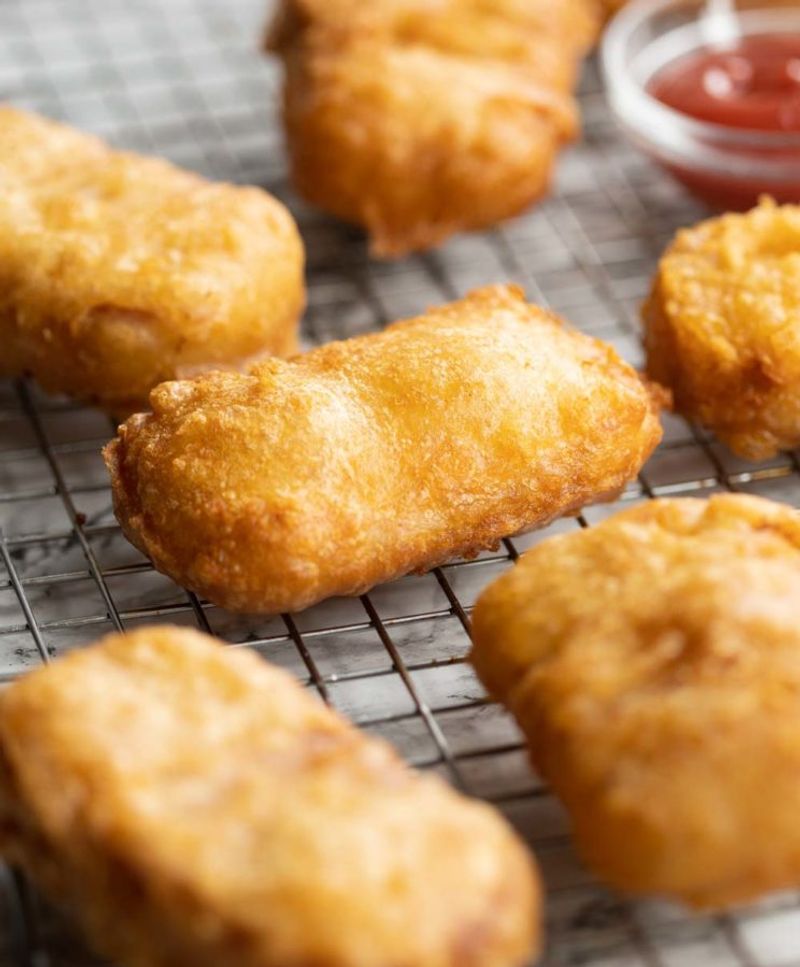
Ask anyone who grew up in Britain before the 90s, and chances are they remember Spam fritters with a mix of fondness and laughter. These slices of canned pork, coated in batter and deep-fried, were a school canteen classic.
They were cheap, filling, and surprisingly satisfying.
As fresh ingredients became more affordable and food trends shifted, Spam fritters quietly disappeared from menus. A few traditional chippies still serve them, keeping the greasy, glorious tradition alive.
2. Angel Delight
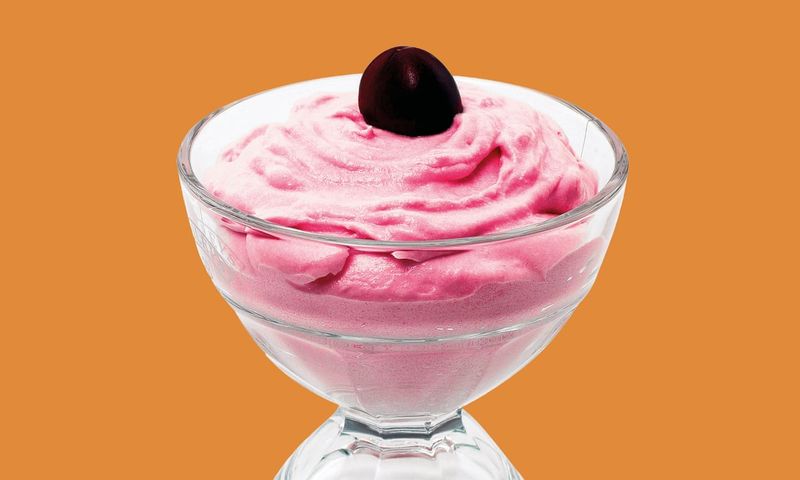
Few desserts caused as much excitement at the dinner table as Angel Delight. You just added cold milk to the powder, whisked it up, and waited for it to set into a cloud-like mousse that kids absolutely adored.
Butterscotch was the most iconic flavour, though strawberry had its loyal fans too.
Supermarkets still stock it, but it rarely gets the spotlight it once had. Honestly, it deserves a proper comeback on every family pudding menu.
3. Findus Crispy Pancakes
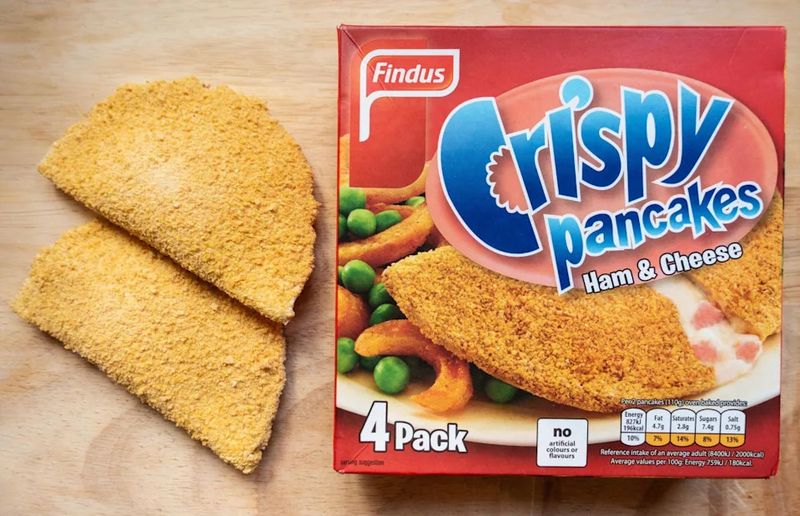
Findus Crispy Pancakes were the ultimate freezer-to-oven convenience food of the 80s. Stuffed with minced beef, cheese, or ham and cheese, these crispy golden parcels felt like a treat even on a Tuesday night.
They were popular because they were easy and kids loved them.
When Findus collapsed in the 90s, the pancakes vanished almost overnight. A few copycat versions have appeared over the years, but nothing has quite matched the original magic of that crunchy, saucy bite.
4. Scotch Woodcock
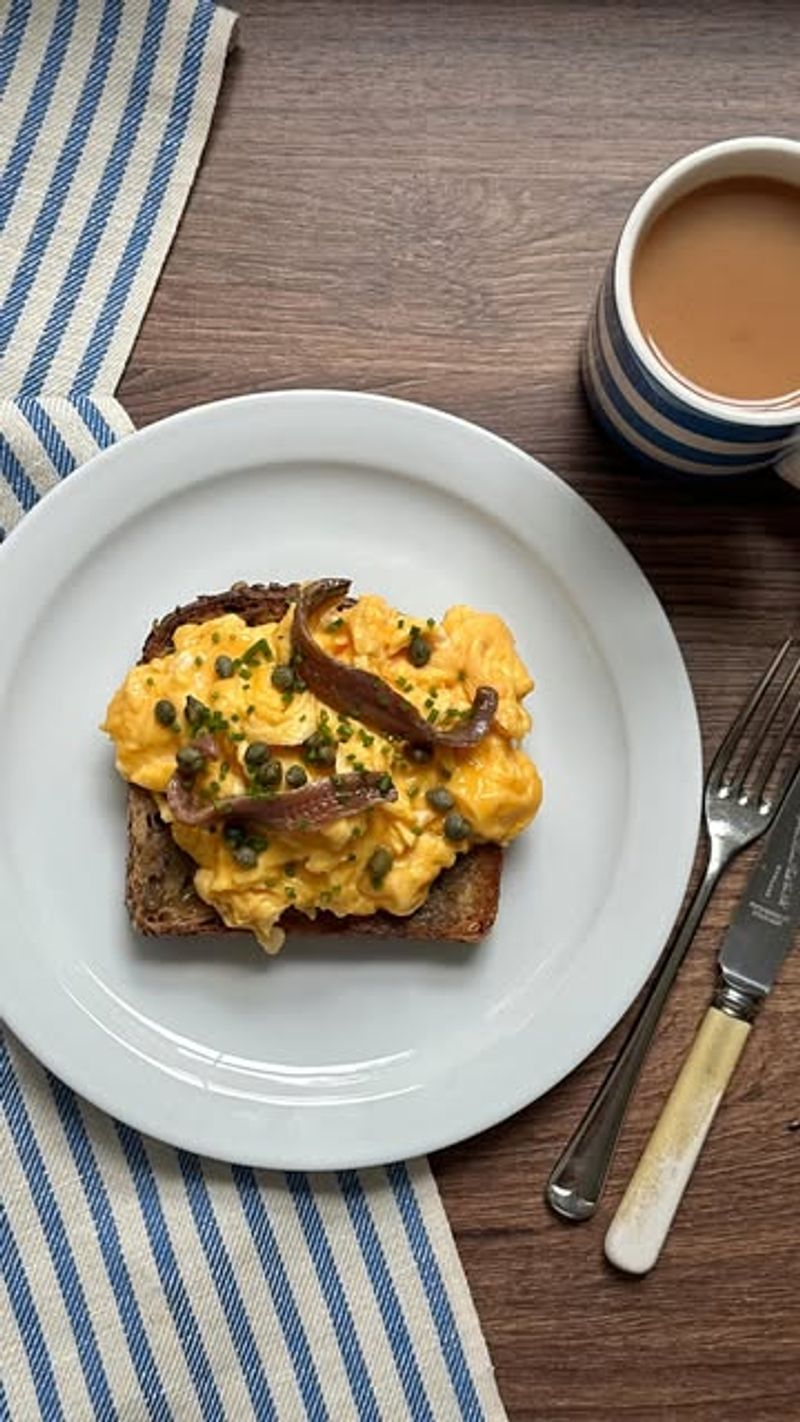
Scotch Woodcock sounds like it should involve a bird, but it is actually a savoury toast dish topped with creamy scrambled eggs and anchovy paste. Once a beloved savoury course served after dinner in Victorian and Edwardian households, it nearly vanished entirely by the late 20th century.
It is making a slow return in restaurants celebrating traditional British cooking. The combination of salty anchovies and soft eggs on buttered toast is genuinely delicious and worth trying if you ever spot it on a menu.
5. Pease Pudding
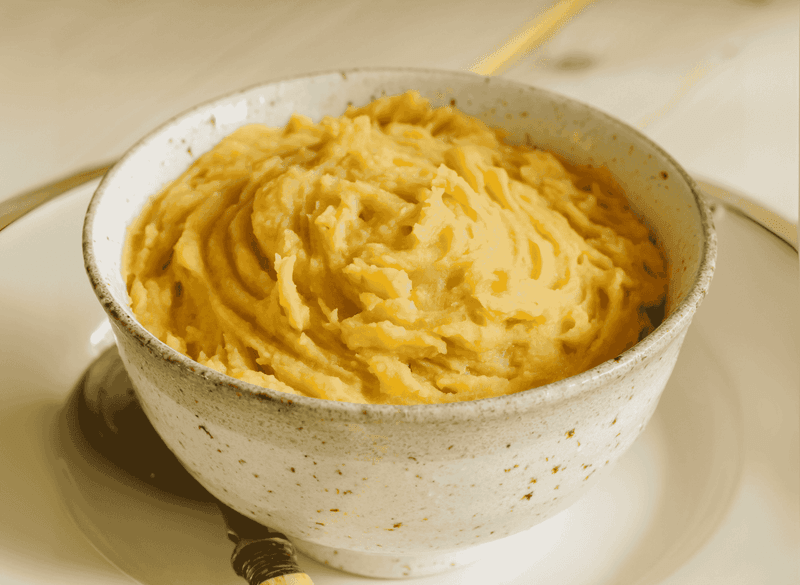
Pease pudding is one of the oldest dishes in British food history, made by boiling yellow split peas with ham and seasoning until thick and smooth. It was once a staple in northern England, especially in the northeast, where it was sold in jars at the butcher shop.
By the 90s, younger generations had largely forgotten it existed. A handful of regional delis and markets still carry it today, and those who try it for the first time are often surprised by how comforting and hearty it really is.
6. Vesta Beef Curry
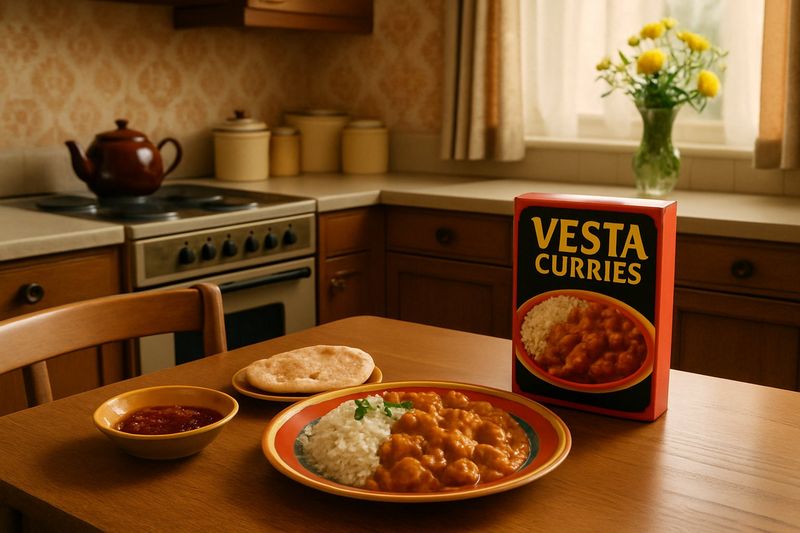
Before takeaway apps and ready-made supermarket curries, Vesta Beef Curry was how many British families experienced exotic food at home. The bright yellow box contained dried beef, rice, and even little dried sultanas, which felt incredibly adventurous for its time.
It smelled a bit strange during cooking and looked nothing like real curry, but families loved it anyway. Vesta still exists, though it has lost most of its cultural buzz.
For a generation of Brits, it was a genuinely exciting Friday night meal.
7. Bread and Dripping
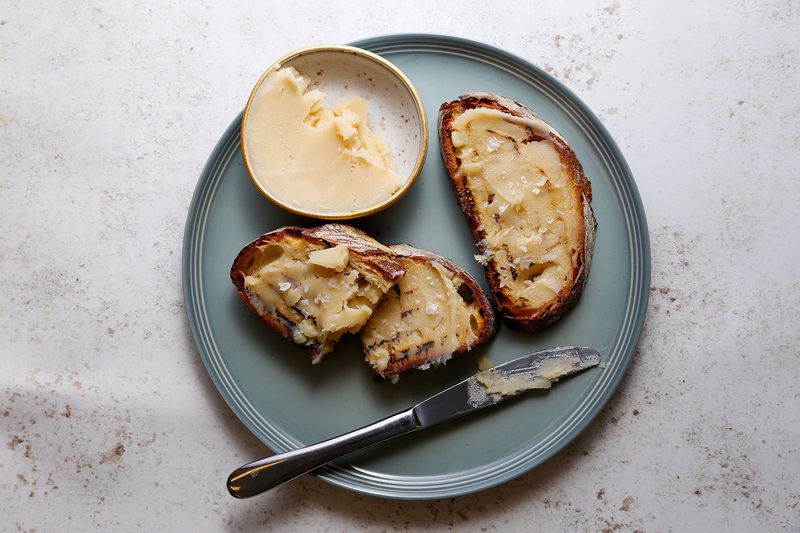
Bread and dripping was the ultimate no-waste snack of working-class Britain. Leftover fat from a roasted joint of beef would be saved, spread onto thick slices of bread, and eaten with a pinch of salt.
It sounds simple because it is, but the flavour is surprisingly rich and satisfying.
Health concerns around saturated fat pushed it off British tables during the 80s. Artisan food lovers have quietly brought it back in recent years, and some butchers now sell quality dripping to curious home cooks.
8. Syllabub
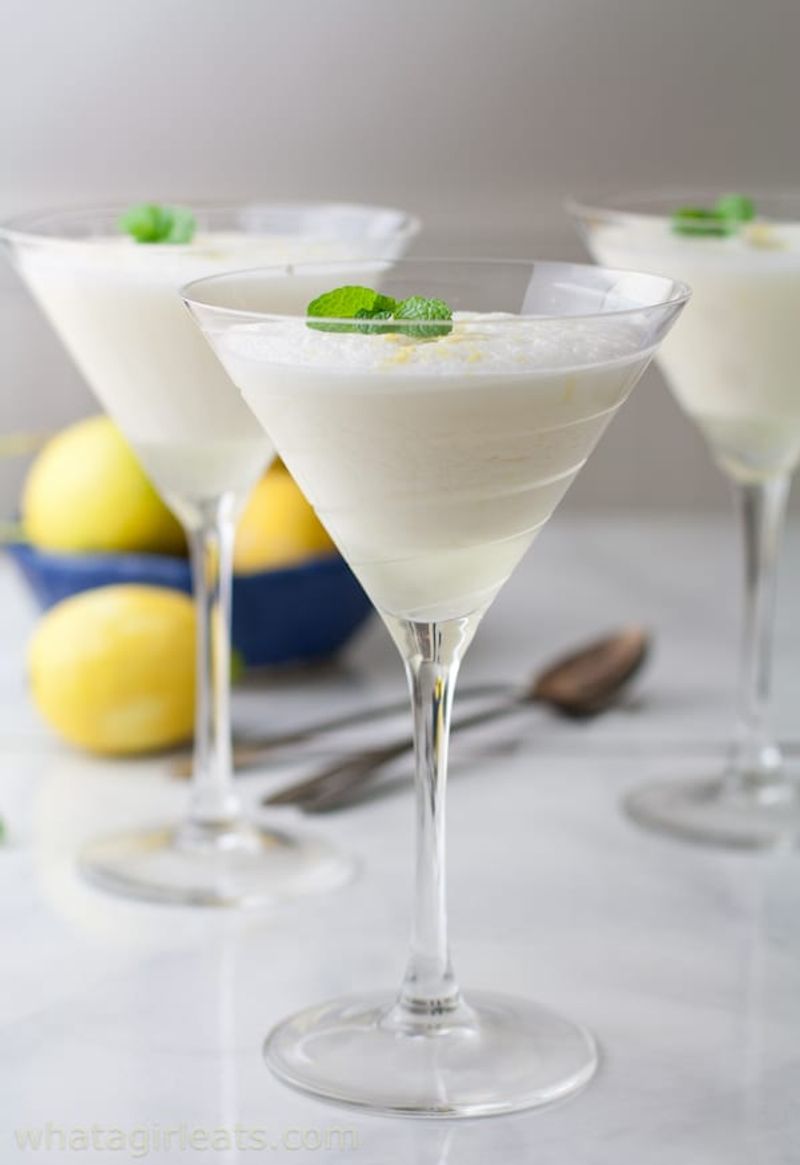
Syllabub is a frothy, creamy dessert made with whipped cream, wine or cider, lemon juice, and sugar. It dates back to the 16th century and was once considered one of the most fashionable puddings in England.
By the 80s and 90s, it had almost entirely disappeared from home kitchens.
Modern food writers and heritage recipe enthusiasts have helped revive it in recent years. It is surprisingly easy to make and tastes wonderfully light and tangy, making it perfect for dinner parties that want something a little different.
9. Potted Shrimps
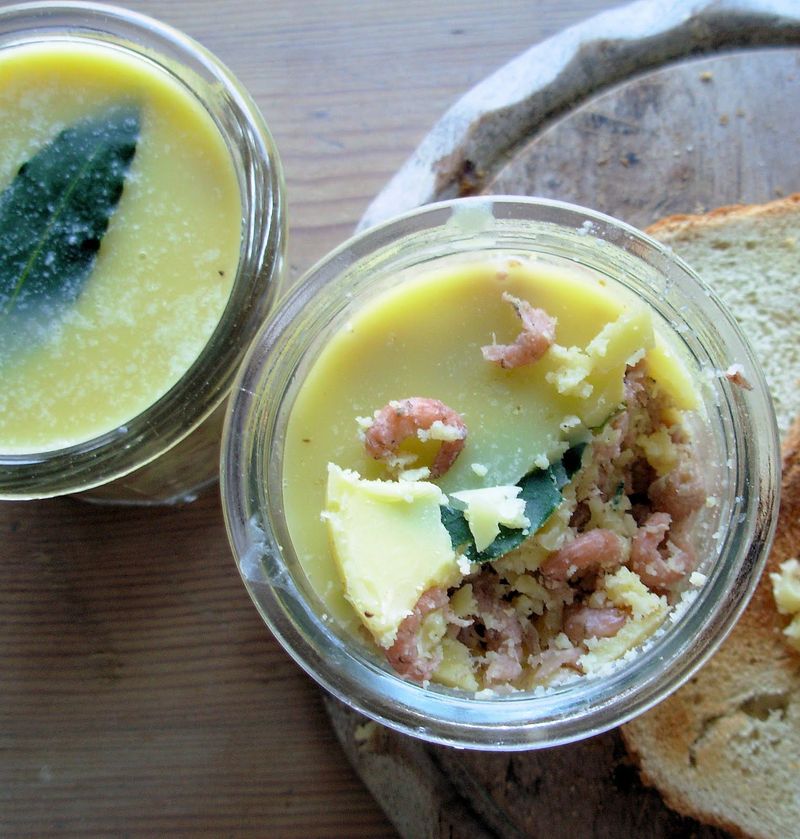
Potted shrimps from Morecambe Bay were once a celebrated British delicacy, enjoyed by everyone from seaside holidaymakers to London dinner party guests. Tiny brown shrimps are cooked and preserved in spiced, clarified butter, then served cold on toast or bread.
Their popularity dipped sharply in the 90s as cheaper seafood options flooded the market. Today, they are staging a quiet comeback in gastro pubs and specialty food shops, reminding people just how special and intensely flavoured this little dish can be.
10. Spotted Dick
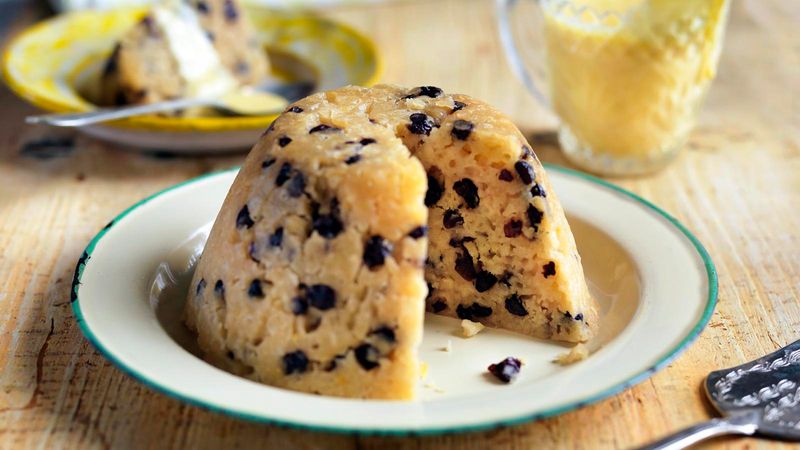
Spotted Dick is one of those quintessentially British puddings that always raises a smile due to its name. Made from suet sponge studded with dried currants or raisins, it is a proper old-school steamed pudding that was a school dinner staple for decades.
By the 90s, changing tastes and the move away from heavy puddings saw it nearly vanish from homes and canteens. It has since found a second life in tins and in traditional British restaurants, where it is proudly served with lashings of custard.
11. Bloater Paste
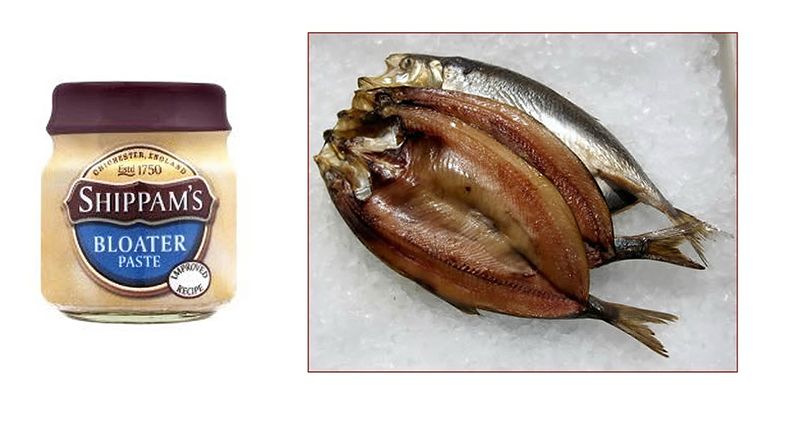
Bloater paste was once a cupboard essential in British households, made from smoked herrings blended into a spreadable, intensely fishy paste. Spread onto thin white bread and butter, it made a quick and affordable sandwich that working families relied on throughout the 20th century.
As supermarkets began stocking more varied sandwich fillings, bloater paste quietly faded from shelves. It is almost impossible to find today, though anchovy paste and similar fish spreads have kept the tradition of savoury fish on toast very much alive in British food culture.
12. Jugged Hare
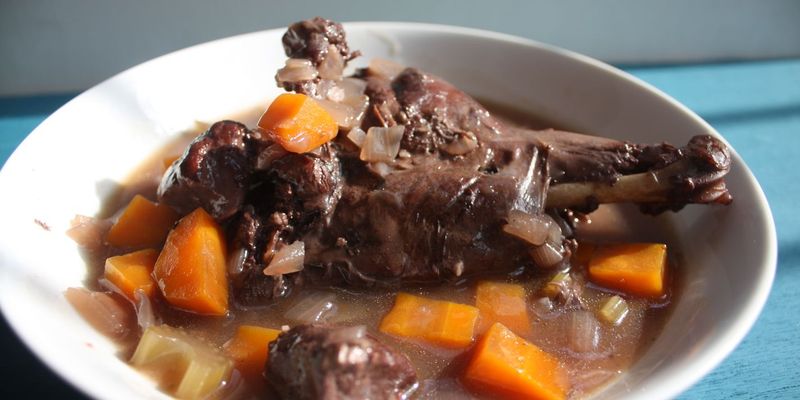
Jugged hare is about as old-school British as food gets. A whole hare is slow-cooked in a tall jug or pot with red wine, port, and aromatic vegetables until the meat falls apart into a deeply rich, gamey stew.
It was once a celebrated autumn and winter dish across Britain.
By the 90s, hare had become difficult to find and the recipe felt too old-fashioned for modern tastes. A handful of countryside gastropubs still serve it during game season, honouring a dish that deserves far more recognition than it currently gets.
13. Lardy Cake
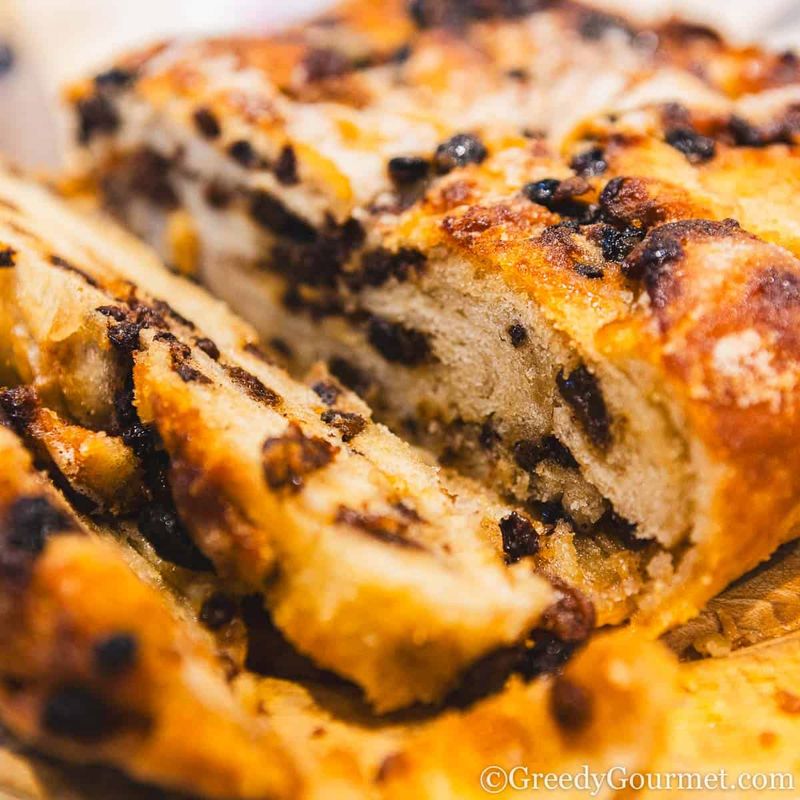
Lardy cake is a regional British bake that originated in Wiltshire and was popular across southern England for generations. Made with bread dough layered with lard, sugar, and dried fruit, then baked until sticky and golden, it is rich, indulgent, and utterly satisfying.
Health-conscious eating trends of the late 80s and 90s made lard deeply unfashionable, and lardy cake nearly disappeared with it. A growing appreciation for heritage baking has brought it back to artisan bakeries, where it now sells out quickly every weekend.
14. Eel Pie
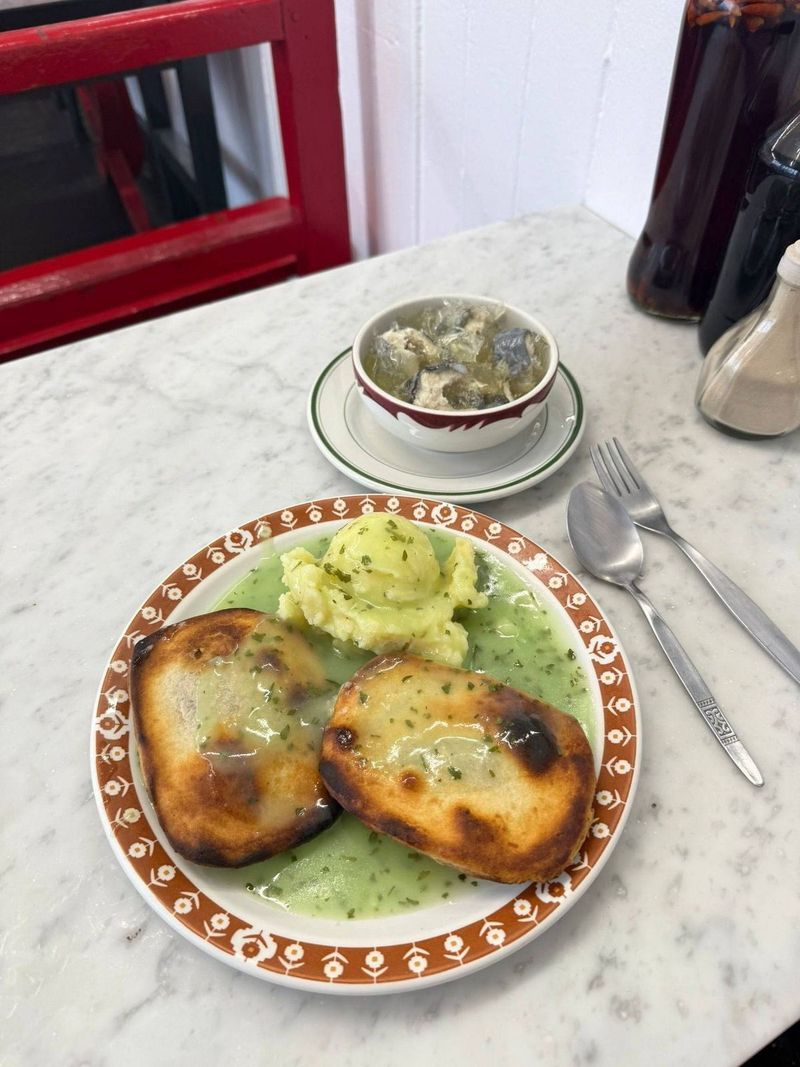
Eel pie and mash was once the defining street food of working-class East London. Chopped eels were baked inside a pastry shell and served with mashed potato and a thin parsley sauce called liquor.
Eel pie shops were as common in London as fish and chip shops once were.
The decline of the Thames eel population and changing tastes saw most eel pie shops close by the 90s. A small number of pie and mash shops in East London still serve it, keeping a remarkable piece of culinary history stubbornly alive.
15. Frumenty
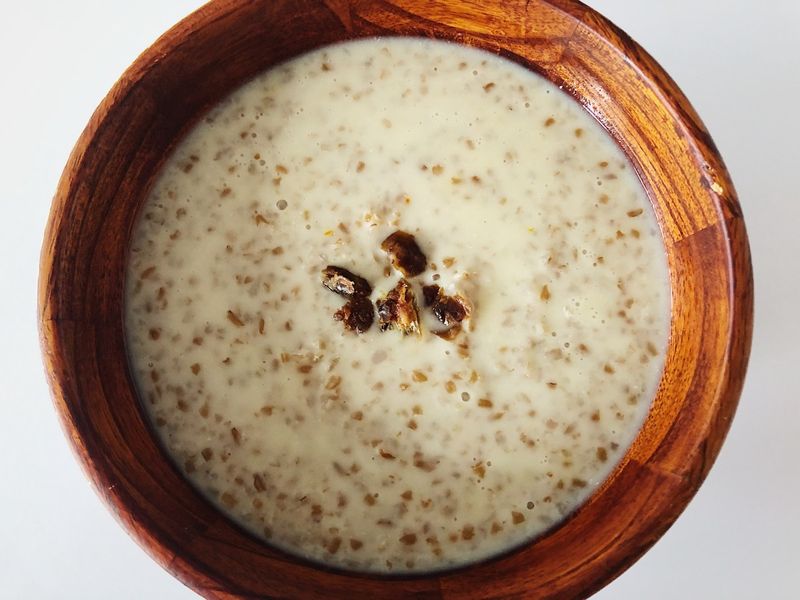
Frumenty is one of the oldest British dishes still remembered, though almost nobody eats it anymore. Made from cracked wheat boiled in milk or broth with spices like cinnamon and nutmeg, then sweetened with honey or dried fruit, it was a festive dish served at Christmas and harvest celebrations for centuries.
By the 20th century, porridge had largely replaced it in British homes. Food historians and heritage recipe enthusiasts still make it occasionally, and those who try it often describe it as a surprisingly warming and flavourful dish worth rediscovering.
16. Brawn
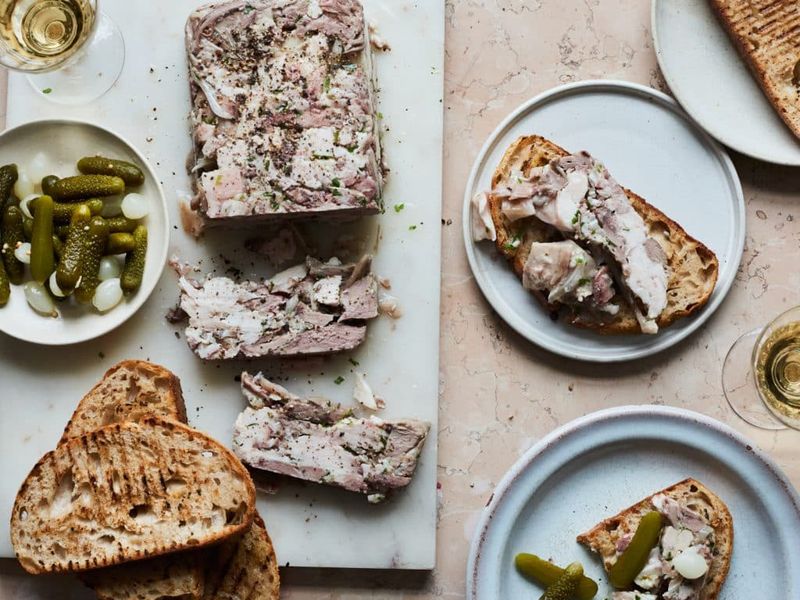
Brawn, also known as head cheese in other countries, is made by slowly cooking a pig's head until the meat falls off, then pressing it into a mould with its own natural jelly. Sliced cold and eaten with bread and pickles, it was a thrifty and tasty way to use every part of the animal.
Modern squeamishness about offal and unusual cuts pushed brawn off most shopping lists by the 90s. Adventurous food lovers and nose-to-tail restaurant chefs have been working hard to restore its reputation as a genuinely delicious and sustainable choice.
17. Dock Pudding
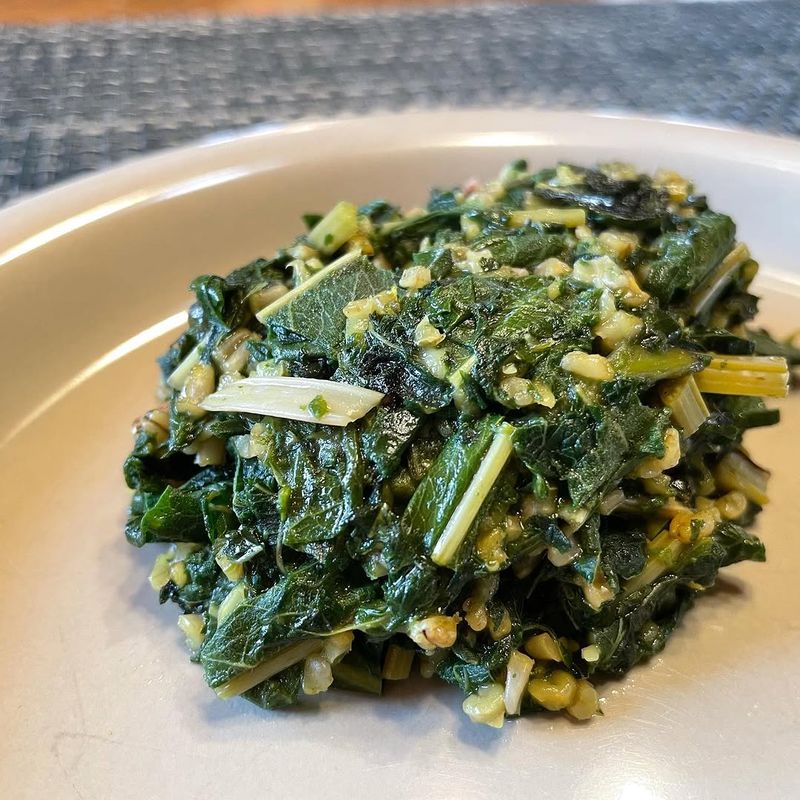
Dock pudding is a fiercely regional dish from the Lake District in Cumbria, made with bistort leaves, oatmeal, nettles, onions, and barley. It is fried in slices and traditionally served alongside bacon as a hearty spring breakfast.
There is even an annual World Dock Pudding Championship held in the Cumbrian village of Kendal.
Outside of Cumbria, very few people have ever heard of it, let alone tasted it. Its survival is largely thanks to the passionate local communities who refuse to let this ancient, earthy dish disappear from British food culture.
Comments
No Comments