













What you eat every day has a huge impact on how you feel, think, and even how well your body fights off illness. Some foods go beyond just filling you up — they actually help your body work better.
From fighting inflammation to strengthening your immune system, the right foods can make a real difference. Here are 17 foods worth adding to your plate.
1. Blueberries
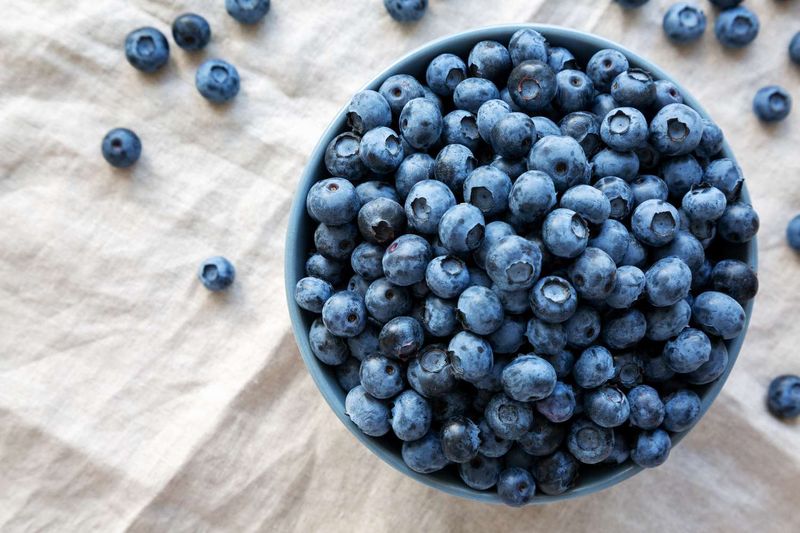
Tiny but mighty, blueberries pack a serious punch when it comes to your health. They are loaded with antioxidants, which help protect your body's cells from damage caused by stress and pollution.
Studies suggest that eating blueberries regularly may support brain function and even improve memory. Toss them into yogurt, oatmeal, or a smoothie for an easy, delicious boost.
Fresh or frozen, they work just as well either way.
2. Salmon
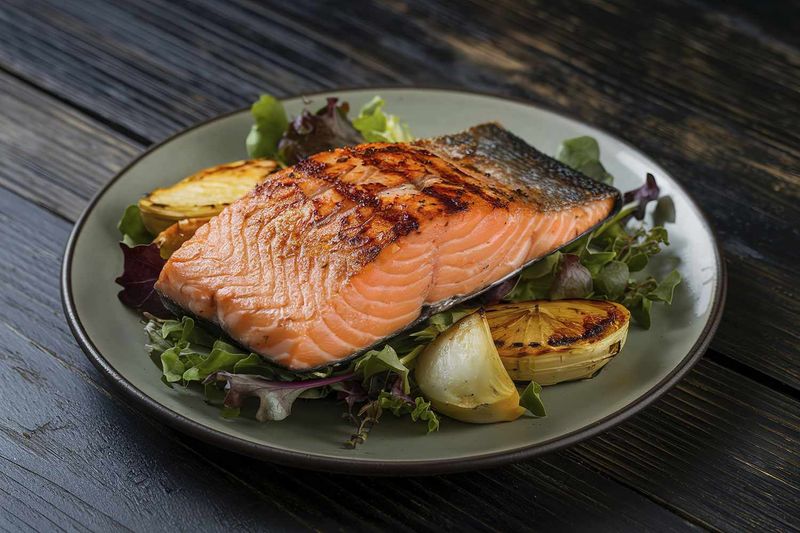
Few foods can match salmon when it comes to heart-healthy fats. Rich in omega-3 fatty acids, this fish helps reduce inflammation and supports healthy brain development, making it a top pick for all ages.
Omega-3s have also been linked to lower risk of heart disease. Grilling or baking salmon keeps it light and nutritious.
Aim to eat it at least twice a week to start seeing benefits for your body and mind.
3. Spinach
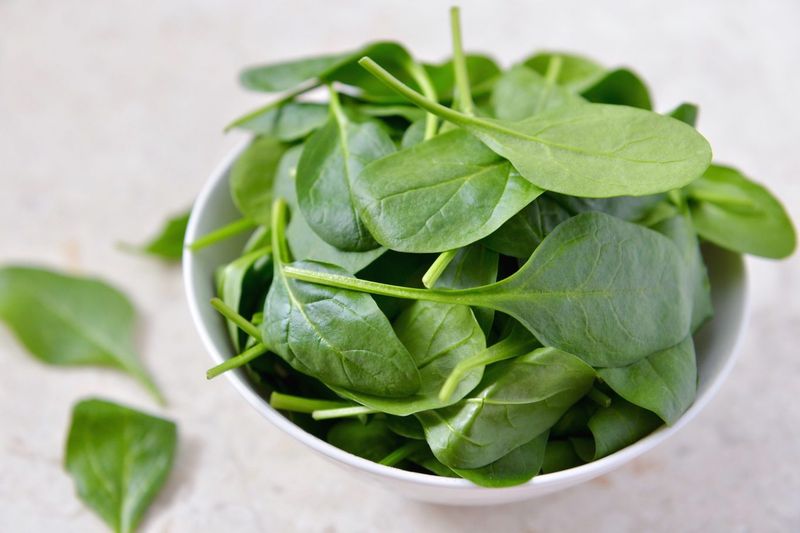
Popeye was onto something. Spinach is one of the most nutrient-dense vegetables on the planet, loaded with iron, calcium, vitamin K, and folate all in one leafy package.
Iron helps carry oxygen through your blood, while folate supports healthy cell growth. Raw in salads or wilted into pasta, spinach adapts to almost any meal.
Even sneaking a handful into a fruit smoothie barely changes the taste but seriously upgrades the nutrition.
4. Greek Yogurt
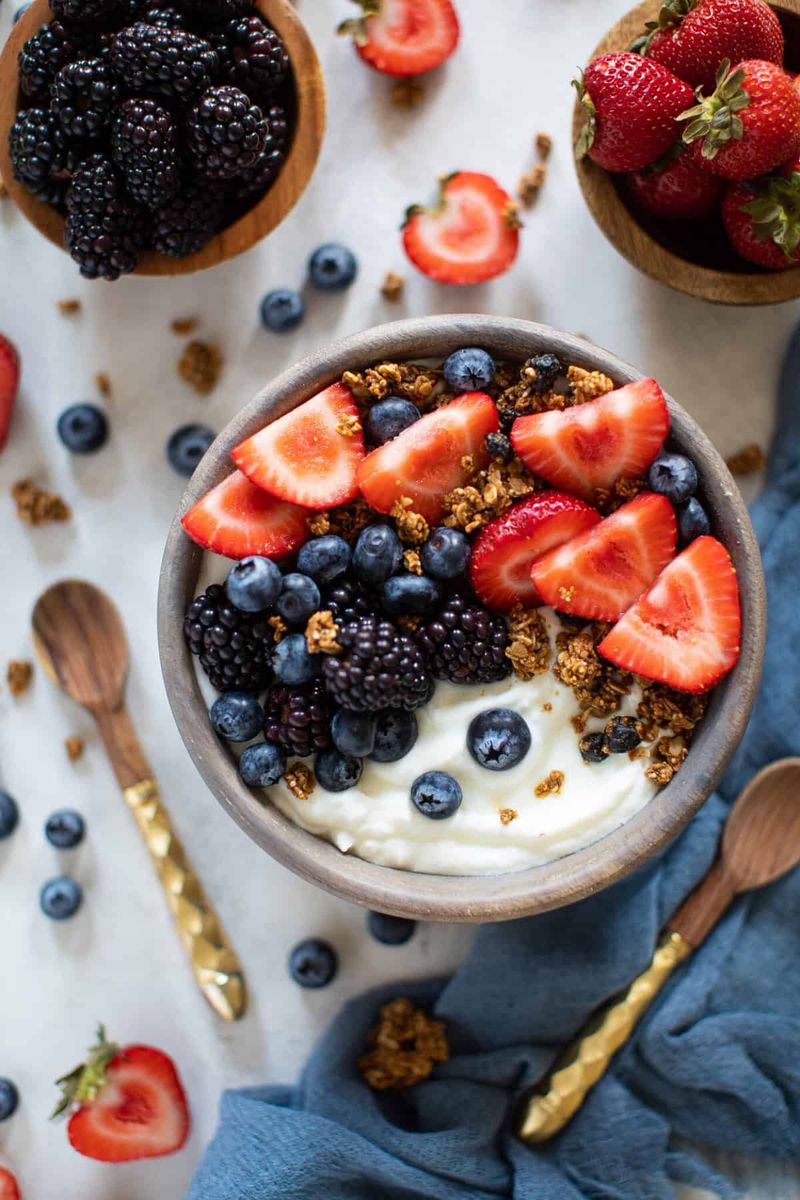
Creamy, tangy, and incredibly satisfying, Greek yogurt is a powerhouse of protein and probiotics. Probiotics are good bacteria that help keep your gut healthy and your digestion running smoothly.
A healthy gut is connected to better mood, stronger immunity, and even clearer skin. Greek yogurt also delivers a solid dose of calcium for strong bones.
Swap it in for sour cream or mayo to quietly upgrade your meals without losing flavor.
5. Avocado
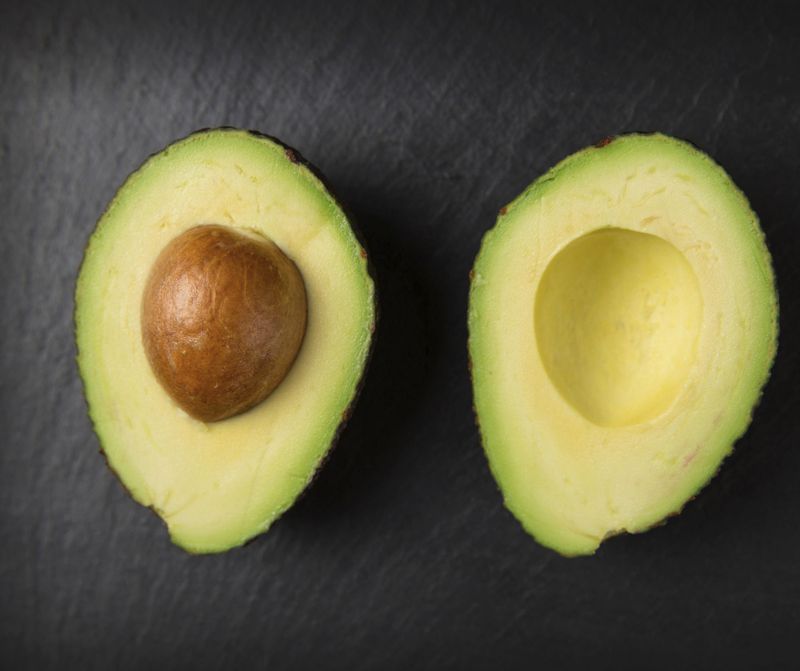
Avocados have earned their superfood status, and the hype is absolutely justified. They are packed with heart-healthy monounsaturated fats that help lower bad cholesterol while raising the good kind.
Beyond fat, avocados provide potassium, fiber, and vitamins C, E, and K. That creamy texture also helps your body absorb fat-soluble nutrients from other foods eaten alongside it.
Spread it on toast, blend it into a dressing, or simply eat it with a spoon and a little salt.
6. Garlic
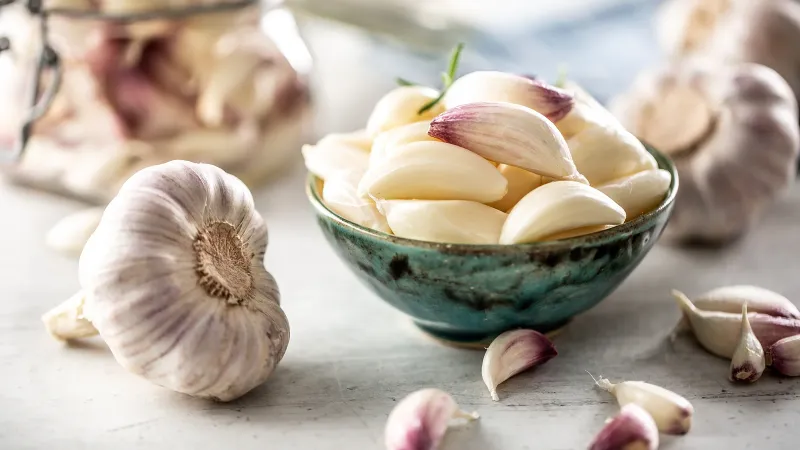
Ancient civilizations used garlic as medicine long before it became a kitchen staple. Modern science has backed up what those cultures already knew — garlic contains allicin, a compound with powerful antibacterial and antiviral properties.
Regular garlic consumption has been linked to lower blood pressure and improved cholesterol levels. It also gives your immune system a solid nudge in the right direction.
Even a small amount chopped into a stir-fry or soup can make a meaningful difference over time.
7. Walnuts
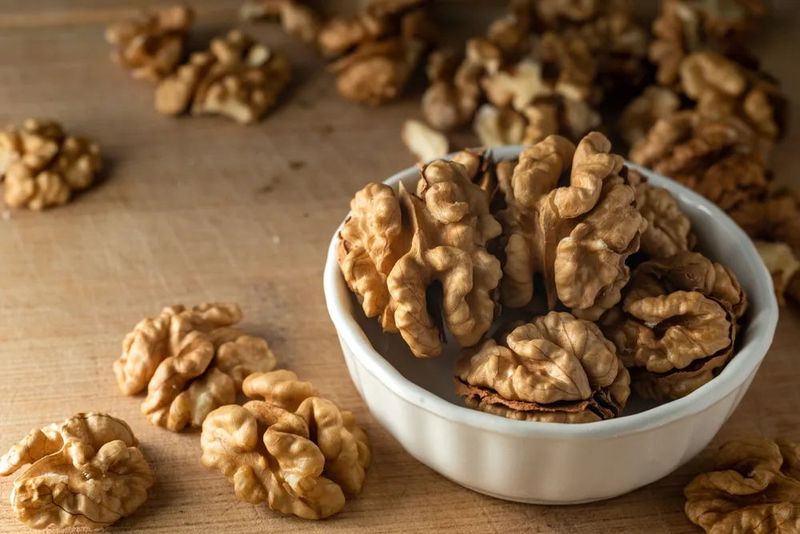
Walnuts look a little like tiny brains, and fittingly, they are one of the best foods for brain health. They contain DHA, a type of omega-3 fatty acid that supports cognitive function and may help protect against mental decline as you age.
Beyond brain benefits, walnuts are rich in antioxidants and magnesium. Just a small handful a day is enough to start reaping rewards.
Sprinkle them over salads, stir them into oatmeal, or munch them as an afternoon snack.
8. Sweet Potatoes
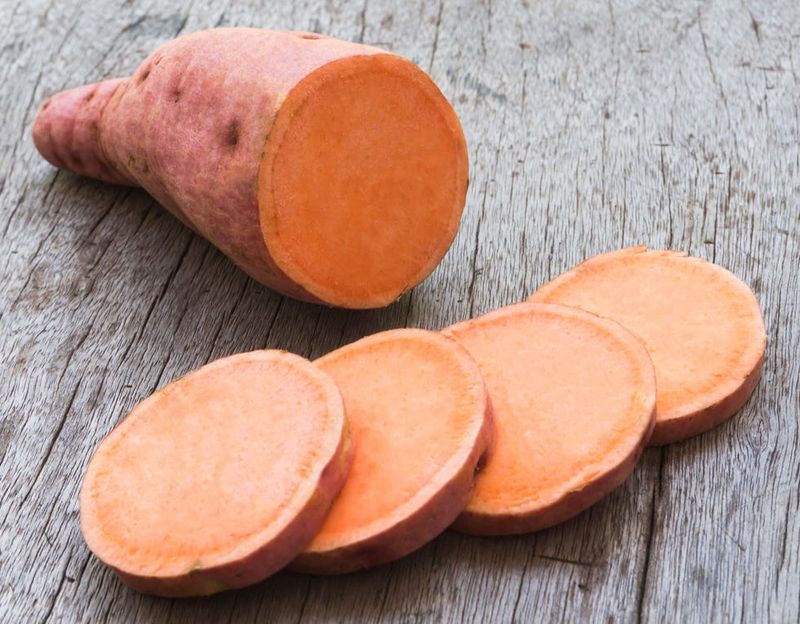
Sweet potatoes are one of those foods that taste like a treat but work like a health supplement. Their deep orange color comes from beta-carotene, which your body converts into vitamin A to support eye health and immune function.
They are also high in fiber and potassium, making them great for digestion and blood pressure. Roast them in the oven with a little olive oil and they become crispy, caramelized, and absolutely hard to stop eating.
9. Turmeric
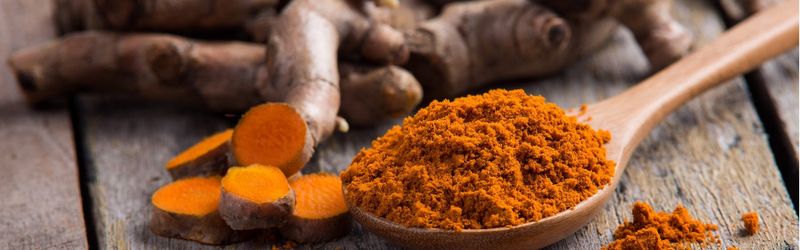
That bold yellow spice sitting in your pantry might be more powerful than you think. Turmeric contains curcumin, a compound that has been studied extensively for its anti-inflammatory and antioxidant effects.
Chronic inflammation is linked to many serious diseases, so reducing it matters. Pairing turmeric with black pepper boosts curcumin absorption by up to 2,000 percent.
Add it to soups, rice dishes, or a warm golden milk latte to make it part of your daily routine.
10. Eggs

For years eggs got an unfair reputation, but nutrition research has largely cleared their name. Eggs are one of the most complete sources of protein available, containing all nine essential amino acids your body cannot make on its own.
They also deliver choline, a nutrient crucial for brain development and function that many people do not get enough of. Whether scrambled, poached, or hard-boiled, eggs are versatile and affordable.
Two eggs in the morning can keep you full and focused for hours.
11. Broccoli
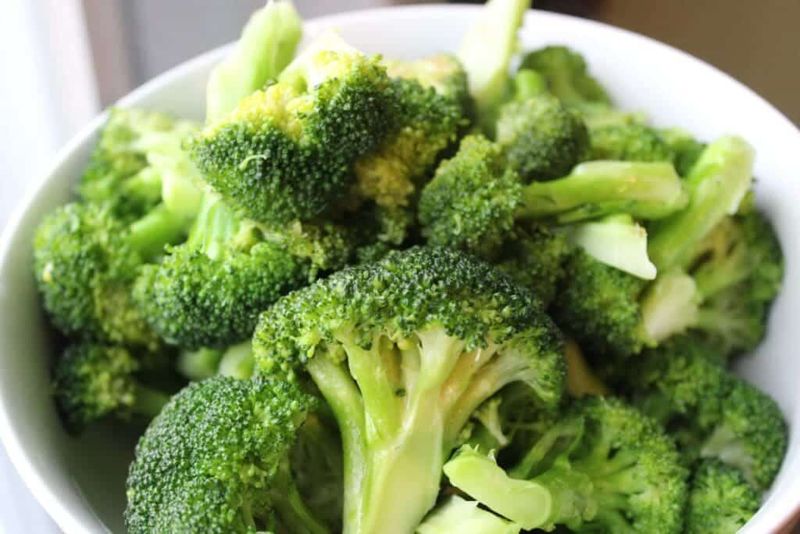
Broccoli might be the vegetable most kids push to the edge of their plate, but it deserves far more respect. It is packed with vitamin C, fiber, and a compound called sulforaphane that researchers are studying for its potential cancer-fighting properties.
Lightly steaming broccoli preserves more of its nutrients than boiling. Roasting it at high heat brings out a nutty, slightly crispy flavor that even skeptics tend to enjoy.
Either way, your body wins every time you eat it.
12. Oats
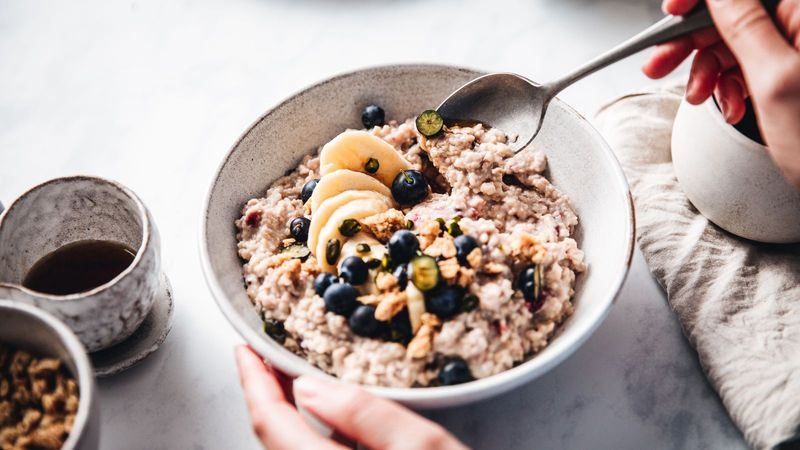
Starting your morning with oats is one of the simplest investments you can make in your long-term health. Oats contain beta-glucan, a type of soluble fiber that has been shown to lower LDL cholesterol and stabilize blood sugar levels throughout the day.
They also release energy slowly, meaning you stay fuller longer without that mid-morning crash. Steel-cut oats have the most fiber, but rolled oats work great too.
Top with fruit, nuts, or a drizzle of honey for a breakfast that actually satisfies.
13. Lentils
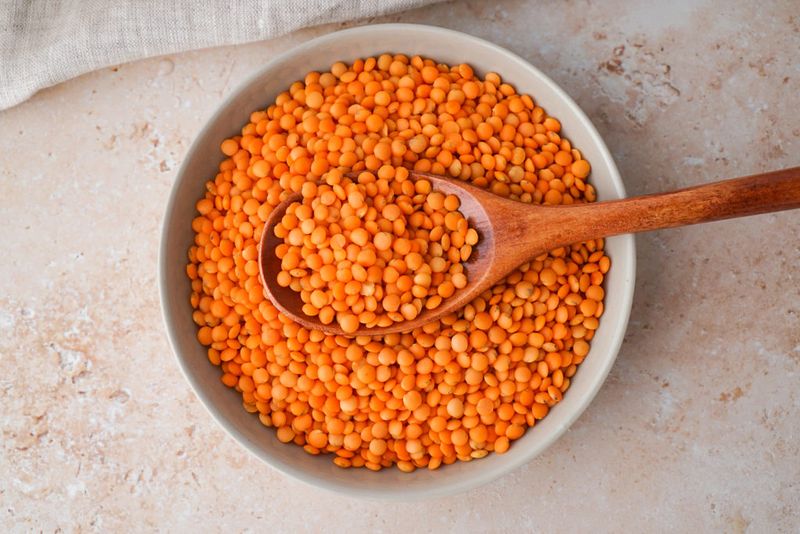
Lentils are one of the most underrated foods in the grocery store. Cup for cup, they deliver more protein than most other plant-based foods, along with impressive amounts of iron, folate, and fiber that support energy and digestion.
They are also budget-friendly and incredibly easy to cook — no soaking required. Add them to soups, stews, tacos, or grain bowls for a hearty, filling base.
Athletes and vegetarians especially benefit from making lentils a regular part of their eating routine.
14. Green Tea
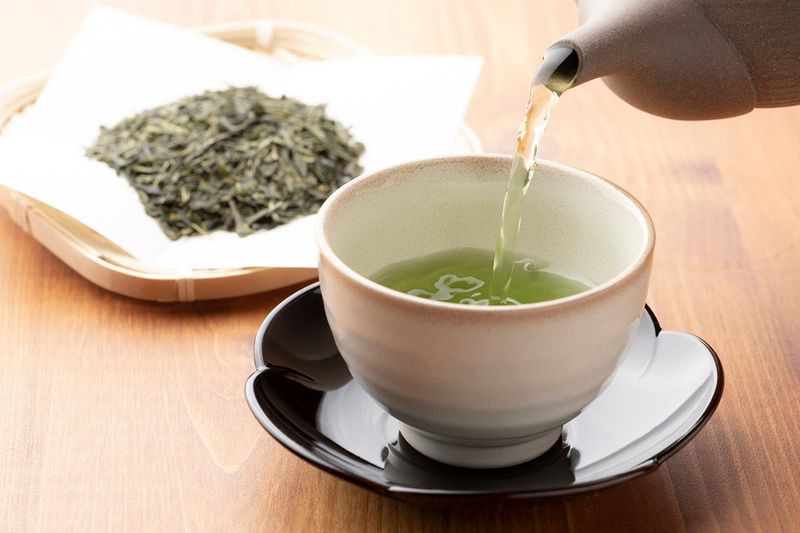
Swap your afternoon soda for a cup of green tea and your body will thank you. Green tea is rich in catechins, a type of antioxidant that has been linked to improved brain function, fat burning, and reduced risk of certain diseases.
Unlike coffee, green tea provides a calm, steady energy boost thanks to a combination of caffeine and L-theanine, an amino acid that promotes focus without jitteriness. Even one or two cups a day can make a noticeable difference over time.
15. Almonds
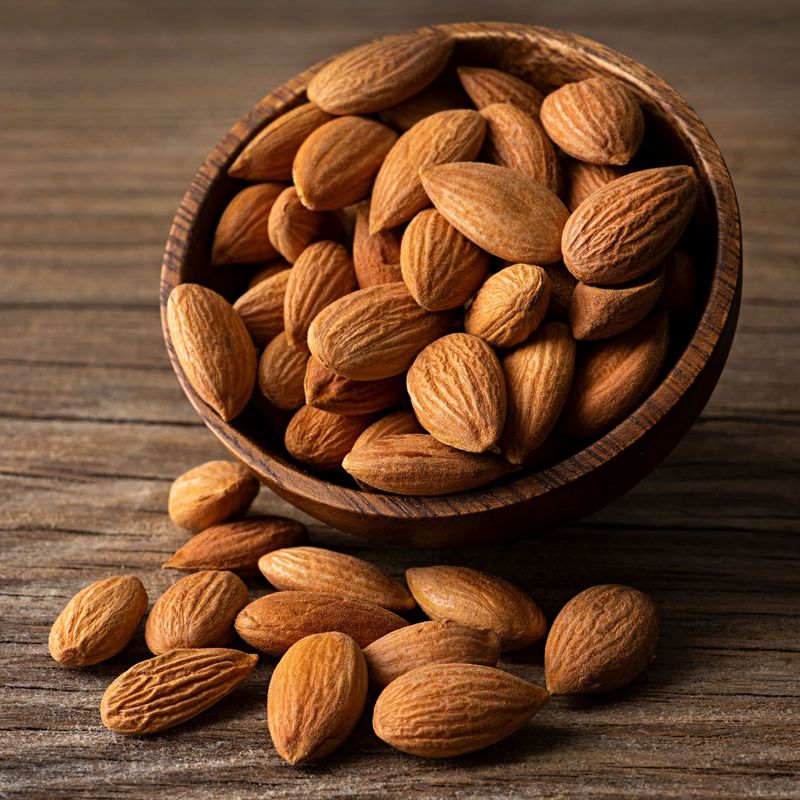
Reaching for a handful of almonds instead of a bag of chips is one of those small swaps that adds up over time. Almonds are loaded with vitamin E, magnesium, and healthy fats that support heart health and keep your skin looking great.
They also help regulate blood sugar, making them a smart snack for sustained energy. Research shows that people who eat nuts regularly tend to weigh less than those who avoid them, despite nuts being calorie-dense.
16. Beets
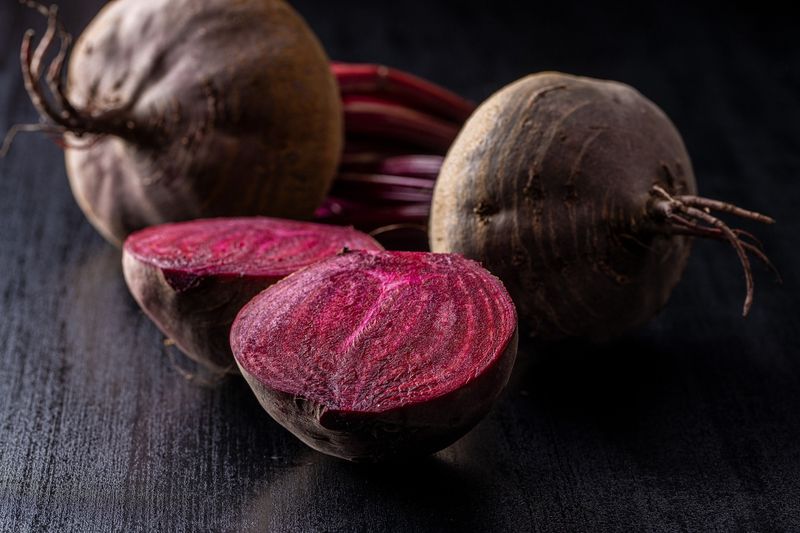
Beets have a bold color and an even bolder nutritional profile. They are naturally high in nitrates, which your body converts into nitric oxide — a compound that relaxes blood vessels and can improve blood flow and athletic performance.
Some athletes drink beet juice before competitions for exactly that reason. Beets also contain folate and betalains, pigments with antioxidant and anti-inflammatory properties.
Roasted, pickled, or blended into a smoothie, beets bring a sweet earthiness that grows on you fast.
17. Dark Chocolate

Good news for chocolate lovers — the dark kind actually belongs on a health list. Dark chocolate with at least 70 percent cacao is rich in flavonoids, antioxidants that help lower blood pressure and improve blood flow to the brain and heart.
It also contains magnesium and iron, two minerals many people fall short on. The key is moderation — a square or two is plenty to enjoy the benefits without overdoing the sugar.
Choose quality over quantity and savor every bite.




Comments
No Comments