













Long before meal prep apps and nutrition labels, people had their own ways of eating that kept them healthy and strong. Many of those old-school habits got tossed aside as fast food and modern convenience took over.
But now, science is catching up and proving that our ancestors were onto something really smart. Here are 17 eating habits from the past that are making a serious comeback today.
1. Eating Only Two or Three Meals a Day
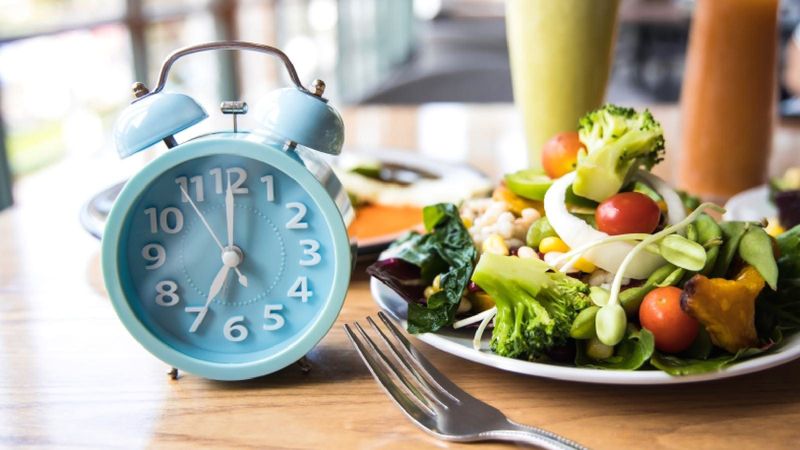
Before snack culture exploded, most people ate just two or three solid meals a day and nothing in between. No mid-morning granola bars or late-night chips.
Turns out, giving your body real breaks between meals helps regulate blood sugar and supports healthy digestion.
Modern research on intermittent fasting echoes this old habit almost exactly. Eating fewer, more intentional meals may reduce overeating and help your body burn energy more efficiently throughout the day.
2. Fermenting Foods at Home

Grandmothers across cultures knew something powerful: letting food ferment made it last longer and taste better. Sauerkraut, kimchi, kefir, and yogurt were kitchen staples long before refrigerators existed.
Today, gut health is one of the hottest topics in nutrition science. Fermented foods are packed with probiotics that feed healthy gut bacteria, improve digestion, and may even boost your immune system.
What was once just food preservation turns out to be a brilliant health strategy.
3. Growing and Eating Seasonal Produce
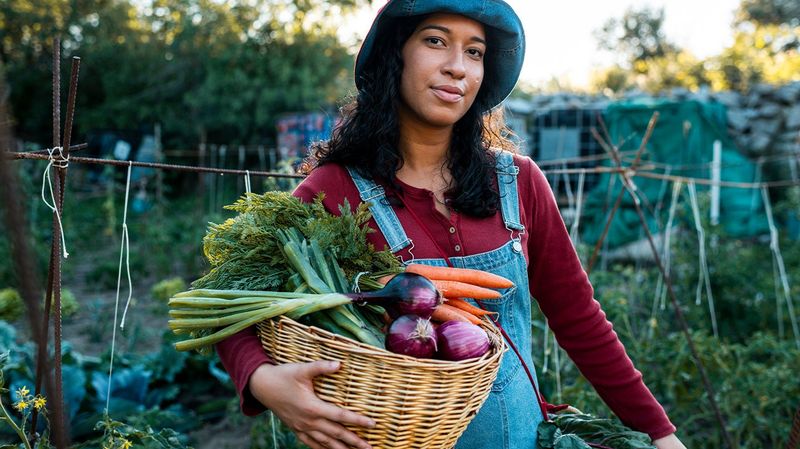
People used to eat what was growing right outside their door. Strawberries in June, squash in fall, and root vegetables all winter long.
There were no strawberries flown in from across the world in December.
Eating with the seasons means produce is fresher, more nutrient-dense, and cheaper. Research shows that fruits and vegetables lose nutrients the longer they travel.
Eating seasonal food is one of the easiest ways to get more vitamins without spending more money.
4. Making Bone Broth From Scratch
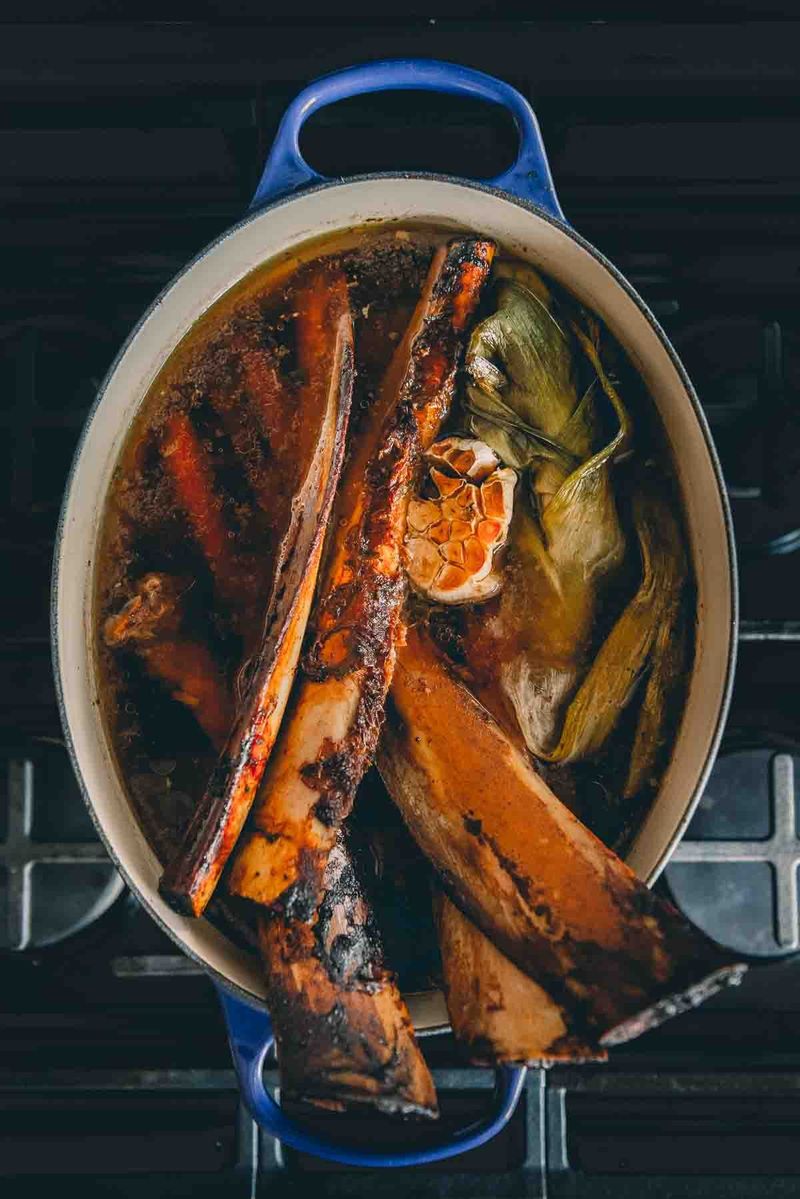
Throwing away bones after a meal would have seemed wasteful and strange to past generations. Instead, they simmered bones for hours to create rich, nourishing broth used in soups and stews.
Bone broth is loaded with collagen, gelatin, and minerals that support joint health, gut lining, and skin elasticity. Health-conscious people today are rediscovering this ancient habit, and bone broth products are now a booming market.
Sometimes the old ways really are the best ways.
5. Eating Organ Meats Regularly
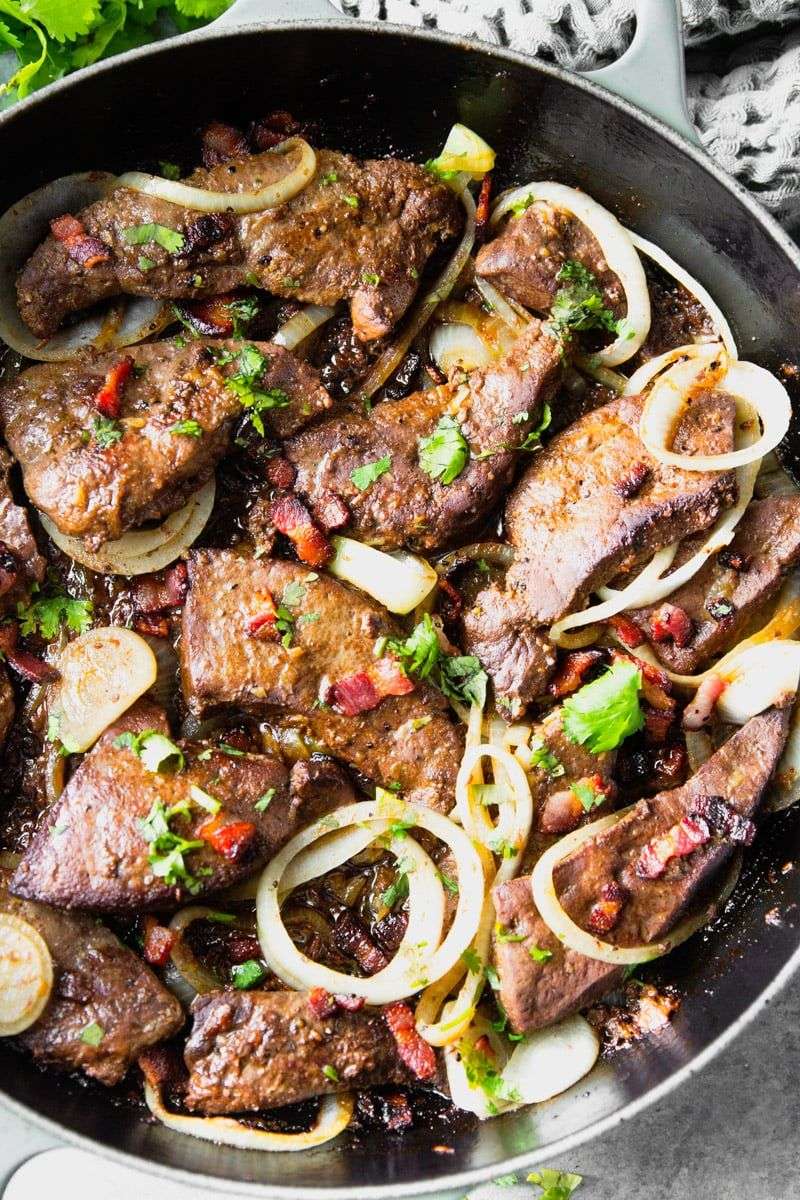
Liver, heart, and kidney were not considered gross in the past. They were prized cuts, often reserved for special meals or given to those who needed extra nourishment like pregnant women and growing children.
Organ meats are among the most nutrient-dense foods on Earth. Liver alone is packed with iron, vitamin B12, vitamin A, and folate.
Many nutrition experts now call it a natural multivitamin. Ancestors ate nose-to-tail without even realizing how smart that was.
6. Soaking Grains Before Cooking
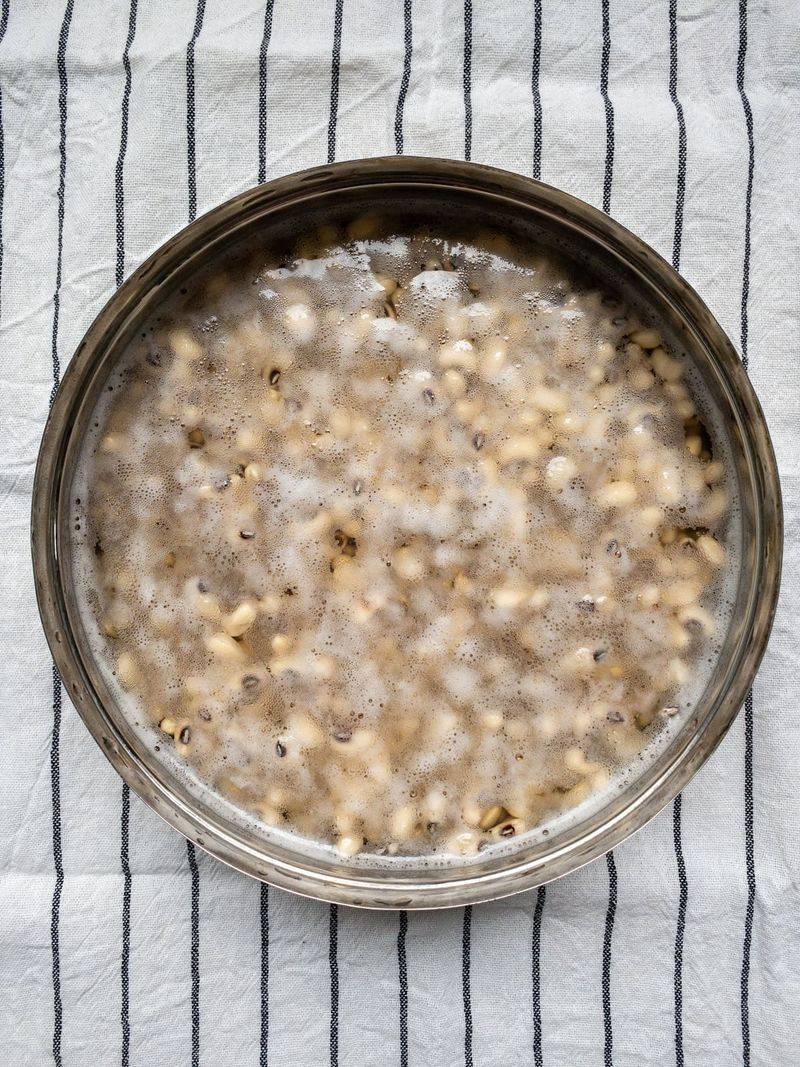
Before modern food processing, people soaked grains, legumes, and seeds overnight before cooking them. It was just part of the routine, passed down from generation to generation without question.
Soaking actually breaks down phytic acid, a compound that blocks your body from absorbing minerals like zinc and iron. It also makes grains easier to digest and can reduce bloating.
Traditional cultures figured this out through trial and error long before scientists could explain the why behind it.
7. Eating Slowly and Mindfully
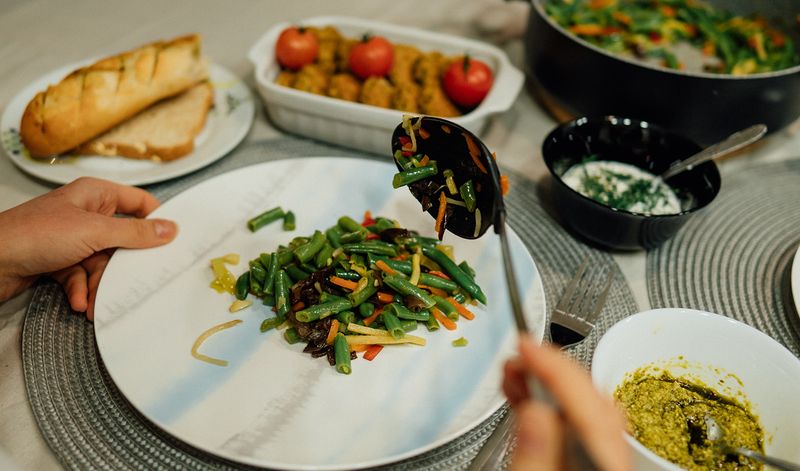
Rushing through meals is a very modern problem. Historically, eating was a slower, more deliberate act.
Meals were tied to family gatherings, rituals, or breaks in hard physical labor.
Eating slowly gives your brain time to receive fullness signals from your stomach, which takes about 20 minutes. Studies show that people who eat quickly consume significantly more calories before feeling satisfied.
Slowing down at the table is one of the simplest habits you can adopt to avoid overeating without counting a single calorie.
8. Cooking With Animal Fats

Lard, tallow, and duck fat were once the go-to cooking fats in kitchens around the world. Then margarine and vegetable oils took over, and animal fats got a bad reputation they may not have deserved.
Recent research suggests that natural animal fats are more stable at high heat than many processed vegetable oils, which can oxidize and create harmful compounds when cooked. Saturated fats from whole food sources may not be the villain nutrition experts once claimed.
The old-fashioned cast iron and lard combo is making a real comeback.
9. Drinking Herbal Teas for Health

Long before medicine cabinets were stocked with pills, people brewed teas from roots, flowers, and leaves to treat everything from stomachaches to colds. Chamomile, ginger, and peppermint were household staples.
Modern science has validated many of these herbal remedies. Ginger reduces nausea, chamomile calms anxiety and improves sleep, and peppermint relieves digestive discomfort.
Herbal teas are also a naturally hydrating, caffeine-free alternative to soda. Your great-grandmother probably had a remedy for whatever ails you already brewing on the stove.
10. Preserving Food Through Pickling
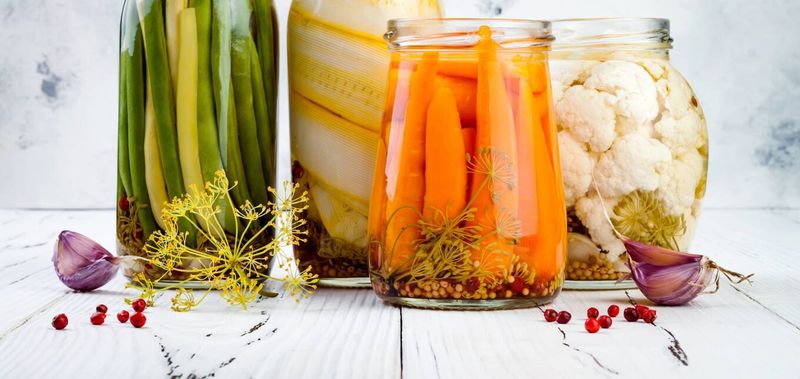
Pickling was a survival skill. Before refrigeration, submerging vegetables in vinegar or salt brine was the best way to keep food from spoiling through long winters and food shortages.
Pickled vegetables contain beneficial acids and, in the case of naturally fermented pickles, live cultures that support gut health. They are also low in calories and high in flavor.
Adding pickled foods to your diet is an easy way to boost your vegetable intake while giving your digestive system a helping hand at the same time.
11. Eating Smaller Portions Naturally
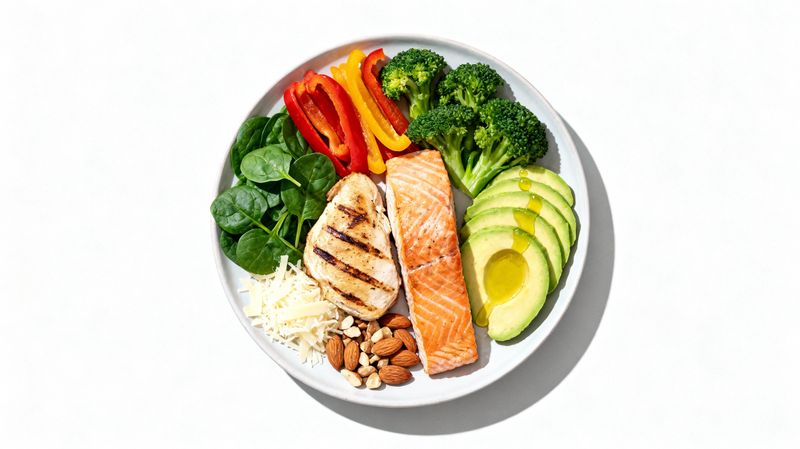
Portion sizes in the past were dramatically smaller than what we consider normal today. Plates were physically smaller, servings were modest, and going back for seconds was not always an option.
Supersized portions have crept into our culture so gradually that most people no longer recognize what a reasonable serving actually looks like. Research consistently links larger portions to higher calorie intake and weight gain.
Using smaller plates and serving modest amounts is a simple trick that taps into a habit humans practiced naturally for centuries.
12. Eating Whole Grains Instead of Refined Ones
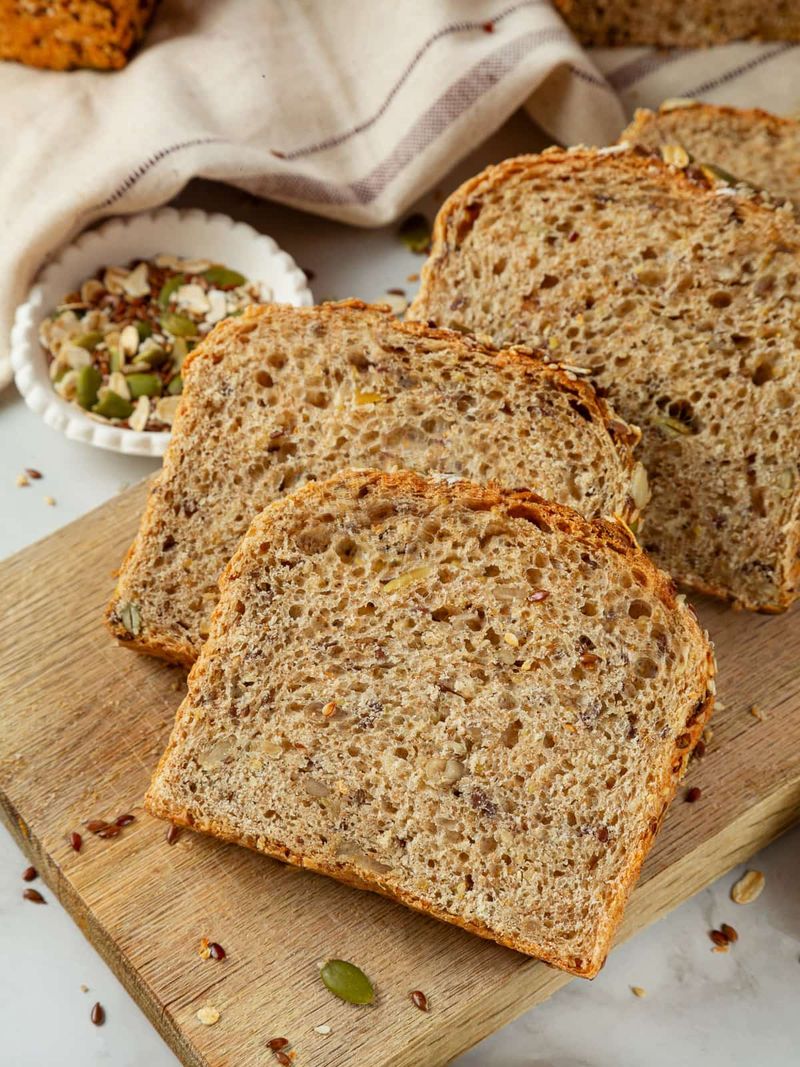
White flour and white rice are relatively new inventions. For most of human history, grains were eaten in their whole form, bran, germ, and all, because no one was stripping them down into refined versions.
Whole grains are rich in fiber, B vitamins, and minerals that are lost during the refining process. Fiber feeds healthy gut bacteria, stabilizes blood sugar, and keeps you full longer.
Switching back to whole grains is one of the most research-backed dietary changes you can make for long-term health.
13. Fasting During Religious or Cultural Observances

Fasting has been part of human culture for thousands of years, woven into religious and seasonal traditions across nearly every civilization. Ramadan, Lent, Yom Kippur, and many indigenous practices all involve deliberate periods of not eating.
Science now shows that periodic fasting can improve insulin sensitivity, reduce inflammation, and trigger cellular repair processes called autophagy. What was once considered a spiritual discipline turns out to carry measurable physical benefits too.
Sometimes ancient wisdom and modern biology arrive at the same answer from completely different directions.
14. Using Spices as Medicine
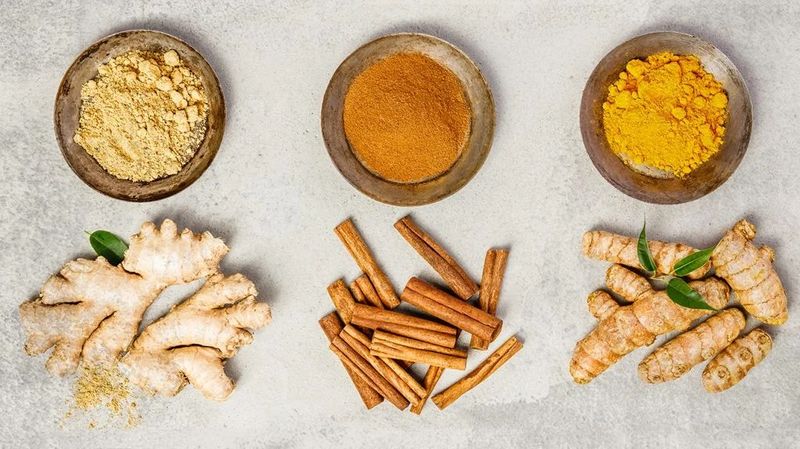
Turmeric in Ayurvedic medicine, cinnamon in traditional Chinese remedies, garlic in ancient Egyptian treatments. Spices were not just flavor enhancers.
They were medicine cabinets in powdered form.
Modern research has confirmed powerful anti-inflammatory, antimicrobial, and antioxidant properties in many common spices. Curcumin in turmeric, for example, is now studied for its potential role in preventing chronic disease.
Cooking with bold spices daily is one of the tastiest ways to add a real health punch to your meals without any extra effort.
15. Drinking Water as the Primary Beverage

Sugary drinks are everywhere now, but for most of human history, water was simply what people drank. Herbal infusions and fermented beverages existed, but plain water was the foundation of daily hydration.
The average American now drinks hundreds of calories a day from sodas, juices, and energy drinks. Returning to water as your main drink is one of the most impactful changes you can make for weight, energy, and kidney health.
Your body is about 60 percent water, and it works best when you keep it that way.
16. Eating Together as a Family

Family meals were not just a nice tradition. They were the default.
Eating together meant sharing food, slowing down, and actually paying attention to what was on the plate and who was at the table.
Studies link regular family meals with healthier eating habits, lower rates of obesity, and better mental health outcomes in children and teens. Sitting together naturally encourages slower eating, more balanced food choices, and stronger communication.
A habit born out of necessity turns out to be one of the best things you can do for your family's well-being.
17. Wasting Nothing and Using Leftovers Creatively
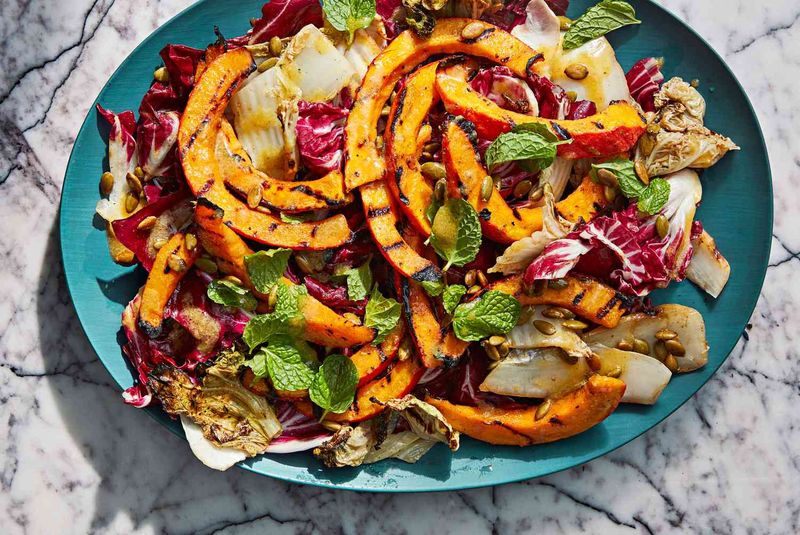
Throwing food away was almost unthinkable for previous generations. Leftover roast became soup.
Stale bread became croutons or bread pudding. Every part of every ingredient had a second life in the kitchen.
Food waste is now a massive environmental and economic problem. Embracing the old habit of using every last bit not only saves money but also encourages more creative, nutrient-rich cooking.
Planning meals around leftovers reduces stress, cuts grocery bills, and keeps good food out of the landfill. Frugality, it turns out, is also sustainability.


Comments
No Comments