













British puddings have a long, delicious history that goes far beyond sticky toffee and bread and butter. From steamed sponges to baked custards, the United Kingdom has invented some truly spectacular desserts that most people have never even heard of.
Many of these old-fashioned treats have been quietly sitting on the sidelines while trendier sweets steal the spotlight. Get ready to discover 17 underrated British puddings that absolutely deserve a place on your table.
1. Sussex Pond Pudding
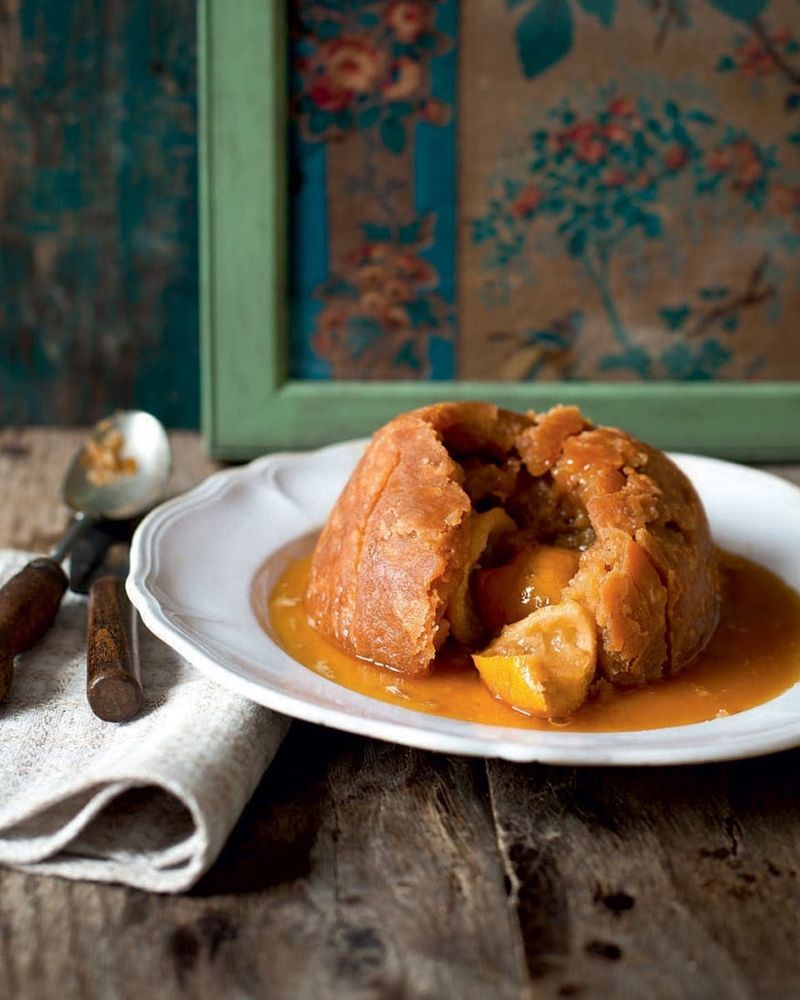
Crack open a Sussex Pond Pudding and something almost magical happens. A whole lemon tucked inside a buttery suet crust releases a sharp, caramel-soaked sauce that pools around the plate like a little golden pond.
That is literally how it got its name.
Dating back to at least the 17th century, this pudding is a true British original. The lemon softens completely during steaming, turning mellow and jammy.
Every bite balances richness with a bright citrus zing that wakes your taste buds right up.
2. Spotted Dick
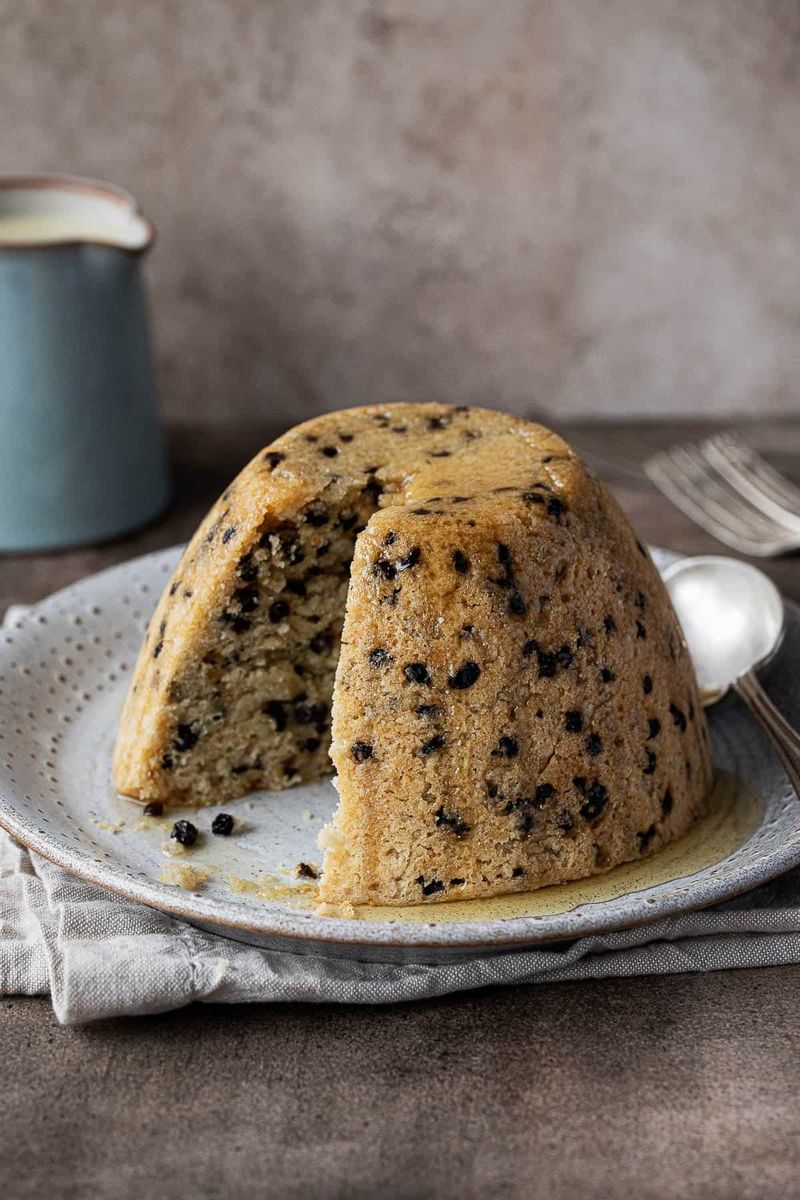
Yes, the name always gets a giggle, but spotted dick is seriously one of the most comforting puddings Britain has ever produced. The spots are dried currants or raisins scattered through a soft, steamed suet sponge with a gentle hint of lemon zest.
Served warm with rivers of thick custard, it tastes like a hug on a cold winter afternoon. Some British pubs have tried renaming it to avoid the snickers, but honestly, the name is half the charm.
Order it proudly.
3. Jam Roly-Poly
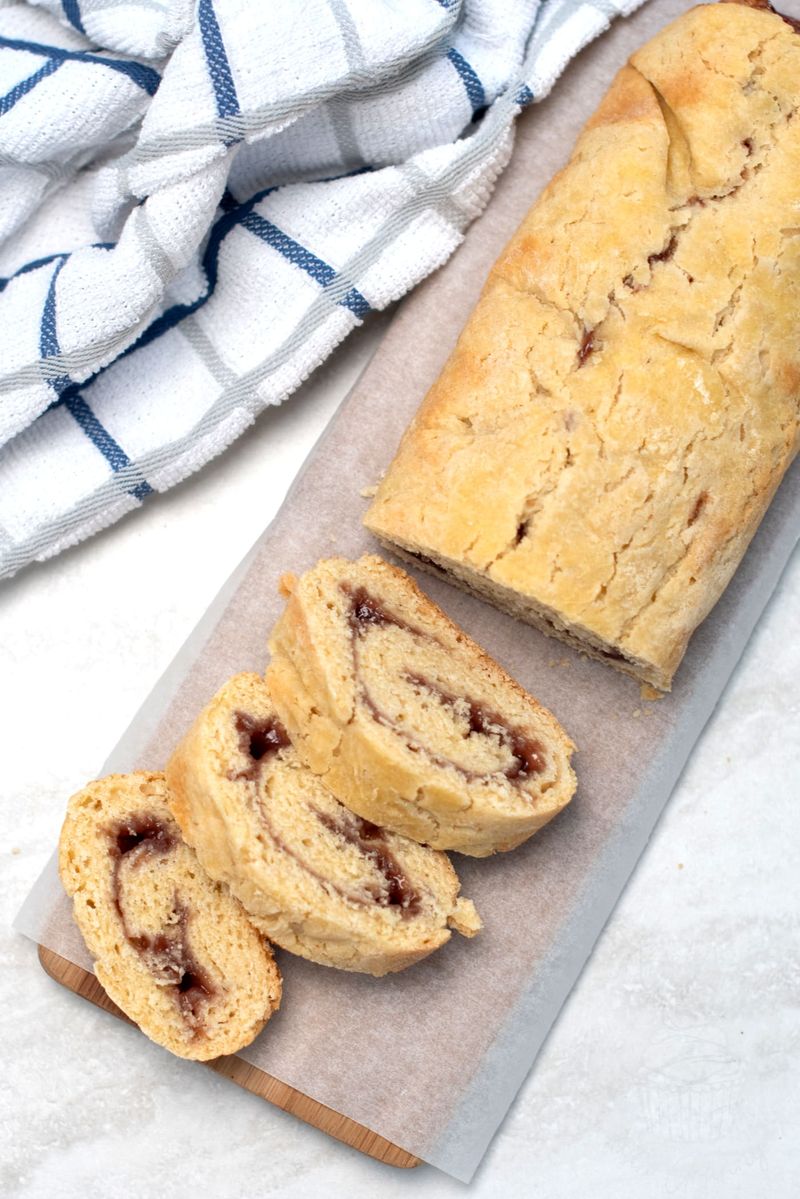
School dinner memories come flooding back the moment you smell jam roly-poly baking. Rolled-out suet pastry gets spread with a thick layer of jam, then rolled up like a Swiss roll and either steamed or baked until the pastry turns soft and pillowy.
Raspberry or strawberry jam works beautifully, though any good fruity jam does the job. Nicknamed "dead man's arm" by cheeky schoolchildren because of how it used to be steamed inside a cloth sleeve, this pudding is pure, unpretentious joy.
4. Clootie Dumpling
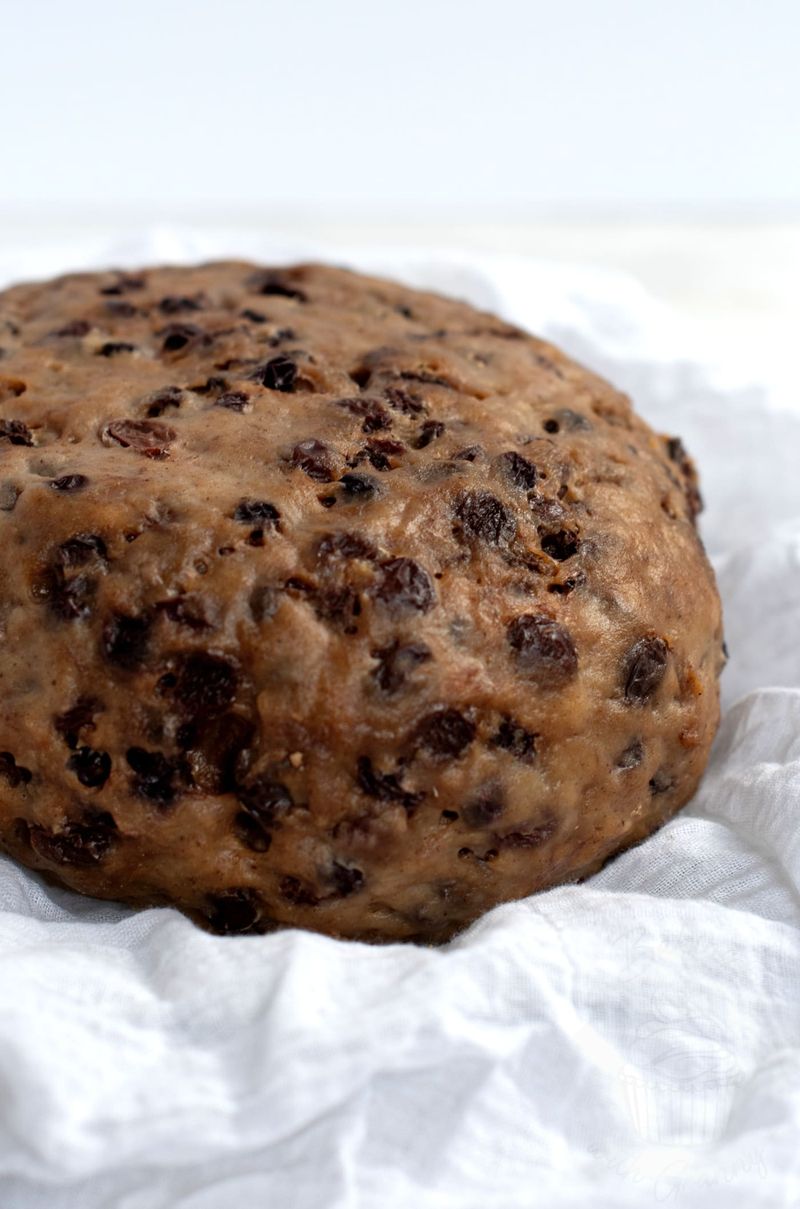
Scotland's clootie dumpling is one of those puddings that carries an entire culture inside it. Made from flour, oatmeal, suet, dried fruit, and warming spices, the dough is wrapped in a floured cloth called a cloot and then boiled for hours.
The cloth creates a distinctive skin on the outside that is slightly chewy and deeply satisfying. Traditionally served at celebrations and Burns Night suppers, it is also eaten cold the next morning, sliced and fried in butter.
Absolutely outstanding.
5. Cabinet Pudding
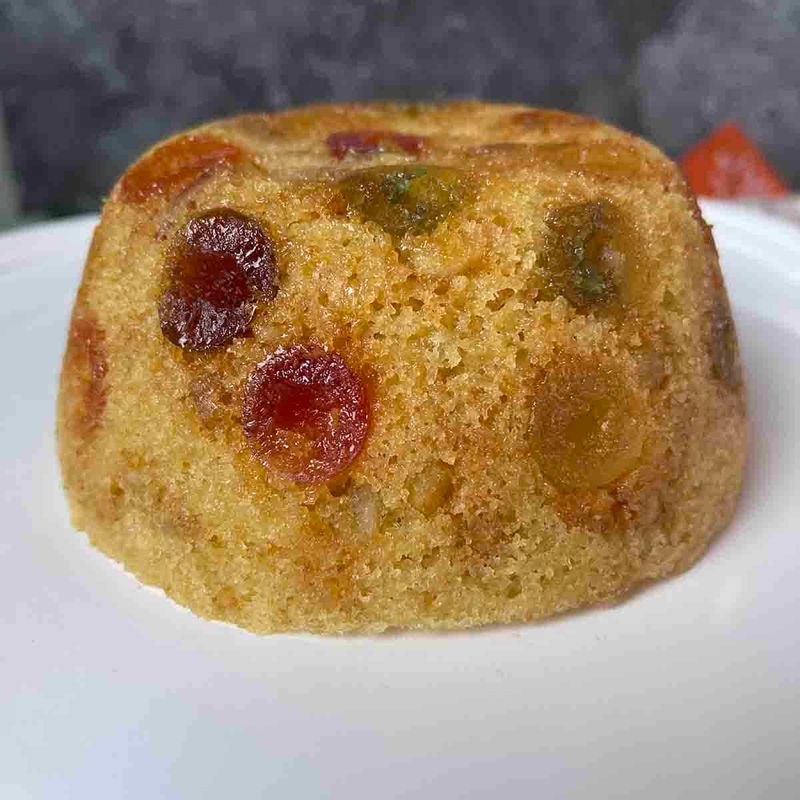
Cabinet pudding sounds like something a Victorian butler would serve at a grand dinner, and honestly, it kind of is. Sponge fingers, raisins, and glacé cherries are layered inside a mould, then filled with a rich egg custard and steamed until set.
When turned out, it holds a beautiful shape with jewel-like fruit peeking through the golden custard. It fell out of fashion sometime in the early 20th century, which is a genuine shame.
Bring it back to your dinner table and watch everyone's eyes light up.
6. Treacle Sponge
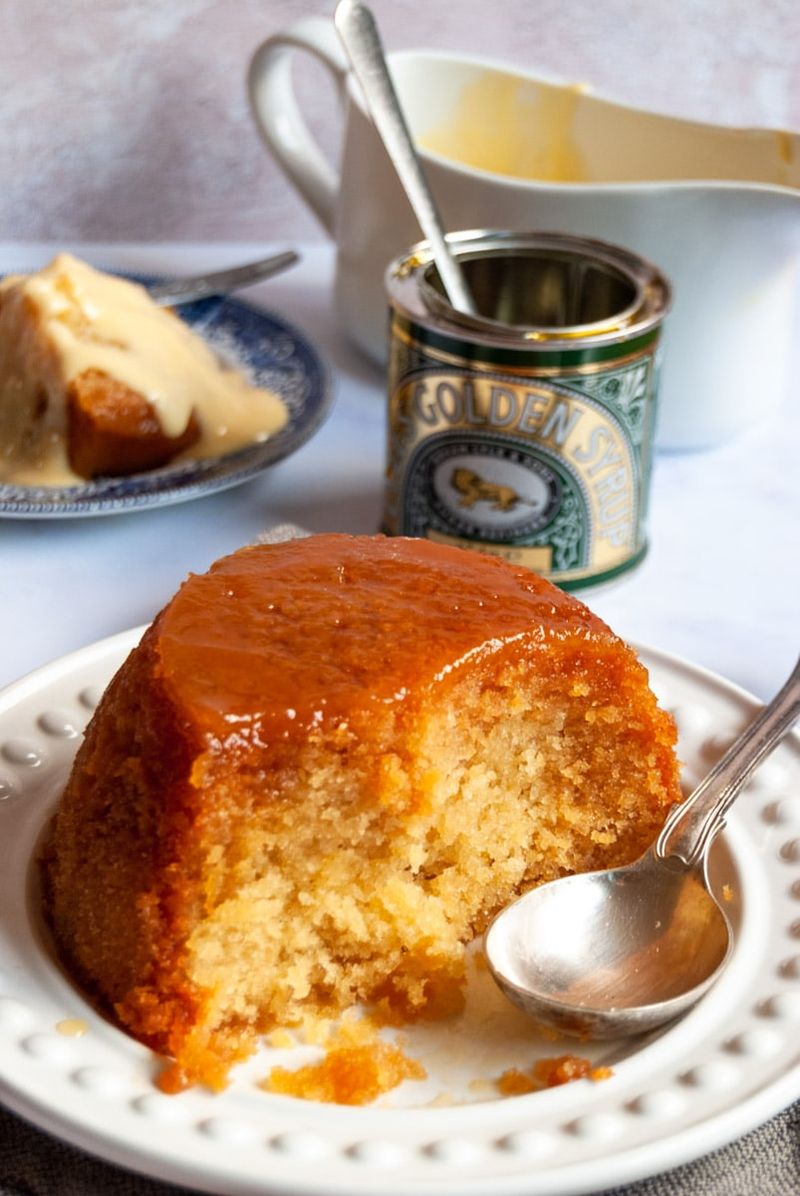
Golden syrup, not black treacle, is the star of a proper treacle sponge, despite the slightly misleading name. A thick layer of Lyle's Golden Syrup sits at the bottom of the pudding basin, and a light vanilla sponge is steamed on top until fluffy and tender.
When you flip it out, the syrup cascades down the sides in gloriously sticky rivulets. Paired with cold pouring cream or warm custard, it is unapologetically sweet and completely irresistible.
Sticky toffee pudding gets all the fame, but treacle sponge deserves equal billing.
7. Manchester Tart

Manchester tart is a proper Northern classic that somehow never made it onto trendy dessert menus. A shortcrust pastry shell gets spread with raspberry jam, then filled with a thick vanilla custard, and finished with a generous snowfall of desiccated coconut and a single glacé cherry on top.
It is simple, cheerful, and tastes like childhood. School canteens across the North of England served this for decades, and anyone who grew up eating it gets a nostalgic grin just hearing the name.
Time for a serious comeback.
8. Marmalade Pudding
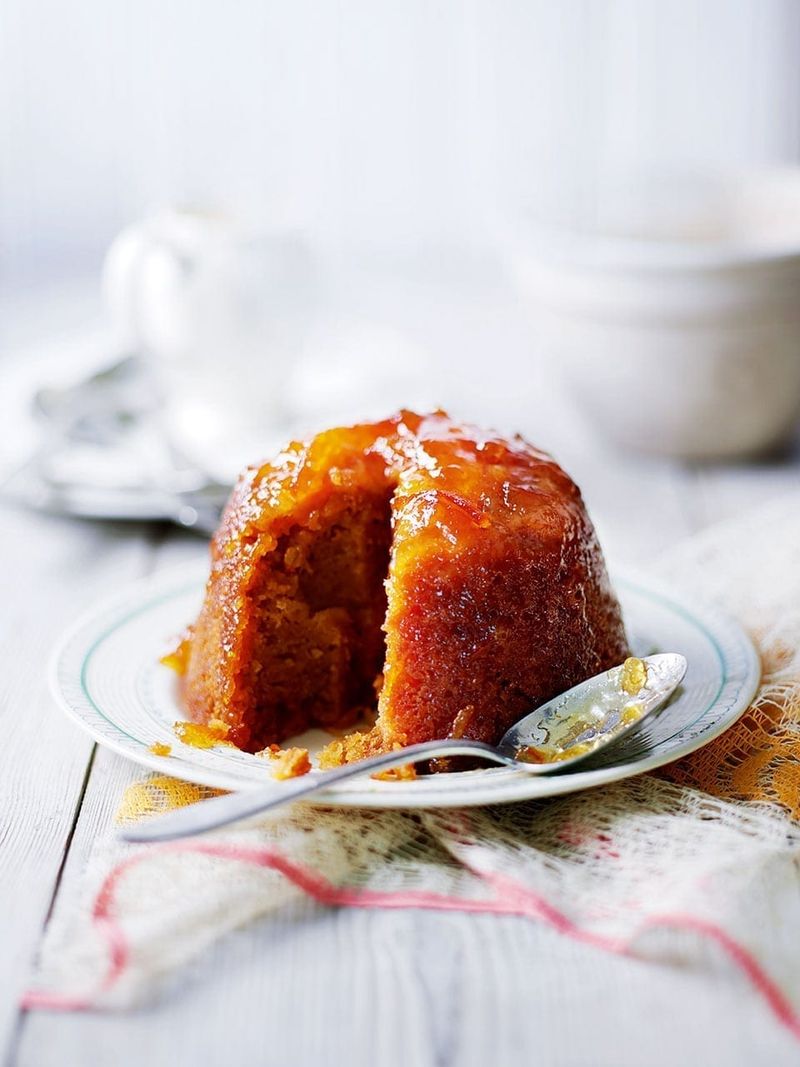
Marmalade gets spread on toast every morning across Britain, but far fewer people think to bake it into a pudding. Spooning marmalade into the bottom of a steamed sponge creates a bittersweet orange glaze that cuts beautifully through the richness of the buttery sponge above it.
Think of it as a cousin to treacle sponge, but with a grown-up, slightly tangy personality. Seville orange marmalade gives the boldest flavour.
Served with a scoop of vanilla ice cream, this pudding is genuinely underestimated and wildly good.
9. Hasty Pudding
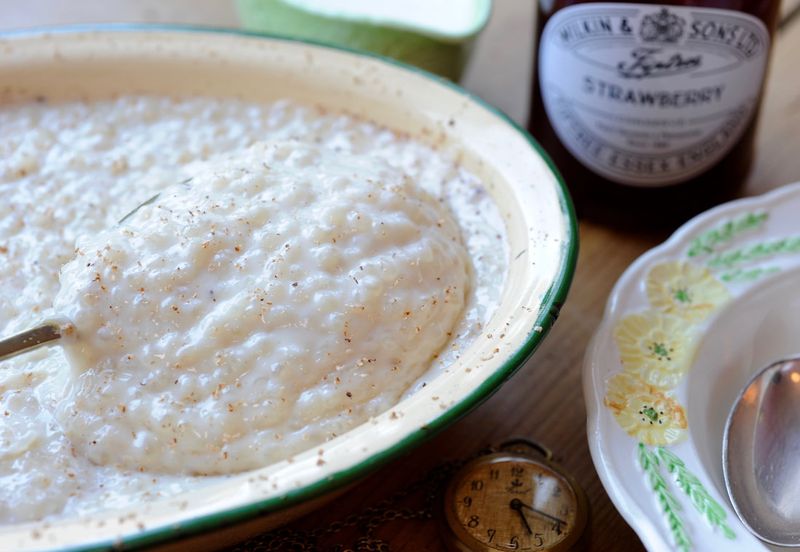
Speed was the whole point of hasty pudding, and cooks throughout British history loved it for exactly that reason. Made by stirring flour or semolina into hot milk or water with a little butter and sugar, it comes together in minutes on the stovetop.
Medieval cooks relied on it when time was short and ingredients were scarce. Modern versions sometimes include cream, vanilla, or a grating of nutmeg for extra flavour.
It is humble, warming, and satisfying in the most honest, no-fuss way imaginable.
10. Roly-Poly Pond Pudding
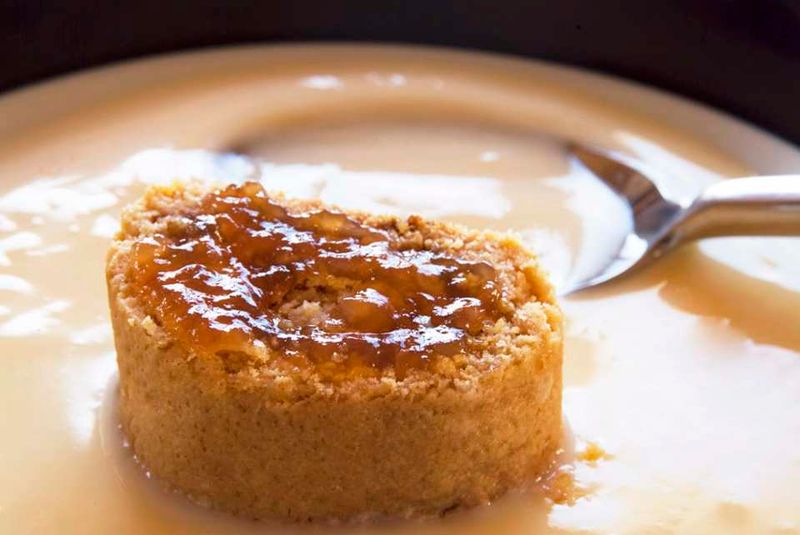
Not to be confused with jam roly-poly, this variation combines the rolled suet pastry technique with a rich, buttery filling that melts into a silky sauce as it steams. Brown sugar and butter create a caramel-like centre that oozes out with every cut.
It is the kind of pudding that makes a cold, grey British afternoon feel entirely worthwhile. Old cookbooks from the 1800s describe versions stuffed with apples or pears alongside the butter and sugar.
Fruit versions are especially worth trying on an autumn evening.
11. Flummery

Flummery is one of those wonderfully old-fashioned words that sounds like it came straight out of a fairy tale, and the pudding itself is just as whimsical. Originally a Welsh dish made from soaked oats, the British version evolved into a delicate, cream-based jelly set with almonds or fruit.
Popular throughout the 17th and 18th centuries, flummery was considered an elegant dessert for refined households. Today it is almost completely forgotten.
A rose water and almond version, lightly set and chilled, is absolutely worth reviving for a dinner party centrepiece.
12. Bread and Butter Pudding Variations
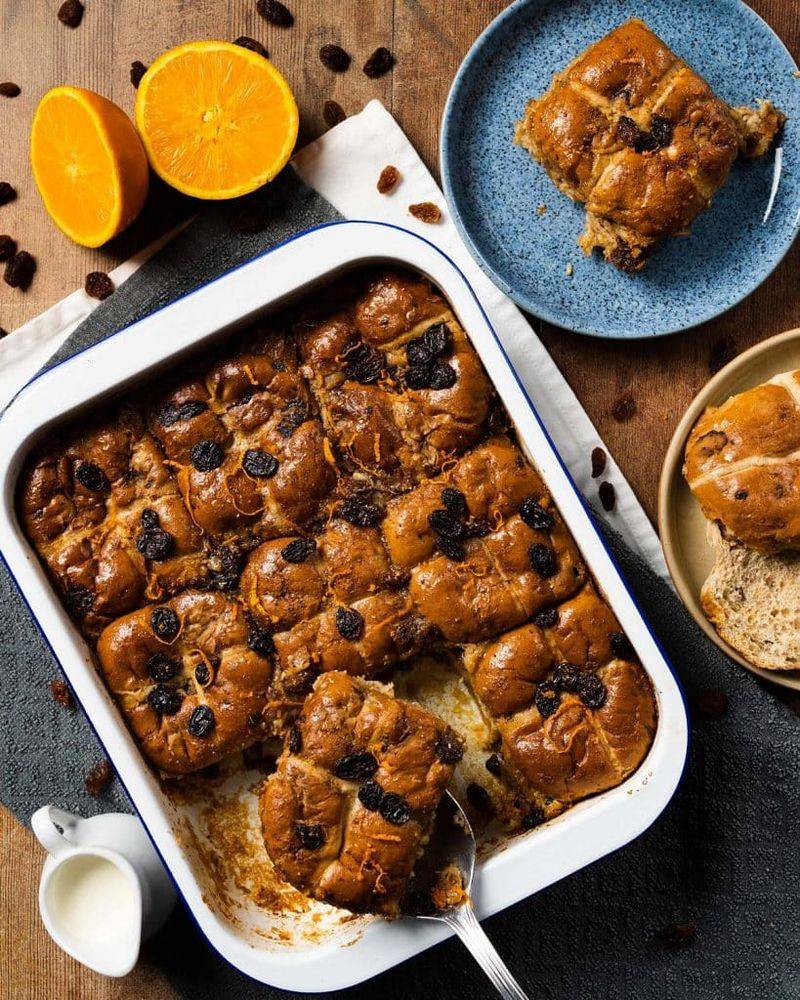
Everyone knows the classic version, but bread and butter pudding has dozens of creative regional twists that rarely get any attention. Croissant pudding, panettone pudding, and hot cross bun pudding all follow the same principle but deliver completely different results.
Some Welsh versions add a layer of marmalade between the bread slices. Others from the Midlands include dried apricots and a splash of brandy.
The base recipe is endlessly flexible and forgiving, making it one of the most inventive canvases in British baking.
13. Bakewell Pudding
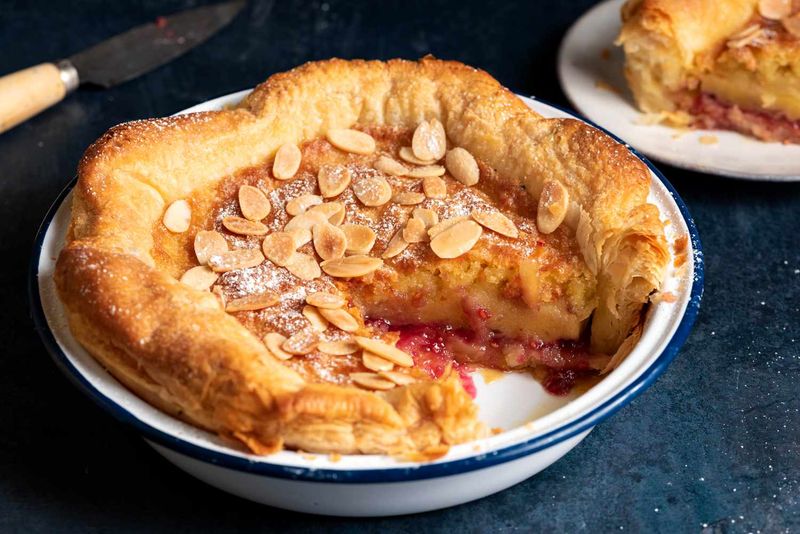
Most people know the Bakewell tart, but the original Bakewell pudding from Derbyshire is a different beast entirely and arguably more interesting. Legend says it was invented by accident in the 1800s when a cook at the White Horse Inn misread a recipe and spread egg mixture over jam instead of stirring it into the pastry.
The result is a flaky puff pastry shell filled with a wobbly, almond-flavoured egg and butter mixture over strawberry jam. It is richer and more custardy than the tart version most people eat today.
14. Rhubarb and Ginger Steamed Pudding
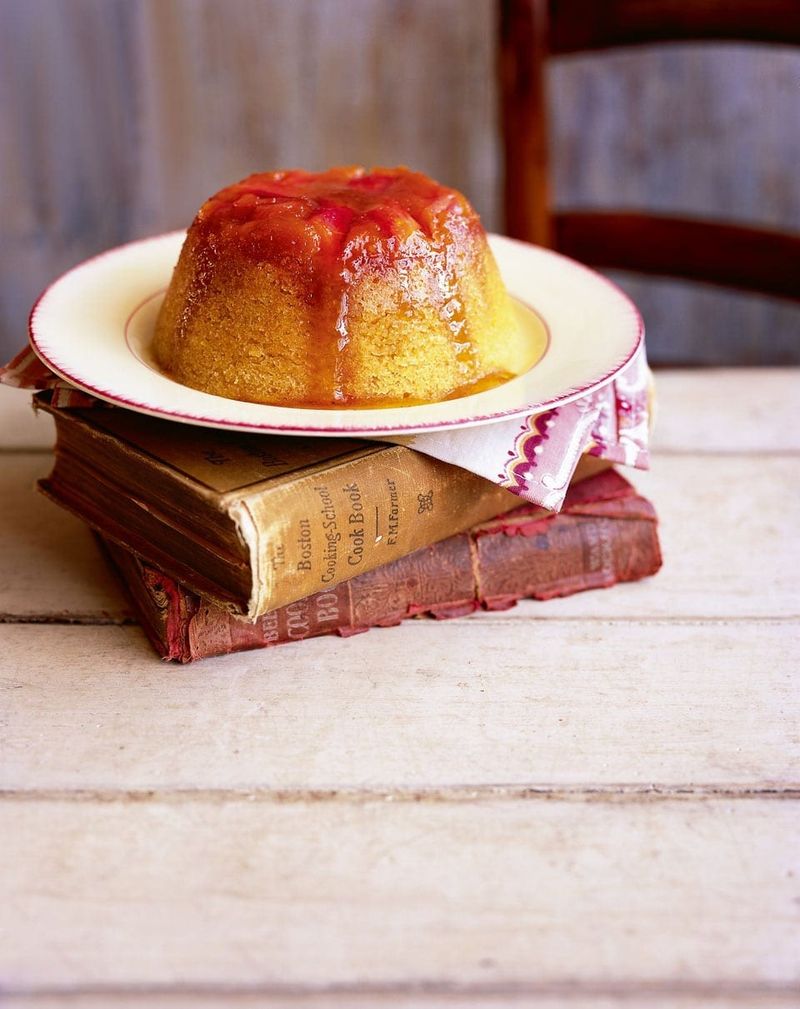
Rhubarb and ginger is one of those flavour pairings that feels like it was designed specifically for British weather. The sharpness of forced Yorkshire rhubarb and the heat of stem ginger create a combination that is bold, exciting, and deeply warming.
Steaming the pudding keeps the sponge incredibly tender while the rhubarb softens into jammy, jewel-coloured pieces. Drizzle extra ginger syrup from the stem ginger jar over the top as a sauce.
It is stunning, seasonal, and criminally underordered at restaurants.
15. Gooseberry Fool
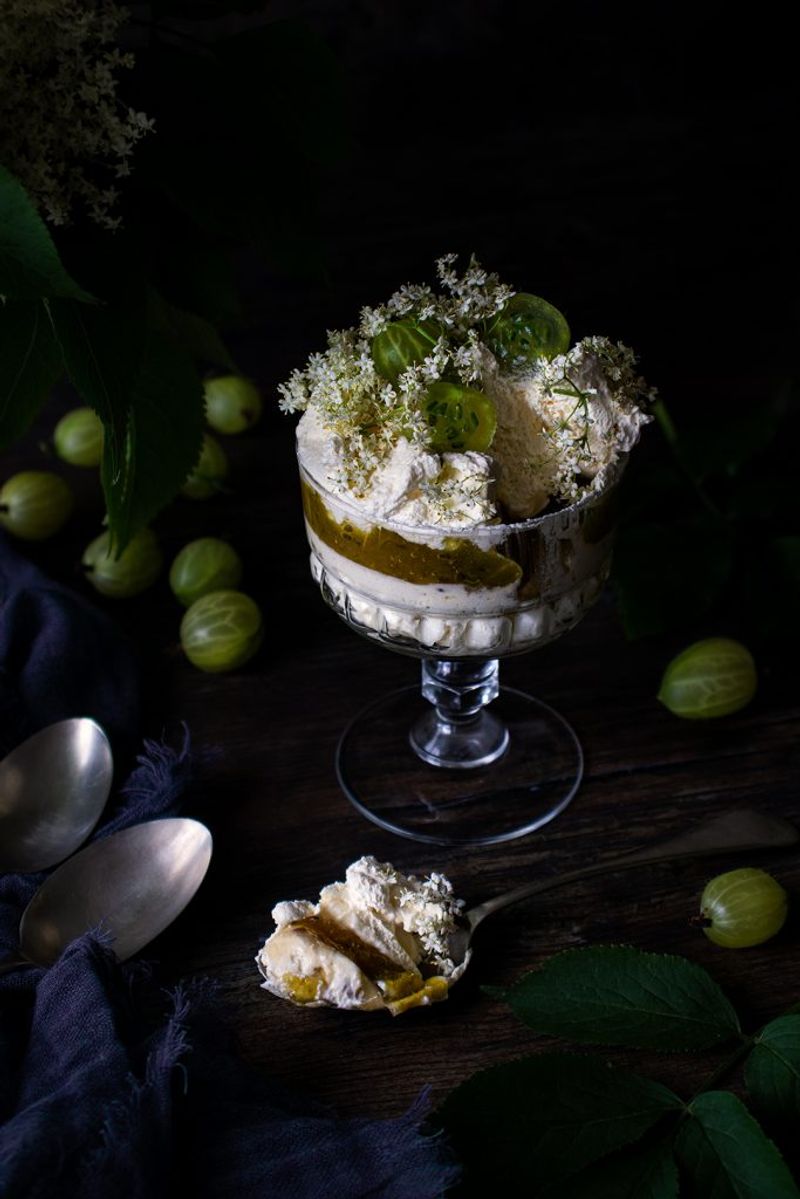
Gooseberry fool is the kind of pudding that tastes like a British summer afternoon, even if British summers are famously unpredictable. Tart green gooseberries are cooked down with sugar until soft, then folded through thick whipped cream to create a pale green, cloud-like dessert.
The contrast between the sharp fruit and the rich cream is genuinely brilliant. Gooseberries are one of the most underused fruits in British cooking, which makes this pudding all the more worth championing.
Elderflower cordial stirred through the cream takes it to another level entirely.
16. Steamed Ginger Pudding
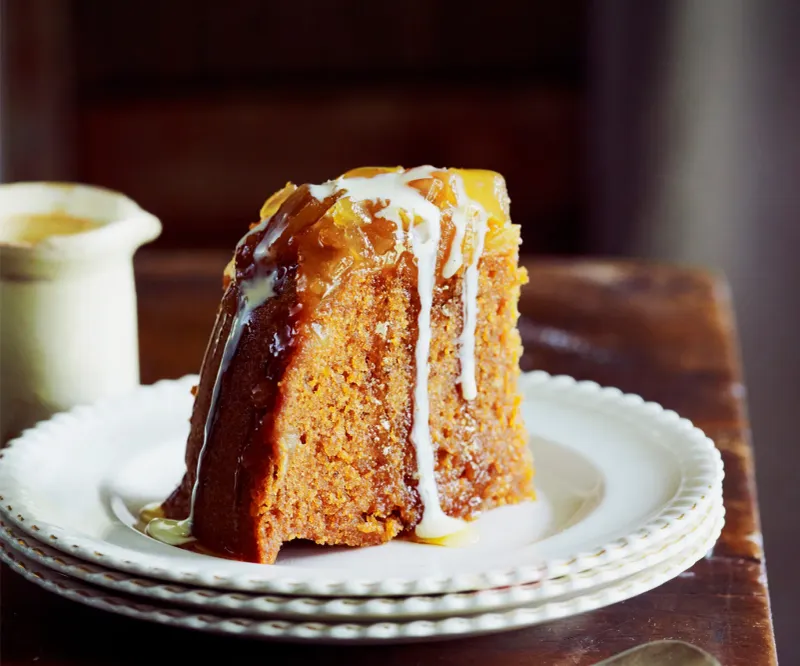
Ginger has been a beloved spice in British cooking since medieval times, and steamed ginger pudding is one of the finest uses for it. Ground ginger, stem ginger, and ginger syrup all go into this dark, intensely flavoured sponge for a triple hit of warming spice.
The texture is beautifully dense without being heavy, and the caramel sauce made from the stem ginger syrup is extraordinary. On a damp November evening, there is honestly nothing better.
Vanilla ice cream melting alongside it is a combination worth writing home about.
17. Burnt Cambridge Cream (Cambridge Burnt Cream)
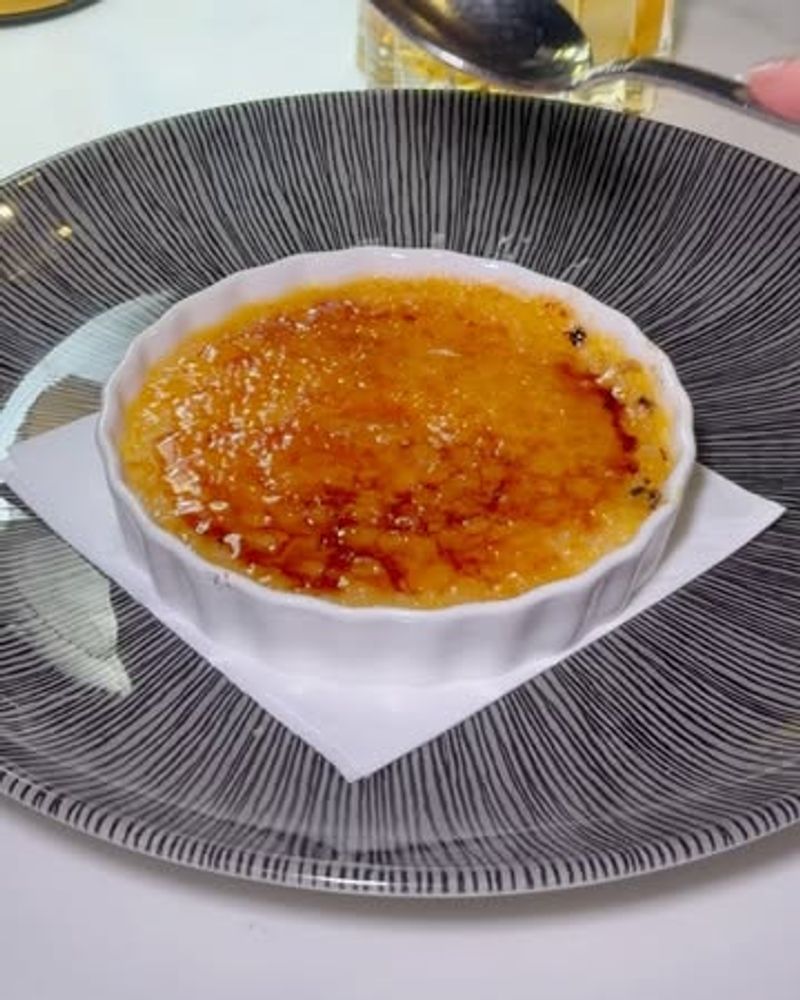
Before creme brulee became a French restaurant staple, Cambridge was cracking sugar crusts off its own version of this iconic dessert. Cambridge Burnt Cream, documented at Trinity College as far back as the 1600s, features a thick, cold egg custard beneath a brittle layer of caramelised sugar.
Some food historians argue that Britain invented this dessert long before France popularised it, which makes ordering it feel slightly patriotic. Rich, cold, and satisfying, it is the kind of pudding that rewards patience and deserves far more recognition on British menus.


Comments
No Comments