












Wales is a land of rugged mountains, rolling green valleys, and a food culture that runs as deep as its history. From hearty stews to buttery breads, Welsh cuisine has been shaped by the land, the sea, and generations of hardworking families.
These traditional foods tell stories of survival, celebration, and community pride. Get ready to explore some of the most beloved dishes that make Welsh cooking truly one of a kind.
1. Cawl
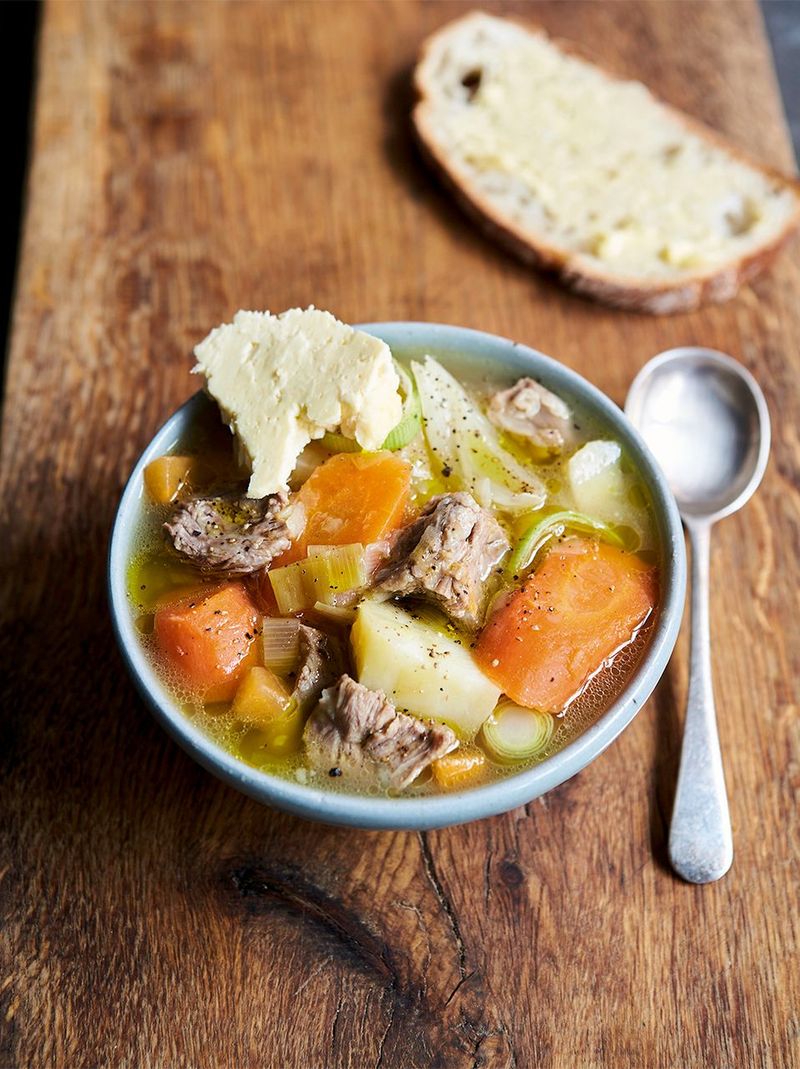
Nothing warms a cold Welsh evening quite like a steaming bowl of cawl. This hearty stew is made with slow-cooked lamb or beef, leeks, carrots, swede, and potatoes, creating a rich broth packed with flavour.
It has been a staple of Welsh kitchens for centuries.
Every family has their own version, passed down through generations. Some add parsley or serve it with a wedge of crumbly Welsh cheese on the side.
Simple ingredients, big comfort.
2. Welsh Rarebit
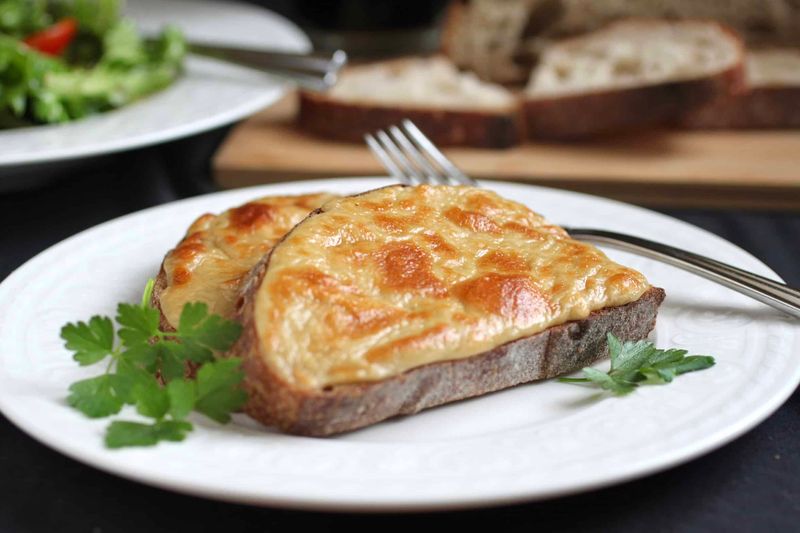
Forget plain cheese on toast. Welsh rarebit takes things to a whole new level with a rich, savory sauce made from melted cheddar, mustard, Worcestershire sauce, and sometimes ale.
It gets poured over bread and grilled until golden and bubbling.
Despite its fancy-sounding name, this dish is wonderfully simple and satisfying. It has been enjoyed in Wales since at least the 18th century.
One bite and you will understand why it stuck around for so long.
3. Bara Brith
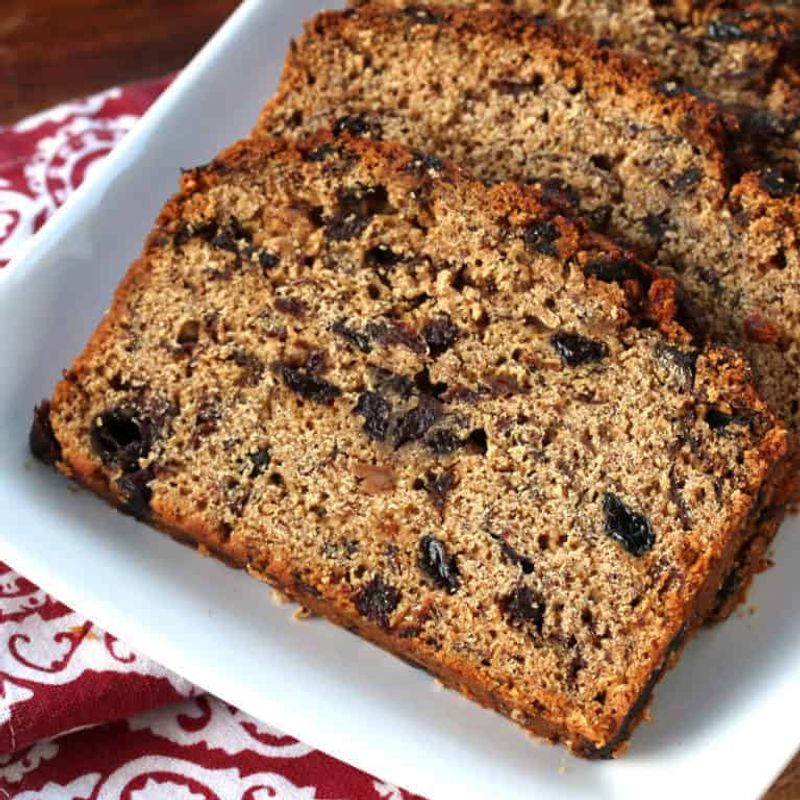
Bara brith means "speckled bread" in Welsh, and the name perfectly describes this gorgeous fruit loaf. Dried currants, raisins, and mixed peel are soaked overnight in strong tea, then folded into a spiced dough and baked until fragrant and deeply golden.
Sliced thick and spread with salted butter, it pairs beautifully with a cup of tea. This bread is a regular fixture at Welsh afternoon teas and community gatherings, loved by young and old alike.
4. Welsh Cakes
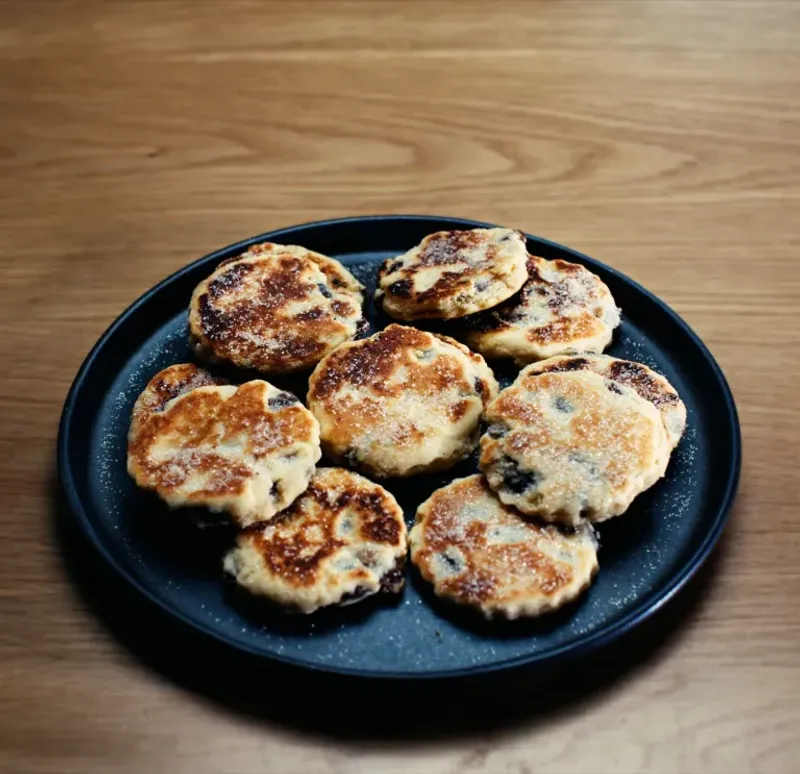
Small, round, and utterly irresistible, Welsh cakes are cooked on a flat griddle rather than baked in an oven. They are made with flour, butter, sugar, eggs, currants, and a pinch of mixed spice.
The result is something between a scone and a pancake.
Street markets in Cardiff and Swansea often fill the air with the sweet smell of freshly made Welsh cakes. Dusted with caster sugar and eaten warm, they are one of Wales most beloved snacks.
5. Glamorgan Sausages
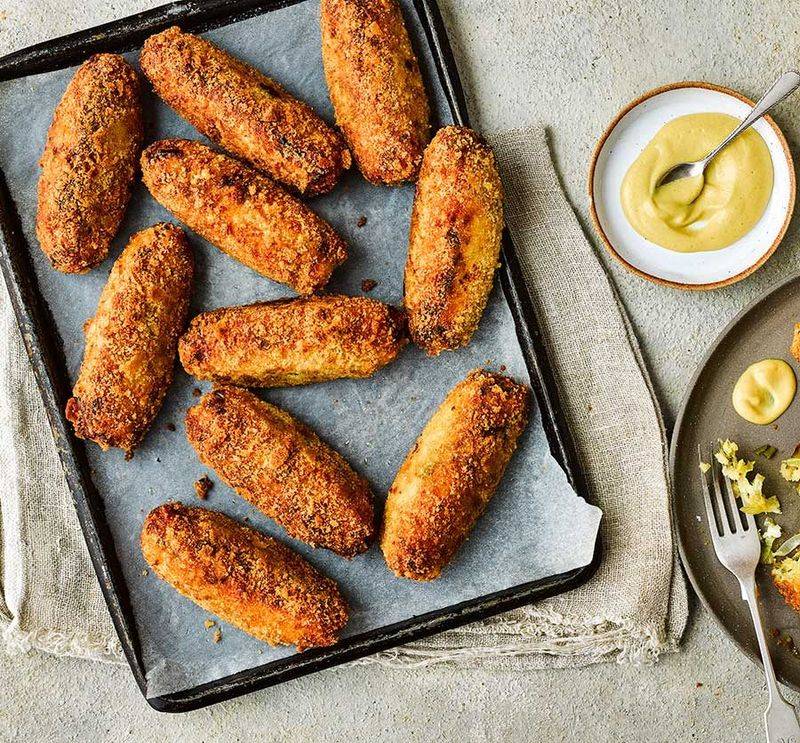
Here is a Welsh classic that surprises many people because it contains no meat at all. Glamorgan sausages are made from Caerphilly cheese, leeks, and breadcrumbs, seasoned with herbs and mustard, then pan-fried until crispy on the outside and soft within.
Named after the Vale of Glamorgan region, these sausages have been enjoyed since at least the early 1800s. They are a brilliant example of how simple local ingredients can come together to create something genuinely special and satisfying.
6. Caerphilly Cheese
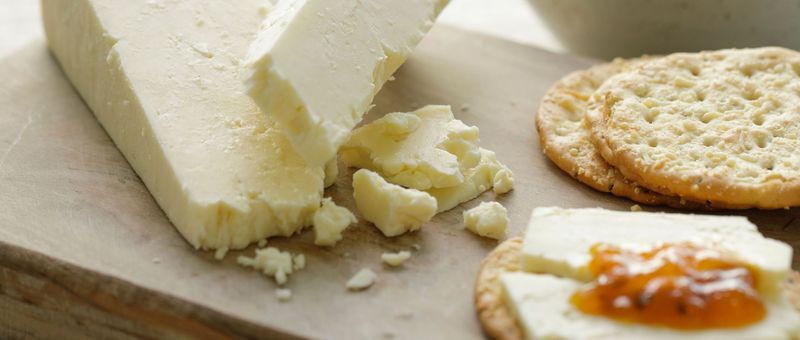
Caerphilly cheese has a mild, slightly tangy flavour and a beautifully crumbly texture that sets it apart from most other British cheeses. Originally made in the town of Caerphilly in South Wales, it was a popular food among coal miners because it was easy to carry and full of energy.
Today it is enjoyed across the UK and beyond. Crumble it over cawl, melt it into Welsh rarebit, or simply enjoy it on a cracker with a bit of chutney for a classic Welsh treat.
7. Laverbread
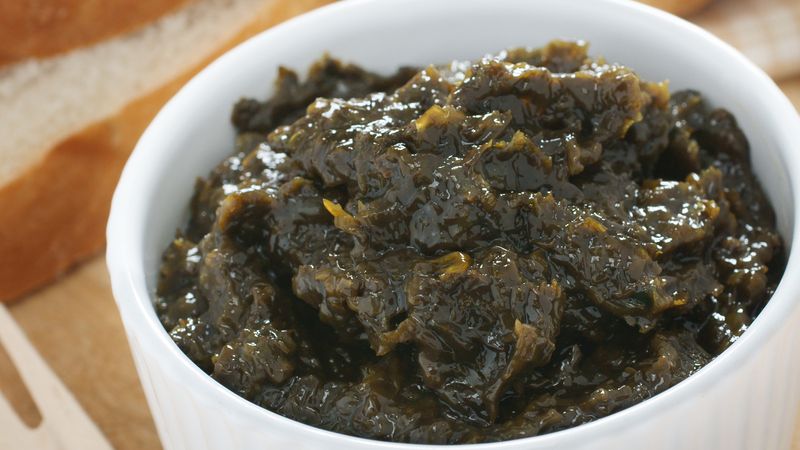
Laverbread might look unusual, but it holds a proud place in Welsh culinary tradition. Made from seaweed harvested along the Welsh coastline, it is boiled for hours until it becomes a smooth, dark green paste with a rich, briny flavour.
Often served as part of a Welsh breakfast alongside bacon, cockles, and eggs, laverbread is sometimes called the Welsh caviar. It is high in iron and iodine, making it as nutritious as it is unique.
Coastal communities have treasured it for centuries.
8. Cockles
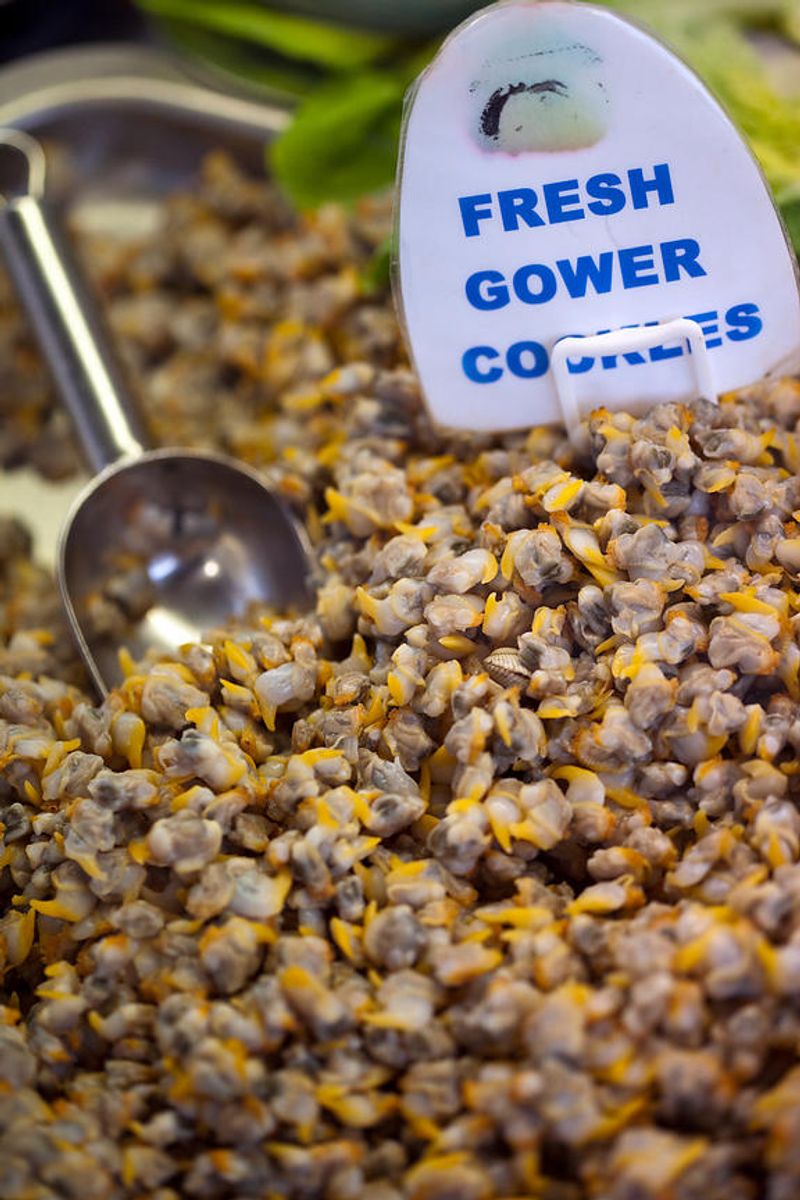
Cockles have been gathered from the Gower Peninsula and the Loughor Estuary for hundreds of years, and they remain a proud symbol of Welsh coastal food culture. These tiny shellfish are usually boiled in salted water and eaten with vinegar, brown bread, or alongside laverbread and bacon.
Swansea Market is famous for its cockle stalls, where vendors have been selling them fresh for generations. Eaten hot or cold, cockles bring a true taste of the Welsh seaside straight to your plate.
9. Leek Soup
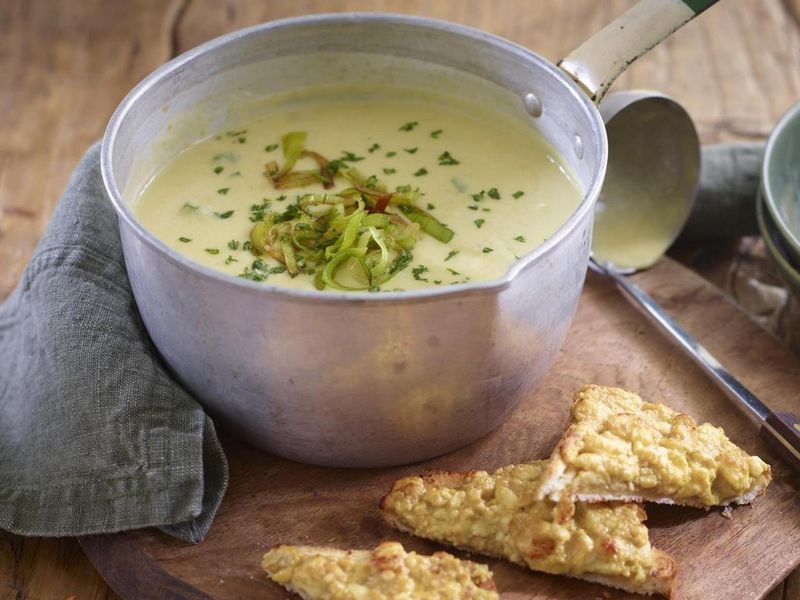
The leek is the national vegetable of Wales, so it makes perfect sense that leek soup is a classic comfort dish across the country. Slow-cooked with potatoes, onions, and a splash of cream, it turns into something velvety, warming, and deeply satisfying.
Welsh leeks have a sweeter, milder flavour compared to leeks grown elsewhere, which gives the soup a gentle, almost buttery taste. Served with crusty bread, this soup is a staple in homes and restaurants throughout Wales all year round.
10. Tatws Pum Munud
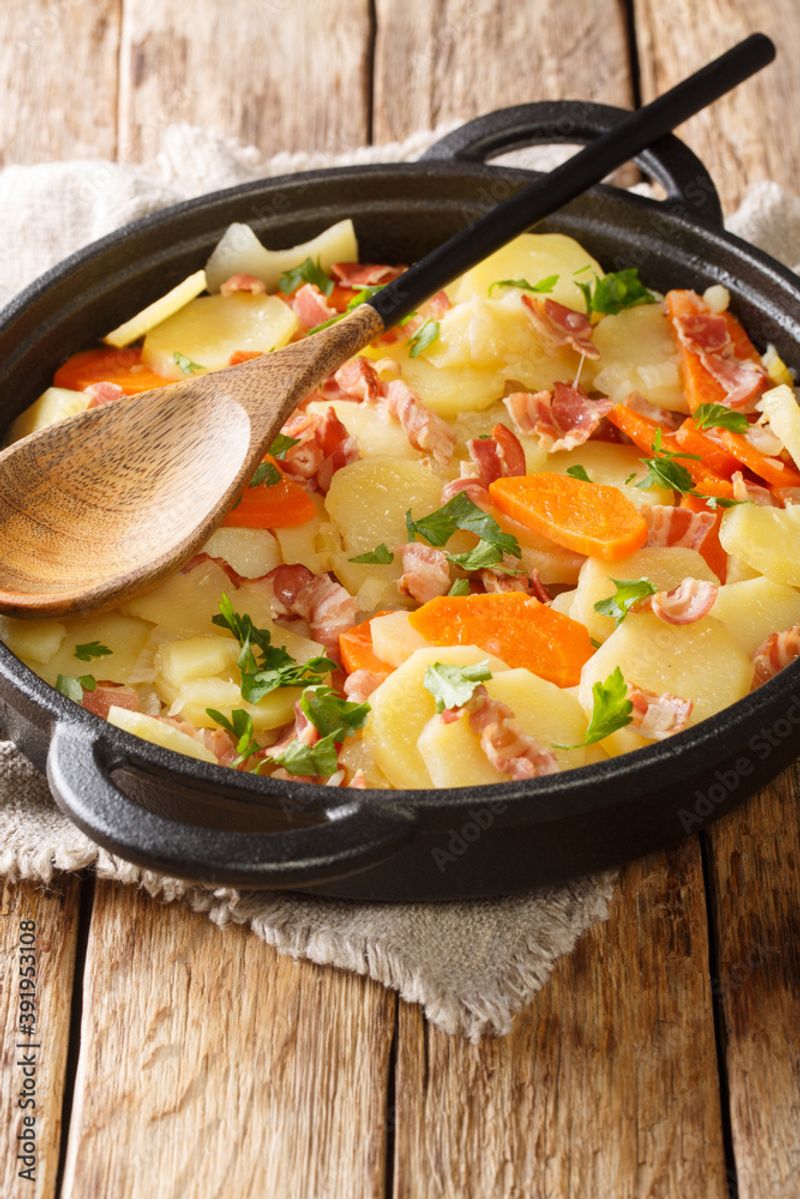
The name tatws pum munud means "five-minute potatoes" in Welsh, though the dish actually takes a bit longer than that to make. It is a simple, filling one-pot meal made with sliced potatoes, bacon, onions, and carrots cooked together in a light broth.
This was a favourite among farming families who needed a quick, nourishing meal after long days working the land. Economical and filling, it reflects the practical, no-fuss spirit of traditional Welsh home cooking that has kept communities fed for generations.
11. Salt Duck
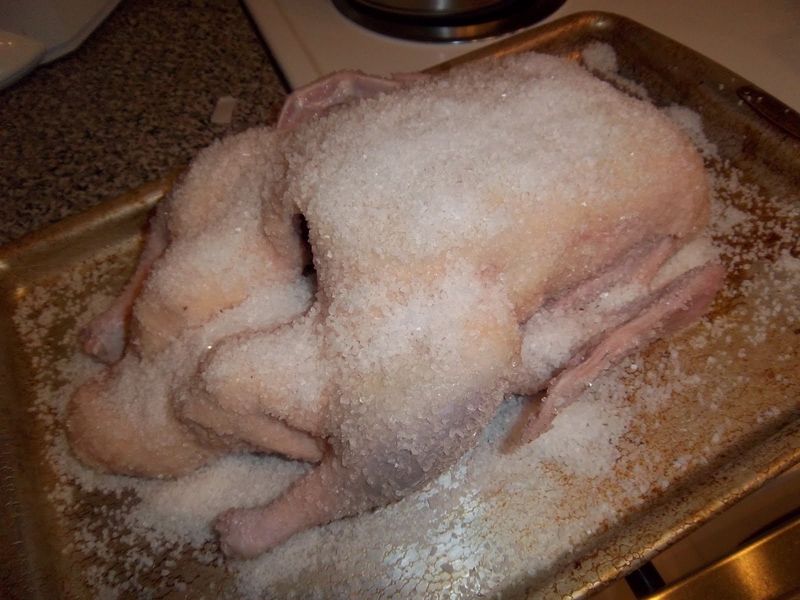
Salt duck is a centuries-old Welsh delicacy that predates refrigeration, when salting was the best way to preserve meat. Duck legs or breasts are rubbed generously with salt and left to cure for several days before being slowly cooked until tender.
The result is meat with an intensely rich, concentrated flavour and a firmer texture than regular roasted duck. It is traditionally served with an onion sauce and root vegetables.
Though less common today, salt duck remains a proud part of Welsh culinary heritage.
12. Brithyll a Chig Moch (Trout and Bacon)
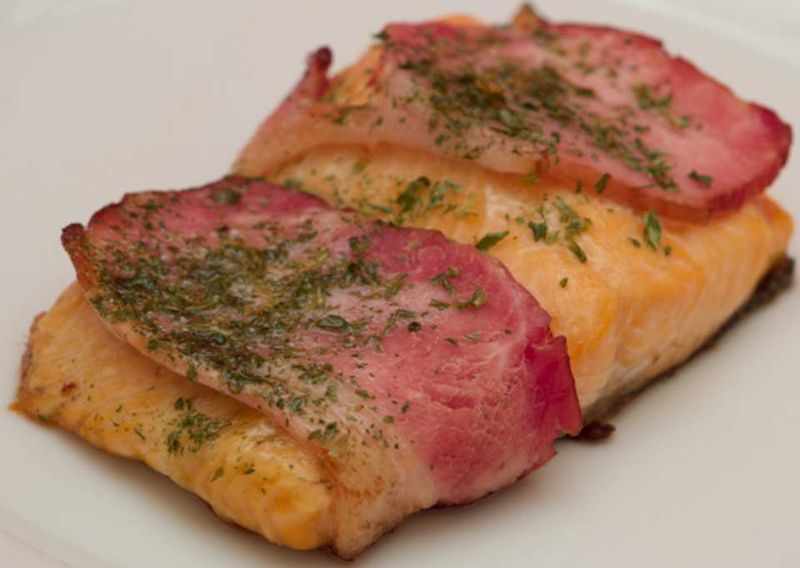
Wales is blessed with clear, fast-flowing rivers teeming with wild brown trout, and this classic dish celebrates that natural bounty beautifully. Fresh trout is wrapped in streaky bacon and pan-fried until the fish is flaky and the bacon is gloriously crispy.
The smokiness of the bacon balances the delicate, earthy flavour of the trout perfectly. Fishermen and country cooks have been making this dish for generations.
It is simple, seasonal, and a wonderful example of Welsh countryside cooking at its finest.
13. Crempog
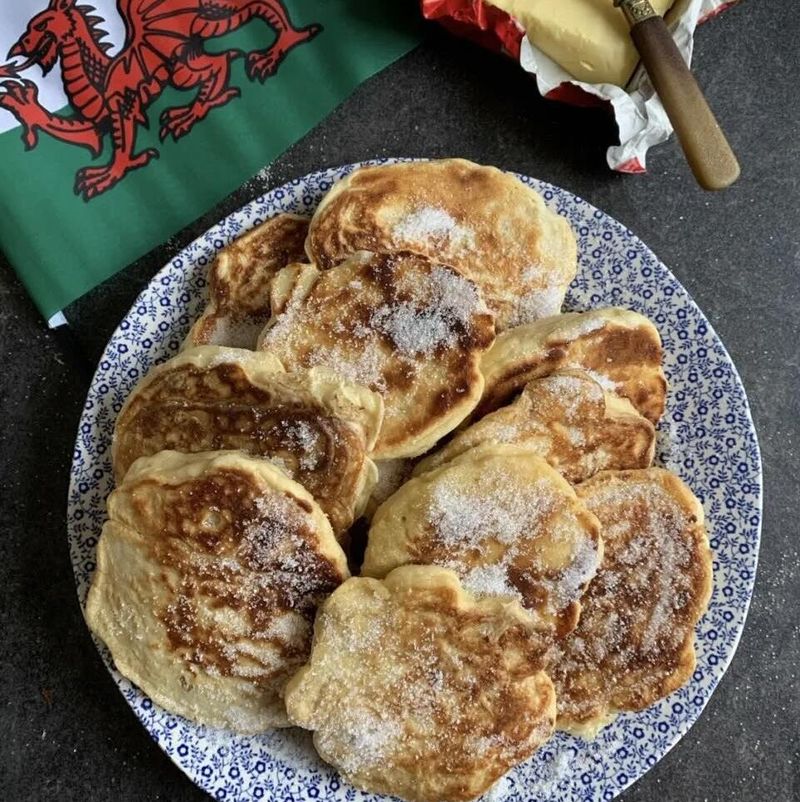
Crempog are traditional Welsh pancakes that are thicker and slightly tangier than the thin crepes you might be used to. Made with buttermilk, flour, eggs, and a pinch of sugar, they are cooked on a bakestone or griddle until soft and golden.
Stacked high and drizzled with butter and golden syrup, crempog are a beloved treat at Welsh festivals and family gatherings. They are especially popular on Shrove Tuesday, when families across Wales gather to flip and feast on these wonderful little pancakes.
14. Lobsgows
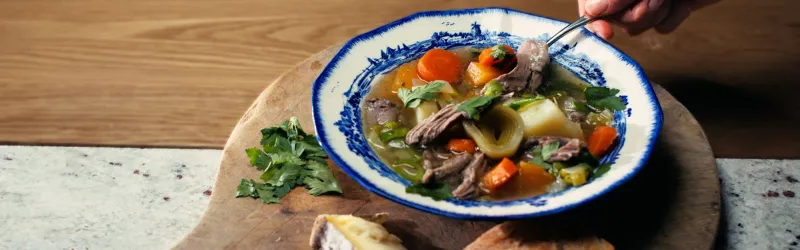
Lobsgows is a North Welsh stew that shares its roots with the Scandinavian dish lobscouse, brought to Welsh ports by sailors and traders long ago. Made with beef or lamb, potatoes, onions, and hearty root vegetables, it is slow-cooked until everything melts together into a thick, satisfying broth.
Popular in communities around Caernarfon and Gwynedd, lobsgows is the kind of meal that fills you up and warms you from the inside out. It is rustic, unpretentious, and deeply rooted in Welsh working-class food tradition.
15. Welsh Honey
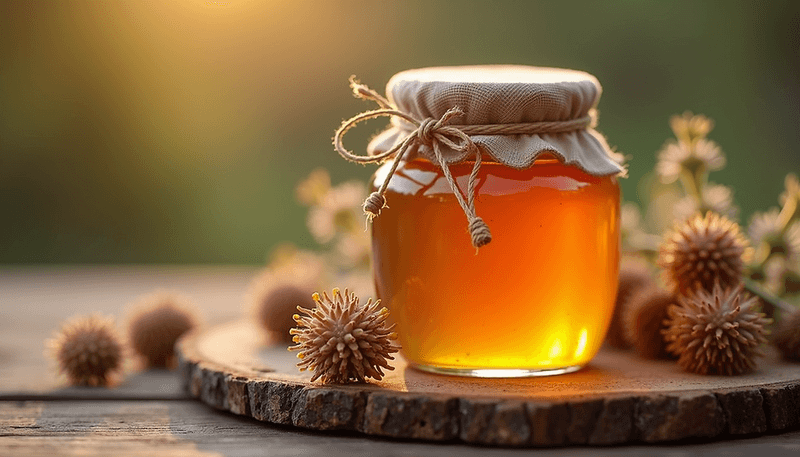
Wales has a long tradition of beekeeping, and Welsh honey is celebrated for its rich, floral complexity thanks to the country's diverse wildflower meadows and heather moorlands. Heather honey from the Brecon Beacons is particularly prized for its thick, jelly-like texture and deep amber colour.
Beyond spreading it on bara brith or Welsh cakes, local honey is used in traditional mead making, a honey-based drink with ancient Welsh roots. Supporting Welsh beekeepers means preserving both a food tradition and a vital part of the natural landscape.
16. Pwdin Reis (Welsh Rice Pudding)
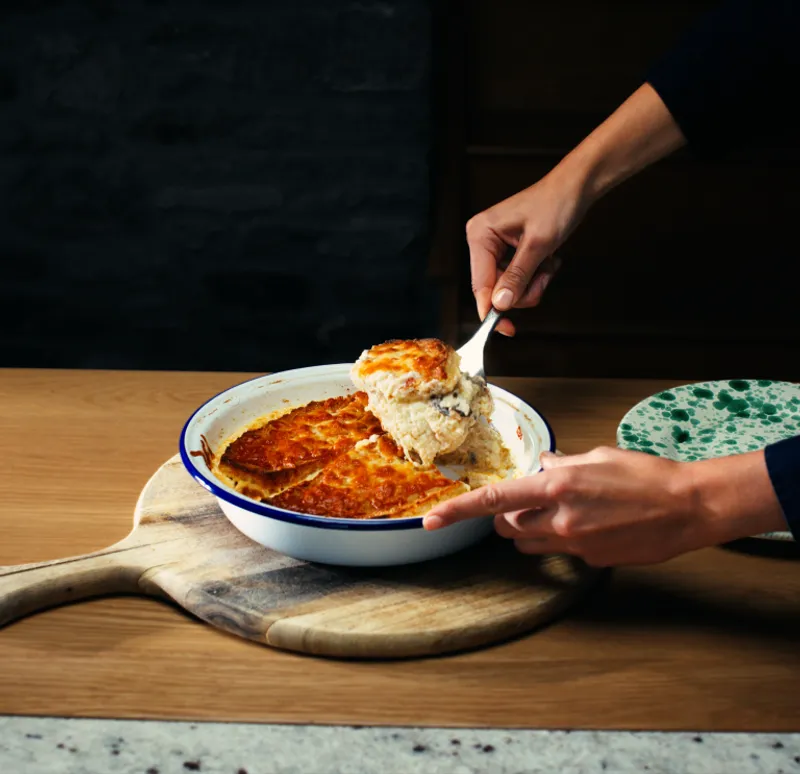
Pwdin reis is Wales answer to the classic rice pudding, and it has been a favourite dessert in Welsh homes for generations. Short-grain rice is slowly baked in whole milk with sugar and a hint of nutmeg until it becomes gloriously thick and creamy with a golden skin on top.
Grandmothers across Wales have their own little secrets for making it extra special, whether that is a knob of butter stirred in or a spoonful of jam served alongside. Simple, nostalgic, and endlessly comforting.
Comments
No Comments