












Baking a cake that turns out perfectly moist and tender can feel like a bit of a mystery. Most people stick to the usual butter, eggs, and flour, but some of the best baking secrets involve ingredients you might never expect.
From pantry staples to surprising add-ins, these unconventional choices can completely transform your homemade cakes. Get ready to rethink what belongs in your mixing bowl.
1. Mayonnaise
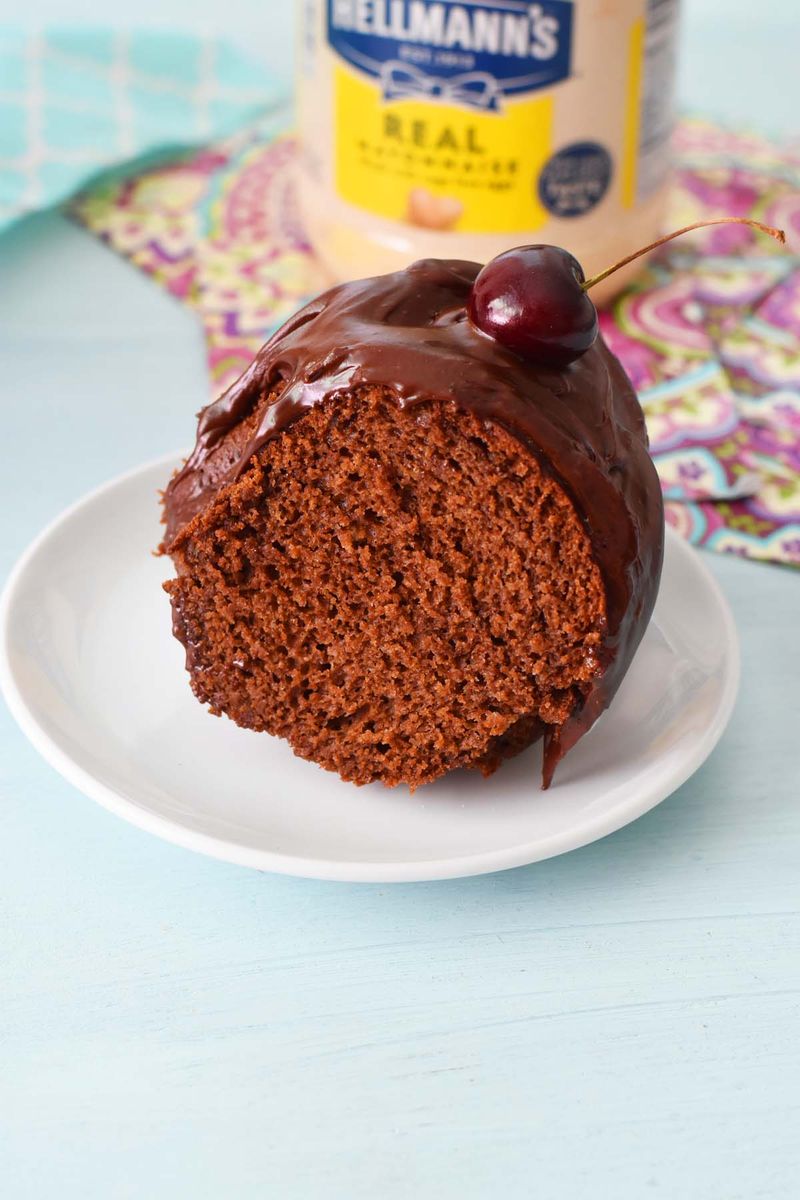
Mayonnaise in a cake might sound strange, but bakers have been using it for decades. Since mayo is made from eggs and oil, it adds both fat and moisture without any odd flavor.
The result is a cake that stays soft and rich for days.
Many boxed cake mix brands have even printed mayo-based recipes on their labels. Try swapping a few tablespoons of butter for mayo in your next batch.
2. Sour Cream
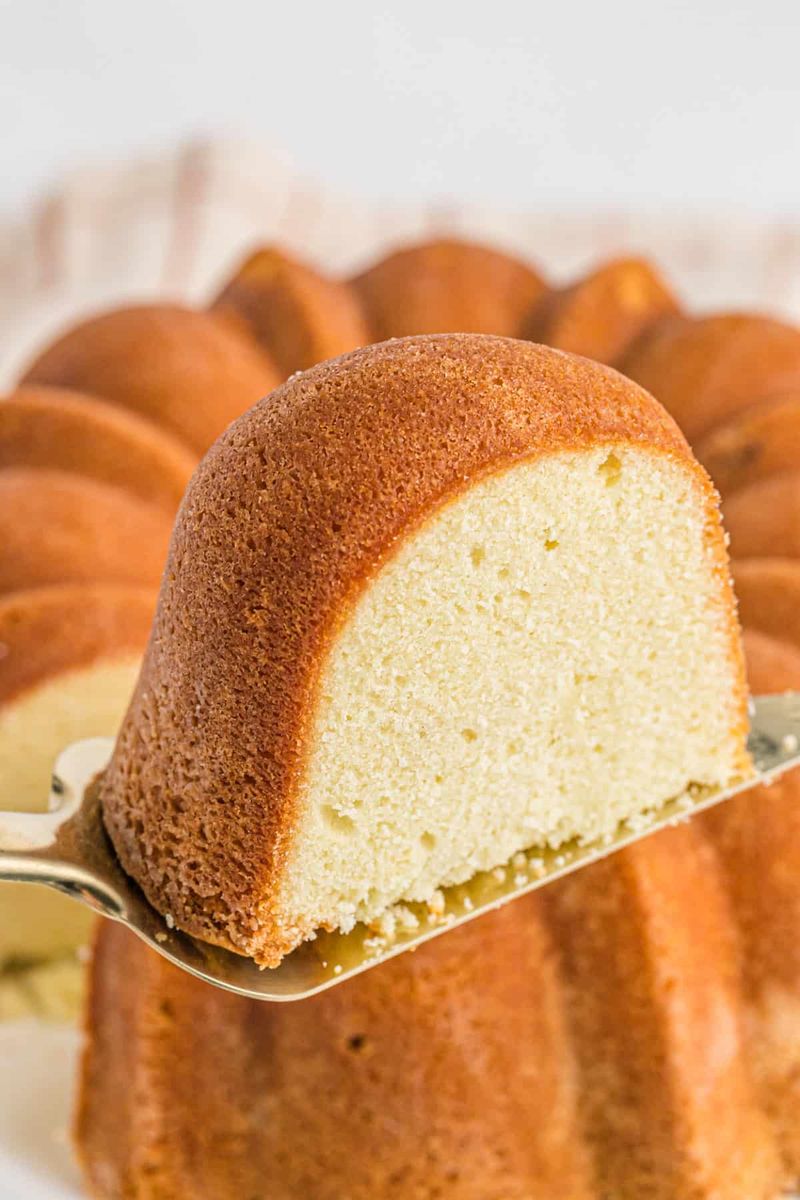
Sour cream has a natural tanginess that balances sweetness while adding serious moisture to cake batter. Its thick, creamy texture keeps cakes from drying out, and the slight acidity helps activate baking soda for a better rise.
Professional bakers often call sour cream their secret weapon for ultra-tender crumb. Just one cup stirred into your batter can make a noticeable difference.
It works especially well in pound cakes and coffee cakes.
3. Instant Pudding Mix
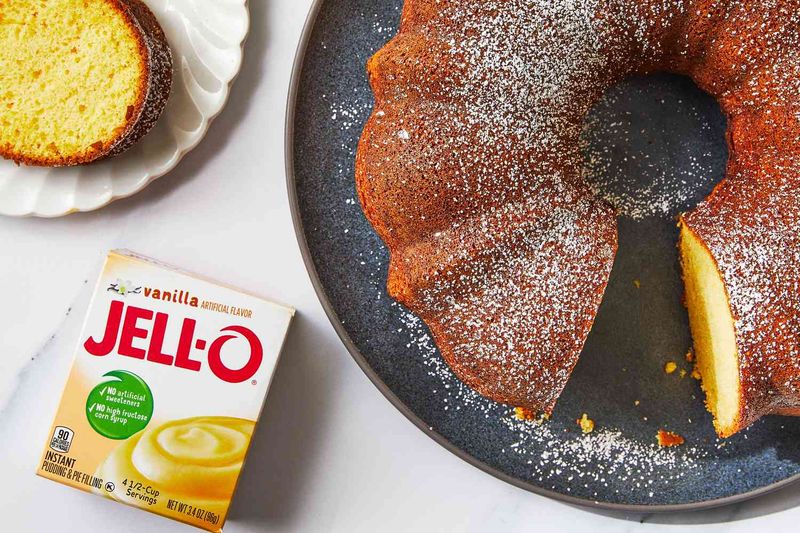
Tossing a small box of instant pudding mix into your cake batter is one of the easiest tricks for a softer, more tender texture. The starches in pudding mix absorb moisture and hold it in, keeping slices soft even after a day or two.
Vanilla pudding pairs beautifully with almost any cake flavor, while chocolate pudding adds depth to brownies and fudge cakes. No cooking required, just stir it right into the dry ingredients.
4. Greek Yogurt
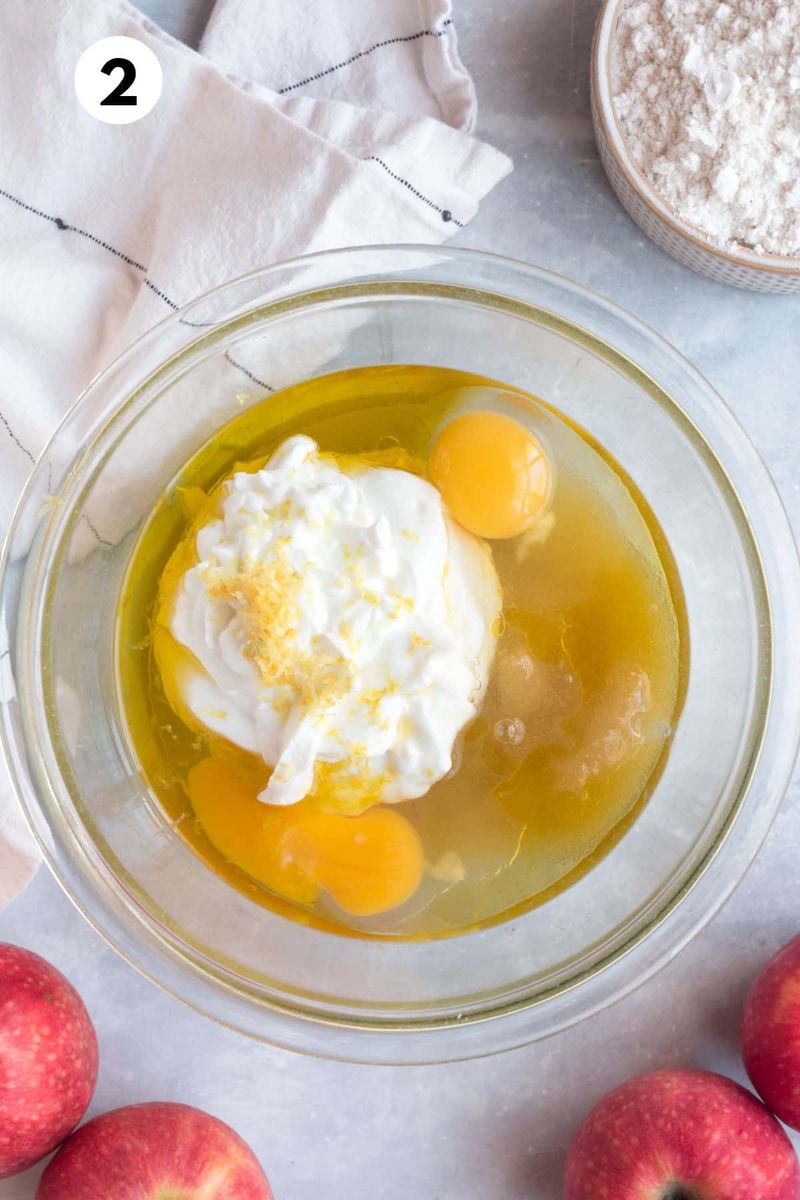
Greek yogurt is packed with protein and fat, making it a fantastic addition to cake batter. It adds moisture without making the batter too heavy, and the natural acidity creates a tender crumb by breaking down gluten slightly.
Full-fat Greek yogurt gives the richest results, though low-fat versions still work well. It pairs especially nicely with citrus-flavored cakes, blueberry muffins, and anything with a hint of vanilla.
Your guests will wonder what your secret is.
5. Applesauce
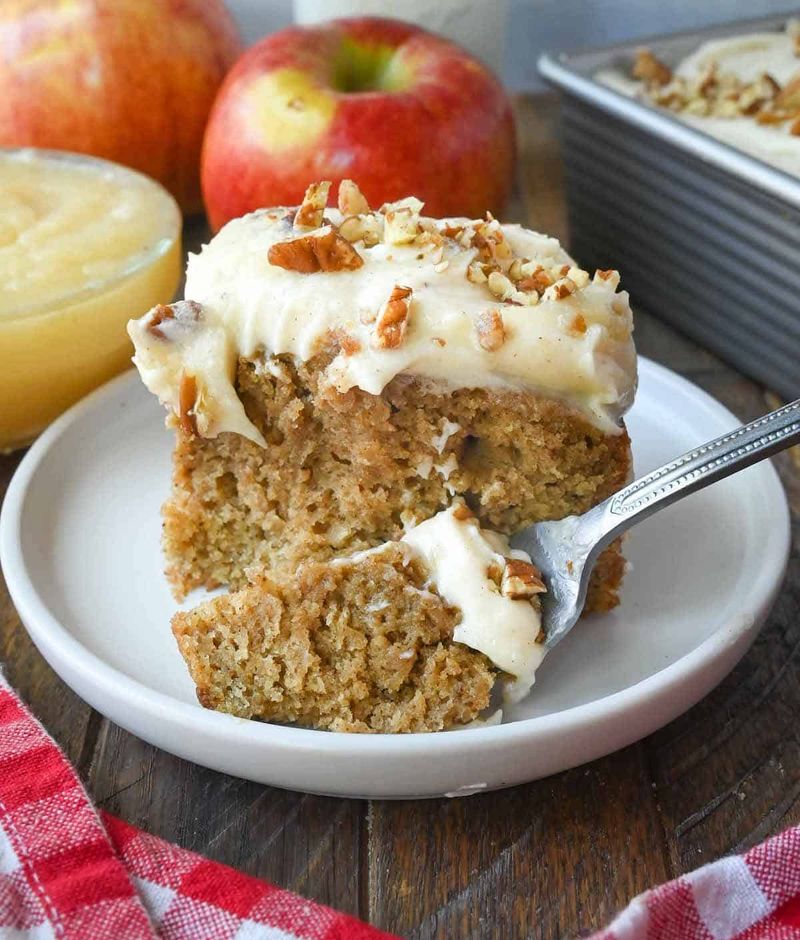
Applesauce is a beloved ingredient in healthier baking, but it does much more than cut fat. It adds natural sweetness and a ton of moisture, helping cakes stay soft and springy long after they come out of the oven.
Unsweetened applesauce is best so you can control the sugar level. It works brilliantly in spice cakes, carrot cakes, and banana bread.
Replace up to half the oil in a recipe with applesauce for a noticeably lighter yet still tender result.
6. Buttermilk
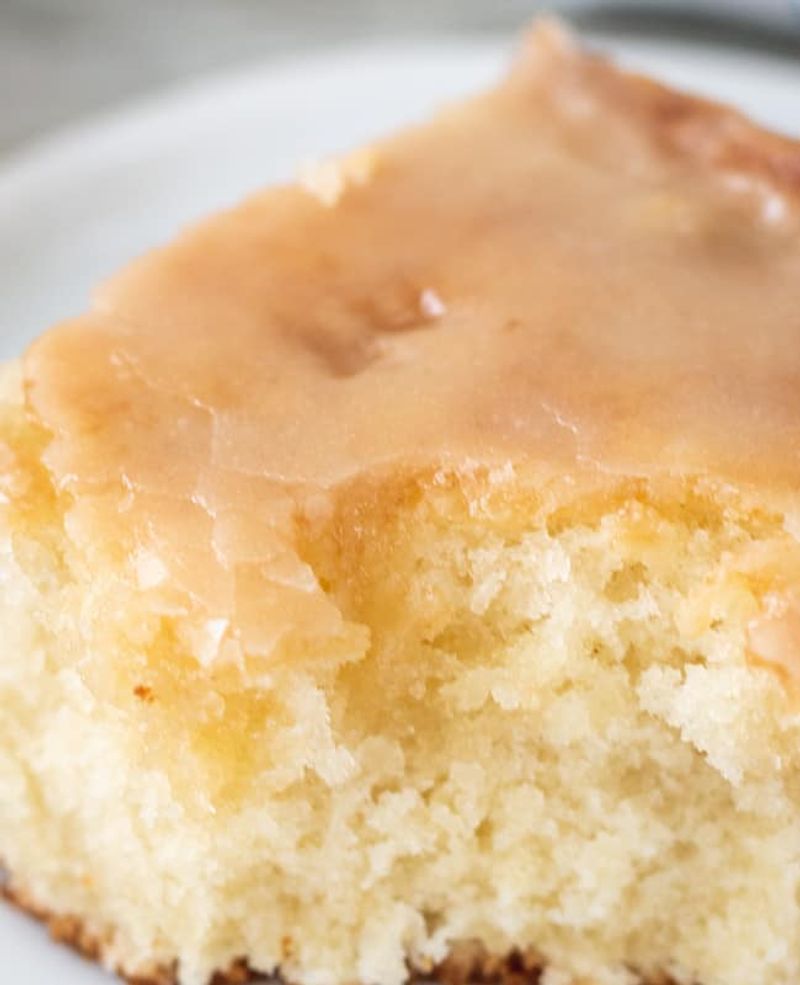
Buttermilk has been a Southern baking staple for generations, and for good reason. Its acidity reacts with baking soda to create a light, airy texture, while its fat content keeps the cake rich and moist from edge to center.
Even if you do not have buttermilk on hand, you can make a quick substitute by adding a tablespoon of white vinegar to regular milk and letting it sit for five minutes. It is simple, affordable, and incredibly effective.
7. Cream Cheese
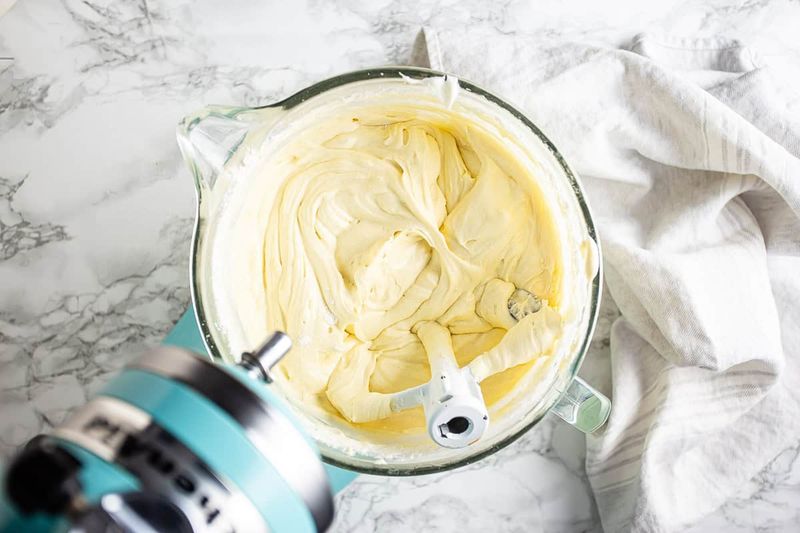
Cream cheese is not just for frosting. When blended into cake batter, it adds a rich, velvety texture that is hard to beat.
The fat content keeps every bite moist, and it gives the crumb a slightly dense, satisfying quality similar to a New York-style cheesecake.
It works best in flavors like red velvet, carrot, and lemon. Soften the cream cheese fully before mixing so it blends smoothly without creating lumps in the batter.
8. Coffee or Espresso
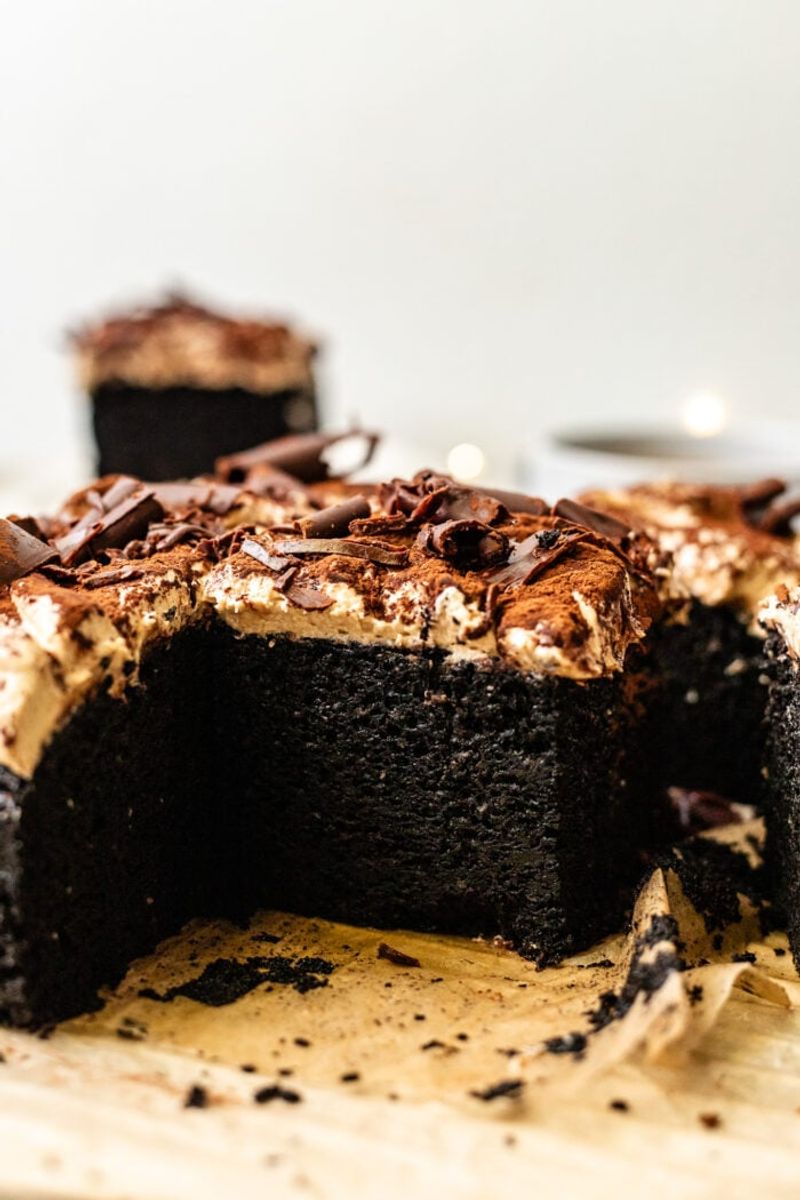
Coffee does not make your cake taste like a latte, but it does something magical to chocolate cakes. Adding brewed coffee or a teaspoon of espresso powder deepens the chocolate flavor significantly, making it taste more intense and complex.
Beyond flavor, the liquid from brewed coffee adds moisture to the batter. Many professional pastry chefs swear by this trick.
Even people who dislike coffee often cannot identify it in a chocolate cake, yet they always ask for a second slice.
9. Vegetable Oil Instead of Butter
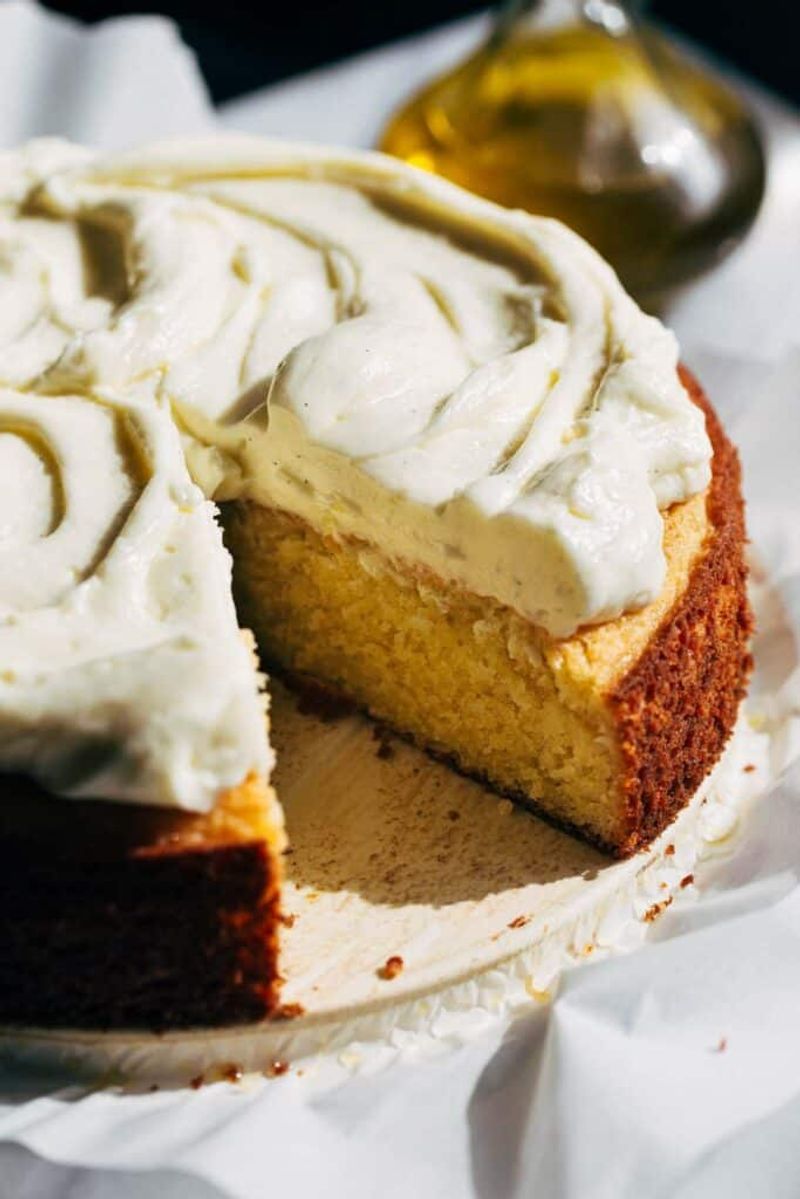
Butter brings great flavor, but oil is actually better at keeping cakes moist. Since oil is 100 percent fat and butter contains water, oil-based cakes stay soft and tender even after refrigeration, where butter cakes can turn stiff and dry.
This is why most carrot cakes and zucchini breads use oil as the main fat. You can use canola, vegetable, or even light olive oil depending on the flavor profile you want.
The texture difference is genuinely impressive.
10. Brown Sugar Instead of White Sugar
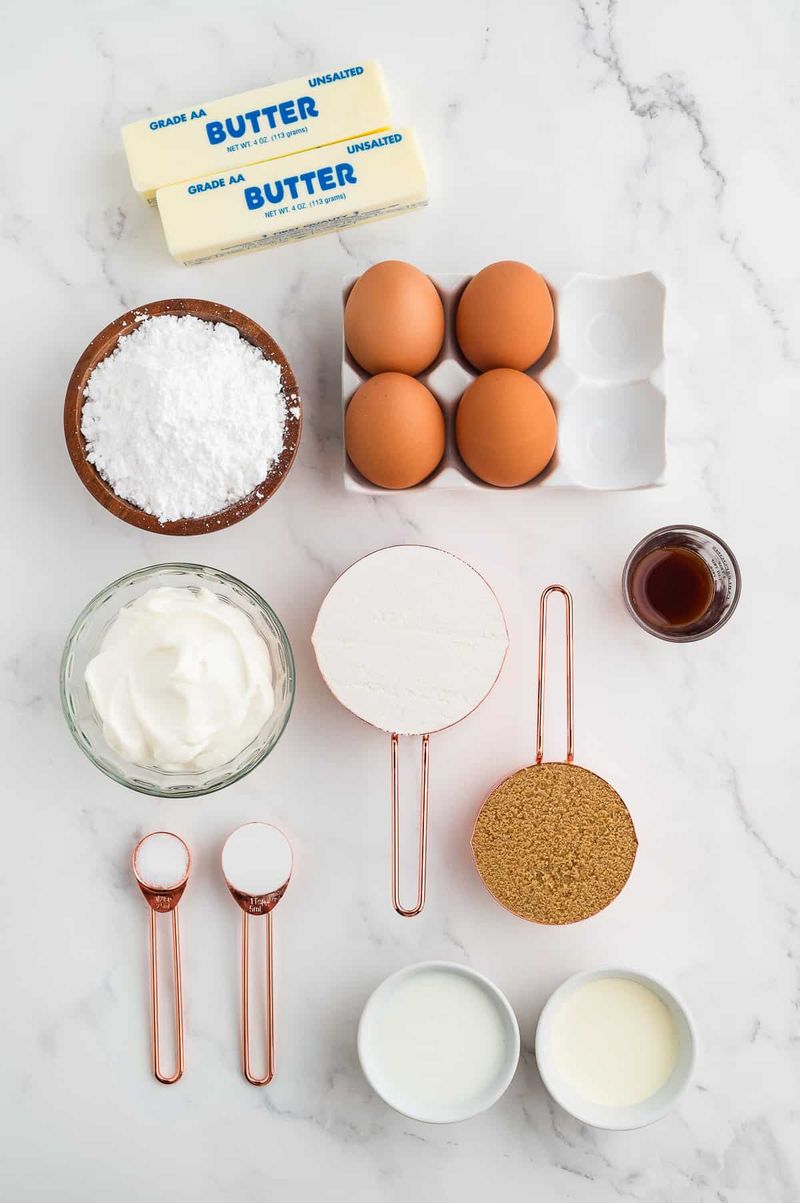
Swapping white sugar for brown sugar is one of the simplest upgrades you can make in cake baking. Brown sugar contains molasses, which is naturally hygroscopic, meaning it attracts and holds onto moisture from the air and the batter itself.
The result is a cake that stays soft and chewy longer than one made with plain white sugar. Brown sugar also adds a warm, caramel-like depth of flavor that works beautifully in spice cakes, banana cakes, and gingerbread.
11. Avocado
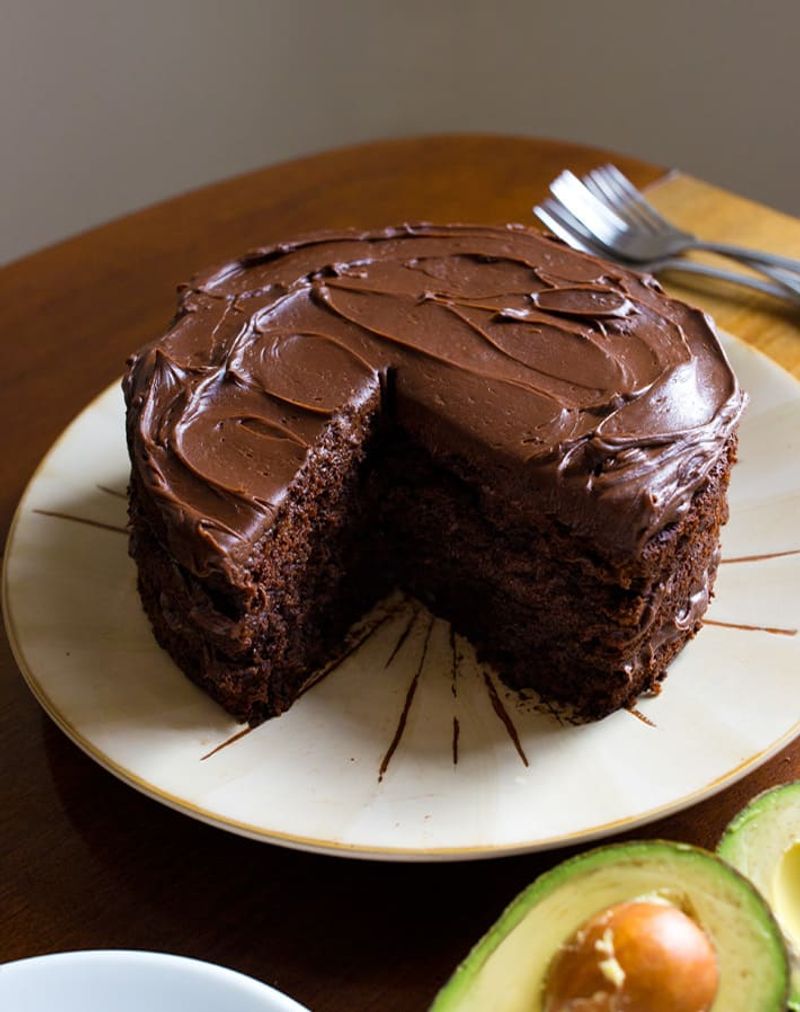
Avocado might seem like an odd cake ingredient, but its creamy, high-fat texture makes it a surprisingly effective substitute for butter or oil. It blends smoothly into batter and creates a rich, velvety crumb without any noticeable avocado flavor.
It works especially well in chocolate cakes, where the strong cocoa flavor takes center stage. As a bonus, avocado adds healthy monounsaturated fats and cuts down on saturated fat.
Bakers looking for a nutritious twist absolutely love this swap.
12. Coconut Milk
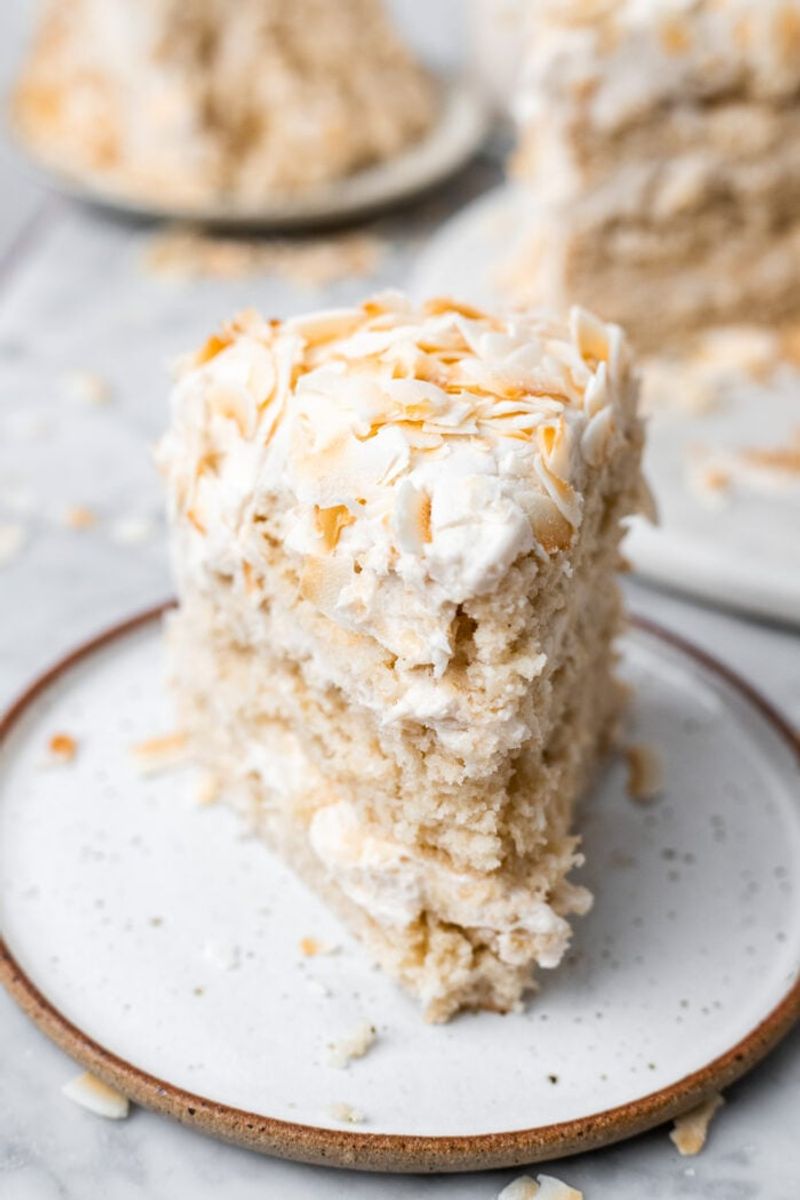
Full-fat coconut milk is loaded with natural fats that keep cake batter rich and incredibly moist. It adds a subtle tropical flavor that pairs beautifully with lime, pineapple, mango, or vanilla without being overwhelming.
Because it is dairy-free, coconut milk is also a great option for people with lactose intolerance. Use it as a one-to-one replacement for regular milk or buttermilk in most recipes.
The texture it produces is smooth, soft, and wonderfully tender from edge to edge.
13. Zucchini
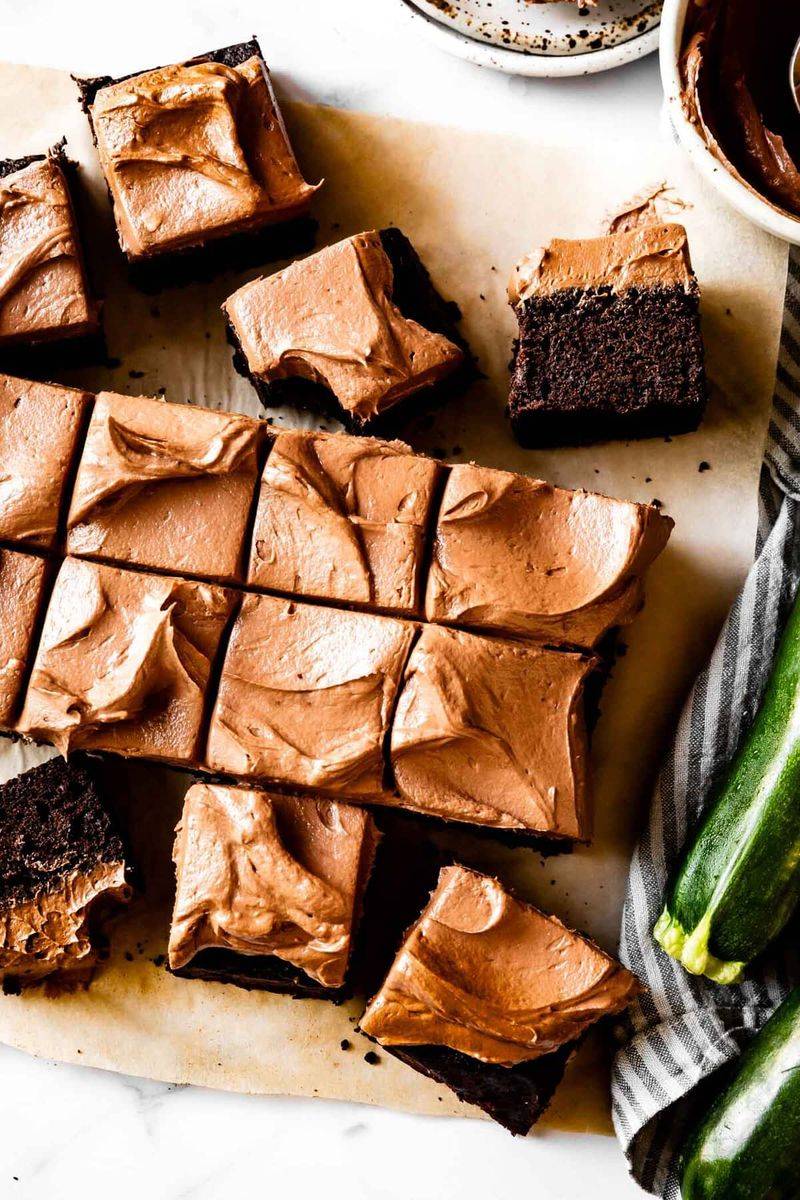
Zucchini has an incredibly high water content, which releases slowly into the batter as the cake bakes, keeping it moist from the inside out. You cannot taste it at all, but you will absolutely notice how soft and tender the final cake turns out.
Chocolate zucchini cake is a classic for a reason. Grate the zucchini finely and do not squeeze out the liquid before adding it to the batter.
That moisture is exactly what makes the magic happen.
14. Honey
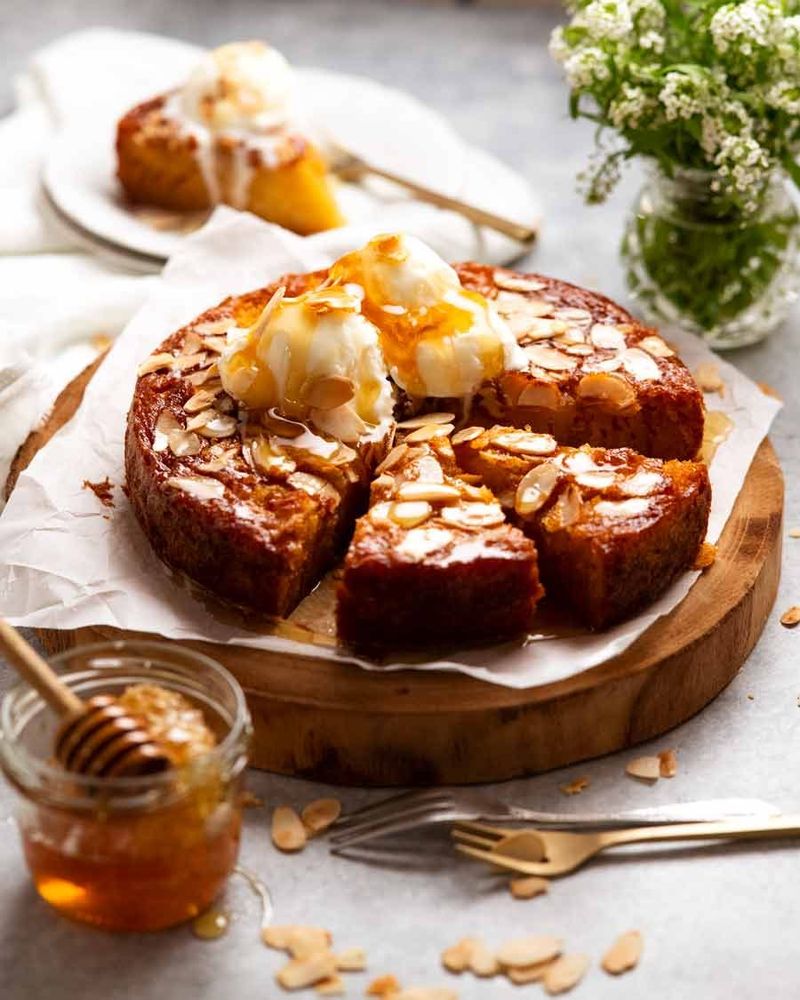
Honey is another hygroscopic ingredient, meaning it pulls moisture from the surrounding air and keeps it locked inside the cake. Replacing some of the sugar in a recipe with honey results in a noticeably softer, more tender texture that lasts for days.
Because honey is sweeter than sugar, you can use a little less of it and still get great results. It adds a warm, floral flavor that shines in vanilla, almond, or citrus cakes.
Reduce the oven temperature by about 25 degrees when baking with honey.
15. Mashed Banana
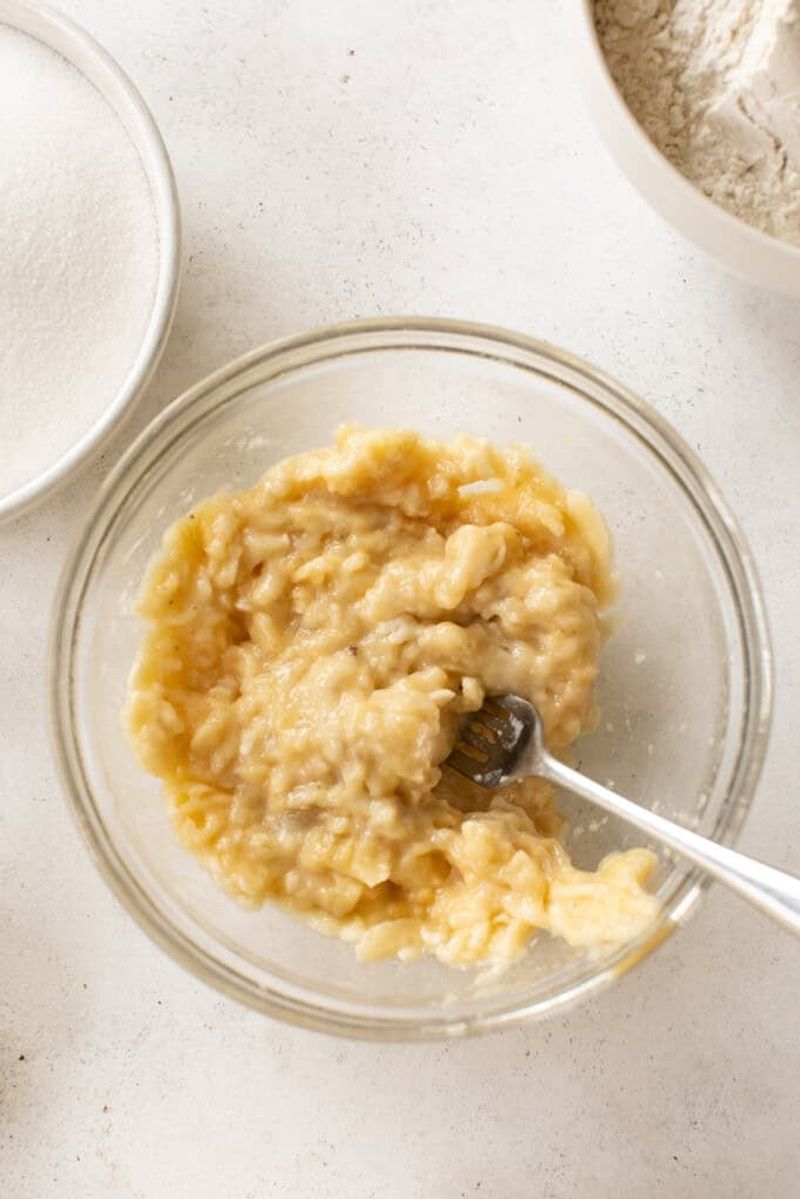
Overripe bananas are basically nature's cake moistener. Their high natural sugar and water content adds sweetness and a soft, almost pudding-like texture to baked goods.
The riper the banana, the better it works in batter.
Beyond banana bread, mashed banana can be stirred into vanilla cake, chocolate cake, or even pancake batter. It also acts as a partial egg substitute if you are out of eggs.
One medium banana replaces roughly one egg in most simple recipes.
16. Cream of Tartar
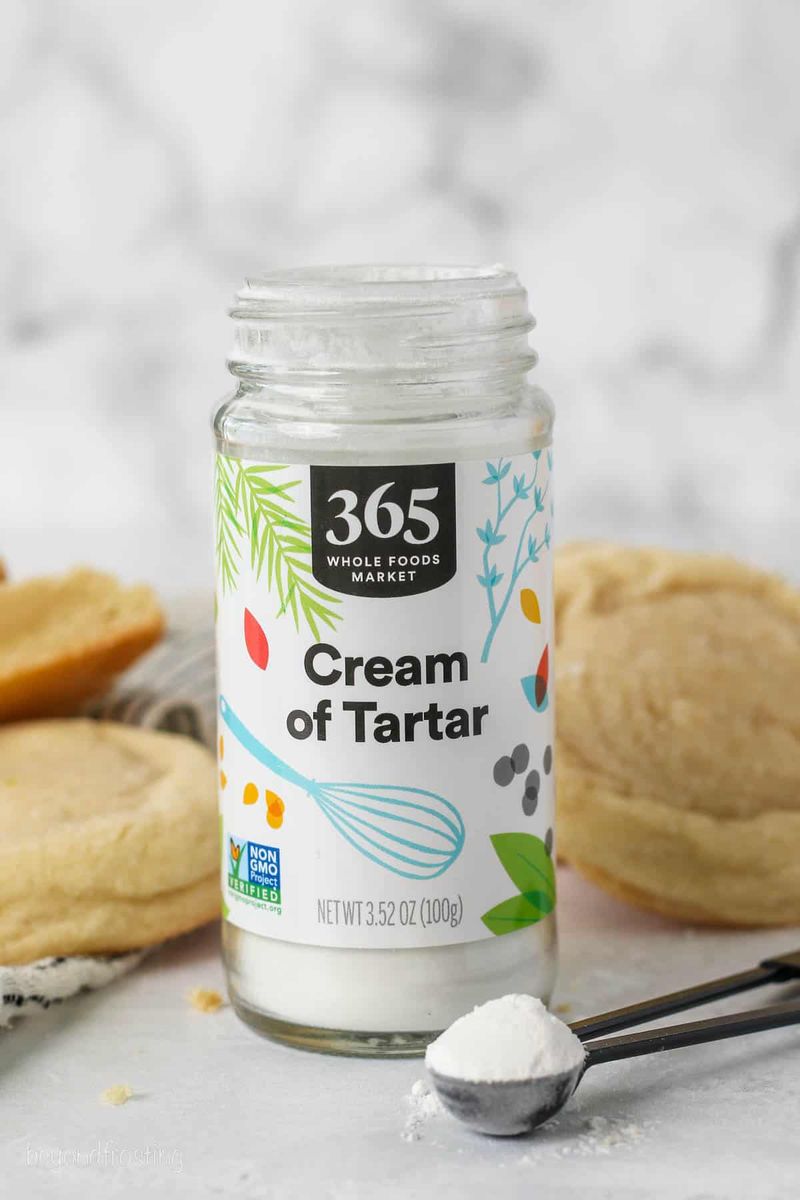
Cream of tartar is a byproduct of winemaking, and it has been used in baking for centuries. Adding just a pinch to cake batter stabilizes beaten egg whites and helps the cake hold its rise, resulting in a fluffier, more even crumb.
It also works as a mild acid that reacts with baking soda, giving cakes a lighter, more tender texture. Many old-fashioned white cake and angel food cake recipes rely on it.
A little goes a long way in the mixing bowl.

Comments
No Comments