













Before fancy gadgets and cooking apps took over the kitchen, home cooks relied on simple, time-tested tricks passed down through generations. These methods were born out of necessity, creativity, and a deep understanding of food.
Many of them still work better than anything modern technology can offer. If you want to cook smarter and tastier, these old school techniques are absolutely worth keeping around.
1. Salt Your Pasta Water Like the Ocean
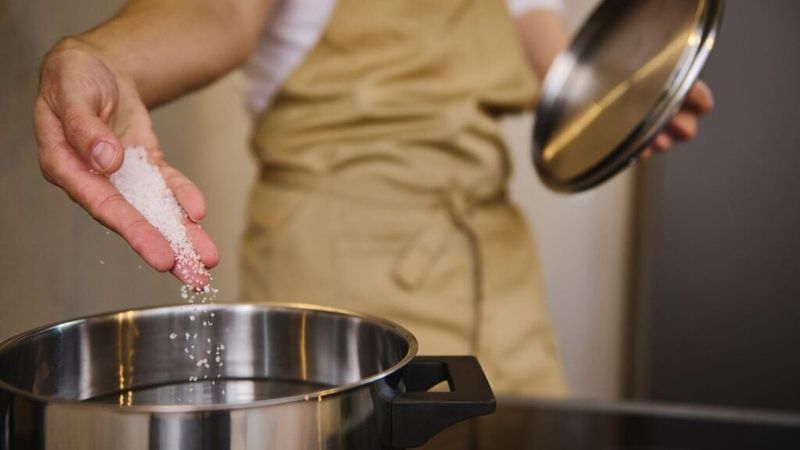
Grandma never measured her pasta water salt — she just knew it had to taste like the sea. That bold move is actually rooted in real cooking science.
Salting the water seasons the pasta from the inside out, giving it flavor that no sauce can fully replace.
A small pinch just won't cut it. Use a generous handful for a full pot.
Your pasta will taste more complete and satisfying every single time you cook it.
2. Keep a Wooden Spoon Across the Pot
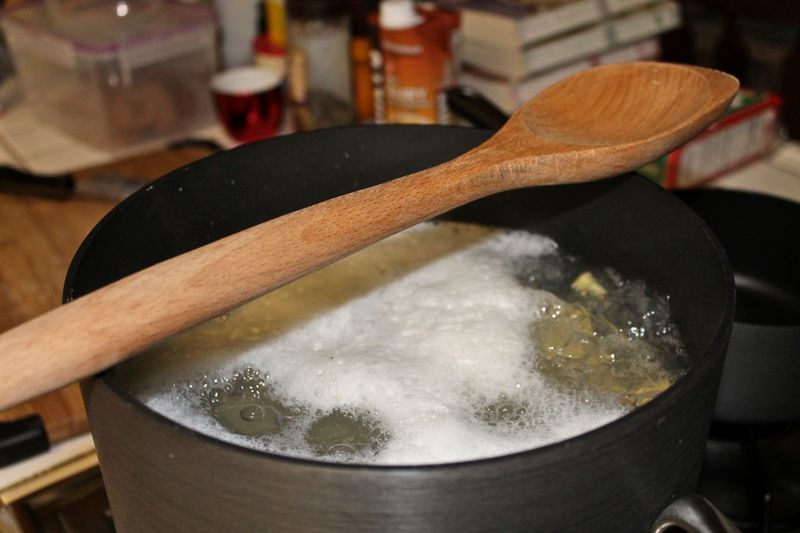
Here is a kitchen trick so simple it almost seems like magic — lay a wooden spoon across the top of a boiling pot and it will not boil over. The dry wood disrupts the surface tension of the bubbles, causing them to pop before they spill.
No more running to the stove in a panic. This old trick saves time, mess, and frustration.
It works with pasta, potatoes, and anything else you are boiling on the stovetop.
3. Rest Your Meat Before Cutting
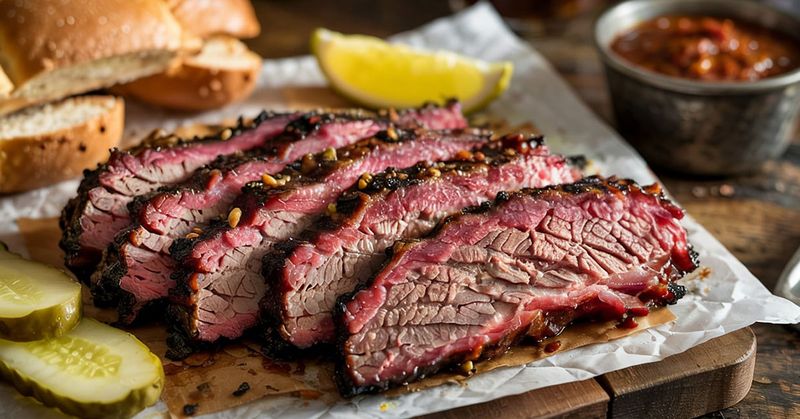
Cutting into a steak the moment it comes off the grill is one of the most common kitchen mistakes. All those delicious juices rush straight out onto your cutting board instead of staying in the meat where they belong.
Letting meat rest for five to ten minutes allows the juices to redistribute evenly throughout. The result is a juicier, more flavorful bite every time.
Old school cooks knew patience at the stove always pays off on the plate.
4. Use Stale Bread for Better Dishes
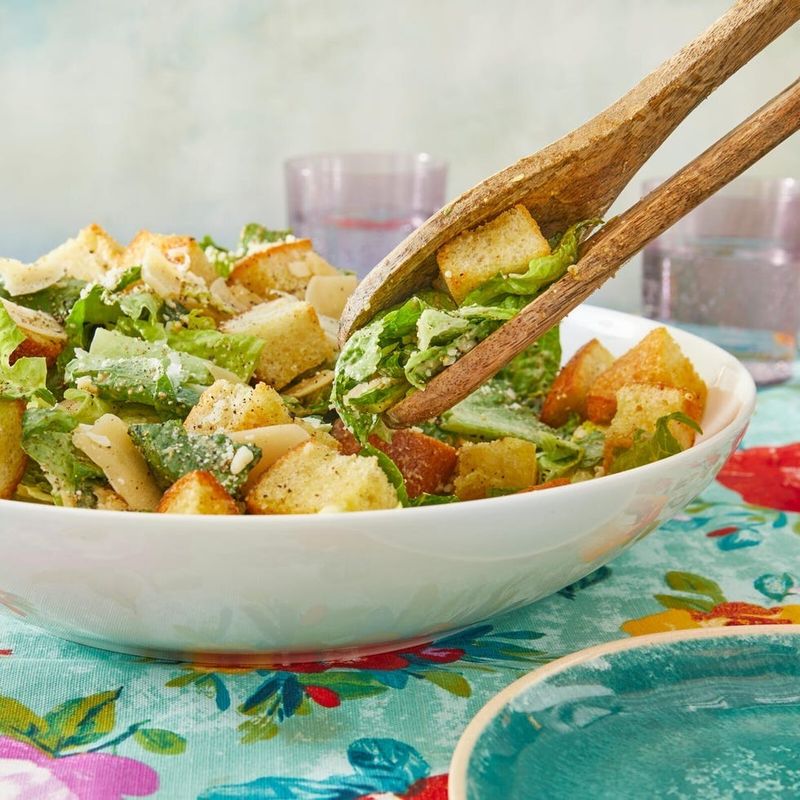
Tossing old bread in the trash would have been unthinkable to previous generations of home cooks. Stale bread was a treasure, not a throwaway.
It soaks up flavors beautifully and adds incredible texture to countless dishes.
Stale bread makes the best breadcrumbs, croutons, stuffing, and bread pudding. The drier texture actually works in your favor.
Next time a loaf goes hard, set it aside and let it become something even more delicious than it was fresh.
5. Rub Cast Iron With Oil After Every Use
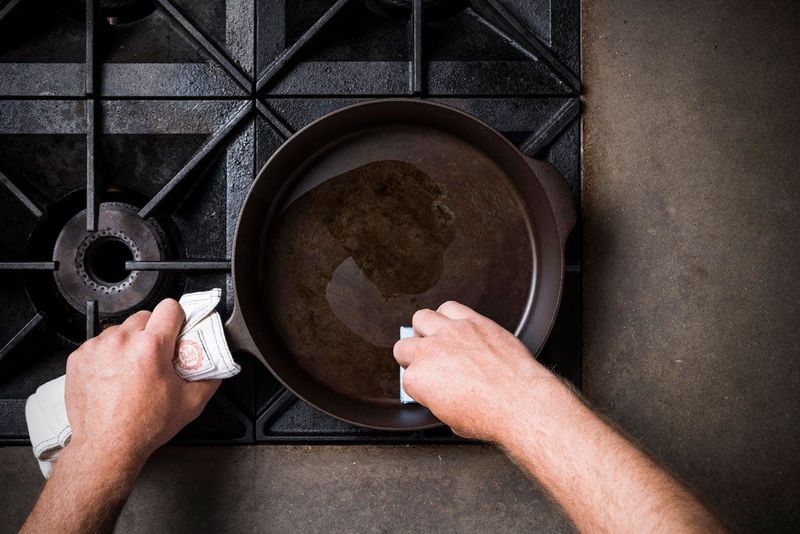
Cast iron skillets were once passed down like family heirlooms, and for good reason — they last forever when cared for properly. The secret is a simple routine of wiping the pan with a thin layer of oil after each use.
This builds up a natural nonstick coating called seasoning over time. Soap strips it away, so old school cooks always cleaned with hot water and a stiff brush.
Treat your cast iron right and it will outlast every other pan you own.
6. Add a Pinch of Sugar to Balance Acidic Sauces
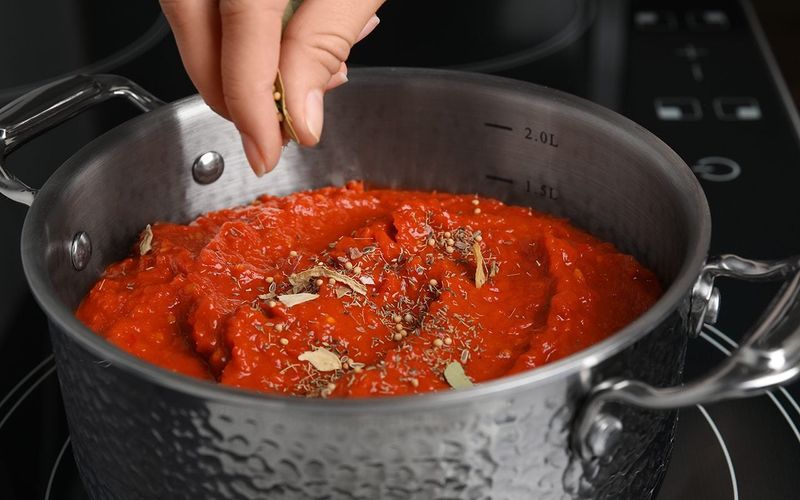
Too much acid in a tomato sauce used to send experienced cooks straight for the sugar bowl, not the trash. A tiny pinch of sugar works like a flavor equalizer, softening the sharpness without making the sauce taste sweet.
This trick works on canned tomatoes, citrus-heavy marinades, and even vinegar-based dressings. You do not need much — just a small amount changes the whole flavor profile.
Balance is the secret ingredient most people forget to add when cooking savory dishes.
7. Brown Your Butter for Extra Depth
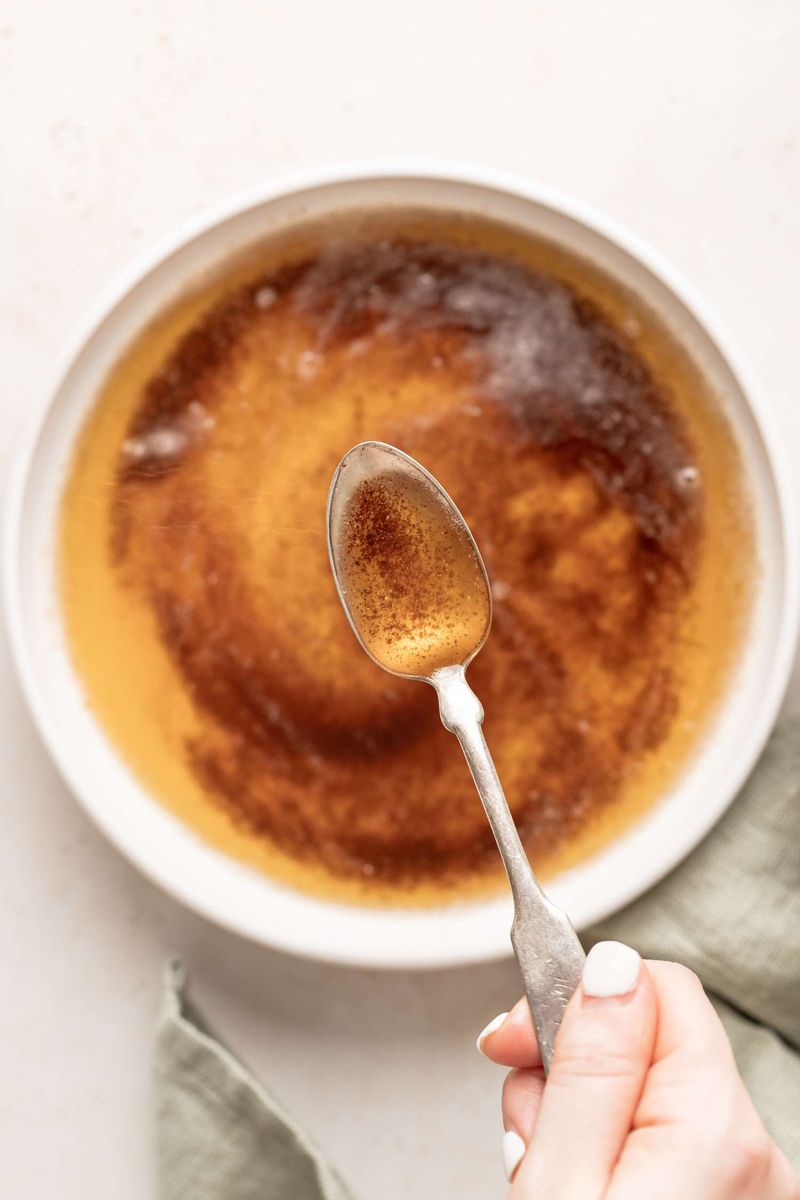
Regular butter is good. Brown butter is on a completely different level.
When butter is cooked past melting until the milk solids turn golden, it develops a rich, nutty, almost caramel-like flavor that transforms everything it touches.
Old school bakers used this trick in cookies, cakes, and sauces long before it became trendy. The process takes only a few extra minutes but adds a depth of flavor that is hard to explain until you taste it.
One try and you will never go back.
8. Keep Bacon Grease for Cooking
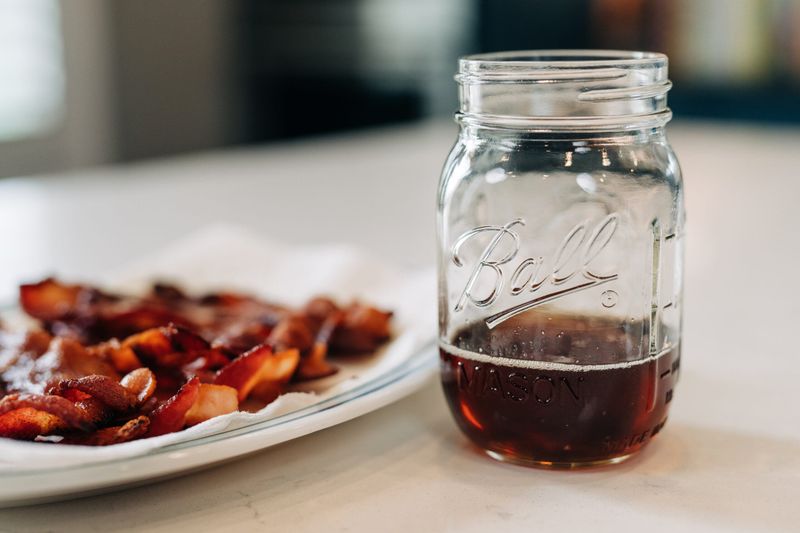
Before vegetable oils lined every grocery store shelf, bacon grease was the cooking fat of choice in kitchens across the country. Cooks saved every drop in a jar by the stove and used it to fry eggs, saute vegetables, and season cast iron.
The smoky, savory flavor it adds is something no bottled oil can replicate. Stored in the fridge, bacon grease keeps for weeks.
It is one of those old school ingredients that modern kitchens quietly threw away but absolutely should not have.
9. Blanch Vegetables to Lock In Color
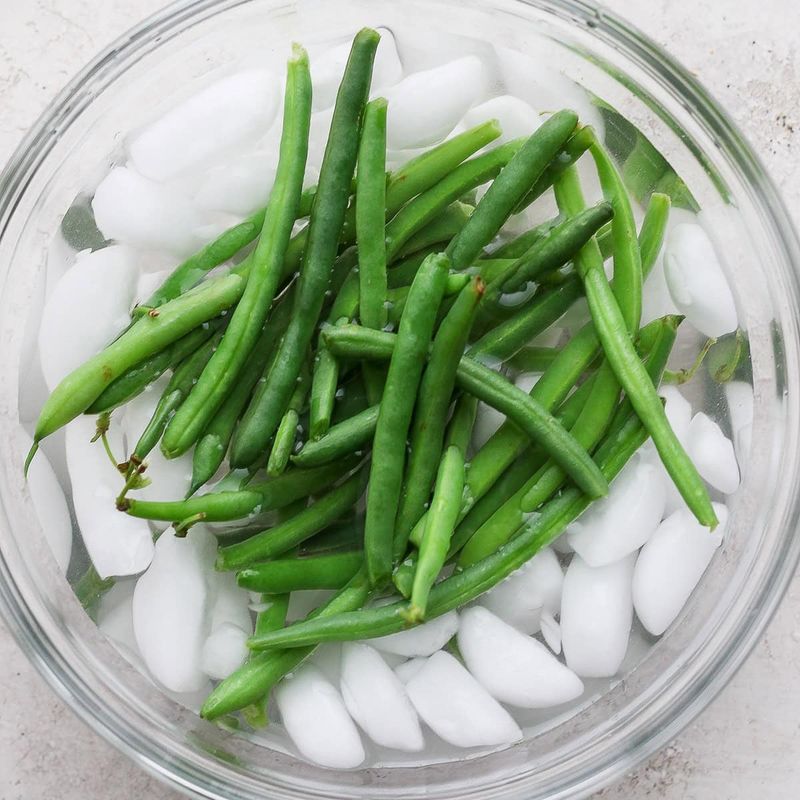
Ever wonder how restaurant vegetables look so vivid and bright? The answer is blanching — a quick dip in boiling salted water followed immediately by a plunge into ice cold water.
It stops the cooking process and locks in that gorgeous color.
Home cooks used this technique long before food photography made presentation a priority. It also keeps vegetables crisp and slightly tender at the same time.
A simple two-step process makes a huge visual and textural difference on any plate.
10. Squeeze Lemon at the Very End
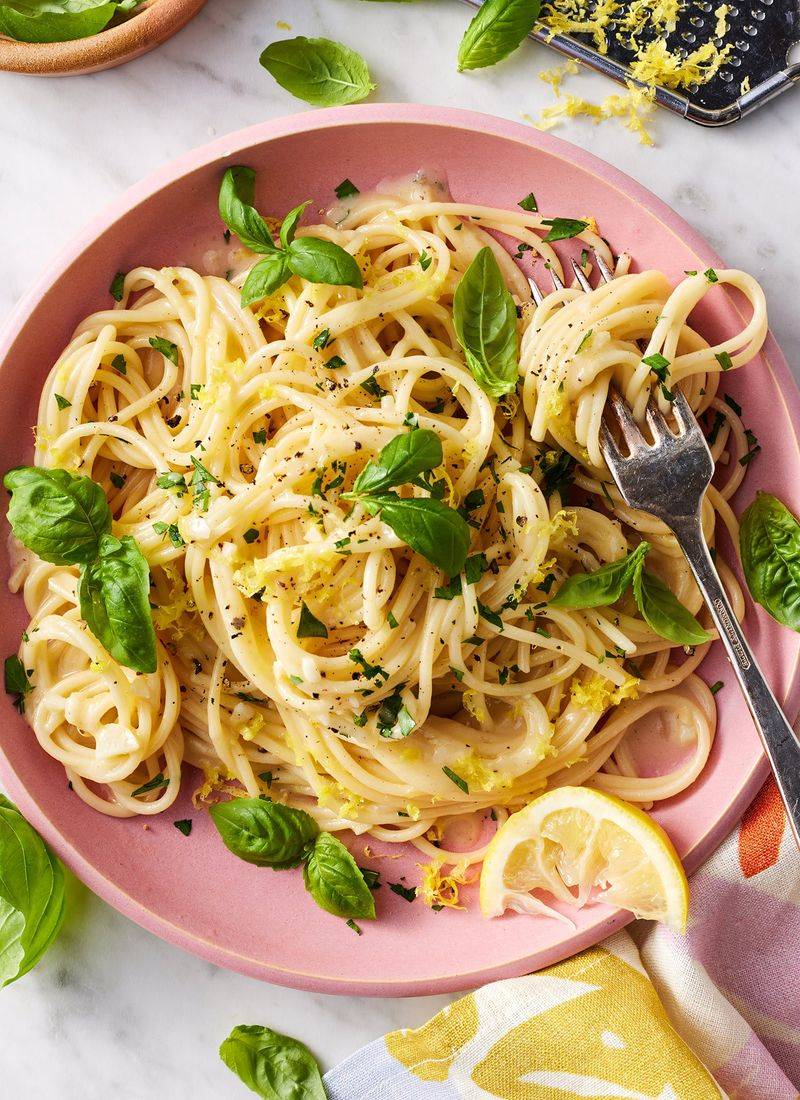
Lemon juice added at the start of cooking loses most of its brightness and punch by the time the dish is done. Experienced cooks always saved the citrus squeeze for the very last moment before serving.
That final hit of acid wakes up all the other flavors in the dish, making everything taste fresher and more alive. It works on soups, roasted meats, pasta, and grilled fish.
Think of it as a flavor switch that turns a good dish into a great one.
11. Use Potato Water in Bread Dough
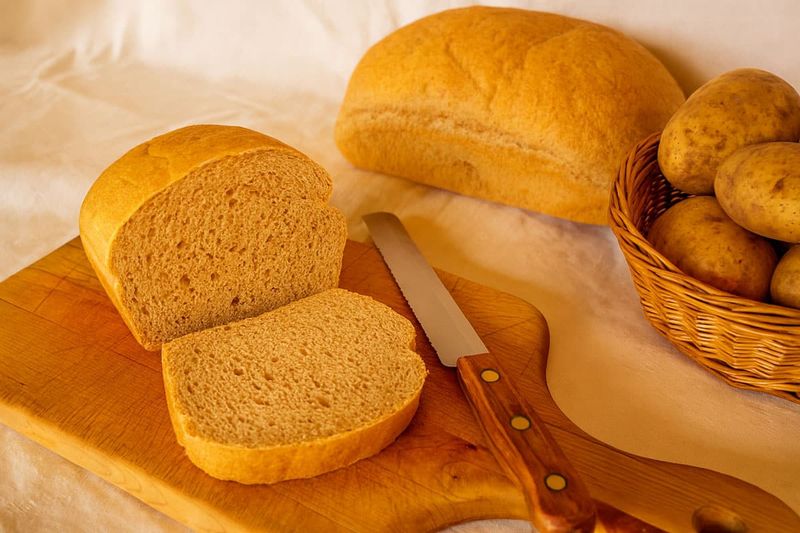
When potatoes were boiled, smart cooks never dumped that cloudy water down the drain. That starchy liquid is packed with natural sugars and minerals that make bread dough softer, more flavorful, and better at rising.
The starch feeds the yeast, giving breads a lighter, fluffier texture than plain water ever could. It is one of those zero-waste tricks that also happens to produce genuinely better results.
Old school bakers treated every bit of the kitchen like a resource worth using wisely.
12. Deglaze the Pan to Make a Quick Sauce
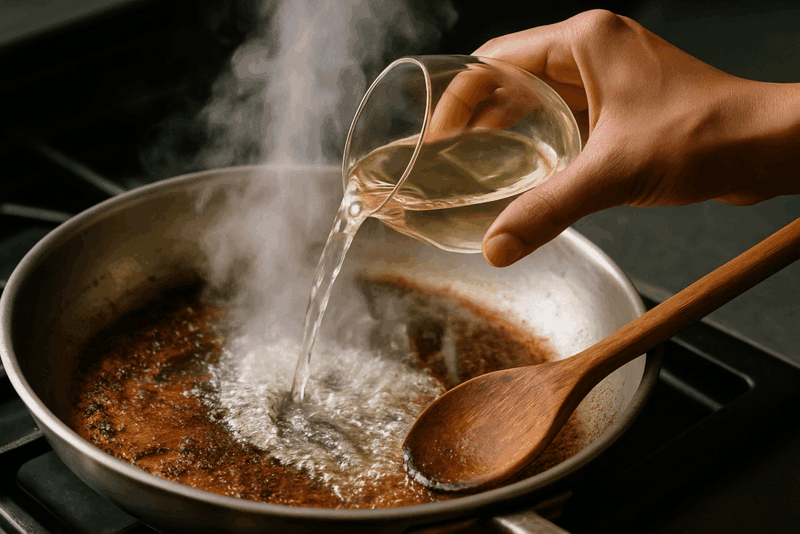
Those dark, caramelized bits stuck to the bottom of a pan after searing meat are pure concentrated flavor. Old school cooks called them the fond, and they never let them go to waste.
A splash of wine, broth, or even water loosens them right up.
Scraping the fond into the liquid creates an instant, deeply flavored pan sauce with almost no extra effort. This technique turns a simple weeknight meal into something that tastes like it took hours.
Every great cook knows the best part of the dish is what is left in the pan.
13. Dry Meat Completely Before Searing
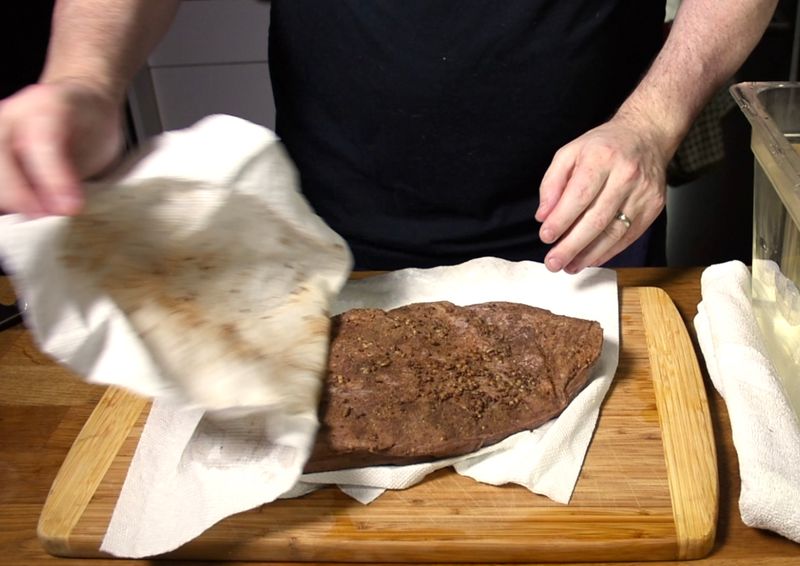
Moisture is the enemy of a good sear. When wet meat hits a hot pan, it steams instead of browns, and you end up with a pale, soggy surface instead of that gorgeous golden crust everyone wants.
Old school cooks always patted their meat bone dry first.
A few seconds with a paper towel makes a dramatic difference in the final result. The drier the surface, the better the browning.
That caramelized crust is not just beautiful — it adds layers of flavor that steaming simply cannot create.
14. Cook Dried Beans With a Bay Leaf
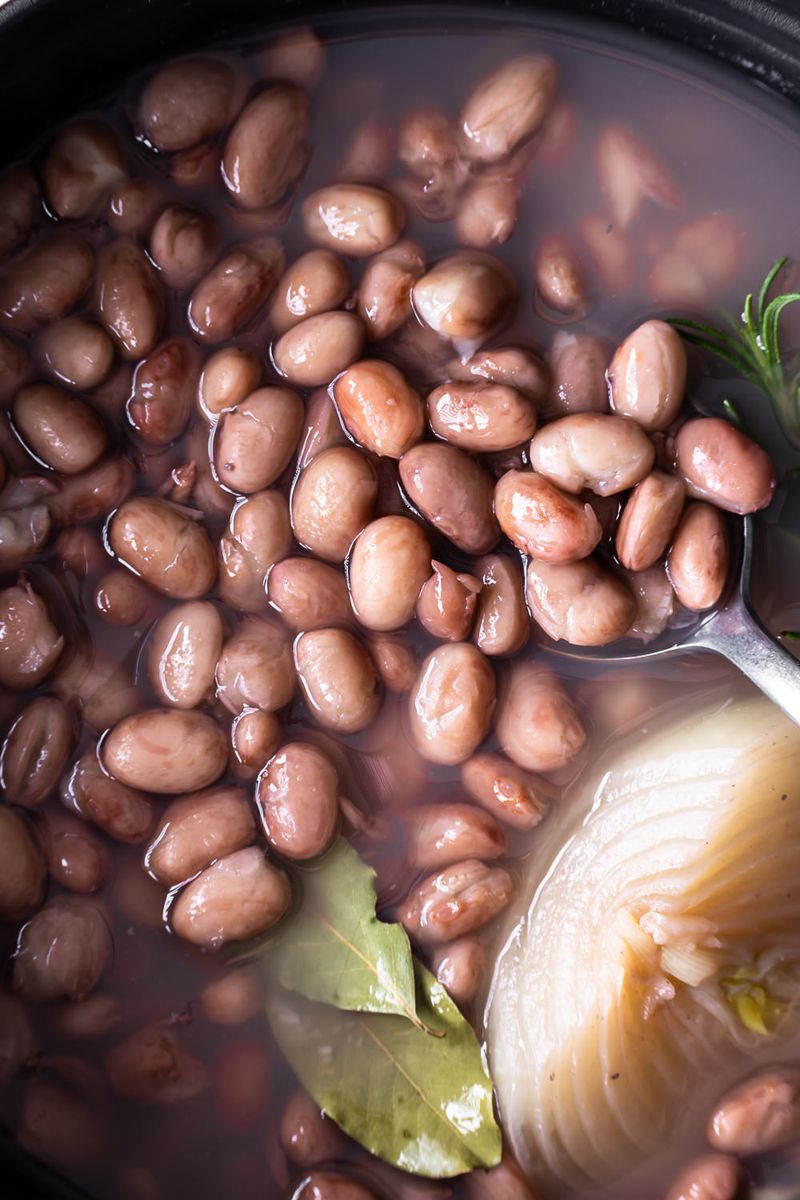
Drop a bay leaf into a pot of dried beans and something quietly wonderful happens. The herb adds a subtle, earthy aroma that deepens the overall flavor of the beans without taking over.
It is one of those background tricks you notice more when it is missing.
Generations of cooks tossed in a bay leaf almost out of habit, and the habit stuck because it genuinely works. Dried beans cooked low and slow with simple aromatics like bay, garlic, and onion taste richer than anything from a can.
15. Crack Eggs on a Flat Surface, Not the Bowl Edge
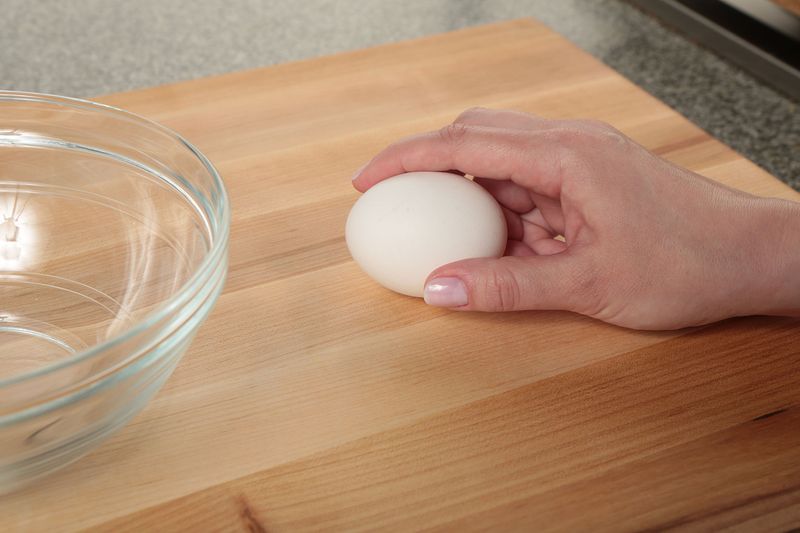
Cracking eggs on the edge of a bowl seems natural, but it actually pushes shell fragments inward and increases your chances of getting bits in your food. Old school professional cooks always cracked their eggs on a flat, hard surface instead.
A firm tap on the counter creates a clean break that keeps the shell intact and out of your batter or pan. It feels awkward at first but quickly becomes second nature.
Fewer shell surprises in your scrambled eggs is always a win worth having.
16. Finish Pasta in the Sauce, Not the Colander
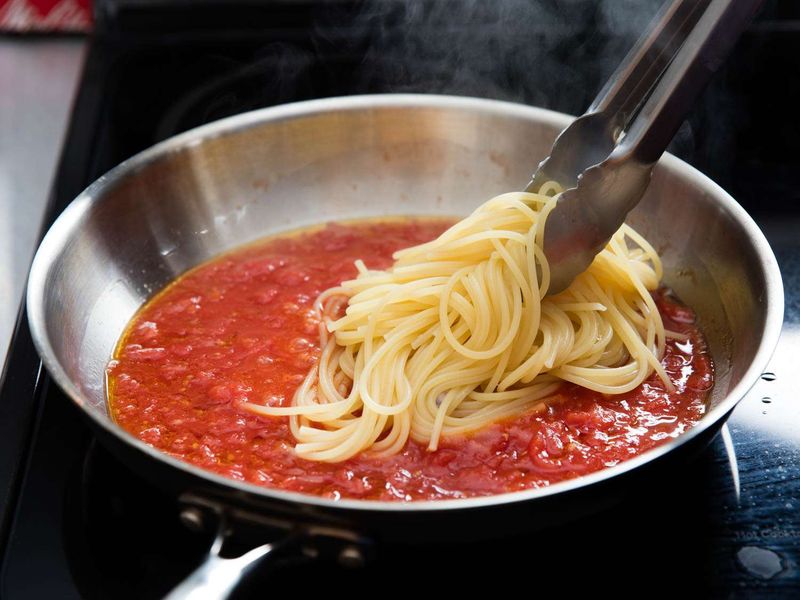
Draining pasta and rinsing it before adding sauce is one of the most common missteps in the home kitchen. That starchy cooking water clinging to the noodles is actually a built-in sauce thickener and flavor booster that you should never wash away.
Transferring pasta directly into the simmering sauce for its final minute of cooking lets everything marry together beautifully. The noodles absorb the sauce rather than just getting coated.
Old school Italian home cooks never skipped this step, and the difference in the final dish is unmistakable.

Comments
No Comments