













Most of us reach for the same bottles of ketchup, hot sauce, or ranch without thinking twice. But tucked away in culinary history are dozens of incredible sauces that have quietly faded from everyday kitchens.
These forgotten gems carry bold flavors, rich histories, and the power to completely change how a dish tastes. Get ready to rediscover some seriously underrated magic in a bottle.
1. Garum
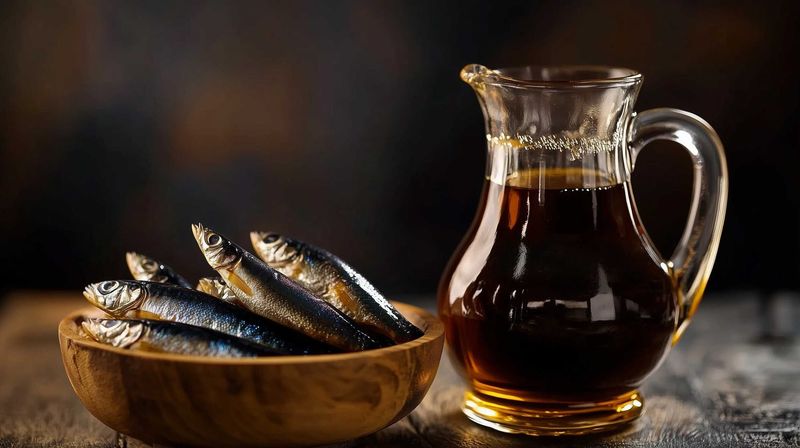
Long before hot sauce ruled the table, ancient Romans were obsessing over garum. Made from fermented fish and salt, this sauce was basically ancient ketchup — used on almost everything.
It sounds unusual, but the deep, savory flavor it creates is hard to beat.
Think of it like soy sauce's bold, briny cousin. A tiny drop adds incredible umami depth to pasta, roasted meats, or even pizza.
It is slowly making a comeback in gourmet kitchens worldwide.
2. Verjuice
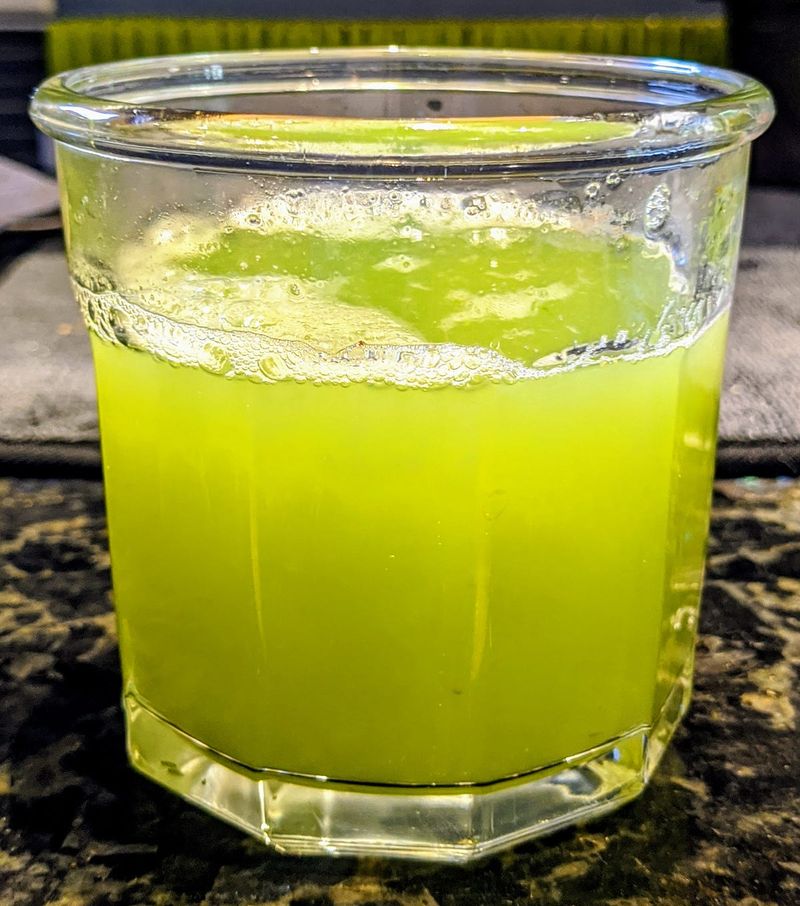
Verjuice sounds fancy, but it is simply the pressed juice of unripe grapes. Used heavily in medieval European cooking, this tart, mildly acidic liquid brings brightness to dishes without the sharpness of vinegar or the sweetness of wine.
Chefs in France and Persia relied on it for centuries before lemon juice took over. Try it in salad dressings, pan sauces, or drizzled over roasted chicken.
One taste and you will wonder why it ever disappeared.
3. Agristada

Agristada is a silky, lemony egg-based sauce with deep roots in Sephardic Jewish cooking. Traditionally served over fried fish or stuffed vegetables, it has a velvety texture and a tangy brightness that makes every bite feel special.
The name comes from the Spanish word for sour, and the sauce absolutely delivers on that promise. It is incredibly easy to make at home with just eggs, lemon juice, and a little broth.
Elegant, old-world, and completely underrated.
4. Mojo Picon
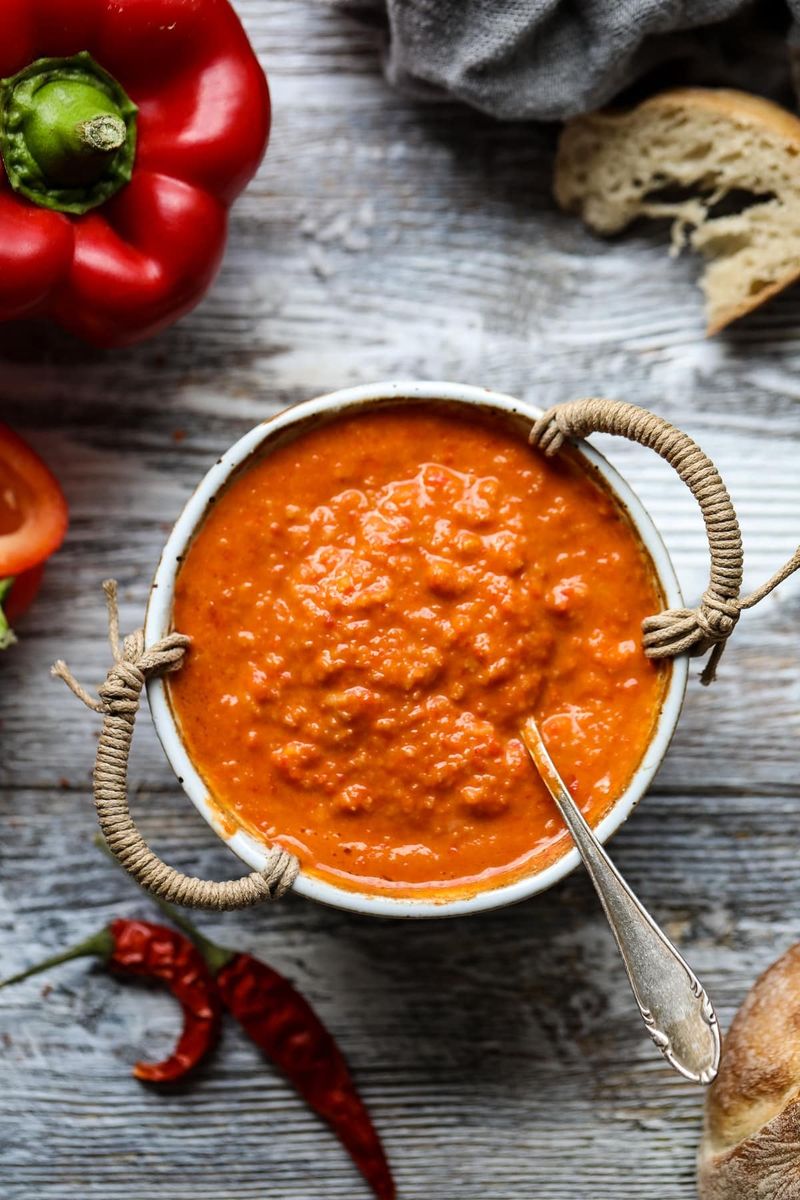
From the volcanic Canary Islands comes mojo picon, a fiery red sauce made from dried chilies, garlic, cumin, and olive oil. It punches way above its weight class in flavor and has been a staple on those Spanish islands for generations.
Most people have never heard of it outside of Spain, which is honestly a shame. Slather it on grilled meats, roasted potatoes, or crusty bread and prepare to be amazed.
This sauce is loud, proud, and absolutely delicious.
5. Skorthalia
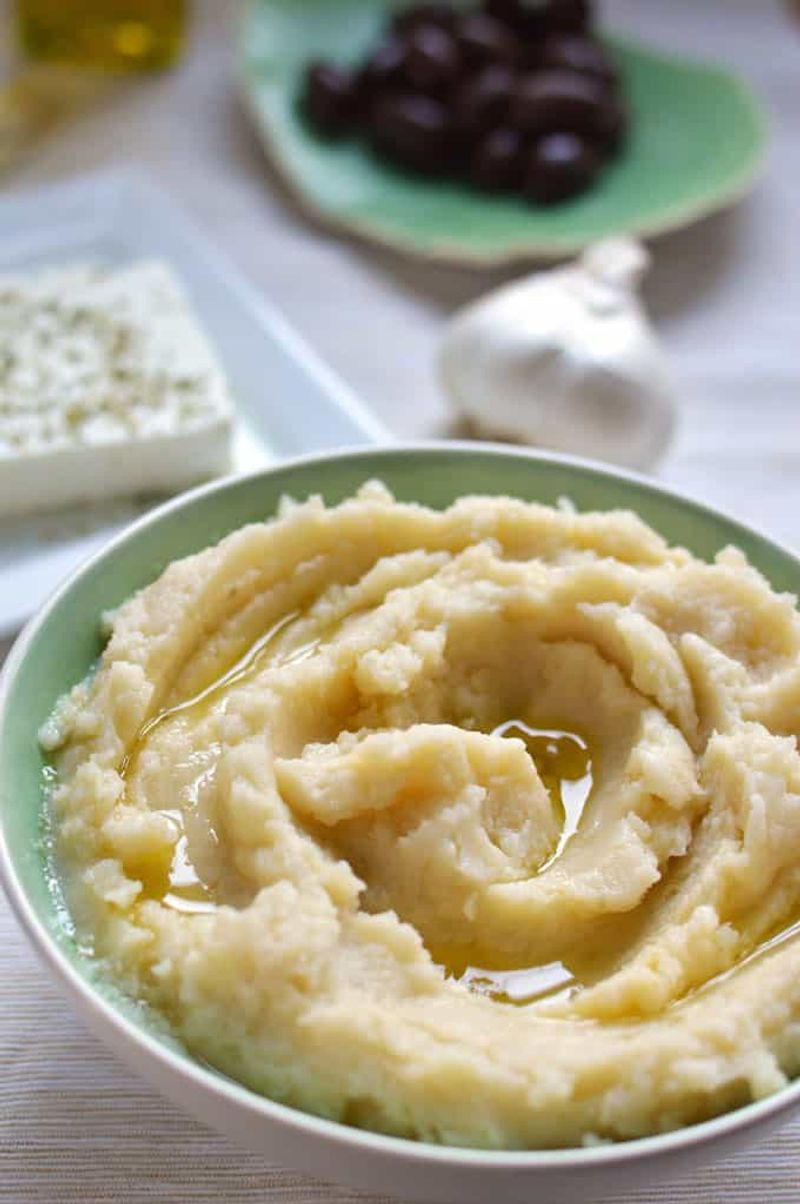
Skorthalia is a thick, creamy Greek sauce made from mashed potatoes or bread blended with a shocking amount of garlic. It is bold, garlicky, and completely unapologetic about it.
Traditionally served alongside fried cod or roasted beets, it turns simple food into something memorable.
Many people outside Greece have never tasted it, which feels like a genuine culinary injustice. Spread it on bread, use it as a dip, or serve it alongside vegetables.
Just keep the breath mints handy.
6. Chermoula
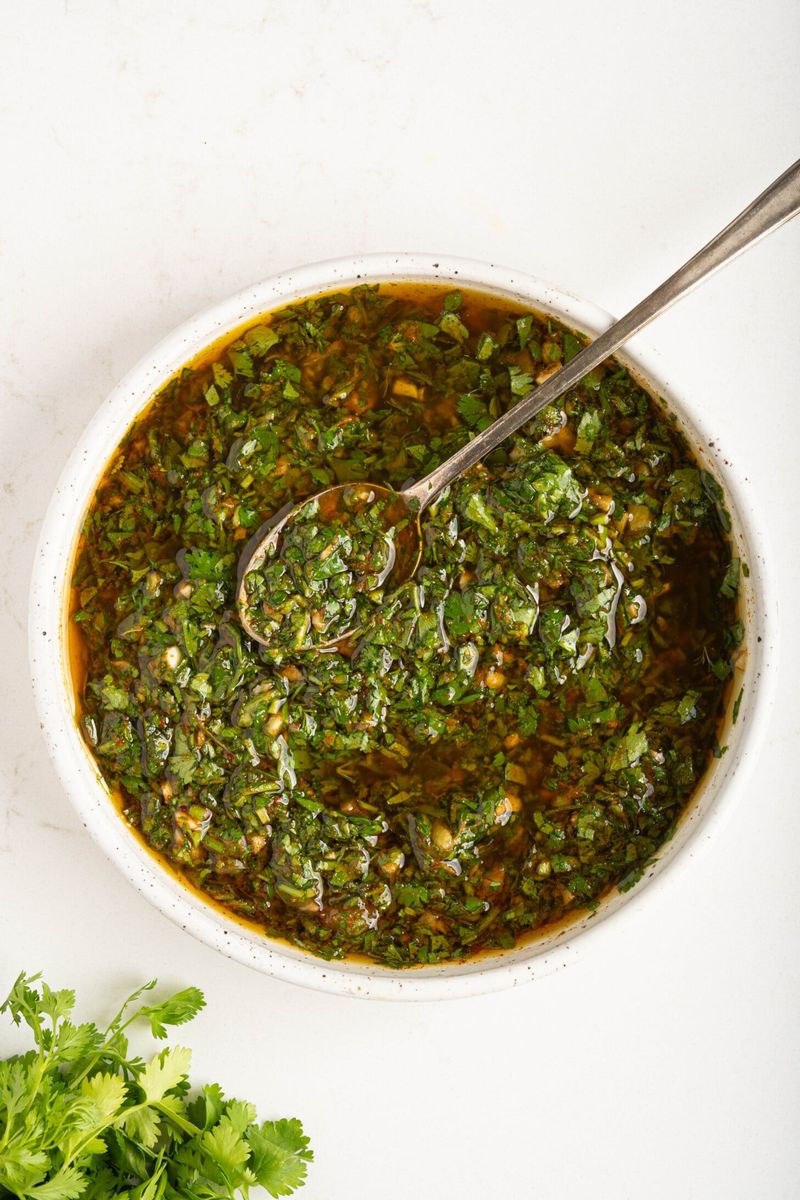
Chermoula is North Africa's answer to chimichurri — a punchy, herby marinade and sauce made from cilantro, parsley, garlic, cumin, and lemon. It has been used in Moroccan and Tunisian cooking for centuries to flavor fish, chicken, and vegetables.
The combination of fresh herbs and warm spices creates something truly layered and exciting. Mix it up in minutes and use it as a marinade, a dipping sauce, or a finishing drizzle.
Every meal it touches gets an instant upgrade.
7. Salsa Verde (Italian Style)
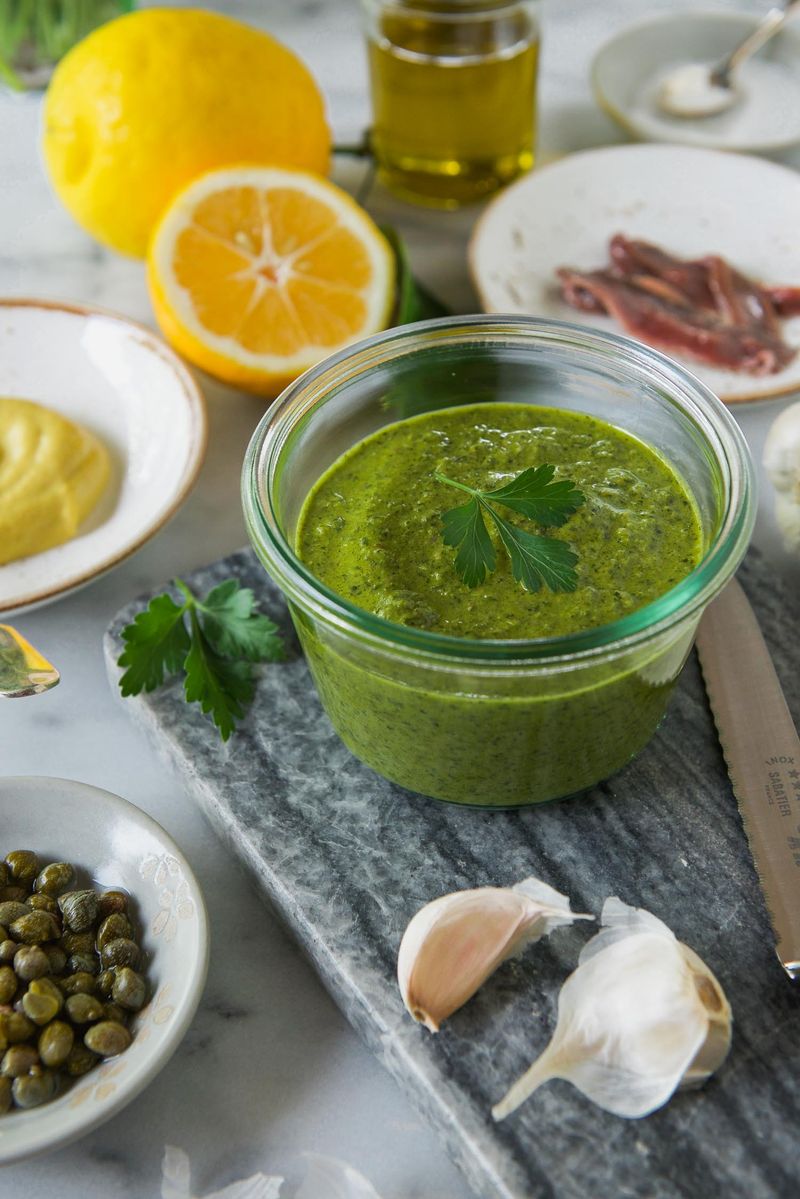
Not to be confused with the Mexican tomatillo version, Italian salsa verde is a sharp, briny, herb-packed sauce built on parsley, capers, anchovies, and olive oil. It has a punchy intensity that cuts right through rich, fatty meats like boiled beef or pork.
This sauce has been around since the Middle Ages but rarely shows up on modern dinner tables outside Italy. A spoonful over grilled fish or roasted lamb transforms the entire plate.
Simple ingredients, extraordinary results.
8. Tkemali
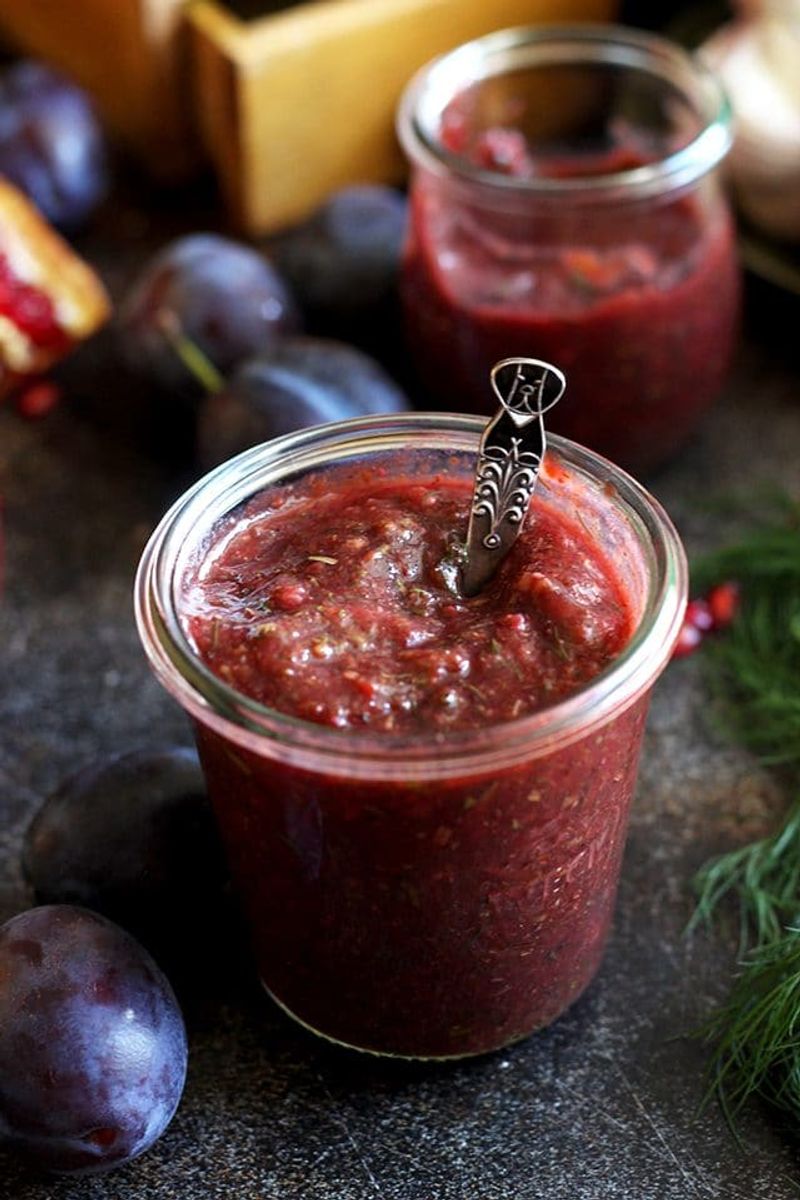
Georgia, the country nestled between Europe and Asia, has a secret weapon in its kitchen — tkemali. Made from wild sour plums, garlic, and fresh herbs, this tangy condiment is used the way Americans use ketchup: on everything from grilled meats to fried potatoes.
The flavor is tart, fruity, slightly herbal, and genuinely addictive. There are red and green versions depending on the ripeness of the plums.
Once you try it, regular store-bought condiments start to feel a little boring.
9. Romesco
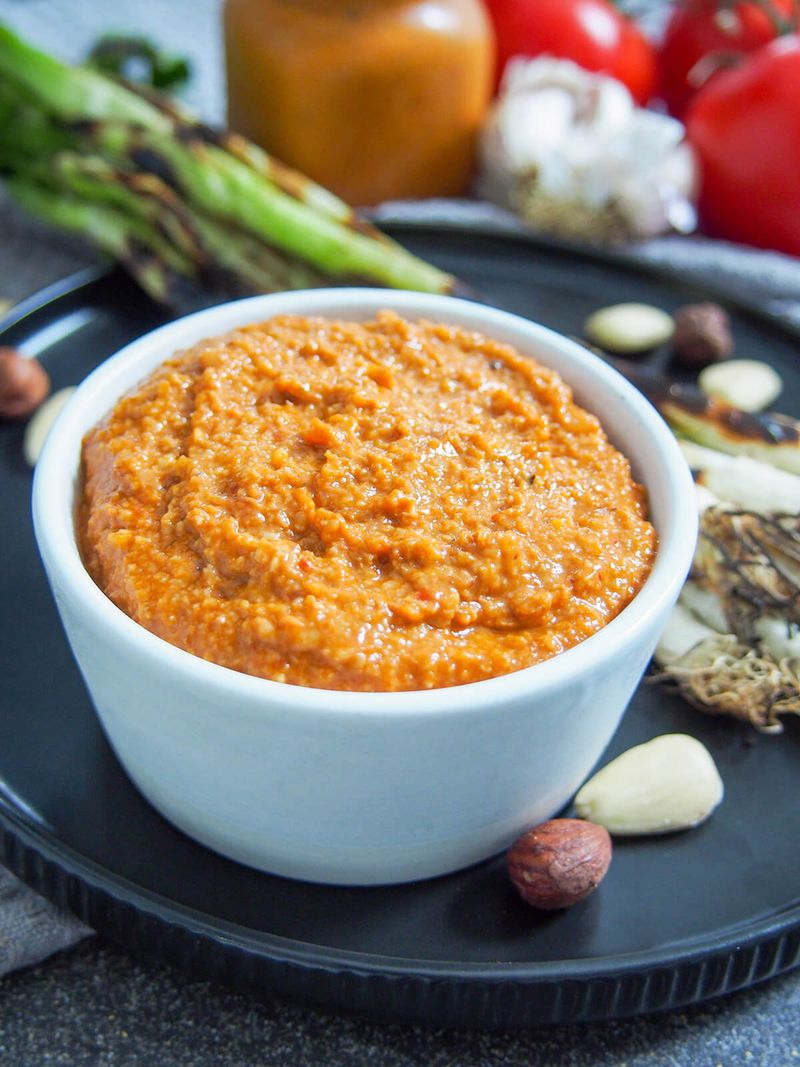
Romesco was born in the fishing villages of Catalonia, Spain, and was originally made to go with fish. A roasted red pepper and almond sauce with garlic, tomatoes, and a splash of vinegar, it has a smoky, nutty depth that feels almost magical.
Somehow it never became as famous as hummus or guacamole outside of Spain, even though it deserves to be. Pair it with grilled vegetables, shellfish, or roasted chicken.
It also works brilliantly as a sandwich spread.
10. Pebre
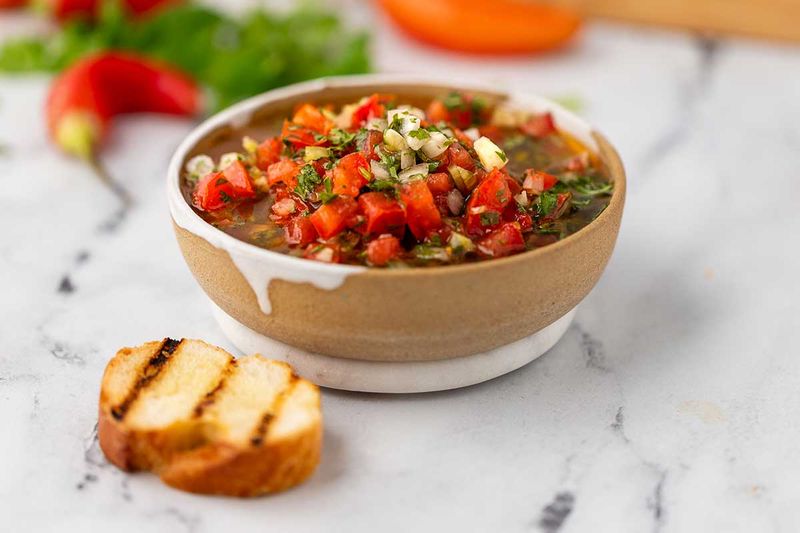
Chile's national table sauce, pebre, flies completely under the radar compared to its South American neighbors. Made with tomatoes, cilantro, onion, garlic, and hot chilies, it brings a fresh, lively kick to grilled meats, bread, and empanadas.
Every Chilean family has their own version, and the debates about the right ratio of heat to herb are passionate and ongoing. It comes together in under ten minutes and makes a fantastic alternative to salsa.
Bright, fresh, and wonderfully addictive.
11. Sauce Gribiche
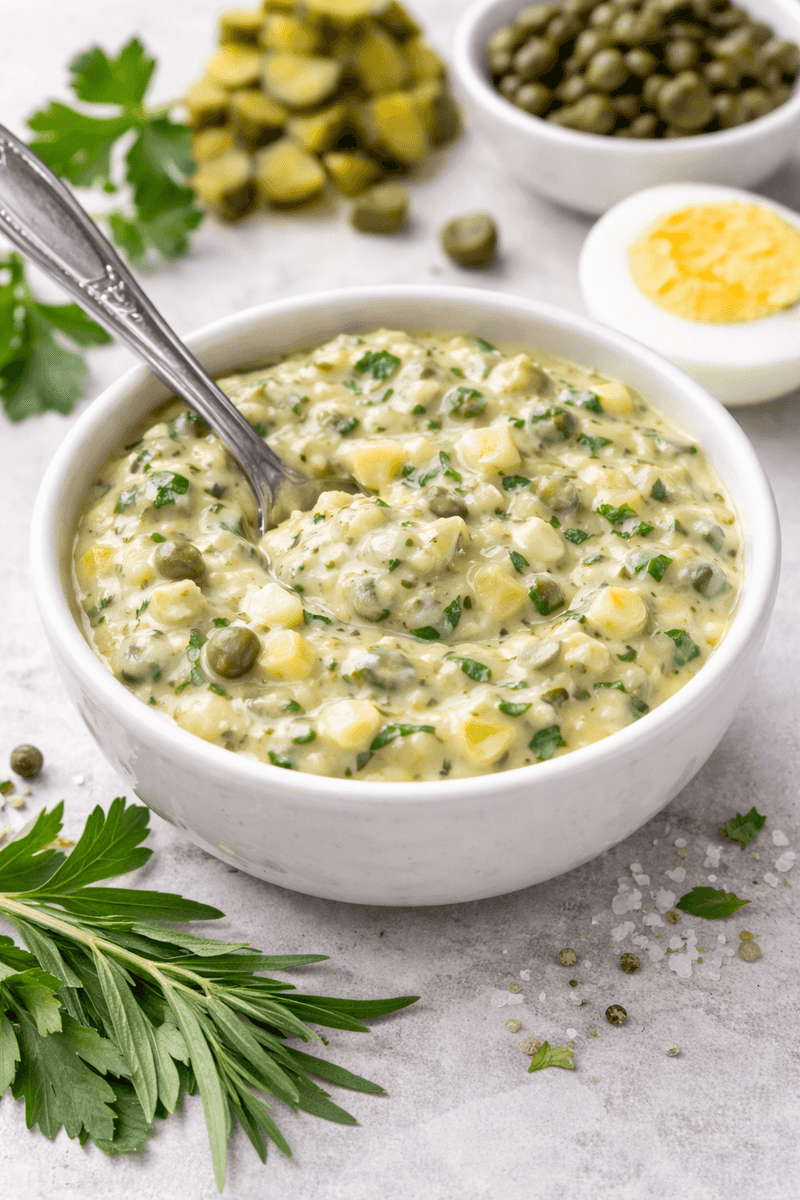
Sauce gribiche is a classic French cold sauce that somehow gets overlooked even by people who love French food. Built on hard-boiled egg yolks, mustard, vinegar, capers, cornichons, and fresh herbs, it has a tangy, textured personality unlike anything else in the sauce world.
It pairs beautifully with cold meats, steamed vegetables, or crispy fried fish. Think of it as a more interesting, grown-up version of tartar sauce.
French bistros have been serving it quietly for decades, and it is time more people noticed.
12. Zhoug
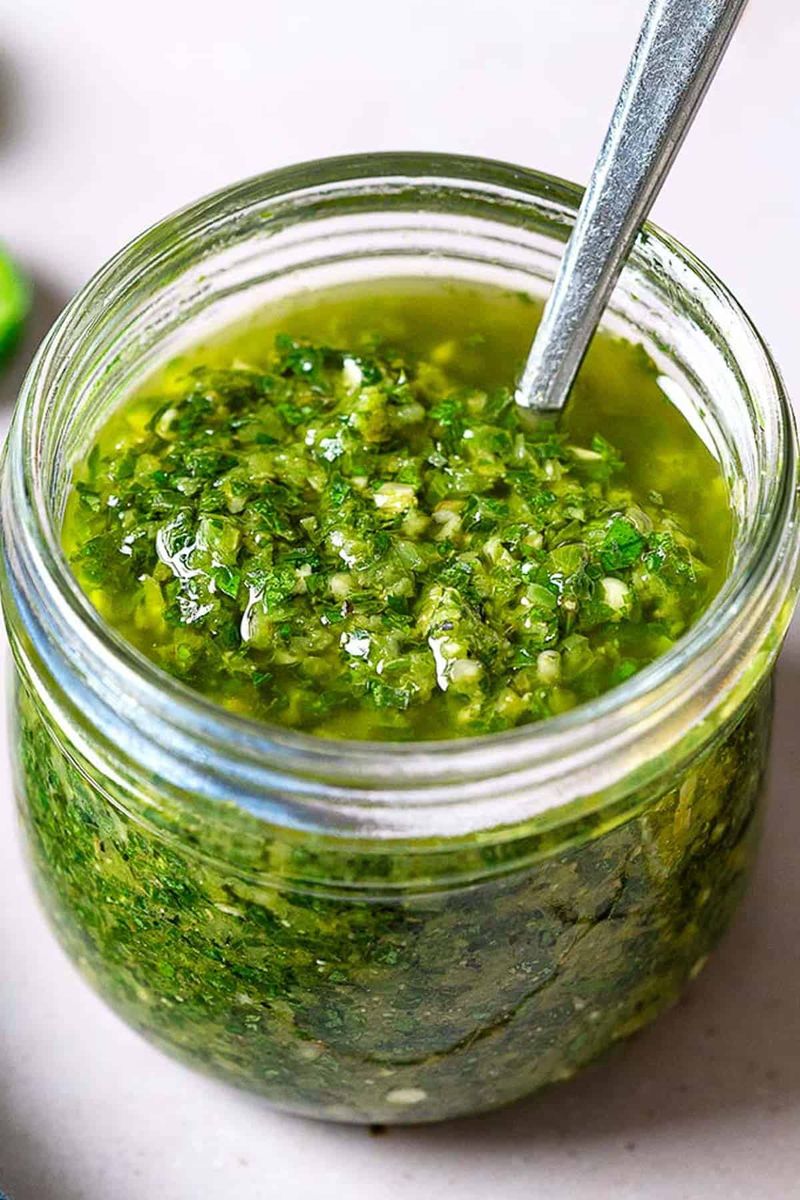
Zhoug — sometimes spelled zhug — is a fiery green chili sauce from Yemen that has been quietly rocking the Middle Eastern food scene for centuries. Packed with fresh green chilies, cilantro, garlic, and warm spices like cardamom and cumin, it delivers heat with serious flavor complexity.
Israeli street food culture helped spread it wider, but most Western kitchens still haven't caught on. Stir it into hummus, drizzle it over eggs, or use it as a spicy sandwich condiment.
Absolutely worth the discovery.
13. Cumberland Sauce

Cumberland sauce sounds like something from a Victorian novel, and in a way it is. This British classic combines red currant jelly, port wine, orange zest, and mustard into a glossy, sweet-tart sauce traditionally served with cold game meats and pates.
It practically disappeared from modern menus, surviving mostly in old cookbooks and countryside hotels. But the flavor combination is genuinely stunning — rich, fruity, and slightly boozy.
Serve it with ham, venison, or a good cheese board and watch people ask for the recipe.
14. Ajvar
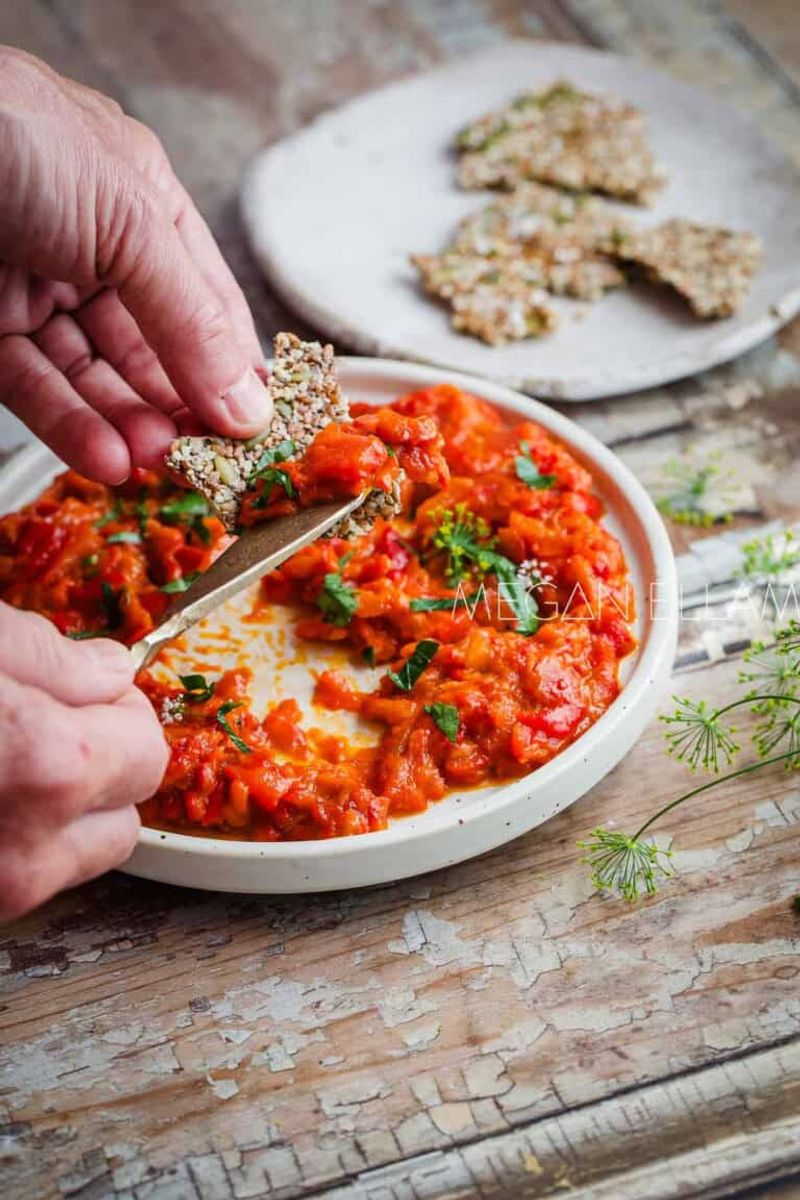
Every autumn in the Balkans, families gather to roast enormous batches of red peppers and turn them into ajvar. This smoky, roasted pepper relish is made with eggplant, garlic, and chilies, and it gets jarred up to last through winter.
The aroma alone is enough to make your stomach growl.
Outside of Serbia, Croatia, and neighboring countries, ajvar is almost unknown — which is baffling given how incredible it tastes. Spread it on bread, mix it into pasta, or serve it as a dip.
Pure comfort in a jar.
15. Mafé
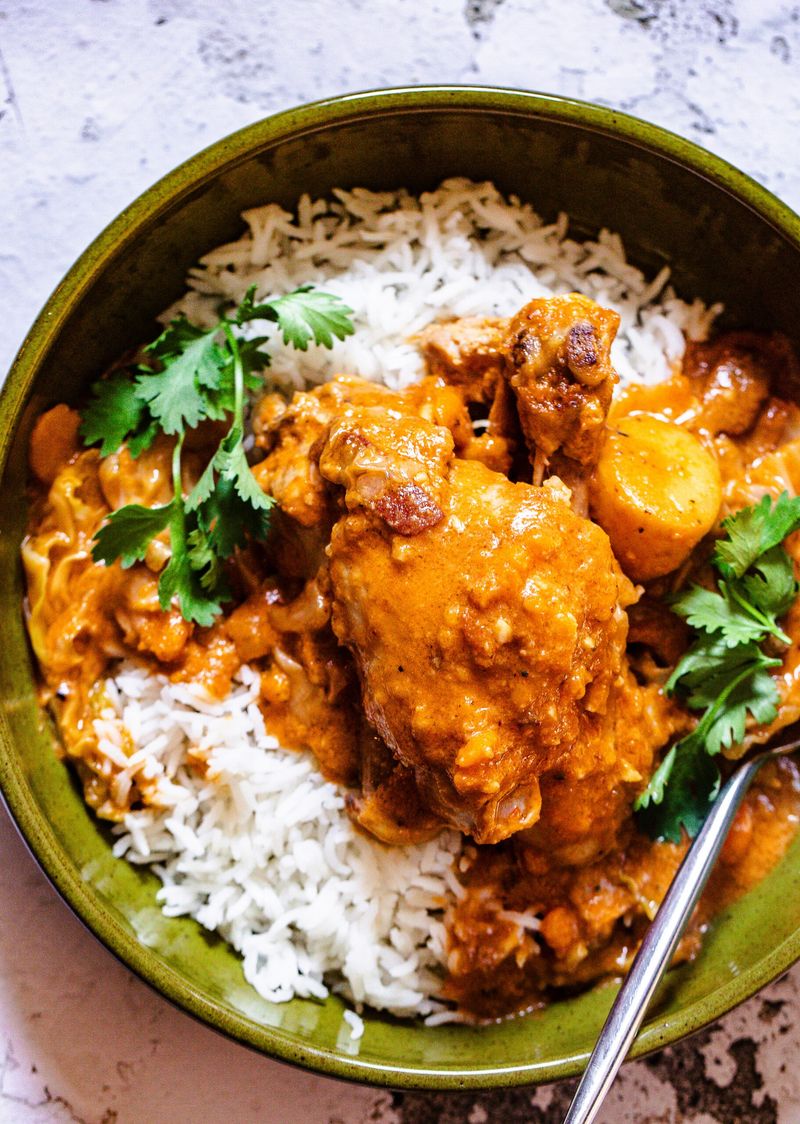
West African cuisine has gifted the world an extraordinary peanut-based sauce called mafe, and not nearly enough people outside the region have discovered it yet. Made from ground peanuts, tomatoes, onion, and warm spices, it creates a thick, deeply savory stew-like sauce that clings to everything it touches.
Traditionally served over rice with lamb or chicken, mafe is warming, filling, and complex in the best possible way. Peanut butter fans will feel an immediate connection.
One bowl and you will be planning your next batch immediately.
16. Pontack Sauce
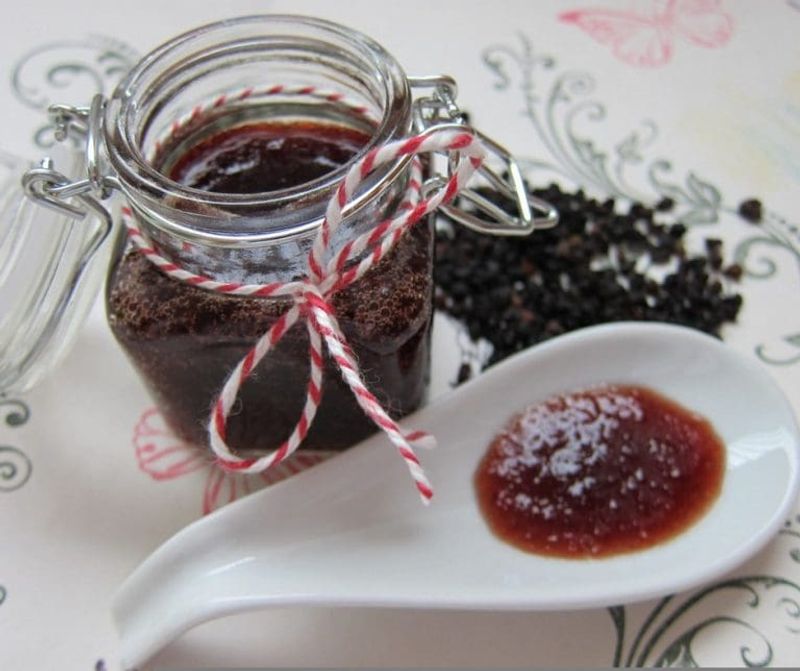
Pontack sauce is one of the most obscure entries on this list, and also one of the most fascinating. Made from elderberries, vinegar, onion, and spices, it was wildly popular in 17th and 18th century England as a condiment for game and roasted meats.
Recipes called for aging it for seven years before serving.
It all but vanished from kitchens after the 1800s, but small-batch producers are slowly reviving it. The flavor is dark, tangy, fruity, and deeply complex.
History has never tasted so interesting.




Comments
No Comments