













Most of us think we know how to store food, but experts say some very common habits are actually ruining our groceries faster than we realize. From the fridge to the counter to the pantry, the way you store food makes a huge difference in freshness, flavor, and even safety.
Small changes in storage can save you money and reduce waste. Read on to find out which foods you have probably been storing the wrong way all along.
1. Tomatoes
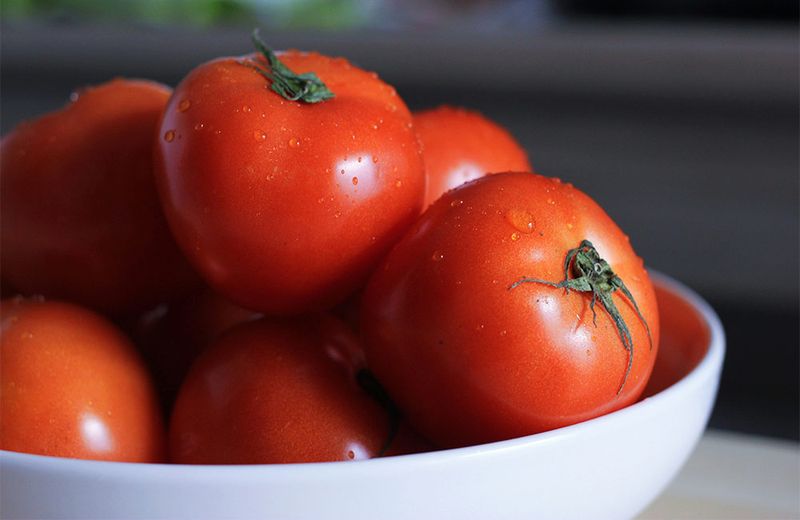
Putting tomatoes in the fridge is one of the most common kitchen mistakes people make. Cold temperatures break down the cell walls inside tomatoes, turning that juicy, flavorful fruit into something mealy and bland.
The fridge also stops the ripening process, trapping tomatoes in a tasteless state.
Store them stem-side down at room temperature, away from direct sunlight. They will stay flavorful and fresh for up to a week without losing their delicious texture.
2. Bread
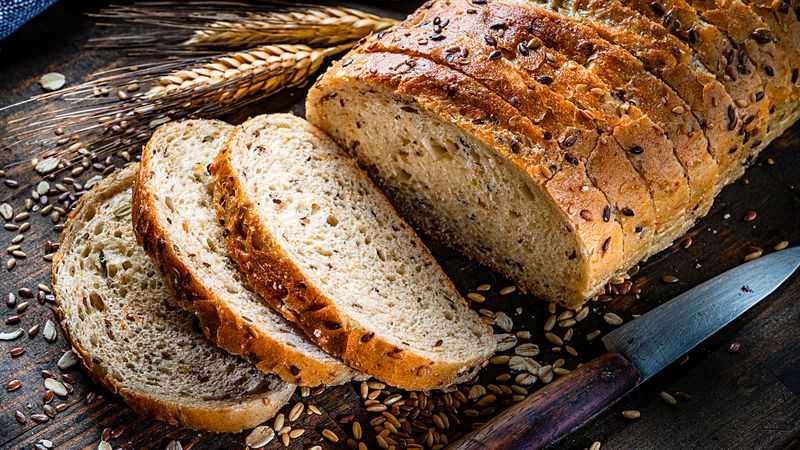
Surprisingly, the refrigerator is actually bread's worst enemy. Cold air causes the starch molecules in bread to recrystallize much faster, making it go stale at nearly six times the speed compared to room-temperature storage.
Many people refrigerate bread thinking it will last longer, but the opposite is true.
Keep bread in a cool, dry bread box or wrapped tightly at room temperature. For longer storage, freeze it and toast slices as needed.
3. Potatoes
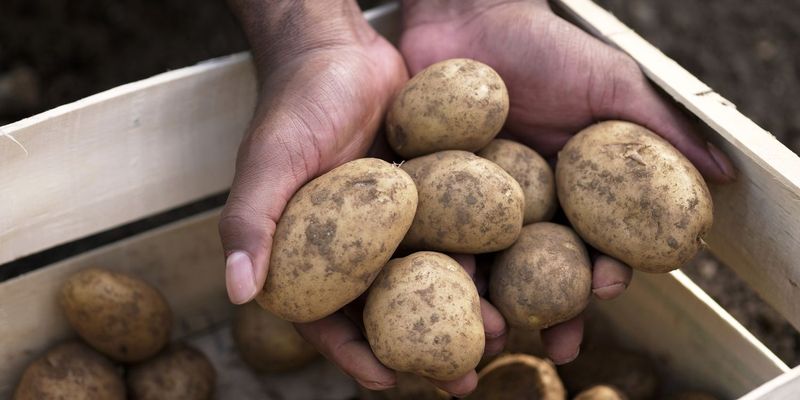
Here is something that might surprise you: refrigerating raw potatoes is actually a health concern, not just a texture issue. Cold temperatures convert the potato's starch into sugar, and when those sugars are cooked at high heat, they can produce a potentially harmful compound called acrylamide.
Experts recommend storing potatoes in a cool, dark, well-ventilated place like a paper bag in a pantry. Keep them away from onions, which speed up spoiling.
4. Onions
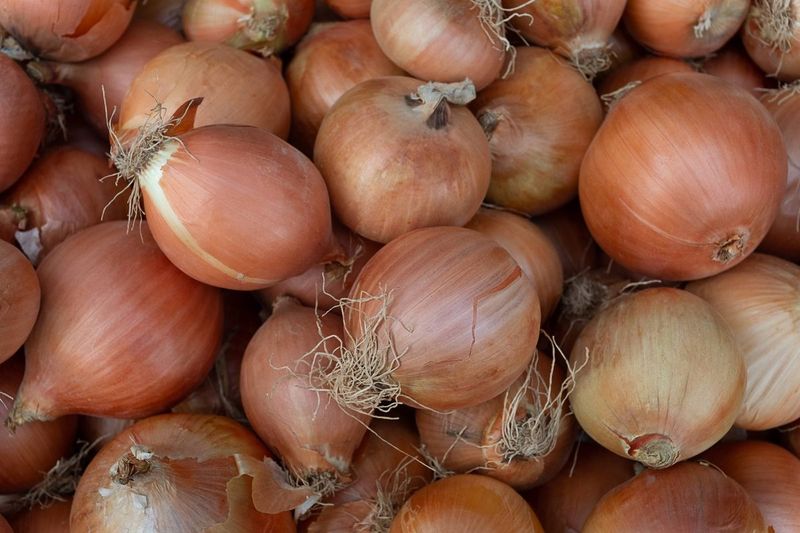
Whole onions need airflow to stay fresh, which is exactly what a sealed refrigerator does not provide. Storing them in the fridge causes them to become soft and moldy much faster.
The moisture in the fridge is simply too much for a whole onion to handle well.
A mesh bag or open basket in a cool, dry, dark pantry is the ideal spot. Once an onion is cut, however, wrap it tightly and refrigerate it right away.
5. Honey
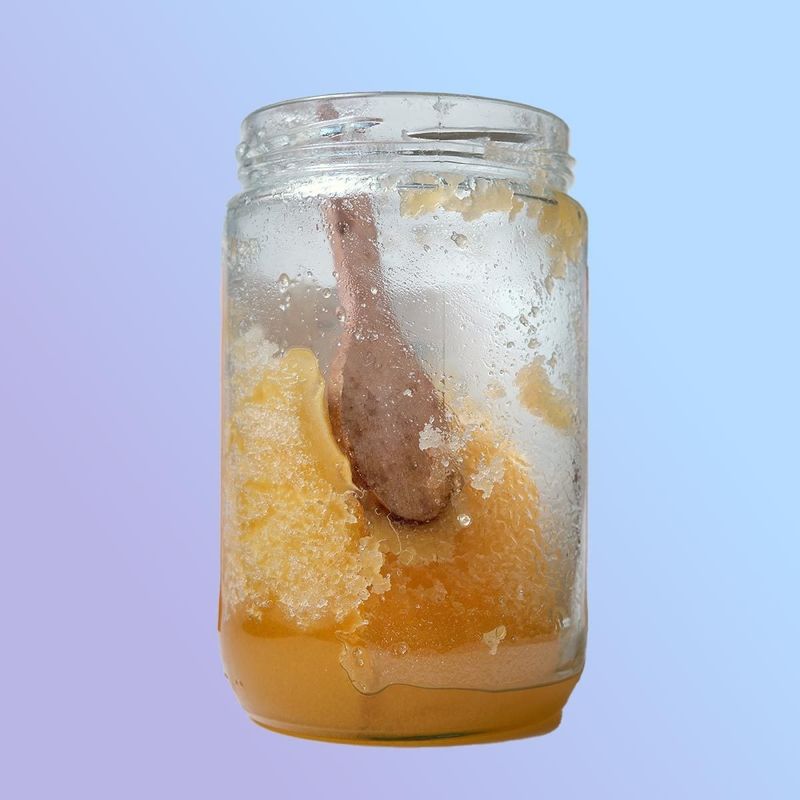
Honey has been found in ancient Egyptian tombs still perfectly edible after thousands of years, so why do so many people refrigerate it? Cold temperatures cause honey to crystallize rapidly, turning it thick and grainy and making it nearly impossible to pour or use easily.
Store honey in a tightly sealed jar at room temperature, away from heat and direct light. If it does crystallize, a quick warm water bath will bring it right back to a smooth, pourable state.
6. Avocados
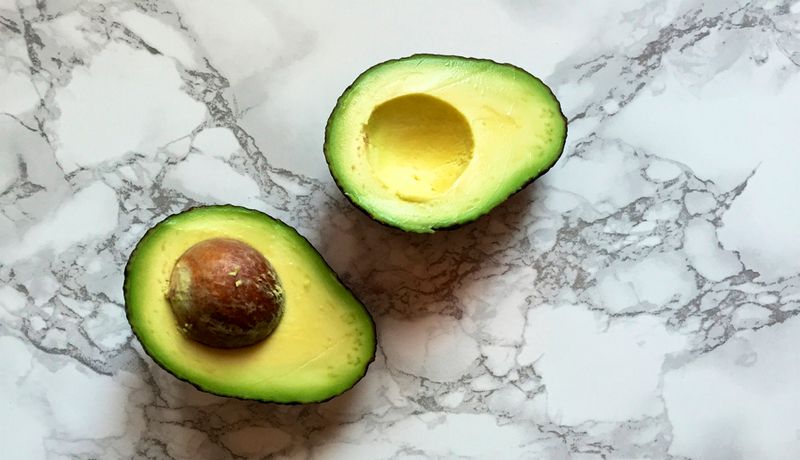
Putting an unripe avocado straight into the fridge is a surefire way to end up with a rock-hard, flavorless disappointment. Cold air halts the ripening process completely, leaving the avocado unable to develop its creamy, buttery texture.
Millions of avocados are wasted every year because of this exact mistake.
Let unripe avocados sit on the counter until they yield slightly to gentle pressure. Only then should you move them to the fridge to slow further ripening for a day or two.
7. Fresh Herbs
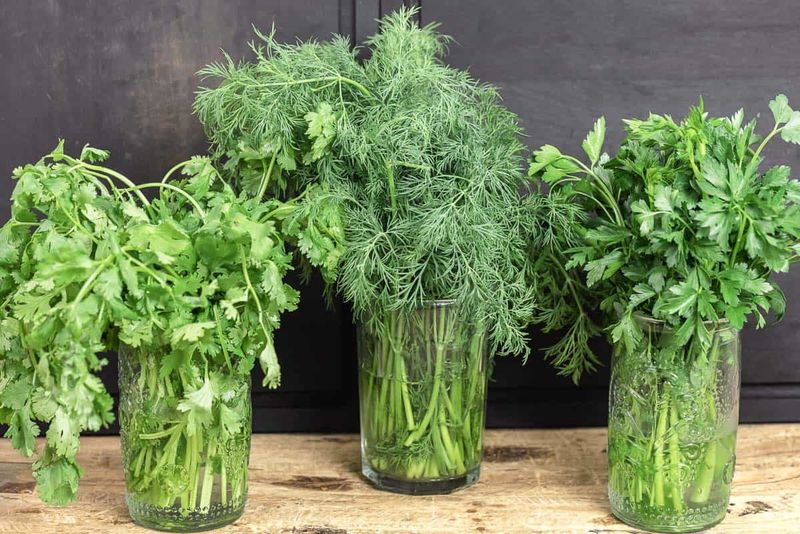
Tossing fresh herbs into a sealed plastic bag in the coldest part of your fridge is practically a recipe for wilted, slimy greens within days. Basil is especially sensitive and turns black quickly when chilled below 50 degrees Fahrenheit.
Most soft herbs hate the cold and the lack of moisture that comes with refrigerator air.
Treat fresh herbs like cut flowers. Trim the stems, place them in a glass of water, and keep them on the counter or loosely covered in the fridge door.
8. Coffee
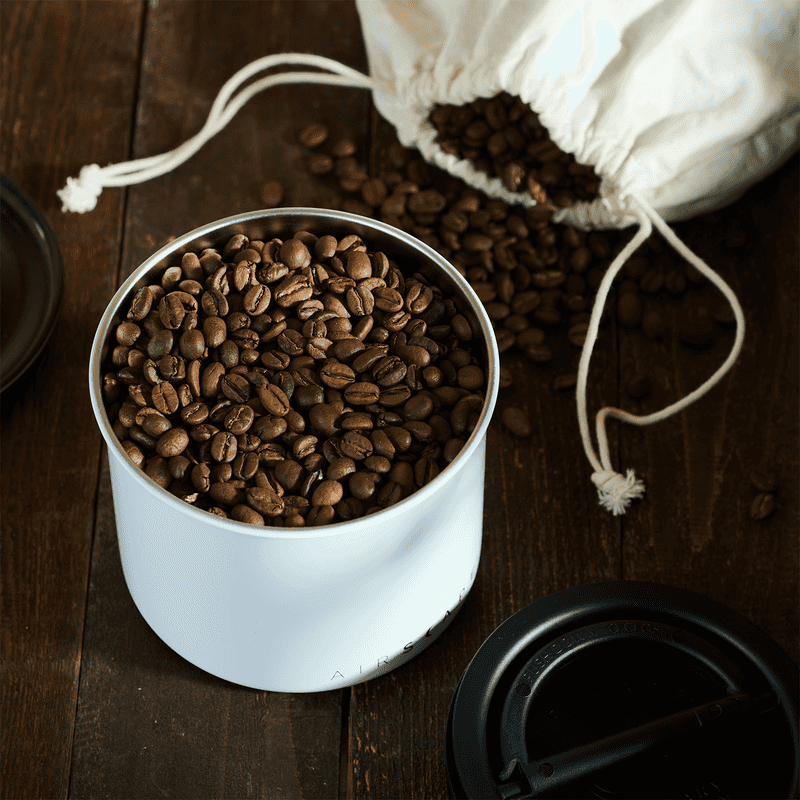
Coffee is surprisingly picky about where it lives. The fridge might seem like a smart choice for keeping coffee fresh, but it is actually one of the worst spots.
Coffee absorbs odors and moisture like a sponge, meaning your morning cup could end up tasting faintly of last night's leftovers.
Store coffee in an airtight container at room temperature, away from light, heat, and moisture. Only buy what you will use within two weeks for the best flavor every single morning.
9. Garlic
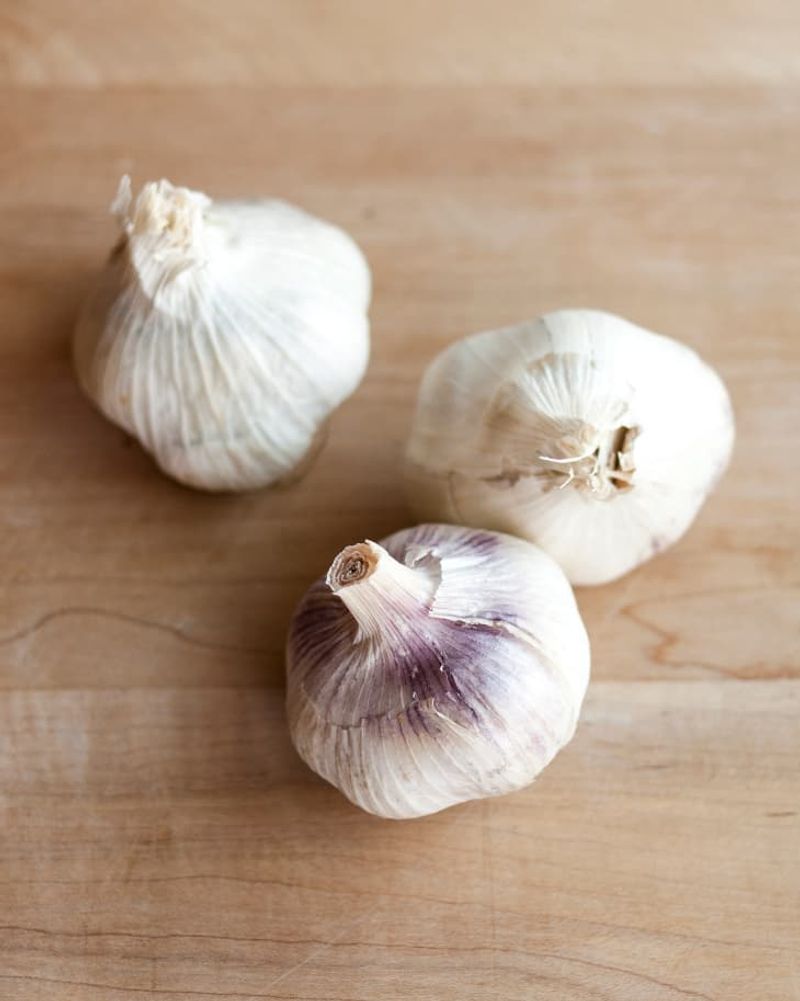
Garlic is one of those foods that actually prefers to live outside the fridge. When stored in cold, moist refrigerator air, whole garlic bulbs can sprout quickly, turning rubbery and losing much of their sharp, pungent flavor.
The humidity also encourages mold to grow between the cloves.
A small wire basket or mesh bag in a cool, dry, dark corner of your kitchen is perfect. Garlic stored this way can stay fresh and flavorful for weeks without any fuss.
10. Apples
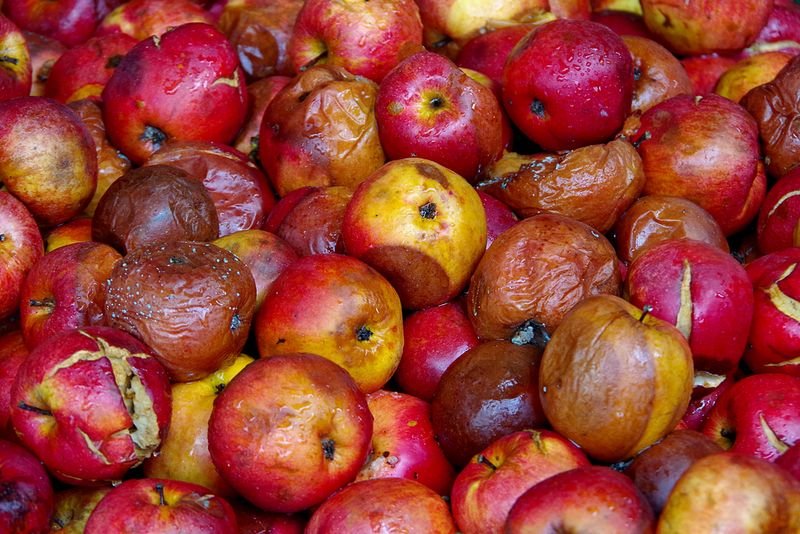
Apples are sneaky little troublemakers in your fruit bowl. They release a natural ripening gas called ethylene, which causes surrounding fruits and vegetables to ripen and spoil at an accelerated pace.
Storing apples loose next to other produce is a common mistake that leads to a lot of unnecessary waste.
Keep apples separate from other fruits and vegetables, ideally in the crisper drawer of your refrigerator. Stored correctly, they can stay crisp and fresh for up to six weeks.
11. Eggs
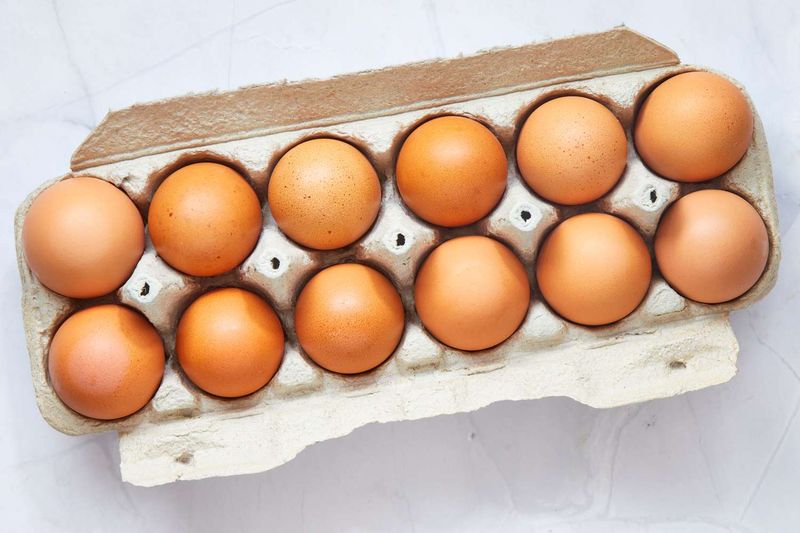
Almost every refrigerator has a little egg tray built right into the door, but storing eggs there is actually a bad idea. The door is the warmest and most temperature-variable spot in the fridge because it opens and closes constantly.
That fluctuation in temperature can affect egg quality and shorten their shelf life significantly.
Keep eggs in their original carton on a middle shelf toward the back of the fridge, where the temperature stays the most consistent and cold throughout the day.
12. Berries
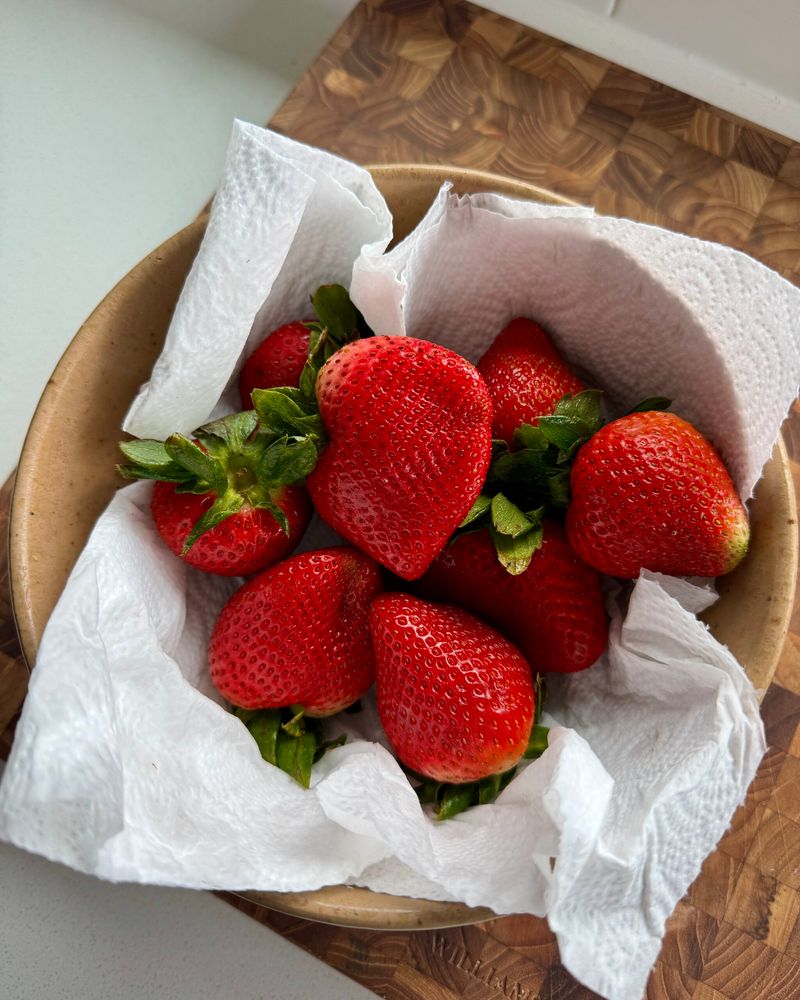
Washing berries before storing them is a habit many people have, but it is one of the fastest ways to turn fresh berries into a mushy mess. Moisture is the enemy of berries, and washing them ahead of time introduces water that speeds up mold growth dramatically.
Store unwashed berries in a breathable container lined with a paper towel to absorb any excess moisture. Only wash them right before eating or using them in a recipe for maximum freshness.
13. Olive Oil
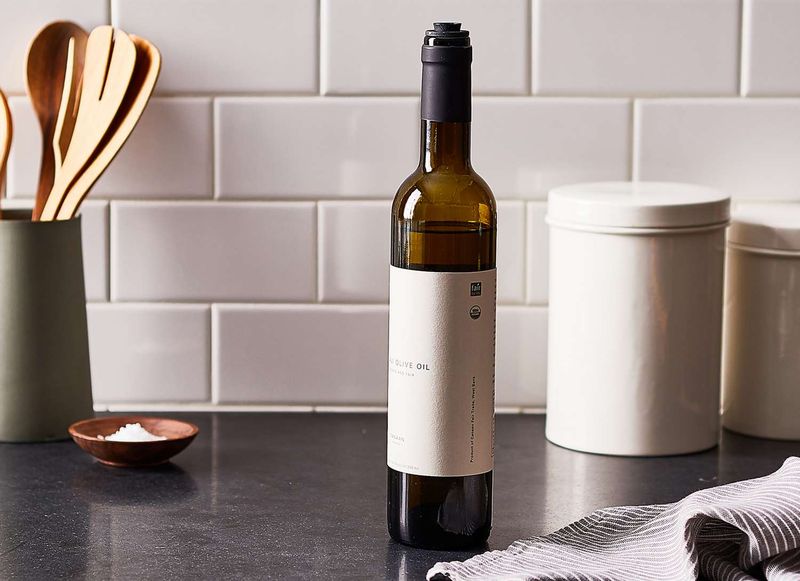
Olive oil sitting in a pretty bottle right next to the stove looks charming, but heat and light are two of its biggest enemies. Constant exposure to warmth and sunlight causes olive oil to go rancid much faster, developing an unpleasant taste and smell that can ruin any dish you add it to.
Store olive oil in a dark, cool cabinet away from the stove, oven, and any windows. A dark glass bottle or tin container provides extra protection and keeps it fresh much longer.
14. Nuts
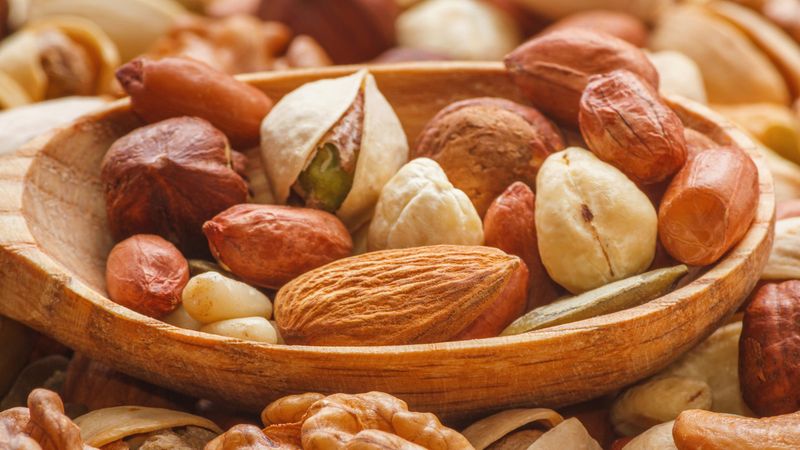
Nuts contain high levels of natural oils, and those oils go rancid surprisingly quickly when exposed to heat, light, and air. Many people leave an open bag of nuts in a warm pantry for months, not realizing the nuts have already turned stale and potentially developed an off flavor that affects recipes and snacking alike.
Seal nuts tightly in an airtight container and store them in the fridge or freezer for significantly longer freshness. They thaw quickly and taste just as good straight from the freezer.
15. Bananas
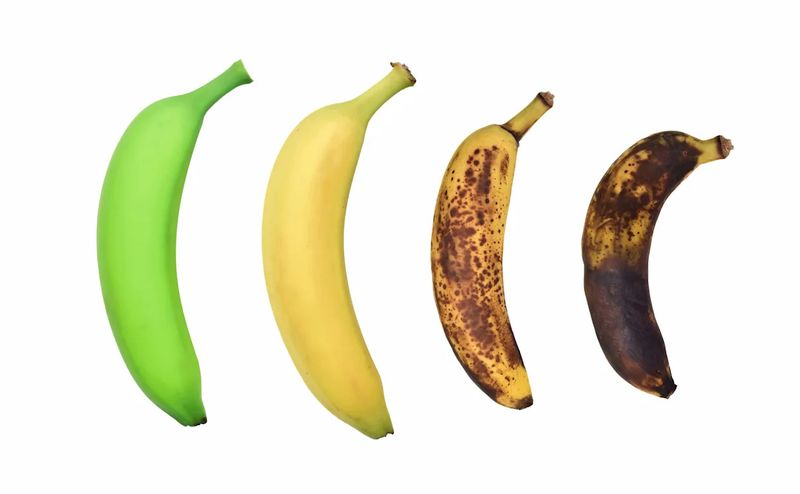
Bananas are tropical fruits that truly despise the cold. Putting them in the refrigerator before they ripen causes the peel to turn black almost overnight while the inside remains hard and starchy.
It looks alarming and puts most people off eating them entirely, even though the fruit inside is still technically edible.
Let bananas ripen at room temperature on the counter. Once they reach your preferred ripeness, only then is it fine to refrigerate them to slow further ripening by a few extra days.
16. Hot Sauce
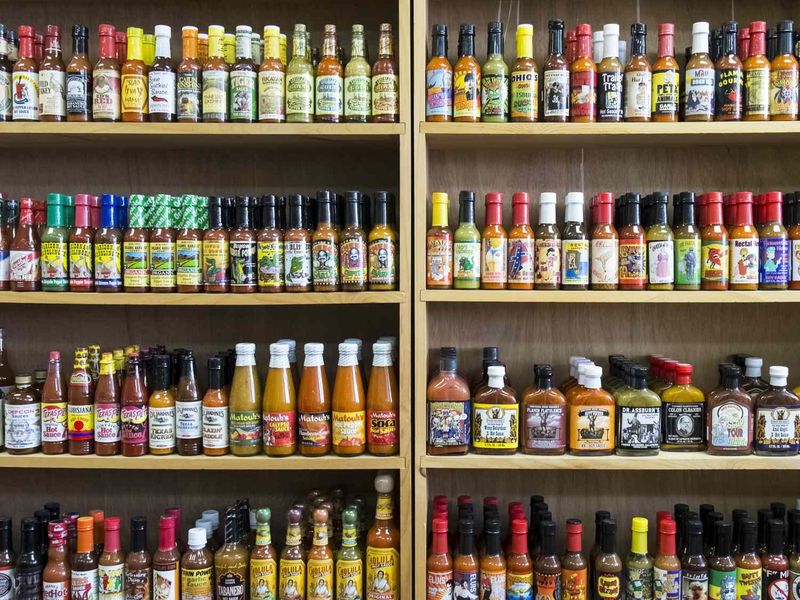
Hot sauce has a reputation for being fiery, but it is also surprisingly self-preserving. Most commercially made hot sauces contain vinegar and salt at levels high enough to keep them shelf-stable for a very long time without refrigeration.
Refrigerating them just takes up valuable fridge space without actually extending their usable life meaningfully.
Keep hot sauce in a cool, dark pantry or cupboard. Check the label first, but most bottles are perfectly safe stored at room temperature for a year or even longer after opening.




Comments
No Comments