













British bakeries have long been the heart of towns and villages, filling the air with the warm smell of freshly baked goods. From flaky pastries to sticky buns, these treats carry decades of tradition and comfort.
But somewhere along the way, many of us stopped making them at home and started relying on the local bakery instead. Here are 16 beloved British bakes that have quietly disappeared from home kitchens.
1. Lardy Cake
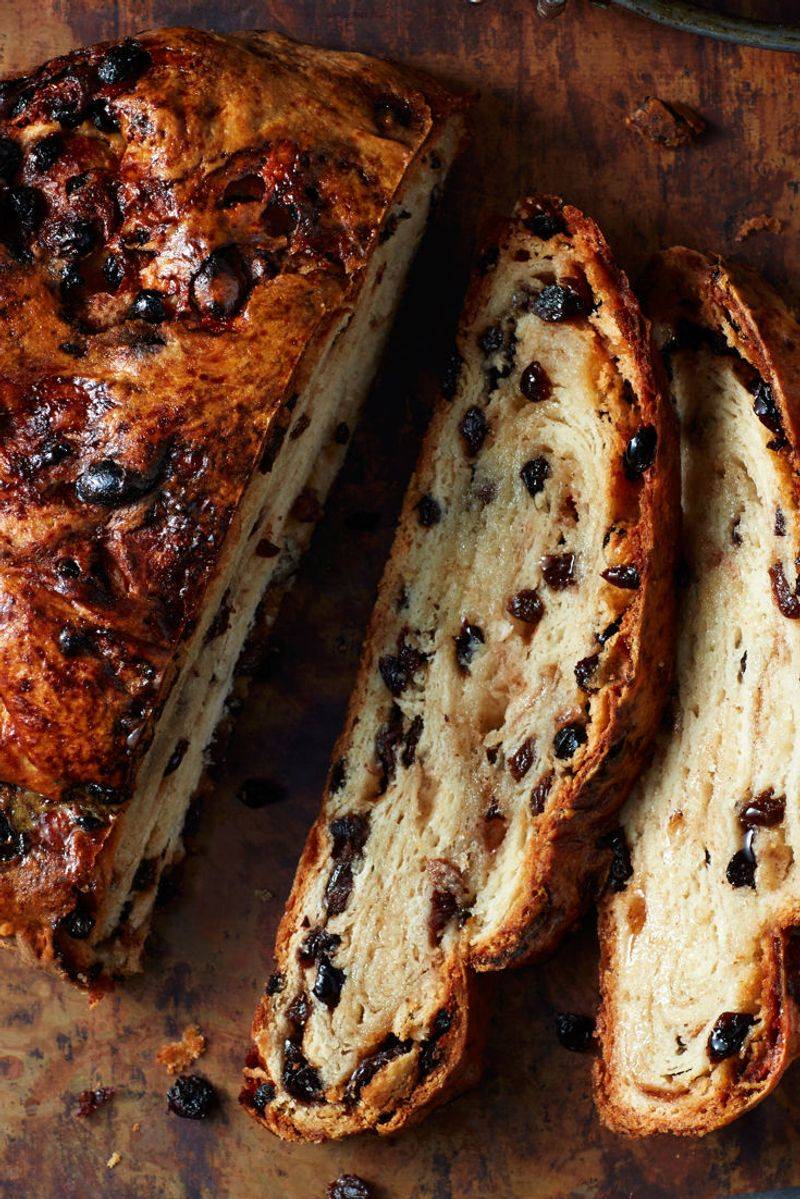
Few things smell as gloriously old-fashioned as a lardy cake fresh from the oven. This rich, layered bread from southern England is loaded with lard, sugar, and dried fruit, creating a sticky, chewy texture that is hard to beat.
Most people have no idea how to make it anymore, and lard itself has fallen out of fashion. But if you ever get the chance to try one from a traditional bakery, you will understand exactly why it was once a weekly staple.
2. Chelsea Buns
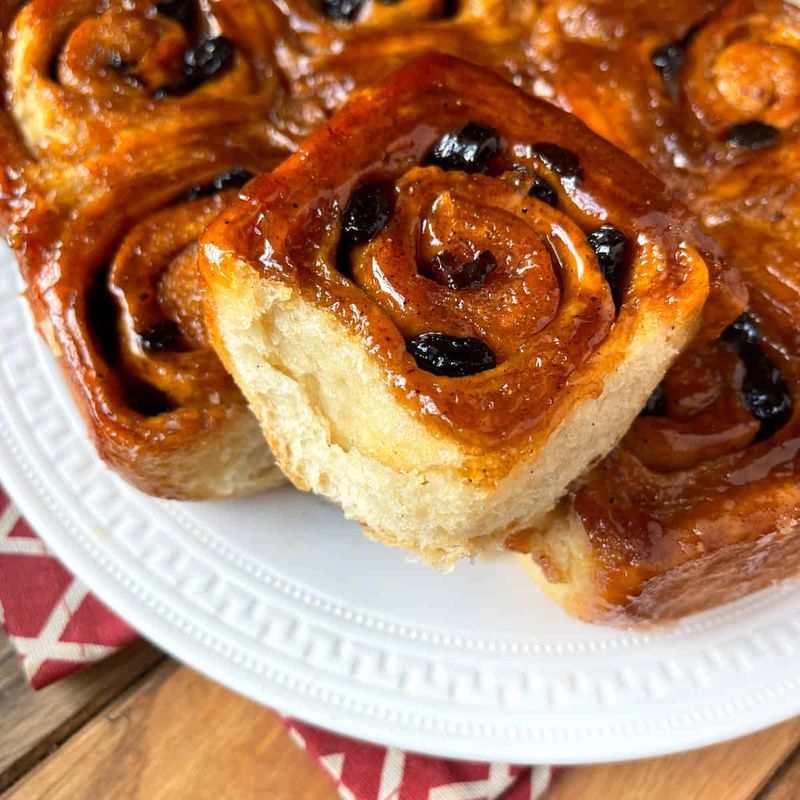
Chelsea buns have been around since the 18th century, originally sold at the famous Bun House in London. Soft, spiralled, and glazed with syrup, they are packed with currants, cinnamon, and orange peel.
Today, most people grab one from a supermarket shelf rather than making them from scratch. The dough requires patience and a good amount of kneading, which puts many home bakers off.
That said, homemade ones are far stickier and more rewarding than anything pre-packaged.
3. Eccles Cakes
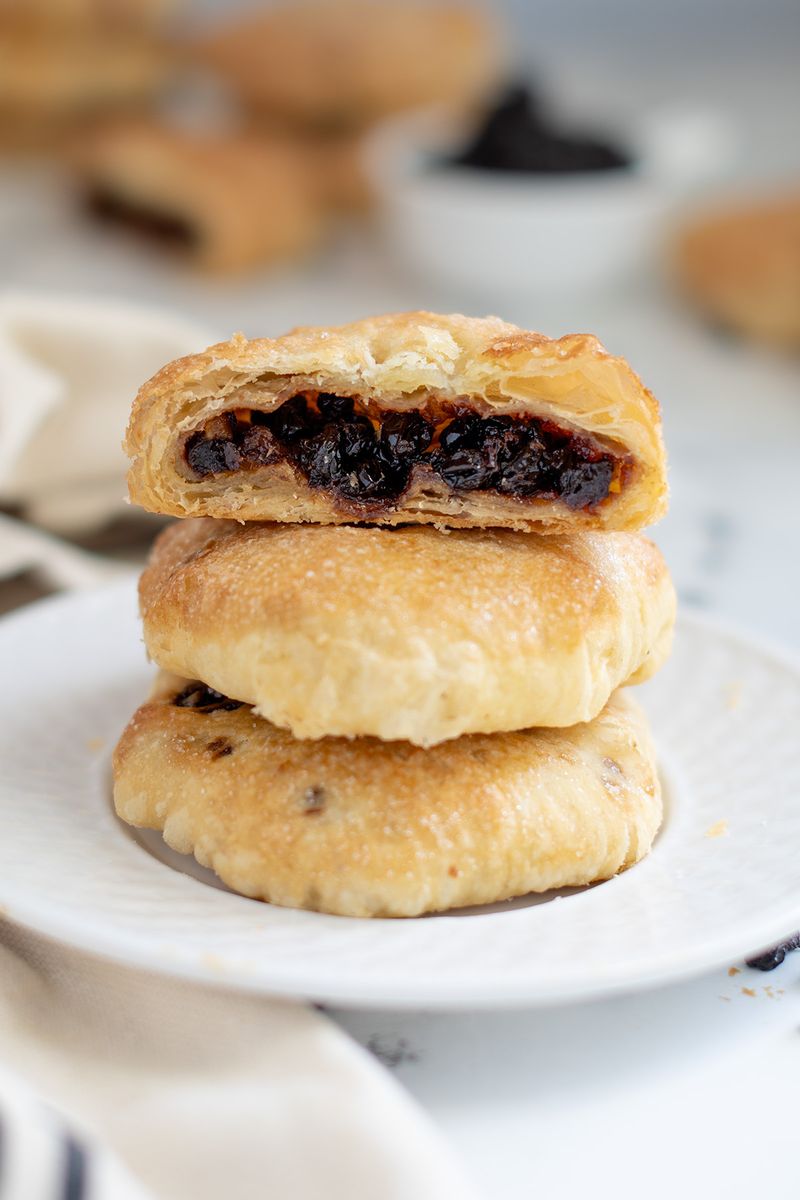
Named after a town in Greater Manchester, Eccles cakes are small, round pastries filled with currants, butter, and spice. The rough puff pastry is slashed on top and sprinkled with sugar before baking, giving them a caramelised crunch.
They look deceptively simple but making proper rough puff pastry at home is surprisingly tricky. Most families have stopped bothering, especially when a decent version is easy to find in bakeries.
Still, nothing beats one warm from your own oven.
4. Bara Brith
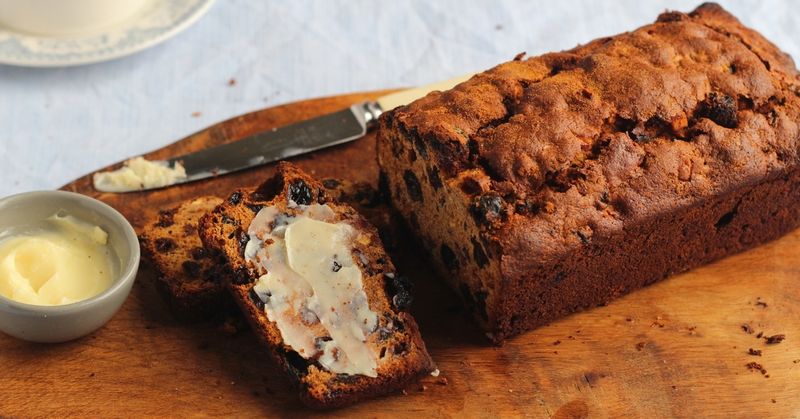
Bara brith is a Welsh tea bread soaked in strong black tea overnight before baking. The result is a dense, moist loaf bursting with dried fruit and warm spice, traditionally served sliced and buttered.
It was once a Sunday afternoon ritual in Welsh homes, but fewer families bake it these days. The overnight soaking step sounds easy enough, yet many people simply forget to plan ahead.
When it does come together though, it tastes like a warm hug on a rainy afternoon.
5. Fat Rascals
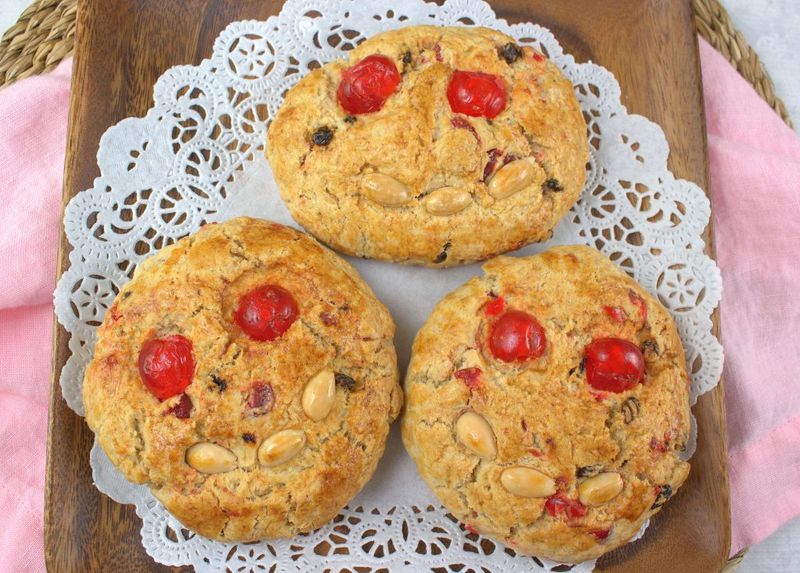
Fat Rascals are a proud Yorkshire speciality, somewhere between a scone and a rock cake. They are thick, fruity, and decorated with cherries and almonds on top, giving them a cheerful, almost face-like appearance.
Betty's Tea Rooms in Harrogate made them famous, but they originated long before that. At home, getting the texture right is the tricky part since they should be crisp outside and soft within.
Most bakers skip the effort, which is a real shame given how satisfying they are to make.
6. Singing Hinnies
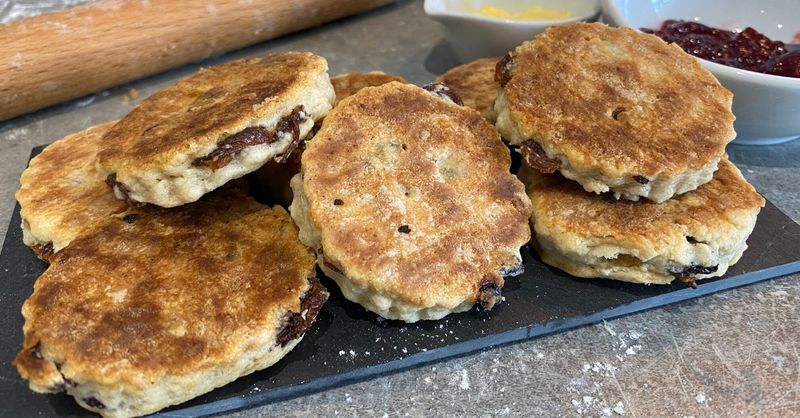
Singing hinnies come from northeast England, specifically Northumberland, and get their unusual name from the sizzling sound they make on a hot griddle. They are fat, round griddle cakes made with flour, lard, and currants.
Unlike oven bakes, these are cooked on a flat pan, which makes them unique among British bakes. The technique has largely been forgotten outside of the northeast, and even there it is becoming rare.
Anyone curious enough to try them will find they are quick, filling, and utterly delicious.
7. Cornish Splits

Before the cream tea became all about scones, Cornish splits were the original vehicle for clotted cream and jam. These soft, pillowy white rolls have a light, slightly sweet dough and a tender crumb that soaks up cream beautifully.
Locals in Cornwall still know them well, but outside the county they have become quite obscure. Making them at home involves a yeasted dough that needs time to rise, which is probably why most people reach for a scone instead.
They deserve a serious comeback.
8. Sally Lunn Buns
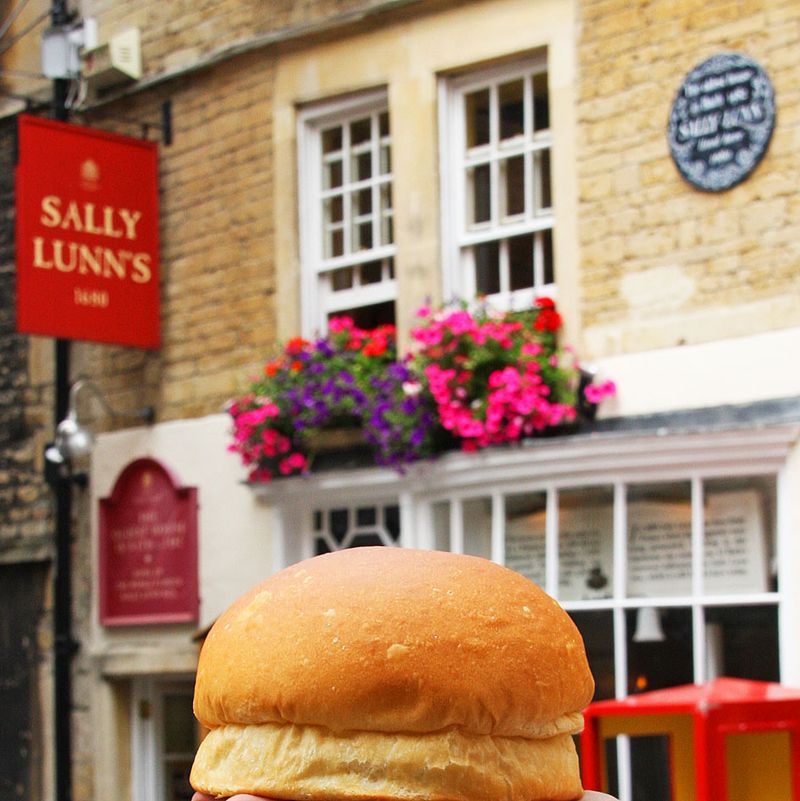
Sally Lunn buns are one of Bath's most iconic foods, dating back to the 17th century. They are large, brioche-like buns with a soft, airy crumb and a slightly sweet flavour, often served toasted with butter or cream.
The original recipe was kept secret for centuries, and the buns are still sold at a historic house in Bath today. Recreating them at home is possible but requires an enriched dough that takes time and care.
Most bakers simply never try, which is their loss entirely.
9. Devonshire Splits
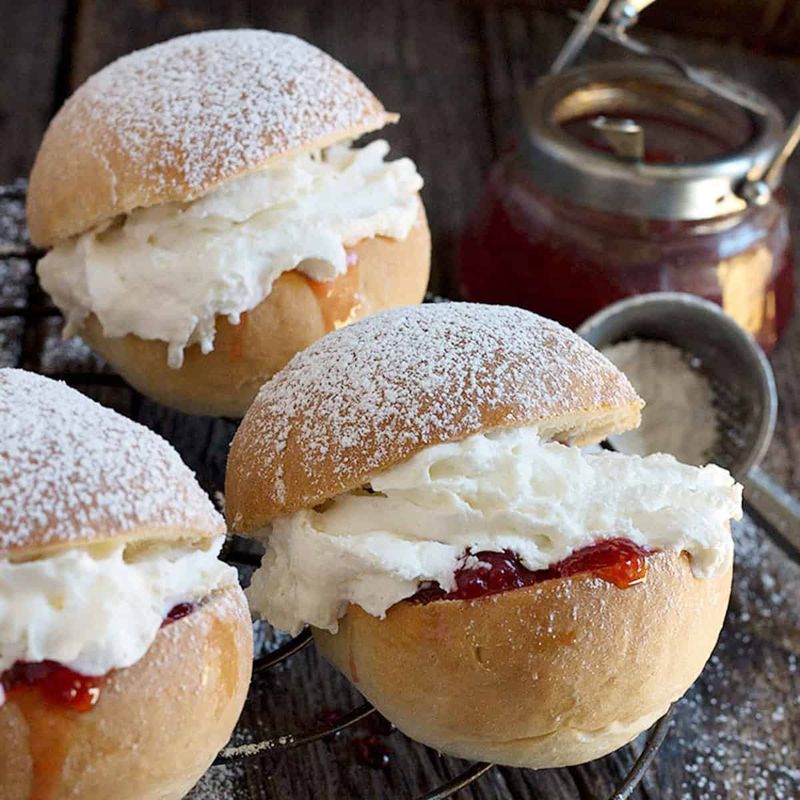
Similar to Cornish splits but with their own regional pride, Devonshire splits are soft yeasted buns filled with jam and whipped or clotted cream. They were the cream tea standard in Devon long before scones took over.
Ask most people under 40 about them and you will likely get a blank look. The rise of the scone as the nation's cream tea favourite has pushed splits into near obscurity.
Making them at home is genuinely easy, and they are fluffier and more indulgent than any scone.
10. Gingerbread Parkin
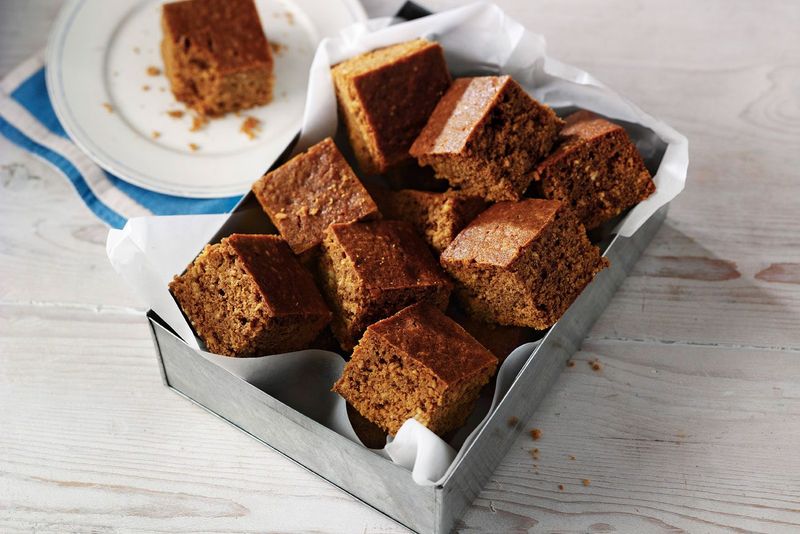
Parkin is a sticky, dark gingerbread made with oatmeal and black treacle, traditionally eaten on Bonfire Night in Yorkshire and Lancashire. It has a dense, chewy texture that actually improves with age, getting stickier the longer it sits.
Unlike regular gingerbread, parkin requires black treacle and medium oatmeal, two ingredients many kitchens no longer stock. That is probably why home baking of parkin has faded.
Those who do make it often describe it as one of the most rewarding bakes of the whole year.
11. Maids of Honour
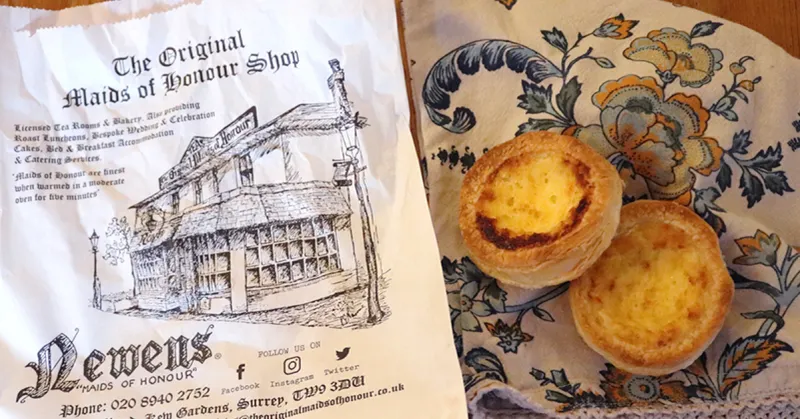
Maids of Honour are delicate little pastry tarts with a filling made from curd cheese, almonds, and sugar. They have been associated with Richmond, Surrey, since the Tudor era and were supposedly a favourite of King Henry VIII.
You can still buy them from one bakery in Richmond that has been making them for generations. Attempting them at home is tricky because the filling needs to be smooth, light, and perfectly set.
Most home bakers find the effort daunting, so they remain a bakery-only treat for most people.
12. Lincolnshire Plum Bread
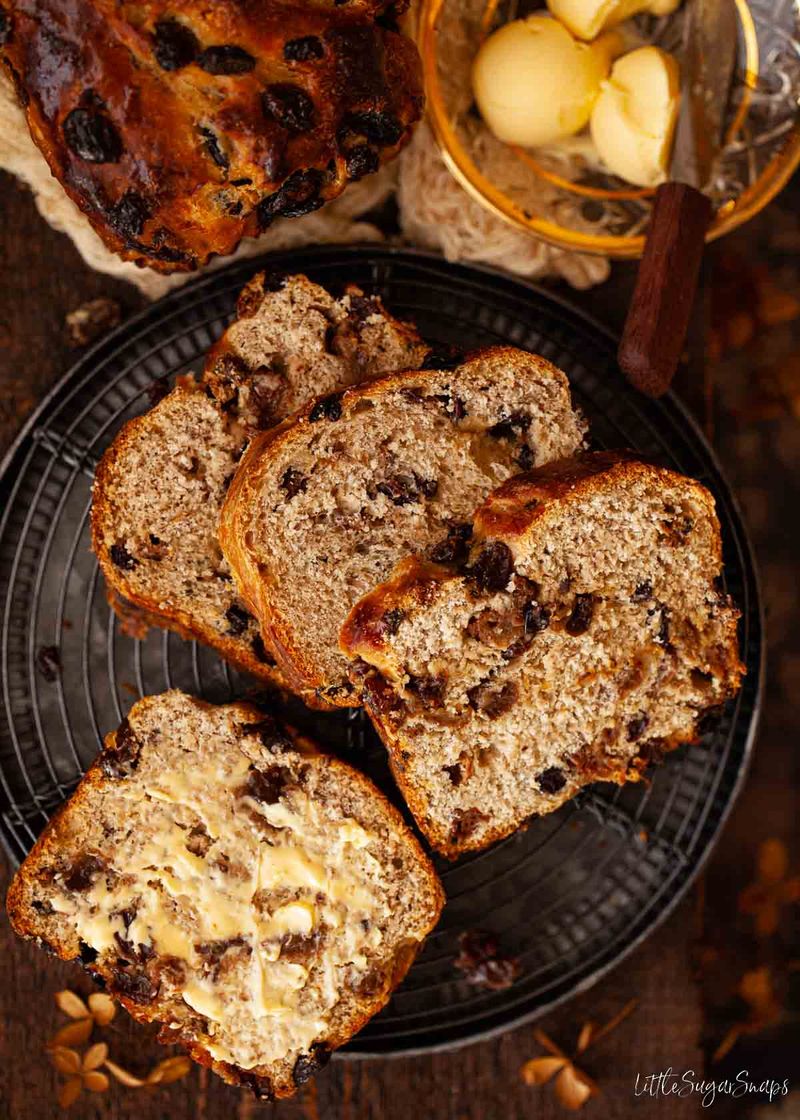
Lincolnshire plum bread is a rich, yeasted fruit loaf made with dried fruit, eggs, and butter. Despite the name, it contains no plums at all since the word plum historically referred to any dried fruit used in baking.
It is traditionally eaten on Christmas morning in Lincolnshire, sliced and buttered alongside cold meats. Outside the county, almost nobody makes it anymore.
The enriched dough takes several hours to prepare properly, which is likely why it has faded from home kitchens across the rest of Britain.
13. Kentish Huffkins
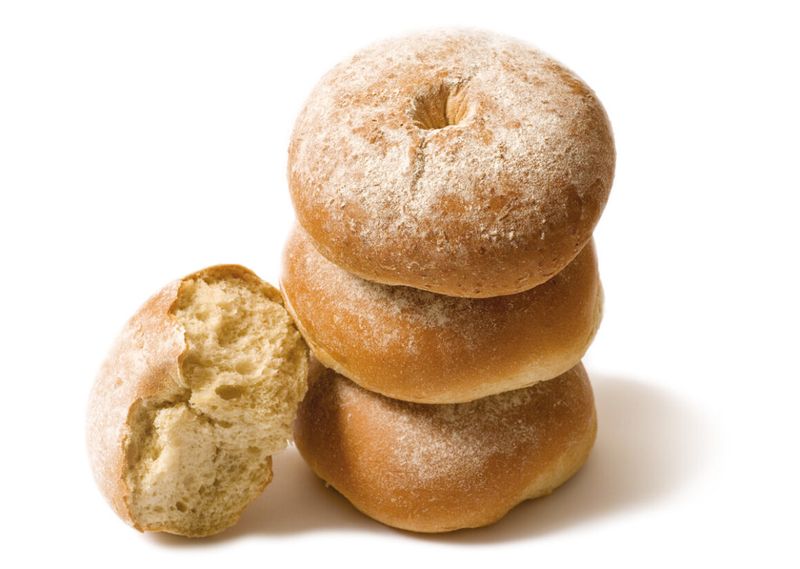
Huffkins are soft, oval bread rolls with a distinctive dimple pressed into the centre, traditionally made in Kent. They are light, slightly chewy, and were historically eaten with jam, butter, or cherry pie filling during the hop-picking season.
Very few bakeries outside Kent still make them, and home baking of huffkins is almost unheard of these days. The dough is simple enough, but the shaping technique and the cultural knowledge behind them have quietly faded.
Reviving them would be a lovely nod to a very local British tradition.
14. Cornish Fairings
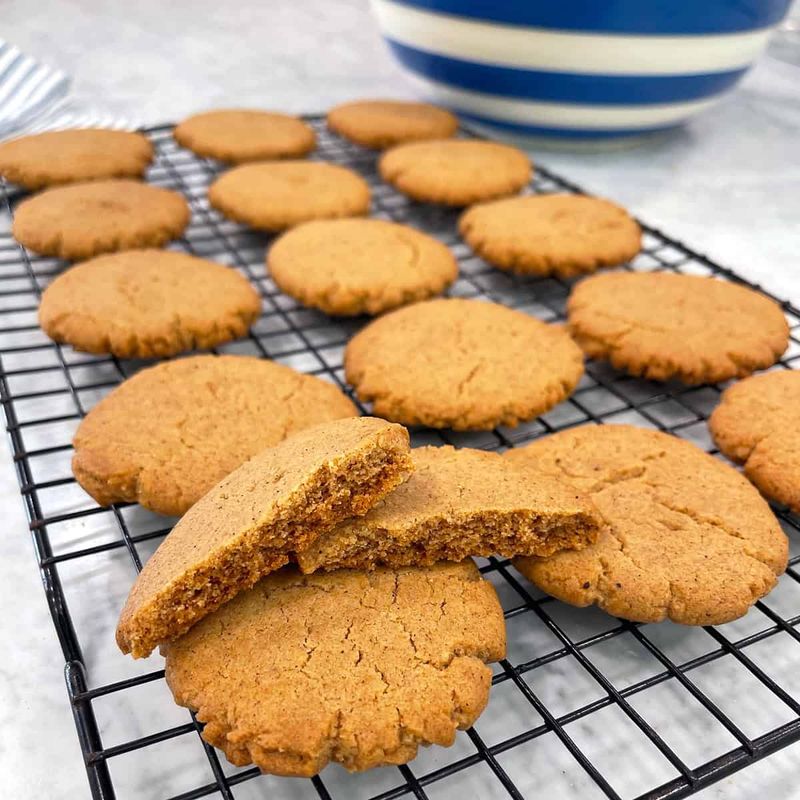
Cornish fairings are crisp, golden ginger biscuits that were originally sold at travelling fairs across Cornwall. They have a satisfying snap and a bold spiced flavour from ginger, cinnamon, and mixed spice baked into each batch.
One Cornish company still sells the official version, but homemade fairings are a rarity these days. The recipe is actually quite straightforward, requiring basic pantry ingredients and minimal effort.
Perhaps their association with shop-bought versions has put people off attempting them at home, which is a genuine baking opportunity missed.
15. Saffron Buns
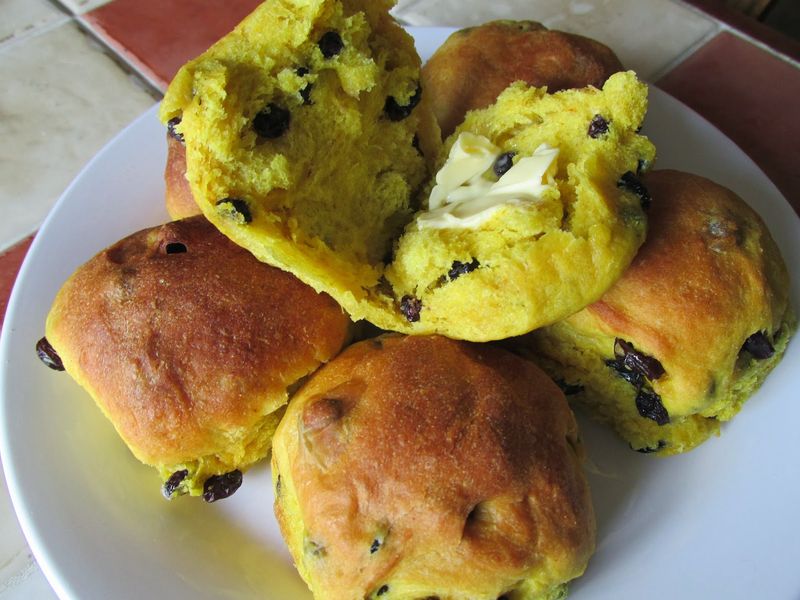
Saffron buns are a Cornish speciality with roots stretching back to medieval trade routes that brought saffron into British ports. The spice gives the buns their vivid yellow colour and a subtle floral flavour unlike anything else in British baking.
Saffron is one of the most expensive spices in the world, which partly explains why home baking of these buns has declined. Most people are reluctant to spend money on saffron for a batch of buns.
Yet the result is genuinely extraordinary, making every penny feel completely worthwhile.
16. Banbury Cakes
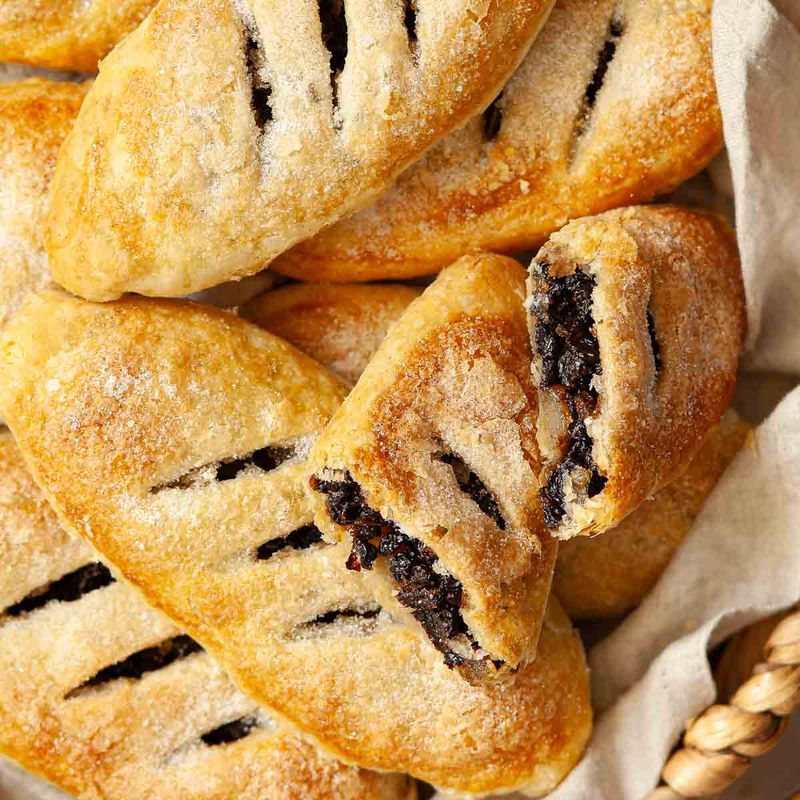
Banbury cakes are oval-shaped spiced pastries filled with currants, butter, and mixed spice, made in the Oxfordshire town of Banbury for over 400 years. They are similar to Eccles cakes but slightly larger and more richly spiced.
At one point, Banbury was famous across England for these little pastries, sold from baskets by local women in the town. Today, even most people in Oxfordshire have stopped making them at home.
Tracking down a proper Banbury cake requires either a visit to the town or a determined afternoon in your own kitchen.




Comments
No Comments