













Some foods look perfectly fine to eat straight from the bag or pantry, but skipping one simple step could leave you feeling bloated, tired, or even sick. Soaking certain foods before cooking or eating them removes harmful substances, improves digestion, and unlocks more nutrients.
It's a small habit that makes a big difference in how your body feels and functions. Read on to find out which 15 foods deserve a good soak before they hit your plate.
1. Raw Kidney Beans
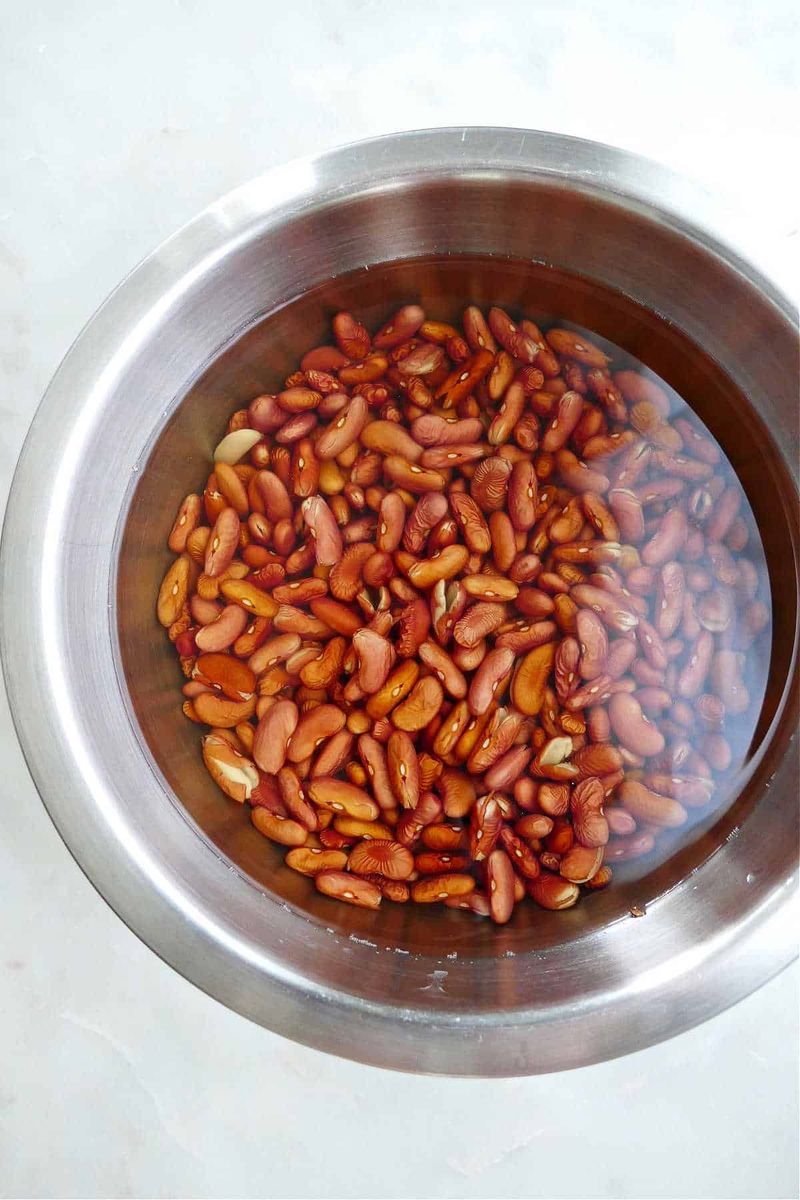
Raw kidney beans contain a natural toxin called phytohaemagglutinin, and eating them without soaking first can cause serious vomiting and stomach cramps within just a few hours. Even a small handful of unsoaked beans can make you feel really sick.
Soaking kidney beans overnight and then boiling them thoroughly breaks down this toxin completely. Always discard the soaking water and use fresh water for cooking.
Your stomach will thank you for taking the extra time.
2. Chickpeas
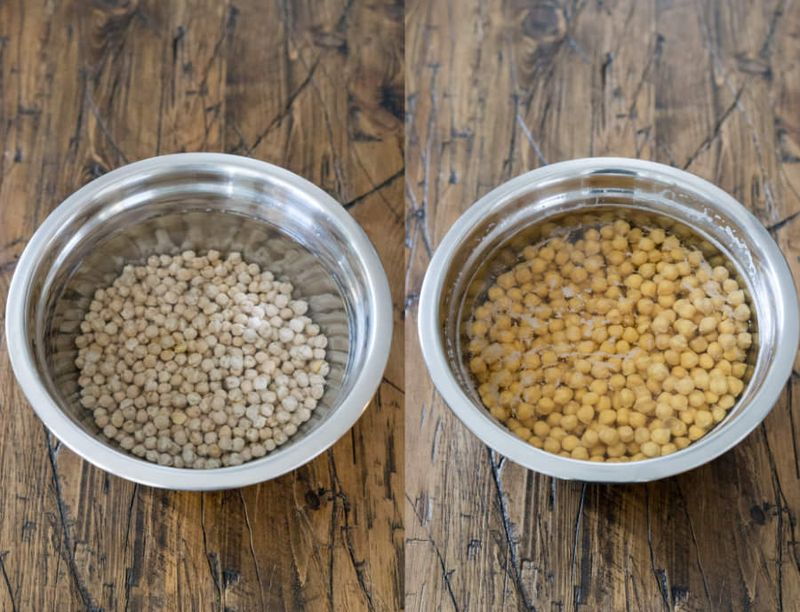
Chickpeas are packed with protein and fiber, but they also carry compounds called oligosaccharides that your gut struggles to break down without help. Skipping the soak means gas, bloating, and discomfort that can last for hours after your meal.
Soaking dried chickpeas for at least eight hours softens them and washes away a good chunk of those tough-to-digest sugars. Rinse them well before cooking for the best results.
Your hummus will taste better too.
3. Lentils
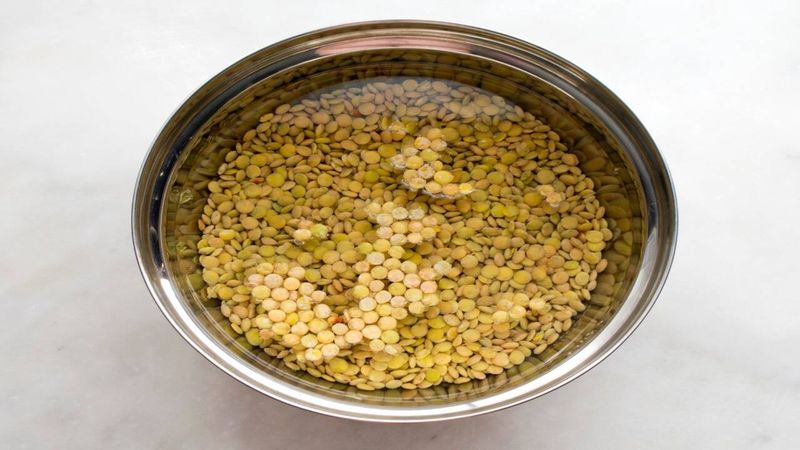
Lentils cook faster than most legumes, but that does not mean they should skip the soaking step. They contain phytic acid, an antinutrient that binds to minerals like iron and zinc, making it harder for your body to absorb them.
Even a short 30-minute soak can reduce phytic acid levels noticeably. Rinsing after soaking also removes surface dust and any small debris.
A little patience before cooking means your body actually benefits from all those good nutrients inside.
4. Raw Oats
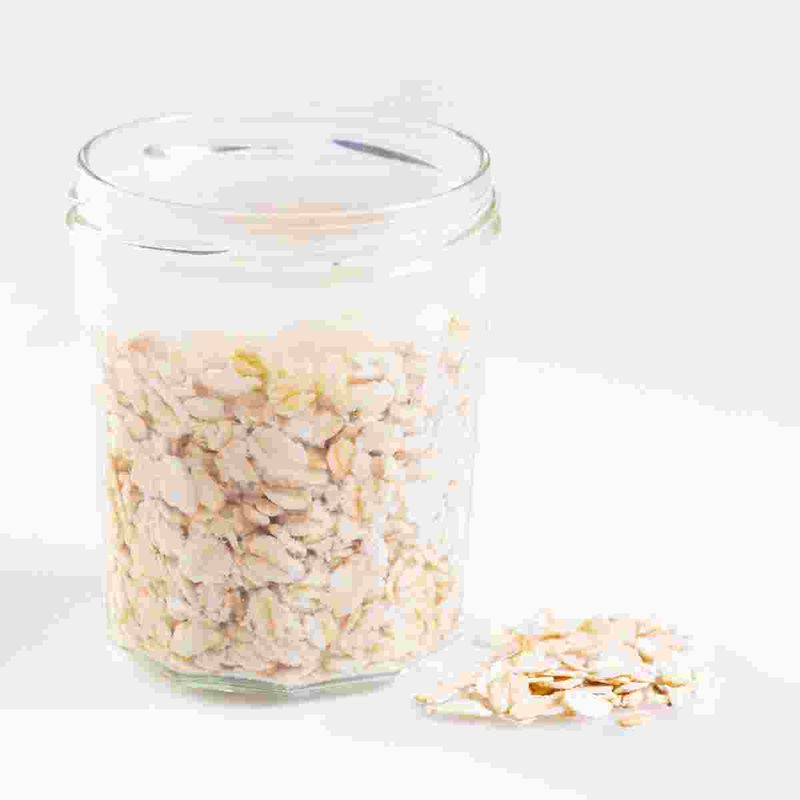
Many people toss raw oats straight into a smoothie or bowl without a second thought, but oats contain phytic acid and avenin that can irritate the gut lining when eaten without preparation. Overnight oats fans are actually on to something smart.
Soaking oats in water or milk for several hours neutralizes much of the phytic acid and makes the texture creamier and easier to digest. Adding a splash of lemon juice or yogurt speeds up the process even more.
Breakfast just got healthier.
5. Brown Rice
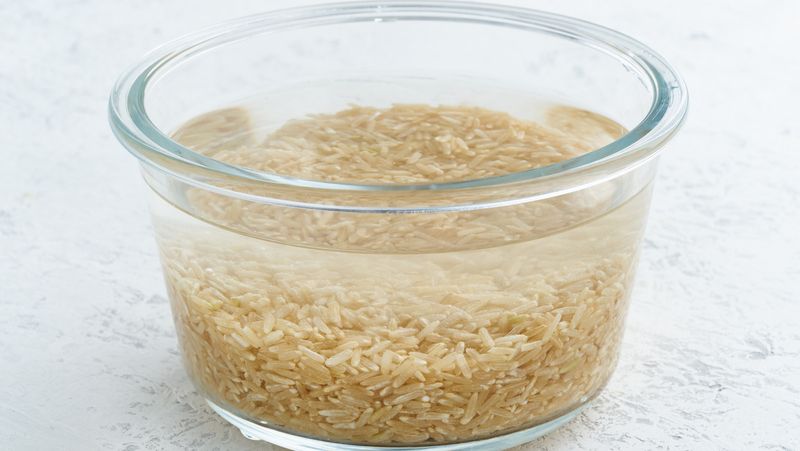
Brown rice holds onto its bran layer, which is great for fiber but also means it carries more phytic acid than white rice. Cooking it without soaking first can leave you with a starchy, heavy meal that sits uncomfortably in your stomach.
Soaking brown rice for two to eight hours before cooking reduces phytic acid, shortens cooking time, and produces fluffier, more digestible grains. Toss the soaking water, add fresh water, and cook as usual.
Such a simple tweak makes a real difference.
6. Almonds
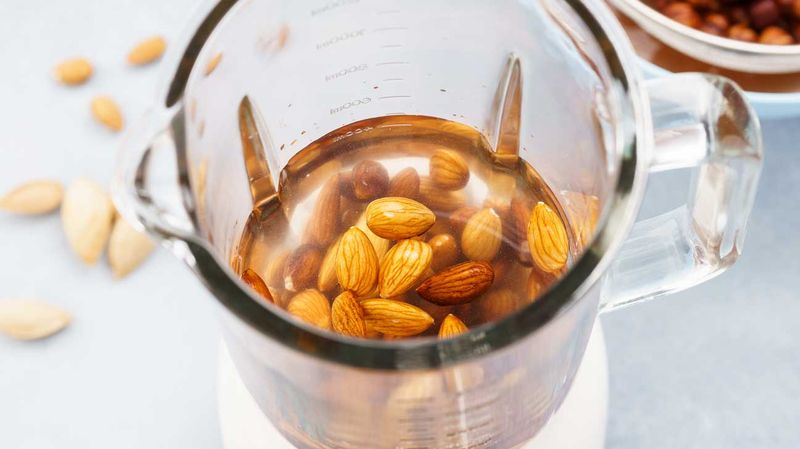
Raw almonds straight from the bag are crunchy and tasty, but their brown skin contains tannins and enzyme inhibitors that slow down digestion and reduce how well your body absorbs nutrients. Soaking them changes everything about how your body handles them.
After just eight hours in water, almond skins slip right off, revealing a softer, easier-to-digest nut with better nutrient availability. Soaked almonds also taste milder and creamier.
Try swapping your usual crunchy handful for a soaked version and notice how much lighter you feel afterward.
7. Cashews
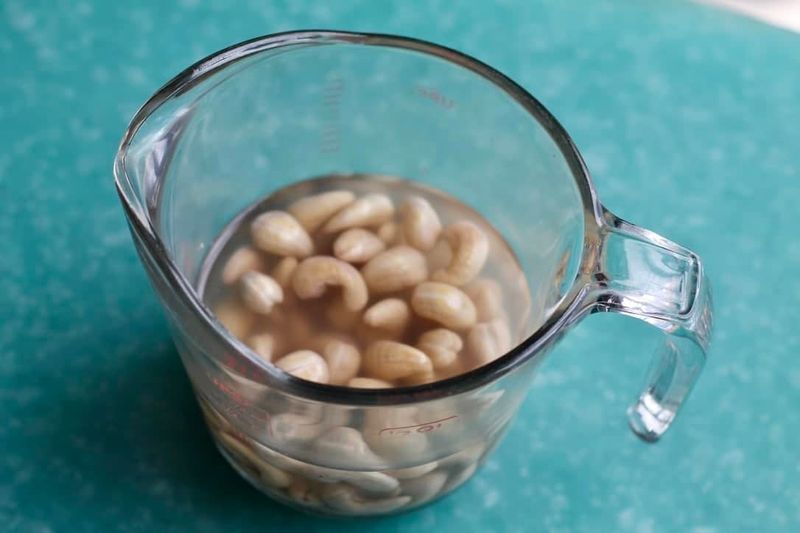
Here is something most snackers do not realize: raw cashews sold in stores are actually steamed, not truly raw, because they contain urushiol, the same irritant found in poison ivy. Even so, soaking them before eating or blending is still a smart move.
Soaking cashews for two to four hours softens them perfectly for creamy sauces, dairy-free cheese, and smoothies. It also removes surface residues and makes them gentler on the digestive system.
For anyone with a sensitive stomach, this step is practically non-negotiable.
8. Black Beans
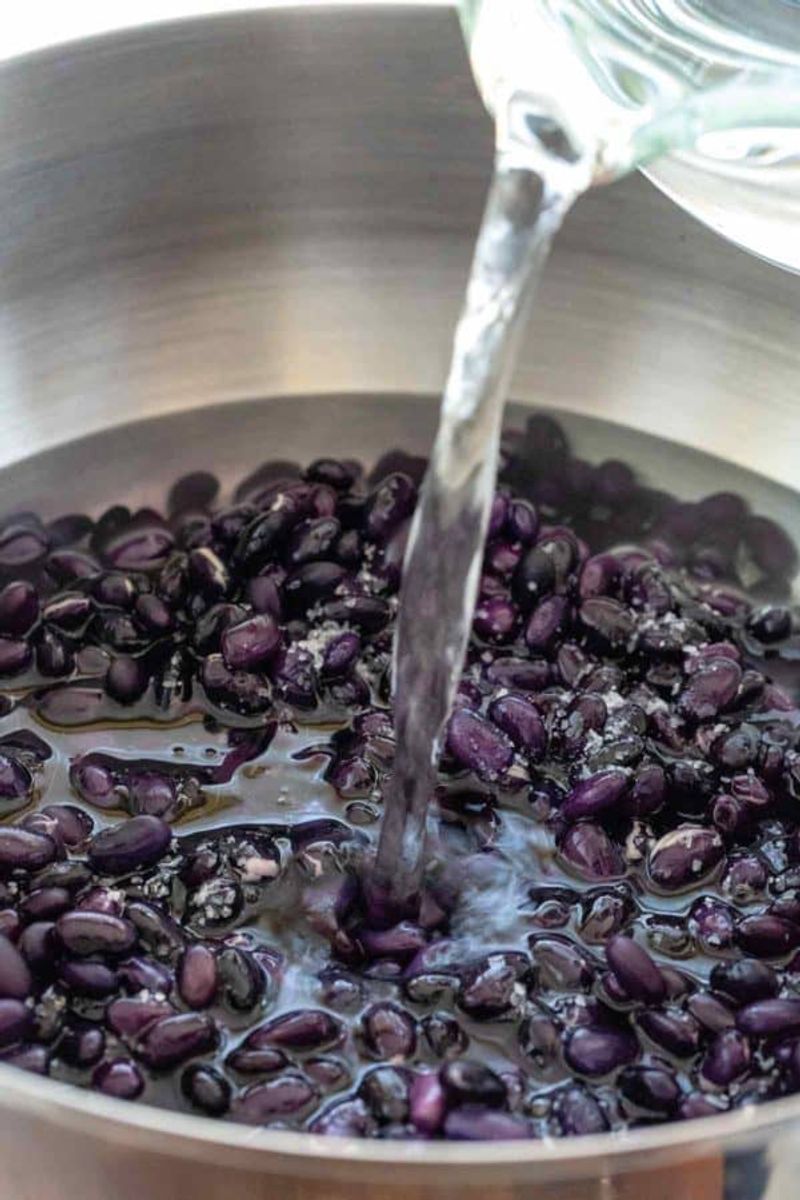
Black beans are a staple in countless kitchens around the world, but skipping the soak often leads to beans that are unevenly cooked, harder to digest, and loaded with gas-producing sugars. Nobody wants to deal with that after a satisfying meal.
Soaking black beans overnight reduces cooking time significantly and removes a large portion of the oligosaccharides responsible for bloating. Always discard the soaking water and rinse the beans before adding them to your pot.
The flavor is richer and the texture far more satisfying.
9. Quinoa
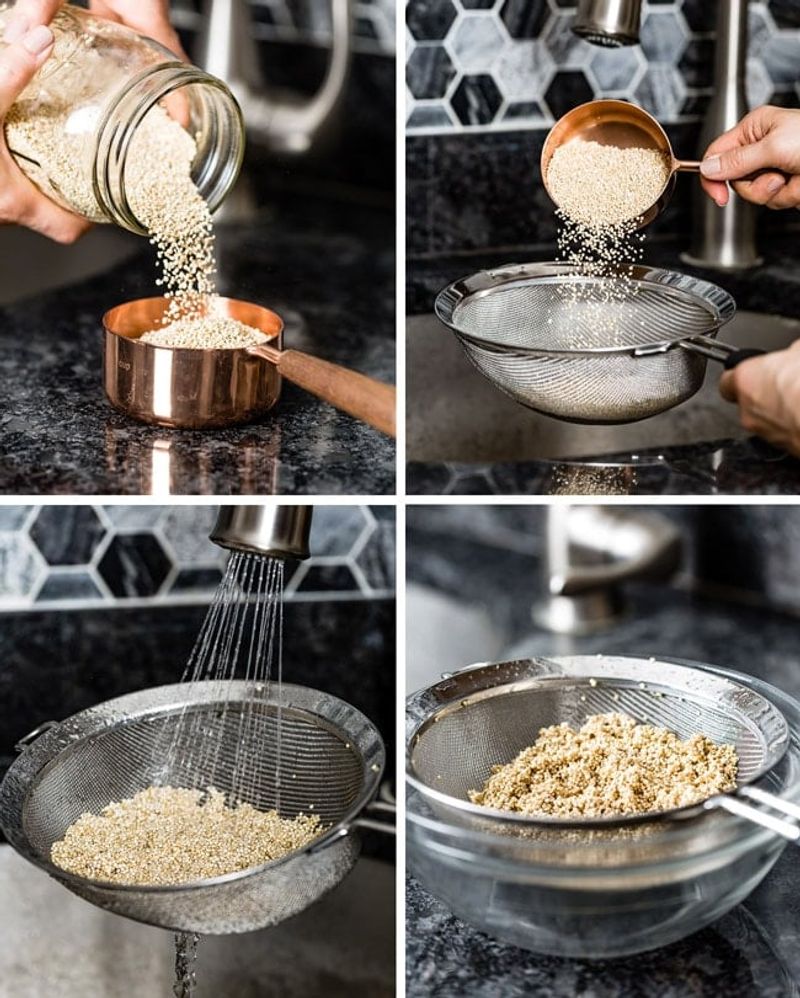
Quinoa has earned its reputation as a superfood, but it comes coated in saponins, naturally occurring compounds that taste bitter and can irritate the intestinal lining if not removed before eating. Many bags say pre-washed, but soaking adds an extra layer of protection.
A 15-minute soak followed by a thorough rinse strips away saponins effectively and results in lighter, fluffier cooked quinoa. Your digestion will feel smoother, and the flavor will be noticeably less bitter.
It only takes a few extra minutes and makes a big impact.
10. Walnuts
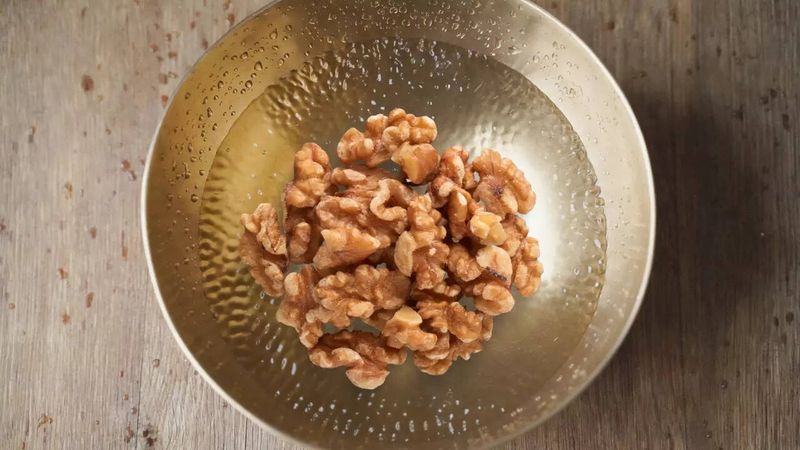
Walnuts are brilliant for brain health, but biting into them straight from the bag exposes you to tannins concentrated in the papery skin, which can cause a dry, slightly bitter taste and interfere with nutrient absorption. Soaking washes that bitterness away.
Cover walnuts in water for eight to twelve hours, then rinse and pat dry before eating. The texture becomes softer and easier to chew, and the flavor turns noticeably milder and sweeter.
People who switch to soaked walnuts often say they could never go back to eating them dry.
11. Chia Seeds
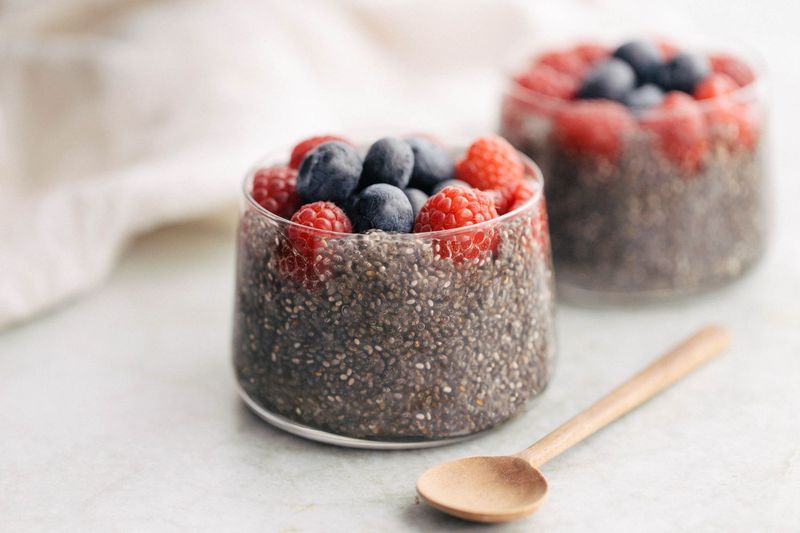
Chia seeds are tiny but powerful, and eating them dry is actually something to avoid. When dry chia seeds reach your stomach, they absorb moisture from your digestive tract, which can cause uncomfortable bloating or even a rare risk of swelling in the esophagus.
Soaking chia seeds in water, milk, or juice for at least 20 minutes allows them to form a safe, gel-like consistency that is easy to swallow and digest. This gel also helps you feel fuller longer.
Chia pudding is not just trendy, it is genuinely the smarter way to eat them.
12. Dried Figs
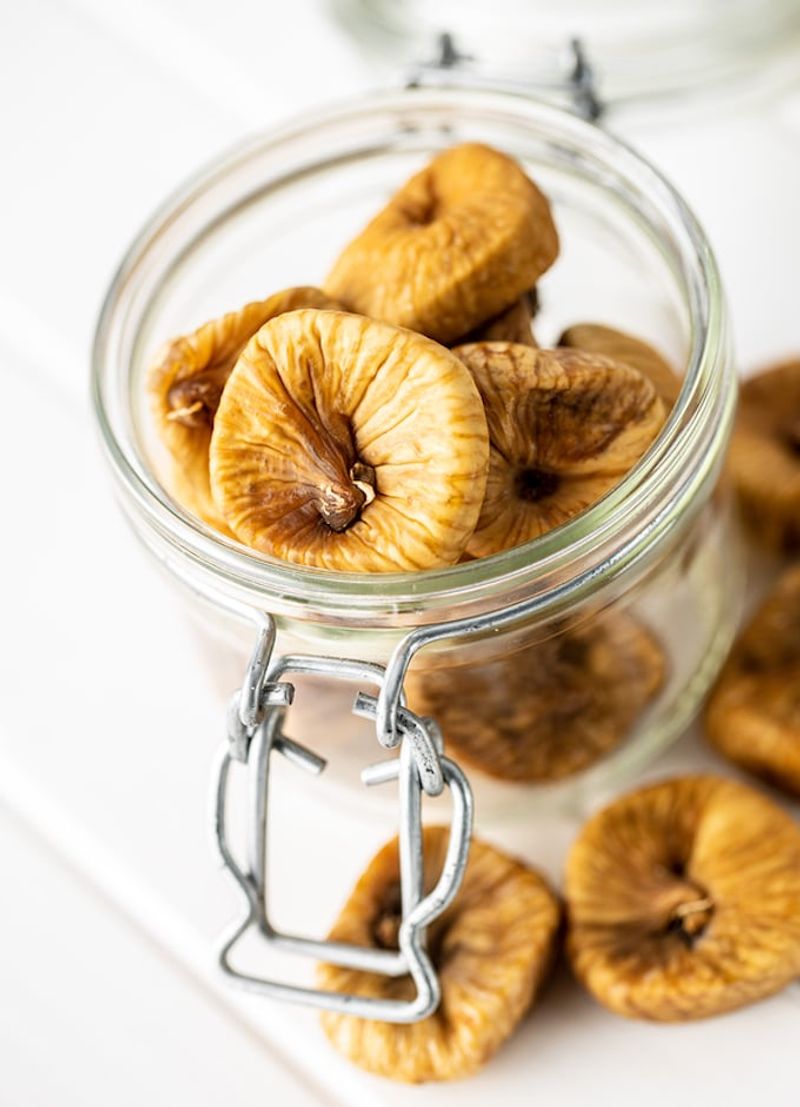
Dried figs are naturally sweet and full of fiber, but eating them straight from the package means your digestive system has to work overtime to break down their dense, concentrated sugars and tough skin. For people prone to constipation, this can backfire quickly.
Soaking dried figs in warm water for three to four hours rehydrates them, softens the skin, and makes their natural sugars easier for your gut to process. The soaking water itself becomes mildly sweet and can be drunk as a gentle digestive tonic.
A small ritual with real rewards.
13. Soy Beans
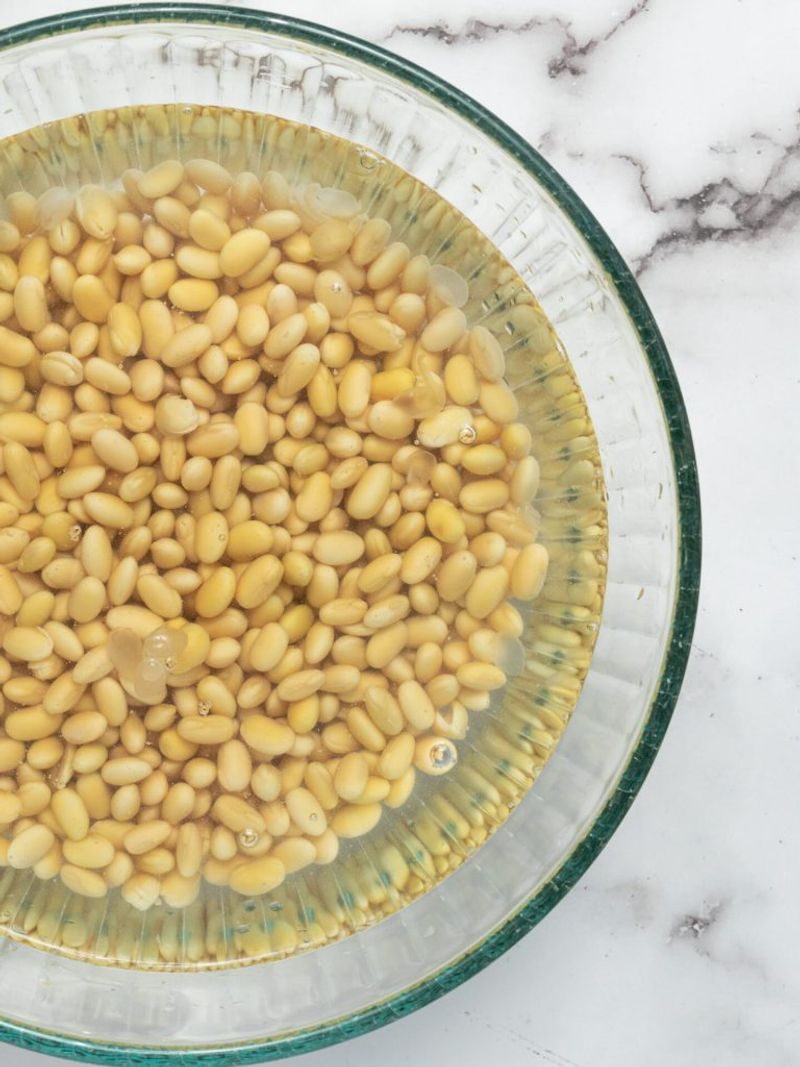
Soybeans are among the most nutrient-dense legumes on the planet, but they are also loaded with phytic acid, trypsin inhibitors, and goitrogens that can interfere with digestion, thyroid function, and mineral absorption when eaten without proper preparation. That is a lot of reasons to soak.
Soaking soybeans for a full 12 hours, changing the water halfway through, significantly reduces these antinutrients before cooking. The beans become softer, cook more evenly, and are far gentler on the digestive system.
Proper prep turns soybeans from a potential problem into a nutritional powerhouse.
14. Mung Beans
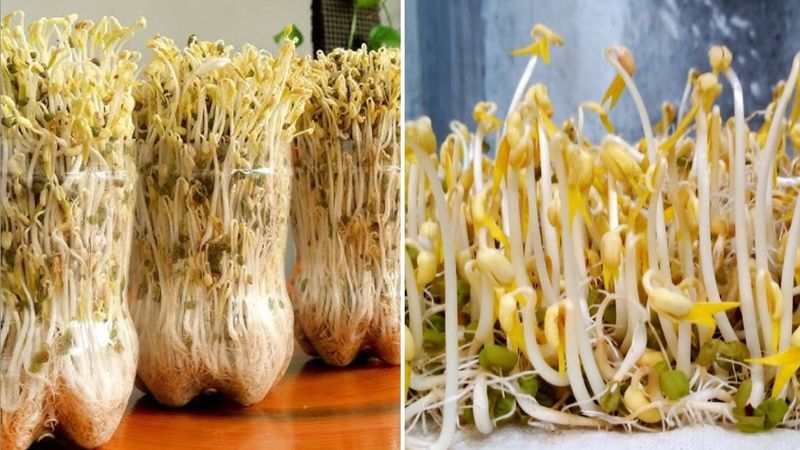
Mung beans are a popular staple across South and Southeast Asian cooking, often used in soups, curries, and sprouted salads. Eating them without soaking first can cause serious gas and bloating because of the hard-to-digest starches locked inside their outer skin.
Soaking mung beans for four to eight hours before cooking breaks down those tough starches and cuts cooking time nearly in half. Sprouting them takes this even further, boosting their vitamin C content dramatically.
Whether you soak or sprout, your digestive system will respond with relief rather than rebellion.
15. Dried Apricots

Dried apricots might seem harmless as a quick snack, but many commercially dried varieties are treated with sulfur dioxide to preserve their bright orange color. Eating them without soaking can expose you to this preservative in higher concentrations than your body appreciates.
Soaking dried apricots in warm water for 30 minutes to an hour leaches out a significant portion of the sulfites and rehydrates the fruit to a plumper, softer texture. Organic unsulfured apricots are a safer choice, but soaking either type is always a good habit worth keeping.




Comments
No Comments