













Vitamin K is a nutrient your body needs to clot blood properly and keep your bones strong. Most people think broccoli is the top source, but plenty of other foods actually pack even more of this powerful vitamin.
Getting enough Vitamin K each day is easier than you might think, especially when you know where to look. Check out these 15 surprising foods that beat broccoli in the Vitamin K department.
1. Kale
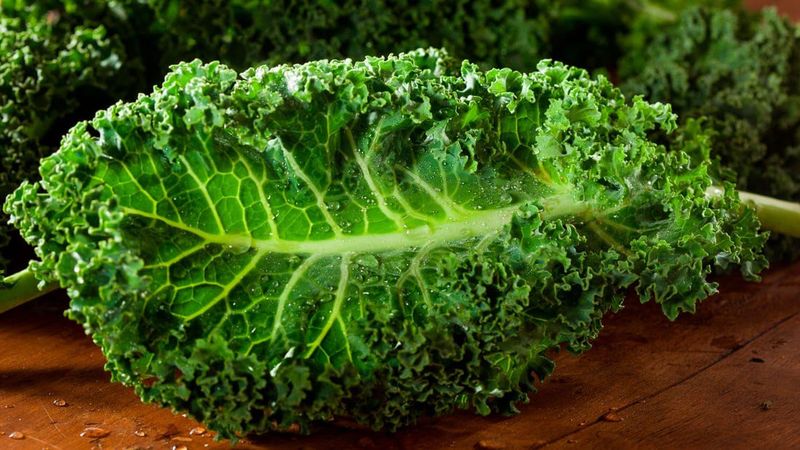
Kale is basically the superhero of leafy greens. One cup of cooked kale delivers over 1,000 micrograms of Vitamin K, which is nearly ten times your daily recommended amount.
That is seriously impressive for one vegetable.
You can toss kale into smoothies, soups, or stir-fries without much effort. Even roasting kale into crispy chips makes it a fun, healthy snack.
Once you find your favorite way to eat it, kale becomes hard to skip.
2. Collard Greens
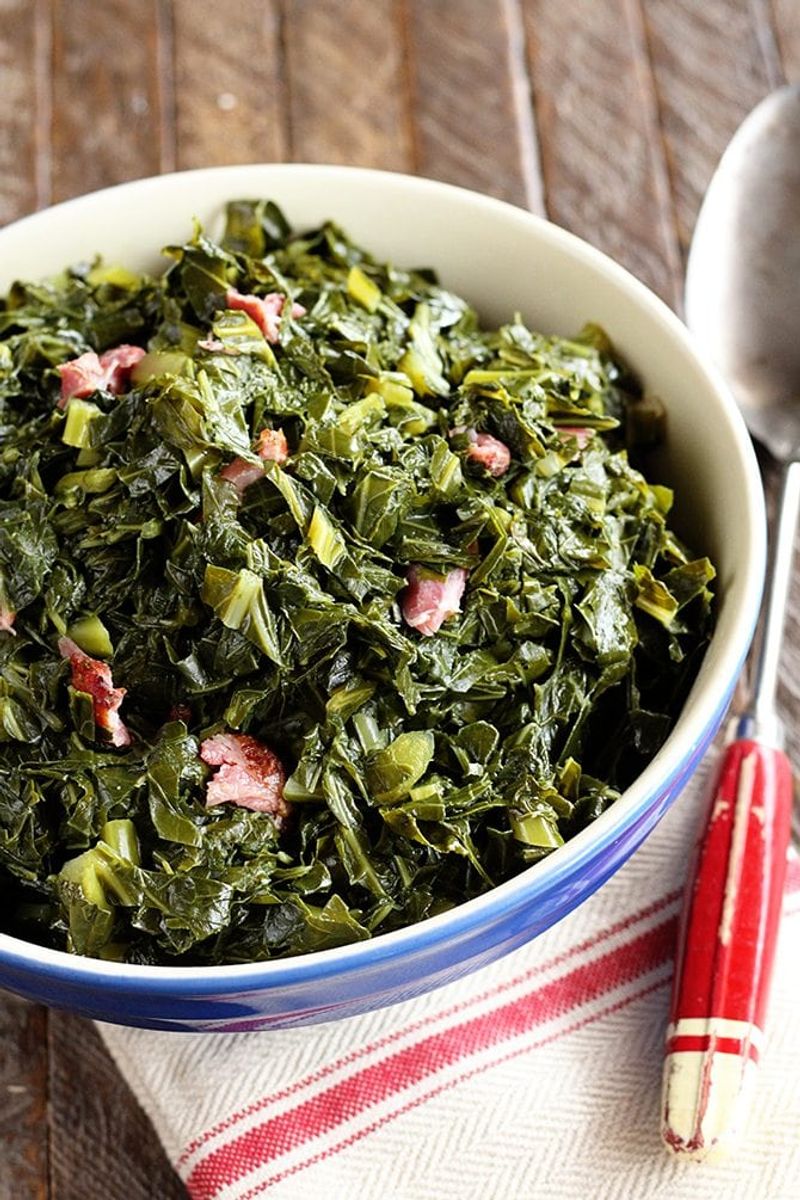
Collard greens have been a staple in Southern cooking for generations, and there is a very good reason why. A single cup of cooked collards contains around 1,059 micrograms of Vitamin K, easily crushing broccoli's numbers.
They have a hearty, slightly bitter flavor that mellows beautifully when slow-cooked with a little garlic or onion. Beyond Vitamin K, collard greens also offer calcium and fiber, making them an all-around nutritional powerhouse worth adding to your weekly meals.
3. Spinach
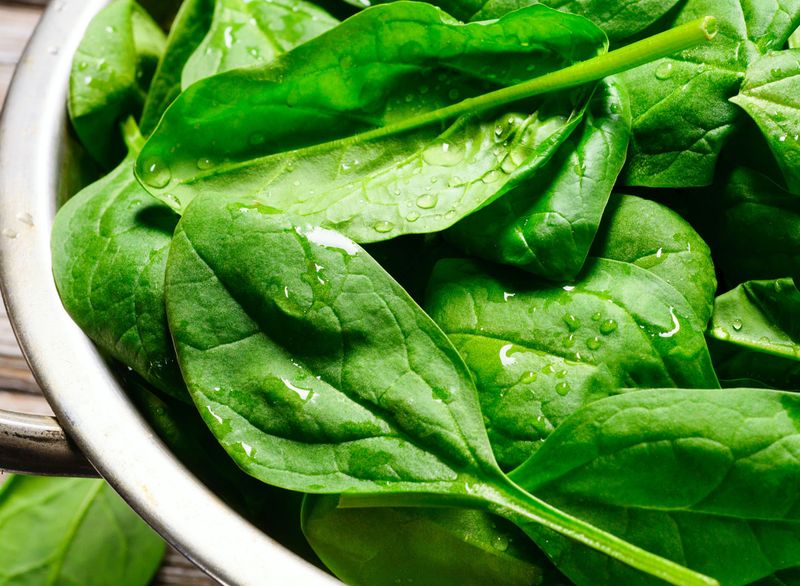
Popeye was onto something big. Cooked spinach delivers roughly 888 micrograms of Vitamin K per cup, making it one of the richest sources available in any grocery store.
Raw spinach still offers a solid amount, but cooking it concentrates the nutrients significantly. Toss it into pasta, scrambled eggs, or a warm grain bowl for an easy nutritional upgrade.
Spinach has a mild flavor that blends into almost any dish without overpowering it, which makes it incredibly versatile.
4. Swiss Chard
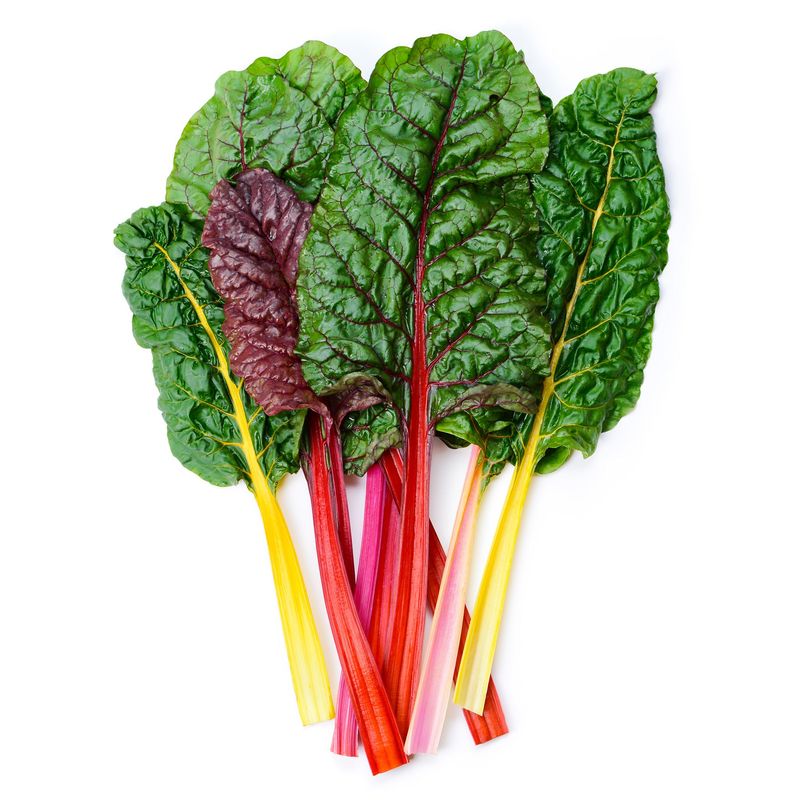
With its rainbow-colored stems and dark, crinkly leaves, Swiss chard looks almost too pretty to eat. Cooked Swiss chard provides around 572 micrograms of Vitamin K per cup, far outpacing broccoli by a wide margin.
Its flavor is earthy and slightly salty, which pairs well with lemon juice and olive oil. Sauteing it takes only a few minutes, making it one of the fastest nutritious side dishes you can prepare on a busy weeknight.
5. Beet Greens
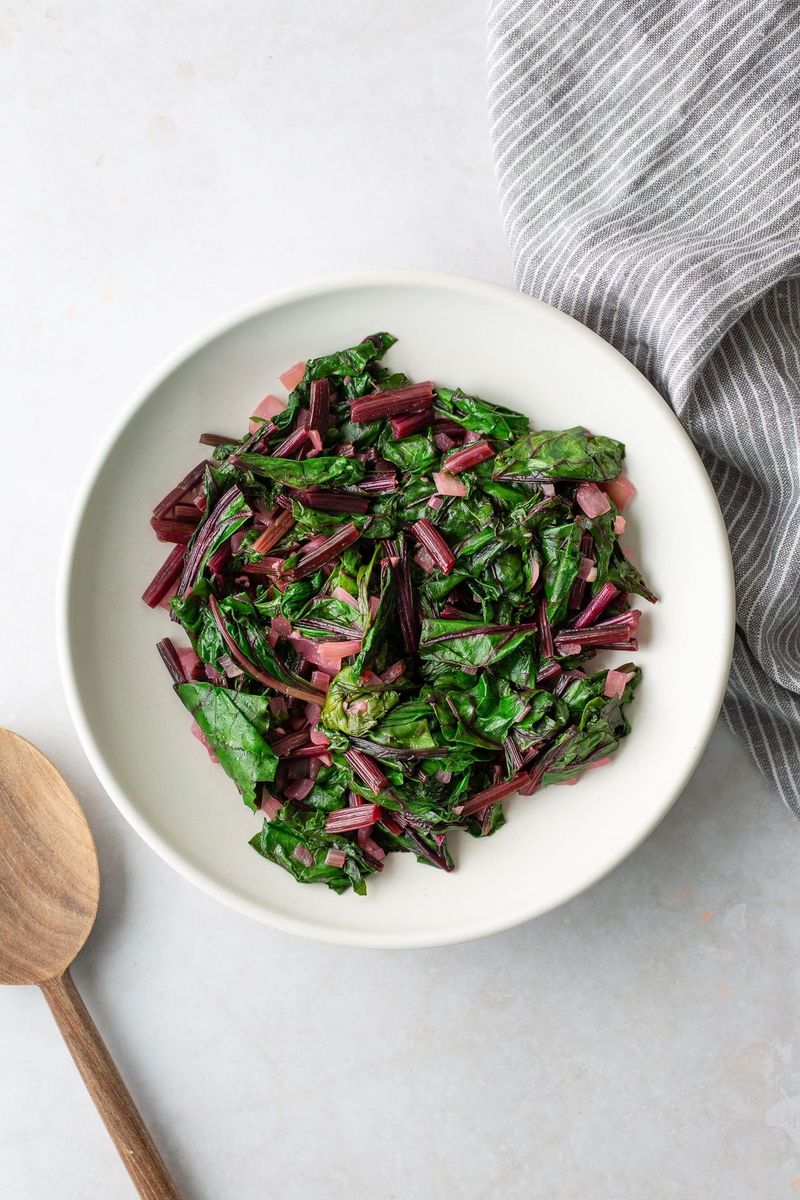
Most people throw away the leafy tops of beets without realizing they are sitting on a Vitamin K goldmine. Cooked beet greens contain about 697 micrograms of Vitamin K per cup, making them more nutritious than the beet itself.
They taste similar to Swiss chard, with a mild, earthy flavor and a slight bitterness. Next time you grab a bunch of beets at the market, save those greens and saute them with olive oil and a pinch of salt.
6. Turnip Greens
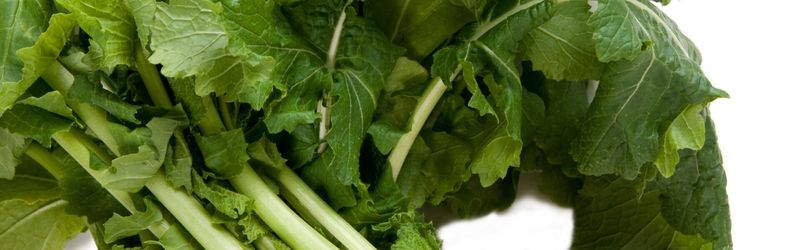
Turnip greens are the underdog of the leafy green world, often overlooked but absolutely loaded with nutrition. One cooked cup provides around 529 micrograms of Vitamin K, which is more than four times what you get from broccoli.
They have a peppery, slightly bitter taste that softens nicely when boiled or sauteed. Pair them with vinegar or hot sauce to balance the bitterness.
They are also budget-friendly, making healthy eating accessible without spending a lot of money.
7. Mustard Greens
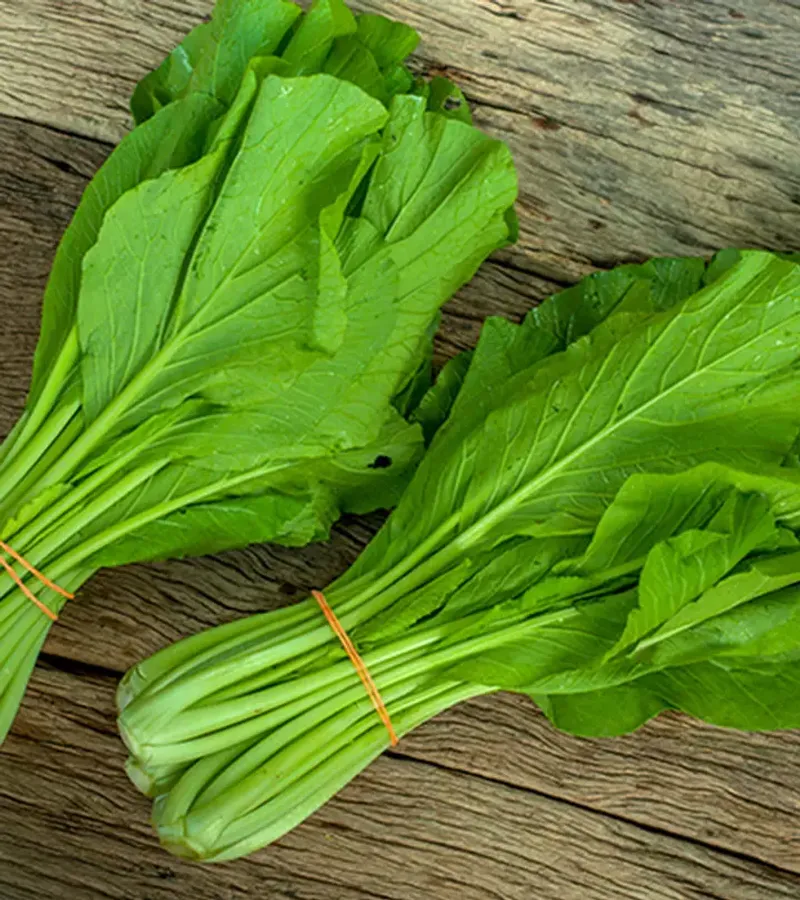
Mustard greens bring a bold, spicy kick that sets them apart from milder leafy greens. Cooked mustard greens offer about 419 micrograms of Vitamin K per cup, which is still a dramatic jump above broccoli.
Their sharpness mellows when cooked, making them easier to enjoy in stir-fries, soups, or braised dishes. Nutritionally, they also deliver Vitamins A and C alongside their impressive Vitamin K content.
They are a flavorful way to pack multiple nutrients into one single serving.
8. Parsley
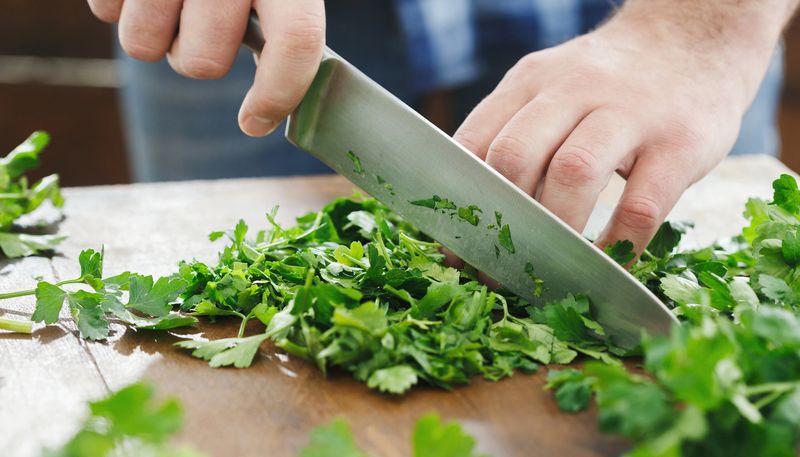
Parsley is usually treated like a garnish, but this little herb is hiding serious Vitamin K power. Just half a cup of fresh parsley contains over 400 micrograms of Vitamin K, which is remarkable for such a small amount of food.
Adding it generously to salads, grain dishes, or sauces is an easy way to boost your intake without changing your meal much. Flat-leaf parsley tends to have a stronger flavor than curly parsley, so it works especially well in cooked dishes.
9. Dandelion Greens
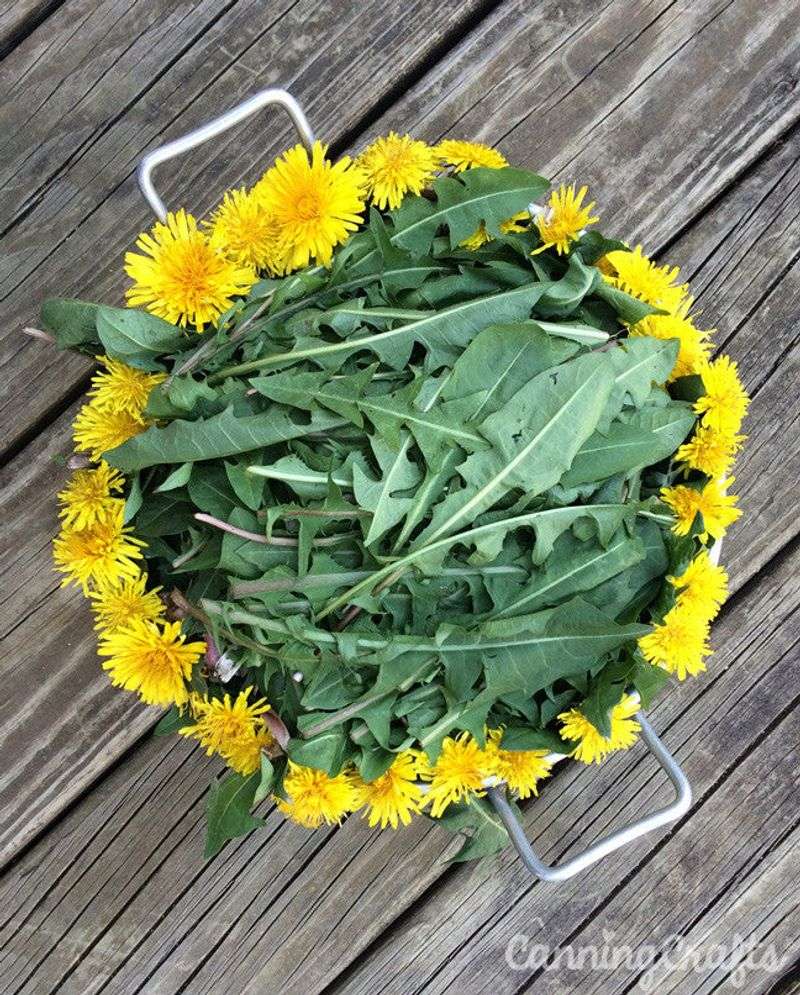
Yes, the same plant popping up in your backyard is actually a nutritional gem. Dandelion greens contain around 428 micrograms of Vitamin K per cooked cup, making that pesky weed surprisingly worthwhile.
They taste bitter and bold, similar to arugula, and work well in salads when paired with sweet or acidic dressings. You can also saute them with garlic for a quick side dish.
Many health food stores and farmers markets now sell them fresh year-round.
10. Natto
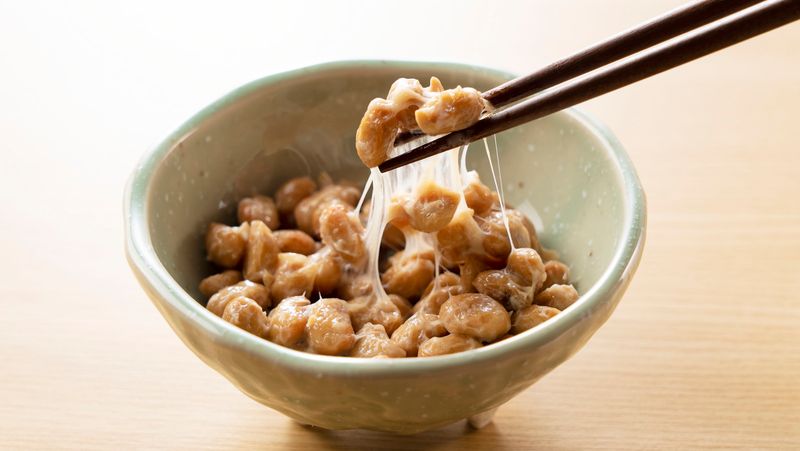
Natto might be the most surprising entry on this list. This traditional Japanese food made from fermented soybeans contains an extraordinary amount of Vitamin K2, with some estimates reaching over 1,000 micrograms per 100 grams.
It has a sticky, stringy texture and a strong, pungent flavor that takes some getting used to. In Japan, it is commonly eaten over rice for breakfast.
Vitamin K2 found in natto is particularly effective at supporting bone density and cardiovascular health compared to other forms.
11. Brussels Sprouts
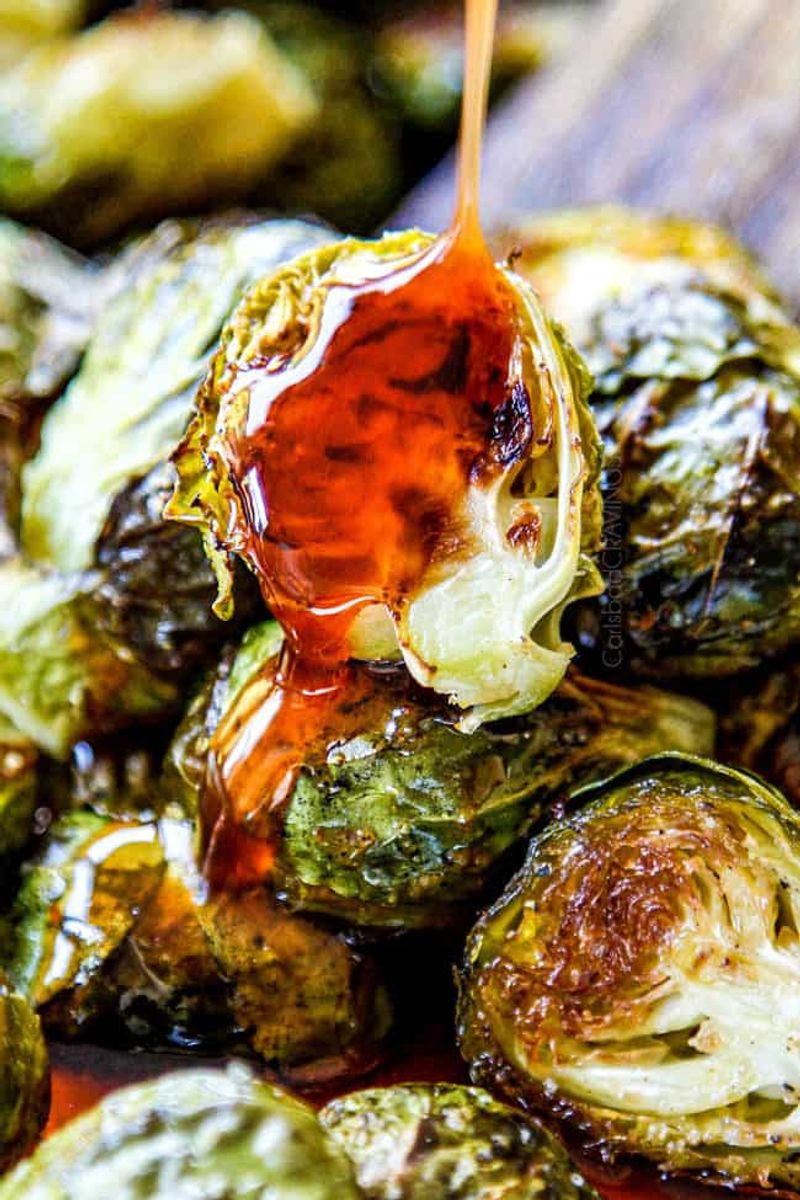
Brussels sprouts have had a major glow-up in recent years, and their nutrition is a big reason why. One cooked cup delivers around 219 micrograms of Vitamin K, which is more than double what you get from the same amount of broccoli.
Roasting them with olive oil and a little balsamic glaze transforms them into a caramelized, slightly sweet treat that even picky eaters tend to enjoy. They also supply fiber and Vitamin C, adding even more value to every bite.
12. Green Onions (Scallions)
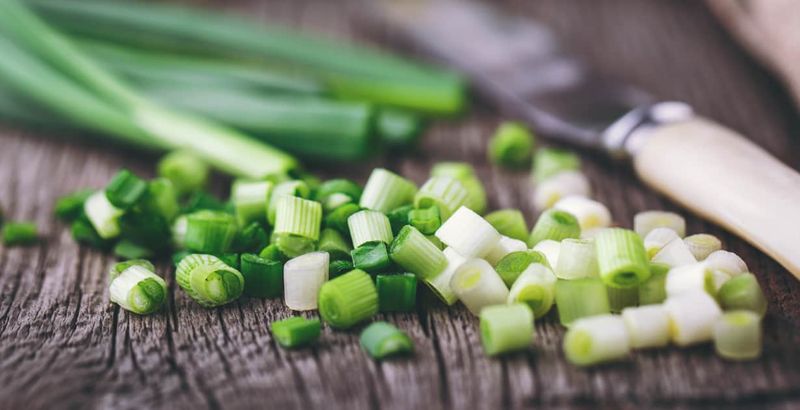
Green onions are one of those ingredients most people use purely for flavor without realizing how nutritious they actually are. A half-cup of raw scallions provides roughly 103 micrograms of Vitamin K, making them a surprisingly efficient source for such a small serving.
Chopping them over soups, tacos, eggs, or noodle dishes takes seconds and instantly adds both flavor and nutrition. They are inexpensive, widely available, and store well in the refrigerator, making them a practical everyday addition to your diet.
13. Cabbage
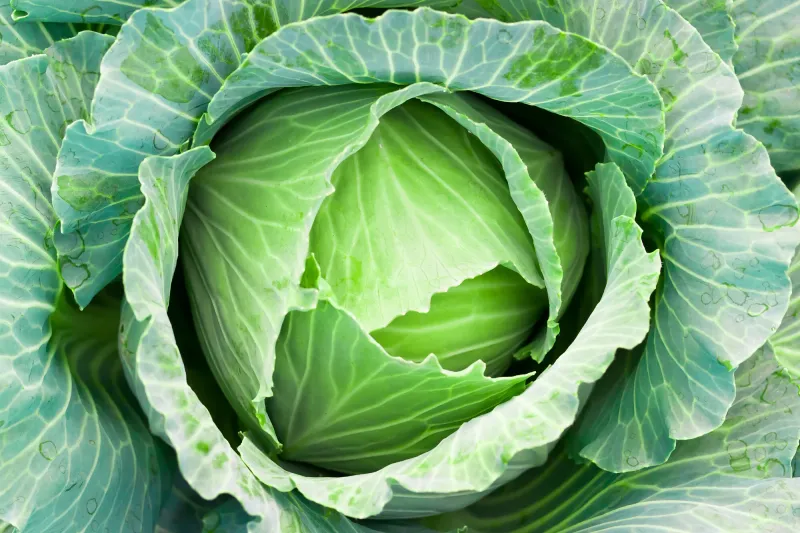
Cabbage is one of the most affordable vegetables in any grocery store, and it quietly delivers a solid dose of Vitamin K. Cooked green cabbage provides around 163 micrograms per cup, which is notably higher than raw broccoli.
Whether you shred it into coleslaw, ferment it into sauerkraut, or roast it into tender slabs, cabbage adapts to almost any cooking style. Fermented cabbage, like kimchi or sauerkraut, also adds gut-friendly probiotics, giving you two major health benefits from one humble vegetable.
14. Asparagus
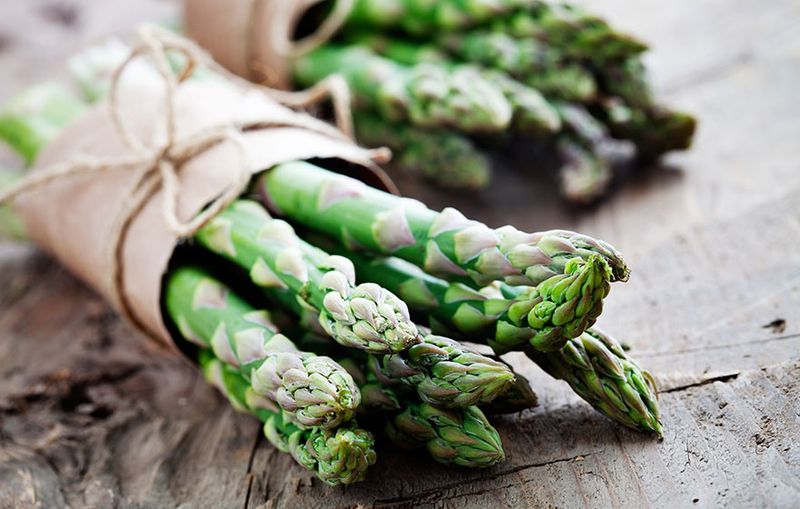
Asparagus season is something to genuinely look forward to, partly because of its incredible nutrient profile. One cooked cup of asparagus offers about 144 micrograms of Vitamin K, making it a worthy competitor to broccoli in the nutrition department.
Its crisp, slightly grassy flavor works beautifully when roasted, grilled, or steamed with a squeeze of lemon. Asparagus also contains folate and antioxidants that support overall health.
Buying it in season means better flavor and lower prices at the grocery store.
15. Lettuce (Romaine)
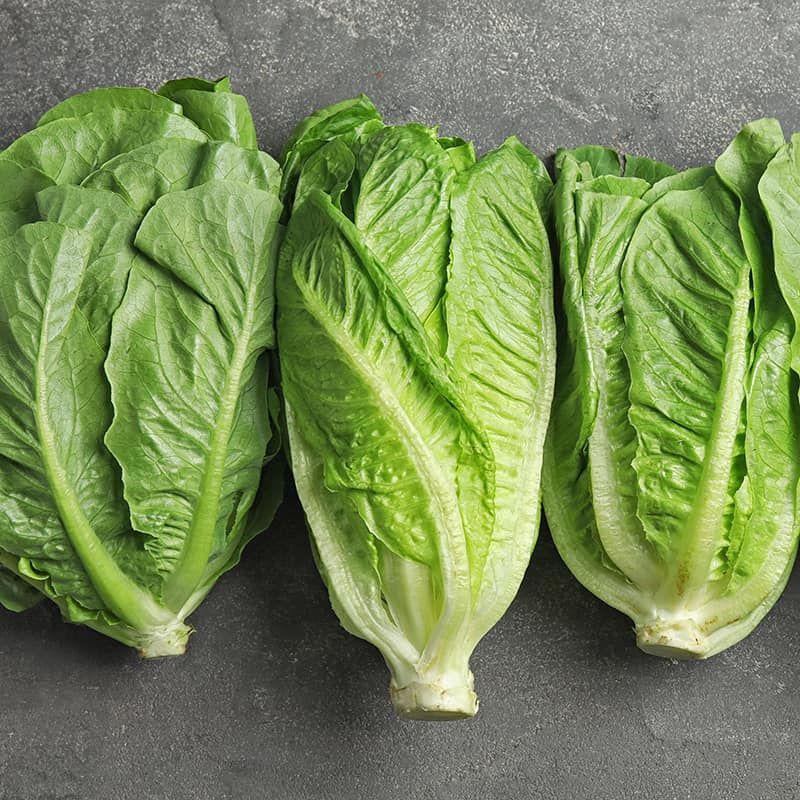
Romaine lettuce might seem like a lightweight in the nutrition world, but it actually holds its own when it comes to Vitamin K. One cup of shredded romaine provides around 48 micrograms, and since most salads use several cups, the totals add up quickly.
Its crisp texture and mild flavor make it one of the most versatile salad bases available. Pairing it with other Vitamin K-rich toppings like green onions or parsley creates a salad that is quietly doing a lot of nutritional heavy lifting.




Comments
No Comments