













Your brain and heart work hard every single day, and the foods you eat can make a huge difference in keeping them healthy. Flavonoids are natural plant compounds found in many everyday foods that help protect your body from damage and reduce the risk of serious diseases.
Scientists have found that eating more flavonoid-rich foods can sharpen memory, improve mood, and keep your heart pumping strong. Adding these powerhouse foods to your diet is one of the simplest and most delicious ways to invest in your long-term health.
1. Blueberries
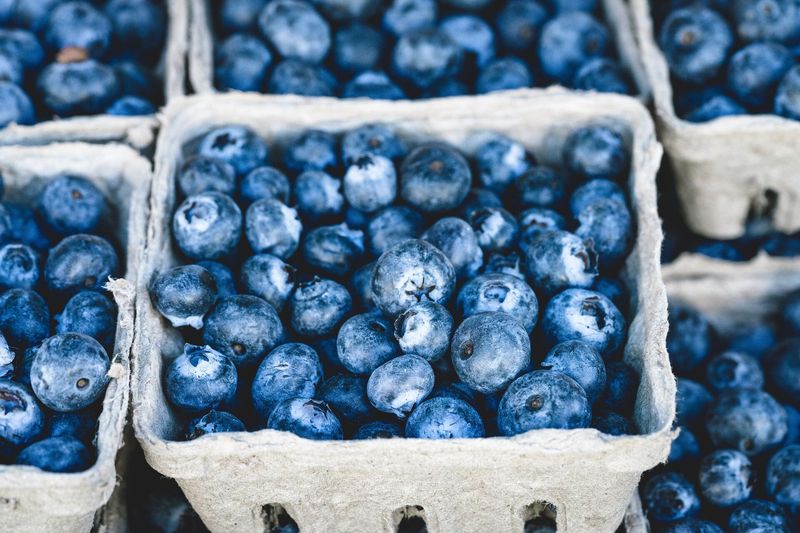
Tiny but mighty, blueberries pack one of the highest flavonoid counts of any fruit you can find at the grocery store. Studies show that eating blueberries regularly can actually improve memory and slow brain aging.
They contain a special group of flavonoids called anthocyanins, which give them that deep blue color and protect brain cells from damage.
Toss a handful into your morning yogurt or oatmeal for an easy, delicious boost.
2. Dark Chocolate
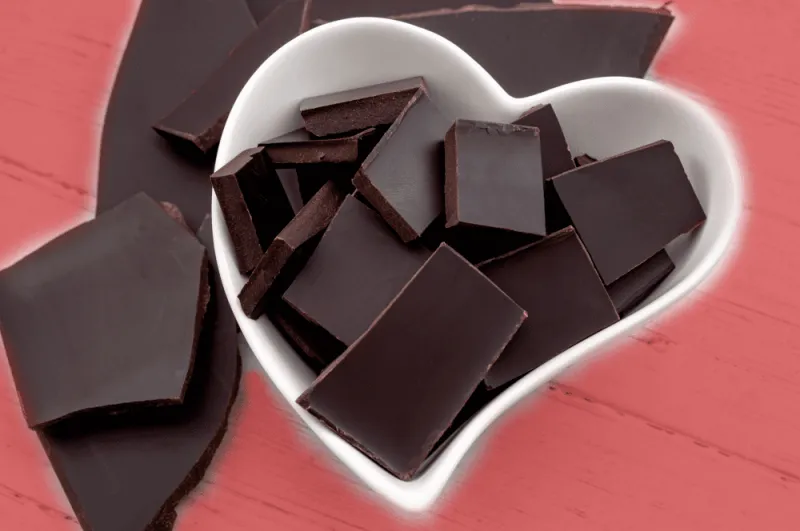
Good news for chocolate lovers everywhere — dark chocolate is genuinely good for your brain and heart. It is loaded with flavonoids called flavanols that help improve blood flow to the brain and lower blood pressure.
Research from Harvard found that people who eat dark chocolate regularly have better cognitive function as they age.
Choose chocolate with at least 70% cocoa to get the most flavonoid benefits without too much added sugar.
3. Kale
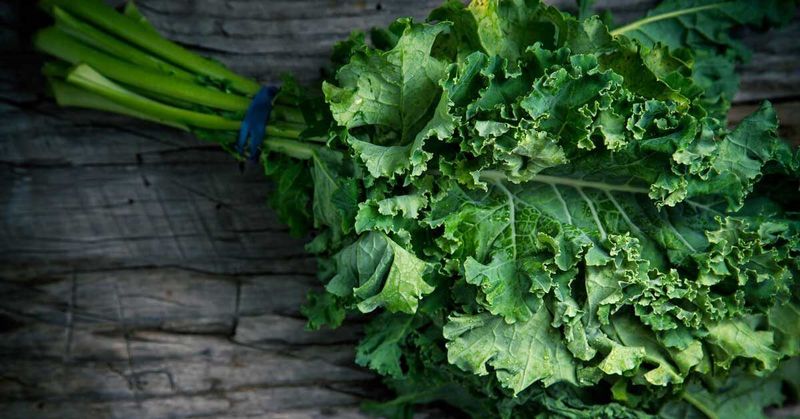
Kale might not be everyone's first choice at dinner, but this leafy green is a flavonoid superstar worth getting to know. It contains kaempferol and quercetin, two powerful flavonoids linked to reduced inflammation and lower risk of heart disease.
Eating kale regularly has also been connected to better brain function and a lower chance of cognitive decline as you age.
Try it sauteed with garlic or blended into a smoothie for a surprisingly tasty result.
4. Strawberries
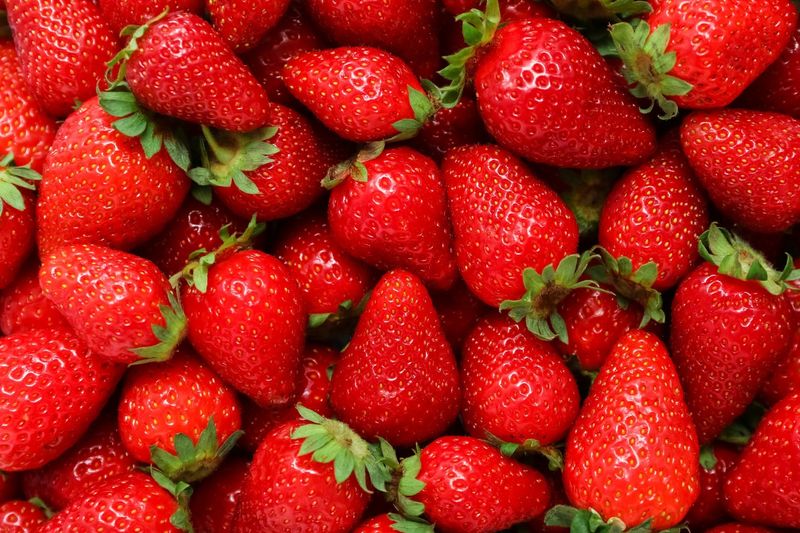
Sweet, juicy, and surprisingly powerful, strawberries are among the best flavonoid-rich fruits you can eat for heart health. A Harvard study that tracked over 93,000 women found that those who ate strawberries and blueberries three times a week had a 32% lower risk of heart attack.
The secret weapon is fisetin, a flavonoid in strawberries that also supports memory and protects brain cells.
Fresh or frozen, strawberries are an easy daily addition to meals and snacks.
5. Red Wine (in moderation)

Red wine has been celebrated for centuries in Mediterranean cultures, and science has finally figured out why it seems to support heart health. It contains resveratrol and quercetin, flavonoids found in red grape skins that help reduce inflammation and prevent blood clots.
These compounds can also support healthy blood pressure levels over time.
Moderation is the key word here — one glass a day for adults appears to offer benefits, while more can cause harm.
6. Oranges
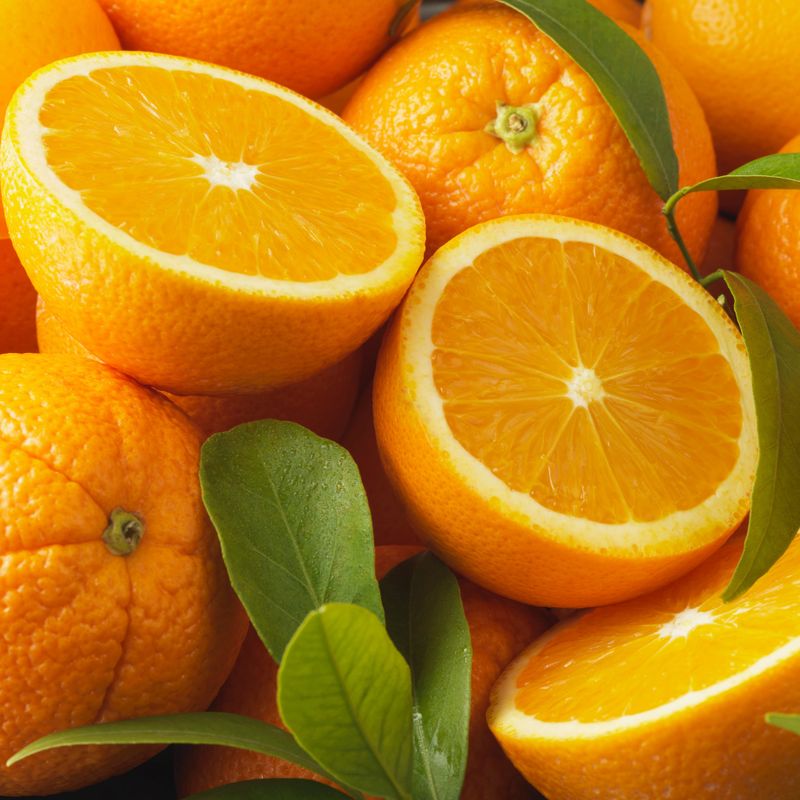
Oranges are famous for vitamin C, but their flavonoid content deserves just as much attention. Hesperidin, a flavonoid found abundantly in oranges, has been shown to lower blood pressure and reduce LDL cholesterol, two major risk factors for heart disease.
Some research also suggests hesperidin may protect brain cells from oxidative stress, which is linked to memory loss and Alzheimer's disease.
Eating whole oranges rather than drinking juice gives you more fiber along with those valuable flavonoids.
7. Green Tea
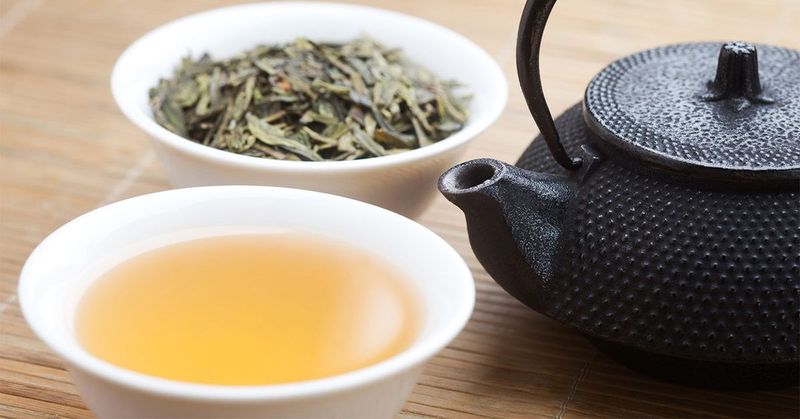
Sipped for thousands of years across Asia, green tea has earned its legendary reputation as a health-boosting drink. It is rich in a flavonoid called EGCG (epigallocatechin gallate), which is one of the most studied plant compounds for brain and heart protection.
EGCG helps reduce inflammation, lower bad cholesterol, and even protect neurons in the brain from damage.
Swapping one daily coffee for a cup of green tea is a small habit with surprisingly big health payoffs.
8. Apples
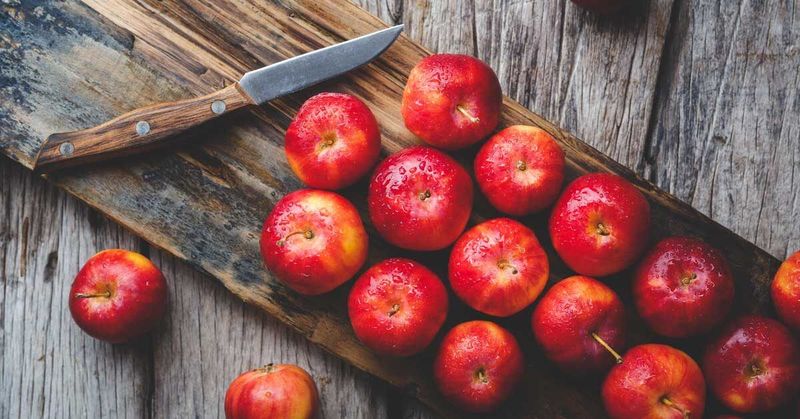
An apple a day might actually keep the doctor away, thanks to its impressive flavonoid profile. Apples contain quercetin, catechin, and chlorogenic acid, a trio of compounds that work together to reduce inflammation and protect heart tissue.
Quercetin in particular has been shown to cross the blood-brain barrier, meaning it can directly protect brain cells from damage and slow cognitive aging.
Always eat the skin, because that is where most of the flavonoids are concentrated.
9. Onions
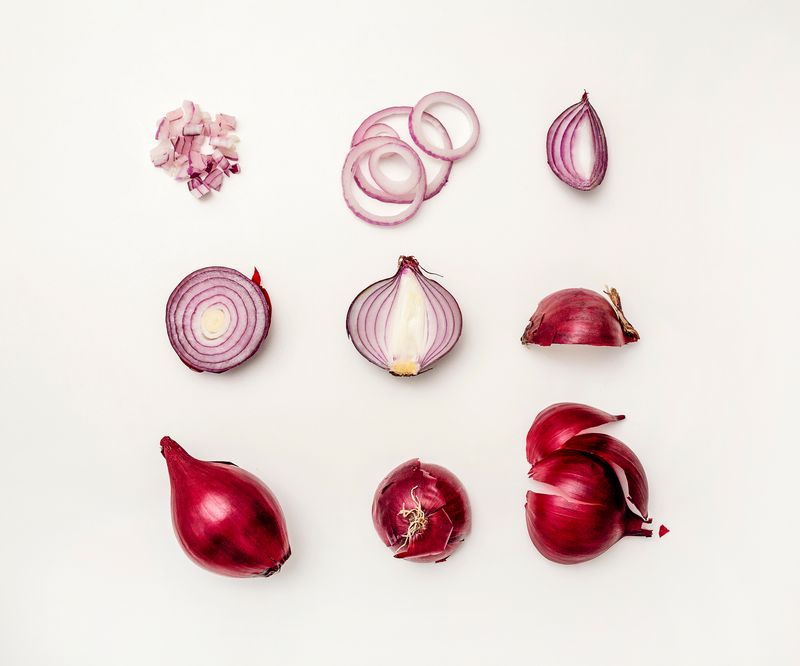
Onions might make you cry, but they are doing your heart and brain a real favor in the process. They are one of the richest dietary sources of quercetin, a flavonoid with strong anti-inflammatory and antioxidant effects that protect cardiovascular health.
Research also suggests quercetin may help prevent the buildup of amyloid plaques in the brain, which are associated with Alzheimer's disease.
Red and yellow onions tend to have the highest quercetin content compared to white varieties.
10. Spinach
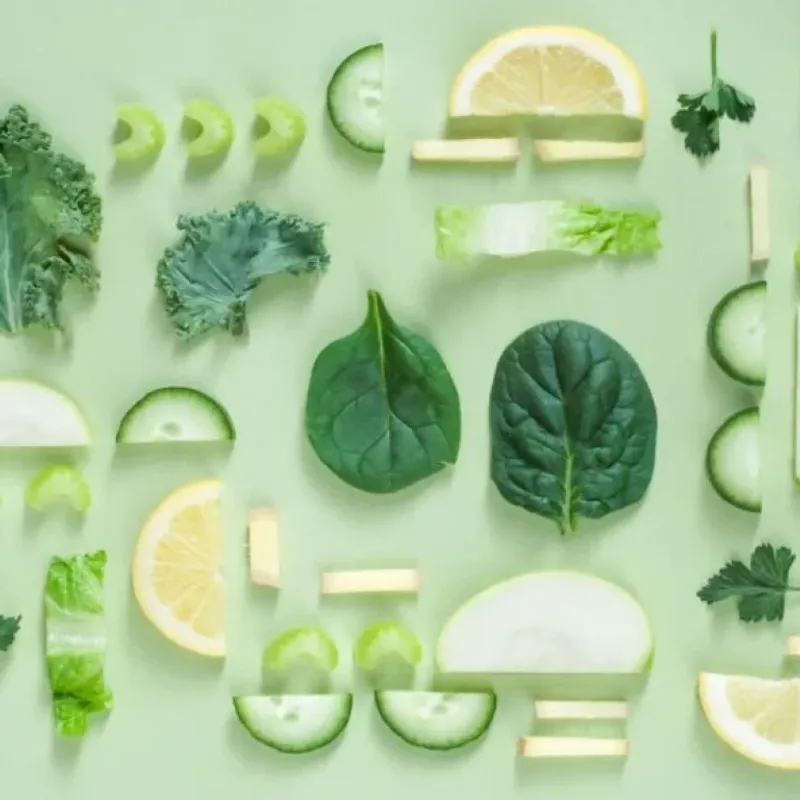
Popeye was onto something big when he reached for that can of spinach. Beyond its iron content, spinach is packed with flavonoids like luteolin and kaempferol that actively fight inflammation throughout the body and brain.
Luteolin has drawn special interest from neuroscientists because it appears to suppress brain inflammation, which is a key driver of depression, memory loss, and brain aging.
Raw spinach in salads or blended into smoothies keeps its flavonoid content intact and potent.
11. Black Beans
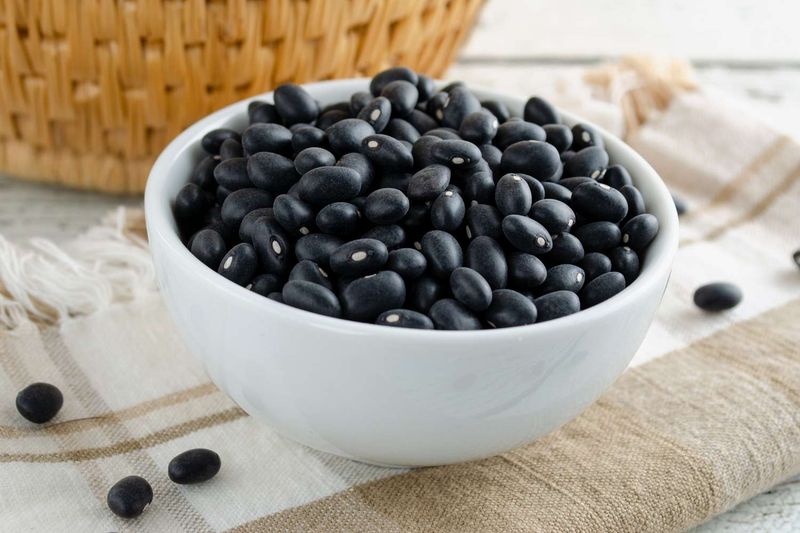
Black beans are one of the most underrated flavonoid-rich foods sitting quietly in your pantry. They contain anthocyanins, the same group of flavonoids found in blueberries, which give black beans their dark color and powerful antioxidant properties.
Eating beans regularly has been linked to lower cholesterol, better blood sugar control, and reduced risk of heart disease.
A cup of black beans a few times a week is an affordable, filling way to fuel both your brain and heart.
12. Cherries
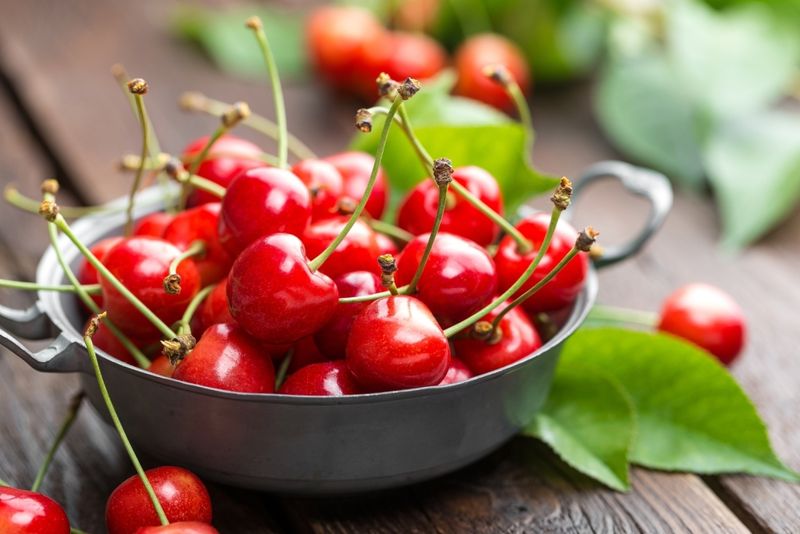
Cherries have a secret that goes far beyond their sweet summer flavor. Tart and sweet cherries alike are loaded with anthocyanins and quercetin, flavonoids that have been shown to reduce inflammation, lower blood pressure, and protect the heart from oxidative stress.
Athletes often drink tart cherry juice to recover faster from exercise, but the heart and brain benefits extend to everyone.
Fresh cherries, frozen cherries, or 100% cherry juice all deliver meaningful amounts of these protective flavonoids.
13. Broccoli
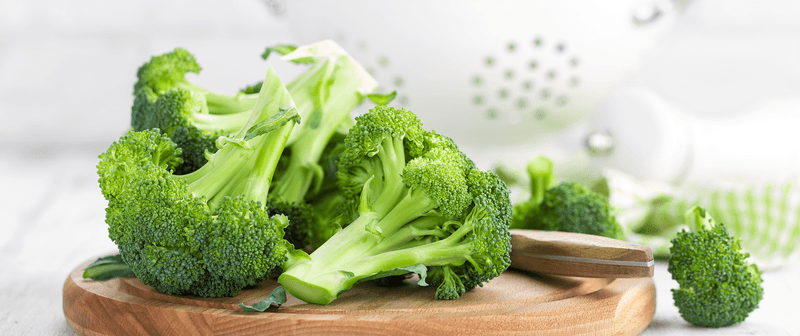
Broccoli is basically a multivitamin disguised as a vegetable, and its flavonoid content is a big reason why nutritionists love it. It contains kaempferol and quercetin, which work together to reduce inflammation and support healthy blood vessel function.
Kaempferol has also been studied for its potential to protect brain cells and reduce the risk of neurodegenerative diseases like Parkinson's.
Lightly steaming broccoli instead of boiling it preserves more of its valuable flavonoids and nutrients.
14. Grapes
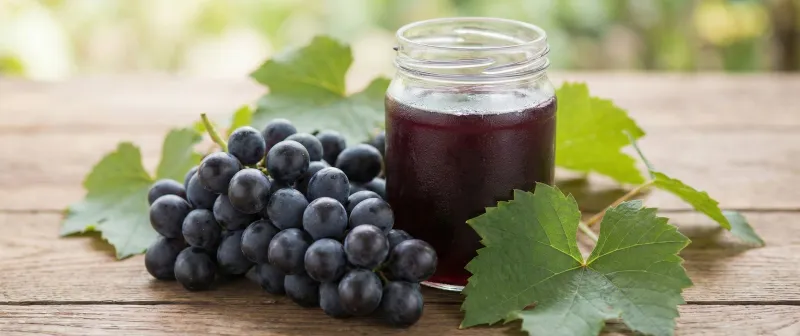
Grapes have been a symbol of health and abundance since ancient times, and modern science backs that reputation up. Red and purple grapes are especially rich in resveratrol and quercetin, flavonoids that help keep arteries flexible, reduce clotting risk, and lower inflammation throughout the body.
Some research suggests resveratrol may also protect against age-related memory decline by reducing oxidative stress in the brain.
Eating whole grapes with the skin on delivers far more flavonoids than grape juice or raisins.
15. Parsley
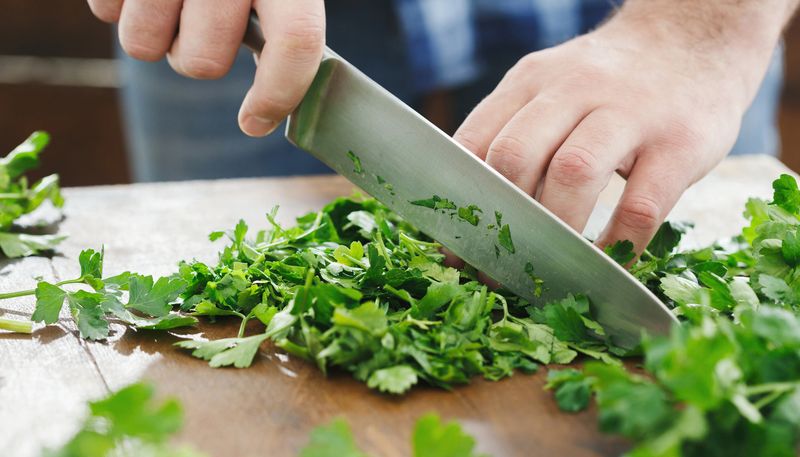
Most people treat parsley as a garnish, but this humble herb is actually one of the most concentrated sources of dietary flavonoids available. Parsley is exceptionally high in apigenin, a flavonoid that has been shown in lab studies to promote the growth of new brain cells and protect neurons from damage.
It also contains luteolin and myricetin, which support heart health by reducing inflammation and improving blood vessel function.
Chopping fresh parsley into salads, soups, or pasta is an easy way to unlock its remarkable benefits.




Comments
No Comments