













Many of the world's most beloved dishes carry names or reputations that point to the wrong country entirely. You might be surprised to learn that some foods you think of as deeply tied to a certain culture actually originated somewhere else.
Food history is full of tasty twists, surprising migrations, and delicious misconceptions. Get ready to rethink everything you thought you knew about your favorite meals.
1. French Fries Are Actually Belgian
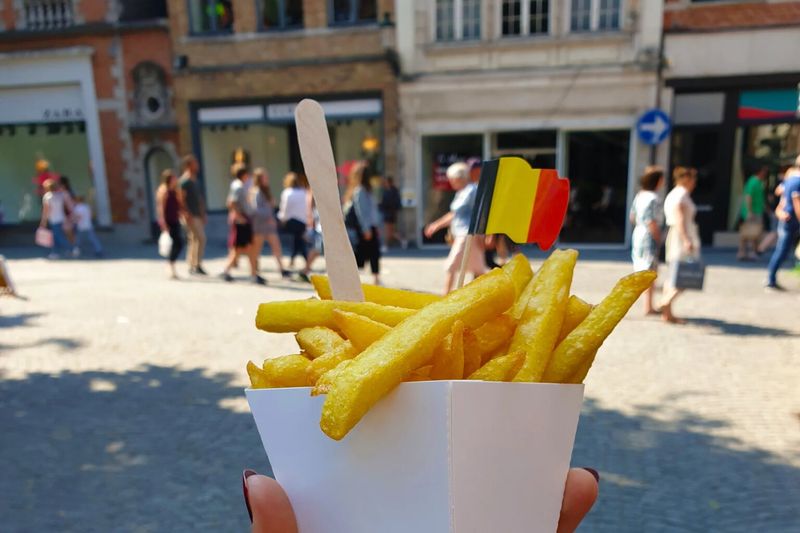
Believe it or not, French fries were almost certainly invented in Belgium, not France. Belgian villagers living near the Meuse River were frying potatoes as far back as the late 1600s.
The name "French" likely stuck because American soldiers during World War I heard Belgian soldiers speaking French and assumed the fries were French.
Belgium takes this history seriously. They even applied to UNESCO to protect their fry-making tradition as cultural heritage.
2. Croissants Were Born in Austria, Not France
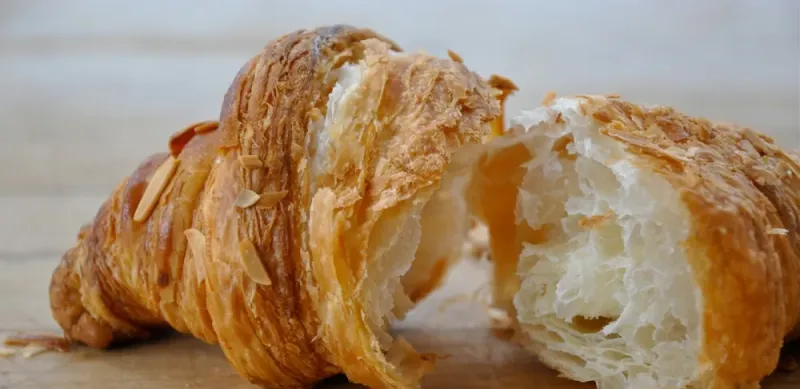
The croissant is practically a symbol of French breakfast culture, but its roots stretch back to Austria. The kipferl, a crescent-shaped pastry, was eaten in Vienna as early as the 13th century.
It traveled to France in the 1800s when an Austrian entrepreneur opened a Viennese bakery in Paris.
French bakers then added their signature buttery, layered technique, transforming it into the croissant we love today. Austria gets the credit for the concept.
3. Chicken Tikka Masala Is a British Invention
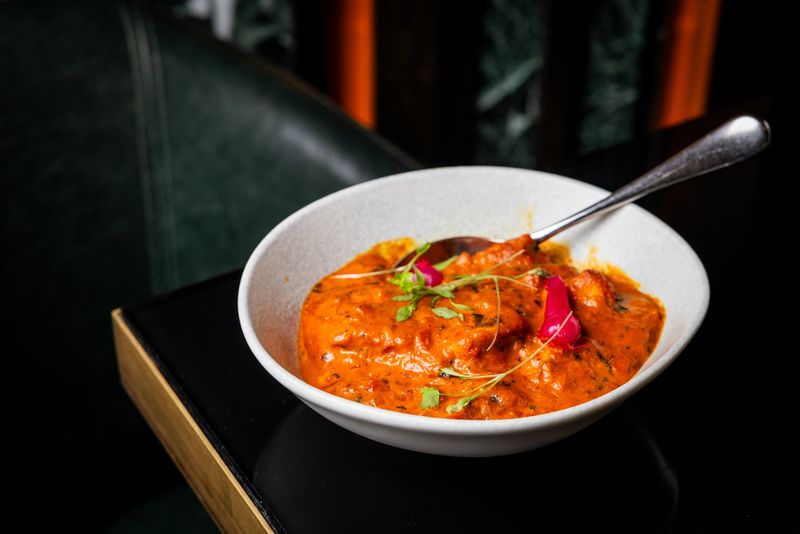
Chicken tikka masala is considered by many to be Britain's national dish, and that claim is more accurate than you might think. While tikka itself comes from South Asia, the creamy masala sauce was reportedly created in Glasgow, Scotland, in the 1970s.
A customer complained his chicken was too dry, so a chef improvised a tomato-cream sauce on the spot.
India gave the world the spices and the cooking style, but the full dish is proudly British.
4. Spaghetti and Meatballs Is an American Creation
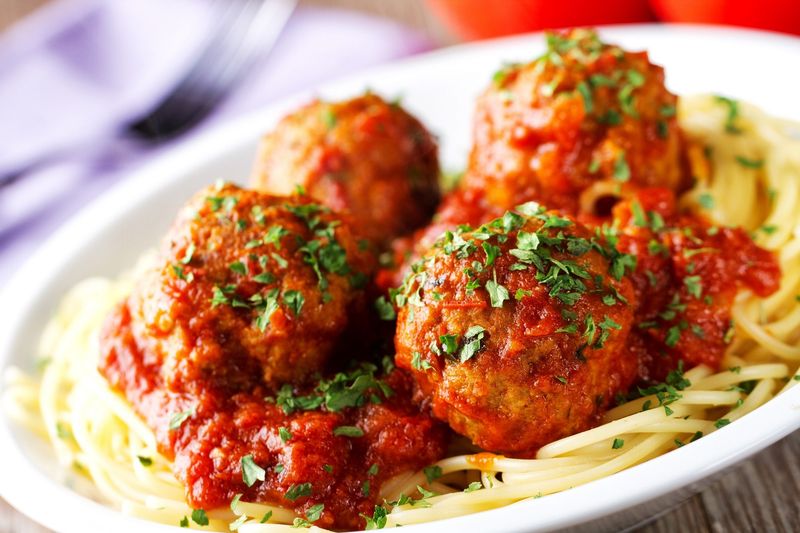
Ask anyone in Italy if they eat spaghetti and meatballs, and they will likely look confused. This iconic dish was created by Italian immigrants in the United States, who had more access to meat in America than they ever did back home.
They combined their pasta traditions with their newfound ability to eat meat regularly.
In Italy, pasta and meat are typically served as separate courses. This dish is a proud product of the Italian-American experience.
5. Fortune Cookies Are a Japanese-American Invention
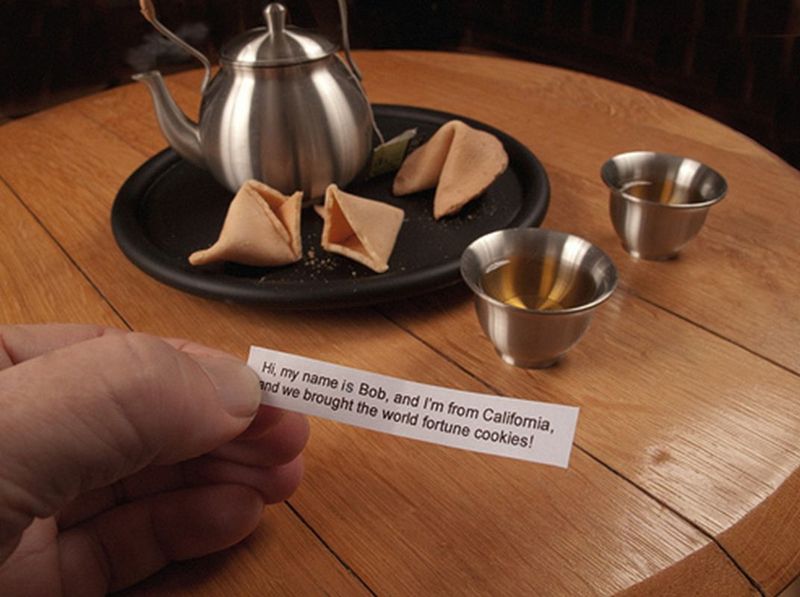
Fortune cookies are handed out at Chinese restaurants across America, but they actually have nothing to do with Chinese cuisine. Most food historians trace them back to Japanese immigrants in California in the early 1900s.
A similar cookie called tsujiura senbei was made at shrines in Kyoto long before American Chinese restaurants adopted the tradition.
Chinese immigrants later popularized fortune cookies in their restaurants, creating one of food history's biggest cases of mistaken identity.
6. Hummus Has Ancient Middle Eastern Roots, Not Just Greek
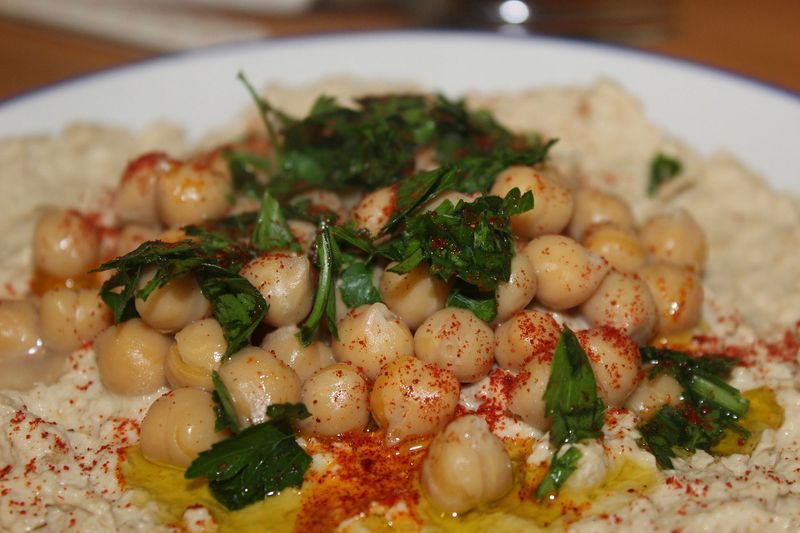
Hummus shows up on Greek restaurant menus so often that many people assume it is a Greek food. In reality, hummus has deep roots across the Middle East, with Egypt, Lebanon, Israel, and Syria all having long histories with the dish.
The word itself comes from Arabic, simply meaning chickpeas.
While Greece has its own delicious variations, the original recipe belongs to a much broader region. Calling it purely Greek is a bit like calling pizza just Neapolitan.
7. Chili Con Carne Is a Texan Dish, Not Mexican
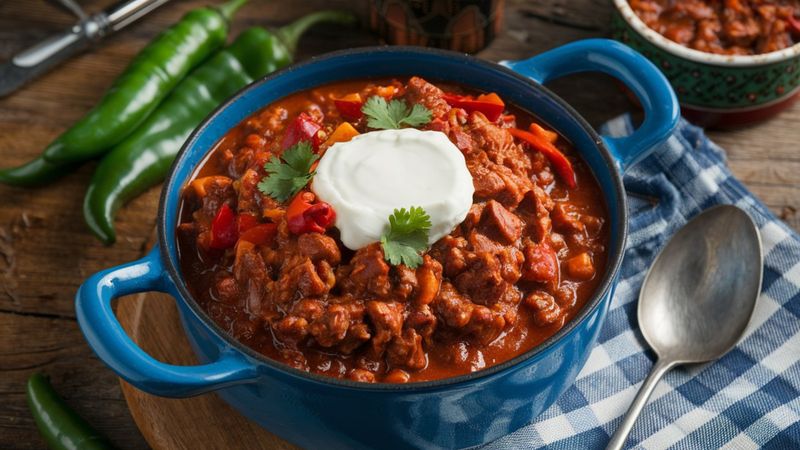
Chili con carne sounds like it came straight from Mexico, but Mexicans have long rejected it as part of their culinary tradition. The dish was developed in San Antonio, Texas, in the 19th century, likely by working-class women known as "Chili Queens" who sold spiced meat stew in the city plaza.
Mexican food historians have openly stated that chili con carne is not Mexican food. It is deeply, proudly Texan, born from a unique blend of frontier ingredients and bold flavors.
8. Pasta Was Not Invented in Italy
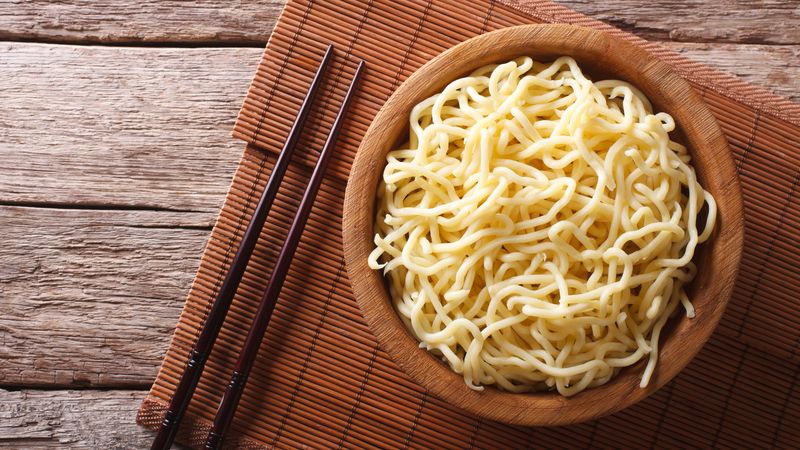
Here is a food myth that has been debated for centuries. Pasta likely originated in China, where noodles were being eaten as far back as 4,000 years ago.
While the story of Marco Polo bringing pasta from China to Italy is mostly legend, it is true that noodle-making traditions existed across Asia long before Italy became pasta-famous.
Arab traders are actually thought to have introduced dried pasta to Sicily around the 12th century, giving Italy the raw ingredient for its culinary legacy.
9. Ceviche Has Peruvian Roots, Not Mexican
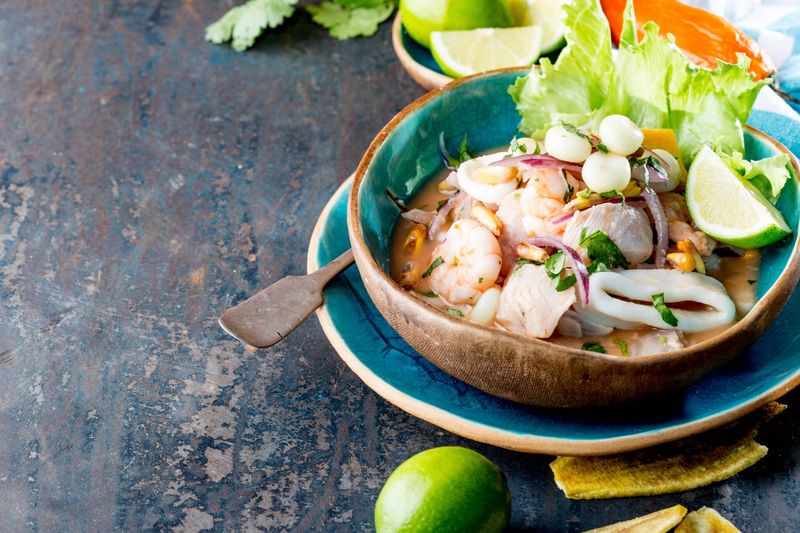
Ceviche is wildly popular in Mexico, but Peru is its true homeland. Ancient Peruvian civilizations were marinating fish in fermented juice from tumbo fruit thousands of years ago, long before limes arrived with Spanish colonizers.
Peru is so proud of ceviche that it declared it a national heritage dish in 2004.
Mexican ceviche is delicious in its own right, but when it comes to origin, Peru holds the title. The two versions have evolved into distinctly different culinary experiences.
10. Donuts Are Dutch, Not American
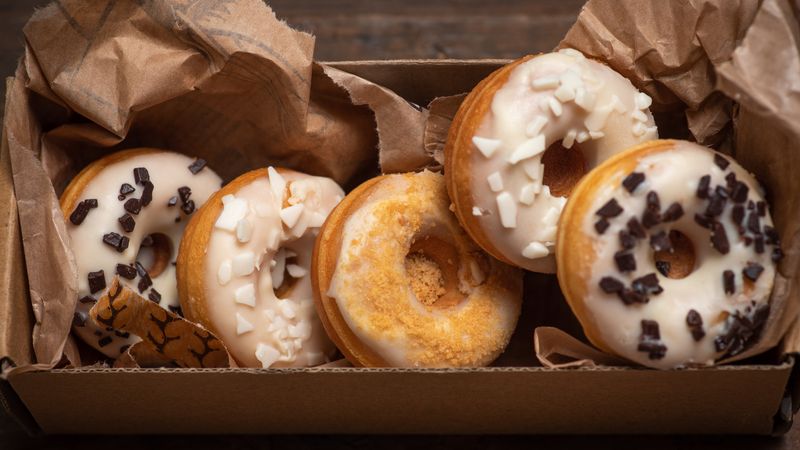
America has fully claimed the donut as its own, but Dutch settlers brought the concept over in the 1800s. Their "olykoeks," meaning oily cakes, were deep-fried dough balls filled with fruit or nuts.
Washington Irving even mentioned them in his 1809 writings about Dutch New York culture.
The ring shape we know today was likely an American innovation, possibly credited to a Maine sailor. So while America perfected the donut, the Dutch deserve the original credit.
11. Ketchup Has Chinese Origins, Not American
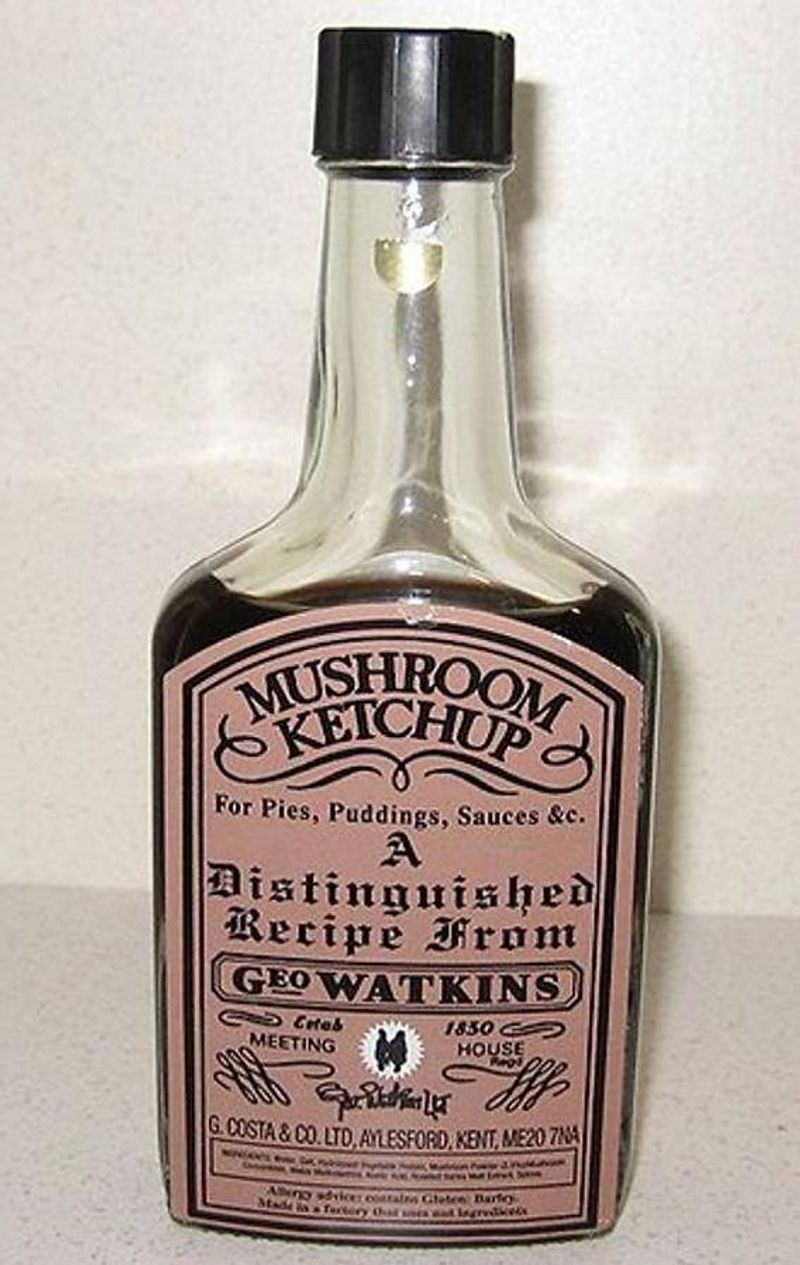
Ketchup feels as American as baseball, but its origins are surprisingly East Asian. The word comes from the Hokkien Chinese term "ke-tsiap," a fermented fish sauce used in cooking.
British traders discovered it in Southeast Asia in the 1600s and brought it back to Europe, where it evolved into various fruit and vegetable-based sauces.
Tomato ketchup became the standard version in America during the 1800s. The tomato twist is American, but the concept of ketchup traveled a very long way first.
12. Nachos Were Invented in Mexico, But Not for Mexicans
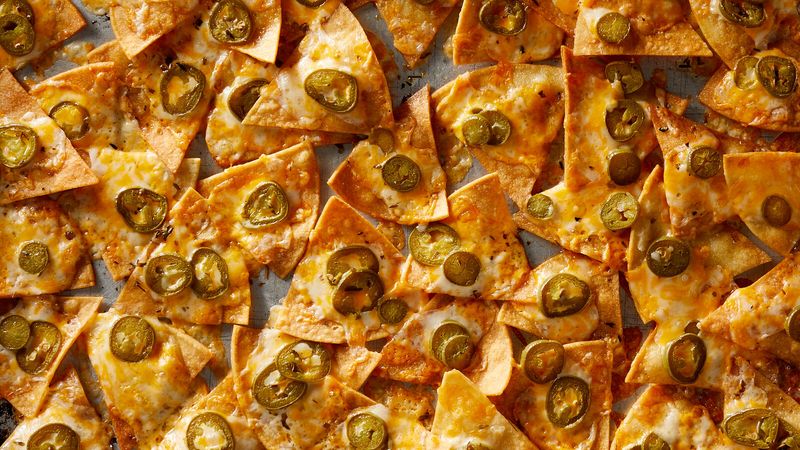
Nachos were actually invented in 1943 by a Mexican maitre d' named Ignacio "Nacho" Anaya in the border town of Piedras Negras. A group of American military wives arrived at his restaurant after hours, so he quickly threw together tortilla chips with cheese and jalapenos from whatever was in the kitchen.
The dish was literally named after him. While nachos were born in Mexico, they were created specifically for American guests, making them a delicious bridge between two cultures.
13. Apple Pie Is Not Truly American
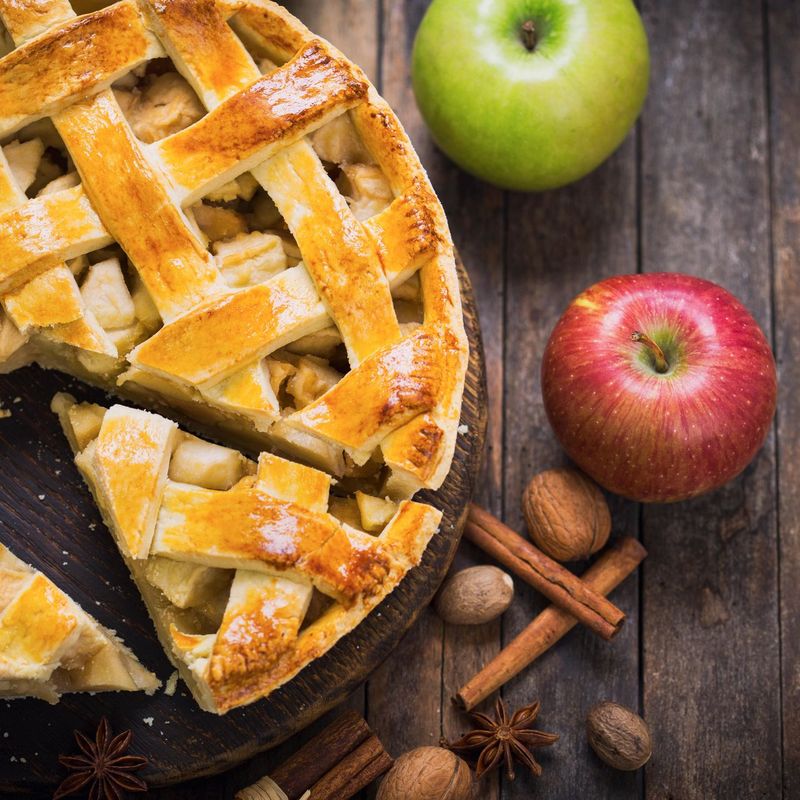
"As American as apple pie" is one of the most famous phrases in the English language, but apple pie recipes appeared in England as far back as 1381. Apples themselves are not native to North America either.
They were brought over by European colonizers, and the pie tradition came along with them.
Even the Dutch and Swedes have strong apple pie traditions that predate American versions. America made apple pie iconic, but the recipe is thoroughly European in origin.
14. Caesar Salad Is Mexican, Not Roman
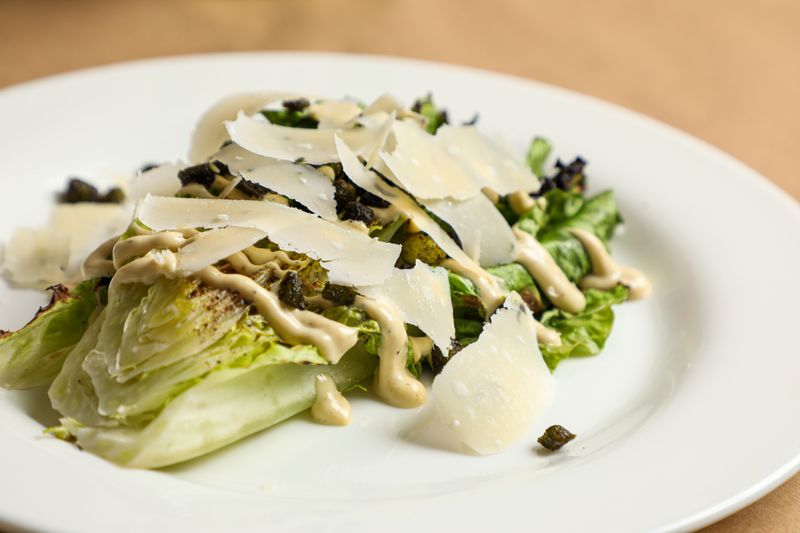
With a name like Caesar, most people assume this salad has ancient Roman or Italian roots. Surprisingly, it was invented in Tijuana, Mexico, in 1924 by an Italian-American restaurateur named Caesar Cardini.
He reportedly threw the salad together on a busy Fourth of July weekend when his kitchen was running low on supplies.
The salad became famous when Hollywood celebrities visiting Tijuana brought the recipe back to Los Angeles. Its name is Roman, but its birthplace is entirely Mexican.
15. Pineapple on Pizza Was Invented in Canada
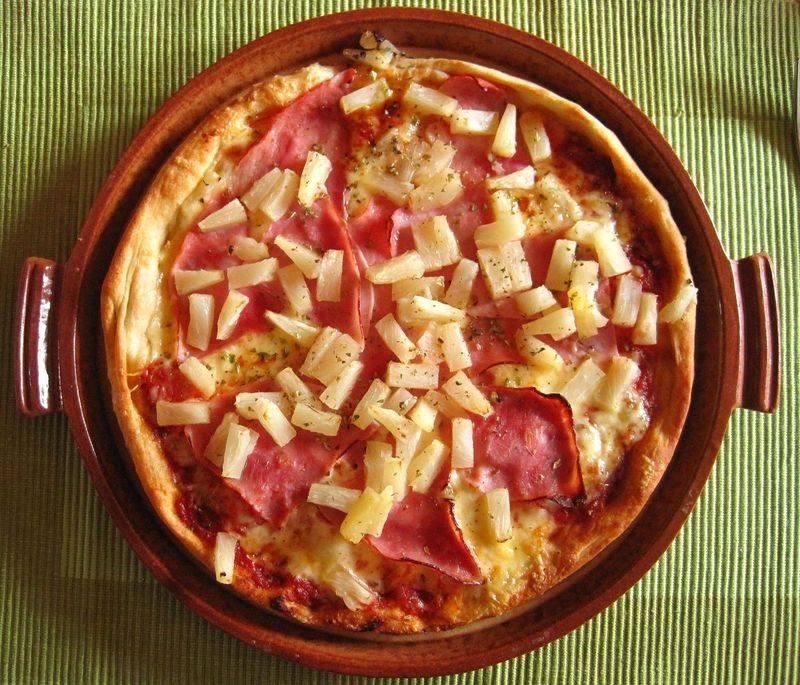
Hawaiian pizza, topped with pineapple and ham, sounds like it should come from Hawaii. But it was actually created in 1962 by a Greek-Canadian restaurateur named Sam Panopoulos in Chatham, Ontario.
He added canned pineapple to a pizza on a whim, inspired by the sweet-and-savory combinations he had seen in Chinese-American cooking.
Hawaii had nothing to do with it. The name likely came from the brand of canned pineapple Panopoulos used.
Canada quietly started the world's most debated pizza topping.
Comments
No Comments