













Salt is sneaking into British diets in ways most people never expect. Many everyday foods that seem perfectly healthy are actually loaded with hidden sodium, quietly pushing intake well beyond the recommended daily limit of 6 grams for adults.
Too much sodium raises blood pressure and increases the risk of heart disease and stroke. Knowing which foods are the biggest culprits can help you make smarter choices at the supermarket and in the kitchen.
1. Bread and Toast
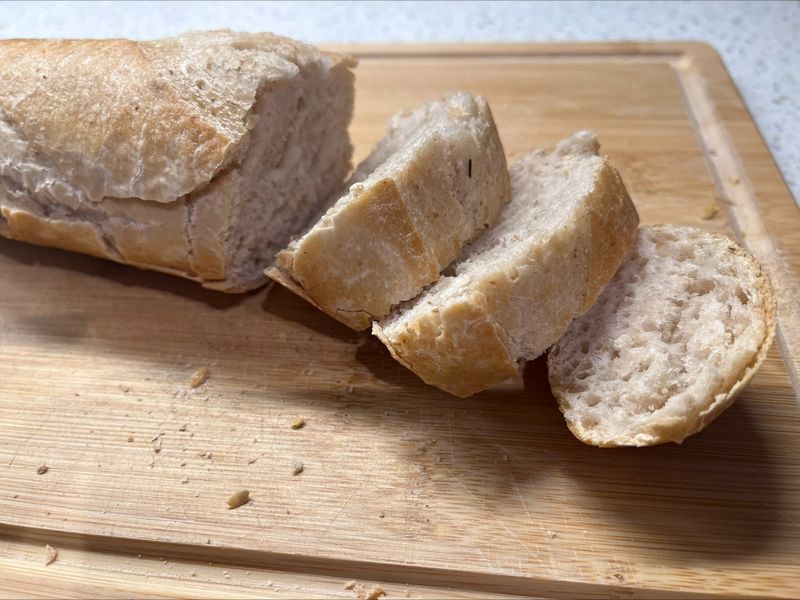
Most people never think twice about their morning toast, but a couple of slices of everyday bread can contain up to 400mg of sodium before you even add butter or spread. Bread is actually the single biggest source of salt in the average British diet.
Switching to lower-sodium loaves or limiting portion sizes can make a real difference. Always check the nutrition label, since salt content varies widely between brands.
2. Bacon and Processed Meats
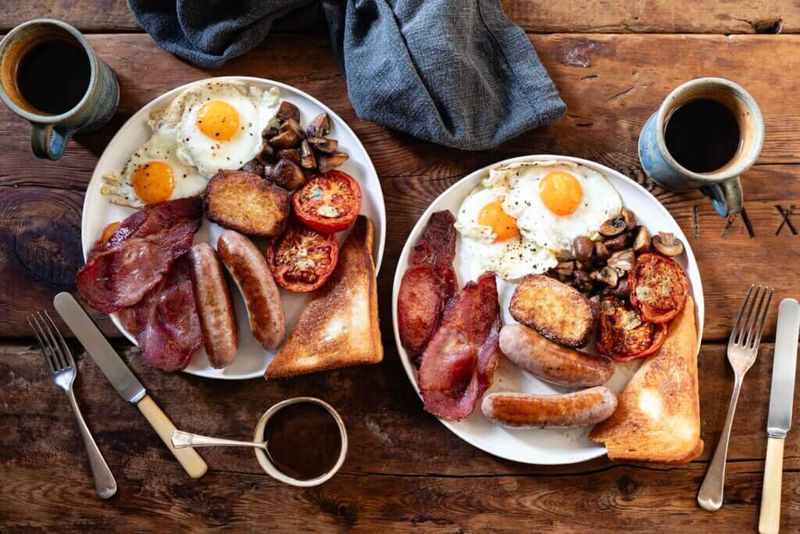
A full English breakfast feels like a weekend treat, but three rashers of bacon alone can deliver nearly 1,500mg of sodium straight to your plate. Processed meats like sausages, salami, and ham are cured with salt to extend their shelf life, making them sodium bombs in disguise.
Enjoying these occasionally rather than daily is a practical step. Grilling instead of frying also helps reduce overall fat alongside the salt hit.
3. Canned Soups
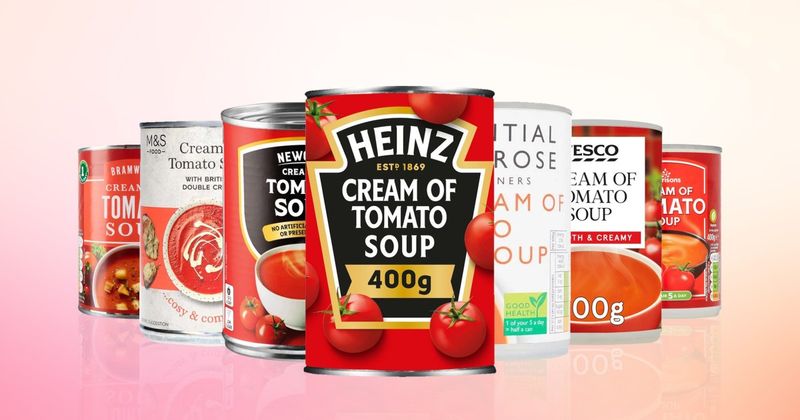
Grab a can of tomato or chicken soup on a cold afternoon and you might be consuming over 1,000mg of sodium in a single serving. Manufacturers rely heavily on salt to enhance flavour and extend shelf life, meaning even soups marketed as wholesome can be sodium-heavy.
Look for reduced-salt versions on supermarket shelves. Better yet, homemade soup lets you control exactly how much salt goes in, with no surprises hiding in the label.
4. Cheese
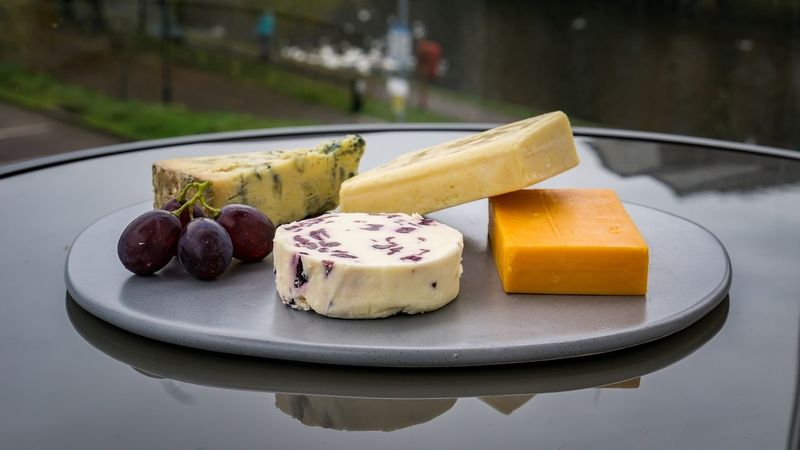
Cheese is a beloved staple across Britain, but many varieties pack a serious sodium punch. A 40g portion of cheddar, for example, contains around 280mg of sodium, and most people eat considerably more than that in one sitting.
Hard cheeses tend to be saltier than softer varieties. Swapping to mozzarella or ricotta occasionally can reduce your sodium intake without giving up the creamy satisfaction cheese lovers crave.
5. Baked Beans
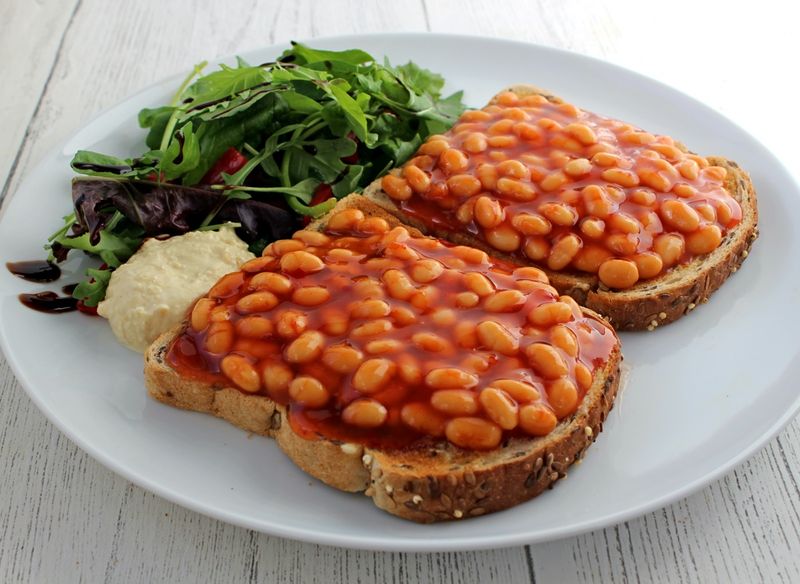
Baked beans on toast is practically a British institution, but a standard 200g serving of tinned baked beans contains roughly 1,000mg of sodium. Most of that salt sits in the tomato sauce surrounding the beans rather than in the beans themselves.
Reduced-salt versions are widely available and taste almost identical to the original. Rinsing beans before heating can also wash away a surprising amount of the sodium hiding in the sauce.
6. Ready Meals
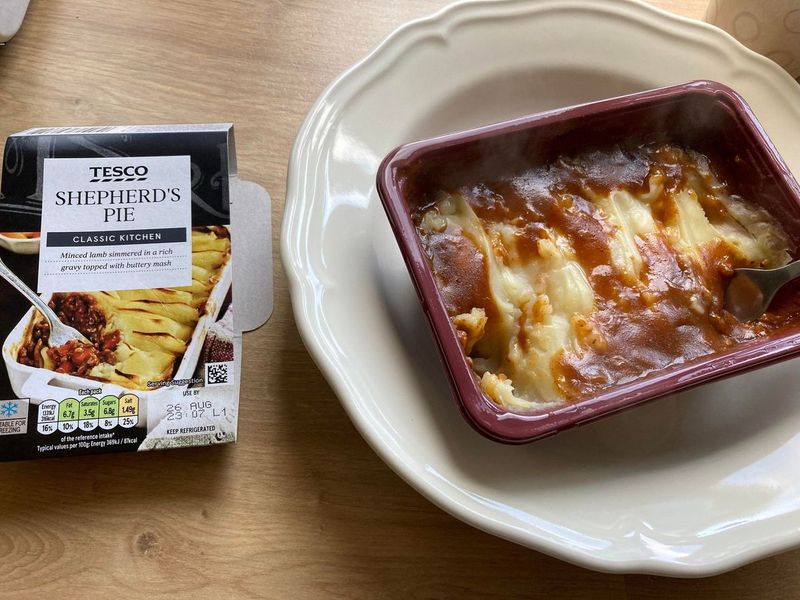
Convenience comes at a cost. A single supermarket ready meal, whether it is a lasagne, curry, or cottage pie, can easily contain between 1,500mg and 2,500mg of sodium, which is more than a third of the recommended daily intake in one go.
Ready meals are designed for flavour and shelf stability, and salt is a key tool for both. Cooking from scratch even a few nights a week can dramatically cut your weekly sodium total.
7. Breakfast Cereals
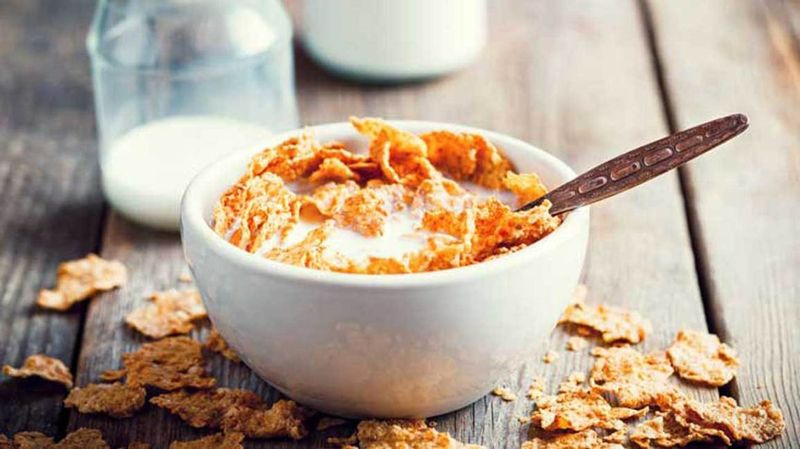
Cereals do not taste salty, which is exactly why so many people are shocked to find them on sodium watchlists. Some popular brands contain up to 500mg of sodium per 100g, rivalling the saltiness of crisps gram for gram.
Porridge oats with no added salt remain one of the lowest-sodium breakfast choices available. Checking the traffic light labels on cereal boxes each morning is a quick habit that can save you from a hidden sodium overload before the day even starts.
8. Takeaway Pizza
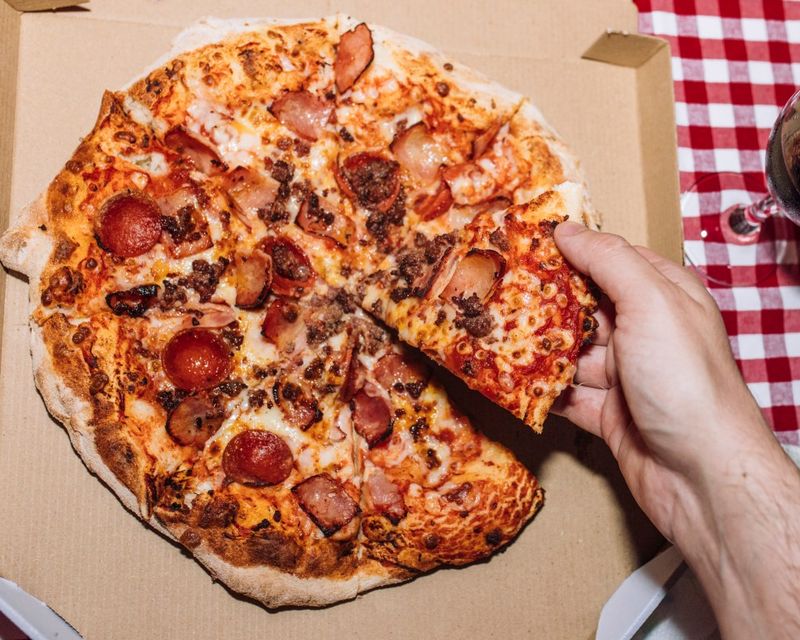
Friday night pizza is a ritual for millions of British households, but a couple of slices from a popular takeaway chain can easily deliver 2,000mg of sodium or more. The dough, sauce, cheese, and processed meat toppings all contribute salt, and it stacks up fast.
Opting for vegetable toppings over pepperoni or extra cheese is one easy swap. Sharing a pizza rather than finishing one solo also naturally keeps your sodium intake in check.
9. Soy Sauce and Condiments
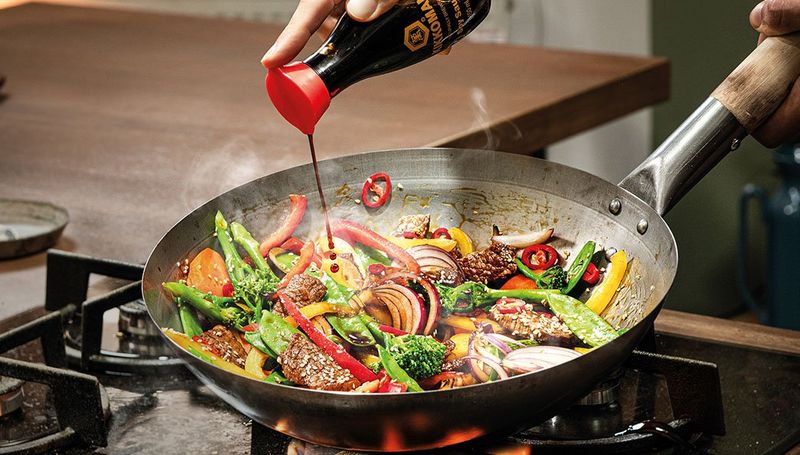
Just one tablespoon of soy sauce contains around 900mg of sodium, which is a startling amount for something used as a simple seasoning splash. Ketchup, brown sauce, and Worcestershire sauce also contribute meaningfully to daily sodium totals when used generously.
Low-sodium soy sauce cuts the salt by nearly half without losing much flavour. Being mindful of how freely condiments are poured can make a bigger difference to your daily intake than cutting out any single meal.
10. Crisps and Salted Snacks
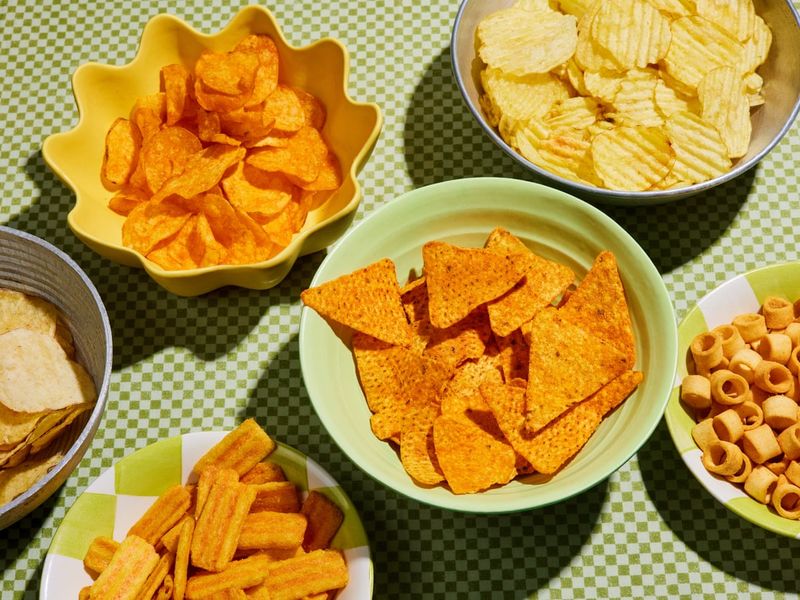
Britain has one of the highest crisp consumption rates in Europe, and the average standard bag of salted crisps contains around 500mg of sodium. Multipack snacking through an evening can push that figure well beyond a safe daily level without anyone noticing.
Rice cakes, unsalted nuts, and vegetable sticks are genuinely satisfying alternatives. If crisps are a daily habit, simply switching to a smaller bag size rather than a sharing bag is a surprisingly effective first step.
11. Stock Cubes and Gravy Granules
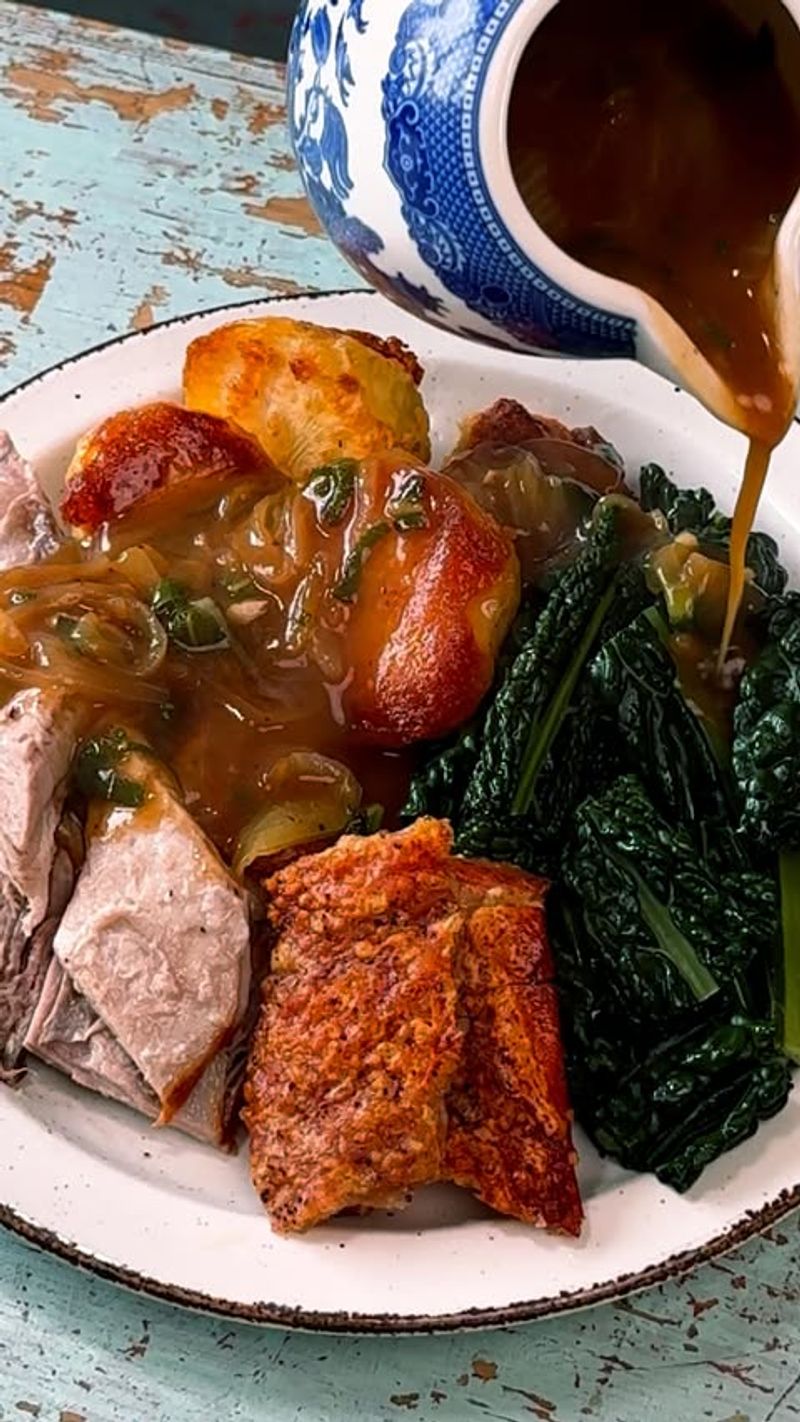
Stock cubes are kitchen essentials across Britain, but a single cube dissolved in water can contain up to 1,000mg of sodium before any other ingredient is added. Gravy granules are similarly loaded, making Sunday roasts and midweek casseroles quietly high in salt.
Reduced-salt stock cubes are now sold in most major supermarkets and perform just as well in cooking. Using fresh herbs and spices to build flavour reduces the temptation to reach for an extra cube.
12. Smoked and Cured Fish
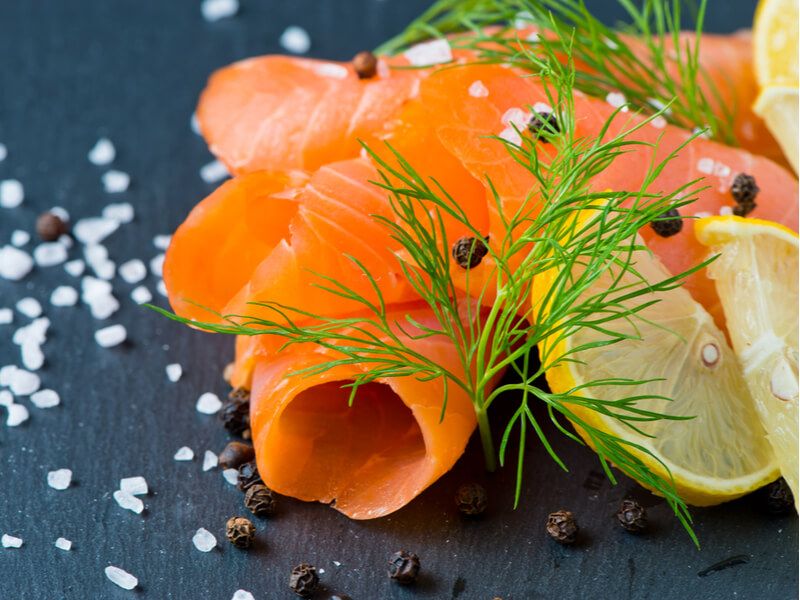
Smoked salmon might look elegant on a bagel, but a 100g serving delivers approximately 1,200mg of sodium. Smoked mackerel, kippers, and rollmops are equally salty, as the curing and smoking processes both rely on generous amounts of salt for preservation and flavour.
Fresh or frozen fish is a much lower-sodium alternative that still delivers all the omega-3 benefits. Enjoying smoked fish as an occasional treat rather than a daily staple keeps sodium levels far more manageable.
13. Packet Sauces and Cooking Mixes
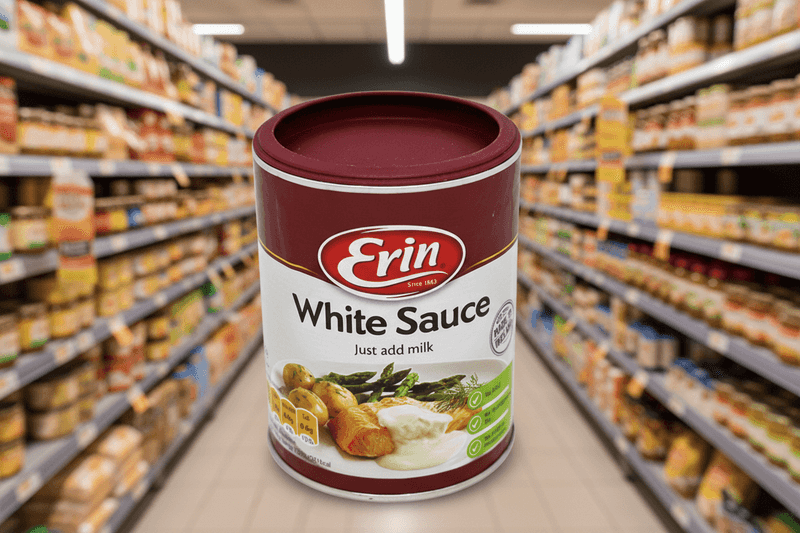
Cooking a stir-fry or a pasta bake feels healthy enough, but reaching for a packet sauce can add well over 1,000mg of sodium to a dish that otherwise would have been quite balanced. Many cooking mixes are also surprisingly high in salt even when the finished dish does not taste particularly salty.
Making simple sauces from scratch using tinned tomatoes, garlic, and herbs is quicker than most people think. It also gives complete control over every ingredient that ends up on the plate.
14. Pickles and Olives
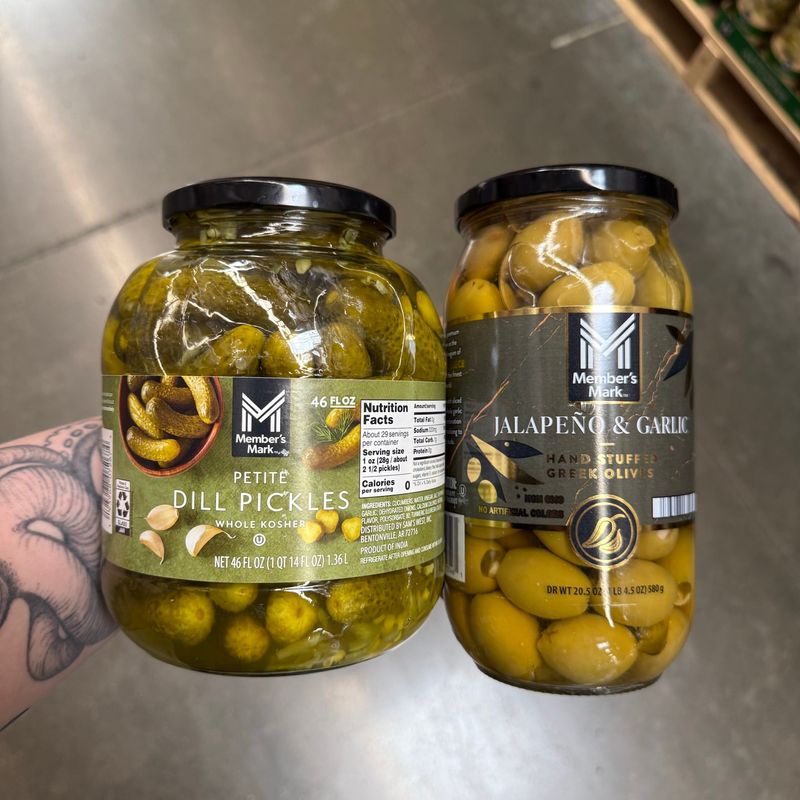
Pickles, gherkins, and olives are preserved in brine, which means sodium is absolutely central to their production. Just five olives can contribute around 350mg of sodium, and a small portion of pickled onions can push that figure even higher without feeling like a substantial snack.
Rinsing olives and pickles under cold water before eating genuinely reduces their sodium content. Treating them as a small garnish rather than a side dish is another easy way to enjoy the flavour without overdoing the salt.
15. Fast Food Burgers and Chips
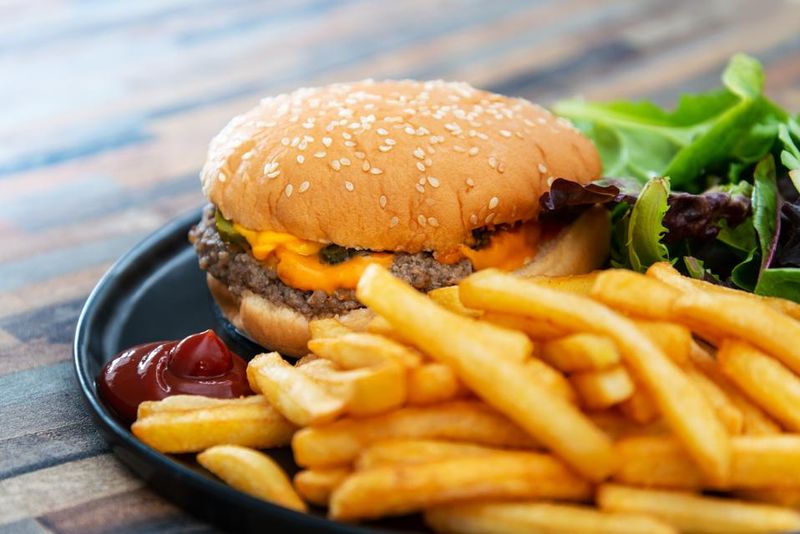
A meal deal from a popular British fast food chain, burger plus large chips plus sauce, can easily surpass 2,500mg of sodium in one sitting. Chips are salted during cooking and often at the counter too, doubling the sodium hit before you even take a bite of the burger.
Asking for no added salt on chips is a simple request that most fast food outlets will happily honour. Swapping regular chips for a side salad occasionally takes a big chunk out of your sodium total.




Comments
No Comments