













Your skin, joints, and bones all depend on collagen, a protein that keeps everything strong and flexible. As you get older, your body makes less of it, which can lead to wrinkles, stiff joints, and weaker bones.
The good news is that you do not need expensive supplements to help your body produce more collagen. These 15 everyday foods can naturally support collagen production and keep you feeling your best.
1. Bone Breath
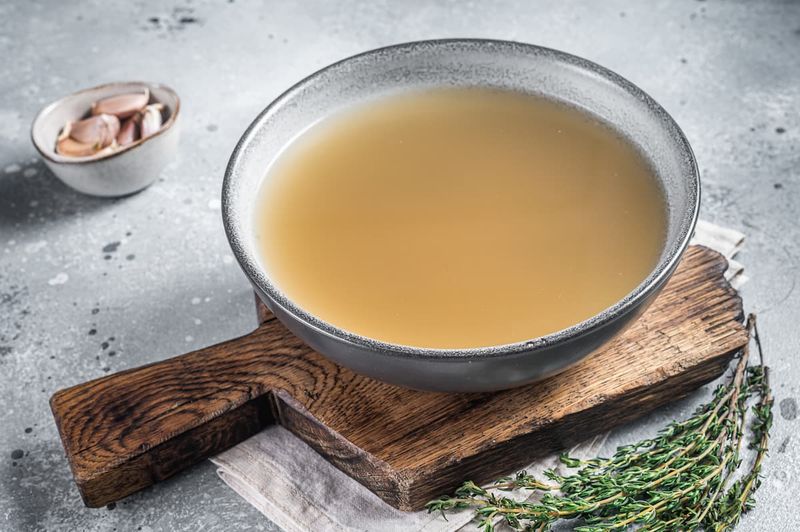
Long before collagen supplements hit store shelves, grandmothers around the world were simmering bones into rich, healing broth. When animal bones cook low and slow, they release collagen, gelatin, and amino acids like glycine and proline directly into the liquid.
These are the exact building blocks your body needs to repair and produce new collagen. Just one or two cups a day can make a noticeable difference.
Try sipping it plain or using it as a base for soups and stews.
2. Egg Whites
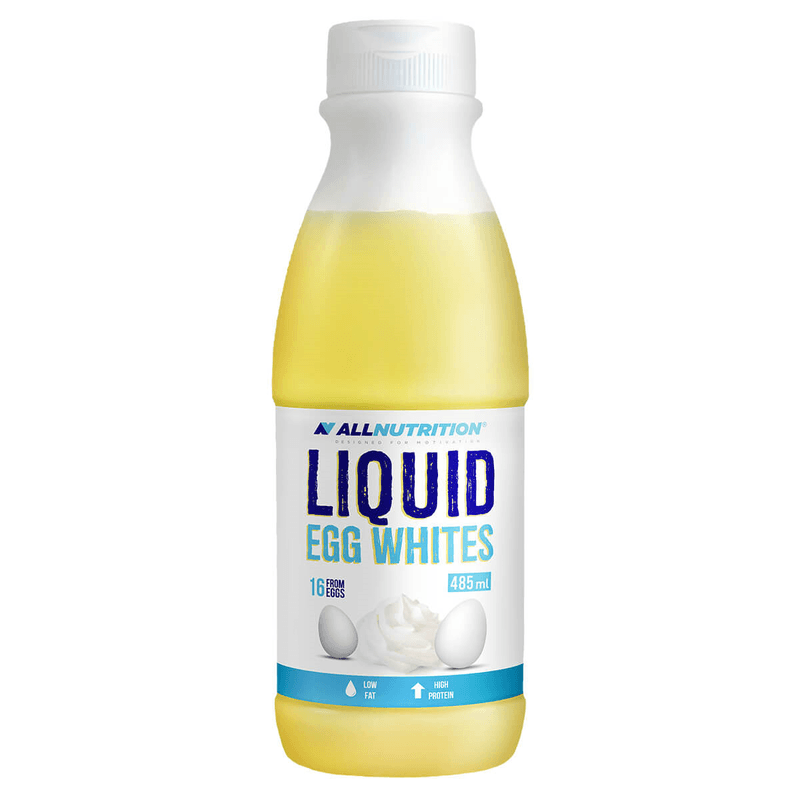
Did you know the humble egg white is packed with proline, one of the most critical amino acids for collagen synthesis? Many people toss the yolk and keep the white for protein, but the collagen benefits alone make egg whites worth eating regularly.
They are low in calories, easy to cook, and incredibly versatile. Add them to omelettes, smoothies, or baked goods.
Your skin and joints will thank you for making eggs a daily habit.
3. Citrus Fruits

Nothing wakes up your morning quite like the sharp, refreshing burst of a fresh orange or grapefruit. Beyond the great taste, citrus fruits are loaded with vitamin C, which plays a starring role in collagen production.
Without enough vitamin C, your body simply cannot build collagen properly, no matter what else you eat. One medium orange provides nearly all the vitamin C you need in a day.
Keep a bowl of citrus on your counter as a simple daily reminder.
4. Berries Blueberries Strawberries Raspberries
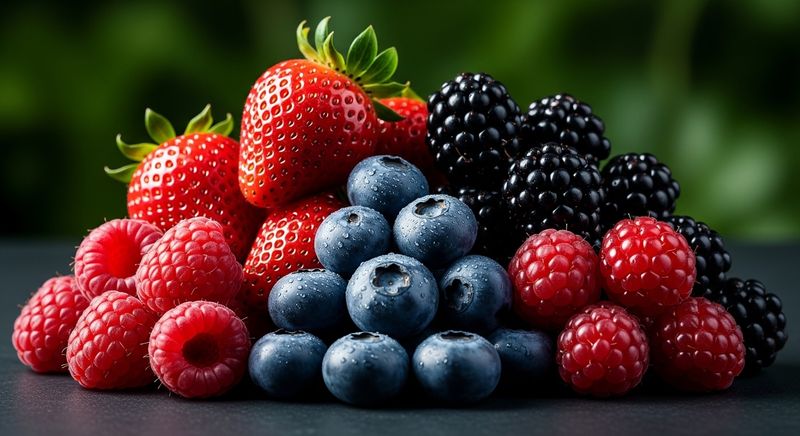
Small but mighty, berries punch way above their weight when it comes to collagen support. They are rich in vitamin C and powerful antioxidants that protect existing collagen from breaking down due to sun exposure, stress, and pollution.
Think of antioxidants as a shield for the collagen you already have. Add a handful of berries to your morning yogurt, oatmeal, or smoothie.
Their natural sweetness makes healthy eating feel like a treat rather than a chore.
5. Leafy Greens Spinach Kale
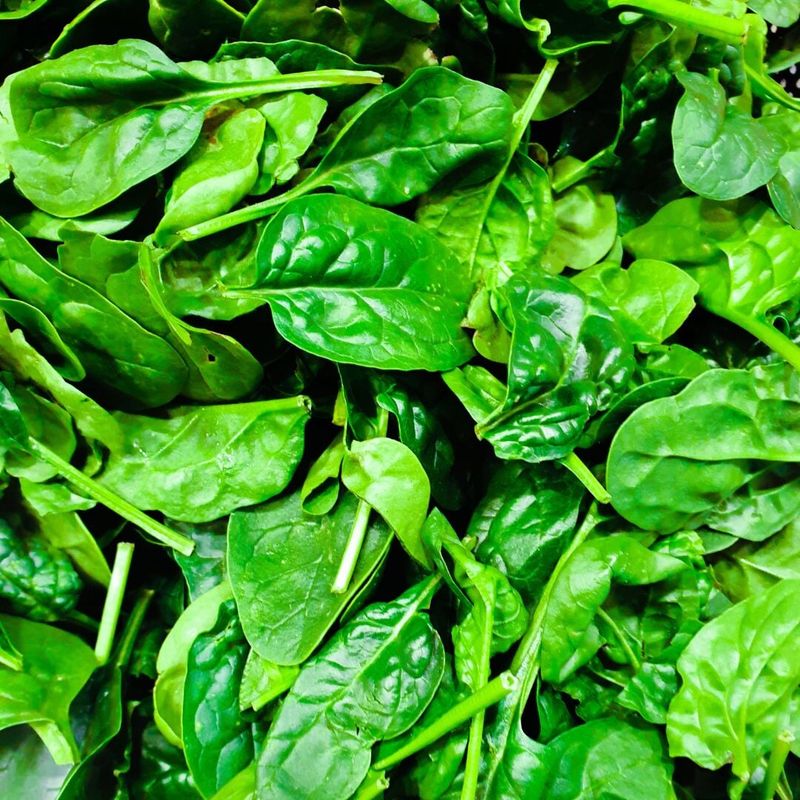
Green vegetables might not sound exciting, but spinach and kale are two of the most powerful collagen-supporting foods you can eat. They contain chlorophyll, which studies suggest may increase the precursor to collagen in the skin.
They are also packed with vitamin C, vitamin E, and antioxidants that work together to protect your skin from damage. Try tossing a handful of spinach into pasta, eggs, or smoothies.
You barely taste it, but your body absolutely feels the difference.
6. Garlic Allium
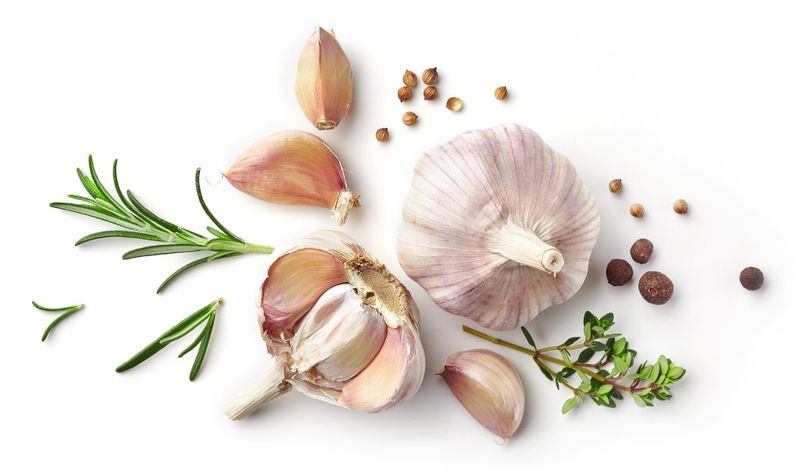
Here is something surprising: garlic does far more than flavor your pasta. It contains sulfur, a mineral your body needs to synthesize and prevent the breakdown of collagen in the skin and connective tissues.
Without enough sulfur, collagen production slows down significantly. The good news is that garlic is one of the easiest ingredients to work into almost any savory dish.
Even a small amount added to your daily cooking can contribute meaningfully to your body's collagen-making process over time.
7. Fish Salmon Tuna

Fish like salmon and tuna are among the richest natural sources of the amino acids glycine and proline, which are the core building blocks of collagen. Marine collagen, found in the skin and scales of fish, is also the most bioavailable form, meaning your body absorbs it most efficiently.
Beyond collagen support, fatty fish deliver omega-3s that reduce inflammation and keep skin hydrated and plump. Try to include fish in your meals at least two or three times per week.
8. Tropical Fruits Mango Kiwi
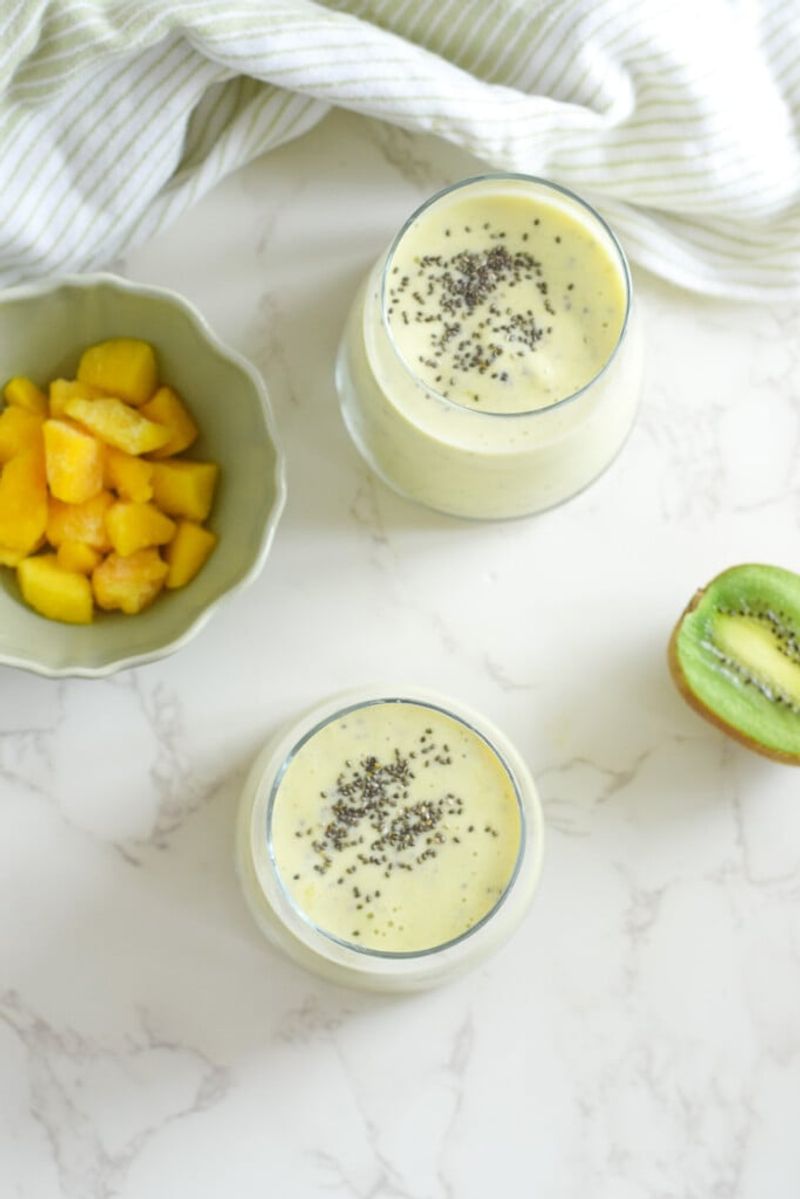
When you bite into a ripe mango or bright green kiwi, you are getting a serious vitamin C boost that your skin absolutely loves. Both fruits are loaded with this essential nutrient, which signals your body to ramp up collagen production.
Studies show that kiwi in particular has one of the highest vitamin C concentrations of any fruit, even beating out oranges. Keep frozen mango chunks in the freezer for quick smoothies, or slice fresh kiwi for a colorful snack.
9. Bell Peppers Red

Red bell peppers might just be the most underrated collagen-boosting food in the produce aisle. One cup of raw red bell pepper contains more than twice the vitamin C of an orange, making it one of the most concentrated plant sources available.
They also contain capsaicin, a compound that reduces inflammation and slows skin aging. Raw slices with hummus, stuffed with grains and protein, or roasted in the ovenred bell peppers are delicious no matter how you prepare them.
10. TomatoesLycopene

There is a reason Mediterranean diets, known for producing healthy glowing skin, feature tomatoes in almost every meal. Rich in lycopene, a potent antioxidant, tomatoes protect the skin from UV damage that breaks down collagen over time.
Research suggests that cooking tomatoes actually increases lycopene absorption, so tomato paste and cooked sauces are especially powerful. Whether fresh in a salad or slow-cooked in a rich sauce, tomatoes are a delicious daily habit worth building into your routine.
11. Beans Pulses
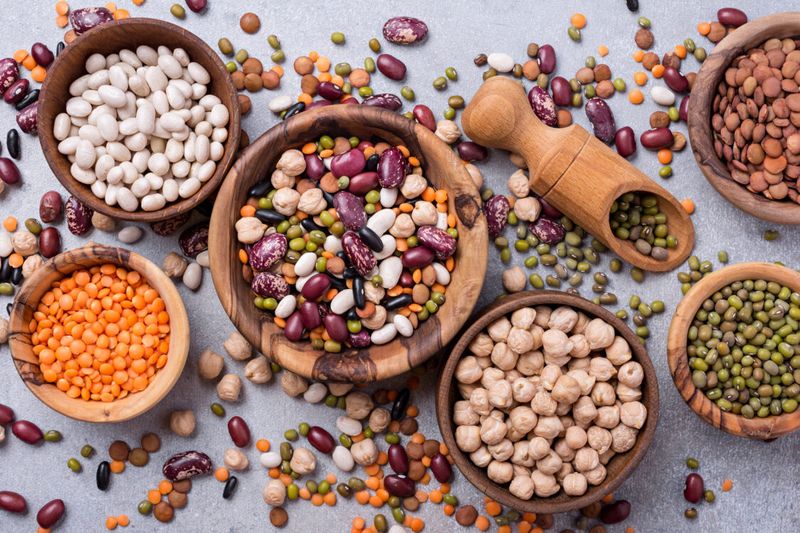
Budget-friendly and endlessly versatile, beans are a plant-based powerhouse for collagen production. They are loaded with amino acids, particularly lysine and glycine, which your body uses directly to build and repair collagen fibers throughout the body.
Many people do not realize that plant-based diets can absolutely support strong collagen levels when beans are included regularly. Add them to soups, tacos, grain bowls, or salads.
A half cup a day is all it takes to make a real impact on your skin and joint health.
12. Nuts Almonds Walnuts
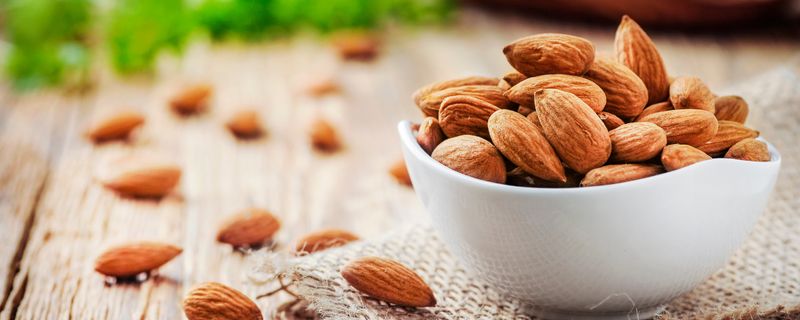
A small handful of almonds or walnuts is one of the easiest snacks you can grab for your skin health. These nuts are rich in zinc and copper, two trace minerals that activate the enzymes your body needs to form and stabilize collagen structures.
Without enough zinc and copper, even a diet full of collagen-supporting foods will not reach its full potential. Keep a small jar of mixed nuts at your desk or in your bag for a quick, collagen-friendly snack on the go.
13. Sweet Potatoes VitaminA
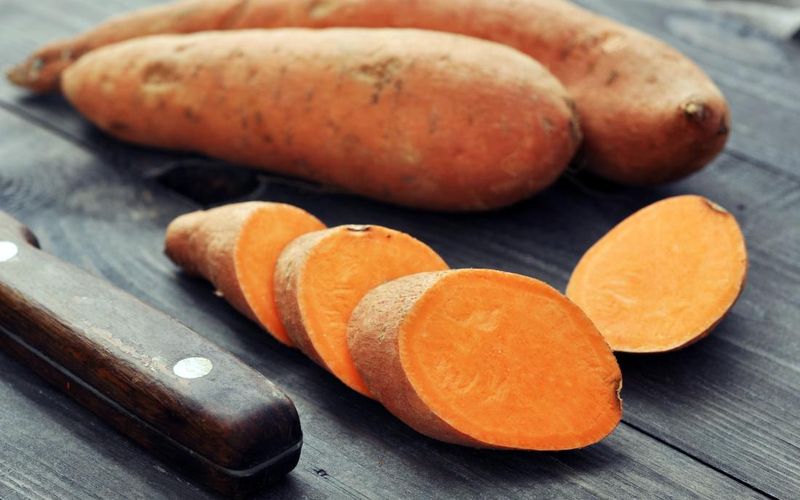
Sweet potatoes have a warm, comforting flavor that makes them easy to love, and their collagen benefits make them even better. They are rich in beta-carotene, which your body converts into vitamin A, a nutrient that promotes skin cell turnover and supports collagen repair.
When collagen breaks down from sun or stress, vitamin A helps rebuild it more quickly. Whether baked, mashed, or roasted into crispy wedges, sweet potatoes are one of the most satisfying ways to support your skin from the inside out.
14. Oysters Zinc Rich
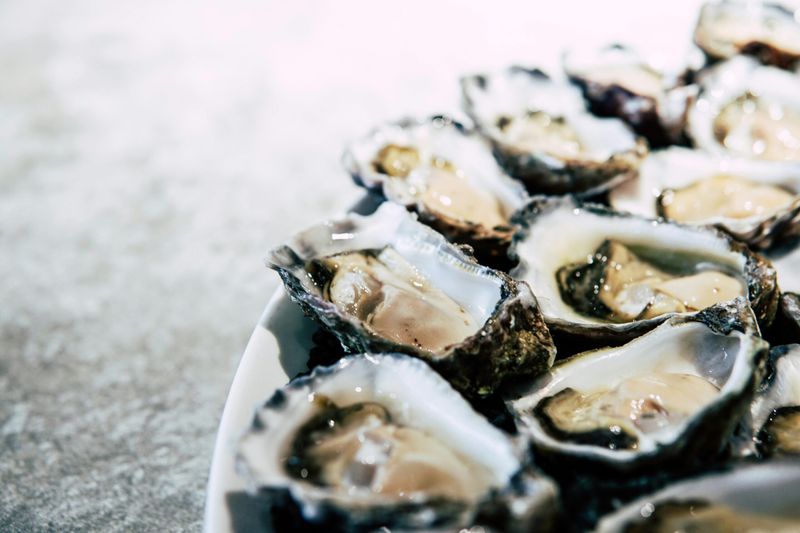
Often called a superfood of the sea, oysters are one of the most zinc-dense foods on the planet. Just two or three oysters can provide your entire daily recommended intake of zinc, a mineral that plays a critical role in activating collagen-producing enzymes in the body.
Low zinc levels are directly linked to slower wound healing and reduced skin elasticity. If oysters are not your thing, crab and lobster also offer impressive zinc content.
Try working seafood into your meals at least once a week.
15. Chia Seeds
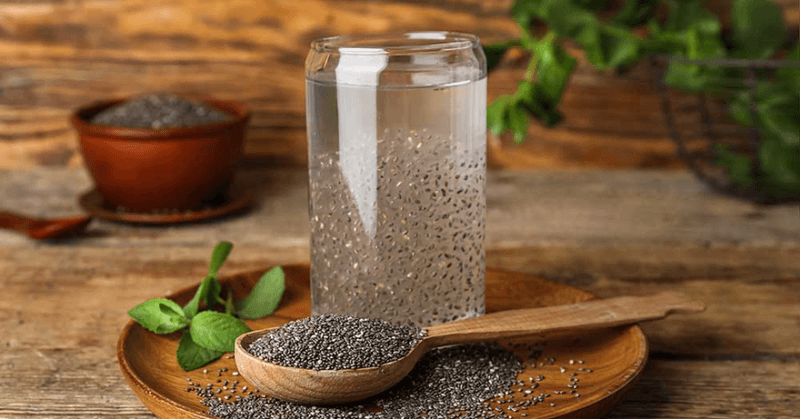
Small enough to fit in a teaspoon but loaded with nutrients, chai seeds bring a surprising amount of collagen support to your daily diet. They are packed with omega-3 fatty acids, which reduce inflammation and help maintain the moisture and elasticity of the skin.
They also contain zinc, copper, and plant-based protein with amino acids that support collagen synthesis. Mix them into yogurt, smoothies, or overnight oats.
Their mild flavor makes them one of the easiest superfoods to sneak into any meal without changing the taste.




Comments
No Comments