













Remember those exciting family meals at chain restaurants we once thought were the height of dining out? Times change, and so do our culinary standards.
Many beloved British restaurant chains that once dominated our high streets and retail parks have either disappeared completely or fallen dramatically from grace.
Here's a nostalgic yet honest look at 20 restaurant chains that no longer live up to our fond memories.
1. Little Chef
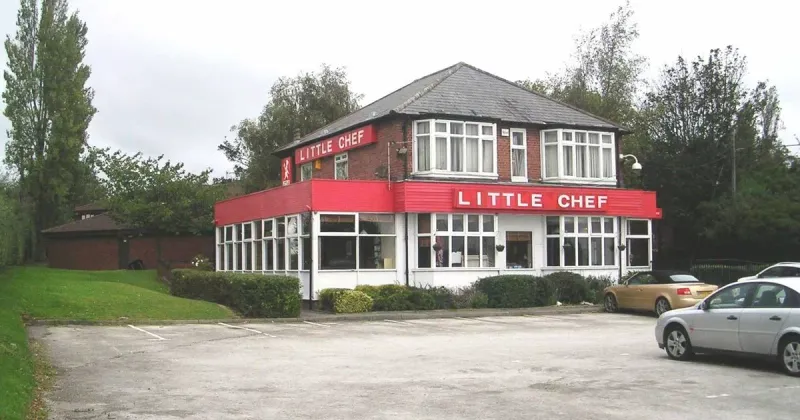
The iconic red-and-white roadside diners were once essential pit stops on family journeys. Their Olympic Breakfast fuelled generations of travellers.
Sadly, dated interiors, inconsistent food quality and competition from motorway service stations led to their downfall. By 2018, even Heston Blumenthal's attempted revival couldn't save this British institution.
2. Berni Inn
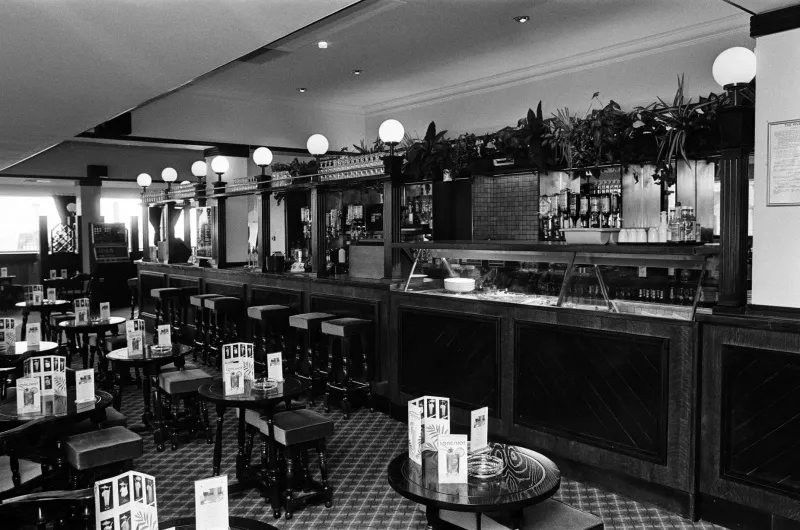
The sophisticated dining experience of the 1970s where your parents celebrated special occasions. Prawn cocktail, steak and Black Forest gateau defined British dining out for decades.
Whitbread bought the chain in 1995, converting most locations to Beefeater. Today's diners might scoff at the limited menu, but Berni Inn pioneered affordable steakhouse dining in Britain.
3. Frankie & Benny's
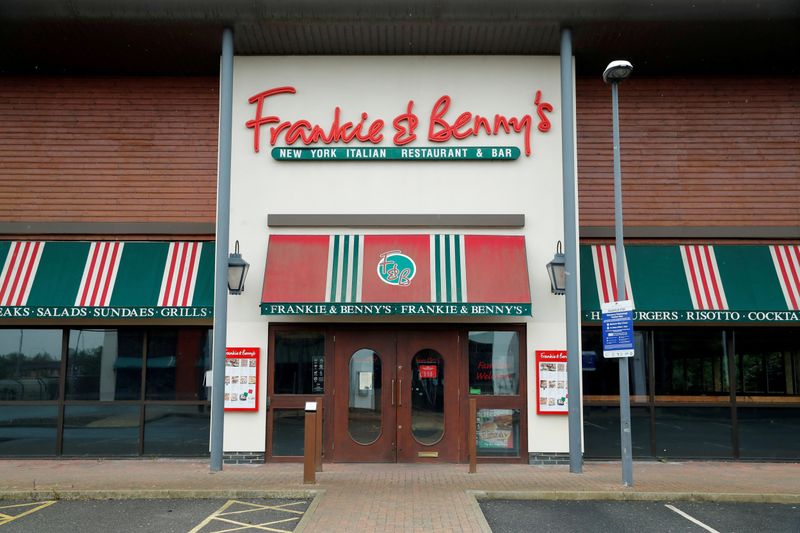
The faux-American Italian restaurant with vintage photos and New York memorabilia once seemed so exotic. Those red-checked tablecloths and birthday celebrations with singing waiters were restaurant magic.
Now it's criticised for mediocre, overpriced food that's clearly reheated. The chain has closed dozens of locations as diners seek authentic Italian alternatives.
4. Harvester
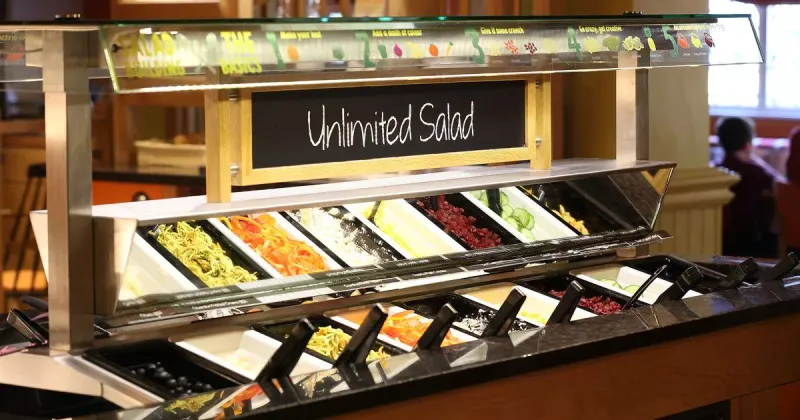
The unlimited salad bar was once revolutionary - pile your plate high with pasta salad, croutons and that famous thousand island dressing! Many Brits have fond memories of family gatherings here.
These days, the concept feels dated. Limp lettuce, lukewarm jacket potatoes and mass-produced grills struggle against gastropubs offering fresher, locally-sourced alternatives.
5. Pizza Hut (UK)
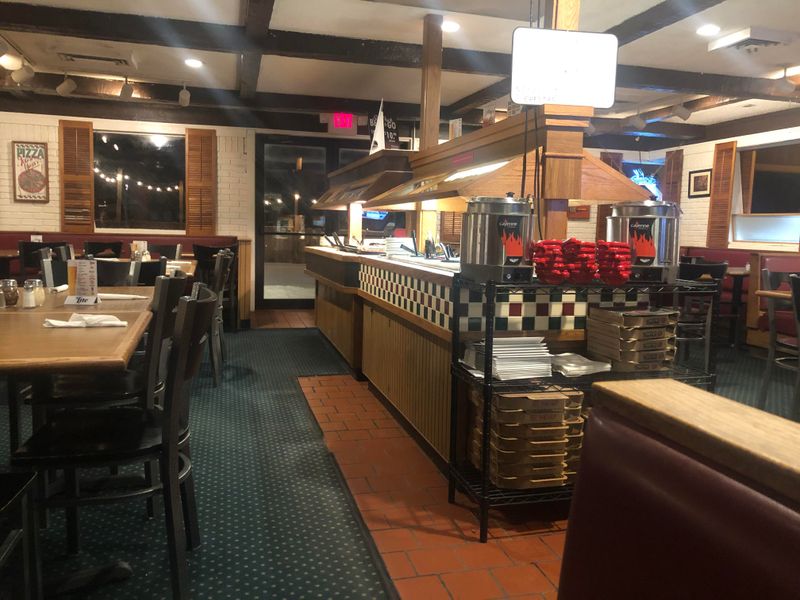
Those red plastic cups, unlimited refills and the Ice Cream Factory made Pizza Hut the birthday party destination of choice. Children of the 90s still reminisce about those stuffed crusts.
Today's Pizza Hut can't compete with artisanal pizza places. With soggy bases and declining restaurant numbers, the once-mighty chain focuses increasingly on delivery rather than dine-in experiences.
6. Wimpy
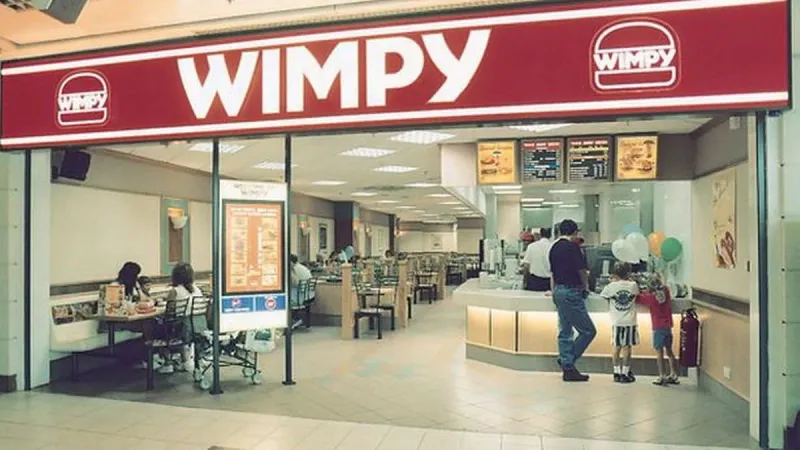
Britain's original burger chain served meals on proper plates with metal cutlery when McDonald's was still new to UK shores. The Bender in a Bun and Special Grill were iconic menu staples.
Despite nostalgic appeal, Wimpy couldn't keep pace with evolving fast food trends. The remaining locations feel like time capsules, preserved exactly as they were in the 1980s.
7. Deep Pan Pizza Co.
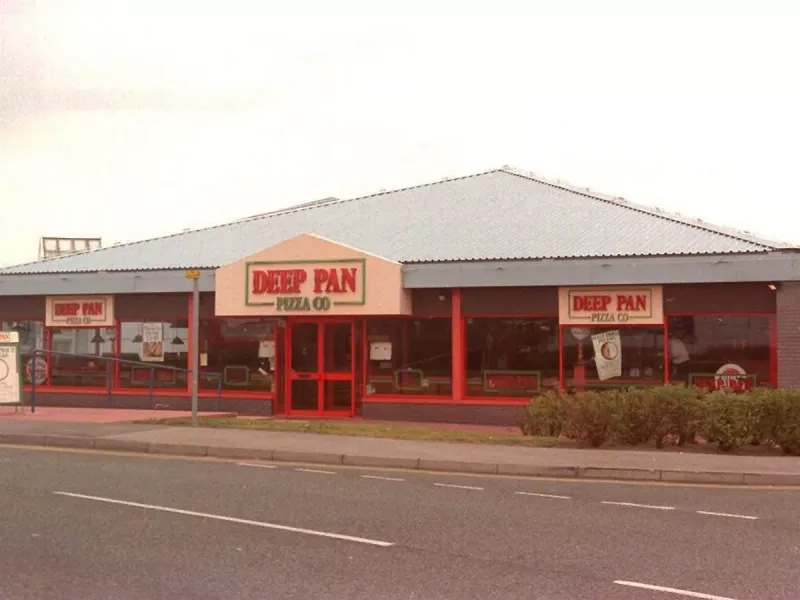
Remember those enormous deep dish pizzas served in the pan? This chain dominated shopping centres in the 1990s with its casual American-style dining and generous portions.
Changing tastes spelled doom for Deep Pan Pizza. As Brits discovered authentic Italian thin-crust options, these heavy, cheese-laden creations fell out of favour, leading to the chain's quiet disappearance.
8. Garfunkel's
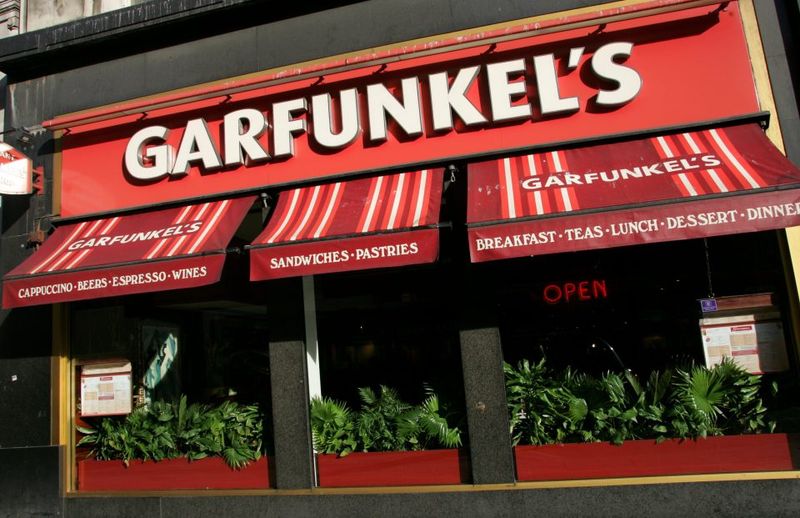
Once the height of sophistication for tourists in London, with locations in prime spots near major attractions. Their breakfast buffet was particularly popular before a day of sightseeing.
Quality declined as the chain expanded. Eventually, frozen meals masquerading as fresh British classics and inflated prices aimed at tourists led to its downfall and widespread closures.
9. Beefeater (Older Format)
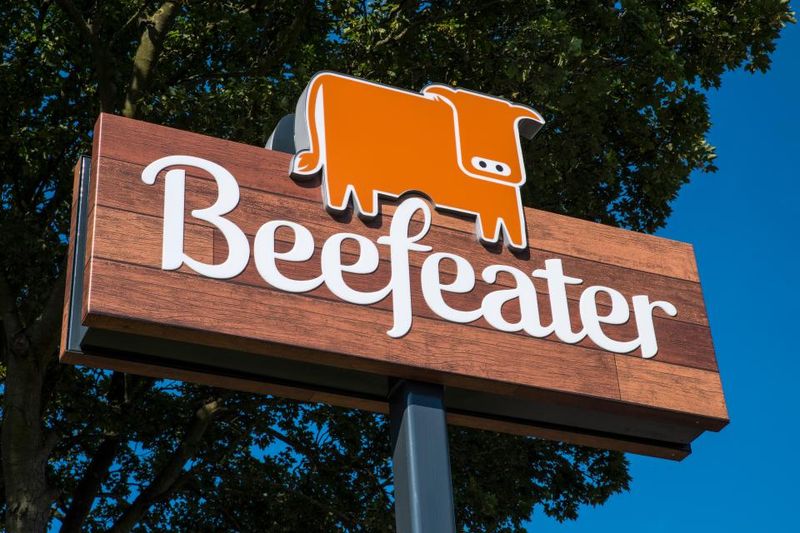
The reliable roadside grill where generations celebrated birthdays and Sunday lunches. Those distinctive Tudor-style buildings with dark wood interiors were a British dining landmark.
Before recent renovation efforts, many locations had become depressingly dated. Sticky menus, worn carpets and uninspired food made these once-popular venues feel like relics of the 1980s.
10. Toby Carvery (Controversial)
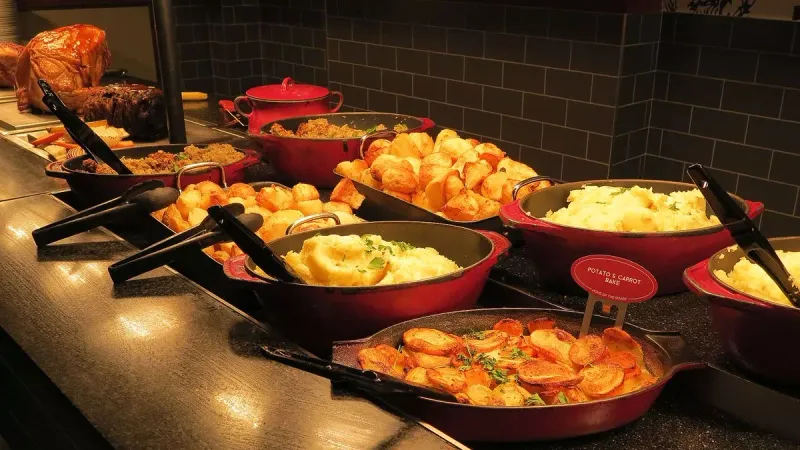
The self-proclaimed "Home of the Roast" still draws crowds seeking affordable Sunday lunches. All-you-can-eat Yorkshire puddings and roast potatoes remain a powerful attraction.
Quality varies wildly between locations. At busy times, vegetables sit under heat lamps for hours, meat dries out, and long queues form as families debate the merits of gammon versus turkey.
11. Fayre & Square
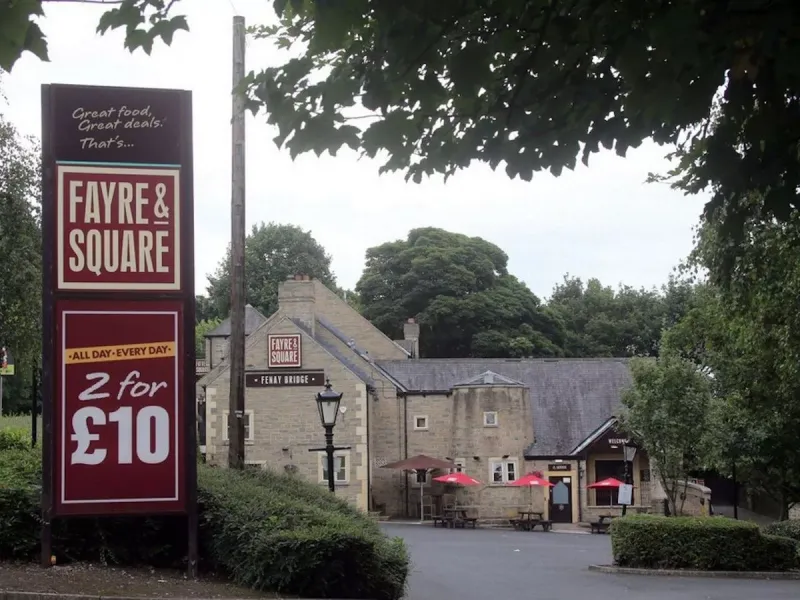
The budget-friendly pub chain promised "square meals at fair prices" in the early 2000s. Their two-for-one deals and cheap children's meals attracted families looking for no-frills dining.
Food quality rarely exceeded microwave-level. By 2016, parent company Greene King converted most locations to other brands, acknowledging that even value-conscious diners expected better than lukewarm lasagne and soggy chips.
12. Spudulike
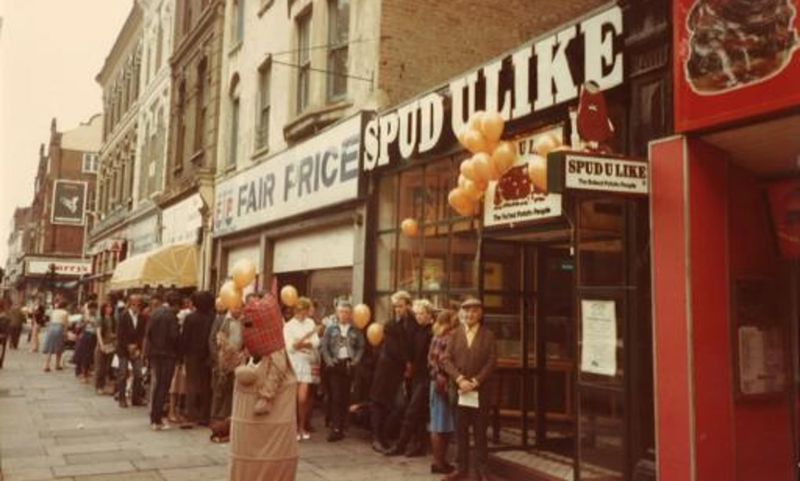
The jacket potato specialists that made the humble spud a fast-food sensation in the 1980s and 90s. Shopping centre food courts weren't complete without their baked potato offerings.
As food trends evolved, a plain potato with tuna mayo lost its appeal. The chain collapsed in 2019, with staff reportedly told mid-shift to close immediately. A small revival under new owners hasn't recaptured its former glory.
13. Prezzo
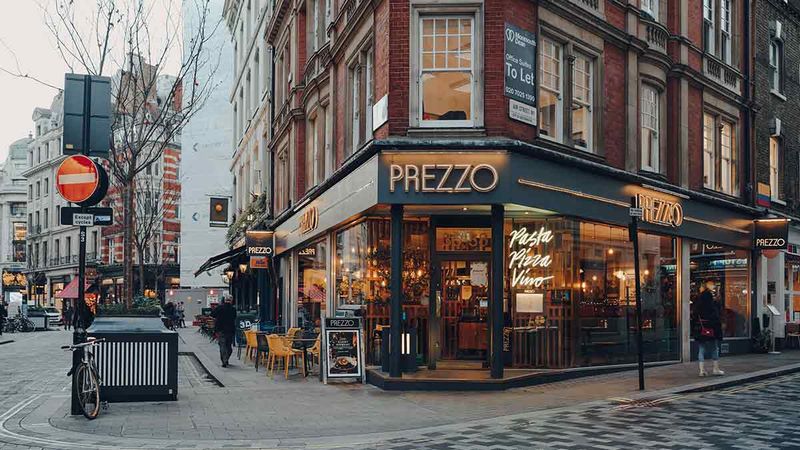
The mid-market Italian chain that rapidly expanded across British high streets in the 2000s. Their stone-baked pizzas and prosecco deals created a more upmarket alternative to Pizza Express.
Aggressive expansion led to quality control issues. Multiple waves of restaurant closures followed, with nearly half their locations shutting down. Remaining restaurants struggle with consistency and declining customer loyalty.
14. ASK Italian
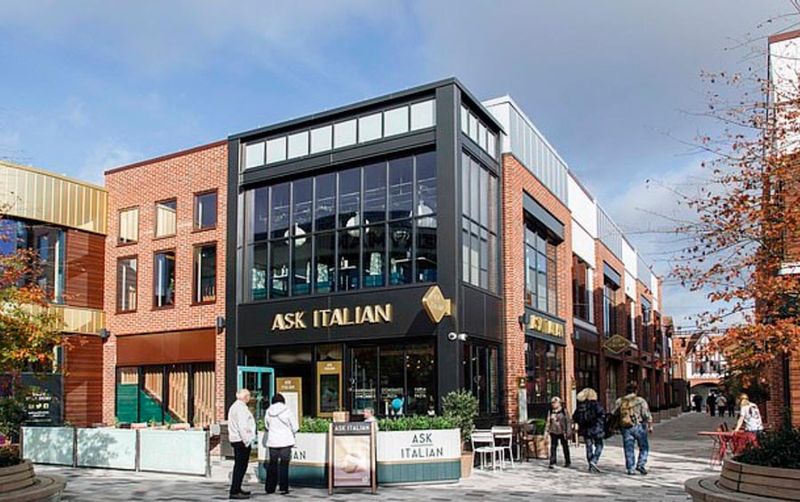
Once considered a sophisticated Italian dining option with its open kitchens and contemporary decor. The chain was a popular choice for date nights and pre-theatre meals.
As authentic Italian restaurants flourished, ASK's formulaic approach felt increasingly corporate. Despite menu revamps, it struggles against independent pizzerias and sourdough specialists with genuine Italian credentials.
15. Bella Italia
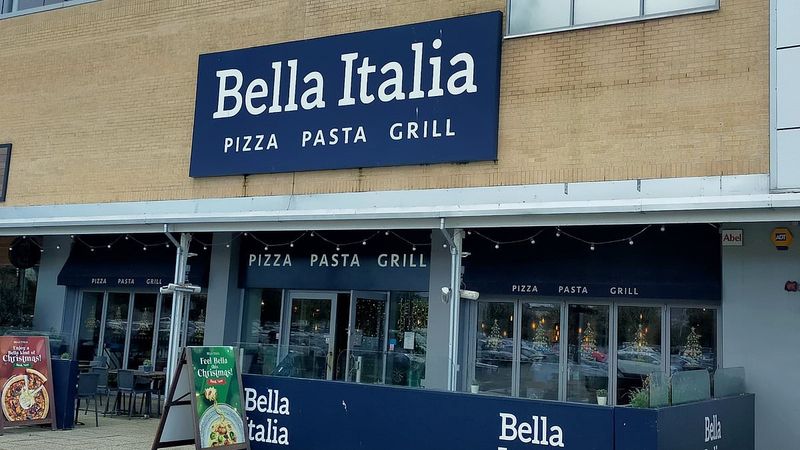
The colourful, family-friendly Italian chain with its Mediterranean-themed interiors was once a staple of retail parks. Their carbonara and tiramisu were considered authentic Italian cuisine by many Brits.
Today's diners are more discerning about Italian food. Bella Italia's pre-prepared sauces and reheated pasta dishes feel outdated compared to fresher alternatives, leading to financial troubles and location closures.
16. Brewers Fayre
The family-friendly pub chain with play areas was the go-to for parents seeking a peaceful meal. Those distinctive themed play zones like "Fun Factory" entertained children while adults enjoyed basic pub grub.
Food quality rarely exceeded microwaved mediocrity. Despite Whitbread's ownership, Brewers Fayre locations increasingly feel like relics compared to gastropubs offering homemade food with locally-sourced ingredients.
17. Jimmy's World Grill & Bar
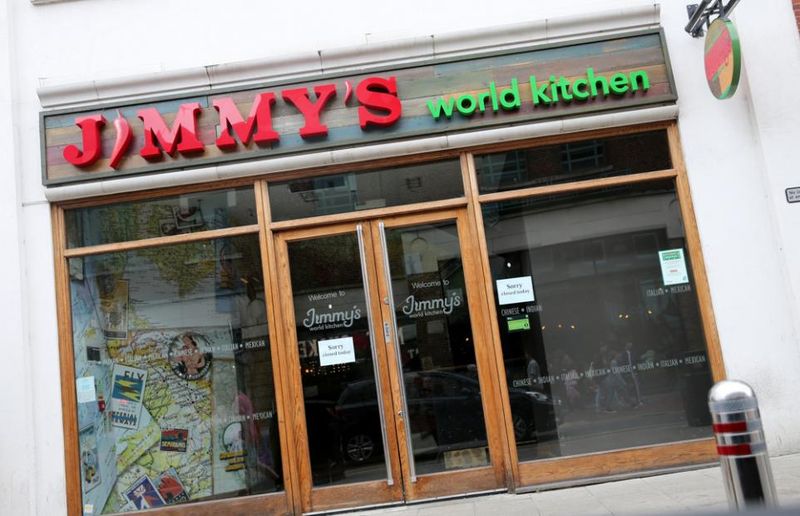
The all-you-can-eat world buffet concept seemed revolutionary when it arrived. Diners could sample everything from curry to pizza to Chinese dishes in one sitting for a fixed price.
Quality issues plagued the chain as it expanded. Food often sat under heat lamps for hours, and hygiene concerns mounted. Many locations closed abruptly, leaving voucher-holders and birthday parties in the lurch.
18. Ed's Easy Diner
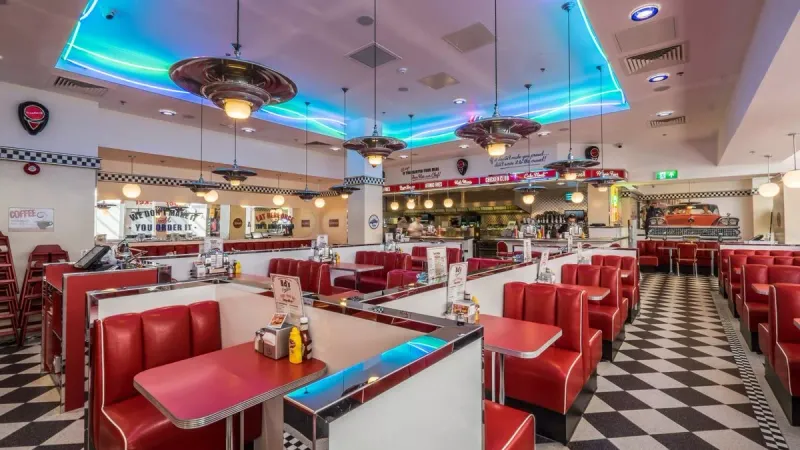
The 1950s American diner concept complete with jukeboxes, red leather booths and milkshakes served in metal cups. Shopping centre locations made it a popular teenage hangout in the 2000s.
Behind the nostalgic facade were overpriced, mediocre burgers. The chain collapsed in 2016, with most locations closing overnight. The few remaining diners operate under new ownership but can't recapture the original's brief popularity.
19. Hungry Horse
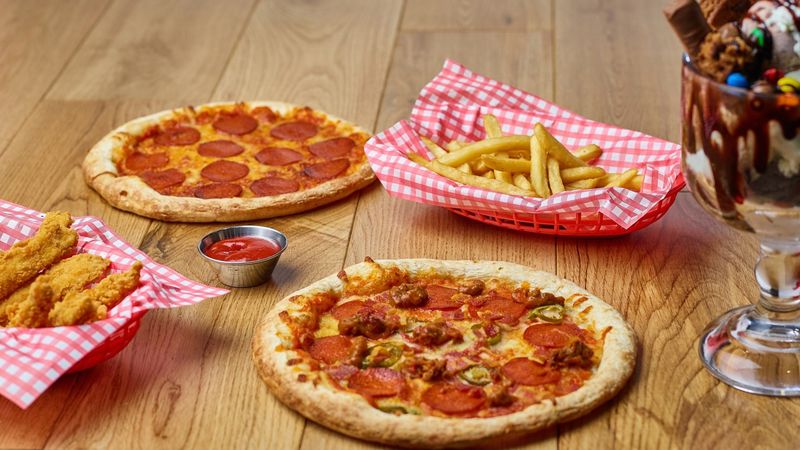
The pub chain famous for enormous portions and gimmicky menu items like the "Double Donut Burger". Their budget-friendly prices and relaxed atmosphere made them popular with families and students.
Food quality takes a backseat to quantity. While still operating successfully, critics point to processed ingredients and nutritionally questionable offerings. The focus on extreme eating challenges rather than taste reflects changing attitudes to food.
20. BHS Cafés
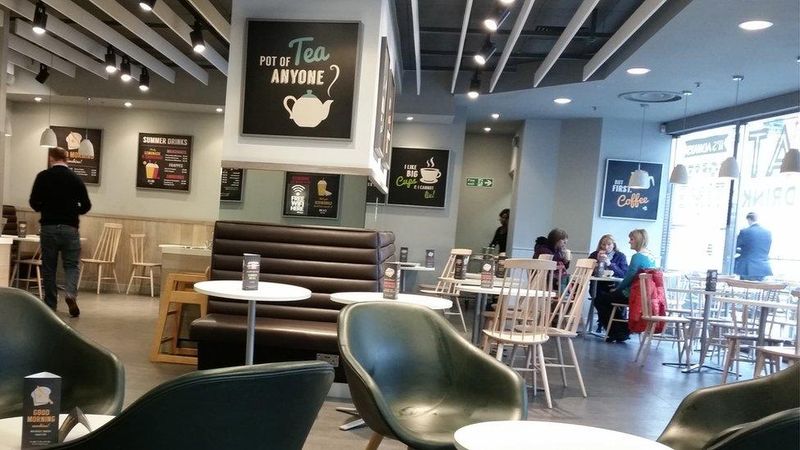
These department store cafeterias were British institutions where grandmothers treated grandchildren to cream cakes after shopping. The affordable menu and convenient location made them high street staples.
As BHS struggled financially, café quality declined. When the department store collapsed in 2016, these nostalgic eateries disappeared overnight. Many older shoppers still miss their reassuring familiarity and traditional British fare.




Comments
No Comments