










• Skip to primary navigation
  • Skip to main content
  • Skip to primary sidebar
The Daily Dish
  • About Me
  • Recipes
  • Wellbeing🧡
  • Contact
  • Subscribe
  • Gluten-Free
  • Navigation Menu: Social Icons

    Connect With Me

    • Facebook
    • Instagram
    • Pinterest
menu icon
go to homepage
  • About Me
  • Recipes
  • Wellbeing🧡
  • Contact
  • Subscribe
  • Gluten-Free
  • Let's Connect

    • Facebook
    • Instagram
    • Pinterest
  • subscribe
    search icon
    Homepage link
    • About Me
    • Recipes
    • Wellbeing🧡
    • Contact
    • Subscribe
    • Gluten-Free
  • Let's Connect

    • Facebook
    • Instagram
    • Pinterest
  • ×
    • 15 Places In Texas To Enjoy Breakfast With A Million-Dollar View
    • 12 Cincinnati Area, Ohio Hole-In-The-Wall Restaurants Tourists Always Walk Past
    • 11 Anna Maria Island Restaurants In Florida You Can't Miss
    • 12 Maryland Restaurants That Stay Packed Without Ever Advertising
    • 14 Florida Buffets So Good You Won't Mind The Wait
    • 13 Under-The-Radar Detroit, Michigan Restaurants Worth Seeking Out
    • 12 Tennessee Restaurants So Remote The Journey Becomes Part Of The Experience
    • 11 Atlanta, Georgia Hole-In-The-Wall Restaurants Locals Love
    • 11 Top-Rated Restaurants In New Jersey That Are Always Worth The Trip
    • 10 Small Local Restaurants In Marietta, Georgia Worth A Visit
    • 11 Top-Rated Restaurants In Maryland That Are Always Worth The Drive
    • 12 Winston-Salem, North Carolina Hole-In-The-Wall Restaurants Only Locals Know About
    Home » Recommendations

    Why Restaurant Soup Often Tastes Better Than Homemade

    Published:Aug 13, 2025· Modified: Aug 13, 2025 by Ben Thompson

    • Share
    • Email

    Many people notice a difference between homemade soup and the bowls served in restaurants.

    Professional kitchens use methods and equipment that help create deeper flavours and refined textures. From long-simmered stocks to careful seasoning, these approaches can influence how soup tastes and feels.

    The thoughts shared here come from common kitchen know-how and what chefs often do behind the scenes. Your own results will depend on the ingredients you choose, the techniques you use, and of course, your personal taste.

    1. They Use Proper Stock, Not Cubes
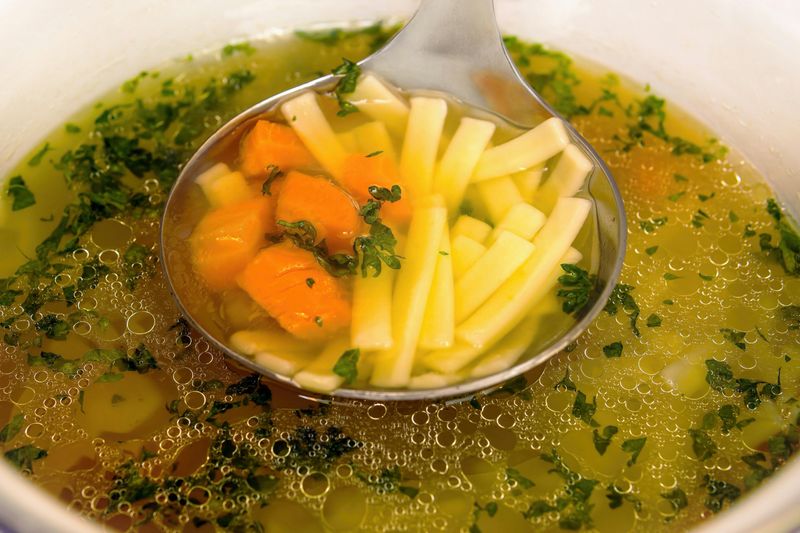
    Delicious Homemade Chicken Vegetable Soup
    Image Credit: © Gundula Vogel / Pexels

    Many restaurants prepare stock by simmering bones, vegetables, and aromatics for several hours. This forms a rich base that offers depth of flavour.

    The collagen from bones adds a smooth texture, while slow cooking extracts a range of flavours. At home, people may be more likely to use ready-made stock or cubes for convenience, which can create a different result.

    2. Everything Is Cooked Low And Slow
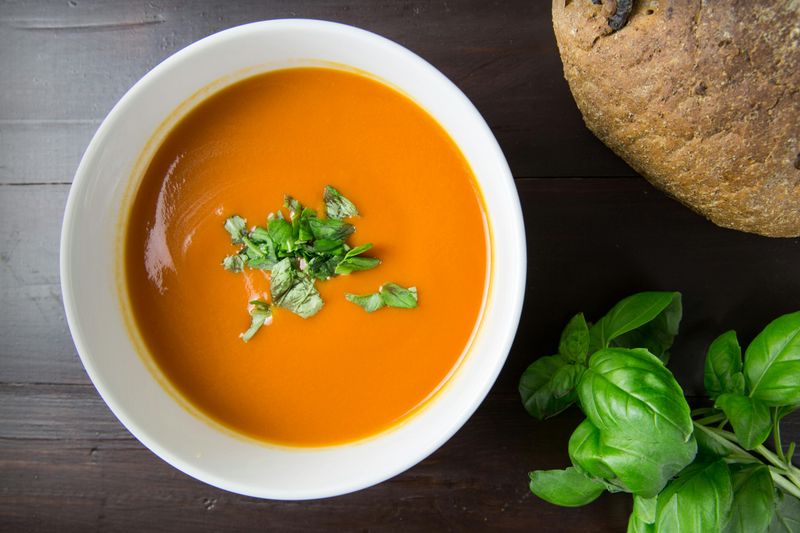
    Brown Soup in White Ceramic Bowl
    Image Credit: © Foodie Factor / Pexels

    In restaurants, soup is often cooked slowly over a low heat to allow flavours to blend and develop.

    This extra time helps soften tougher vegetables and meats while allowing natural sweetness to emerge.

    Shorter cooking times at home may not allow for the same level of flavour development.

    3. They Don't Skimp On Fat
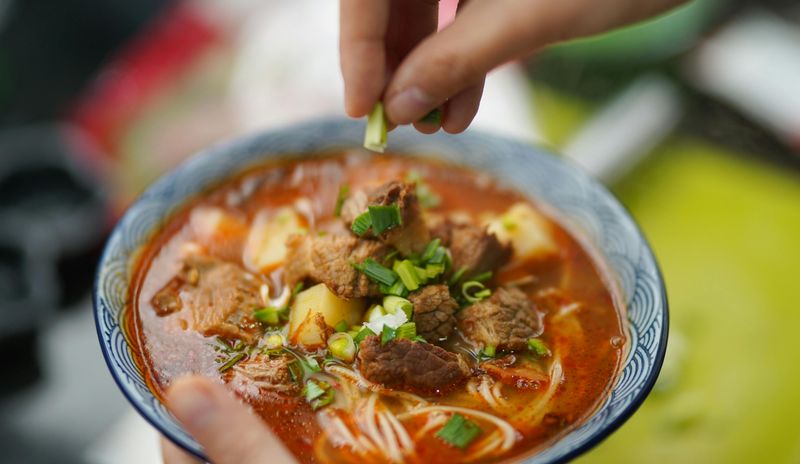
    Noodles Soup With Meat on Bowl
    Image Credit: © Cats Coming / Pexels

    Fats such as butter, cream, or oil help carry flavour compounds and contribute to a smooth texture. Restaurants may use these ingredients at specific stages of cooking to enhance taste and mouthfeel.

    Home cooks sometimes reduce the amount of fat for health or dietary reasons, which can change the flavour profile.

    4. Seasoning Is On Point
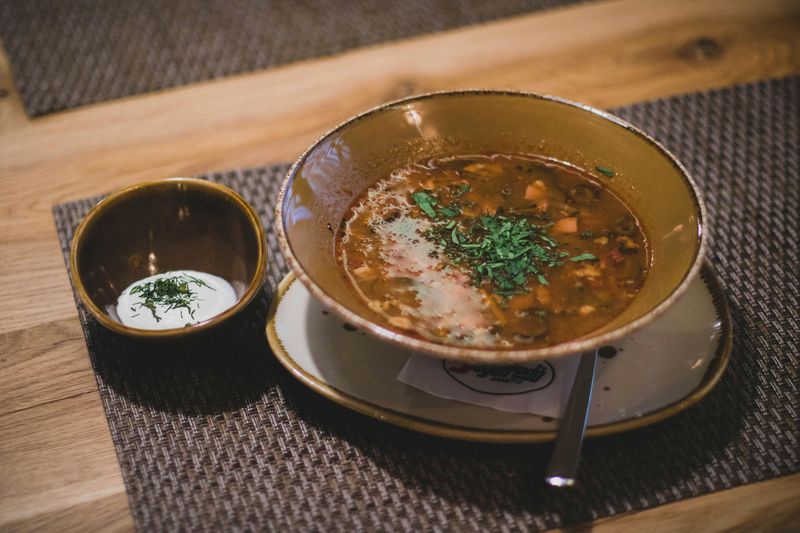
    Brown Ceramic Bowl With Brown Soup
    Image Credit: © Valeria Boltneva / Pexels

    Professional chefs taste throughout cooking, adjusting salt and acid levels carefully. Proper seasoning can enhance flavours rather than simply making food salty.

    In addition to salt, restaurants may use soy sauce, fish sauce, or other ingredients rich in umami to add depth. At home, seasoning is often added less frequently, which can change the final result.

    5. High-Quality Ingredients
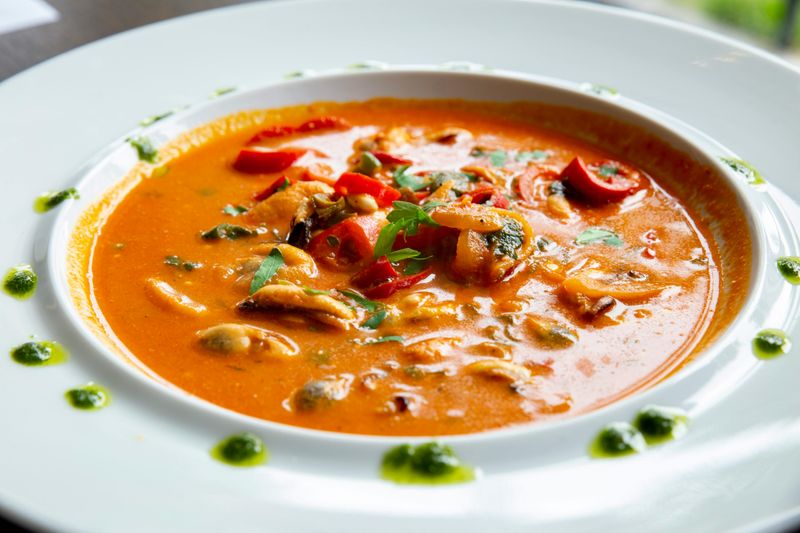
    Soup With Vegetables on White Ceramic Bowl
    Image Credit: © Votsis Panagiotis / Pexels

    Many restaurants prioritise seasonal produce and higher-quality ingredients. Fresh vegetables at their peak often have more natural sugars and flavour compounds.

    Chefs may also work closely with suppliers to select produce with the right balance of sweetness and acidity. This attention to sourcing can influence the flavour of dishes like tomato bisque or vegetable soups.

    6. Garnishes Make A Difference
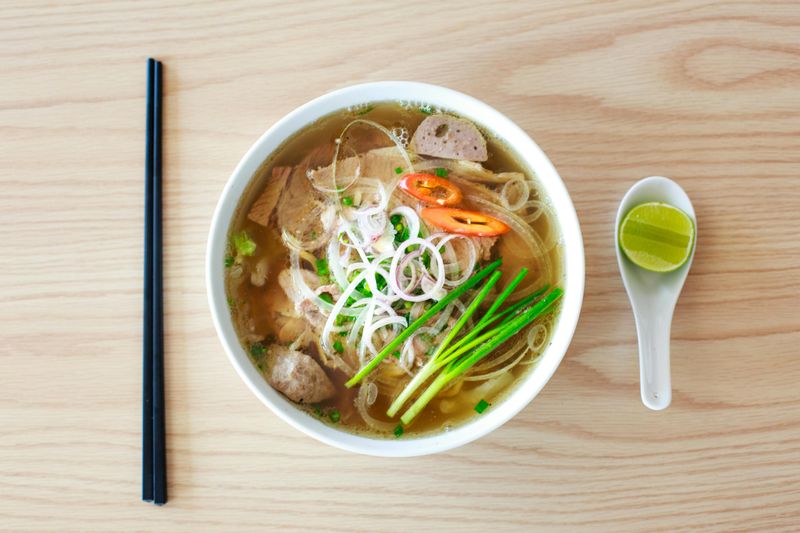
    Food Photography of Ramen Noodle
    Image Credit: © Quang Nguyen Vinh / Pexels

    In restaurants, garnishes are chosen to enhance both taste and presentation. Herb oils, toasted croutons, or freshly chopped herbs can provide contrast to the base of the soup.

    These additions can add a layer of freshness, crunch, or aroma that complements the main flavours.

    7. Big Batch Means Better Flavour
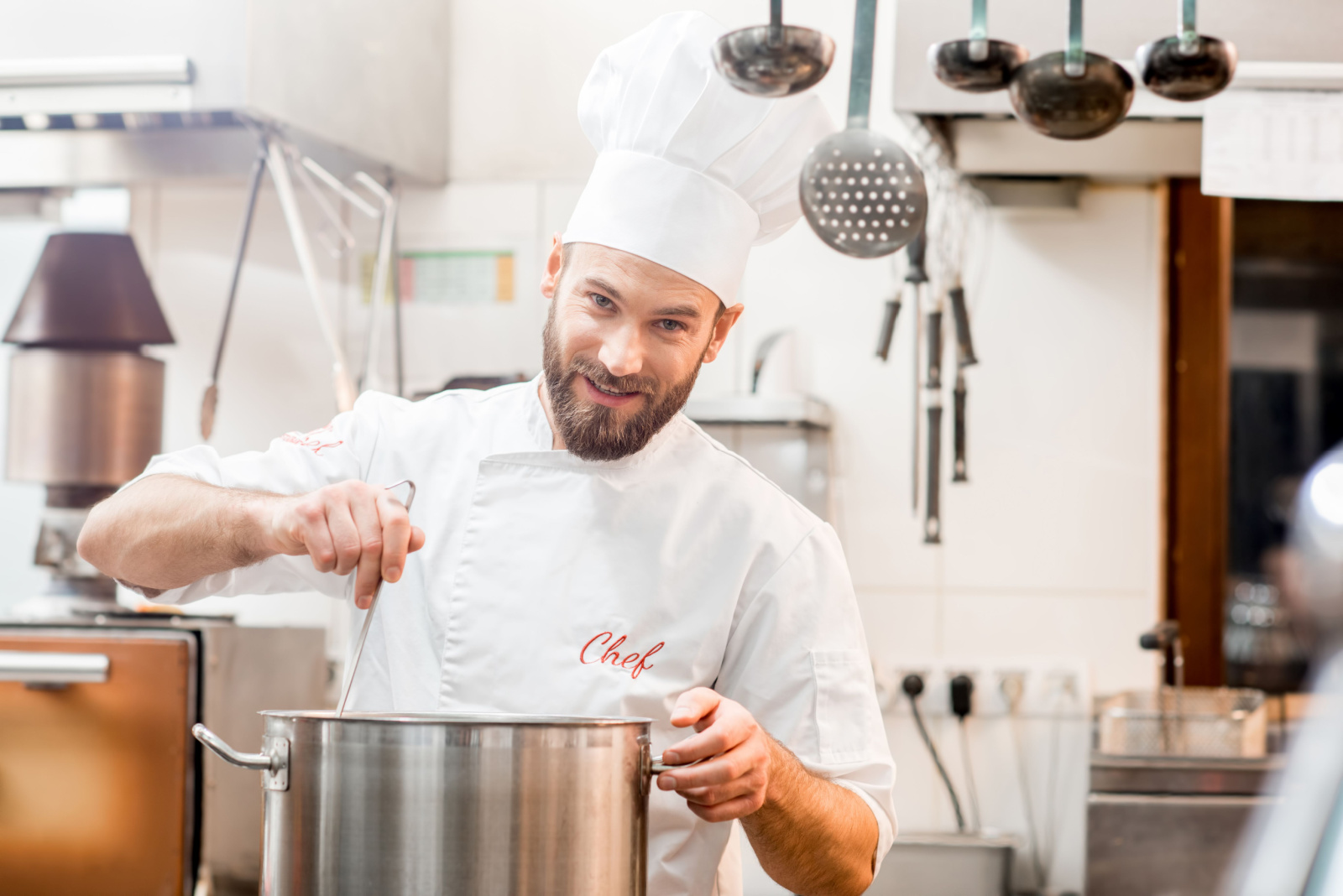
    Chef cook in uniform cooking soup in the big cooker at the restaurant kitchen
    ©Image Credit: RossHelen / Shutterstock

    Cooking soup in larger quantities allows flavours to distribute and develop more evenly.

    The consistent temperature of a large pot can encourage a gentler extraction of flavours compared to smaller portions. This can result in a subtle difference in taste and texture.

    8. They Use Equipment You Don't Have
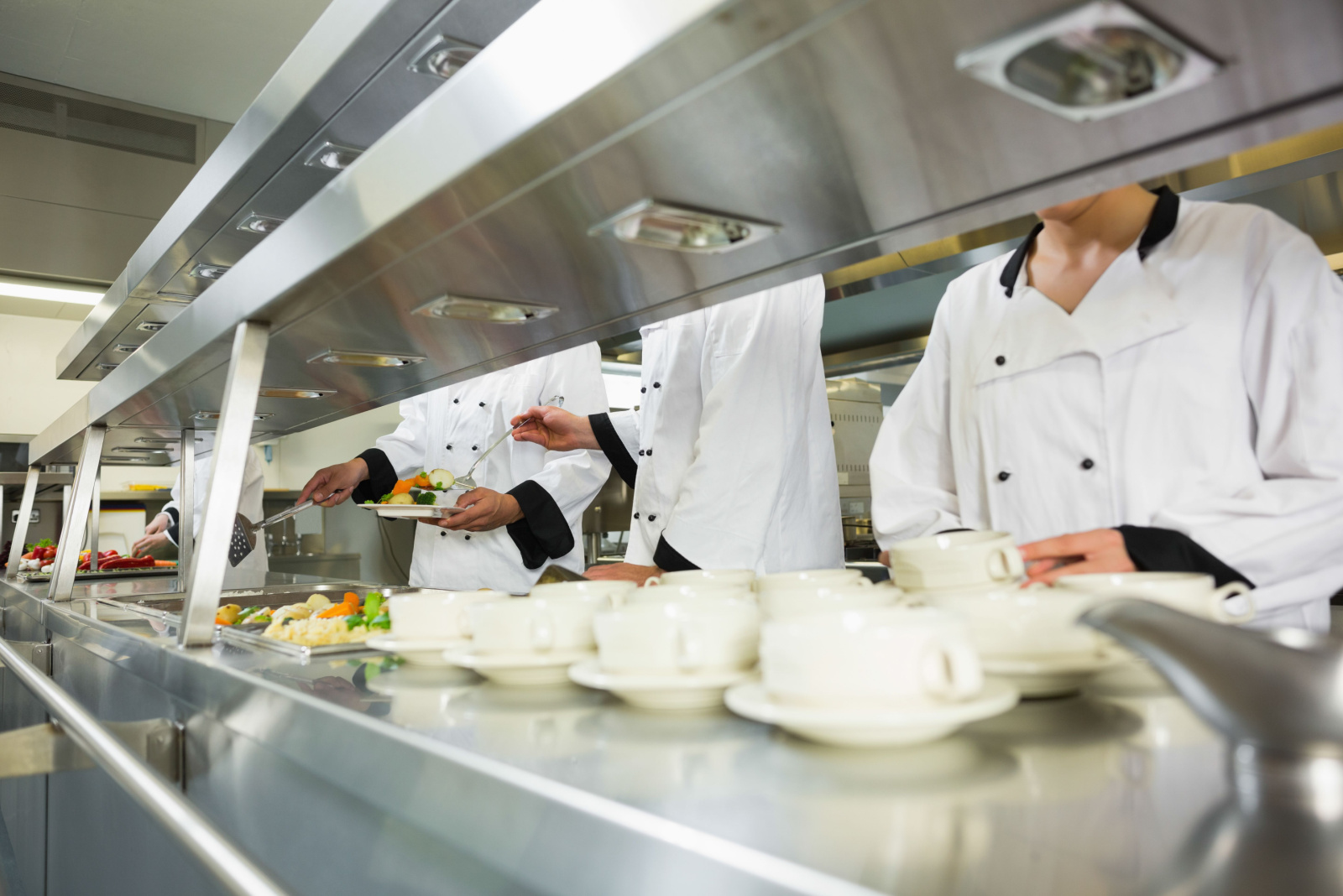
    Four chefs working in a kitchen at the order station
    ©Image Credit: ESB Professional / Shutterstock

    Commercial kitchens often have tools designed for precise cooking, such as industrial blenders, temperature-controlled stockpots, and fine strainers.

    These help achieve smooth textures and clear broths that may be more difficult to replicate at home without similar equipment.

    9. Acid And Umami Are Balanced
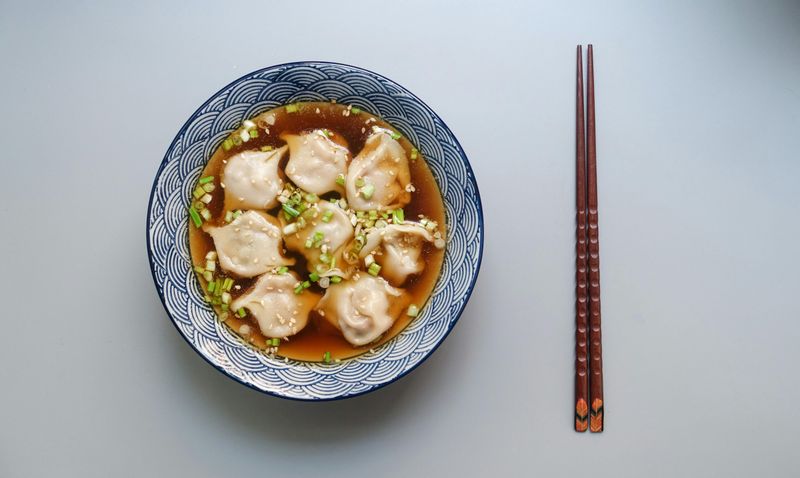
    Round White and Blue Ceramic Bowl With Cooked Ball Soup and Brown Wooden Chopsticks
    Image Credit: © Cats Coming / Pexels

    Chefs in restaurants often adjust acidity and umami to create a well-rounded flavour.

    Ingredients such as vinegar, citrus, mushrooms, tomatoes, or fermented products can be used in small amounts to add complexity. These adjustments are often subtle but can noticeably influence the final taste.

    10. Soup Gets Better With Time
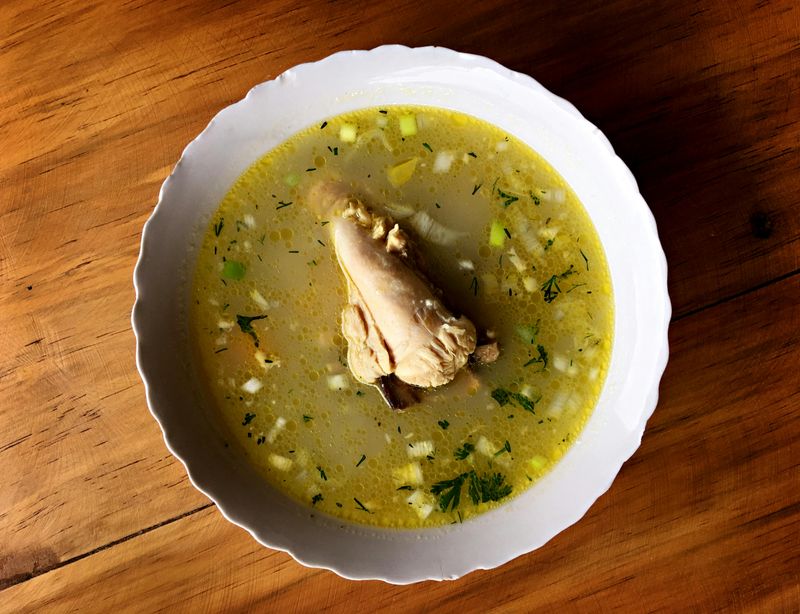
    Hearty Ecuadorian Chicken Soup in White Bowl
    Image Credit: © DΛVΞ GΛRCIΛ / Pexels

    Some restaurant soups are made ahead of time and allowed to sit before serving. This resting period can allow flavours to meld and develop further.

    Planning ahead in this way is less common in home cooking, where soup is often served soon after preparation.

    11. They Know When To Strain
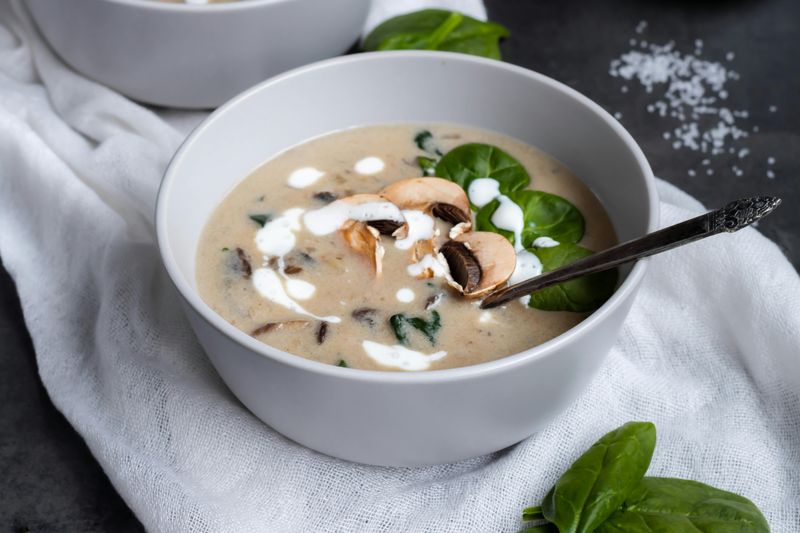
    White Ceramic Bowl With Mushroom Soup
    Image Credit: © Anna Pyshniuk / Pexels

    For soups with a velvety texture, restaurants may use fine-mesh sieves or cheesecloth to remove particles.

    This step can create a more refined texture that changes the eating experience. It is a step many home cooks may skip.

    12. Attention To Detail
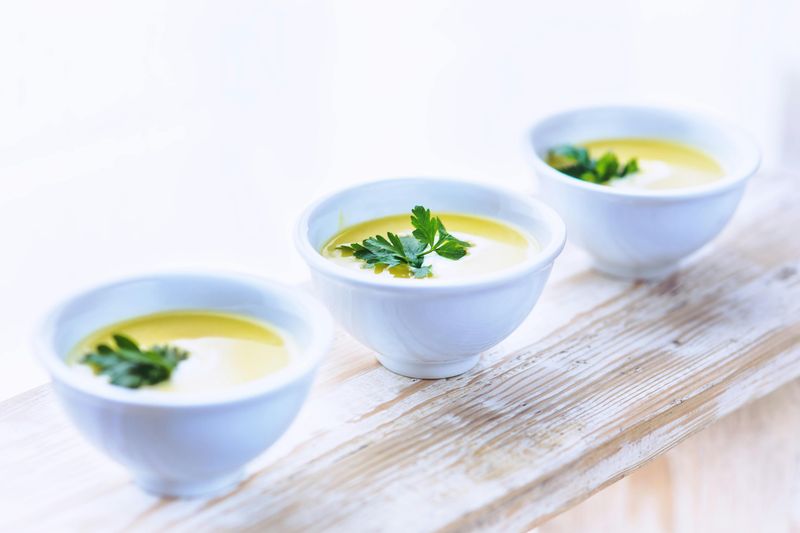
    Leek and potato soup with parsley
    Image Credit: © Karolina Grabowska / Pexels

    Professional kitchens often pay attention to small details, such as browning vegetables before adding liquid or skimming the surface during cooking.

    These steps can subtly affect flavour and texture. Taking the time to complete each stage thoroughly can make a noticeable difference in the final dish.


    More Recommendations

    • 16 Surprisingly Useful Things To Cook When You Have Too Much Cheese And Not Enough Ideas
    • 21 Copycat Recipes That Might Make You Skip The Takeaway Altogether
    • 17 Cheap Meals That Taste Far Better Than Their Tiny Price Tag Suggests
    • 21 Everyday Foods Prepared Completely Differently Across Five Continents

    Primary Sidebar

    Keri Bevan

    Welcome, I'm Keri

    I'm the food photographer and recipe developer and writer behind Daily Dish.

    More About Me
    SUBSCRIBE

    Popular Posts

    • 13 Under-The-Radar Florida Beachfront Restaurants Locals Keep To Themselves
    • 12 Small-Town New York Diners With Huge Pancakes And Classic Comfort Food Locals Call The Best
    • 11 Breathtaking Waterfront Restaurants You'll Only Find In New Jersey
    • 12 Michigan Factory Tours Worth Taking For A Surprisingly Cool Day Trip

    Cozy Soups

    • Fava bean soup in a ceramic bowl.
      Fava Bean Soup
    • Vegan potato soup in a bowl with chives and croutons.
      Creamy Vegan Potato Soup
    • Bok choy soup with garlic and ginger.
      Bok Choy Soup With Garlic & Ginger
    • gluten free and dairy free tomato soup
      Creamy Gluten Free And Dairy Free Tomato Soup
    Company logs of people I have worked with.

    Footer

    ↑ back to top

    Recipes

    • Breakfast
    • Lunch
    • Dinner
    • Sauces and Dips
    • Gluten Free

    Newsletter

    • Sign Up! for emails and updates

    Contact

    • Contact
    • Privacy Policy
    • Daily Dish Web Stories

    As an Amazon Associate I earn from qualifying purchases.

    Copyright © 2024 Daily Dish