













Bread is a daily staple, but the type you choose can affect your energy, fullness, and overall nutrition. English muffins have long offered a tasty, versatile option that stands out for their texture and ability to keep you feeling satisfied.
From breakfast to snacks, these lightly toasted favourites hold their own against other popular breads. Here’s how English muffins compare to the rest of the bread basket.
This article is for general informational purposes only and should not replace professional dietary advice. Individual results and nutritional needs may vary. Photos are for illustrative purposes only.
1. English Muffins Keep You Feeling Fuller For Longer
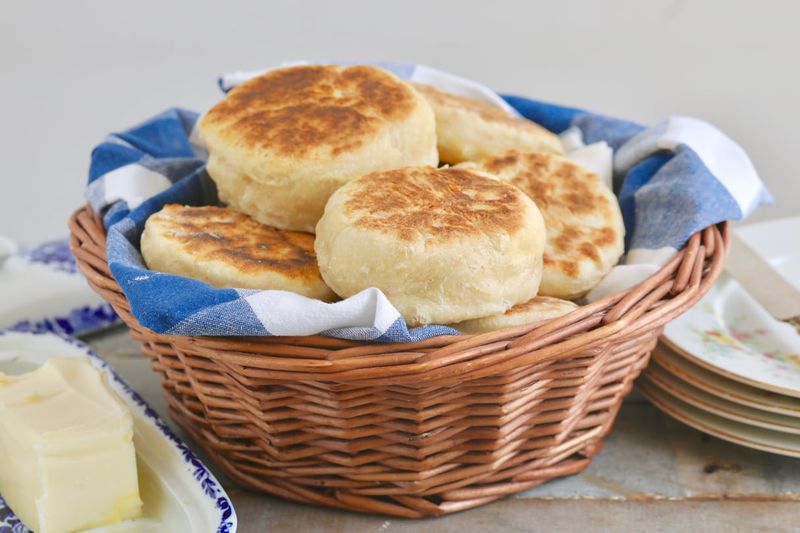
Ever notice how some breakfasts leave you ravenous by mid-morning whilst others keep you going strong? English muffins have a secret weapon: their dense, doughy texture means they're more filling than airy white bread.
A standard English muffin contains around 4 grams of protein and decent fibre, which both contribute to satiety. That means fewer trips to the biscuit tin before lunch. Compared to two slices of white bread, you're getting more bang for your buck in the fullness department, making it a smarter choice for busy mornings.
2. Lower Sugar Than White Bread
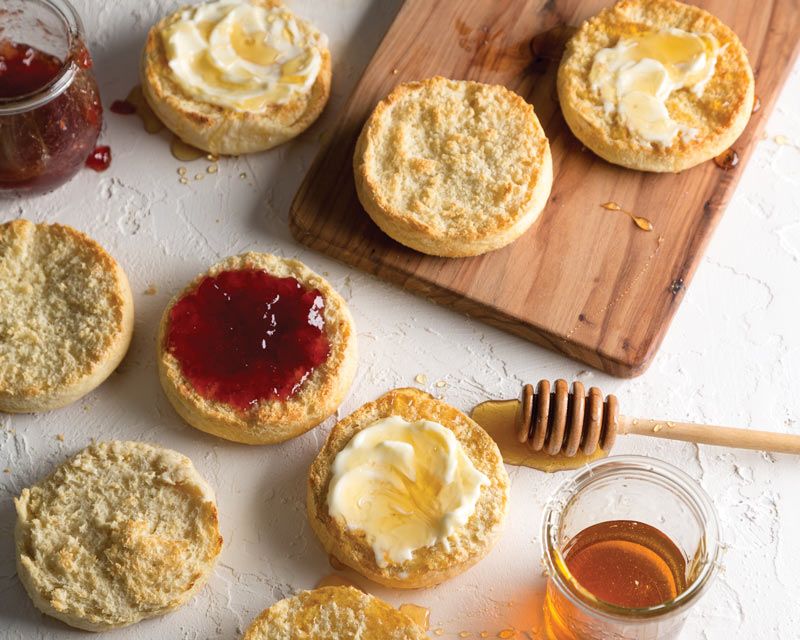
Sugar sneaks into more foods than you'd think, and white bread is one of the sneakier culprits. Your average supermarket white loaf can contain up to 3 grams of sugar per slice, which adds up quickly when you're making sandwiches. English muffins, on the other hand, typically clock in at around 1 to 2 grams per muffin, making them a notably better option.
Keeping sugar intake lower helps avoid those dreaded energy crashes that leave you feeling sluggish. It's also better for your teeth and overall health in the long run. When you're trying to make smarter food choices without sacrificing taste, swapping white bread for English muffins is an easy win.
3. Perfect For Sweet Or Savoury Toppings
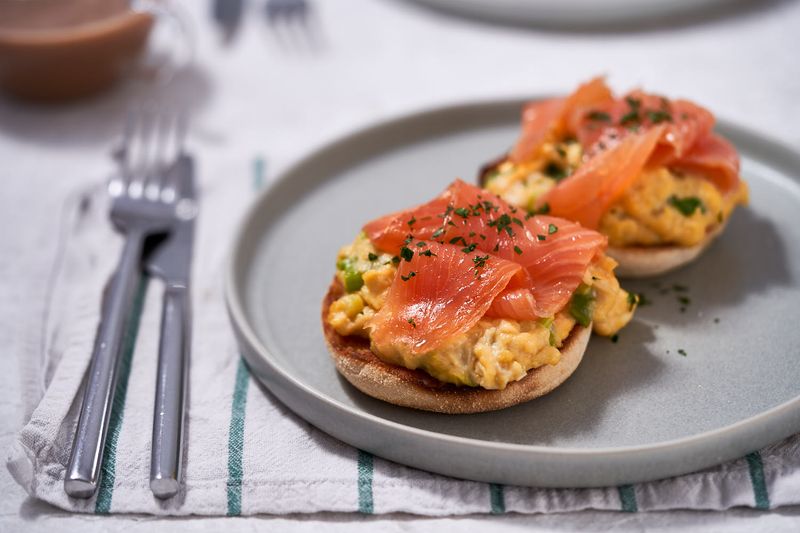
Versatility is the name of the game when it comes to English muffins, and they play it brilliantly. Fancy something sweet? Slather on some marmalade or honey and you've got a proper treat. Craving savoury? Pile on scrambled eggs, bacon, or even a bit of smoked salmon for a breakfast that feels like brunch at your favourite café.
Their neutral flavour and sturdy structure mean they won't fall apart under the weight of your toppings, unlike flimsy white bread. Whether you're in the mood for Marmite or strawberry jam, English muffins rise to the occasion every single time without complaint.
4. Toasts To A Crispy Delight
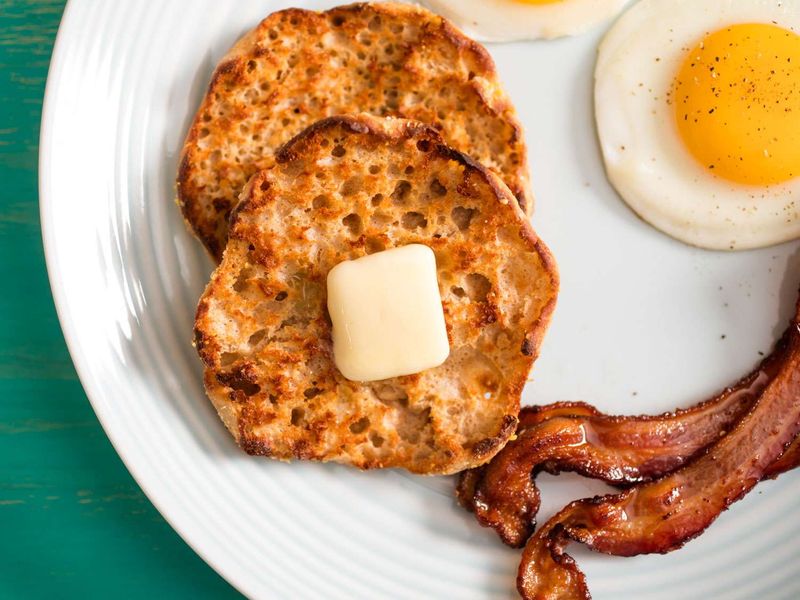
There's something deeply satisfying about biting into a perfectly toasted English muffin with its crispy exterior and soft, chewy centre. Those famous nooks and crannies aren't just for show; they catch melted butter and jam in all the right places, creating little pockets of flavour with every bite. White bread simply can't compete with that texture contrast.
Toasting transforms an English muffin from good to absolutely brilliant. The edges get delightfully crunchy whilst the inside stays tender, giving you the best of both worlds. It's the kind of simple pleasure that makes breakfast feel special, even on a rushed Tuesday morning.
5. How Other Breads Measure Up
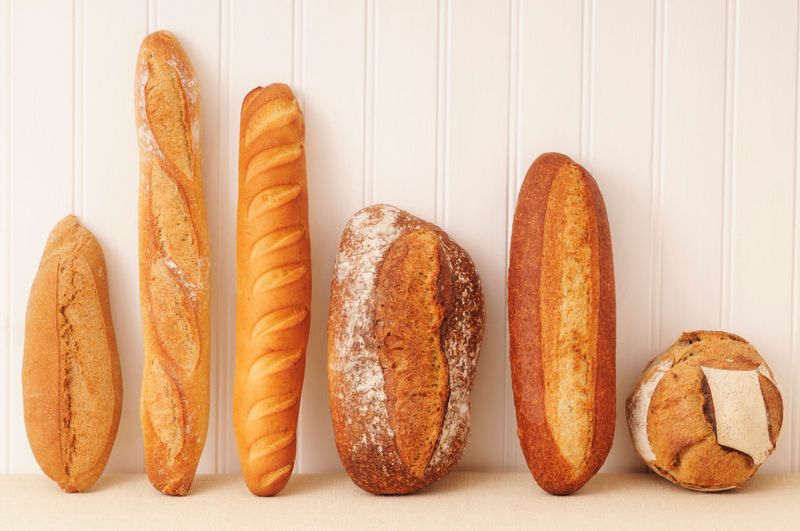
Now that we've sung the praises of English muffins, it's only fair to see how the rest of the bread family stacks up. From the familiar comfort of white bread to the trendy appeal of sourdough, each type brings something different to the table. Some offer more nutrition, others more flavour, and a few manage to balance both.
Understanding what each bread offers helps you make better choices for your lifestyle and taste preferences. Whether you're after fibre, flavour, or just something that won't fall apart in your lunchbox, there's a bread out there for you. Let's take a proper look at the contenders.
6. White Bread
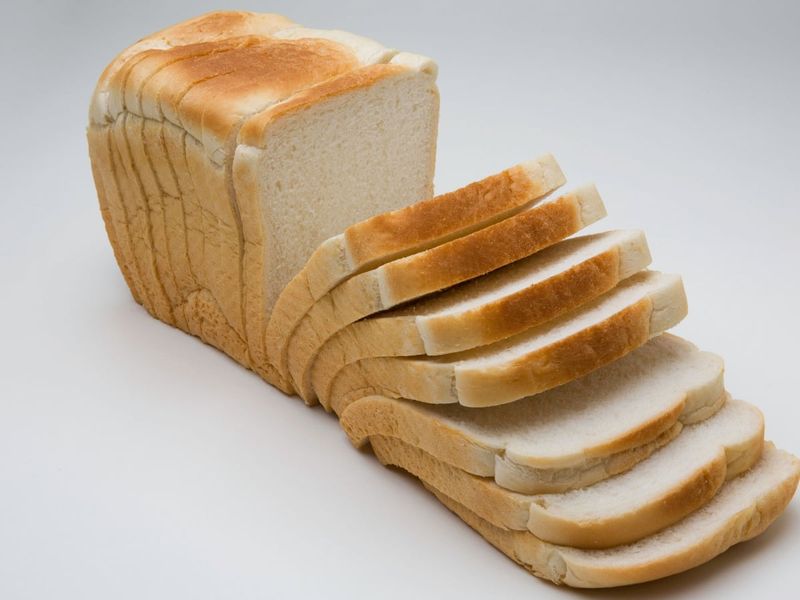
White bread is the comfort food of the bread world, soft and familiar like an old jumper you can't quite throw away. It's been a British staple for generations, perfect for chip butties and emergency toast when you're feeling poorly. But nutritionally speaking, it's a bit like that mate who's lovely company but not exactly reliable when things get serious.
Stripped of most fibre and nutrients during processing, white bread digests quickly, leaving you hungry sooner. It's also higher in sugar and lower in protein compared to English muffins. Whilst there's nothing wrong with enjoying it occasionally, relying on it daily might leave you feeling less than brilliant.
7. Wholemeal Bread
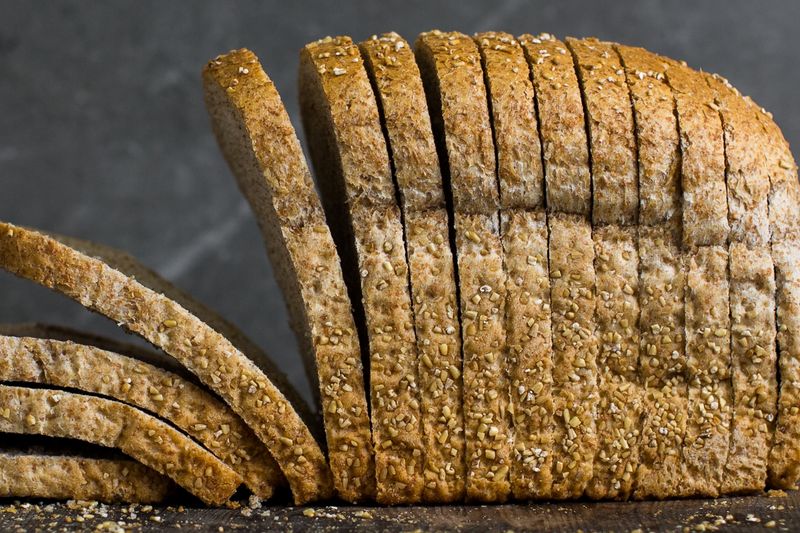
Wholemeal bread is what happens when bread decides to take its nutrition seriously. Made from the entire wheat kernel, it packs in fibre, B vitamins, and minerals that white bread can only dream about. Dietitian Helen Bond points out that the extra fibre helps with digestion and keeps blood sugar levels more stable throughout the day.
The texture is denser and the flavour nuttier than white bread, which some people adore and others find a bit earnest. It's brilliant for sandwiches that need a sturdy base and toasts up nicely. Whilst it edges out English muffins on fibre content, it lacks that signature crunch and pocket structure.
8. Sourdough
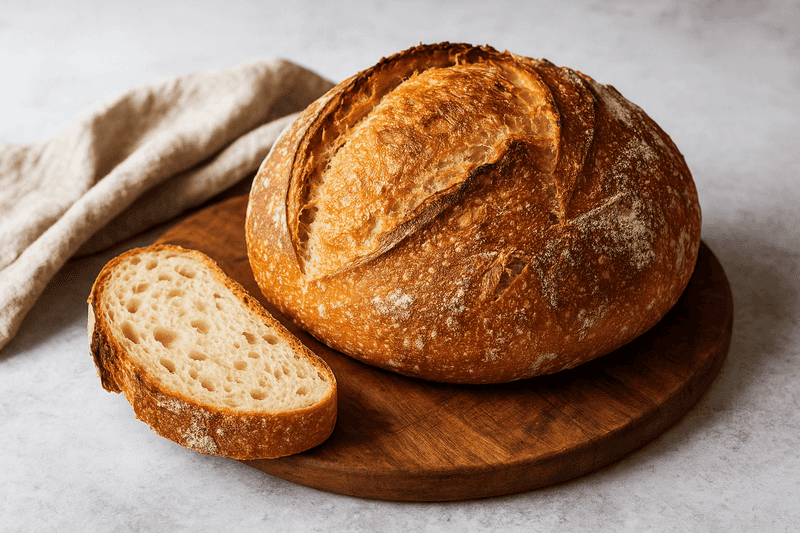
Sourdough has become the hipster darling of the bread world, and to be fair, it's earned its reputation. The long fermentation process breaks down gluten and phytic acid, making it easier to digest for many people. Plus, that tangy flavour and chewy texture make every bite feel a bit special, like you're at a proper artisan bakery even when you're just at home.
It typically has a lower glycaemic index than white bread, meaning it won't spike your blood sugar as dramatically. The downside? Proper sourdough can be pricey and requires a bit more effort to slice evenly. Still, it's a solid choice for those seeking flavour with benefits.
9. Rye Bread
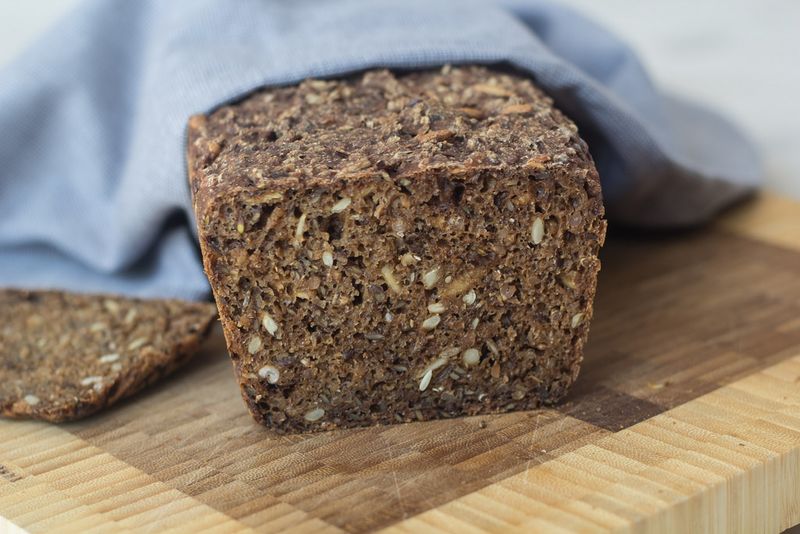
Rye bread brings a bold, earthy flavour that's not for the faint of heart, but those who love it are absolutely devoted. Popular in Scandinavian and Eastern European cuisine, it's making waves in British bakeries for good reason. The dense texture and distinctive taste pair brilliantly with smoked fish, strong cheeses, or simply good butter.
Nutritionally, rye packs more fibre than wheat bread and keeps you feeling satisfied for ages. It's particularly high in minerals like iron and magnesium. The downside is that distinctive flavour can be polarising, and it's not always easy to find good quality rye at your local supermarket. Worth seeking out, though.
10. Seeded Loaves
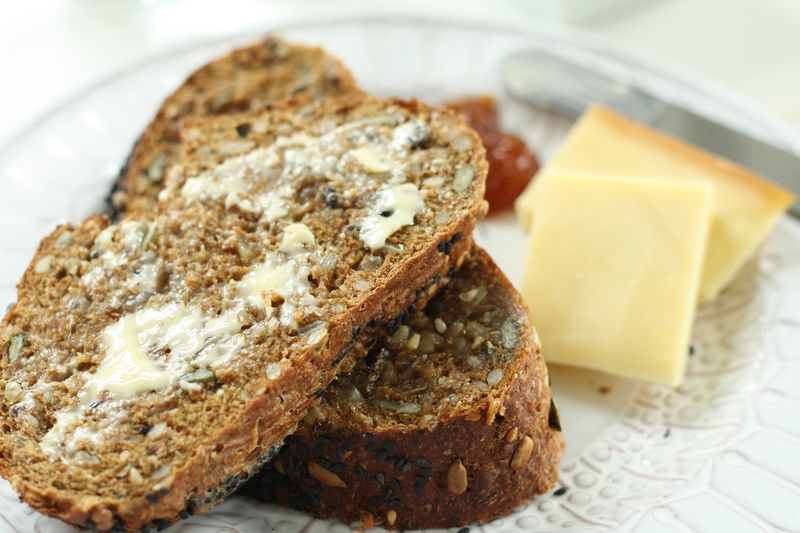
Seeded loaves are like the overachievers of the bread aisle, cramming in every nutritious seed they can find. Sunflower, pumpkin, sesame, linseed – they're all there, adding crunch, flavour, and a serious nutritional boost. Each seed brings its own benefits, from omega fatty acids to extra protein, making these loaves a powerhouse choice for health-conscious eaters.
The texture is wonderfully varied, with seeds providing little bursts of crunch throughout. They toast beautifully and hold up well in sandwiches without going soggy. The only drawback is they can be a bit pricey and occasionally too dense for those preferring lighter breads. Still, they're brilliant value nutrition-wise.
11. Flatbreads And Wraps
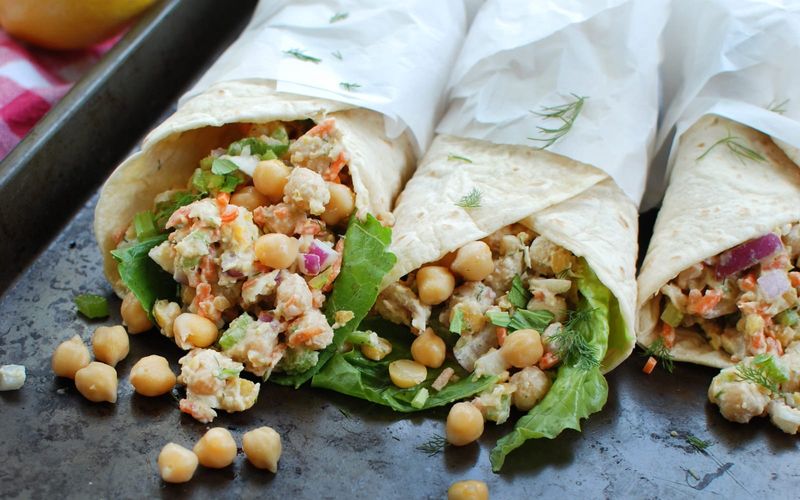
Flatbreads and wraps have become lunchbox heroes, offering convenience and versatility in one neat package. From tortillas to pitta breads, they're perfect for rolling up your favourite fillings without the fuss of traditional sandwiches. They're also brilliant for portion control since you typically use just one wrap rather than two slices of bread.
The downside? Many shop-bought wraps contain surprising amounts of fat and preservatives to keep them soft and pliable. They also lack the satisfying texture of proper bread and can be a bit bland on their own. Great for packed lunches and quick meals, but perhaps not your everyday bread replacement. Check labels carefully for healthier options.
12. Gluten Free Options
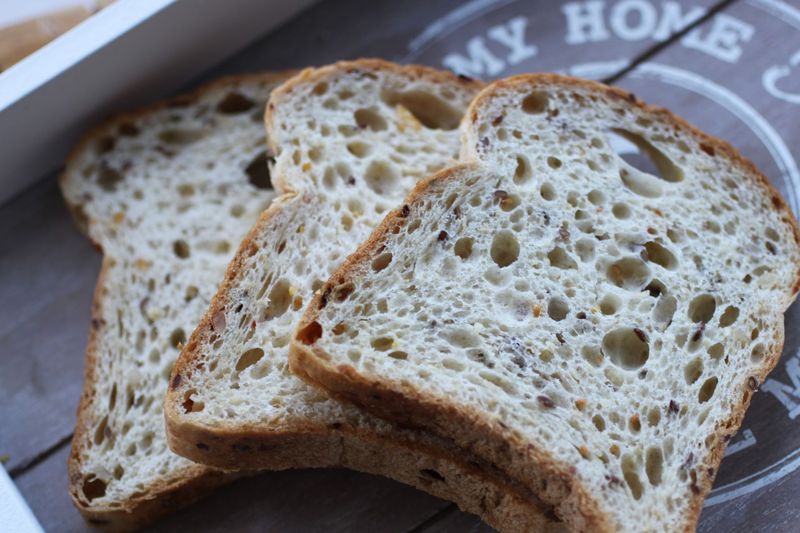
Gluten-free bread has come a remarkably long way from the cardboard-like offerings of years past. For those with coeliac disease or gluten sensitivity, modern gluten-free breads offer genuine alternatives that actually taste decent. Many use rice flour, tapioca starch, or almond flour to create textures that come surprisingly close to traditional bread.
The challenge is that gluten-free breads often contain more sugar and fat to compensate for texture, and they can be significantly pricier. They also tend to go stale faster, so freezing is usually necessary. Unless you genuinely need to avoid gluten, nutritionist Sarah Schenker suggests sticking with whole grain options for better nutritional value and lower cost.



