













Nothing beats the aroma and taste of freshly baked bread, especially when it's destined to cradle your favourite sandwich fillings.
The right homemade bread can transform an ordinary sandwich into something extraordinary – adding texture, flavour, and that special homemade touch.
Whether you're a seasoned baker or just starting out, understanding which breads work best for sandwiches will elevate your lunchtime game to new heights.
What Makes The Perfect Sandwich Bread?
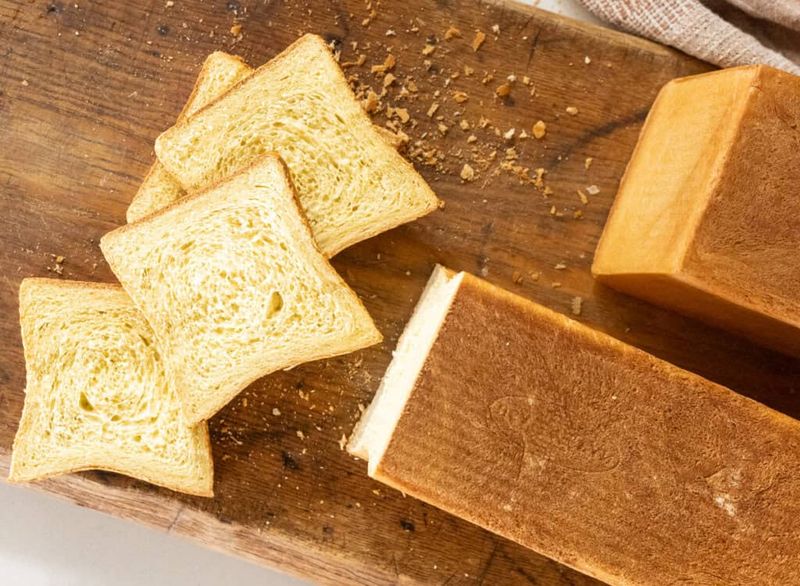
The ideal sandwich bread strikes a delicate balance between structure and softness. You want something sturdy enough to hold your fillings without collapsing, yet tender enough to bite through easily.
Texture plays a crucial role too – a good crumb structure means your bread won't turn soggy when faced with moist ingredients like tomatoes or condiments. The flavour should complement rather than overwhelm your fillings.
Freshness matters tremendously! Homemade bread typically lacks the preservatives found in store-bought varieties, so it's best enjoyed within 1-2 days of baking for optimal sandwich-making potential.
White And Whole Wheat Sandwich Bread
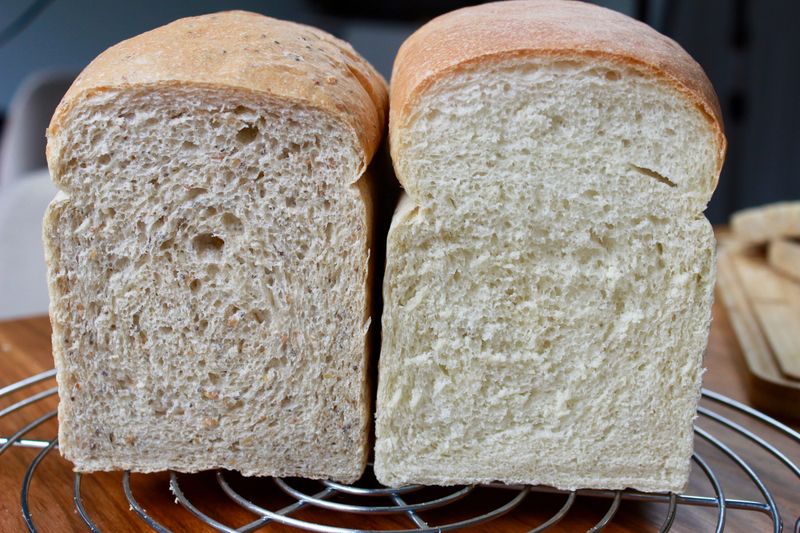
Classic white sandwich bread offers that nostalgic, cloud-like texture we all remember from childhood. Its mild flavour creates the perfect backdrop for virtually any filling, from peanut butter and jam to elaborate club sandwiches.
Whole wheat brings a nuttier profile and nutritional boost to your sarnie. The higher fibre content means it's more filling and often has a slightly denser texture than white bread. For beginners, try a 50/50 blend of white and whole wheat flour.
Both varieties freeze brilliantly when sliced, meaning you can always have fresh sandwich bread at the ready.
Why Sourdough Is Ideal For Sandwiches
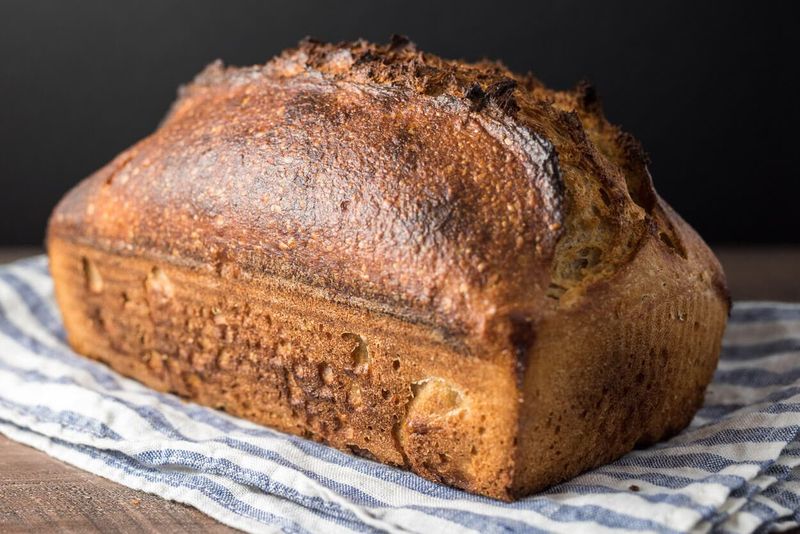
Sourdough's tangy flavour adds a sophisticated dimension to sandwiches that plain bread simply can't match. The natural fermentation process creates a bread with excellent keeping qualities – it stays fresh longer and resists sogginess when faced with wet fillings.
The sturdy crust and chewy interior provide magnificent textural contrast, particularly when lightly toasted. Health-conscious sandwich makers appreciate sourdough's lower glycemic index compared to yeasted breads.
For sandwich perfection, slice your sourdough slightly thinner than you might for toast – about ½ inch thick allows for easier eating while still providing that distinctive sourdough character.
Ciabatta – The Crispy, Airy Option For Hearty Sandwiches
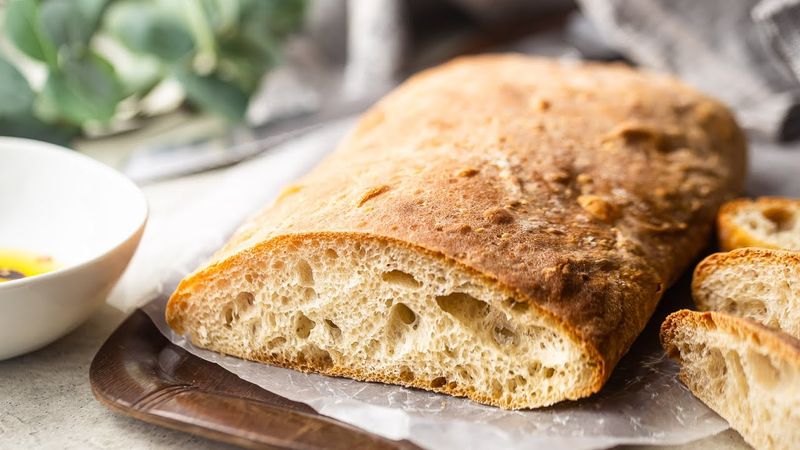
Ciabatta's signature large air pockets and crisp crust make it a champion for substantial fillings. Those nooks and crannies brilliantly capture sauces and oils, infusing every bite with flavour.
Homemade ciabatta offers a much fresher experience than shop-bought versions, with a more tender interior despite its rustic appearance. The rectangular shape makes it perfect for paninis and pressed sandwiches, where the crust crisps up beautifully under heat.
For best results, slice ciabatta horizontally and lightly toast the cut sides before assembling your sandwich – this creates a barrier against moisture while enhancing the bread's natural characteristics.
Brioche – Buttery And Soft For A Luxurious Sandwich Experience
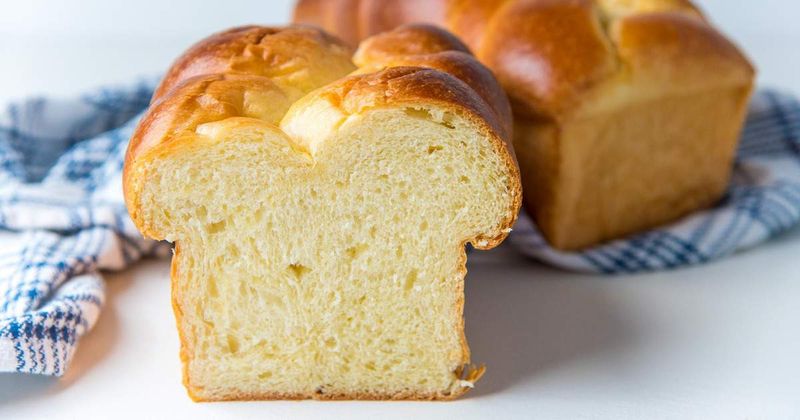
Brioche transforms even the simplest fillings into something special with its buttery richness and golden colour. The eggy dough creates a tender crumb that melts in your mouth yet remains surprisingly sturdy for sandwich construction.
Sweet-leaning sandwiches find their perfect match in brioche – think jam and cream cheese or Nutella. But don't overlook its savoury potential! The subtle sweetness beautifully balances salty fillings like ham or bacon.
Homemade brioche requires patience with its long proving times, but the results are worth every minute. For sandwich perfection, slice it slightly thicker than regular bread to showcase its luxurious texture.
Multigrain Bread – A Healthier, Flavorful Choice For Your Sandwiches
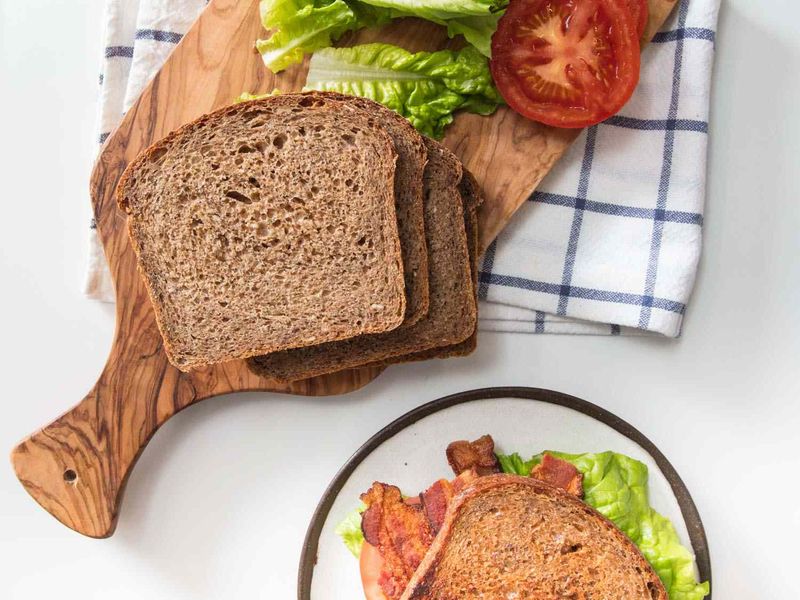
Multigrain bread brings a symphony of textures and flavours to your sandwich game. The varied grains – perhaps oats, millet, flax, or sunflower seeds – create interest in every bite while boosting nutritional value.
Homemade versions allow you to customize your grain blend, controlling both texture and taste. The heartier nature of multigrain makes it especially good for robust fillings like roast beef or mature cheddar, where the bread's character can stand up to strong flavours.
Despite its wholesome reputation, properly made multigrain bread remains soft enough for easy eating while providing satisfying chew and substance to your sarnies.
Focaccia – The Rustic, Herb-Infused Bread For Flavorful Sandwiches
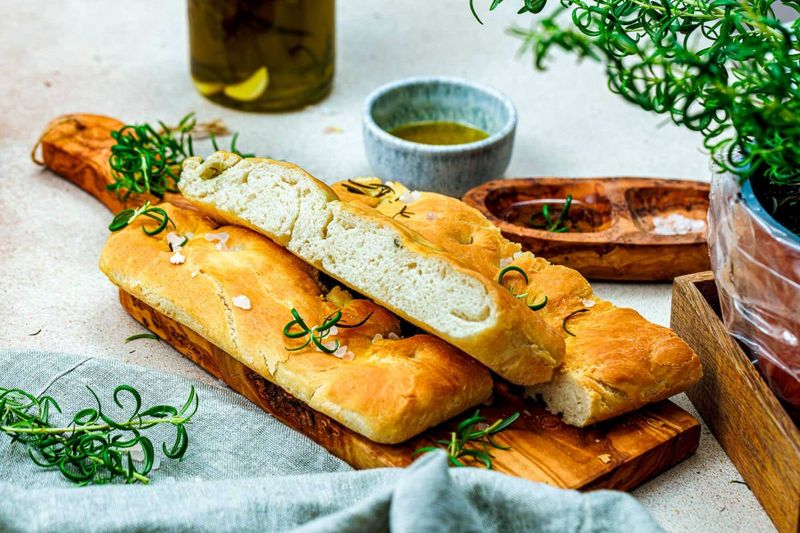
Focaccia brings built-in flavour to your sandwich before you've added a single filling. Dimpled and fragrant with olive oil, herbs, and perhaps a sprinkling of sea salt, this Italian flatbread needs minimal enhancement.
The relatively flat shape makes focaccia perfect for stuffing and slicing horizontally. Its open, airy texture absorbs juices without becoming soggy – brilliant for tomato-based fillings or marinated vegetables.
Baking focaccia at home allows for creative toppings that complement your intended sandwich fillings. Try rosemary and garlic focaccia for Mediterranean-inspired sandwiches, or go bold with sun-dried tomatoes and olives baked right into the bread.
The Versatility Of Homemade Rye Bread For Sandwiches
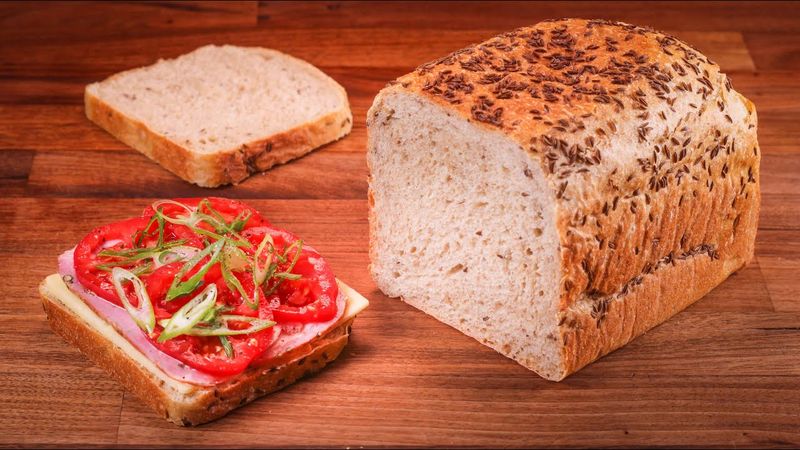
Rye bread brings distinctive character to sandwiches with its slightly sour, earthy flavour profile. Ranging from light to dark varieties, homemade rye can be tailored to your preference – milder for everyday sandwiches or more robust for pairing with strong fillings.
The dense texture of rye makes it exceptionally good at holding up to wet ingredients without disintegrating. Traditional combinations like pastrami or salt beef find their perfect partner in rye, but don't be afraid to experiment!
Caraway seeds are traditional in many rye recipes, adding a delightful aromatic note. For sandwich-specific rye, aim for a slightly softer crumb than you might for toast.
Whole Grain And Seeded Breads: Adding Texture And Flavor To Your Sandwich
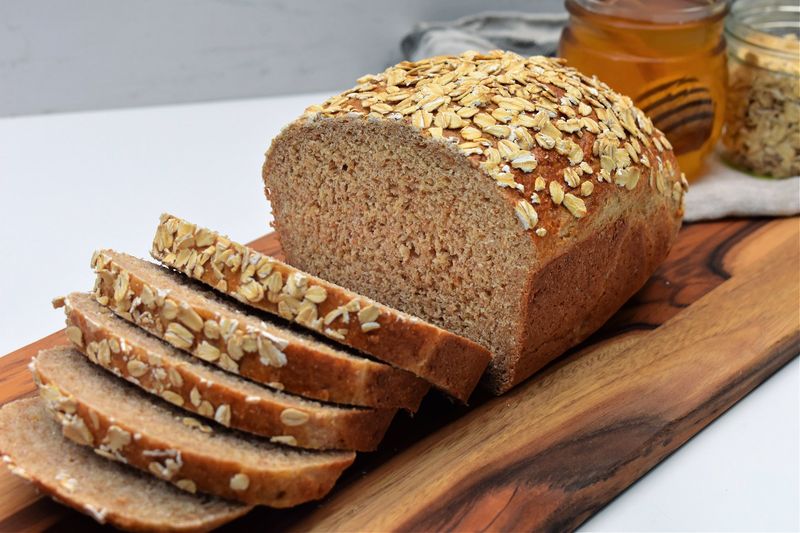
Whole grain and seeded breads bring magnificent crunch and nutritional punch to your sandwich creations. The varied textures from seeds like pumpkin, sunflower, or poppy create interest in every bite while contributing healthy fats and protein.
Homemade versions allow you to control seed distribution and quantities. For sandwich perfection, consider incorporating seeds both in the dough and as a crust on top – this creates visual appeal and ensures consistent texture throughout.
These hearty breads stand up brilliantly to robust fillings like smoked salmon or avocado. Their substantial nature means they're filling too, perfect for when you need a sandwich with staying power.
The Importance Of Crust: Which Homemade Bread Has The Right Balance?
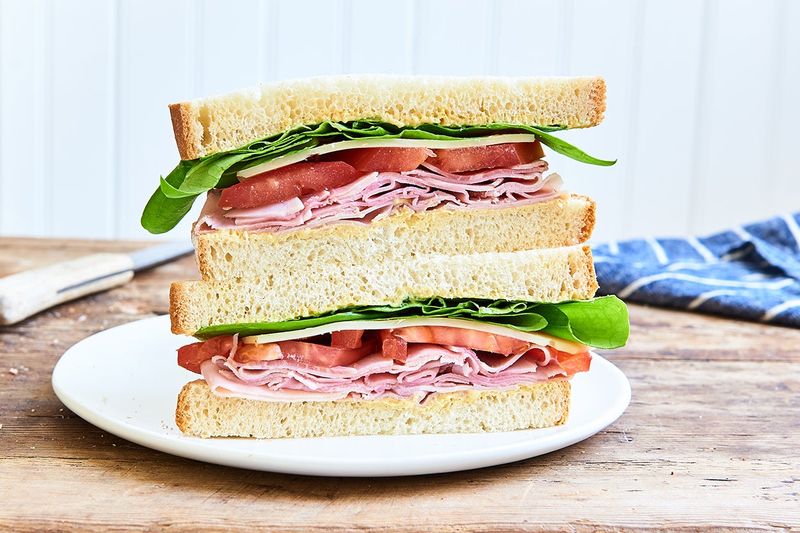
Crust plays a crucial yet often overlooked role in sandwich architecture. Too hard, and it scrapes the roof of your mouth; too soft, and it fails to provide structural integrity.
For everyday sandwiches, aim for bread with a moderate crust – something with a pleasant resistance that gives way to softness. Enriched doughs like milk bread offer this perfect balance, with a golden exterior that's firm but not challenging.
The crust-to-crumb ratio matters tremendously! Sandwich loaves baked in tins typically provide ideal proportions, with just enough crust on top and bottom to add character without dominating each bite.




Comments
No Comments