













The first stretch of milder days often tempts gardeners back outside, even if there is still a chill in the air. Early spring offers a valuable window to sow hardy crops that cope well with cool soil and shorter daylight.
Getting started now is less about rushing the season and more about giving certain plants the steady start they need for strong growth later on. Some vegetables and herbs thrive when planted before temperatures fully rise, developing deeper roots and better resilience ahead of summer.
Choosing the right varieties can make the difference between a modest yield and a generous harvest. Below are reliable options worth considering if you want to make the most of the growing season ahead.
This article is provided for general information and entertainment purposes only. Planting times and results vary depending on local climate, soil conditions, and care.
Always check regional guidance for your specific area before planting. Photos are for illustrative purposes only.
1. Lettuce
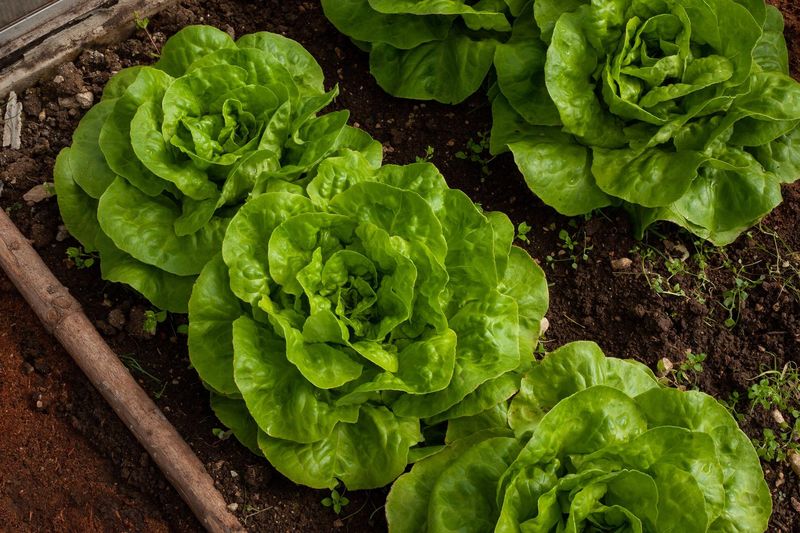
Nothing beats the crisp, sweet crunch of homegrown lettuce, and the beauty is you can start sowing it practically the moment the ground thaws. Baby leaves can be ready in about a month, making it one of the quickest wins in your veg patch.
Lettuce genuinely prefers cooler weather, so early spring suits it perfectly. Pop seeds directly into the soil or start them indoors if you're particularly eager.
Keep the soil moist and you'll be harvesting tender leaves all the way through early summer before the heat makes it bolt.
2. Spinach
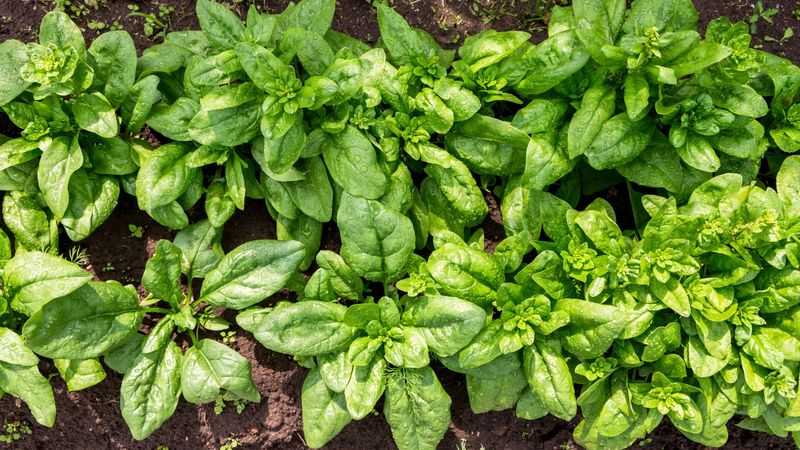
Spinach absolutely loves a chilly start, thriving in temperatures that would make tomatoes weep. You can get it in the ground remarkably early, even when there's still frost about, and it'll reward you with lush, iron-rich leaves in 35 to 50 days.
The flavour of spring-grown spinach is noticeably sweeter than summer varieties, with none of that bitter edge.
Sow seeds thickly and thin them as they grow, using the thinnings in salads. Once warm weather arrives, it tends to bolt quickly, so early planting is essential.
3. Radishes
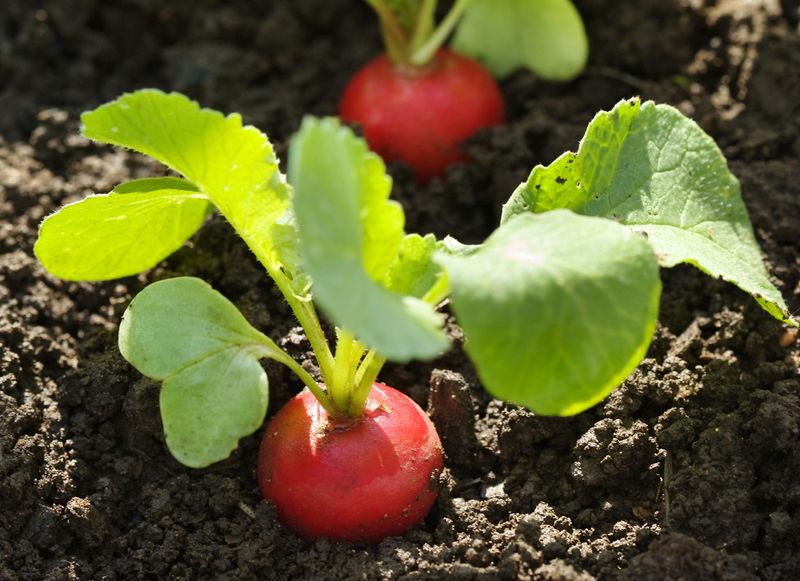
If you're after instant gratification, radishes are your best mate. These speedy little gems can be ready to pull in just 20 to 30 days, making them absolutely perfect for impatient gardeners or getting kids excited about growing food.
They're ridiculously easy to grow, needing minimal fuss and tolerating cooler soil temperatures brilliantly.
Sow them every couple of weeks for a continuous supply, and don't let them sit too long once mature or they'll turn woody. Their peppery crunch adds brilliant bite to salads and sandwiches.
4. Carrots
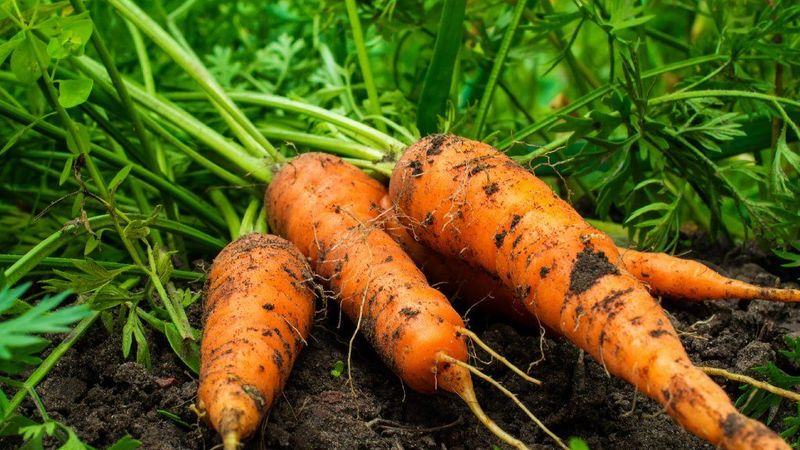
Carrots planted in early spring develop the sweetest flavour, as cool, moist soil encourages steady, even growth. They take a bit longer than some crops, needing 60 to 80 days to reach full size, but the wait is absolutely worth it.
Direct sow them where they'll grow, as they don't transplant well. The tiny seeds can be fiddly, so mix them with sand for easier spacing.
Keep the soil consistently moist during germination, which can take up to three weeks, and you'll be rewarded with crunchy, sweet roots by midsummer.
5. Peas
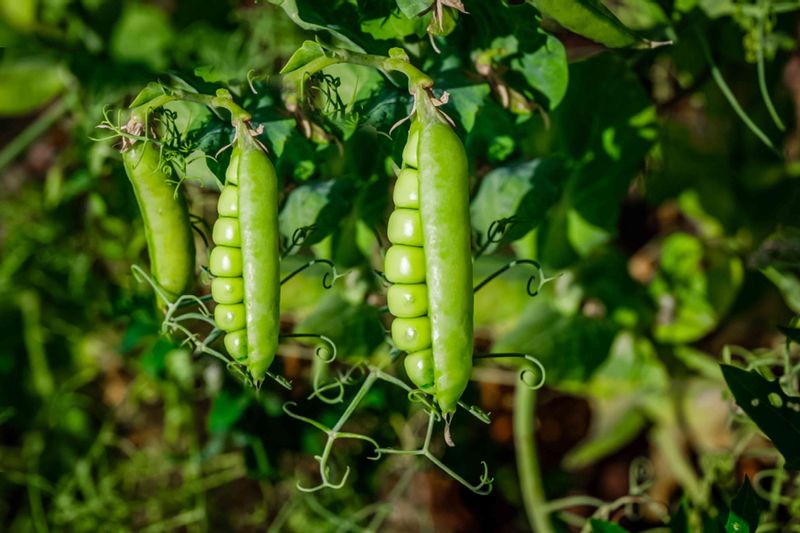
There's something properly satisfying about shelling fresh peas straight from the pod, and early spring planting ensures you'll be doing exactly that come summer. Plant them four to six weeks before your last frost date, as they genuinely prefer cooler conditions.
Peas fix nitrogen in the soil, actually improving it for whatever you plant next.
They'll need some support to climb, whether that's netting, twigs, or proper frames. Harvest them regularly once pods form, as this encourages more production, and you'll have sweet, tender peas for 60 to 70 days.
6. Beetroot
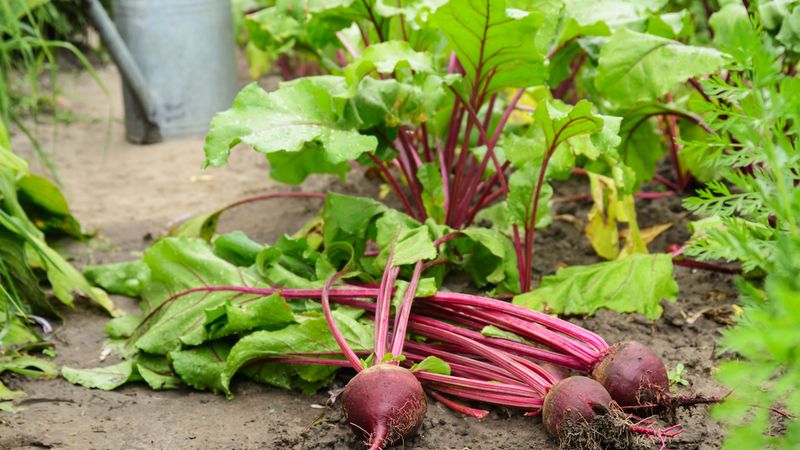
Beetroot is brilliantly versatile, giving you both sweet, earthy roots and nutritious greens from a single planting. Sow seeds early whilst the soil is still cool and moist, and they'll develop the best flavour and texture over 50 to 70 days.
What looks like a single seed is actually a cluster, so expect multiple seedlings to sprout together.
Thin them carefully, using the baby beets and greens in salads. The remaining roots will swell steadily, ready for roasting, pickling, or grating raw into slaws throughout the summer months.
7. Spring Onions
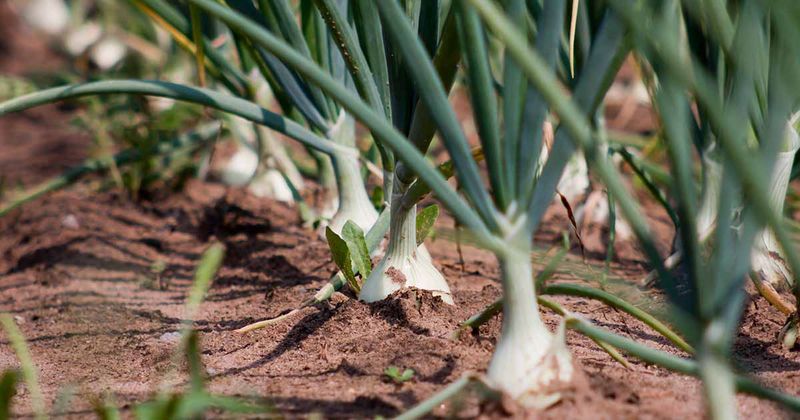
Spring onions are ridiculously easy and wonderfully productive, giving you fresh, mild allium flavour without the wait required for full-sized bulbs. Pop them in early and they'll be ready to pull in about eight weeks, though you can harvest them even younger if you fancy.
They take up minimal space and can be tucked between slower-growing crops.
Sow seeds directly or use sets for even quicker results. Their mild, sweet flavour works brilliantly in stir-fries, salads, and as garnishes, and they'll keep producing if you harvest carefully.
8. Potatoes
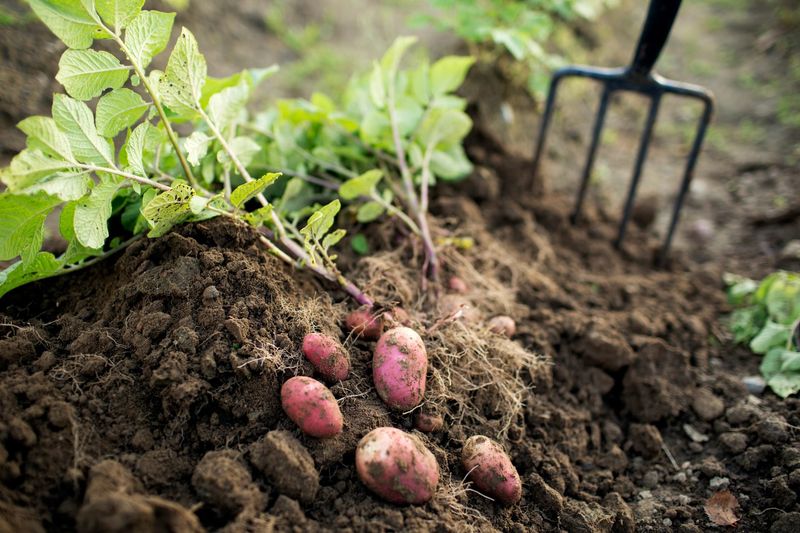
Getting spuds in the ground early means you'll be digging up your own new potatoes by midsummer, which is genuinely one of gardening's great pleasures. Plant seed potatoes about a month before your last frost date, and they'll cope brilliantly with cool soil.
Earth them up as they grow, covering the stems to encourage more tubers to form.
Early varieties are ready in roughly 90 days, giving you waxy, thin-skinned beauties perfect for boiling or roasting. There's honestly nothing quite like the flavour of properly fresh potatoes.
9. Courgettes
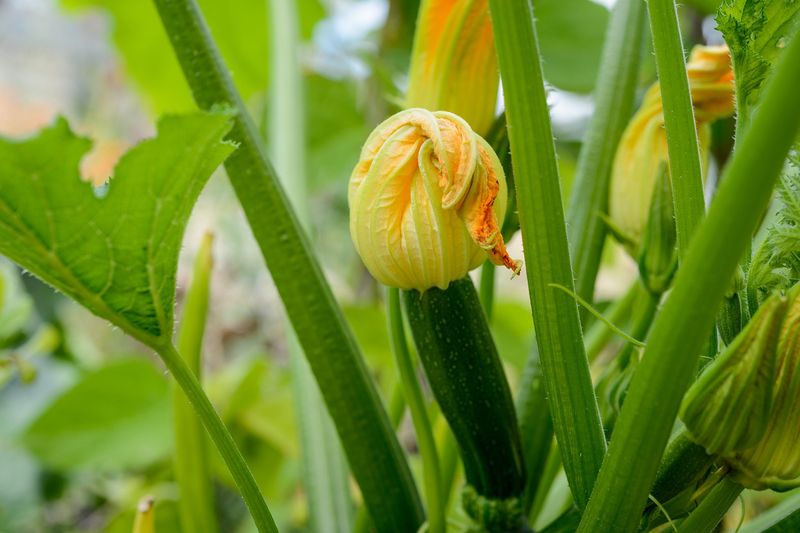
Whilst courgettes are technically warm-weather lovers, starting them indoors in early spring gives them a proper head start for summer production. Sow seeds in pots about four weeks before your last frost, then transplant them once all danger of cold has passed.
These vigorous plants will absolutely take over if you let them, producing abundant harvests throughout summer.
One or two plants is usually plenty for most families, as they're notoriously prolific. Pick courgettes whilst they're still small and tender for the best flavour and texture.
10. Runner Beans
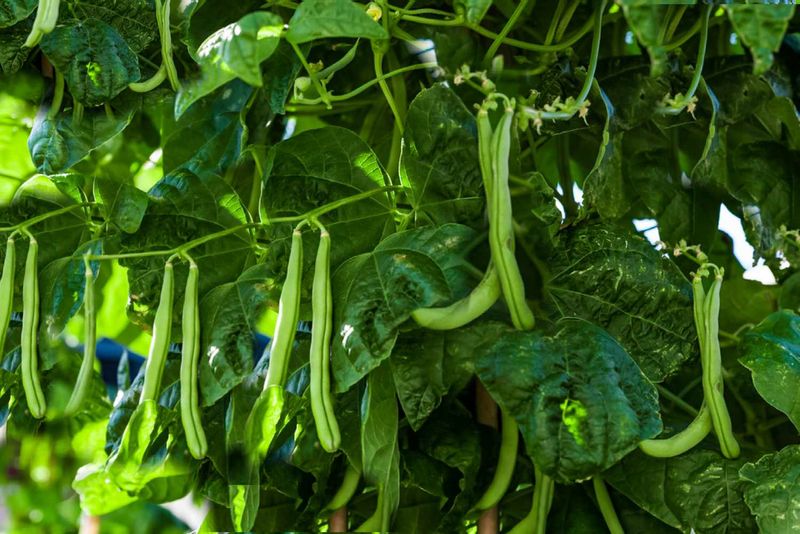
Runner beans are proper showstoppers, offering stunning scarlet flowers followed by abundant crops of long, flat pods. Start them indoors in early spring or direct sow once the soil warms up a bit, as they're more tender than other beans.
They'll climb enthusiastically up whatever support you provide, making them brilliant for vertical growing in smaller spaces.
The flowers attract pollinators whilst the beans develop, and you'll be picking handfuls regularly throughout summer. Keep harvesting to encourage more production, and you'll have beans for months on end.



