













Aquafaba, the liquid left behind from cooked chickpeas, has become a popular alternative for people looking to reduce or avoid eggs in everyday cooking and baking.
It can be whipped, folded, and blended into recipes to create structure and texture in everything from cakes to savoury dishes, making it surprisingly versatile in the kitchen.
While it can be convenient and accessible, results can vary depending on the brand of chickpeas, consistency of the liquid, and how it is measured and prepared. Understanding a few practical basics before swapping eggs for aquafaba can help avoid disappointing results and improve consistency.
All information is provided for general interest only and should not be treated as dietary, nutritional, or medical advice. Individual needs, tolerances, and results may vary.
Always check ingredient labels for allergens and suitability. Photos are for illustrative purposes only.
1. Aquafaba Works Best From Unsalted Chickpeas
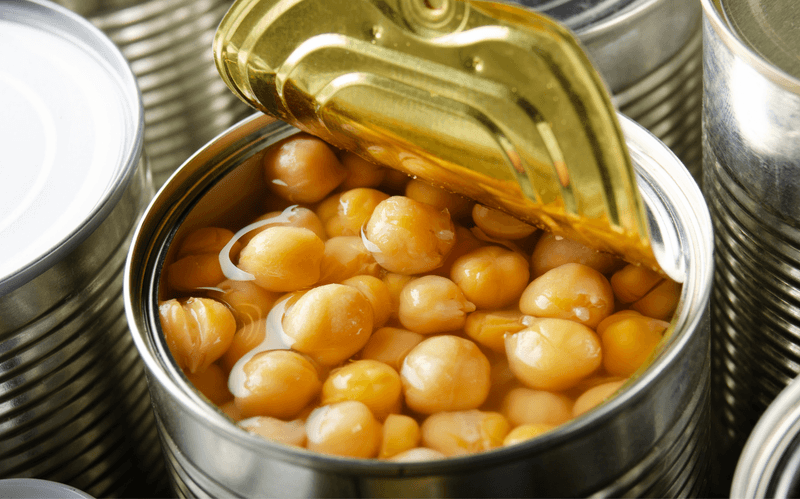
Salt levels in tinned chickpeas vary wildly, and that extra sodium can throw off your bakes in ways you didn't see coming. Using unsalted chickpeas gives you full control over seasoning, especially in delicate recipes like macarons or pavlova where balance is everything.
Salted versions might leave a faint savoury note lingering in your sponge cake, which isn't exactly the vibe you're after. If unsalted tins are tricky to find, rinsing the chickpeas and diluting the liquid slightly can help, though it's not a perfect fix.
Your best bet is hunting down low-sodium or no-salt-added chickpeas for consistent, reliable results every time.
2. Liquid Consistency Can Vary Between Brands
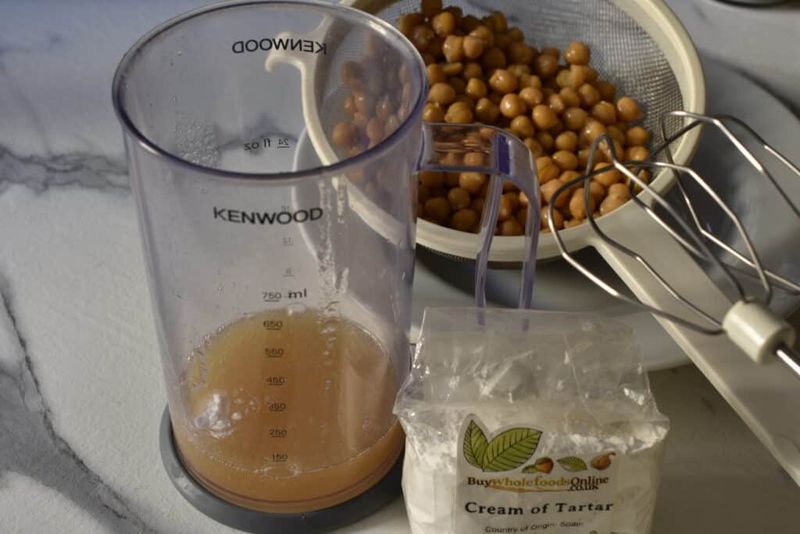
Not all chickpea tins are created equal, mate. Some brands produce thick, syrupy aquafaba that whips like a dream, while others give you watery liquid that barely holds a bubble.
The cooking process, additives, and chickpea variety all play a role in how viscous your aquafaba turns out.
If your liquid looks too thin, try simmering it gently on the hob until it reduces and thickens to a consistency closer to raw egg white. Testing a small batch first can save you from a baking disaster.
Once you find a brand that works brilliantly, stick with it for dependable results in your favourite recipes.
3. Whipping Time Is Longer Than Egg Whites
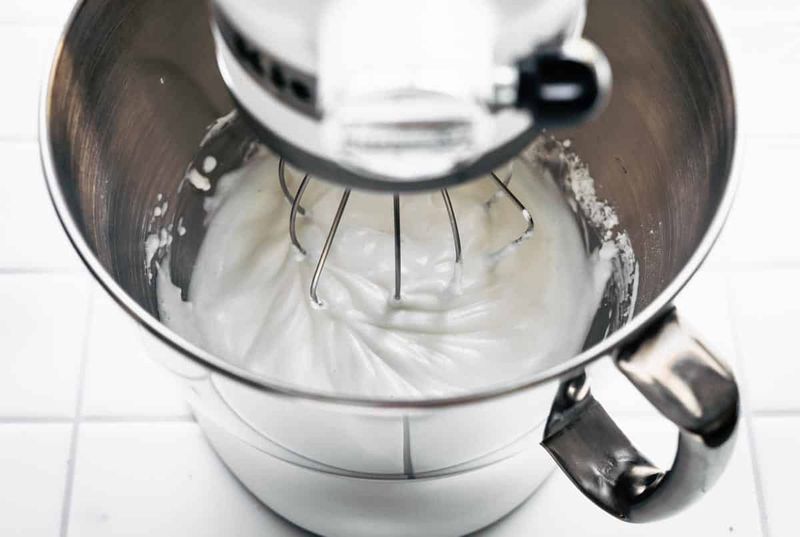
Patience is key when whipping aquafaba because it takes roughly twice as long as egg whites to reach stiff peaks. Your arm might get tired if you're whisking by hand, so an electric mixer is honestly your best friend here.
Expect anywhere from eight to fifteen minutes of continuous whipping, depending on your mixer's power and the aquafaba's thickness. Don't panic if it looks like nothing's happening at first; the magic kicks in gradually as air incorporates into the proteins.
Keep going until glossy, firm peaks form that hold their shape when you lift the whisk, just like proper meringue should.
4. Stabilisers Help Create Firmer Peaks
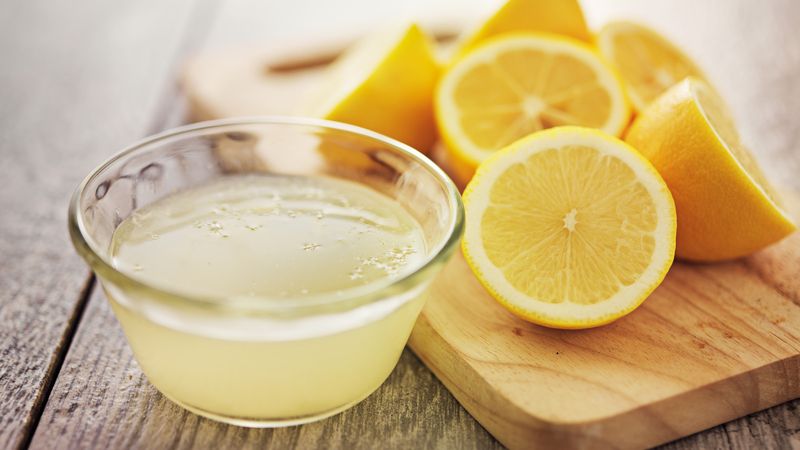
Adding a pinch of cream of tartar, a squeeze of lemon juice, or even a bit of xanthan gum can seriously boost aquafaba's staying power. These stabilisers strengthen the protein structure, helping your whipped mixture hold its shape longer during baking or storage.
Cream of tartar is the classic choice for meringues, while citrus juice doubles as both stabiliser and flavour enhancer. Without them, your carefully whipped aquafaba might deflate faster than you'd like, especially in humid conditions.
A quarter teaspoon per three tablespoons of aquafaba is usually enough to make a noticeable difference without altering taste.
5. Flavour Can Be Neutralised With Vanilla Or Citrus

Raw aquafaba can carry a faint beany aroma that might put you off at first sniff, but it's nothing a splash of vanilla extract or citrus zest can't sort out. Once baked, that flavour pretty much disappears anyway, especially in sweet recipes with sugar and spices.
Vanilla works brilliantly in cakes, cookies, and meringues, while lemon or orange zest adds a fresh, bright note to mousses and frostings. If you're making something savoury, herbs and garlic can mask any lingering chickpea taste just as effectively.
Trust the process; your final dish won't taste like hummus, promise.
6. Not All Recipes Suit A Direct Swap
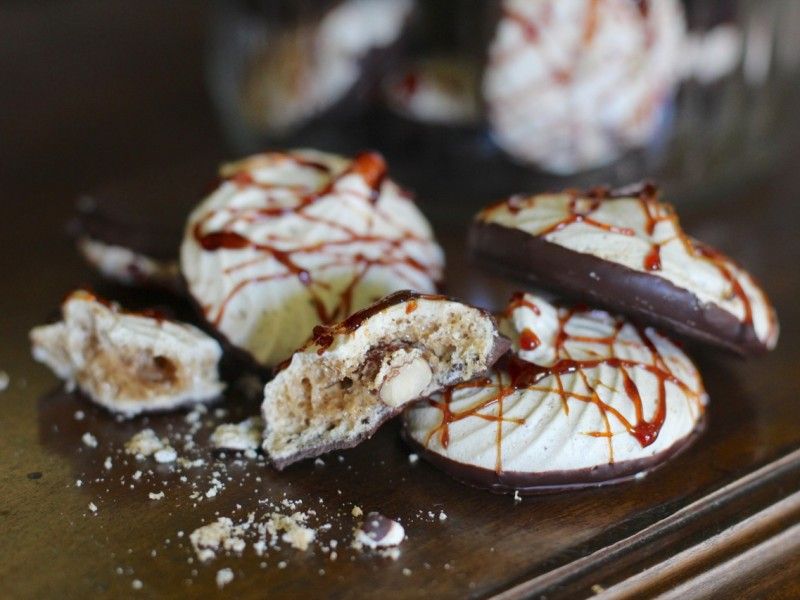
While aquafaba shines in meringues, mousses, and fluffy cakes, it struggles in recipes where eggs are the star ingredient, like custards, quiches, or scrambled eggs. The proteins in aquafaba behave differently from egg proteins, so they can't replicate that rich, custardy texture or firm set you get from real eggs.
Recipes relying on eggs primarily for binding and leavening tend to work best with aquafaba substitutions. Expect some trial and error, especially with family heirloom recipes or tricky bakes like soufflés.
Research beforehand or look for aquafaba-specific recipes to avoid disappointment and wasted ingredients.
7. Measuring By Tablespoons Gives Better Accuracy
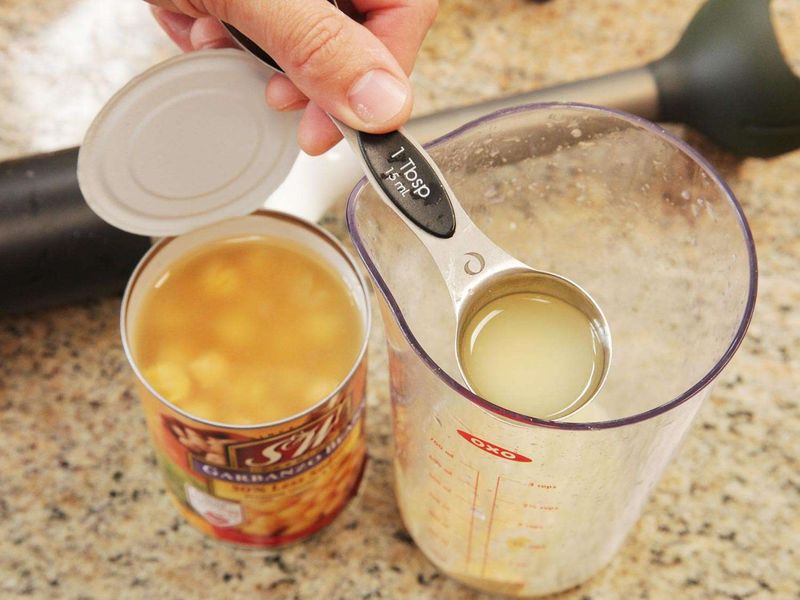
Forget eyeballing it; precision matters when substituting aquafaba for eggs because even slight variations can affect texture and rise. Three tablespoons replace one whole egg, while two tablespoons stand in for one egg white, making measuring spoons your most reliable tool.
Using actual tablespoon measures rather than guessing with a regular spoon ensures consistency across batches. Volume matters more than weight here since aquafaba density varies between brands and cooking methods.
Keep a conversion chart handy in your kitchen until the ratios become second nature, especially if you're scaling recipes up or down frequently.
8. Baked Texture May Be Slightly Softer
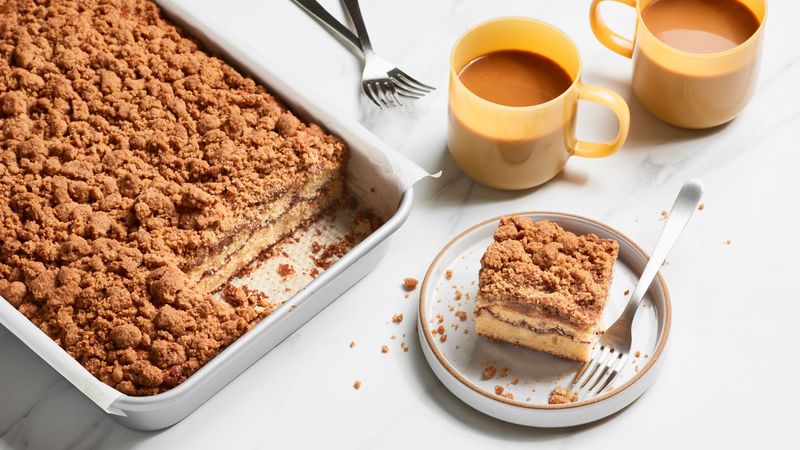
Cakes and cookies made with aquafaba often turn out a bit more tender and delicate than their egg-based counterparts, which isn't necessarily a bad thing. The lack of fat and certain proteins means your bakes might not have quite the same structure or chewiness, leaning towards a lighter, airier crumb instead.
Some bakers love this softer texture, while others tweak recipes by reducing liquid slightly or adding a touch more flour for firmness. Biscuits might spread more, and brownies could be less fudgy, so adjust expectations accordingly.
Experimentation is part of the fun, so embrace the learning curve and enjoy the results.
9. Storage Life Is Short Once Open
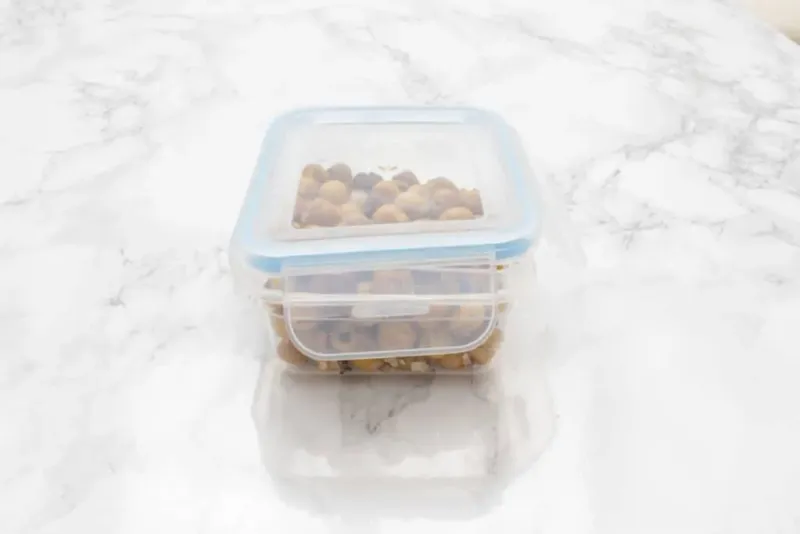
Fresh aquafaba only lasts about a week in the fridge once you've opened that tin, so plan your baking accordingly or freeze portions for later use. Freezing in ice cube trays works brilliantly, with each cube holding roughly one tablespoon for easy measuring when you need it.
Thaw frozen aquafaba in the fridge overnight or at room temperature for an hour before whipping; it should perform just as well as fresh. If your stored aquafaba smells off or looks cloudy, bin it and start fresh to avoid ruining your recipe.
Label containers with dates so you're not left guessing how long it's been lurking in the back of your fridge.



