









Some restaurants quietly build their reputation by doing simple things exceptionally well, and St. John has long been one of those places people whisper about with genuine affection. The moment you step inside, there’s a sense of confidence in the cooking that feels reassuring rather than flashy.
Curiosity naturally kicks in when you notice how much attention goes into ingredients, technique, and tradition. It’s the kind of dining experience that reminds you why classic British flavours still hold such loyal fans.
All information is provided for general interest only. Menus, availability, pricing, and opening times may change, and individual experiences can vary. Visitors are advised to check directly with the venue before planning their visit.
1. The Philosophy Behind Nose-To-Tail Cooking
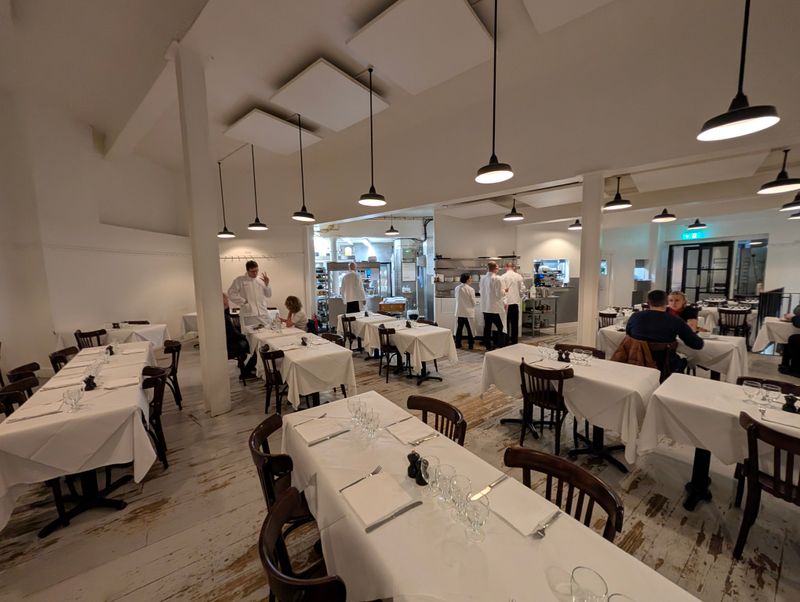
Fergus Henderson built St. John on a simple idea: respect the whole animal. Nothing goes to waste when skilled chefs transform every part into something delicious.
Ox tongue, pig's head, and bone marrow became stars on the menu. This approach honours farmers and celebrates British culinary heritage with courage and creativity.
2. How Seasonal British Ingredients Shape The Menu

Menus at St. John naturally shift with the seasons, reflecting what British producers are supplying at their best. Lighter seafood and fresh vegetables often appear when the weather warms up, whilst colder months lean towards heartier roots and comforting flavours.
This keeps the menu feeling alive rather than predictable. Ingredients are allowed to shine without being buried under heavy sauces or complicated techniques.
It creates food that tastes honest, confident, and quietly satisfying.
3. The Signature Dishes That Built Its Reputation
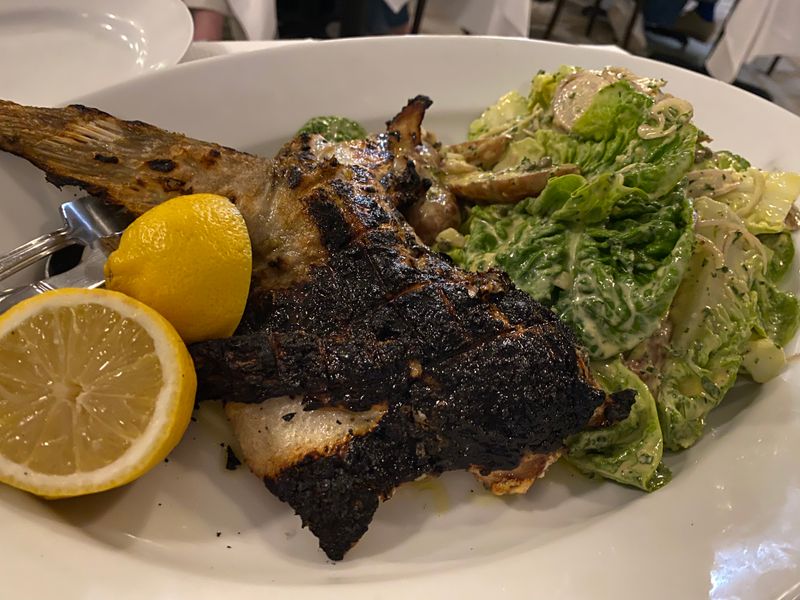
Several dishes over the years have helped cement St. John’s reputation for confident, stripped-back cooking. The cooking style focuses on bold flavours, strong technique, and letting quality ingredients speak for themselves.
Bakery items and savoury plates often arrive simply presented but deeply satisfying. Menus evolve, so favourites naturally rotate depending on season and availability.
That sense of discovery keeps regulars curious and first-timers pleasantly surprised.
4. The Dining Room Atmosphere And Unfussy Design
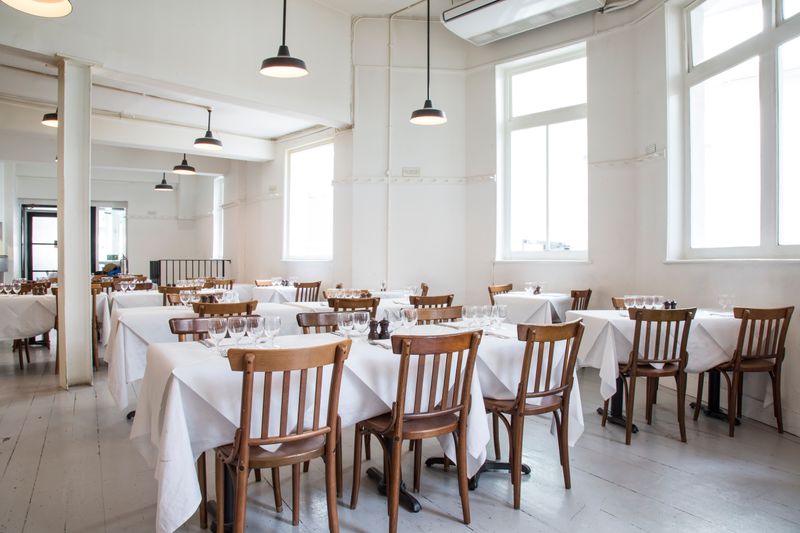
Bright white walls and minimal decoration define St. John's dining space. Sunlight pours through tall windows, creating warmth without fussiness or pretension.
Tables sit comfortably spaced apart, giving diners privacy and room to relax. The former smokehouse maintains its industrial charm whilst feeling welcoming and unpretentious - exactly what British dining should be.
5. Why Simplicity Drives So Much Of The Appeal
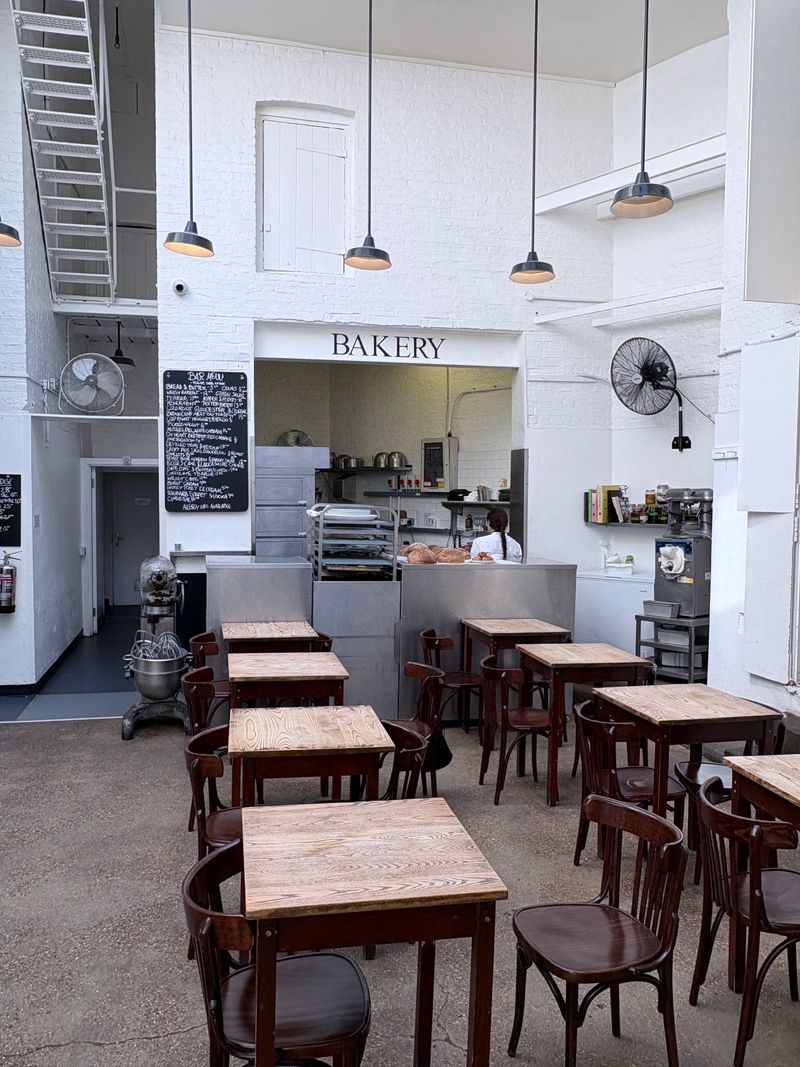
St. John proves that excellent cooking doesn't need fancy plating or complicated techniques. High-quality ingredients prepared with skill and respect create memorable meals every time.
Menus list dishes plainly - no flowery descriptions or Instagram-worthy arrangements. This honesty lets flavours shine through, reminding diners that British food deserves celebration when done properly and thoughtfully.
6. How It Influences Modern British Cooking Culture
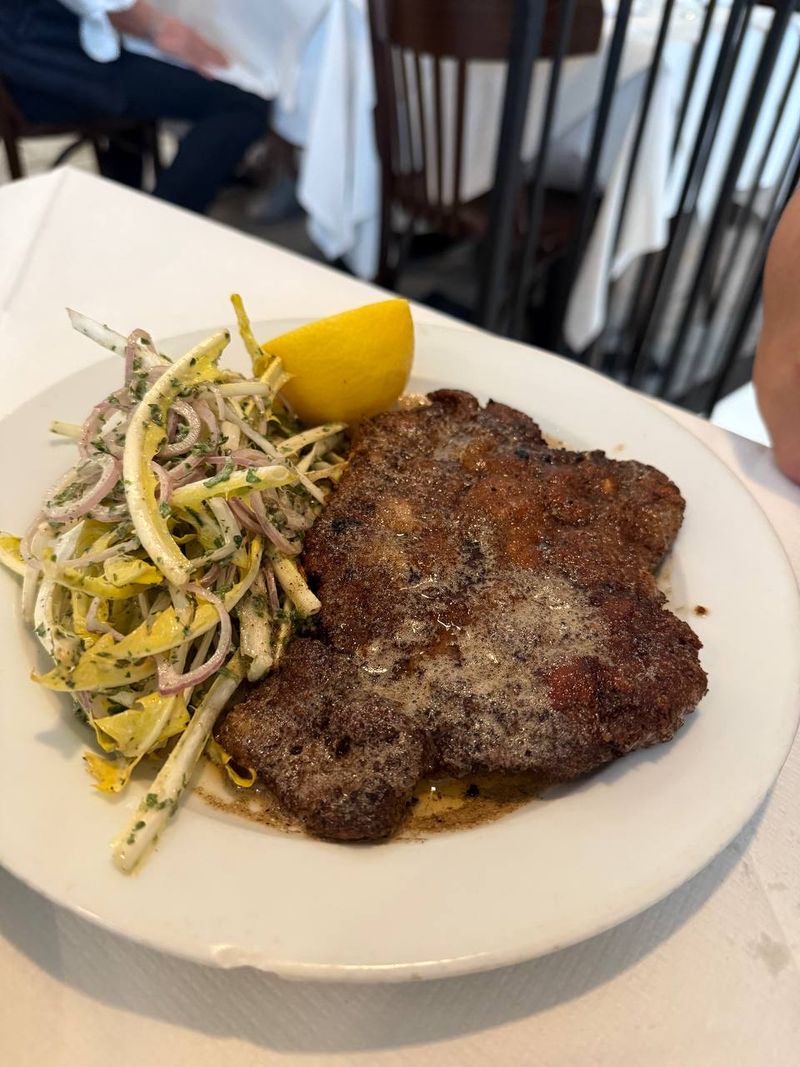
St. John is often credited with helping bring forgotten cuts and nose-to-tail cooking back into mainstream British kitchens. Many chefs cite its influence when talking about confidence in using the whole animal and respecting traditional techniques.
The restaurant helped shift how people think about British food, proving it can be both thoughtful and exciting without unnecessary fuss. Its ideas have quietly filtered into cookbooks, restaurants, and home kitchens alike.
That ripple effect continues to shape modern British dining culture.
7. Practical Tips For Booking And Visiting

Booking ahead is usually a good idea, especially during busier dining periods. Checking the restaurant’s official website or contacting them directly ensures you have the most up-to-date opening times and availability.
Arriving a little early allows time to settle in and enjoy the atmosphere before ordering. Menus and pricing can change seasonally, so it’s worth reviewing current details in advance.
Planning ahead helps the visit feel relaxed rather than rushed.