













Growing food at home often changes how people think about what they eat and where it comes from. Even small-scale gardening can influence daily routines, shopping habits, and meal planning.
Spring offers a natural starting point, with longer days and a wider range of crops suited to home growing. The process is not limited to outdoor space or gardening experience.
Herbs, salad leaves, and vegetables can be grown in gardens, balconies, or windowsills. Exploring what growing your own food can change highlights practical shifts in lifestyle, awareness, and everyday choices.
This article is provided for general information only. Gardening results vary depending on climate, space, soil, and individual experience.
It does not constitute professional agricultural or health advice. Availability and outcomes may differ. Photos are for illustrative purposes only.
How Home Gardening Influences Eating Habits
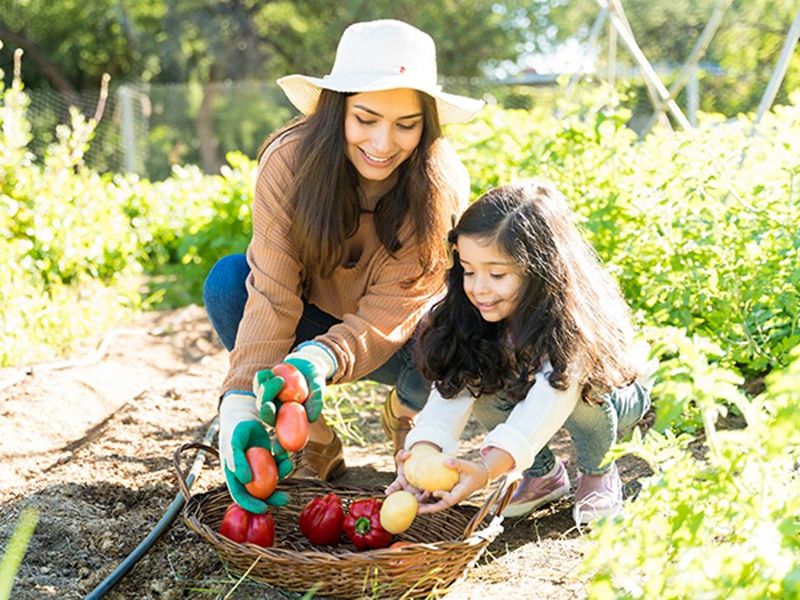
Ever notice how kids who grow veg are suddenly willing to eat them? There's something almost magical about it.
When you've nurtured a carrot from seed to harvest, you're far more likely to crunch into it with pride rather than push it around your plate.
Homegrown food tastes different because it is different. Supermarket tomatoes are bred for shelf life, not flavour.
Yours? They're bred for nothing except tasting absolutely brilliant.
You'll find yourself planning meals around what's ready rather than what's on offer, which naturally leads to more adventurous cooking and less waste.
The Impact On Grocery Spending And Planning
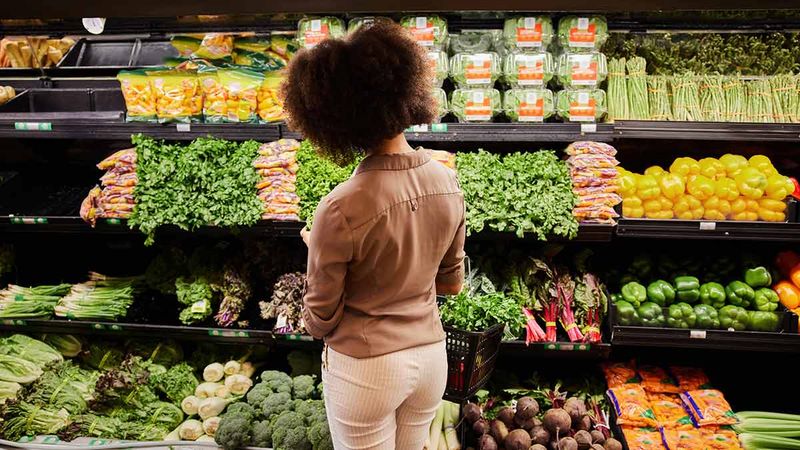
Your wallet will thank you, though perhaps not immediately. Seeds and compost cost money upfront, but a single courgette plant can produce enough to feed your street.
Seriously, you'll be begging neighbours to take them.
Once your garden hits its stride, those weekly shop totals start shrinking. No more paying premium prices for herbs that wilt in three days or salad leaves that cost more per kilo than steak.
You'll also waste less because you harvest only what you need, when you need it.
Access To Seasonal And Fresh Produce
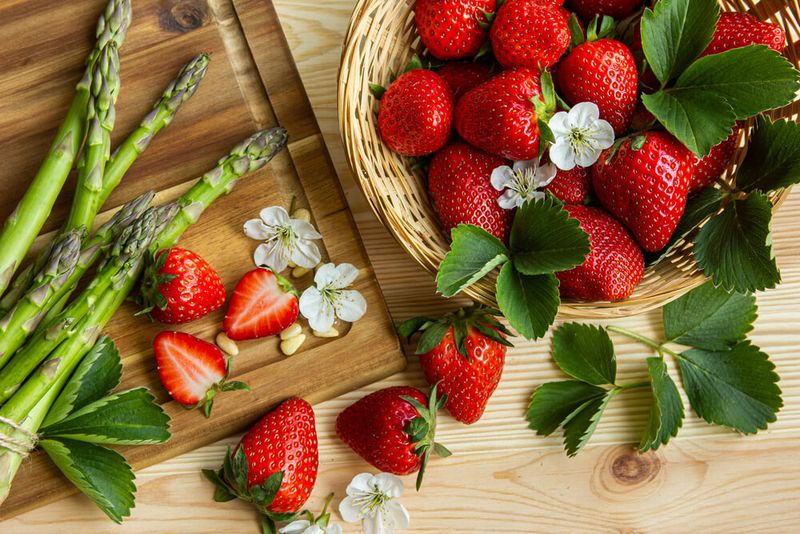
Strawberries in December are a con. They've travelled thousands of miles, taste of absolutely nothing, and cost a fortune.
Spring gardening reconnects you with the rhythm of actual seasons, which humans somehow forgot existed.
When you grow food, you eat what's meant to be eaten now. Spring brings tender peas, crisp radishes, and the first sweet strawberries that actually taste like strawberries.
Summer's different, autumn's different again.
This variety keeps meals interesting and your body gets nutrients it's evolved to expect at specific times.
How Gardening Supports Environmental Awareness
Nothing teaches you about ecosystems quite like watching them work in your own back garden. You'll spot which insects are mates (ladybirds demolishing aphids) and which are just visiting (bees doing their crucial pollination thing).
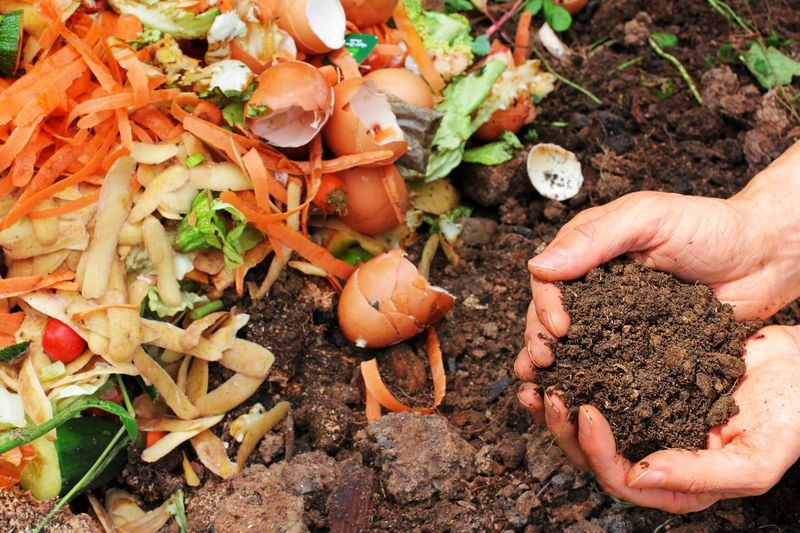
Suddenly, pesticides seem completely mental when you realize how many helpful creatures you'd be nuking. Composting becomes second nature because you see waste transform into black gold that feeds next season's crops.
You'll understand food miles viscerally when your lettuce travels three metres instead of three hundred.
The Role Of Gardening In Food Education
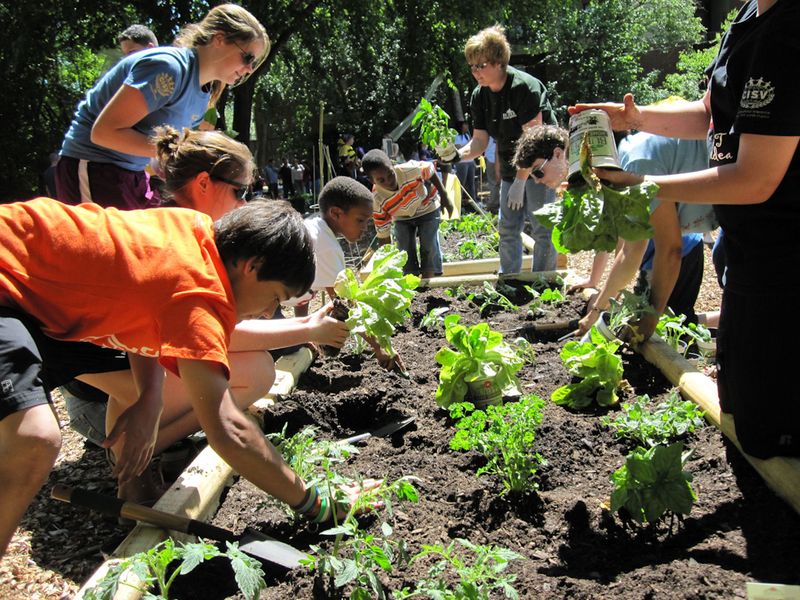
Ask most kids where chips come from and they'll say "the freezer." Growing food bridges that bizarre disconnect between soil and supper. Watching a seed become dinner is proper science education that sticks because it's delicious.
You'll learn which plants are greedy feeders, which like shade, and why crop rotation matters. These aren't abstract concepts but practical knowledge you use constantly.
Even adults discover they know shockingly little about food production until they try it themselves.
Physical And Mental Wellbeing Considerations
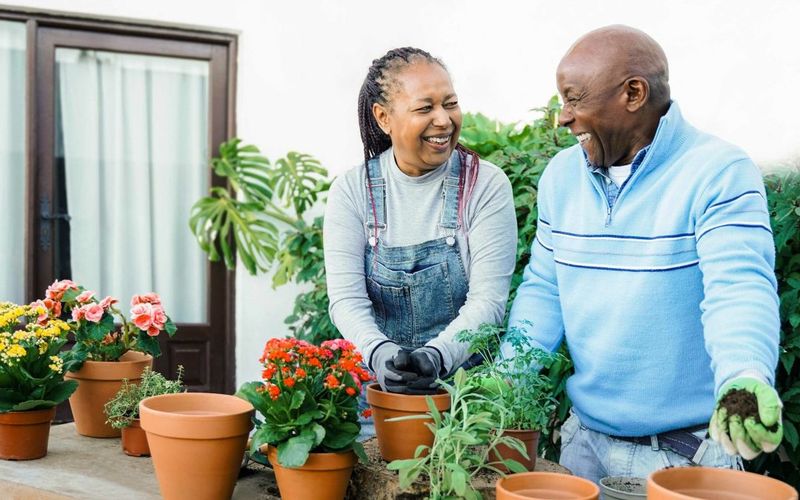
Gardening is sneaky exercise. You're squatting, stretching, lifting, and digging without the soul-crushing boredom of a gym.
Twenty minutes of weeding burns decent calories whilst actually achieving something useful.
The mental health benefits are equally real. Soil contains bacteria that genuinely boost serotonin levels, which sounds made up but isn't.
There's something deeply calming about repetitive tasks like sowing seeds or picking beans.
Plus, watching things grow gives you hope, which everyone needs more of these days.
Understanding Where Food Comes From
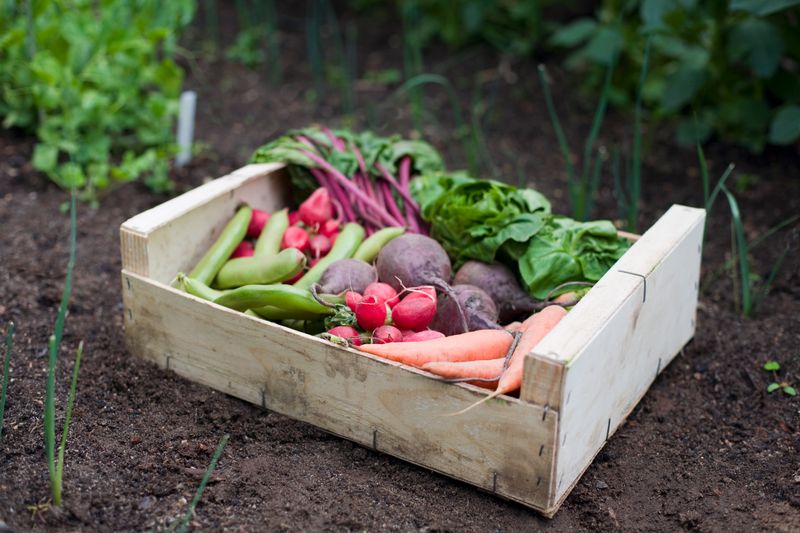
Most supermarket food arrives so processed and packaged that its origins are completely obscured. Potatoes grow underground, not in plastic nets.
Tomatoes grow on vines, not in clamshell containers that'll outlive us all.
Growing your own food makes these connections obvious and immediate. You'll understand why local seasonal produce costs what it does and why imported asparagus in February is environmentally bonkers.
This knowledge transforms you from passive consumer to informed participant in the food system.
How Growing Food Encourages Sustainable Choices
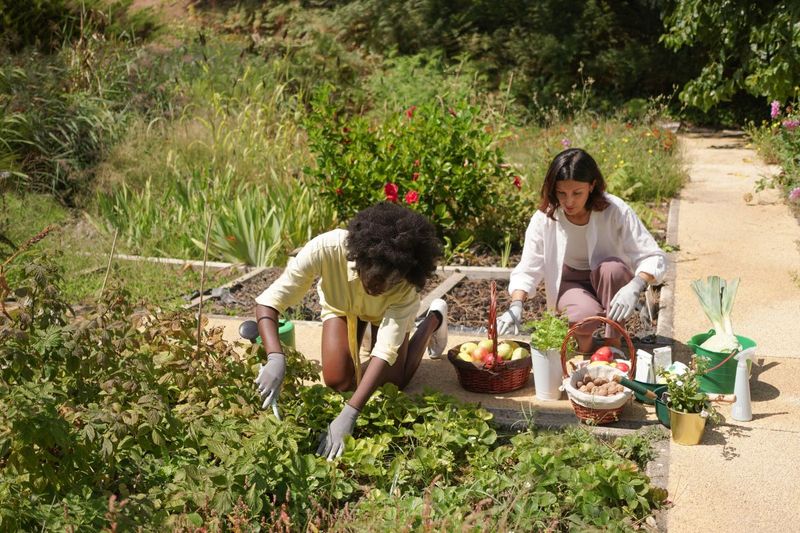
Once you've grown food sustainably, buying stuff wrapped in three layers of plastic feels properly wrong. Your garden becomes a gateway to broader environmental consciousness that ripples through other life choices.
You'll start composting kitchen scraps, collecting rainwater, and choosing varieties based on local climate rather than supermarket trends. Seed saving becomes interesting rather than eccentric.
These small actions compound into genuine lifestyle changes that benefit everyone, not just your dinner plate.



