











• Skip to primary navigation
  • Skip to main content
  • Skip to primary sidebar
The Daily Dish
  • About Me
  • Recipes
  • Wellbeing🧡
  • Contact
  • Subscribe
  • Gluten-Free
  • Navigation Menu: Social Icons

    Connect With Me

    • Facebook
    • Instagram
    • Pinterest
menu icon
go to homepage
  • About Me
  • Recipes
  • Wellbeing🧡
  • Contact
  • Subscribe
  • Gluten-Free
  • Let's Connect

    • Facebook
    • Instagram
    • Pinterest
  • subscribe
    search icon
    Homepage link
    • About Me
    • Recipes
    • Wellbeing🧡
    • Contact
    • Subscribe
    • Gluten-Free
  • Let's Connect

    • Facebook
    • Instagram
    • Pinterest
  • ×
    • 15 Places In Texas To Enjoy Breakfast With A Million-Dollar View
    • 12 Cincinnati Area, Ohio Hole-In-The-Wall Restaurants Tourists Always Walk Past
    • 11 Anna Maria Island Restaurants In Florida You Can't Miss
    • 12 Maryland Restaurants That Stay Packed Without Ever Advertising
    • 14 Florida Buffets So Good You Won't Mind The Wait
    • 13 Under-The-Radar Detroit, Michigan Restaurants Worth Seeking Out
    • 12 Tennessee Restaurants So Remote The Journey Becomes Part Of The Experience
    • 11 Atlanta, Georgia Hole-In-The-Wall Restaurants Locals Love
    • 11 Top-Rated Restaurants In New Jersey That Are Always Worth The Trip
    • 10 Small Local Restaurants In Marietta, Georgia Worth A Visit
    • 11 Top-Rated Restaurants In Maryland That Are Always Worth The Drive
    • 12 Winston-Salem, North Carolina Hole-In-The-Wall Restaurants Only Locals Know About
    Home » Recommendations

    What Is The Difference Between Dark And Light Honey?

    Published:Aug 12, 2025· Modified: Aug 12, 2025 by Isla Clarke

    • Share
    • Email

    Have you ever noticed how honey jars come in various shades from pale gold to rich amber?

    Honey's colour actually tells us quite a lot about what's inside. The difference between light and dark honey goes far beyond appearance, affecting everything from taste to benefits.

    The information in this article is based on general and publicly-available knowledge and widely accepted descriptions of honey varieties. Flavour, colour, and texture can vary depending on floral source, region, and processing methods.

    1. Floral Source
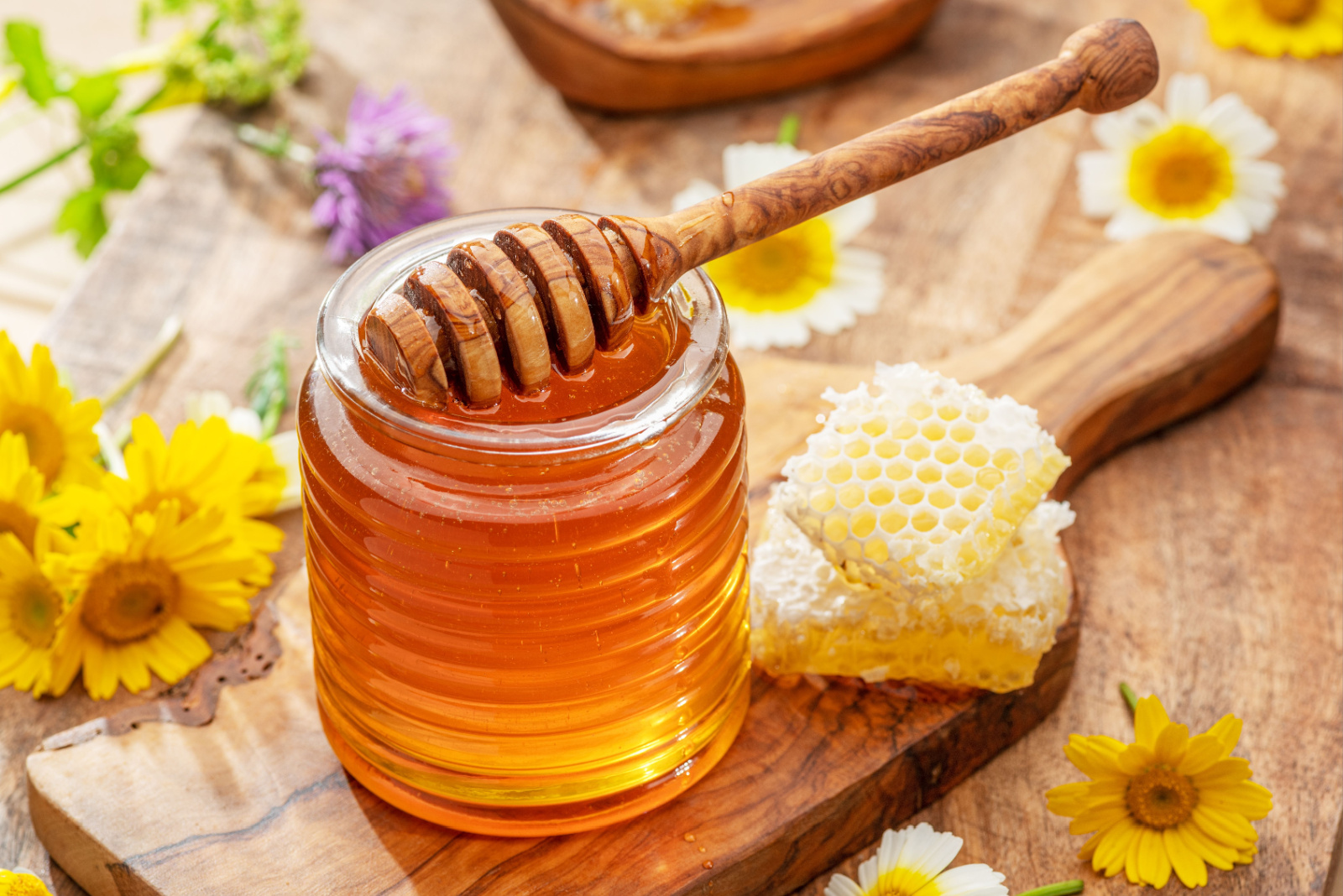
    Natural organic honey in glass jar, honey dipper and honeycombs are near. Natural food background.
    ©Image Credit: Valentyn Volkov / Shutterstock

    The flowers bees visit determine honey's colour. Bees buzzing around clover fields produce delicate, light-coloured honey.

    When they collect nectar from buckwheat or heather, the result is dramatically darker.

    Each plant contributes unique compounds that affect both colour and character.

    2. Taste Intensity
    Organic honey food photography recipe idea
    ©Image Credit: Rawpixel.com / Shutterstock

    Light honey is very sweet. Think subtle notes that complement rather than overpower, great for morning toast or stirring into tea.

    Dark honey, however, shouts its presence with bold, complex flavours.

    Some varieties even deliver hints of toffee, spice, or dried fruit, making them brilliant partners for strong cheeses or hearty breads.

    3. Antioxidant Content
    Honey in a glass jar with honey dipper on rustic wooden table background. Copy space.
    ©Image Credit: NataliaZa / Shutterstock

    Researchers have discovered something fascinating about honey colour: the darker the honey, the higher its antioxidant levels.

    Buckwheat honey, with its deep amber hue, contains up to 20 times more antioxidants than lighter varieties.

    These compounds help fight free radicals in our bodies, potentially offering greater health protection.

    4. Mineral Profiles
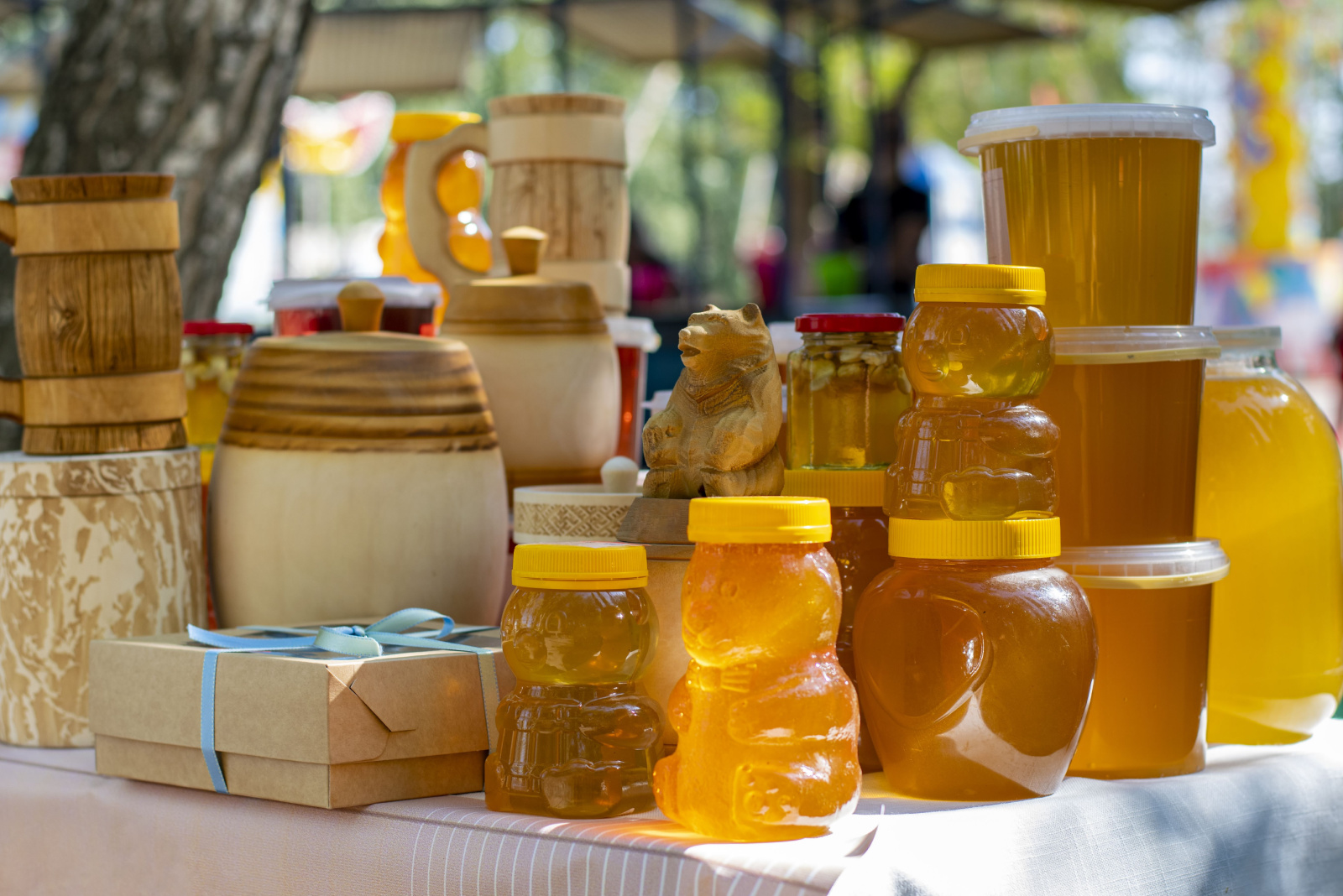
    On the table are glass jars, wooden barrels and plastic containers filled with bee honey and ready to be sold at the honey fair
    ©Image Credit: Wirestock Creators / Shutterstock

    Nutritional analysis reveals dark honey's secret strength, a richer mineral content. While light varieties contain trace minerals, darker honeys boast significantly more iron, zinc, and manganese.

    This nutritional boost comes from the diverse plant sources and soil conditions where the source flowers grow.

    For anyone seeking a natural mineral, reaching for that jar of forest honey might be a sweet solution.

    5. Crystallisation Happens At Different Rates
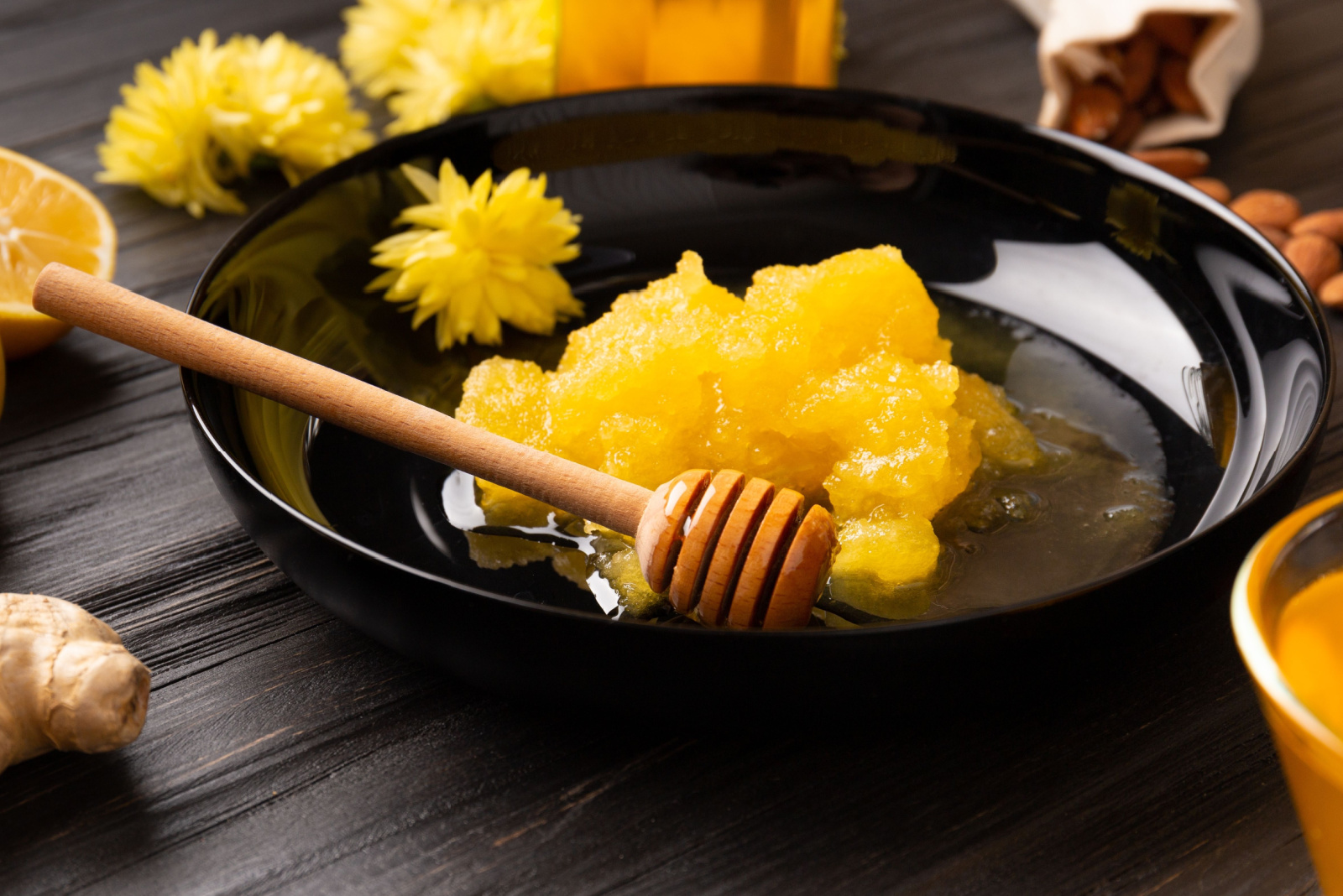
    Crystallized honey with dipper in a black round plate and yellow flowers on a dark wooden background.
    ©Image Credit: Zulkarnieiev Denis / Shutterstock

    Found your light honey turning solid? That's completely natural! Light varieties typically crystallise faster because they contain more glucose relative to fructose.

    The tiny sugar crystals form more readily in these delicate honeys.

    Meanwhile, dark honey often remains liquid longer due to its different sugar composition, a practical consideration when choosing honey for your kitchen shelf.

    6. Aroma Creates Distinctive Personalities
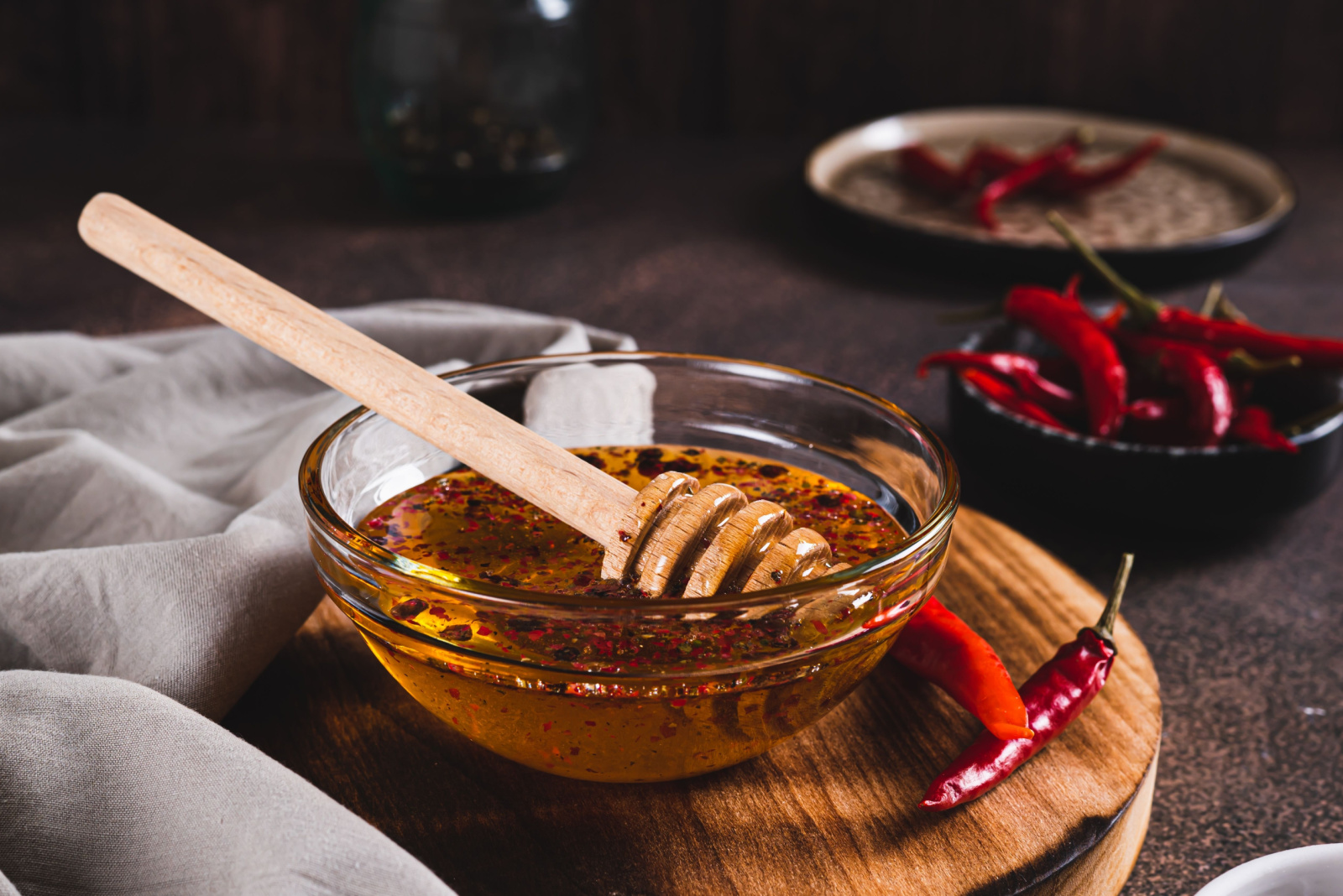
    Hot honey chili sauce in bowl on table
    ©Image Credit: Rui Elena / Shutterstock

    Close your eyes and inhale the scent of light acacia honey, subtle, floral, almost disappearing before you can name it.

    Now try the same with dark forest honey and experience a robust, woody perfume that fills your senses.

    These aromatic differences come from volatile compounds unique to each nectar source, creating entirely different sensory experiences before you even taste a drop.

    7. Geographical Origins
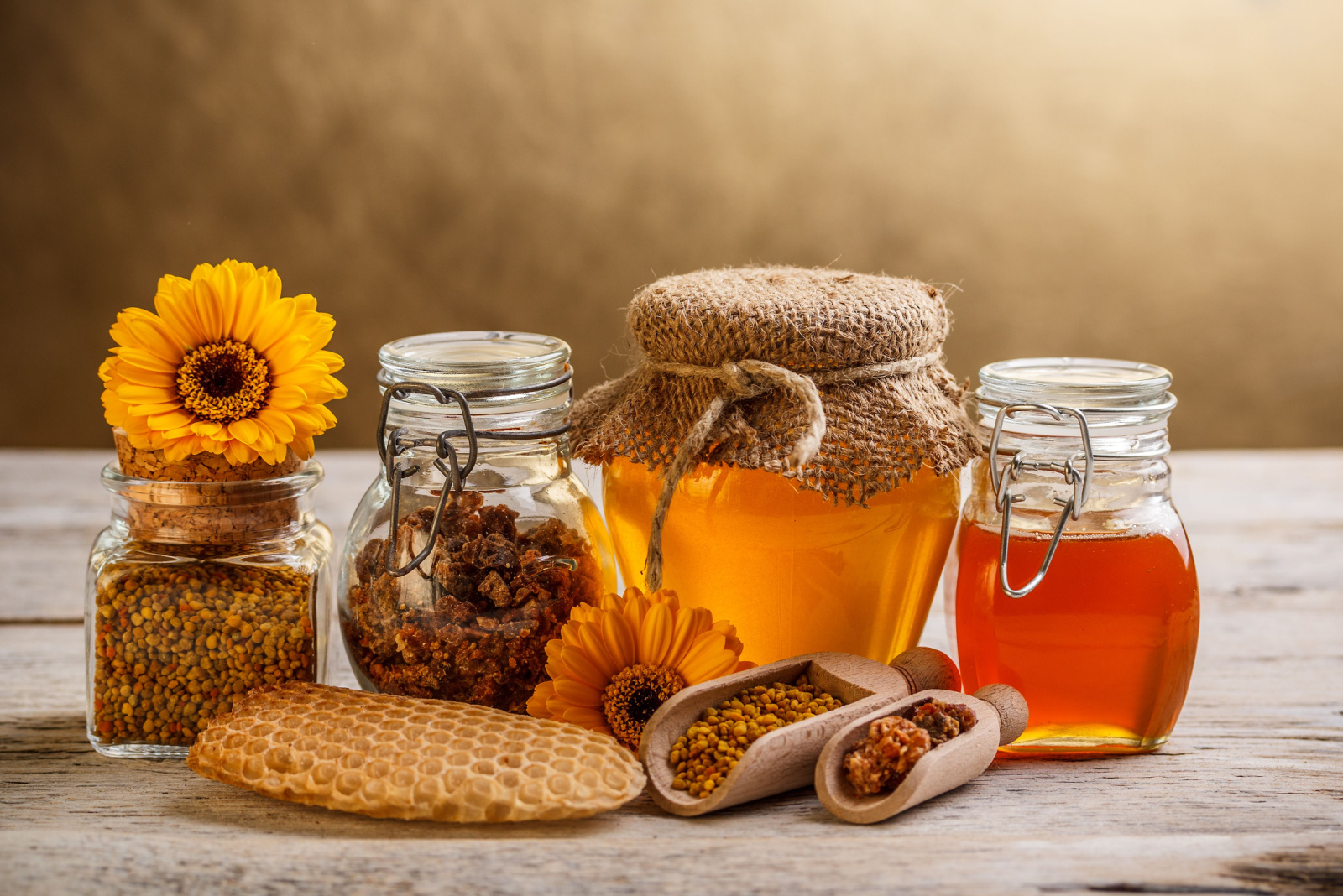
    Various types of honey and bee products
    ©Image Credit: grafvision / Shutterstock

    Geography writes itself into honey's colour story. Alpine meadows dotted with wildflowers often yield lighter varieties with clean, crisp profiles.

    Forests and moorlands, by contrast, produce darker, more complex honeys.

    The terrain, climate, and native flora create regional honey signatures, from the light, citrusy honeys of Mediterranean coastlines to the dark, molasses-rich varieties from northern forests.

    8. Antibacterial Properties
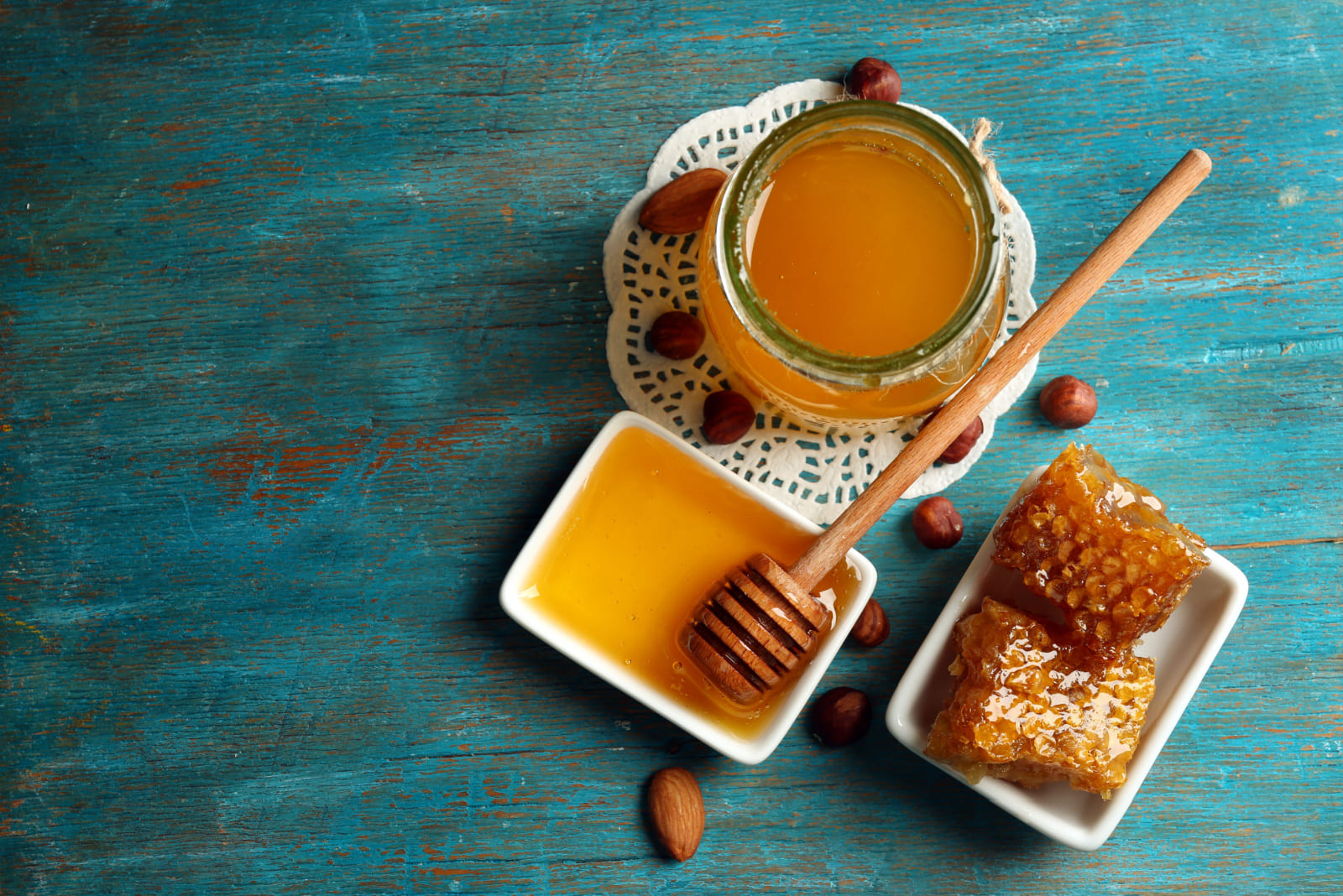
    Honeycomb, glass pot with honey and nuts on color wooden background
    ©Image Credit: Africa Studio / Shutterstock

    Research by Dr. Peter Molan revealed manuka honey's exceptional antibacterial properties, which tend to be stronger in darker varieties.

    The methylglyoxal concentration, responsible for those healing benefits, increases with colour depth.

    While all honey offers some therapeutic value, darker types typically contain more bioactive compounds that might help with everything from wound healing to soothing sore throats.

    9. Culinary Applications
    ©Image Credit: VasiliyBudarin / Shutterstock

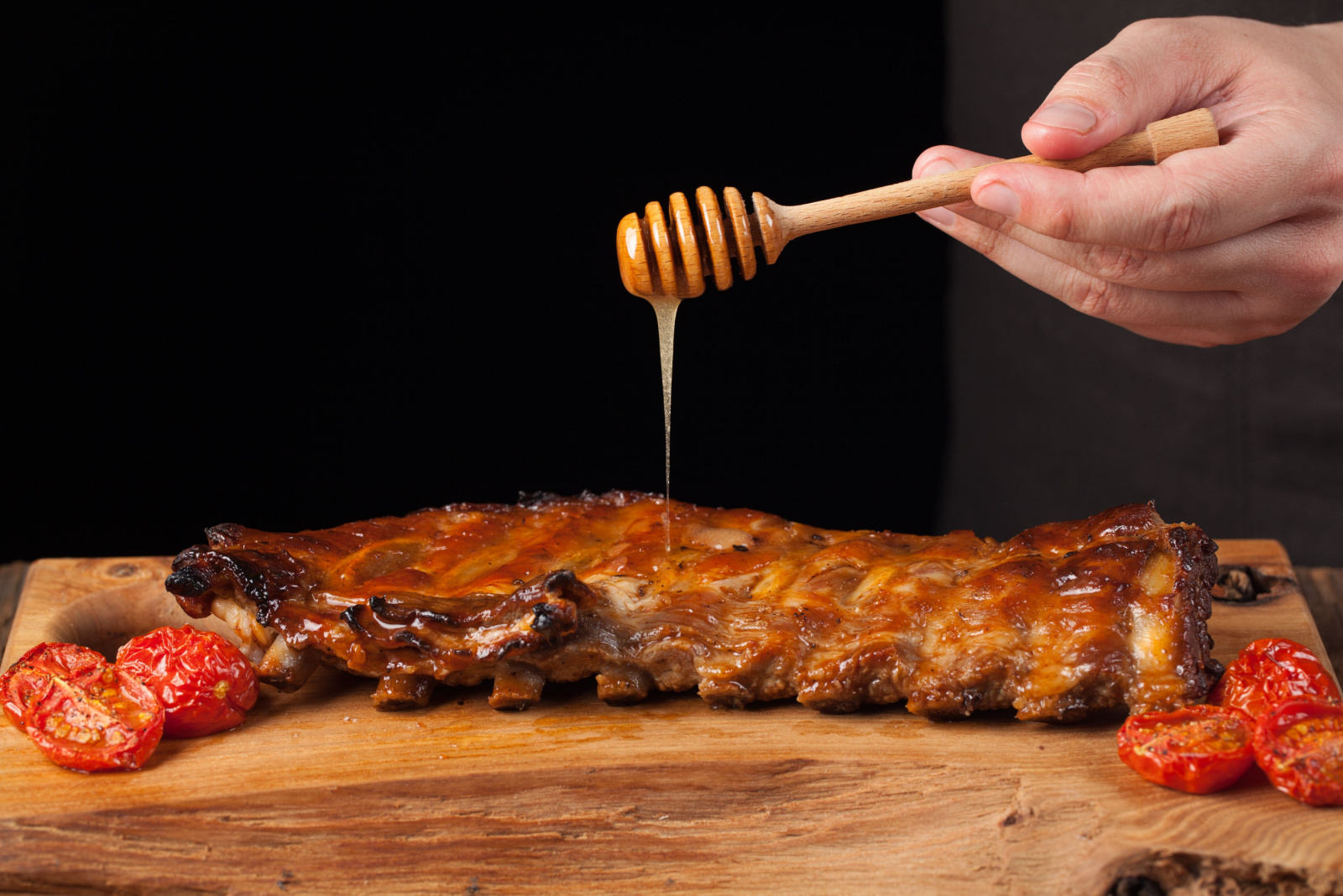
    Many professional chefs know light honey shines in delicate applications, think summer fruit salads or lemon sorbet where subtlety matters.

    Dark honey turns hearty dishes with its robust character. It stands up beautifully in gingerbread, barbecue glazes, and rich marinades.

    Both types have their culinary sweet spots, with light varieties complementing without overwhelming and dark ones adding distinctive depth to recipes.


    More Recommendations

    • 16 Surprisingly Useful Things To Cook When You Have Too Much Cheese And Not Enough Ideas
    • 21 Copycat Recipes That Might Make You Skip The Takeaway Altogether
    • 17 Cheap Meals That Taste Far Better Than Their Tiny Price Tag Suggests
    • 21 Everyday Foods Prepared Completely Differently Across Five Continents

    Primary Sidebar

    Keri Bevan

    Welcome, I'm Keri

    I'm the food photographer and recipe developer and writer behind Daily Dish.

    More About Me
    SUBSCRIBE

    Popular Posts

    • 13 Under-The-Radar Florida Beachfront Restaurants Locals Keep To Themselves
    • 12 Small-Town New York Diners With Huge Pancakes And Classic Comfort Food Locals Call The Best
    • 11 Breathtaking Waterfront Restaurants You'll Only Find In New Jersey
    • 12 Michigan Factory Tours Worth Taking For A Surprisingly Cool Day Trip

    Cozy Soups

    • Fava bean soup in a ceramic bowl.
      Fava Bean Soup
    • Vegan potato soup in a bowl with chives and croutons.
      Creamy Vegan Potato Soup
    • Bok choy soup with garlic and ginger.
      Bok Choy Soup With Garlic & Ginger
    • gluten free and dairy free tomato soup
      Creamy Gluten Free And Dairy Free Tomato Soup
    Company logs of people I have worked with.

    Footer

    ↑ back to top

    Recipes

    • Breakfast
    • Lunch
    • Dinner
    • Sauces and Dips
    • Gluten Free

    Newsletter

    • Sign Up! for emails and updates

    Contact

    • Contact
    • Privacy Policy
    • Daily Dish Web Stories

    As an Amazon Associate I earn from qualifying purchases.

    Copyright © 2024 Daily Dish

