













A Victoria sponge looks simple on the surface, yet small choices in the kitchen can quietly shape how light, flavourful, and even the final bake turns out.
From the freshness of everyday ingredients to the way the batter is handled, tiny details often make the biggest difference once the cake comes out of the oven.
Understanding how eggs behave in baking, along with a few practical checks and simple techniques, can help home bakers achieve more consistent results without overcomplicating the process.
A little awareness goes a long way when aiming for a sponge that feels balanced, airy, and satisfying from the first slice.
This article is for general informational purposes only. Baking results may vary depending on ingredients, equipment, and individual techniques.
Photos are for illustrative purposes only.
How Egg Freshness Affects Rise, Texture, And Flavour
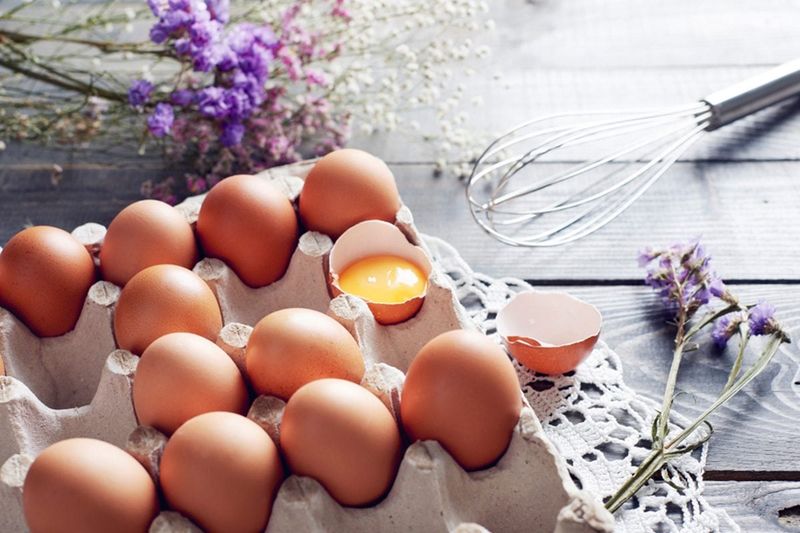
Fresh eggs play a surprisingly important role in how well a Victoria sponge rises and holds its structure. The whites in fresh eggs are firmer, which helps trap air more effectively when the batter is mixed, creating a lighter texture as the cake bakes.
As eggs age, their moisture content increases and the proteins weaken, making it harder for the mixture to maintain lift in the oven.
This can result in a flatter sponge with a slightly heavier crumb and less clean flavour, especially in simple recipes where each ingredient has a noticeable impact.
A Simple Water Test That Helps You Check Egg Quality At Home
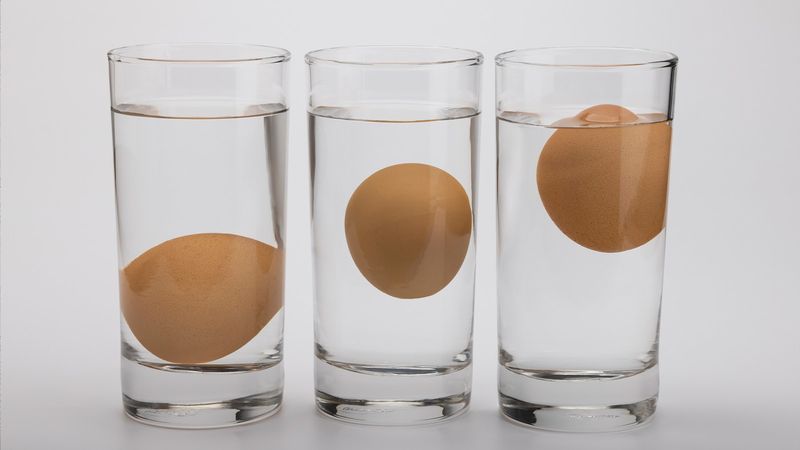
One of the easiest ways to check whether an egg is still fresh enough for baking is with a quick water test. Placing an egg into a bowl or glass of cold water gives a clear indication of its age.
Fresh eggs tend to sink and lie flat on the bottom, while older eggs may tilt upright or float closer to the surface as air builds up inside the shell over time.
Although eggs that float are not suitable for cooking, even slightly older eggs can affect how well a sponge rises, making this small check useful before starting a bake.
Small Baking Details That Can Change The Final Sponge Result
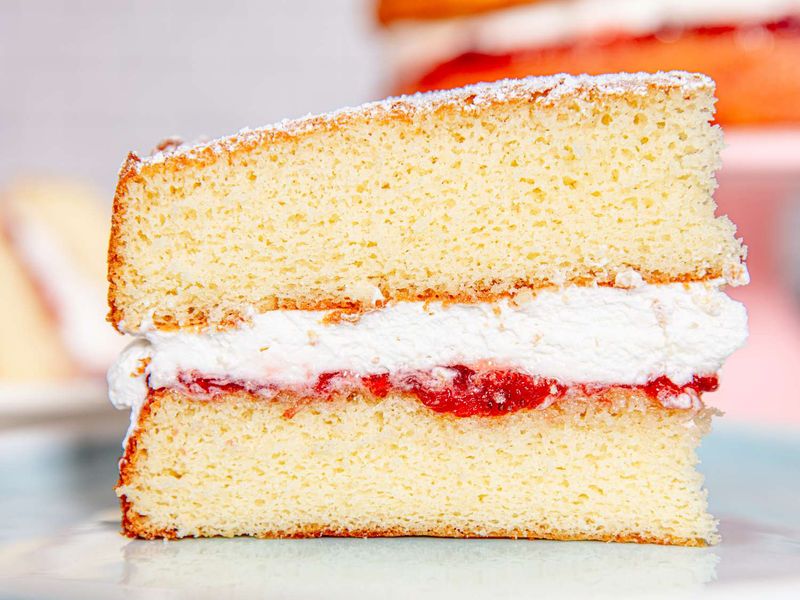
Victoria sponge recipes rely on a short list of simple ingredients, which means small details can make a noticeable difference to the finished cake.
Using room-temperature butter and eggs helps the mixture combine smoothly and trap air more evenly, supporting a lighter crumb.
Gentle mixing also matters, as overworking the batter can knock out air and reduce lift during baking. Paying attention to oven temperature, tin size, and accurate measurements further helps create consistent results, showing how a few thoughtful adjustments can noticeably improve the final sponge.



