











Some vegetables deserve a permanent spot on your plate, while others are more hype than help.
The truth is, not every veggie delivers the same nutritional punch, and a few can easily be swapped out without missing a thing.
Knowing which ones truly benefit your body makes healthy eating simpler, tastier, and far less confusing.
This article is for general informational purposes only and not a substitute for professional medical or dietary advice.
Nutritional needs vary based on age, health, and lifestyle.
Always consult a qualified healthcare professional or registered dietitian before making major changes to your diet.
Vegetables Worth Eating Every Day

Some vegetables earn their place on your plate time and time again – packed with nutrients, fibre and natural flavour.
These are the all-rounders that support everyday health, from leafy greens rich in vitamins to colourful staples full of antioxidants.
Adding a few of these to your meals each day is an easy way to give your body a steady supply of goodness.
1. Brussels Sprouts
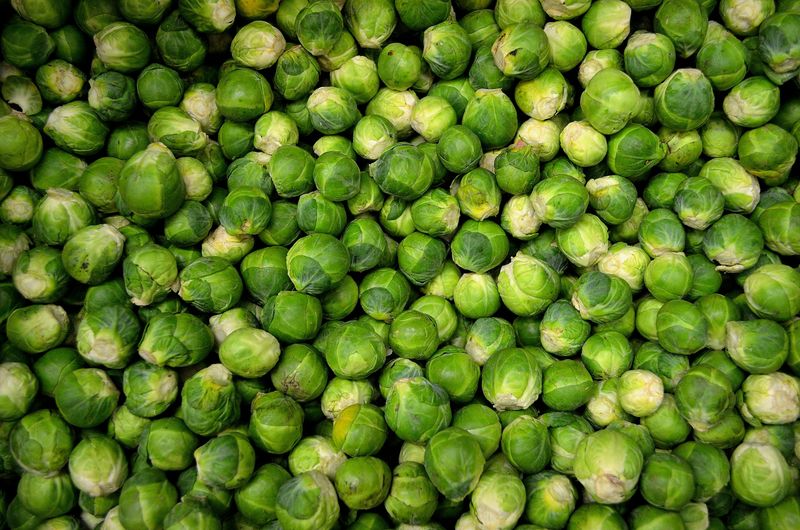
Brussels sprouts, often misunderstood, are a valuable addition to your daily diet.
These mini cabbages are rich in vitamins K and C, essential for bone health and immunity.
Incorporating Brussels sprouts into meals doesn't have to be a chore.
Try them caramelized with a hint of balsamic glaze or toss them in a refreshing salad.
Their versatility and health benefits make them a must-have on your plate.
2. Broccoli
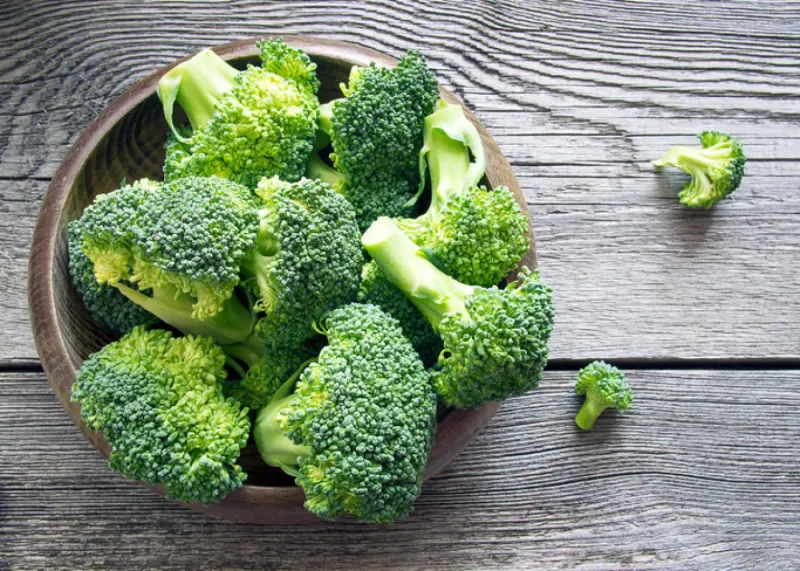
This miniature tree-like vegetable might have been your childhood nemesis, but your body craves its impressive nutritional profile.
A single serving contains more vitamin C than an orange!
Broccoli's secret weapon is sulforaphane, a compound that helps your body fight off cancer cells.
The fibre content keeps your digestive system running smoothly, while its satisfying crunch makes it perfect for dipping or roasting.
3. Red Onions
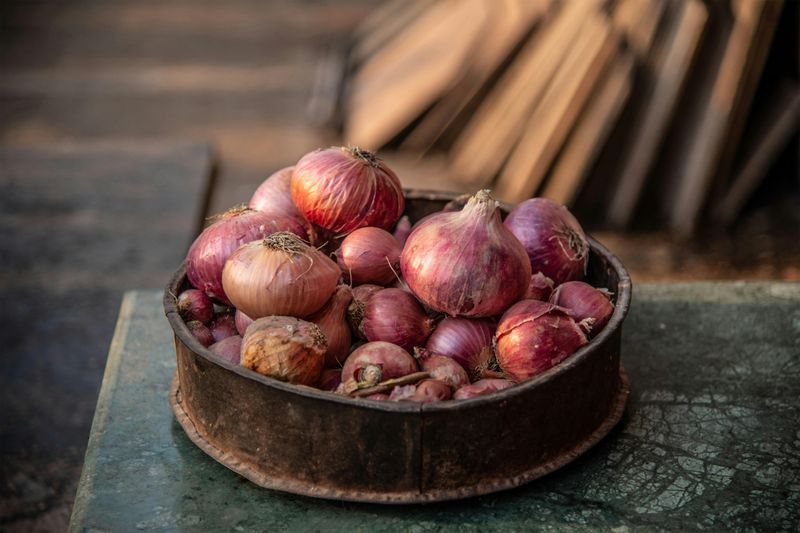
Red onions offer a burst of flavor and color to any dish.
Their vibrant hue signals a high content of anthocyanins, compounds known for their antioxidant properties.
Whether raw in salads or caramelized in dishes, red onions are a versatile ingredient.
Their pungent aroma mellows with cooking, providing a sweet, savory depth that enhances countless recipes.
4. Spinach
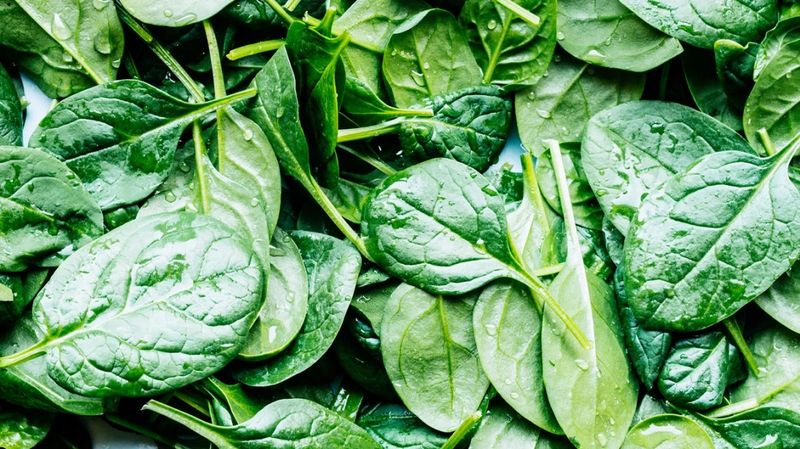
Dark green and bursting with nutrients, spinach deserves its superfood status.
Just one cup provides over half your daily vitamin A needs and nearly twice the recommended vitamin K.
The iron content helps transport oxygen throughout your body, preventing that afternoon energy slump.
Unlike other leafy greens, spinach actually becomes more nutritious when lightly cooked, as heat helps release its antioxidants.
5. Kale
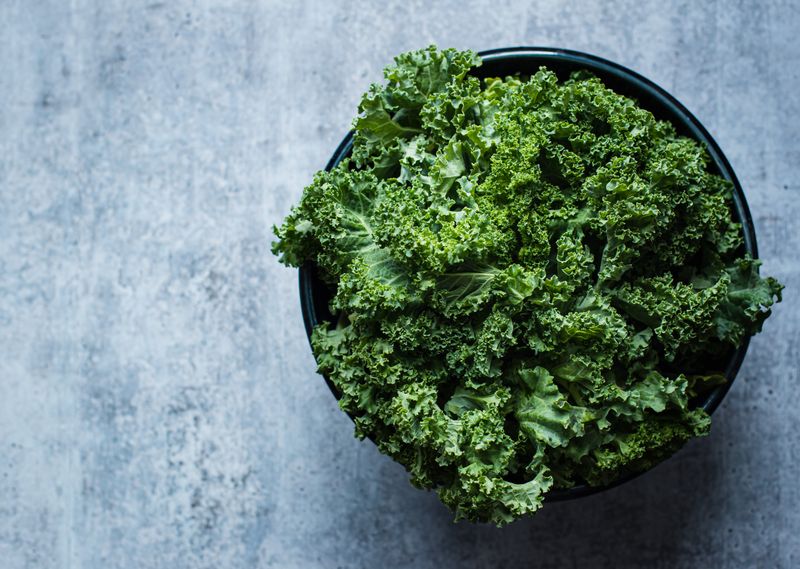
Once relegated to garnish status, kale now reigns supreme in the nutrition world.
This leafy powerhouse contains more calcium per calorie than milk!
Your eyes will thank you for the lutein and zeaxanthin that protect against age-related vision problems.
Massage raw kale with a bit of olive oil to break down its tough fibres, transforming it from intimidating to irresistible in salads and smoothies.
6. Carrots
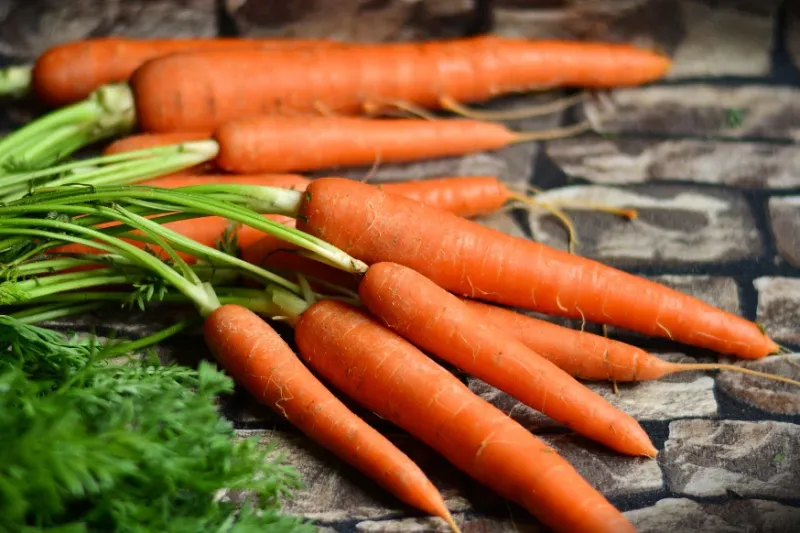
These vibrant orange root vegetables aren't just for rabbits.
The beta-carotene that gives carrots their distinctive hue converts to vitamin A in your body, supporting healthy vision especially in low light.
Beyond the eye benefits, carrots contain falcarinol, a natural pesticide that may help prevent cancer.
Their natural sweetness makes them a perfect snack for satisfying sugar cravings while delivering serious nutrition.
7. Sweet Potatoes

These orange-fleshed tubers outshine regular potatoes in nearly every nutritional category.
Their vibrant colour comes from beta-carotene, which your body converts to vitamin A for immune support.
Sweet potatoes have a lower glycemic index than white potatoes, meaning they won't spike your blood sugar as dramatically.
Their natural sweetness intensifies when roasted, creating a dessert-like experience without added sugar.
8. Cauliflower
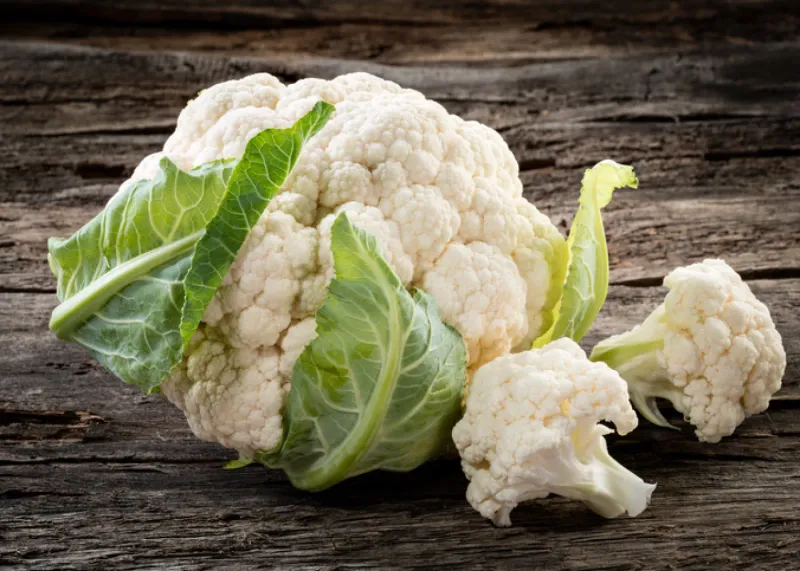
Don't let the pale appearance fool you - cauliflower is anything but nutritionally bland.
This versatile cruciferous vegetable contains unique compounds that support your body's natural detoxification processes.
Its mild flavour and remarkable ability to mimic starchier foods have made it the darling of low-carb kitchens.
Pulse it into rice, mash it like potatoes, or roast whole for an impressive centrepiece that delivers serious nutritional benefits.
9. Bell Peppers
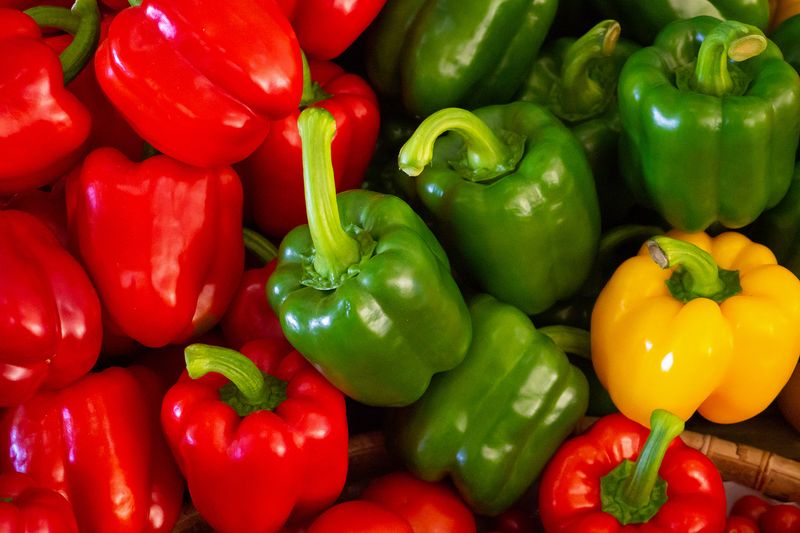
These colourful, crunchy vegetables bring both brightness and nutrition to your plate.
Red bell peppers contain more vitamin C than oranges - nearly three times your daily requirement in just one pepper!
The rainbow of colours indicates different antioxidant profiles, with red peppers containing the highest levels of nutrients.
Their hollow structure makes them perfect for stuffing with healthy fillings, creating a meal that's as nutritious as it is beautiful.
10. Tomatoes
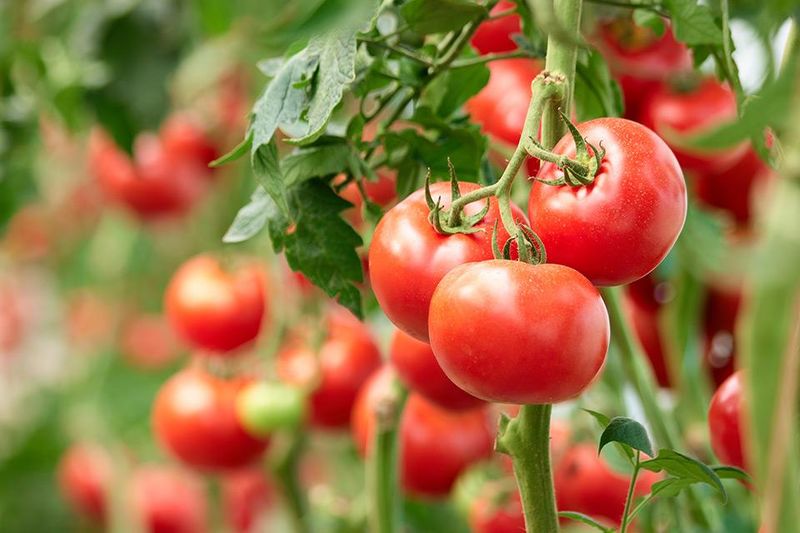
Technically fruits but nutritionally grouped with vegetables, tomatoes deserve daily attention.
Their claim to fame is lycopene, a powerful antioxidant that gives them their red colour and helps protect against certain cancers.
Unlike many nutrients that degrade with heat, lycopene actually becomes more bioavailable when tomatoes are cooked.
Cherry tomatoes make perfect snacking companions, while larger varieties shine in everything from sandwiches to sauces.
Vegetables That Aren’t Essential

Not every vegetable needs to make a daily appearance.
Some offer less nutritional value or can easily be swapped for more nutrient-dense options.
While they still have their place in a balanced diet, these are the vegetables you can enjoy occasionally without missing out on key benefits.
11. Iceberg Lettuce

The crisp texture might be satisfying, but iceberg lettuce is mostly water with minimal nutritional value.
Its pale colour signals its lack of beneficial plant compounds.
While it won't harm you, iceberg lettuce takes up valuable space that could be filled with more nutrient-dense options.
If you crave the crunch, romaine provides similar texture with significantly more vitamins A and K, folate, and fibre.
12. Potatoes
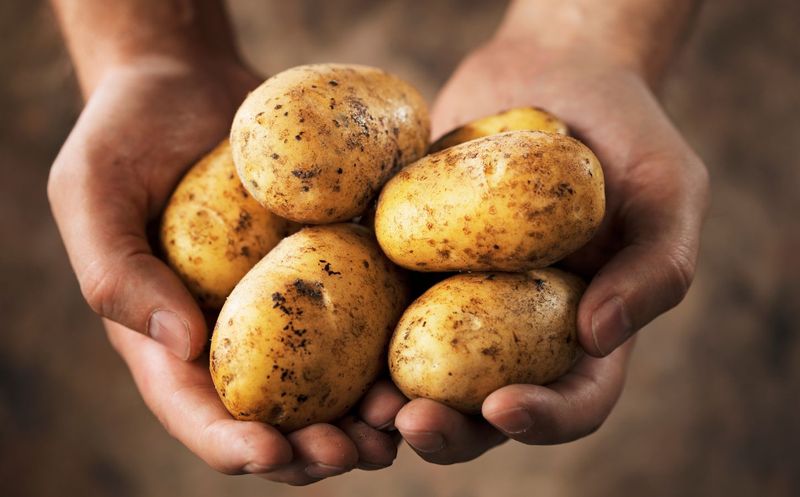
White potatoes aren't nutritional villains, but they're often prepared in ways that negate their benefits.
Their high starch content converts quickly to sugar in your bloodstream, potentially leading to energy crashes.
The skin contains most of the nutrients, yet it's frequently removed.
When potatoes do make an appearance on your plate, keep the skin on and choose baking or steaming over frying for maximum nutritional benefit.
13. Corn

Golden and sweet, corn tempts with its candy-like flavour, but nutritionally it behaves more like a grain than a vegetable.
Its high sugar and starch content can cause blood sugar spikes similar to processed carbohydrates.
Modern varieties have been bred for sweetness, containing up to 40% more sugar than corn grown decades ago.
Save corn for occasional enjoyment rather than daily consumption, treating it more like a starchy side than a vegetable serving.
14. Cabbage
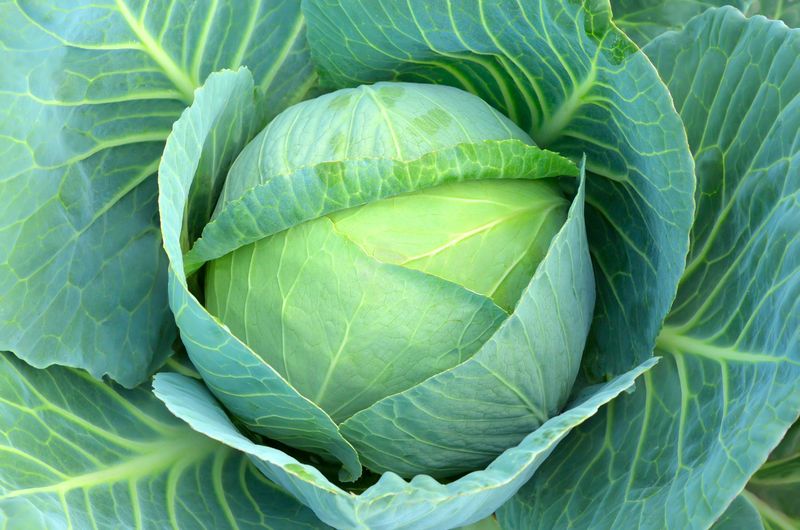
Cabbage isn't nutritionally bankrupt, but it pales in comparison to its cruciferous cousins like kale and brussels sprouts.
Regular cabbage contains about half the vitamins and minerals of its more nutrient-dense relatives.
If you do enjoy cabbage, red varieties offer significantly more antioxidants than green.
Fermented options like sauerkraut provide probiotic benefits that might outweigh the vegetable's otherwise modest nutritional profile.
15. Celery
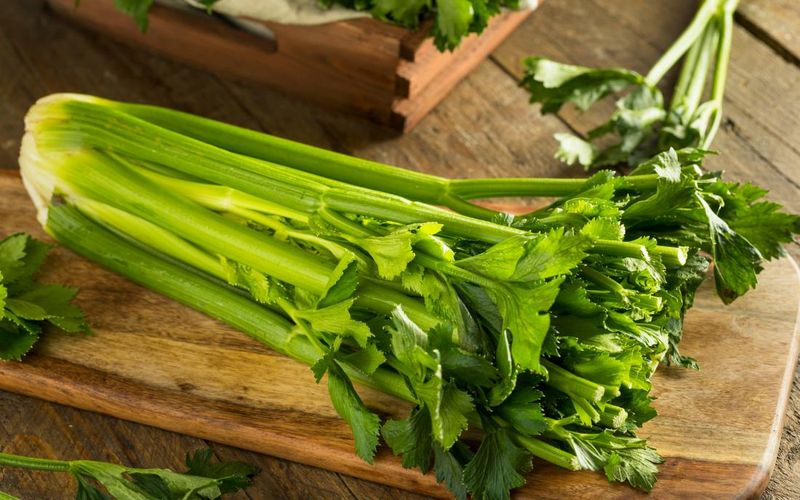
The myth that celery burns more calories to digest than it contains has kept this stringy vegetable in lunchboxes for decades.
While it's wonderfully hydrating at 95% water, celery offers minimal nutritional benefits beyond some vitamin K and potassium.
Its main virtue is its low calorie count, making it an excellent vehicle for more nutritious dips.
Consider celery an occasional crunchy treat rather than a vegetable deserving daily attention.
16. Zucchini

This summer squash is incredibly versatile but nutritionally unremarkable.
Zucchini contains mostly water and small amounts of vitamins, making it a diet-friendly filler rather than a nutritional powerhouse.
The pale flesh indicates its modest antioxidant content compared to more vibrantly coloured vegetables.
While it works brilliantly as a low-carb pasta alternative, don't count on zucchini to deliver significant nutritional benefits to your daily diet.
17. Fennel
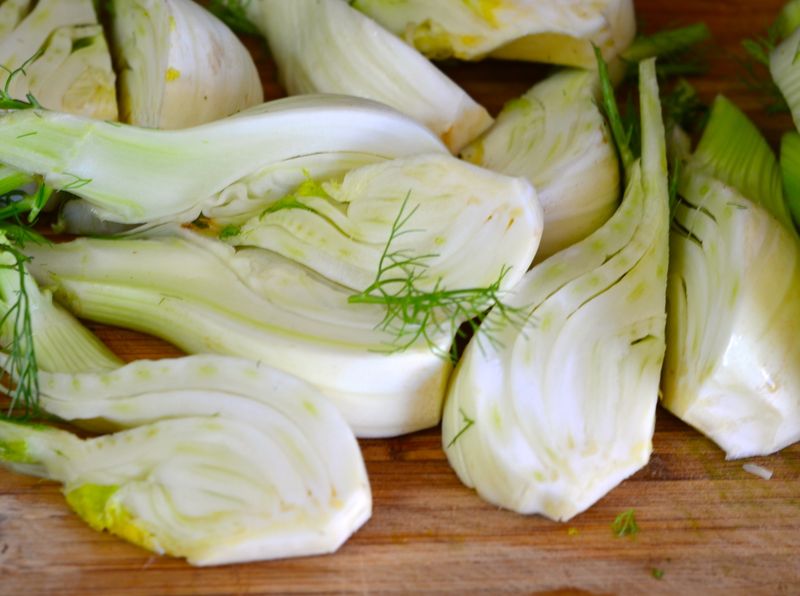
With its mild aniseed flavour and crisp texture, fennel adds a unique touch to salads and roasts.
While it contains vitamin C and fibre, it’s not as nutrient-dense as everyday staples like broccoli or spinach.
Enjoy it for variety and flavour, but it doesn’t need to be a regular on your shopping list.
18. Green Beans
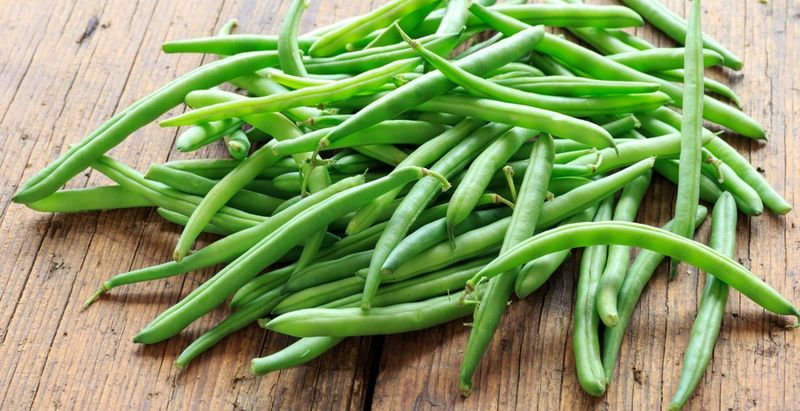
These slender pods offer modest amounts of vitamins A and C, but their nutritional profile doesn't compete with powerhouse vegetables.
Traditional cooking methods often leave them waterlogged and depleted of nutrients.
Green beans' main virtue is their versatility and mild flavour that appeals to picky eaters.
If you do include them, opt for quick-cooking methods like steaming or stir-frying to preserve what nutrients they do contain.
19. Kohlrabi
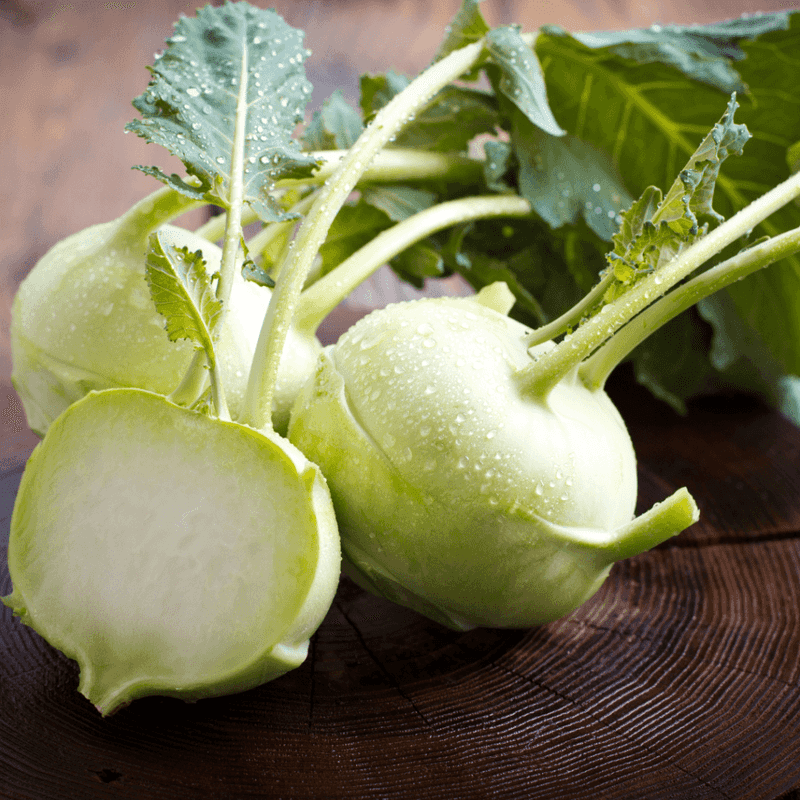
This pale green bulb might look intriguing, but kohlrabi is more of a novelty than a nutritional powerhouse.
It’s mild and slightly sweet, similar to a cross between a turnip and an apple.
Though it offers some vitamin C and fibre, it’s perfectly fine to skip unless you’re after something different.
20. Artichokes
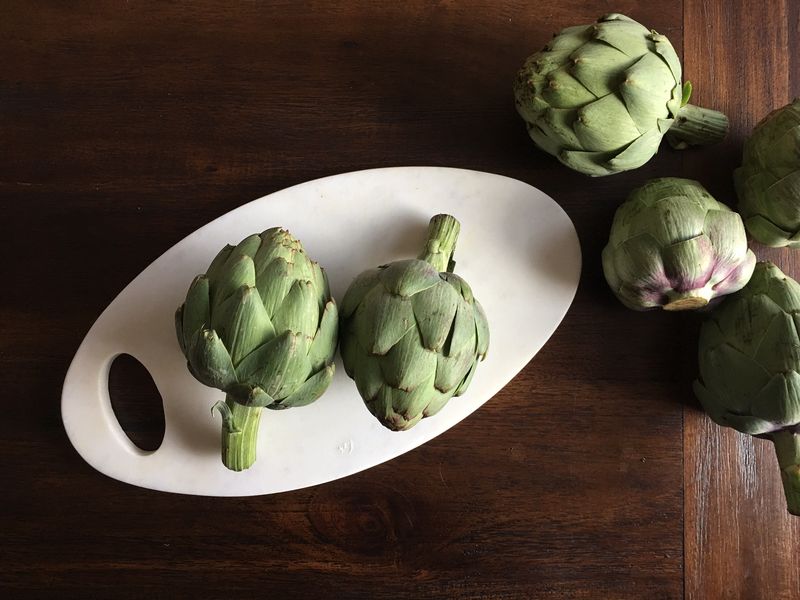
Artichokes may feel fancy and look impressive, but they’re not exactly a daily essential.
They do provide antioxidants and fibre, yet preparing them can be fiddly and time-consuming.
Think of them as a special-occasion vegetable – enjoyable now and then, rather than part of your routine.