













Not all vegetables are created equal, no matter what your five-a-day might suggest. Some popular picks pack in extra starch, sugar, or fewer nutrients than you’d expect, making them less of a superfood than their reputation claims.
Luckily, swapping them for smarter, nutrient-dense alternatives is an easy way to give your diet a boost without sacrificing flavour. Here’s how to make your veggie choices work harder for your health.
This article is for general informational purposes only and should not be taken as medical or dietary advice. Nutritional needs vary by individual. Always consult a registered dietitian or healthcare professional for personalised guidance.
1. Sweetcorn

Did you know sweetcorn is technically a grain? Many people pop it on their plates thinking it's a nutritious vegetable choice. However, it contains high levels of natural sugars and starches that can spike blood glucose.
While it does offer some fibre and vitamins, sweetcorn lacks the nutrient density of true vegetables. A small portion occasionally is fine, but it shouldn't be your go-to green.
2. Potatoes

Beloved chips and mash might taste heavenly, but regular potatoes rank surprisingly high on the glycaemic index. This means they convert to sugar in your bloodstream quite rapidly, potentially causing energy crashes later.
The cooking method matters tremendously too. Frying or adding butter and cream transforms this already carb-heavy vegetable into a calorie bomb. Most nutritionists classify potatoes more as a starch than a proper vegetable.
3. Pickled Beetroot

Fresh beetroot boasts impressive antioxidant credentials and natural nitrates that may help lower blood pressure. The trouble begins when this ruby-red root gets pickled.
Commercial pickling processes often add heaps of sugar and salt, transforming a nutritional superstar into a sodium-laden preserved food. The vinegar solution might preserve the vegetable, but it drowns out many of the original health benefits while adding unnecessary sweeteners.
4. Peas
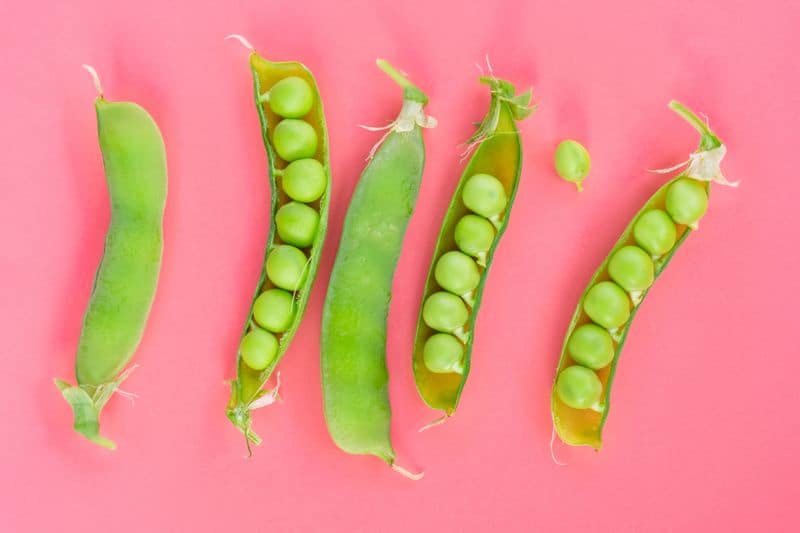
Those little green globes might seem innocent enough, but garden peas pack a surprising carbohydrate punch. They contain significantly more sugar and starch than most green vegetables you might add to your plate.
While they do offer protein and various vitamins, peas fall more into the starchy vegetable category. The frozen varieties often retain nutrients well, but they're still higher in natural sugars than leafy greens or cruciferous vegetables.
5. Butternut Squash

With its sweet, nutty flavour, butternut squash has become a favourite in autumn soups and roasts. Unfortunately, this orange-fleshed vegetable contains considerably more carbohydrates than most non-starchy vegetables.
While rich in vitamins A and C, butternut squash can significantly increase the carbohydrate content of your meal. For those watching blood sugar or following lower-carb eating plans, the sweet profile should be a clue that moderation is key.
6. Aubergine
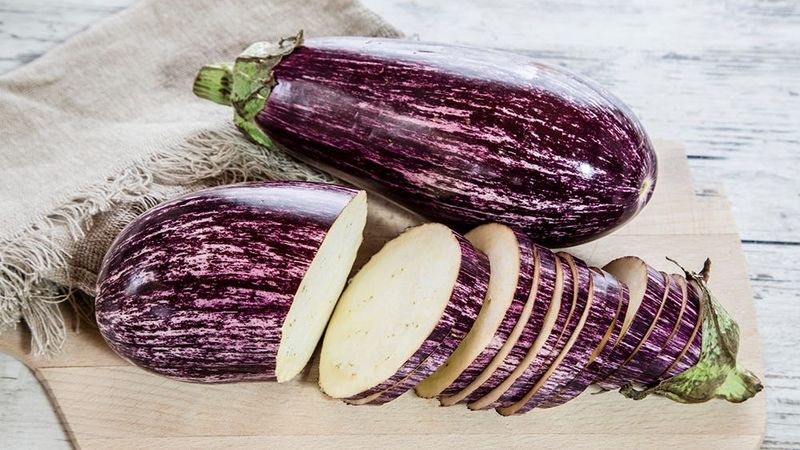
Aubergines themselves aren't unhealthy, but their sponge-like texture creates a common cooking problem. Their cellular structure absorbs cooking oils like nothing else in the vegetable kingdom!
A seemingly innocent aubergine can soak up tablespoons of oil during frying or sautéing. This transforms a low-calorie vegetable into a high-calorie dish. Grilling or baking with minimal oil allows you to enjoy aubergine's benefits without the hidden fat.
7. Iceberg Lettuce
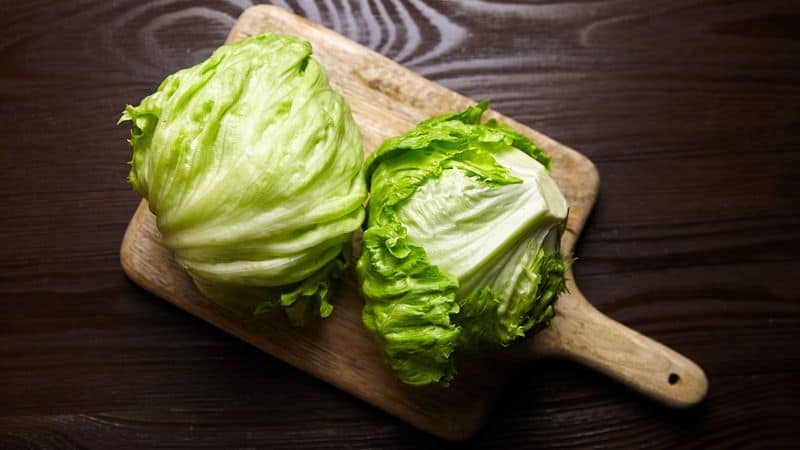
That satisfying crunch might feel refreshing, but iceberg lettuce is primarily water with minimal nutritional value. Its pale colour reveals the truth: very few phytonutrients compared to its darker leafy cousins.
While extremely low in calories, iceberg offers little vitamin content or antioxidants. The minimal fibre present doesn't compensate for the lack of other nutrients. Consider it more of a hydration source than a nutritional powerhouse in your salad bowl.
8. Turnips
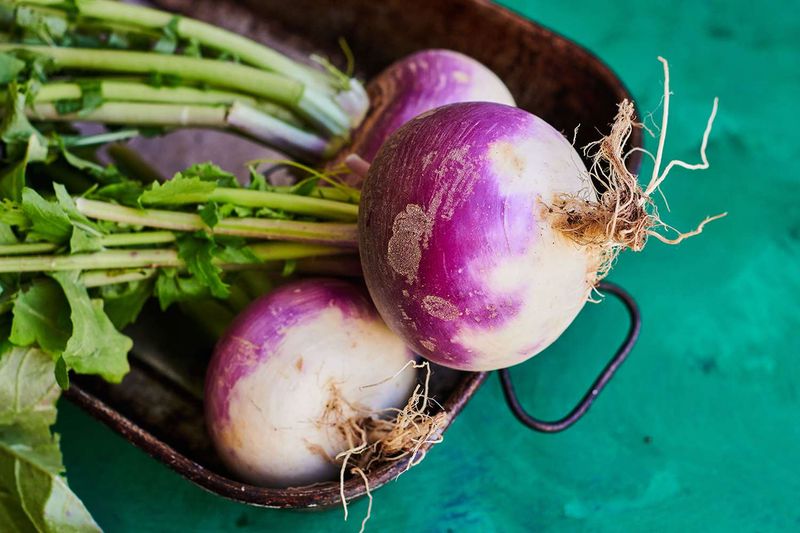
Turnips may seem like a classic, wholesome vegetable, but they’re not as nutrient-packed as you might think.
While they do offer a touch of fibre and vitamin C, they’re mostly made up of water and natural sugars, meaning they don’t provide the same nutritional punch as leafy greens or cruciferous veggies.
Swapping turnips for something like broccoli or kale can give you a better dose of antioxidants, calcium, and vitamins without losing that earthy flavour.
9. Spinach
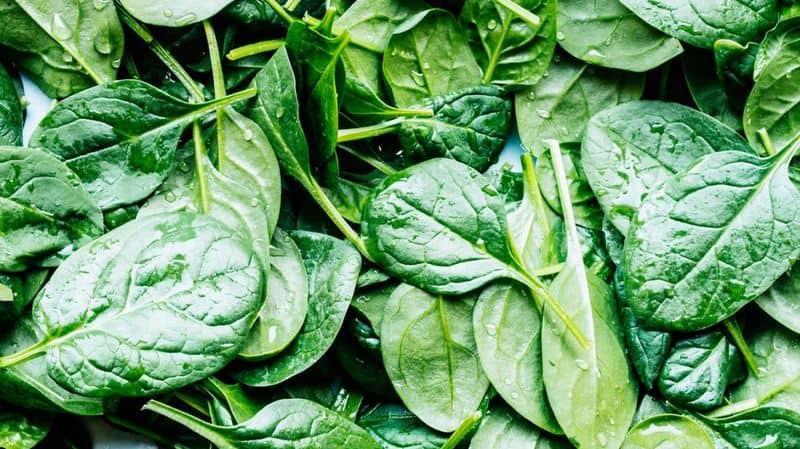
Popeye was onto something! Spinach delivers an incredible array of nutrients in very few calories. The deep green leaves signal high levels of iron, magnesium, and plant compounds that support everything from blood health to muscle function.
Unlike watery iceberg lettuce, spinach provides meaningful amounts of vitamins A, C, K1, and several B vitamins. It's versatile too, tasting mild enough for smoothies yet robust enough for cooking.
10. Broccoli
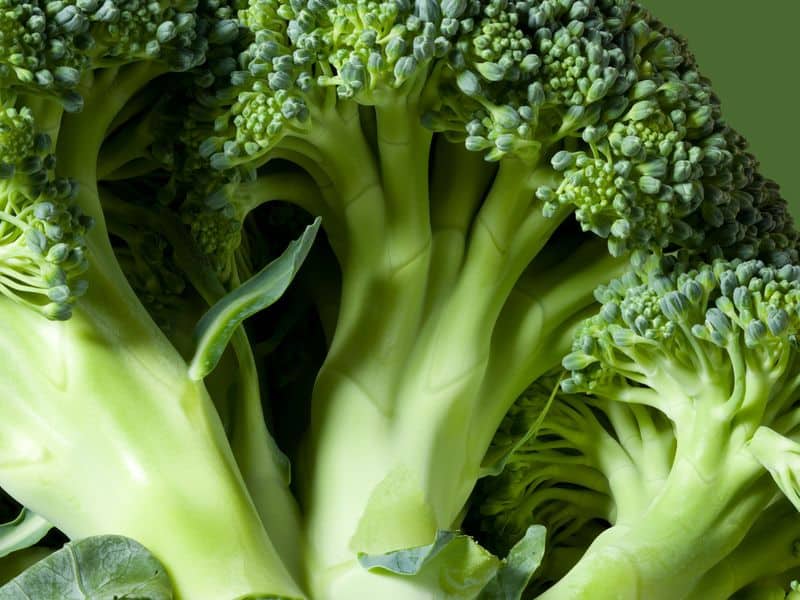
Looking like tiny trees, broccoli florets contain compounds that may help your body's natural detoxification processes. Research suggests these sulforaphane-rich greens could help reduce inflammation and potentially lower cancer risk.
Beyond trendy health claims, broccoli delivers concrete nutrition: significant vitamin C, fibre, and plant protein. Even the stalks offer nutritional benefits when peeled and cooked properly. Lightly steamed broccoli preserves more nutrients than boiling.
11. Kale
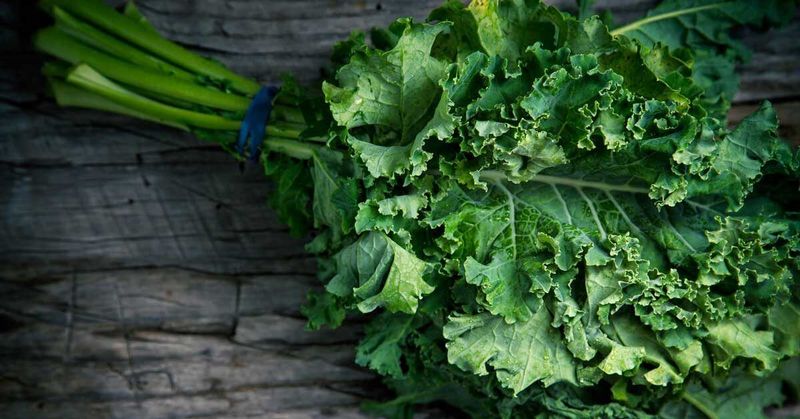
Once relegated to plate garnishes, kale has earned its superfood status through exceptional nutrient density. A single cup provides more than your daily requirement of vitamins K and A, plus significant vitamin C.
The slightly bitter taste comes from beneficial compounds that may support heart health. Massaging raw kale with a bit of lemon juice or olive oil breaks down the tough fibres, making it more palatable and easier to digest.
12. Cauliflower
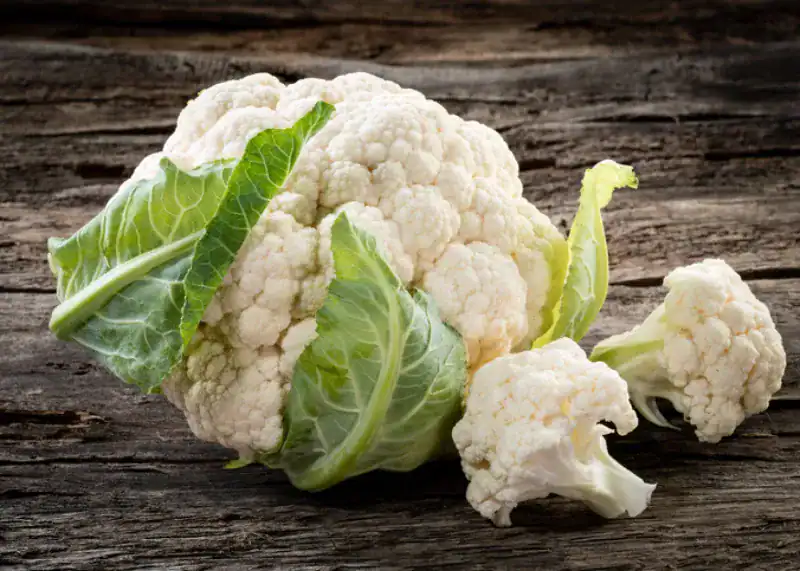
Cauliflower has revolutionised healthy eating by transforming into everything from pizza crusts to rice alternatives. Its mild flavour adapts to various seasonings while providing substantial fibre and vitamins.
Unlike starchy potatoes, cauliflower contains far fewer carbohydrates while still creating satisfying textures. The cruciferous vegetable family member also contains unique plant compounds that support cellular health and may help reduce inflammation throughout the body.
13. Brussels Sprouts
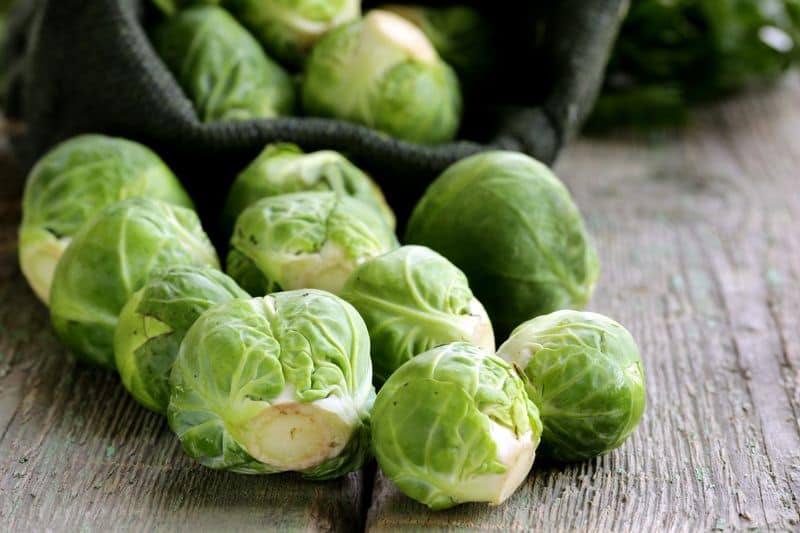
These tiny cabbage lookalikes have undergone a culinary renaissance, moving from overboiled childhood nightmares to roasted gourmet delights. Brussels sprouts contain impressive amounts of vitamin K, which supports bone health and proper blood clotting.
Their fibre content promotes gut health while folate supports cellular function. Modern cooking methods like roasting bring out natural sweetness instead of the sulphurous compounds released by overcooking. Your grandmother's boiled versions did this vegetable no favours!
14. Red Bell Peppers

When green bell peppers ripen fully, they transform into red beauties with significantly more nutrients. A single red pepper contains more vitamin C than an orange, supporting immune function and skin health.
Unlike starchy vegetables, red peppers provide sweetness without blood sugar spikes. Their vibrant colour signals high antioxidant content, particularly lycopene and beta-carotene. These compounds may help protect cells from damage and support eye health.
15. Courgette
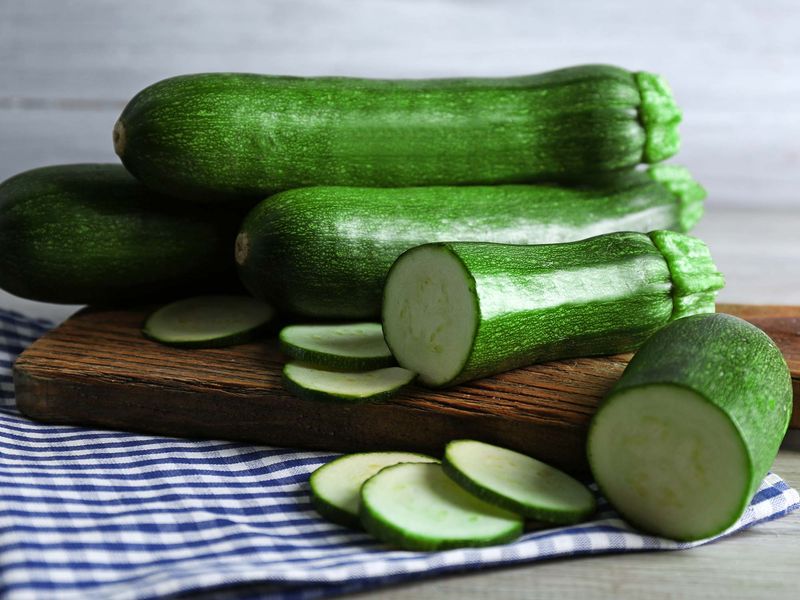
Summer gardens often overflow with courgettes, and your diet should too! These green squash varieties contain roughly 95% water, making them incredibly low in calories while still providing satisfying volume on your plate.
Gentle on digestion, courgettes shine in low-carb cooking as pasta alternatives or in baking. The skin contains most of the nutrients, including modest amounts of potassium, manganese, and antioxidants, so avoid peeling when possible.
16. Asparagus
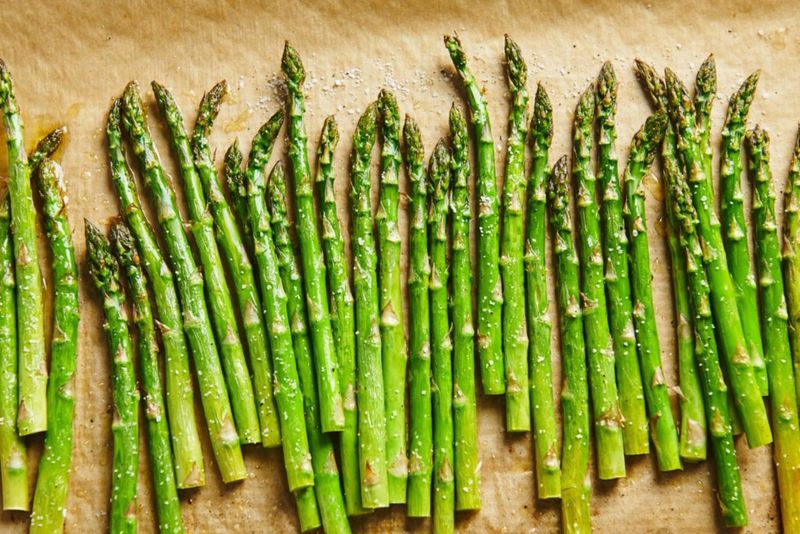
Asparagus is one of those vegetables that truly earns its healthy reputation. Low in calories but rich in folate, fibre, and vitamins A, C, and K, it’s a brilliant choice for supporting digestion and overall wellness.
Its natural diuretic properties also help reduce bloating and water retention, making it a favourite among nutritionists.
Lightly roasted or steamed, asparagus adds both elegance and nutrition to any plate.



