













Raw vegetables are more than just a crunchy snack; they pack a serious nutritional punch.
Heat from cooking can reduce levels of certain vitamins and enzymes that our bodies need, which is why many nutritionists recommend including more uncooked vegetables in your daily meals.
Eating vegetables fresh from the garden not only maximises their health benefits but also delivers vibrant flavours and satisfying textures.
Here are eight vegetables that shine when eaten raw and make a nutritious addition to any meal.
This content is for general information only. Nutritional values may vary depending on freshness, variety, and preparation.
1. Carrots

Crunchy carrots contain more beta-carotene when eaten raw than when cooked. Your body converts this powerful antioxidant into vitamin A, which keeps your eyes healthy and your immune system strong.
Raw carrots also provide excellent fibre that helps your digestive system work properly. The natural sweetness makes them a perfect snack that children actually enjoy eating.
Try grating fresh carrots into salads or cutting them into sticks for a satisfying crunch.
2. Bell Peppers

Colourful bell peppers lose much of their vitamin C content during cooking, making raw consumption ideal for maximum nutrition. Red peppers actually contain more vitamin C than oranges, which might surprise you.
The crisp texture and sweet flavour make them brilliant additions to salads, sandwiches, and vegetable platters. Yellow, orange, and red varieties tend to taste sweeter than green ones.
Slice them into strips for easy snacking or dice them finely for fresh salsas and Mediterranean dishes.
3. Broccoli
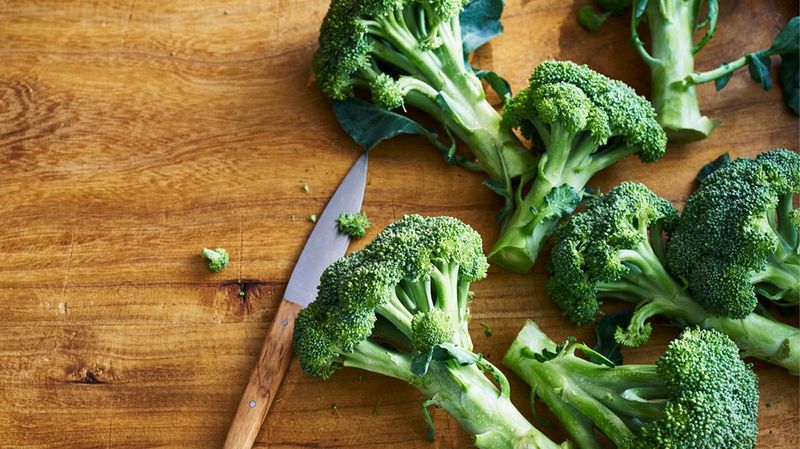
Raw broccoli contains higher levels of sulforaphane, a compound that supports your body's natural detoxification processes. This powerful substance gets reduced significantly when broccoli is cooked at high temperatures.
The florets provide excellent crunch and mild flavour that pairs wonderfully with various dips and dressings. Many people find raw broccoli easier to digest than cooked versions.
Break it into small florets for salads or serve with hummus for a nutritious afternoon snack.
4. Spinach
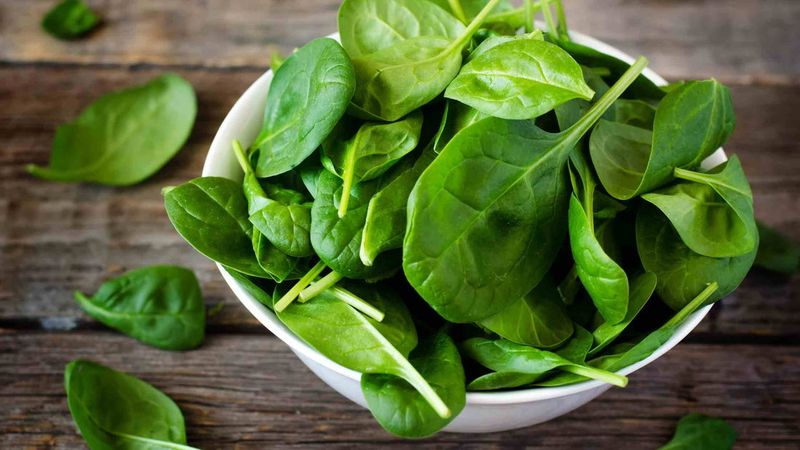
Fresh spinach leaves deliver folate, iron, and vitamin K in their most potent forms. Cooking can reduce these essential nutrients, particularly the water-soluble vitamins that your body needs daily.
Baby spinach tastes milder than mature leaves, making it perfect for people who find regular spinach too strong. The tender leaves blend seamlessly into salads without overwhelming other flavours.
Use it as a base for green smoothies or toss it into sandwiches for extra nutrition and colour.
5. Cabbage
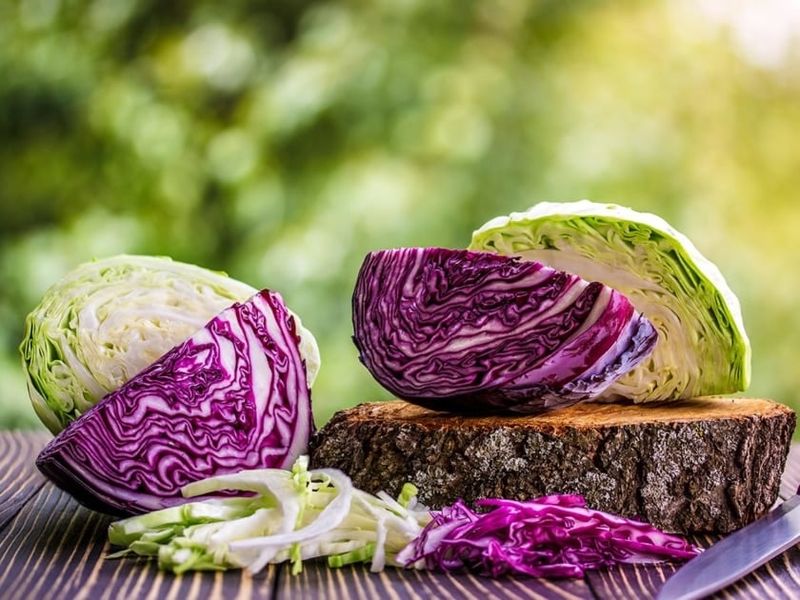
Raw cabbage provides impressive amounts of vitamin C and beneficial enzymes that support digestive health. Traditional fermented foods like sauerkraut and kimchi start with raw cabbage for good reason.
The crunchy texture adds wonderful contrast to salads and slaws, whilst the mild flavour complements both sweet and savoury ingredients. Purple cabbage contains additional antioxidants called anthocyanins.
Shred it finely for coleslaw or chop it roughly for hearty winter salads with apples and nuts.
6. Cucumber
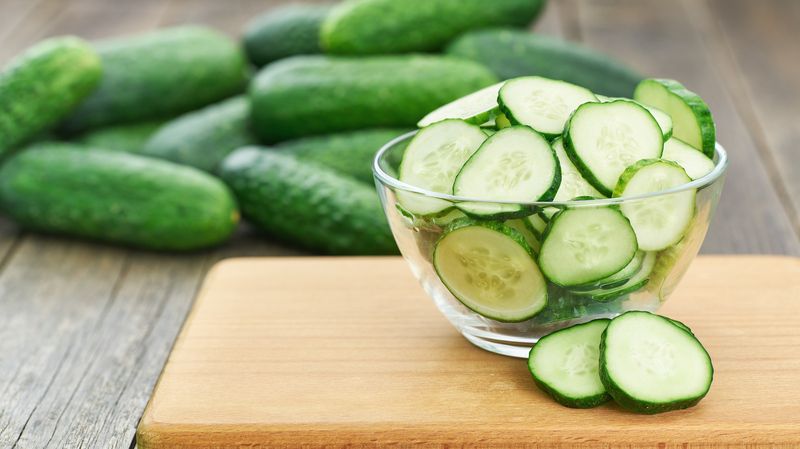
Cucumbers consist mostly of water, making them brilliant for staying hydrated whilst providing potassium and vitamin K. The skin contains most of the nutrients, so eating them unpeeled gives maximum benefits.
Their cooling properties make them perfect for hot weather, and the mild flavour works well in both sweet and savoury combinations. English cucumbers tend to have fewer seeds and thinner skins.
Slice them for refreshing water infusions or dice them into fresh salsas and grain salads for extra crunch.
7. Radishes
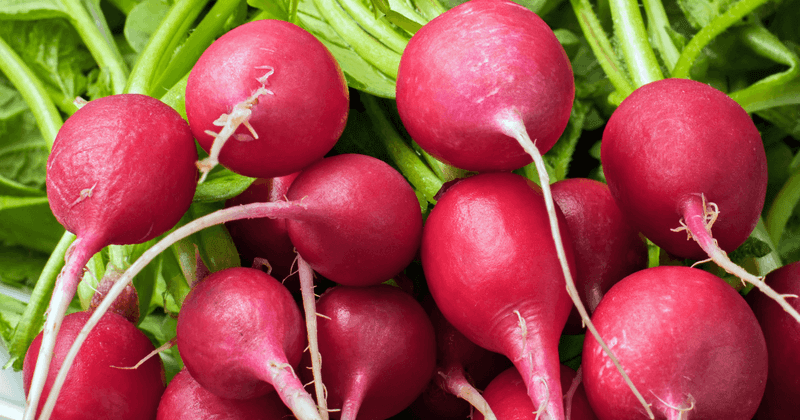
Peppery radishes contain compounds called glucosinolates that may support liver function and overall health. These beneficial substances remain most active when radishes are consumed raw rather than cooked.
The sharp, spicy flavour adds excitement to bland salads and provides a satisfying crunch. Different varieties range from mild to quite hot, so you can choose according to your taste preferences.
Slice them thinly for salads or serve whole with butter and sea salt for a classic French appetiser.
8. Celery
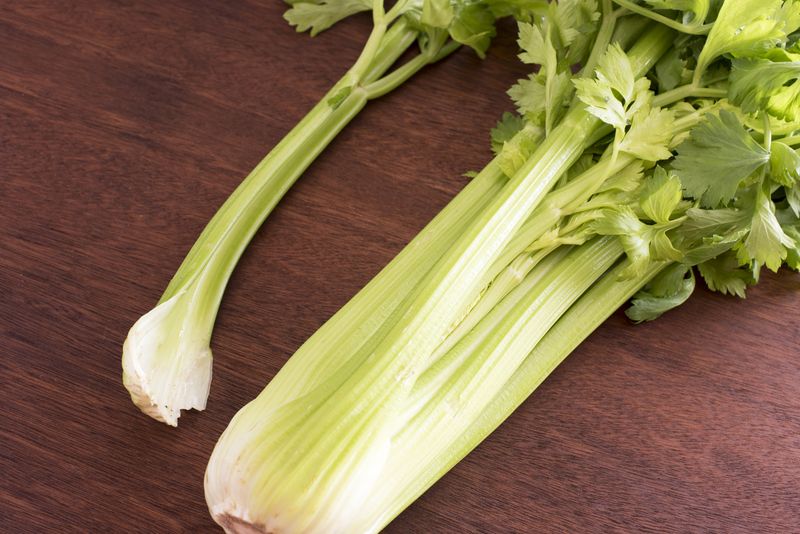
Crispy celery stalks provide natural sodium, potassium, and plenty of fibre whilst being remarkably low in calories. The stringy texture helps clean your teeth naturally as you chew.
Raw celery contains compounds that may help reduce inflammation in your body. The leaves are edible too and add lovely flavour to salads and soups when used fresh.
Fill the hollow stalks with nut butter for a classic snack or chop finely for adding crunch to tuna and chicken salads.



