Carrots and potatoes rarely get centre stage. They sit quietly in the fridge drawer, dependable but never flashy, usually chopped, roasted or boiled without much fuss.
Most of us think of them as basic building blocks - filling, familiar, and a bit ordinary.
Yet beneath that humble reputation, root vegetables carry a surprising nutritional punch. Many are packed with fibre, antioxidants and compounds that support everything from digestion to heart health.
Some even contain nutrients people often overlook entirely. Before you push them to the side of the plate again, you might want to see what these underground staples are quietly doing for your body.
This article is intended for general informational purposes only and does not replace professional medical advice. Always consult a qualified healthcare professional for personalised dietary guidance.
1. Carrots – Supports Eye Health
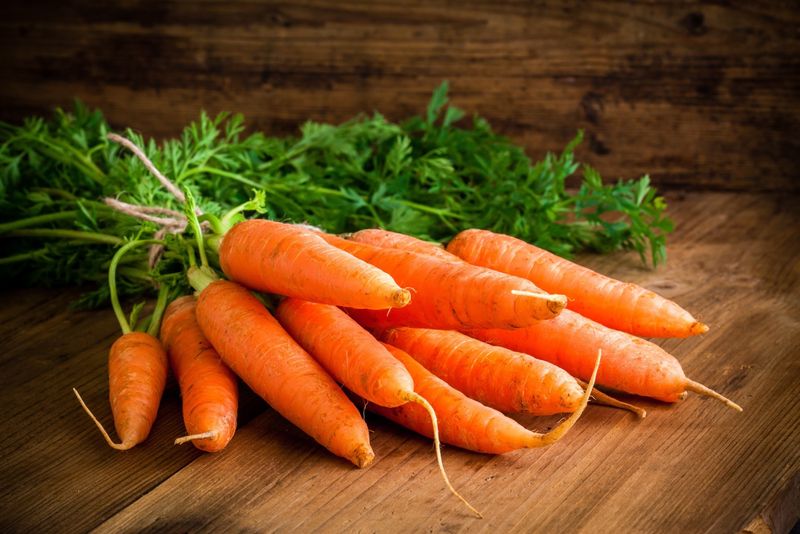
Everyone's heard that carrots help you see in the dark, but there's real science behind this old saying. These crunchy orange vegetables are loaded with beta-carotene, which your body converts into vitamin A.
This nutrient is absolutely essential for maintaining healthy vision, especially in low light conditions. Regular consumption can help prevent night blindness and may reduce the risk of age-related macular degeneration.
Plus, they're brilliant for keeping your eyes moist and comfortable throughout the day.
2. Beetroot – May Help Lower Blood Pressure
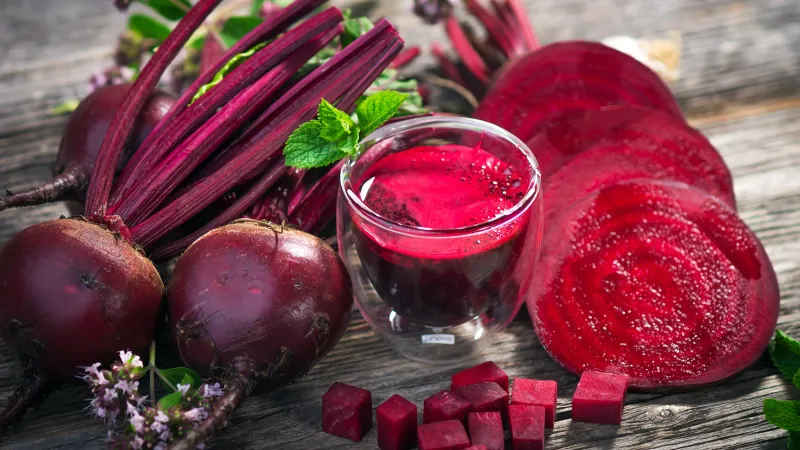
That deep purple colour isn’t just for show - beetroot contains natural nitrates that play a role in supporting healthy blood flow. When eaten as part of a balanced diet, these compounds may help blood vessels relax and function efficiently.
Some research suggests beetroot juice can contribute to small, short-term reductions in blood pressure. Effects vary between individuals, and it works best alongside other heart-healthy habits.
It’s a simple way to add colour and potential cardiovascular support to your meals.
3. Parsnips – Aids Digestive Health

Parsnips look like pale carrots, but they bring their own unique benefits to your plate. These sweet root vegetables are absolutely packed with dietary fibre, which is crucial for keeping your digestive system running smoothly.
Fibre helps prevent constipation, promotes regular bowel movements, and feeds the beneficial bacteria living in your gut. A single serving of parsnips provides a significant portion of your daily fibre needs.
They're also surprisingly filling, which makes them perfect for maintaining a healthy weight whilst supporting digestive wellness.
4. Turnips – Supports Immune Function
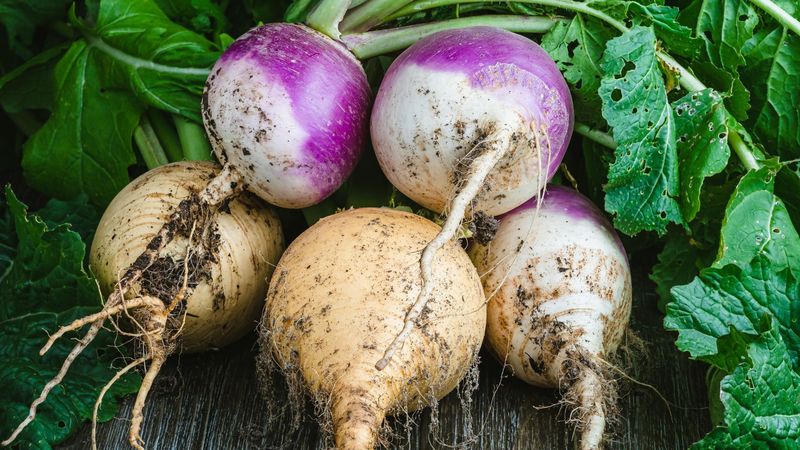
Don't underestimate these humble vegetables just because they're not as popular as their cousins. Turnips are loaded with vitamin C, a powerful antioxidant that plays a vital role in supporting your immune system.
This essential nutrient helps your body produce white blood cells, which fight off infections and keep you healthy. Just one cup of turnips provides a substantial amount of your daily vitamin C requirements.
They also contain other immune-boosting compounds like glucosinolates, which have been studied for their protective properties against various illnesses.
5. Swede – Rich In Vitamin C

Swede, also known as rutabaga in some countries, is an absolute powerhouse when it comes to vitamin C content. This often-overlooked root vegetable delivers impressive amounts of this essential nutrient, which is crucial for collagen production and skin health.
Vitamin C also acts as a potent antioxidant, protecting your cells from damage caused by harmful free radicals. Beyond immunity, it helps your body absorb iron from plant-based foods more efficiently.
Adding swede to your winter meals is a delicious way to stay healthy during cold season.
6. Sweet Potato – Supports Skin And Eye Health

Sweet potatoes are nutritional superstars that deserve a regular spot on your plate. Their gorgeous orange colour comes from beta-carotene, the same compound that benefits your eyes and skin simultaneously.
Your body converts beta-carotene into vitamin A, which promotes healthy skin cell production and protects against sun damage. This same nutrient keeps your eyes functioning properly and may reduce the risk of certain eye conditions.
Sweet potatoes also contain vitamin E and other antioxidants that work together to keep your skin glowing and youthful-looking naturally.
7. Radishes – Supports Liver Function
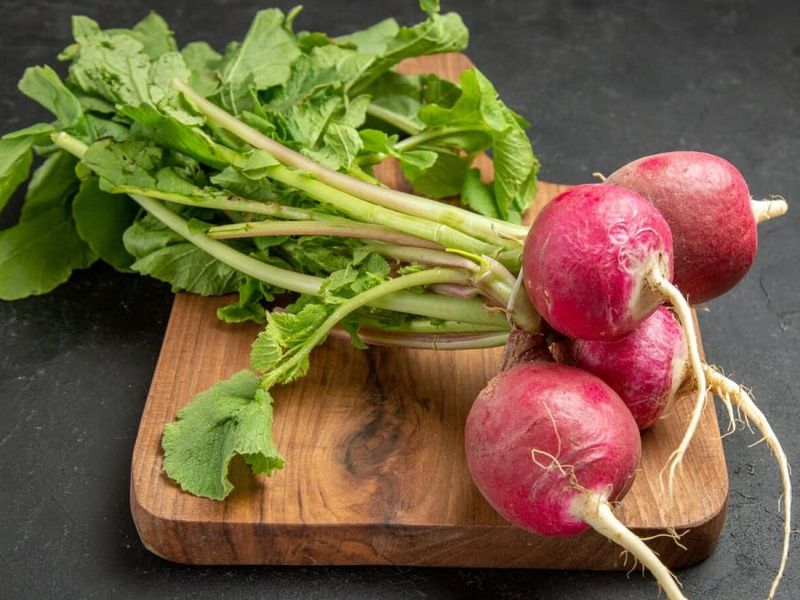
These crisp, peppery vegetables bring more than crunch to your salad bowl. Radishes contain plant compounds that researchers are studying for their potential role in supporting normal liver function.
They also contribute fibre and hydration, which are helpful for overall digestive balance. While they don’t “cleanse” the liver on their own, they can be part of a varied diet that supports general wellbeing.
Adding a few slices is an easy way to mix flavour with nutritional variety.
8. Celeriac – Supports Heart Health
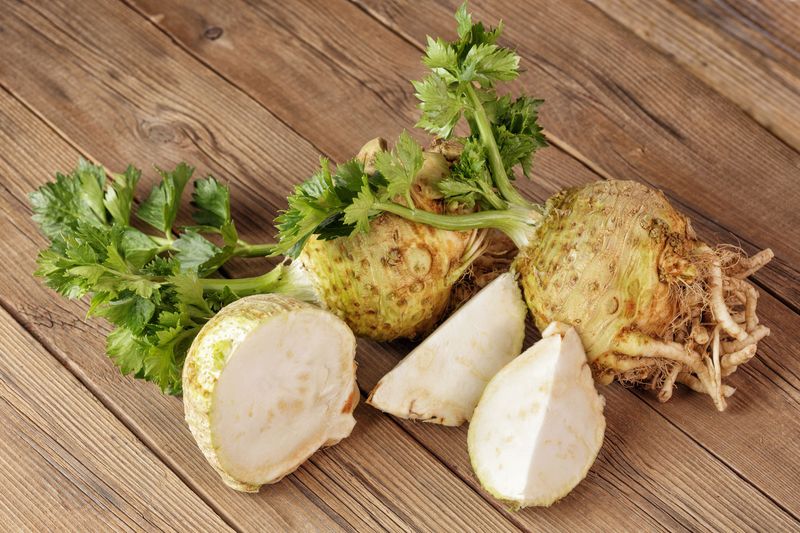
Celeriac might look a bit odd with its knobby exterior, but it's a heart health champion in disguise. This root vegetable is an excellent source of potassium, a mineral that plays a crucial role in regulating blood pressure and maintaining proper heart rhythm.
Potassium helps counteract the effects of sodium, reducing strain on your cardiovascular system. Celeriac also provides vitamin K, which is important for proper blood clotting and bone health.
Its low calorie content makes it perfect for heart-healthy eating plans without sacrificing flavour or satisfaction.
9. Jerusalem Artichokes – Promotes Gut Health

Despite their confusing name, Jerusalem artichokes are actually sunflower tubers packed with inulin, a type of prebiotic fibre. Inulin feeds beneficial bacteria already living in your gut, helping maintain a healthy microbial balance.
Some people find that including them in meals supports regular digestion. Because they are high in fibre, they’re best introduced gradually to avoid digestive discomfort.
They’re a fascinating ingredient that adds both flavour and functional fibre to the plate.
10. Ginger – Contains Anti-Inflammatory Compounds

Ginger has been valued in traditional cooking and herbal practices for centuries. Its natural compounds, including gingerol, are being studied for their anti-inflammatory properties.
Some people find ginger helpful for mild digestive discomfort or occasional nausea. It may also play a supportive role in overall joint comfort when included in a balanced diet.
Whether added to tea or savoury dishes, it brings both warmth and a long history of use to your kitchen.