













Meal prep can feel like a small superpower when life gets busy, especially on the days when you open the fridge and something delicious is already waiting for you. With a few simple habits, it becomes less of a chore and more of a weekly routine that saves time, money and stress.
If you’ve ever wished cooking could be smoother and a bit more enjoyable, these tips might be exactly what you need.
This guide is for general kitchen inspiration, and different households may adapt these ideas to suit their own needs and routines. Images are for illustration only.
Start With A Clear And Realistic Plan
Meal prep always works best when you start with a simple, honest plan rather than an ambitious one you struggle to maintain. Most home cooks find it easiest to choose just two or three recipes for the week instead of preparing seven different meals. Planning also helps you use ingredients more efficiently, which reduces food waste and saves money.
A weekly plan means you can shop once, prep once and enjoy the rest of the week without stress. People often feel more motivated when meals are already mapped out, because it removes the daily decision making that can drain your energy.
Invest In Containers That Actually Work For You
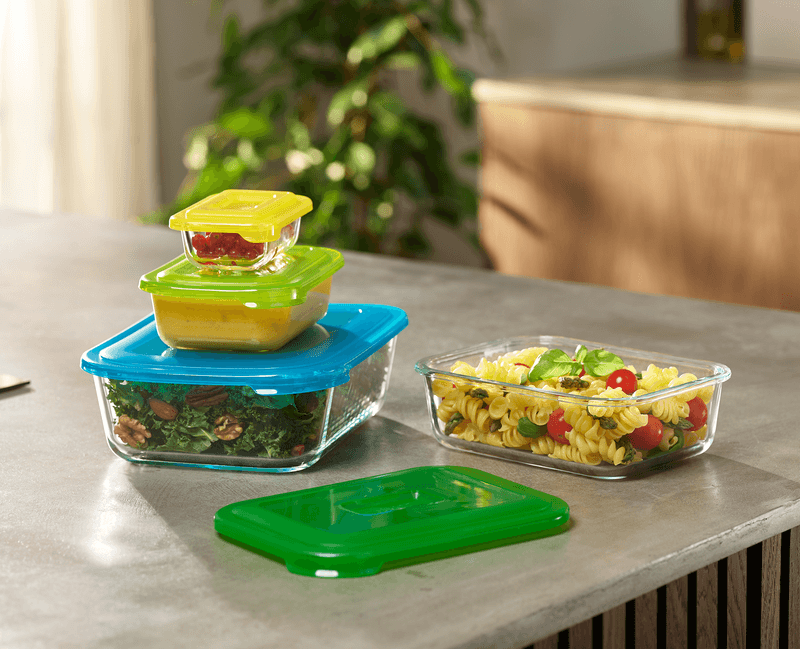
Good containers make a surprising difference to whether meal prep feels easy or frustrating. Glass or BPA free plastic containers with tight lids keep food fresher and prevent leaks in your fridge or work bag. Stackable containers help you stay organised and save a lot of space, especially if your fridge feels crowded.
Clear containers also help you see what you have, reducing the chances of forgetting meals tucked behind a jar. Separate compartments can keep different ingredients from mixing until you are ready to eat. When your storage system works well, meal prep instantly feels smoother and more practical.
Choose Recipes That Store Well And Reheat Nicely
Some dishes simply hold up better in the fridge than others, which makes recipe choice an important step in meal prep. Pasta bakes, curries, stews and roasted vegetables tend to store beautifully and often taste even better the next day. Crispy foods, like fried items or anything battered, usually lose their texture after a night in the fridge.
Balanced dishes with protein, vegetables and grains are usually the most reliable for reheating. Soups are another smart option because they freeze well and reheat evenly. Picking stable recipes means your meals stay tasty throughout the week instead of turning into soggy leftovers.
Prep Ingredients Before Cooking To Save Time
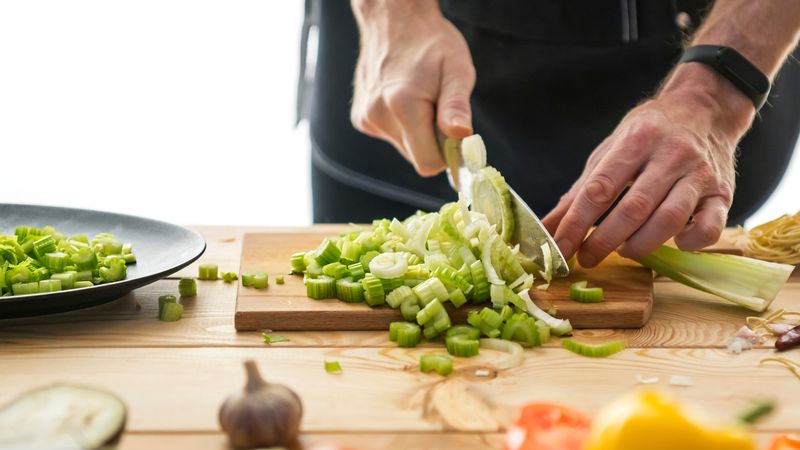
A big time saver in meal prep comes from preparing ingredients before you start cooking. Washing, chopping and portioning vegetables in advance makes the actual cooking process much faster. Pre slicing fruit or preparing snacks ahead of time also helps you make healthier choices during the week.
Even small steps, like grating cheese or marinating chicken, can save minutes that add up quickly. Ingredient prep is especially helpful on busy weekdays when you do not want to start from scratch every evening. Many home cooks set aside one hour on Sunday just for ingredient prep, which makes the whole week easier.
Cook In Batches To Maximise Your Effort
Batch cooking is one of the most reliable ways to make meal prep successful. Making a larger portion of one recipe means you get several meals with the same amount of effort. Foods like rice, roasted vegetables, beans and sauces are perfect for batch cooking.
Once prepared, you can mix and match these components to create different meals throughout the week. This approach saves energy, money and time since you only heat your oven or hob once. Many people love the feeling of opening their fridge and seeing multiple meals ready to go. Batch cooking works beautifully for families, busy professionals or anyone who wants stress free eating.
Label Everything So You Never Guess Dates Again
Labelling helps you stay organised and prevents the common mistake of forgetting when something was made. A simple sticker with the dish name and date keeps your fridge and freezer worry free. It also helps you prioritise which meals should be eaten first to prevent accidental waste.
Labelling is especially useful if you freeze food and later forget what is inside an opaque container. When everything is clearly marked, meal prep suddenly feels much more structured. Many people find that this small step saves money by reducing spoiled food. It also makes planning the next week's prep far easier because you know exactly what you used.
Keep Your Prep Simple And Avoid Overcomplicating It
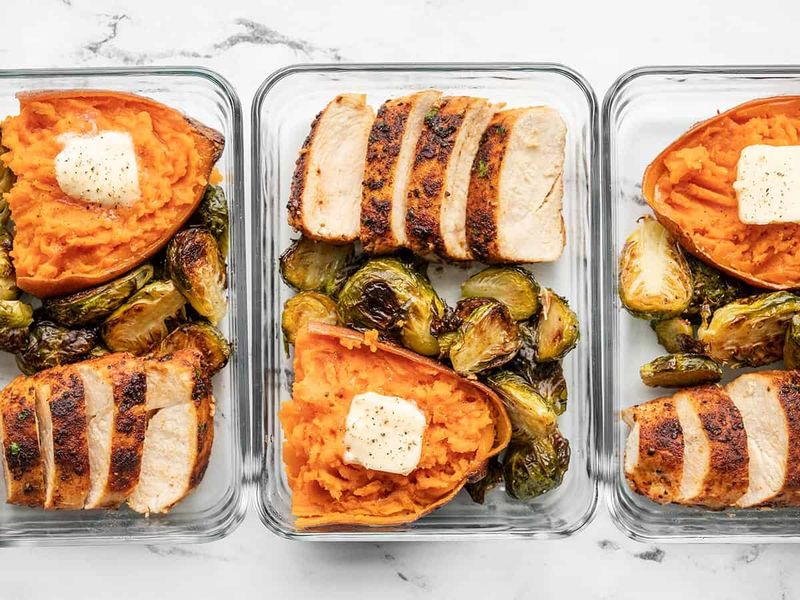
One of the biggest reasons people give up meal prep is because they make it too complicated early on. You do not need gourmet recipes or elaborate lunches to benefit from prepping ahead. Simple meals using reliable ingredients like chicken, rice, pasta, beans and vegetables are more than enough.
When prep feels manageable, you are far more likely to stick with it long term. Consistency is much more important than complexity when it comes to meal prep success. A few well prepared dishes will always serve you better than a long list of recipes you never finish. As your confidence grows, you can experiment with new recipes at your own pace.
Store Food Safely To Keep Everything Fresh
Proper storage is essential for keeping your prepped meals safe and enjoyable. Most cooked dishes stay fresh for three to four days in the fridge, which is the guideline recommended by food safety experts. Freezing meals that you want to save for later can extend their life by weeks or even months.
It is important to cool hot food before refrigerating it, as placing hot dishes straight into the fridge can raise the internal temperature. Spacing containers slightly helps air circulate and keeps everything cool. If you reheat food, always ensure it is piping hot all the way through before serving. Safe storage keeps your meals delicious and protects your health.



