













Umbria often sits quietly in the shadow of Italy’s headline food regions, yet its kitchens are bursting with deeply rooted traditions and distinctive local ingredients.
Hilltop villages, family-run bakeries, and seasonal farming have shaped dishes that feel wonderfully rustic, honest, and full of character.
From rare heritage beans to celebratory breads and slow-cooked meats, these lesser-known recipes offer a fascinating glimpse into everyday Umbrian life and how food connects generations.
All information is provided for general interest only.
Taste, appearance, and availability may vary.
Photos are for illustrative purposes only.
1. Stringozzi

Stringozzi might look like fettuccine's rustic cousin, but these hand-rolled beauties have a personality all their own.
The dough gets shaped without eggs, giving the pasta a chewy bite that clings brilliantly to whatever sauce you pair it with.
Black truffle is the classic mate, though wild boar ragù works just as well if you're after something heartier.
Locals have been twisting this pasta by hand for generations, and once you taste the difference between factory noodles and these rough-edged ribbons, you'll understand why they bother.
2. Torta Al Testo
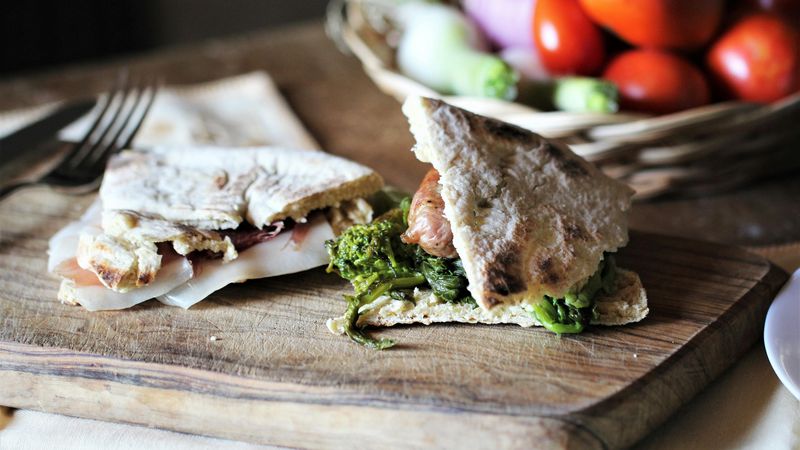
Picture a flatbread so simple it only needs four ingredients, yet versatile enough to steal the show at any meal.
Torta al testo gets cooked on a scorching hot stone, creating a crispy exterior that gives way to soft, pillowy insides.
Umbrians stuff it with everything from sausages to bitter greens, turning humble bread into a proper feast.
Street vendors hawk these beauties at festivals, and watching one puff up on the griddle is half the fun of eating it.
3. Fagiolina Del Trasimeno
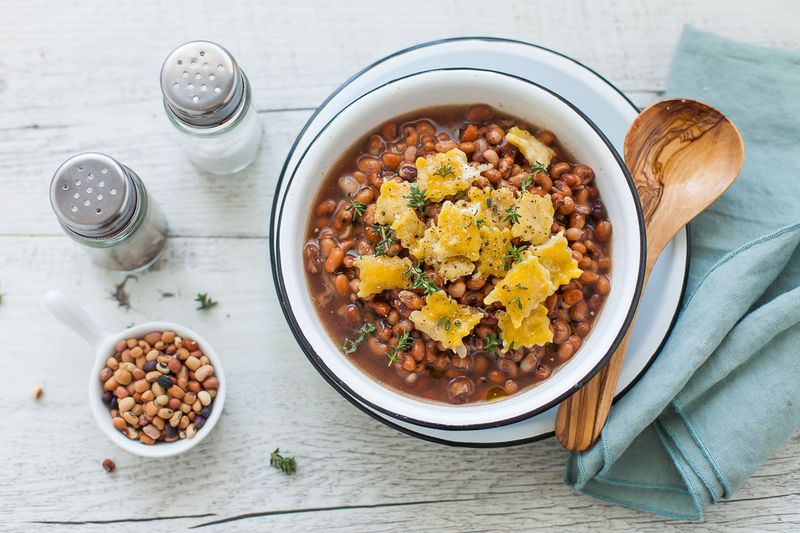
These aren't your ordinary beans – fagiolina del Trasimeno are absolutely minuscule, about the size of a peppercorn, and taste like nothing else you've tried.
Grown exclusively around Lake Trasimeno for centuries, they're now protected by law because they nearly vanished entirely.
The flavour is delicate and slightly sweet, needing only garlic, sage, and good olive oil to shine.
Finding them outside Umbria is nearly impossible, making them one of those magical ingredients that justify booking a flight.
4. Lenticchie Di Castelluccio
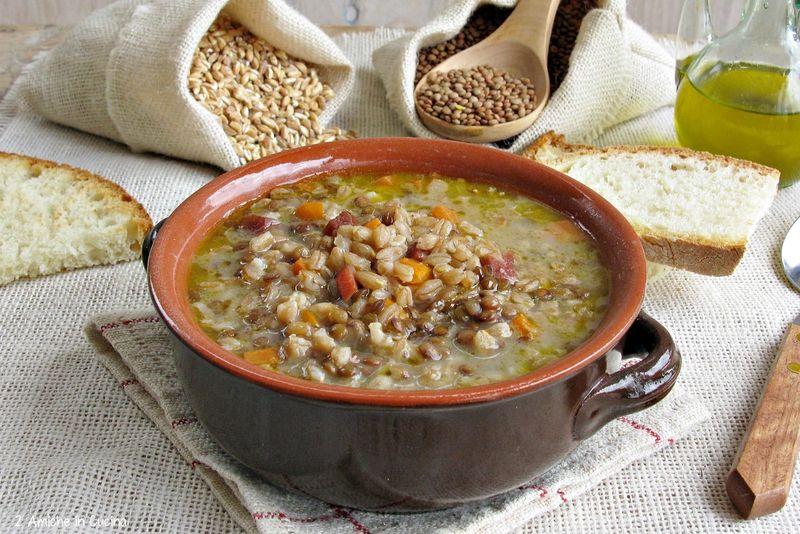
High up in the Sibillini Mountains, farmers grow lentils so prized they've earned protected status across Europe.
Lenticchie di Castelluccio cook faster than regular lentils and hold their shape beautifully, with a creamy texture and earthy taste that needs minimal fussing.
They're traditionally eaten on New Year's Eve for good luck, but honestly, any excuse works when they taste this good.
The fields where they grow turn into a kaleidoscope of wildflowers each summer, making the landscape as stunning as the lentils themselves.
5. Crescia Di Pasqua
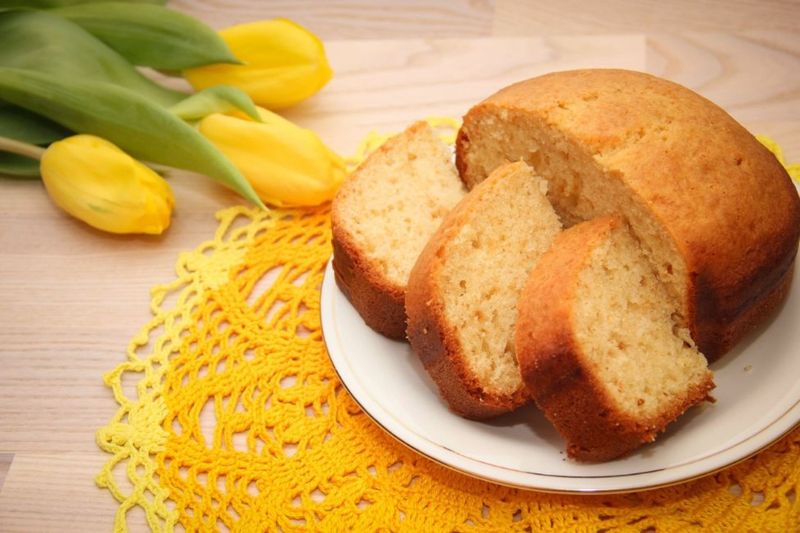
Easter morning in Umbria isn't complete without this towering, cheese-packed bread that smells like heaven warming in the oven.
Crescia di Pasqua rises impossibly high thanks to loads of eggs and yeast, while Pecorino and Parmigiano get folded right into the dough.
Families slice it thick and eat it alongside cured meats and hard-boiled eggs, creating a breakfast that's equal parts tradition and indulgence.
Bakers start preparing the dough the night before, and the whole house fills with the scent of baking cheese.
6. Pan Caciato
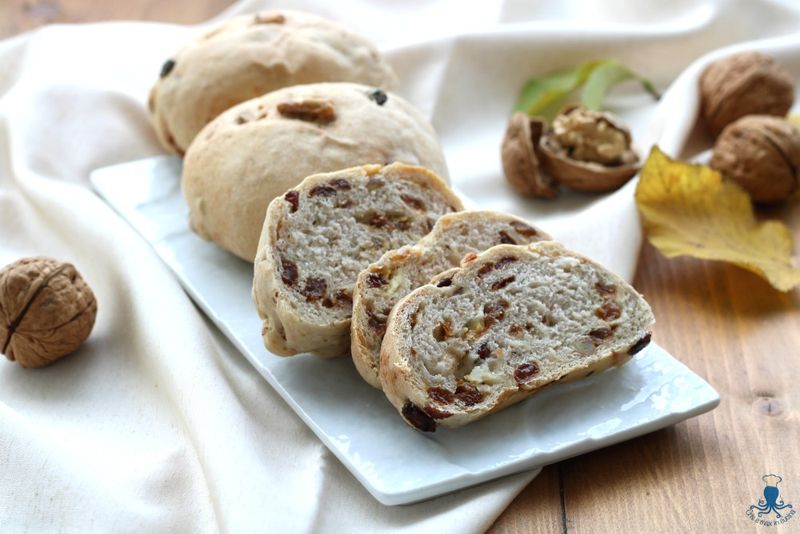
Pan caciato takes the concept of cheesy bread and cranks it up to eleven, stuffing the dough with so much Pecorino you can barely see the flour.
Baked until the outside turns golden and crunchy, each bite delivers stretchy cheese pockets and a satisfying chew.
It's the sort of bread that makes you abandon all plans for a proper meal and just keep tearing off chunks.
Umbrian shepherds used to bake this over open fires, and the recipe hasn't changed much since those days.
7. Palomba Alla Ghiotta
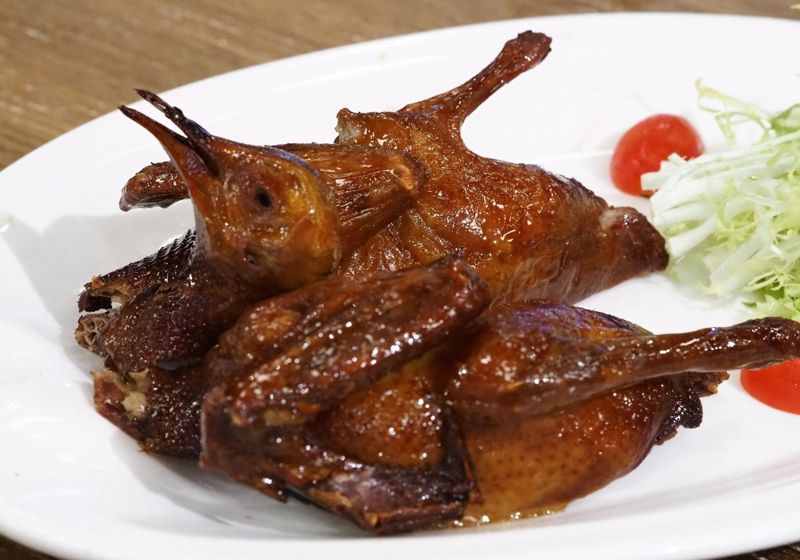
Wood pigeon might sound fancy, but in Umbria, cooking palomba alla ghiotta is pure country tradition.
The birds get roasted with aromatic herbs, garlic, and tomatoes until the meat turns fork-tender and the skin crisps up beautifully.
The name 'alla ghiotta' roughly translates to 'gluttonous style,' which tells you everything about how rich and satisfying this dish tastes.
Hunters bring home fresh pigeons during autumn, and families gather round the table to savour every morsel.
8. Piccione Ripieno
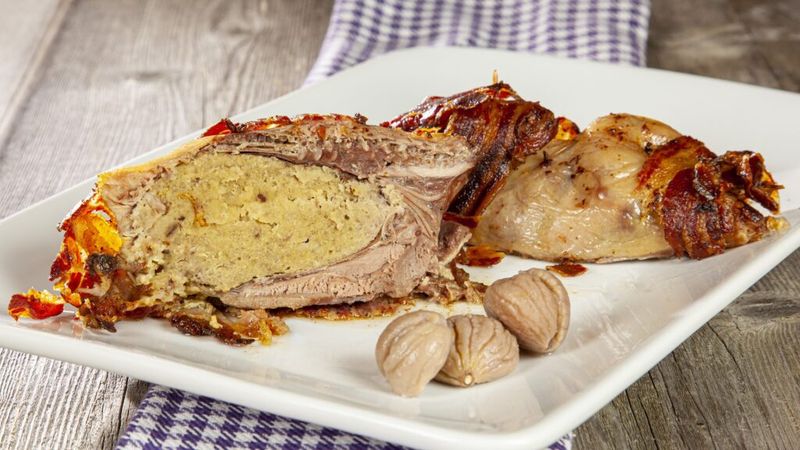
Stuffed pigeon takes centre stage at special occasions, arriving at the table bronzed and fragrant, hiding a savoury filling inside.
Cooks pack the cavity with breadcrumbs, herbs, sometimes a bit of liver, and whatever else strikes their fancy that day.
The result is a dish that feels celebratory without being fussy, where every element complements the rich, gamey meat.
Carving one at the table releases a wave of herby steam that makes everyone lean in closer with anticipation.
9. Rocciata
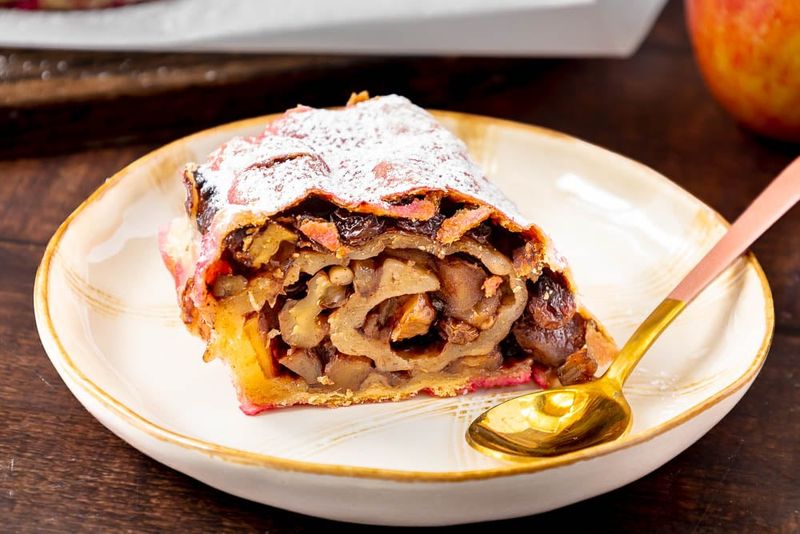
Assisi's answer to strudel, rocciata wraps thin pastry around a jumble of apples, walnuts, raisins, cocoa, and warm spices.
The roll gets baked until crispy, then finished with a dusting of icing sugar that melts slightly on the warm surface.
Each slice reveals a beautiful spiral pattern, and the combination of textures – crunchy pastry, soft fruit, chewy nuts – keeps your taste buds guessing.
Nuns in Assisi supposedly created this dessert centuries ago, and modern bakers still follow those original recipes.
10. Coratella Con Cipolla
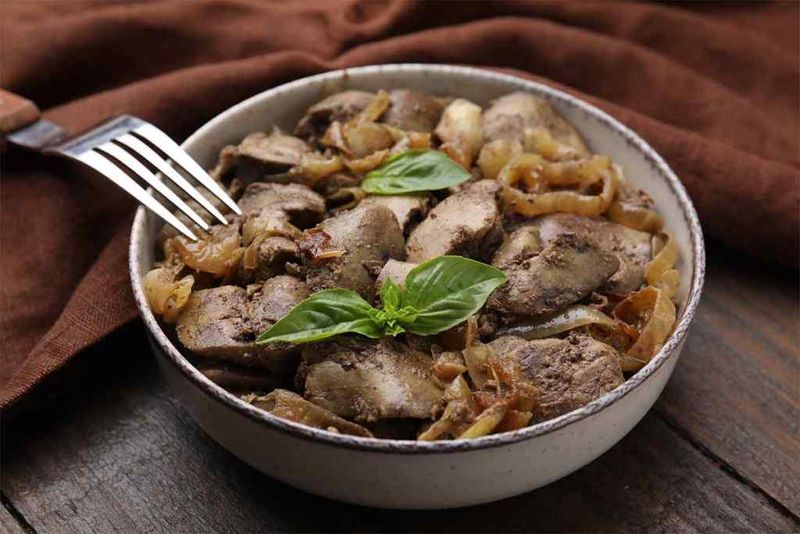
Not for the faint-hearted, coratella takes lamb offal – heart, liver, lungs – and transforms it into something genuinely delicious through slow cooking with mountains of onions.
The onions caramelize down until sweet and jammy, balancing the rich, mineral flavours of the organ meats.
Umbrian cooks treat this dish with respect, wasting nothing and creating something that tastes far better than it sounds.
Served with crusty bread to mop up the juices, it's peasant food elevated to an art form.
11. Why Umbrian Cuisine Deserves More Attention
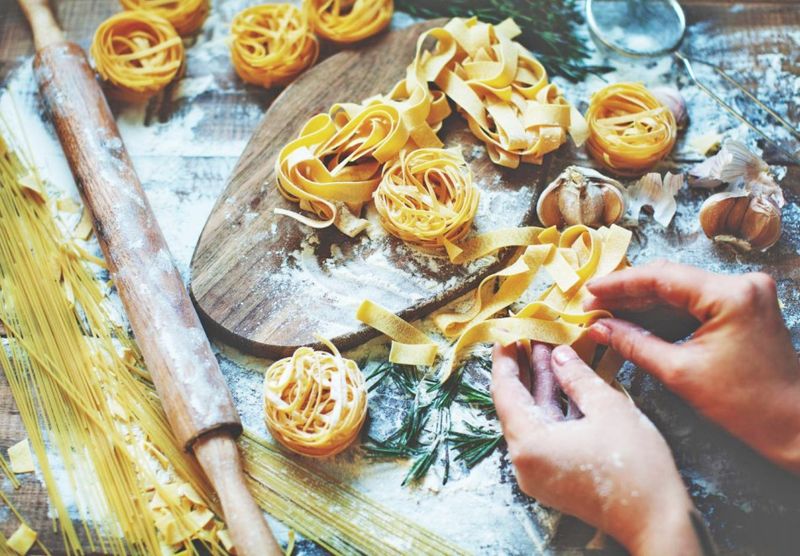
Umbrian cooking doesn't chase trends or try to impress with complicated techniques – it simply celebrates what the land provides.
From protected beans and lentils to game birds and handmade pasta, every dish tells a story about the region's history and landscape.
The food stays true to centuries-old traditions while tasting utterly relevant today, proving that sometimes the best recipes are the ones nobody bothered to mess with.
More people need to discover what Umbrians have known all along: their kitchen is absolutely brilliant.



