Traditional farmhouse baking developed from practical rural cooking, where simple ingredients and reliable methods were essential. Across Britain, these recipes were shaped by what was locally available, seasonal, and affordable, resulting in baked goods that focused on texture, flavour, and keeping well.
Many of these classics continue to be made today because they are straightforward, familiar, and suited to everyday home baking rather than decorative presentation.
This content is for general information only. Taste preferences, appearance, ingredient availability, and regional variations may differ.
Images are for illustrative purposes only.
1. Victoria Sponge
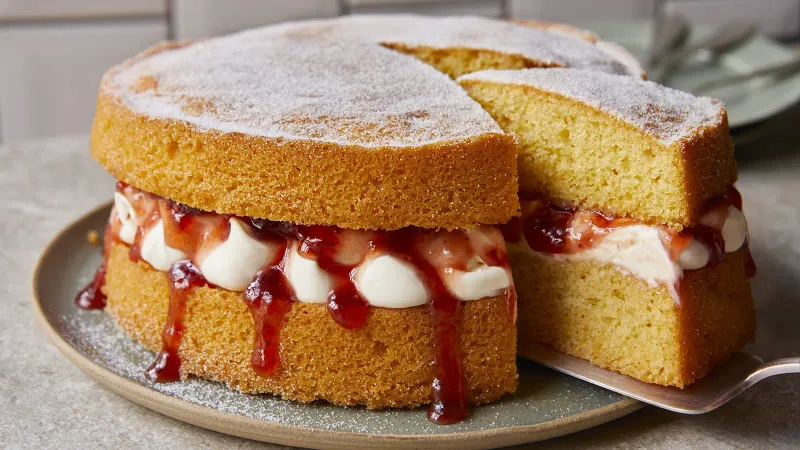
Named after Queen Victoria herself, who apparently couldn't resist a slice with her afternoon cuppa, this cake is basically British royalty in baked form. Two fluffy sponge layers get sandwiched together with jam and buttercream, creating something so simple yet utterly brilliant that it's become the benchmark for judging someone's baking skills.
The secret lies in getting your butter and sugar properly creamed until they're pale and fluffy, which takes a good few minutes of elbow grease. Chuck in your eggs gradually to avoid curdling, then gently fold in self-raising flour.
Bake until golden and springy to touch, then let them cool completely before assembling with raspberry or strawberry jam and a layer of buttercream.
2. Fruit Scone
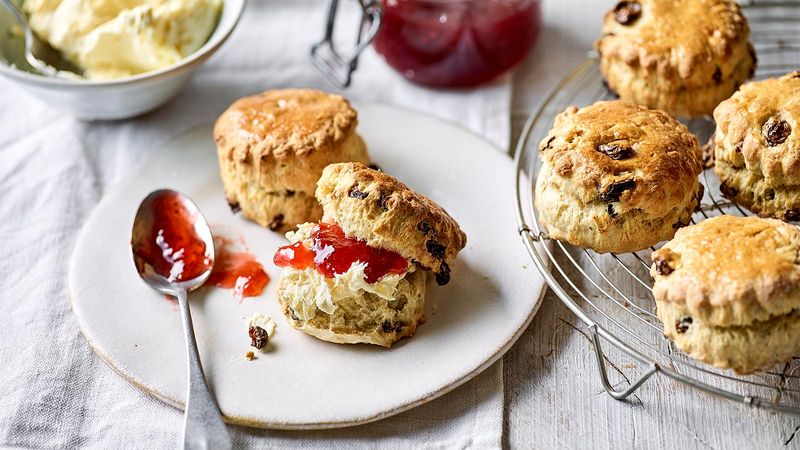
Scones have sparked more debates than Brexit – do you put jam or cream on first? Regardless of your stance on this crucial issue, a proper fruit scone should be light, fluffy, and studded with sultanas that add little bursts of sweetness.
Farmhouse cooks knew the trick was handling the dough as little as possible, keeping everything cold, and resisting the urge to twist your cutter when stamping them out.
Mix your dry ingredients, rub in cold butter until it resembles breadcrumbs, then add milk and dried fruit just until combined. Pat gently to about 2cm thick, cut straight down with your cutter, and bake hot and fast.
They're best eaten warm from the oven.
3. Rock Cakes
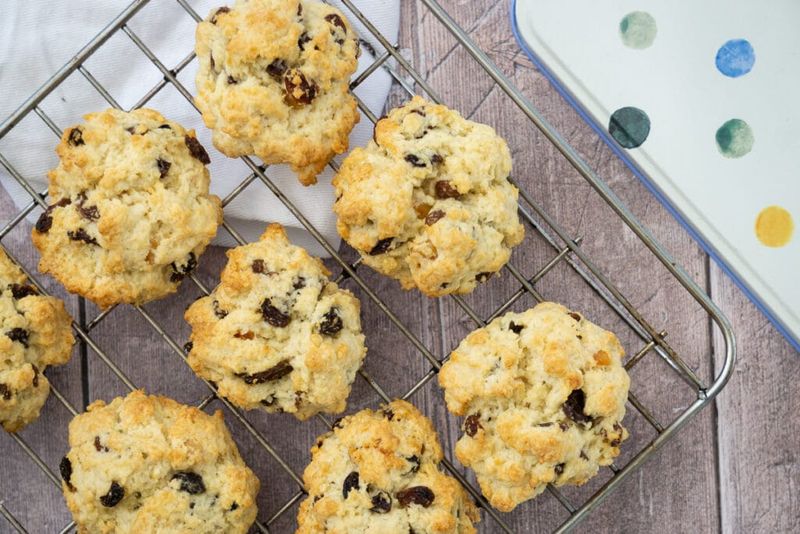
Despite their rather unappetizing name, rock cakes are actually dead lovely – they're just meant to look a bit rough around the edges, not break your teeth. These humble little cakes were a farmhouse staple because they used up odds and ends from the larder and came together faster than you could boil a kettle.
The batter is deliberately lumpy and thick, more like a dough than a cake mix, packed with whatever dried fruit was knocking about. Dollop rough heaps onto a baking tray – no need for perfection here – and bake until they're golden and slightly crispy on the outside.
They keep brilliantly in a tin for days.
4. Treacle Tart
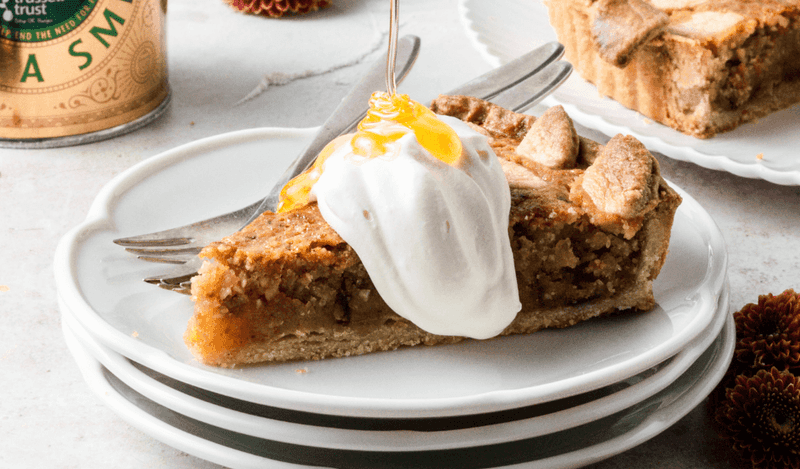
This sticky, sweet marvel is what happens when you combine golden syrup with breadcrumbs and lemon juice, then bake it in a buttery pastry case until it's all wobbly and gorgeous. Country bakers loved it because stale bread never went to waste, and golden syrup was cheap as chips yet tasted like liquid gold.
The breadcrumbs soak up the syrup and create this amazing texture that's somehow both gooey and substantial at once. A good squeeze of lemon juice cuts through the sweetness and stops it being cloying.
Serve it warm with a dollop of thick cream or cold custard, and watch grown adults go misty-eyed with nostalgia.
5. Spotted Dog
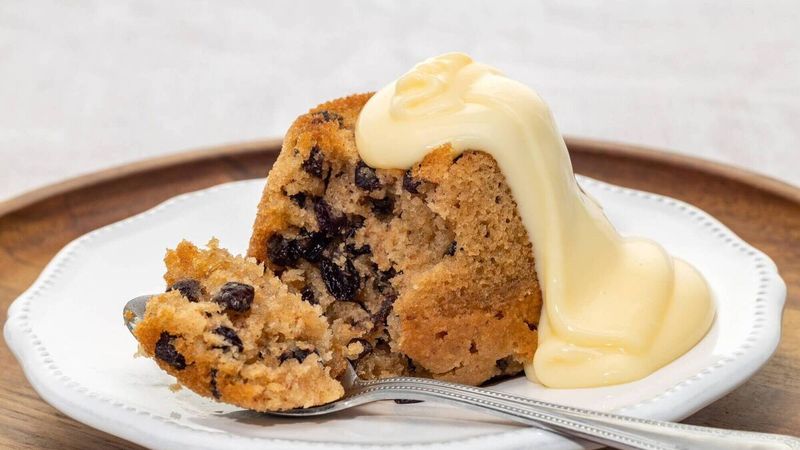
Spotted Dog is a traditional steamed pudding rooted in British farmhouse cooking, made with suet pastry dotted with dried fruit such as currants or raisins. Designed to be filling and economical, it relied on pantry staples that were readily available in rural homes and could be prepared without an oven.
Steaming gives the pudding its soft, dense texture, allowing it to keep warm for extended periods and making it practical for busy households. Often served with custard, it remains a familiar example of how farmhouse baking prioritised reliability and comfort over decoration, with recipes passed down and adapted across regions.
6. Bread And Butter Pudding
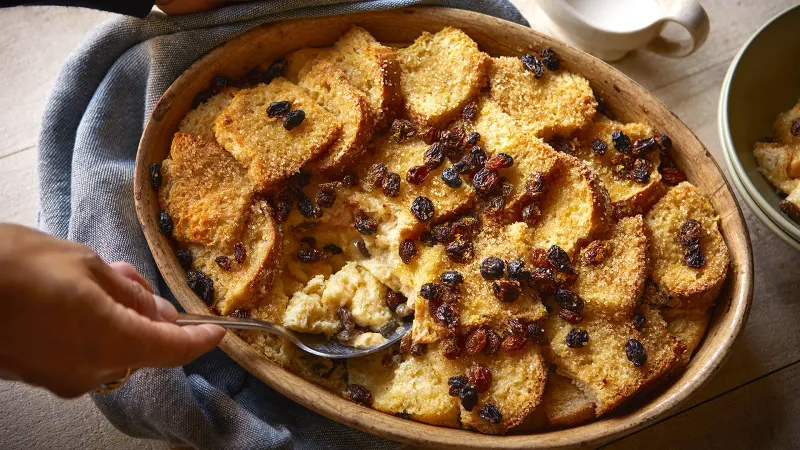
Born from the thrifty genius of farmhouse cooks who refused to chuck out stale bread, this pudding transforms yesterday's leftovers into something absolutely cracking. Buttered bread slices get layered in a dish with sultanas, then drowned in a sweet, eggy custard before baking until the top goes all crispy and golden whilst the bottom stays soft and custardy.
The magic happens when the bread soaks up the custard but keeps just enough structure to be interesting. Some folks add a sprinkle of nutmeg or cinnamon, others keep it plain and simple.
Either way, it's proper comfort food that costs pennies to make.
7. Farmhouse Fruit Loaf
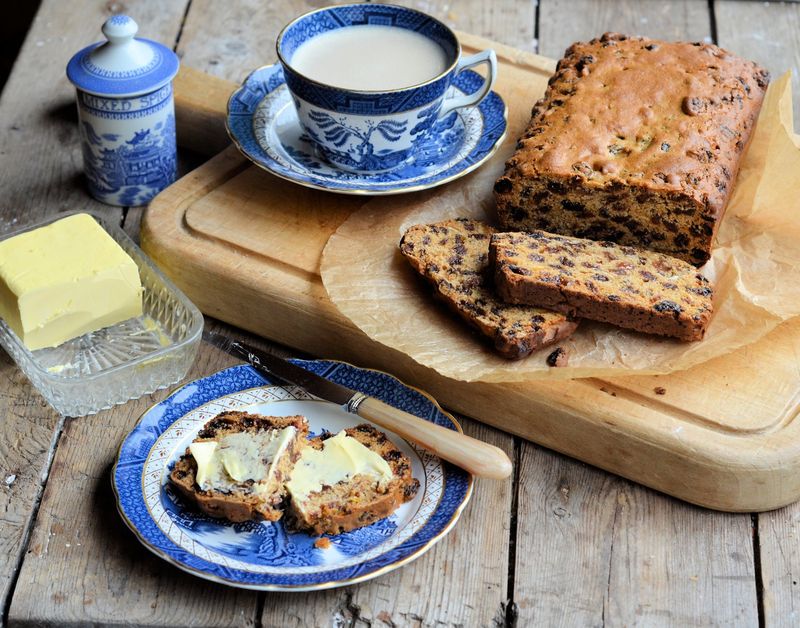
This isn't your fancy tea loaf – it's the sort of solid, reliable cake that farmers' wives would bake on a Monday and it'd still be moist come Friday. Packed with whatever dried fruit was in the cupboard and often soaked in cold tea overnight to plump them up, it's dense, dark, and absolutely brilliant sliced thick and spread with proper butter.
No eggs or fancy ingredients needed, just flour, sugar, mixed spice, and fruit bound together with strong tea. The tea adds moisture and a subtle depth of flavour that makes it taste somehow richer than the sum of its parts.
Perfect for packed lunches or mid-morning breaks.
8. Parkin
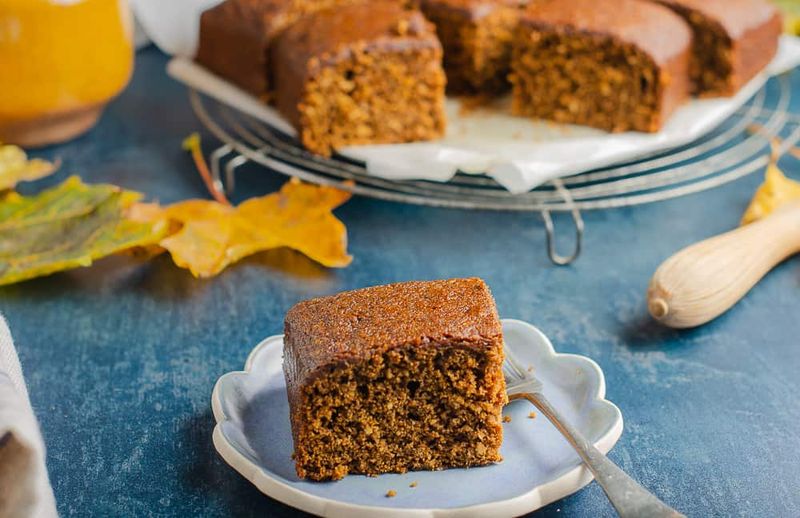
Up in Yorkshire, they've been making this sticky, gingery, oatmeal-based cake for centuries, traditionally around Bonfire Night when the cold weather demands something warming and substantial. Unlike regular ginger cake, parkin has a unique texture from the oatmeal that makes it slightly chewy and incredibly satisfying, with a deep, treacly flavour that improves with age.
The trick is to make it at least a week before you want to eat it, storing it in a tin where it'll transform from slightly dry to gloriously sticky. Black treacle gives it that characteristic dark colour and rich, almost smoky sweetness.
Absolutely brilliant with a chunk of crumbly Lancashire cheese.
9. Jam Roly-Poly
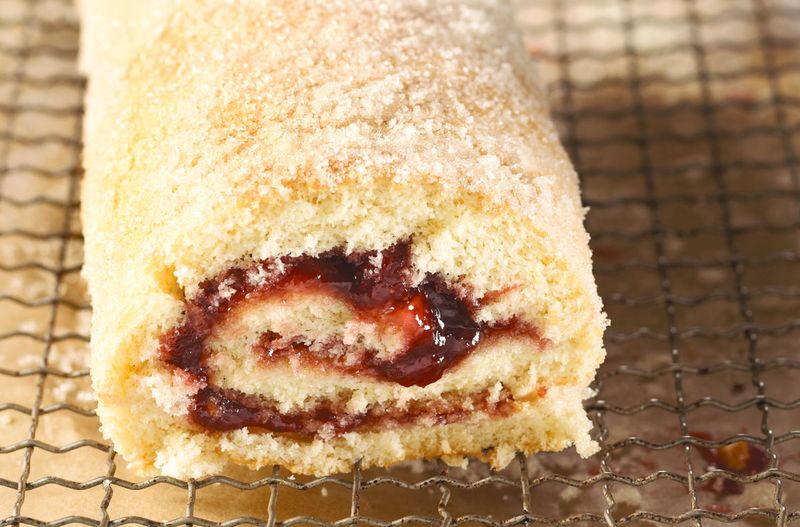
Affectionately nicknamed "shirt-sleeve pudding" because farmhouse cooks used to wrap it in old shirt sleeves before steaming it, this rolled suet pudding filled with jam is proper old-school British pudding at its finest. The suet pastry gets rolled out, slathered with jam – usually raspberry or strawberry – then rolled up like a Swiss roll before being steamed or baked until it's soft and yielding.
When you slice into it, you get these gorgeous jam spirals running through tender pastry that's somehow both light and filling at once. Modern versions often get baked rather than steamed, which gives a slightly crispier outside.
Drowning it in custard is absolutely mandatory.
10. Seed Cake
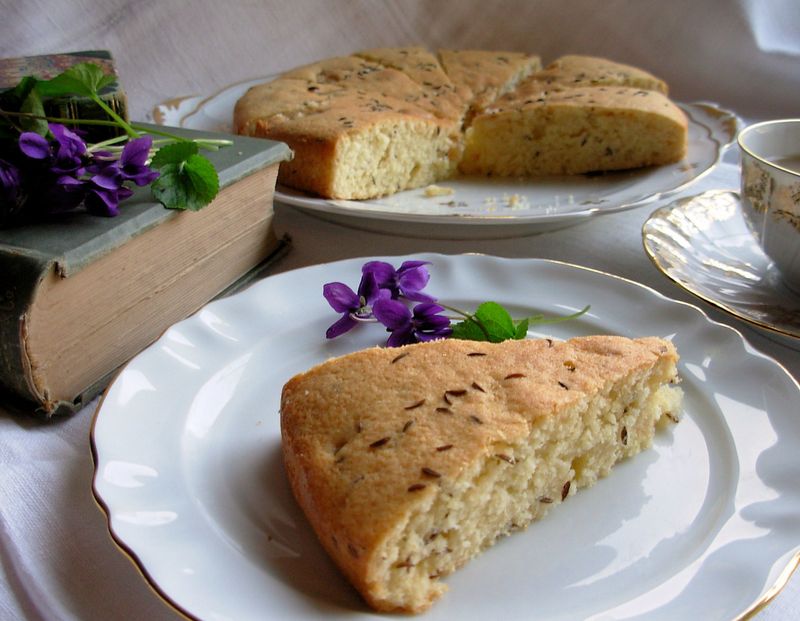
Before fancy flavourings became commonplace, caraway seeds were the go-to for adding a bit of interest to a plain cake, giving it a distinctive, slightly aniseed-like flavour that people either absolutely love or can't stand – there's rarely any middle ground. This simple, unfussy cake was a farmhouse staple for centuries, often served at christenings and other celebrations when something a bit special was needed but ingredients were limited.
The caraway seeds get folded through a basic Madeira-style batter, creating little pockets of aromatic flavour throughout. It's less sweet than modern cakes, which actually makes it rather sophisticated.
Brilliant with a cup of strong tea.