













Making pizza at home can take practice, but the right approach makes a noticeable difference. By focusing on dough preparation, heat, and balance, you can create pizzas with excellent texture and flavour.
This content is for general information only. Results will vary depending on ingredients, equipment, and preparation methods.
1. Weigh Your Ingredients
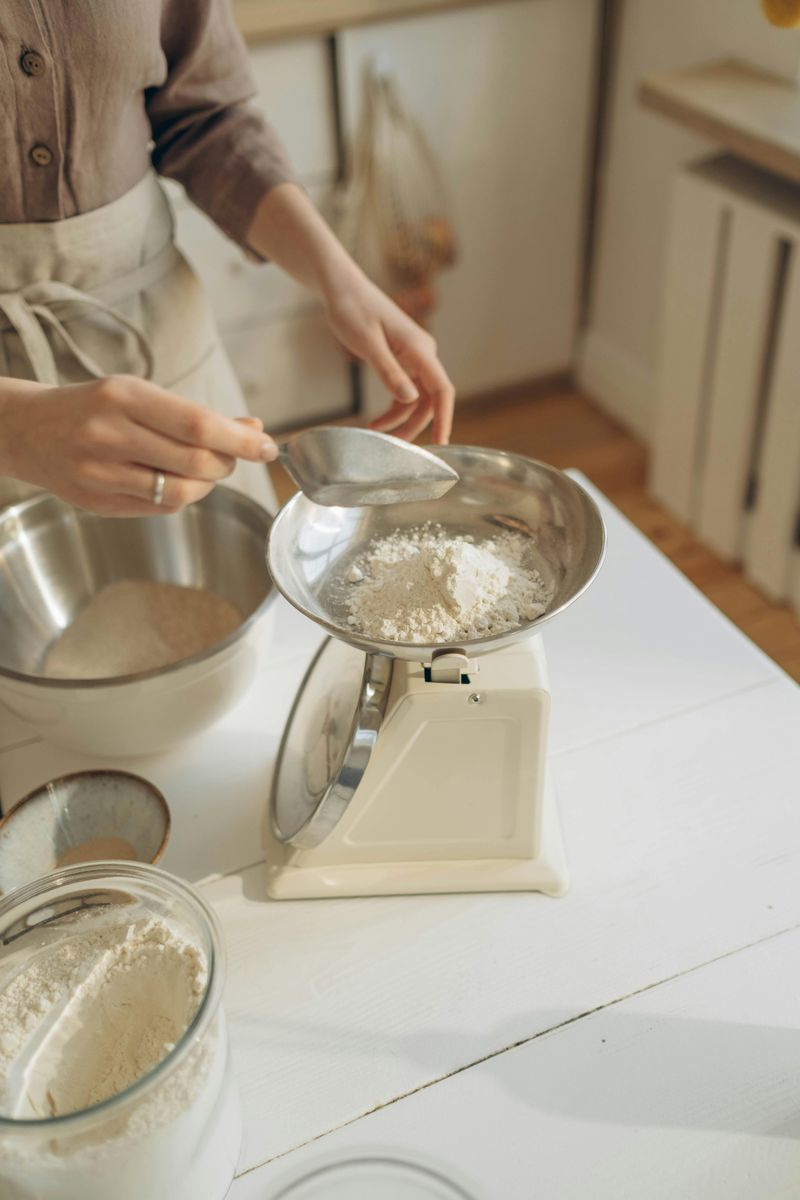
Measuring by weight produces consistent dough every time. A digital kitchen scale gives more accurate results than volume measurements.
Accurate measurements help achieve the right dough texture and rise. Professional pizza makers almost always work by weight for this reason.
2. High Hydration Is Your Friend
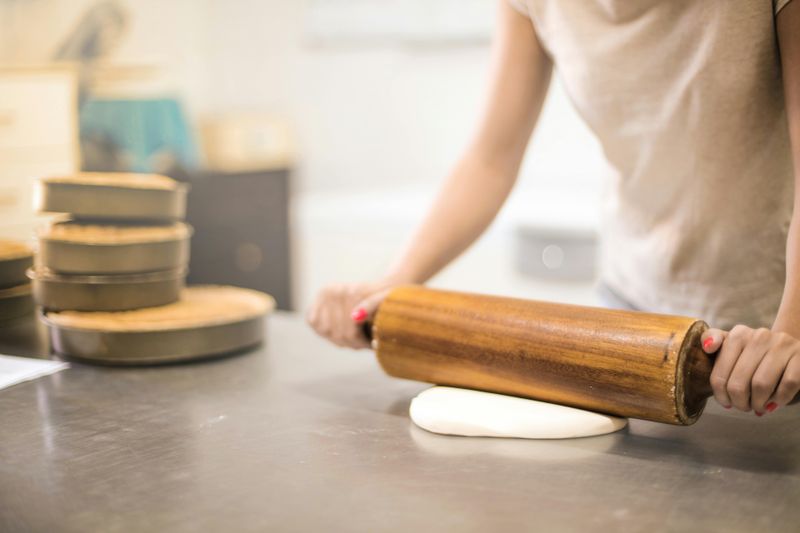
Doughs with more water content often produce a lighter, airier crust. A hydration level of about 65–70% is common for pizzeria-style bases.
Wetter dough can be sticky and needs careful handling. Lightly wetting your hands and working gently helps maintain the air pockets formed during fermentation.
3. Preheat Your Oven Properly
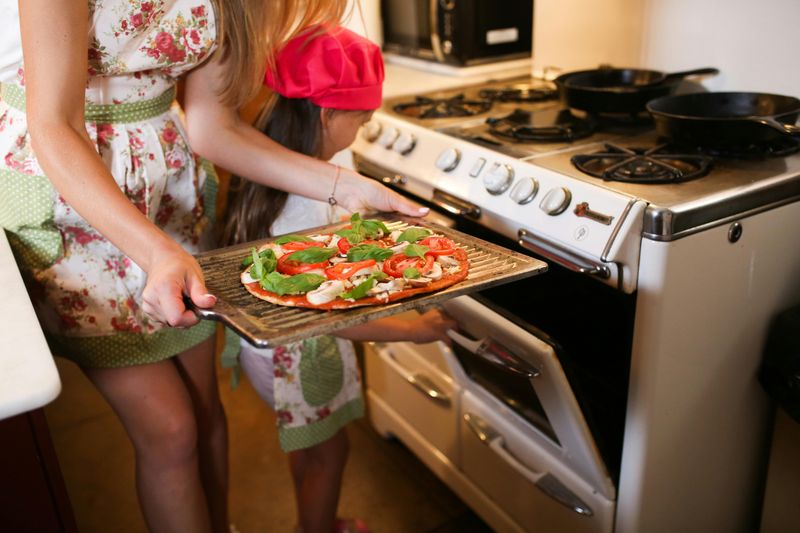
Home ovens do not reach the extreme heat of professional pizza ovens. To compensate, preheat for a longer time so the stone or steel retains as much heat as possible.
Position the stone or steel near the top of the oven for maximum heat exposure. This step is essential for a well-browned base.
4. Use 00 Flour
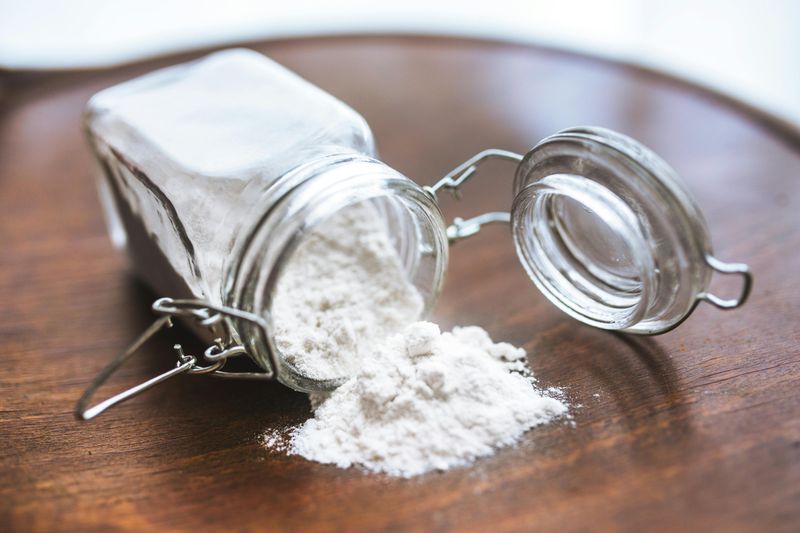
Italian 00 flour has a fine texture and moderate protein content, producing a tender yet chewy crust. It also browns evenly in high heat.
Although plain flour can work, 00 flour creates a noticeably different texture. It is widely used for traditional pizza-making.
5. Less Is More With Toppings
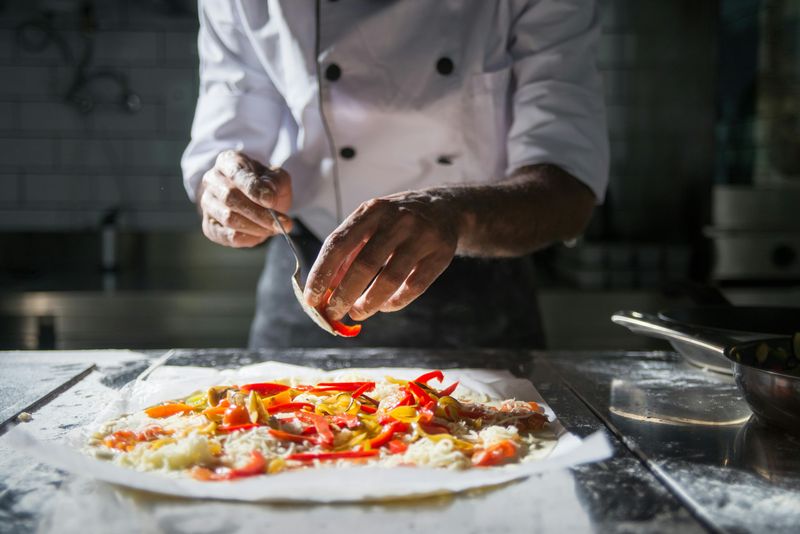
Using fewer toppings helps the pizza cook evenly and prevents a soggy base. Three or four well-matched ingredients are usually enough.
Leaving small areas of visible dough allows heat to reach the crust properly. This improves both texture and flavour.
6. Stretch, Don't Roll
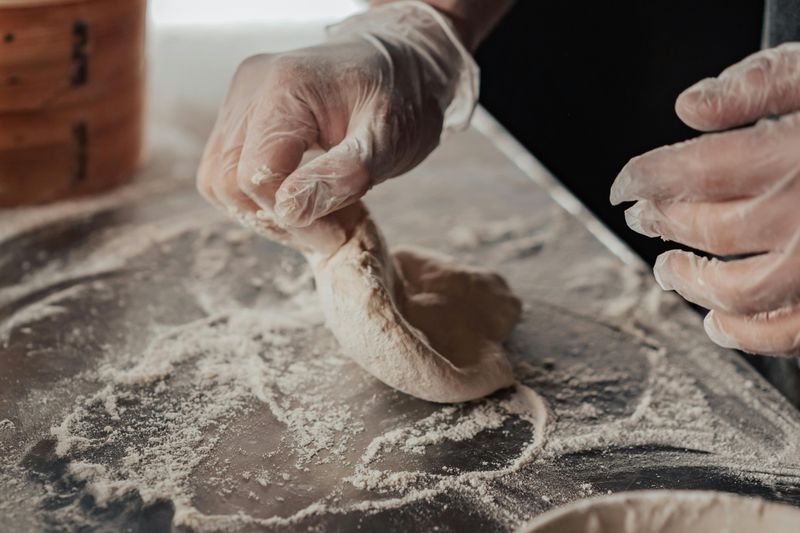
Stretching dough by hand preserves the air pockets that develop during fermentation. It also gives a more traditional texture than rolling.
Work from the centre outwards, letting gravity assist as the dough rests over your hands. This technique takes practice but gives lighter results.
7. The Broiler Method
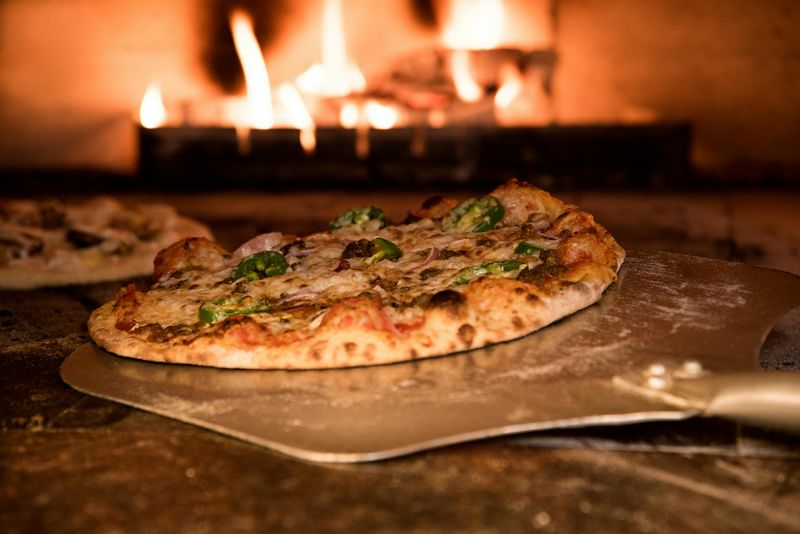
Finishing under a grill for a short time can create attractive charred spots on the top of the pizza. This method mimics the top heat of a wood-fired oven.
Watch closely during this stage, as the surface can burn quickly. A short blast is all that is needed.
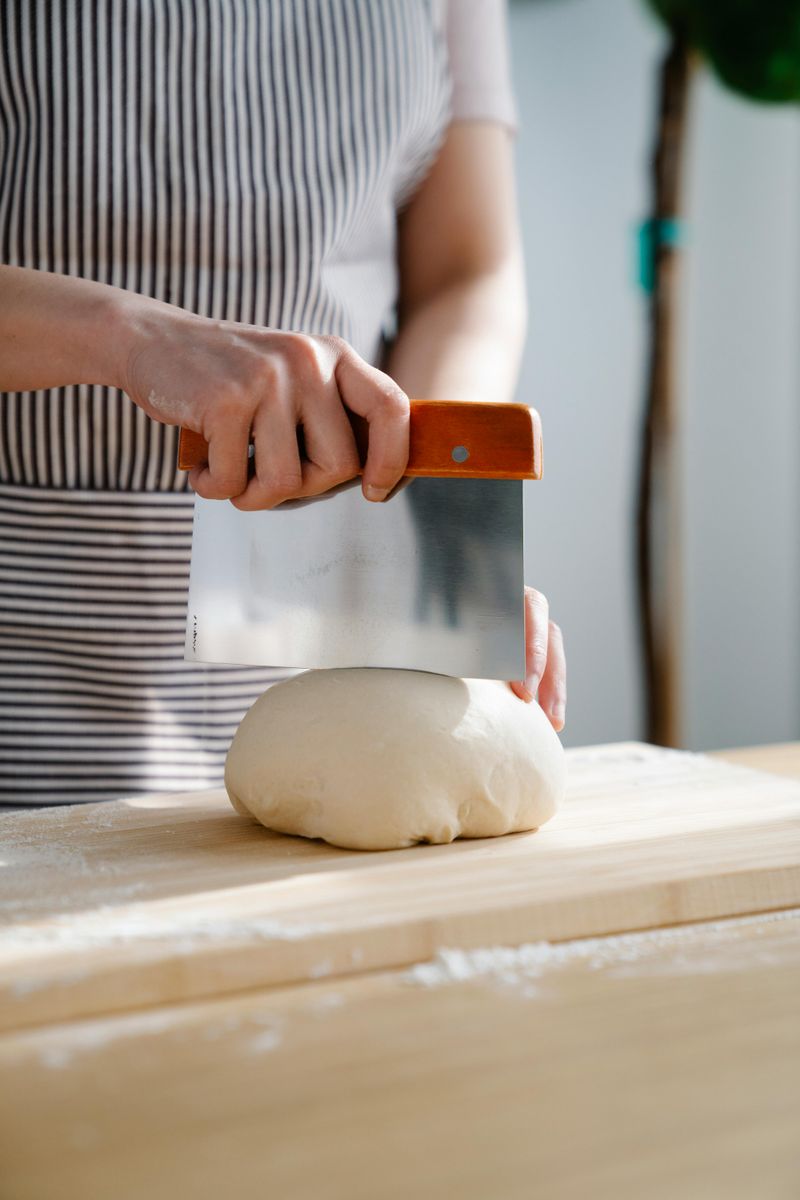
8. Rest Your Dough Balls
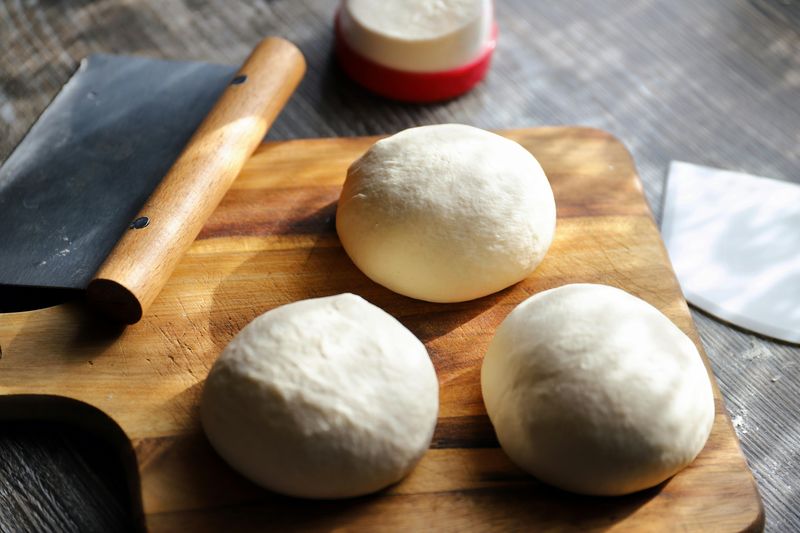
Allowing dough balls to rest before shaping relaxes the gluten, making the dough easier to handle. A rest of at least 30 minutes is recommended.
Cover the portions to prevent them from drying out. This step makes stretching smoother and more consistent.
9. Use Semolina For Extra Crunch
Dusting a pizza peel with semolina helps the dough slide onto the stone more easily. It also creates a slightly crunchier base.
The coarse texture acts like tiny ball bearings under the dough. It is a simple way to improve both handling and texture.
10. Experiment With Sourdough

Replacing some of the flour with active sourdough starter gives the base more complex flavour. The natural fermentation adds depth that commercial yeast alone cannot match.
The process can be less predictable, but many find the results worth the extra time. It adds a subtle tang and aroma to the crust.
11. Perfect Your Sauce-To-Cheese Ratio
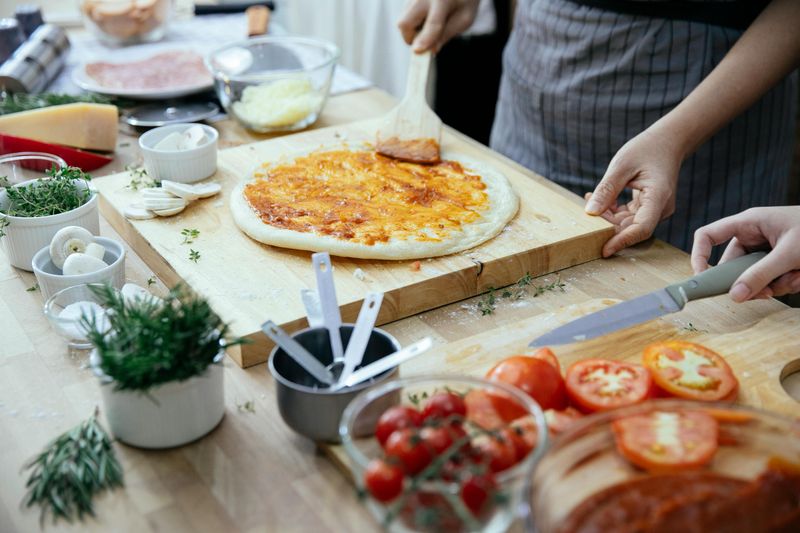
An even, thin layer of sauce prevents sogginess. Too much sauce or cheese can make the centre heavy and undercooked.
Aim for a balanced spread where both sauce and cheese are visible. This helps achieve a consistent bake and even flavour.
12. The Importance Of Room Temperature Ingredients
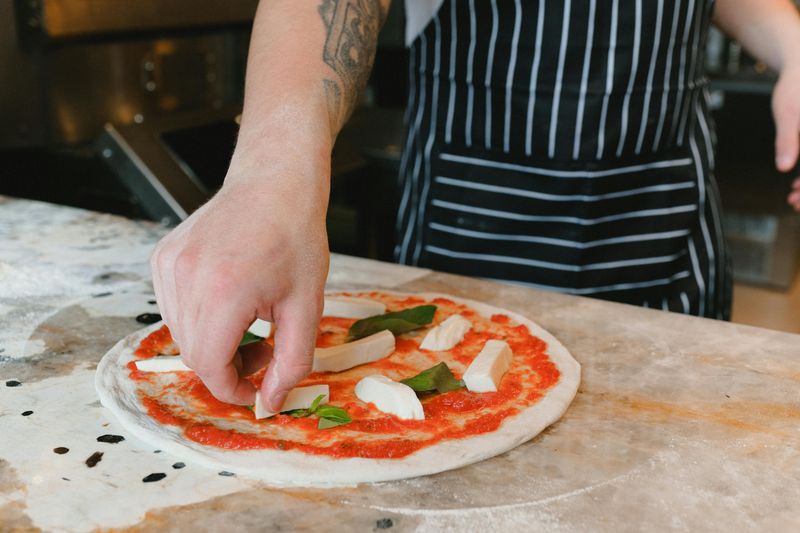
Cold dough is harder to stretch and can bake unevenly. Allow it to sit at room temperature for at least a couple of hours before shaping.
Cheese and toppings also cook more evenly when not chilled. Bringing everything to the same temperature improves the final result.



