













Rising food prices can make it challenging to serve nutritious meals while keeping costs down.
With some planning and simple strategies, it is possible to eat well without overspending. Here are 10 practical tips to help balance health and affordability in the kitchen.
This content is for general information only. Results may vary depending on individual dietary needs, shopping choices, and cooking methods. Photos are symbolic and may not represent exact dishes.
1. Plan Your Meals And Make A Shopping List

Planning meals in advance reduces impulse purchases and helps cut down on waste. Check your cupboards before shopping and write a clear list, either on paper or with a mobile app.
Organising by supermarket section saves both time and money.
2. Use Frozen And Canned Vegetables

Frozen and canned vegetables are often more cost-effective than fresh and still provide good nutritional value.
Frozen peas, spinach, and mixed vegetables are convenient for quick meals, while canned tomatoes form the base of many sauces. Stocking these items ensures vegetables are always on hand.
3. Choose Plant-Based Proteins
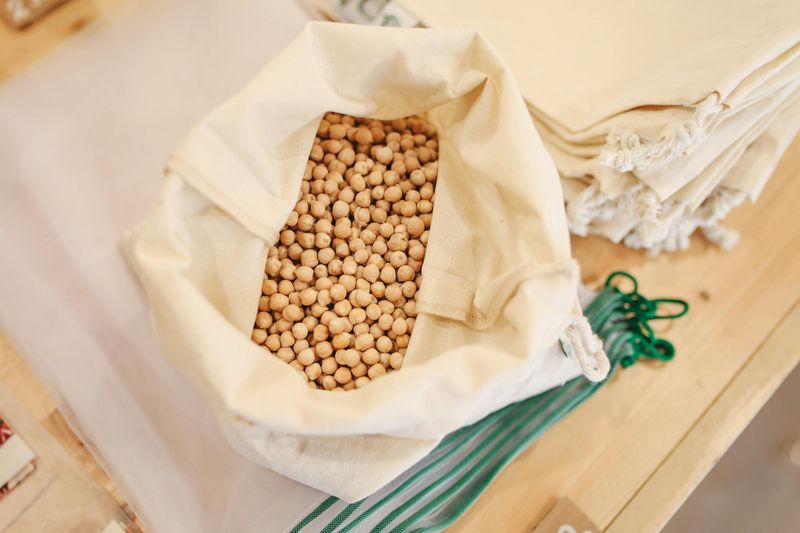
Lentils, beans, and chickpeas are affordable alternatives to meat and still provide plenty of protein. They can be added to soups, stews, curries, and salads.
These ingredients are versatile and can stretch meals further without sacrificing nutrition.
4. Incorporate Whole Grains

Whole grains such as brown rice, oats, and whole-wheat pasta are filling and budget-friendly. They provide more fibre than refined grains and help maintain energy levels.
These ingredients can form the base of many affordable, balanced meals.
5. Cook In Bulk And Reuse Leftovers
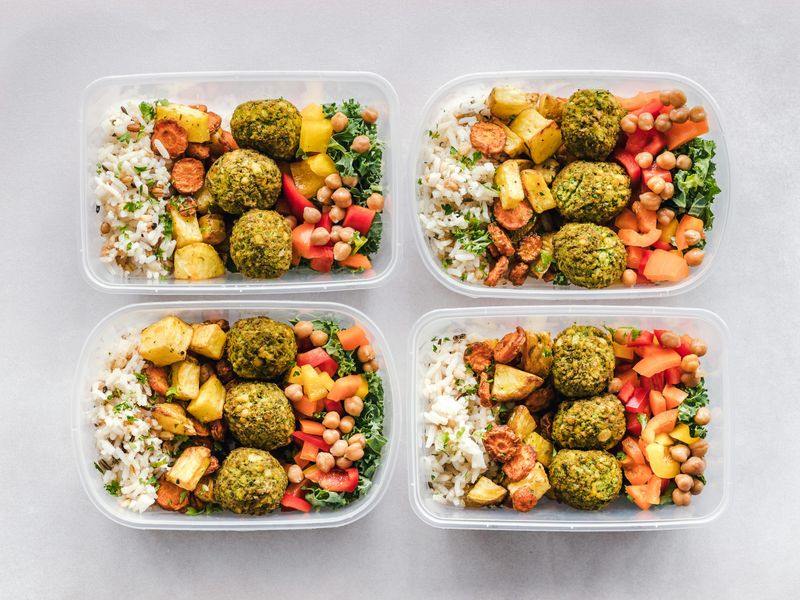
Cooking larger portions saves both time and energy. A roast chicken, for example, can be used for sandwiches, soups, or casseroles in the following days.
Storing portions in reusable containers helps reduce food waste and prevents reliance on takeaways.
6. Buy Supermarket Own Brands And Look For Discounts

Supermarket own-brand products are usually less expensive than branded items and often come from the same suppliers.
Checking for reduced items, especially later in the day, can lead to significant savings. Many discounted items can be frozen for later use.
7. Grow Your Own Herbs And Vegetables

Fresh herbs can be expensive to buy regularly, but are easy to grow on windowsills or in small pots. Basil, parsley, and mint provide flavour at a fraction of the cost.
Simple vegetables like lettuce or beans can also be grown in limited spaces.
8. Use Eggs As An Affordable Protein Source

Eggs are inexpensive, versatile, and quick to prepare. They can be used in omelettes, tortillas, salads, and sandwiches. Even higher-welfare eggs remain one of the most affordable sources of quality protein.
9. Prepare Simple, Nutritious Breakfasts

Budget-friendly breakfasts such as porridge or overnight oats are inexpensive and filling. Adding fruit, nuts, or a spoonful of jam provides variety without much extra cost.
Preparing breakfast at home also helps avoid the expense of food bought on the go.
10. Make Soups And Stews

Soups and stews are ideal for using up leftover vegetables. Adding lentils, barley, or beans makes them more filling while keeping costs low.
Batch cooking and freezing portions ensure quick, affordable meals are always available.



