













Spanish cuisine bursts with vibrant flavours, from sizzling paellas to tapas that tantalize your taste buds.
Cooking authentic Spanish dishes might seem daunting, but with the right techniques, you'll be creating Mediterranean magic in your kitchen.
Let me share some expert tips that will transform your Spanish cooking game and impress your dinner guests.
1. Master The Art Of Sofrito
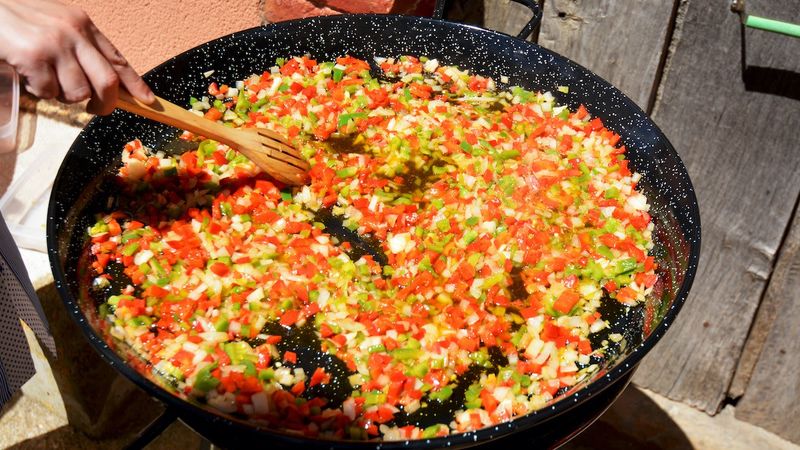
Every Spanish masterpiece begins with a proper sofrito – the aromatic base that elevates dishes from ordinary to extraordinary. Slowly sauté finely chopped onions, garlic, and bell peppers in olive oil until caramelized.
The secret? Low heat and patience. This foundation brings depth to paellas, stews, and sauces. Never rush this step – the longer and slower the cook, the more flavour develops.
2. Choose The Right Olive Oil
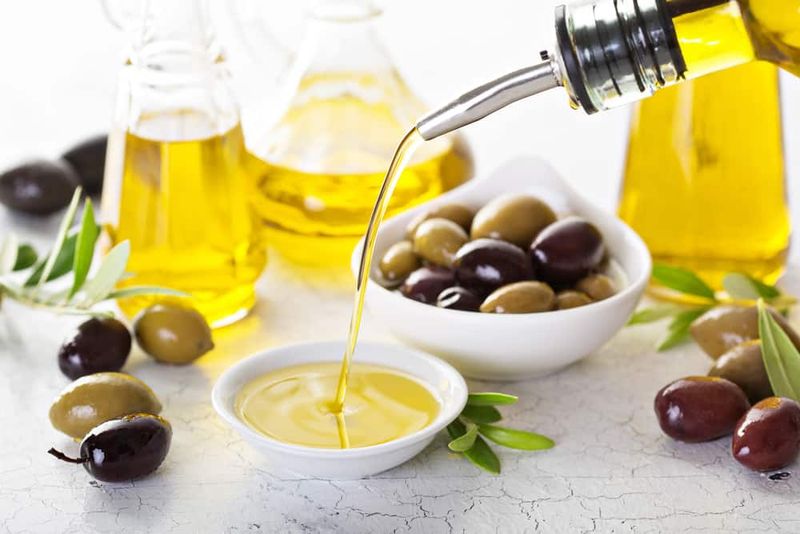
Not all olive oils are created equal! For authentic Spanish flavour, reach for extra virgin olive oil from regions like Andalusia or Catalonia. The peppery notes and fruity undertones make all the difference in cold dishes like gazpacho.
For high-heat cooking, opt for a milder Spanish olive oil. Store your liquid gold away from light and heat to preserve its character.
3. Perfect Your Paella Technique
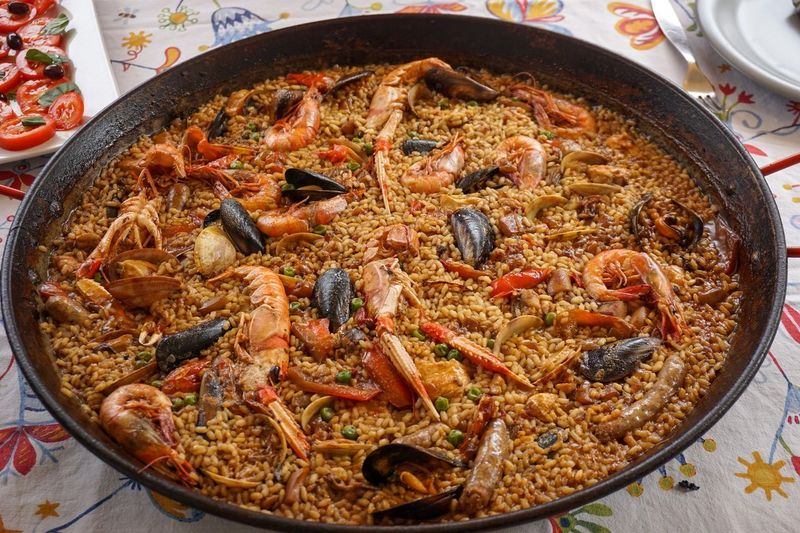
Forget stirring! Unlike risotto, authentic paella develops its signature socarrat (crispy bottom layer) when left undisturbed. Use a wide, shallow paella pan for even cooking and maximum rice-to-pan contact.
After adding your broth, resist the urge to stir. Instead, rotate the pan occasionally for even heat distribution. Listen for a gentle crackling sound – that's your socarrat forming beautifully.
4. Embrace Pimentón de la Vera
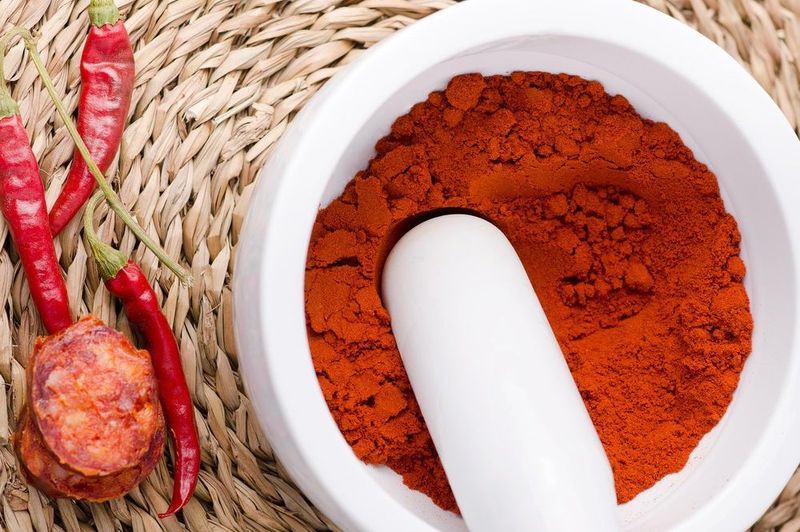
Smoked paprika isn't just any spice – it's the soul of Spanish cooking! Pimentón de la Vera comes in sweet (dulce), bittersweet (agridulce), and hot (picante) varieties, each smoke-dried over oak for that distinctive flavour.
A pinch transforms ordinary potatoes into patatas bravas and gives chorizo its characteristic kick. Store in a cool, dark place and replace yearly – freshness matters tremendously with this powerhouse ingredient.
5. Savour Saffron Properly
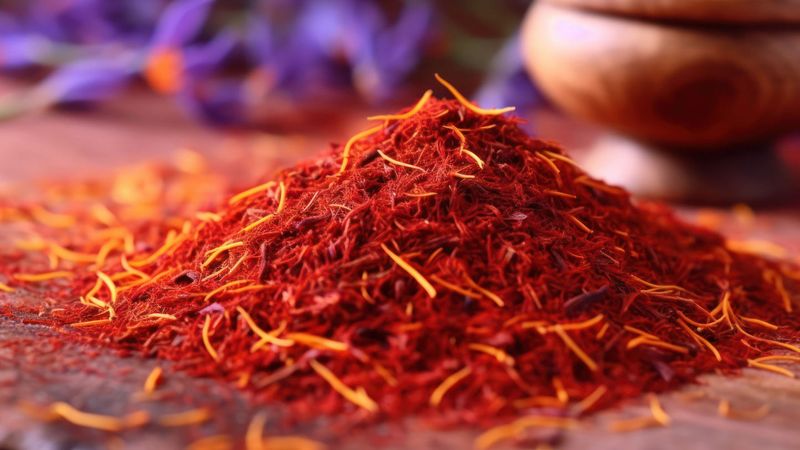
Worth more than its weight in gold, saffron demands respect in the kitchen. Never add these precious threads directly to your dish! Instead, crush the strands between your fingers and bloom them in warm (not boiling) liquid for 15-20 minutes.
This releases both the gorgeous golden colour and complex flavour. Look for deep red threads with orange tips for the best quality – avoid anything with yellow portions.
6. Know Your Spanish Cheeses
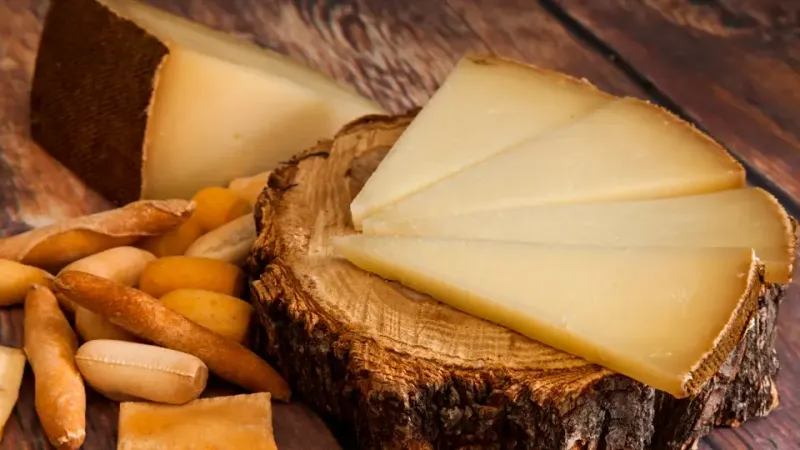
Beyond the familiar Manchego lies a world of Spanish cheese waiting to enhance your cooking. Aged Idiazábal brings smoky notes to salads, while creamy Torta del Casar melts beautifully into sauces.
For something unexpected, try blue Cabrales crumbled over honey-drizzled figs. Always serve Spanish cheeses at room temperature – cold mutes their complex flavours and fascinating textures that make them truly special.
7. Time Your Garlic Perfectly
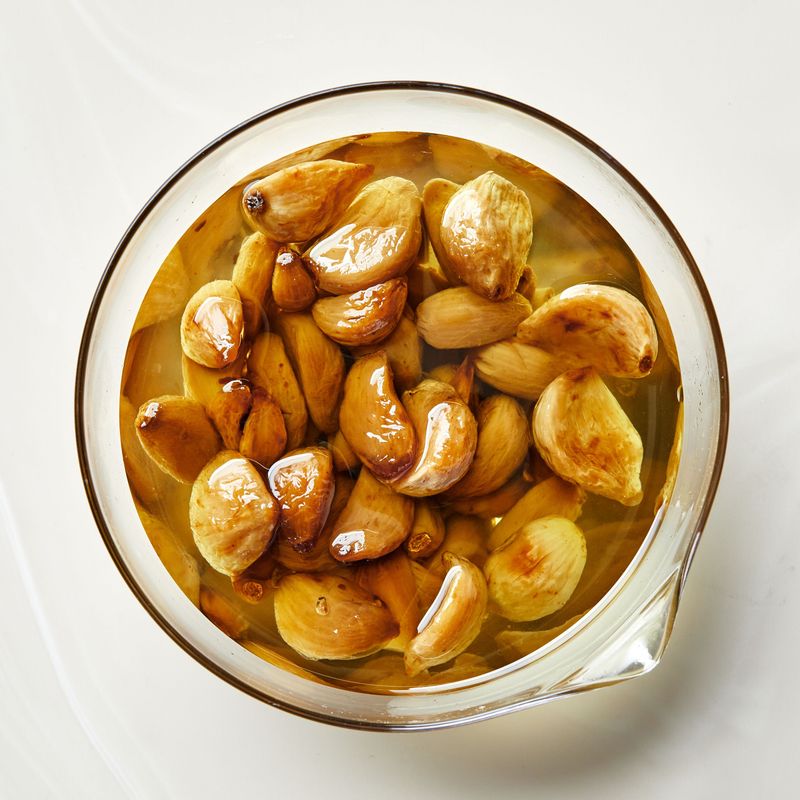
Spanish cooks have a special relationship with garlic – it's not just what you use but when you add it. For mellow sweetness, start with garlic in cold oil and warm together slowly. For punchy flavour, add to hot oil just before other ingredients.
Never let garlic brown unless specifically called for – it turns bitter instantly. Try the Spanish trick of removing garlic cloves from dishes before serving for subtle flavour without overwhelming.
8. Master The Egg Tortilla
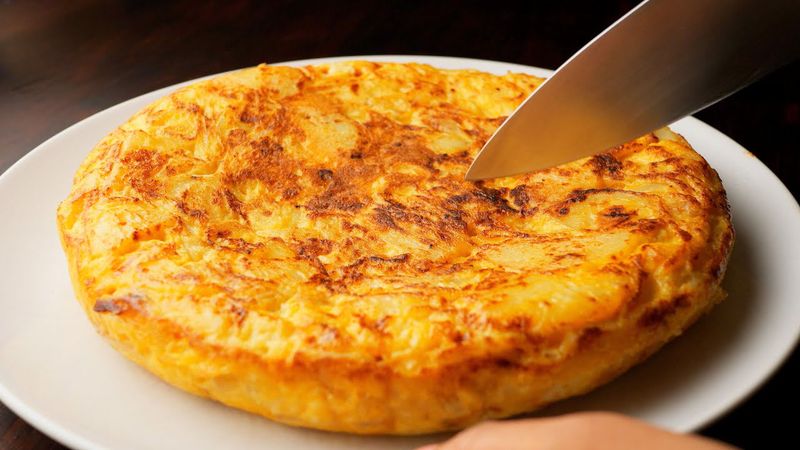
The humble Spanish tortilla (potato omelette) seems simple but requires finesse. The secret? Potatoes must be sliced uniformly and poached slowly in olive oil – never browned or crispy.
After combining with beaten eggs, the mixture needs rest time for flavours to meld. The flip is crucial – use a plate larger than your pan and turn with confidence! Some prefer runny centres while others like them fully set.
9. Invest In Proper Cookware
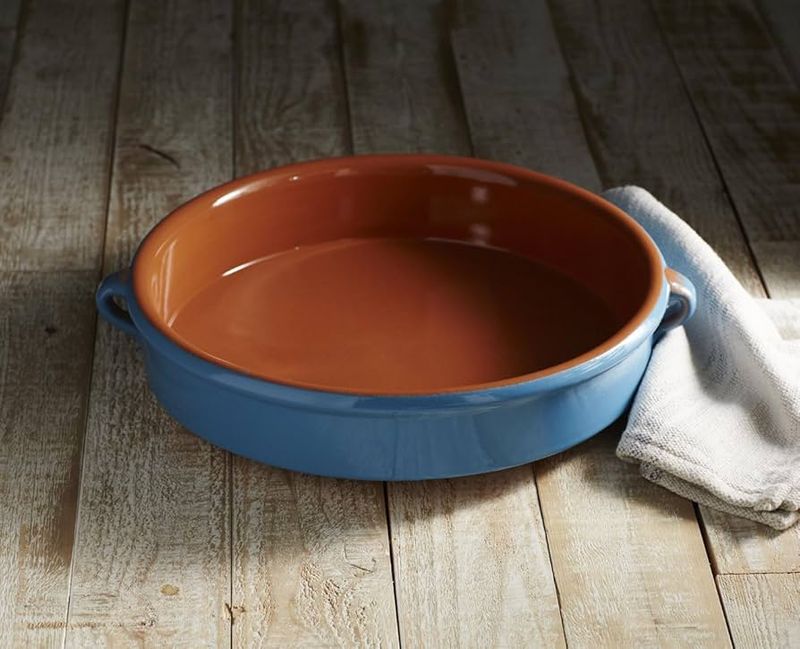
Traditional Spanish dishes demand their proper vessels. A good paella pan (paellera) with its wide, shallow design ensures the perfect rice texture. Earthenware cazuelas distribute heat gently for stews and maintain temperature at the table.
For tapas, small glazed terracotta dishes (cazuelitas) aren't just attractive – they hold heat beautifully. The right tools aren't just authentic; they actually improve your cooking results substantially.
10. Balance Your Seafood Cooking
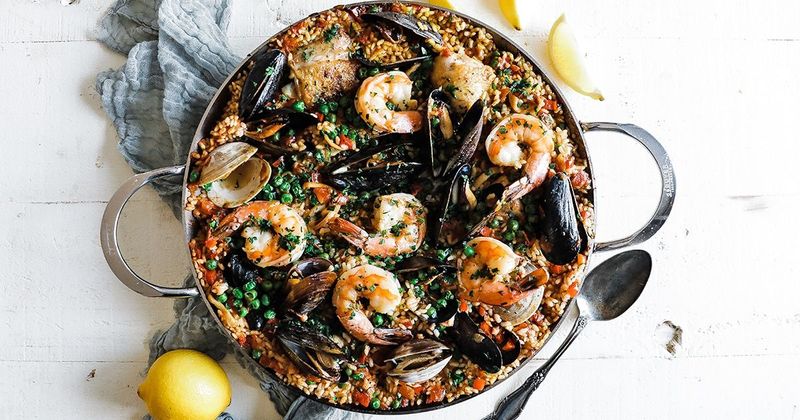
Spanish coastal cuisine celebrates seafood with a golden rule: less is more. Prawns need mere minutes of cooking – remove them the moment they turn pink. Clams and mussels should steam just until they open.
Firm white fish benefits from a quick sear followed by gentle heat. The Spanish often finish seafood dishes with a splash of sherry vinegar or fresh lemon – this bright acidity balances richness perfectly.
11. Understand Regional Variations
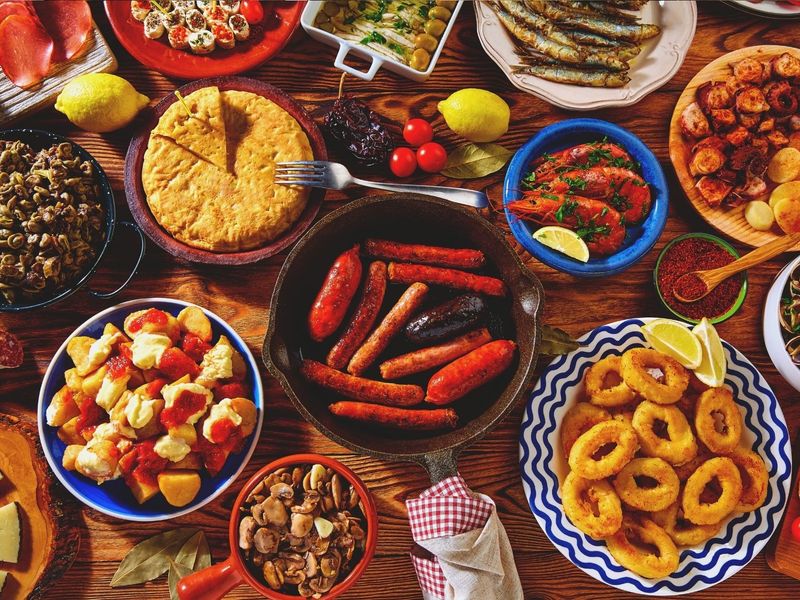
Spanish cuisine isn't monolithic – it's a tapestry of distinct regional styles. Northern Basque cooking favours simple grilled seafood and cider, while Andalusian dishes embrace Moorish influences with nuts and spices.
Valencia claims paella, but each region has its own rice specialties. Research your dish's origins before cooking. Understanding whether you're making a Galician, Catalan, or Castilian version ensures authentic results.
12. Perfect The Art Of Tapas
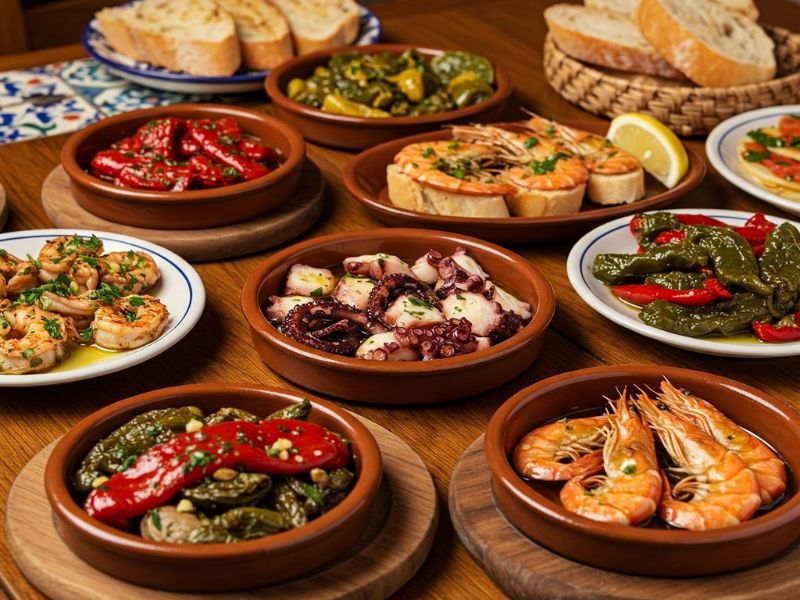
The beauty of tapas lies in contrast and balance. Always include something acidic (marinated olives), something rich (jamón or cheese), something bread-based, and something from the sea.
Presentation matters tremendously – small, beautiful portions encourage sharing and conversation. Serve at varied temperatures rather than everything hot or cold. True Spanish tapas aren't just appetizers; they're a social experience built around food.




Comments
No Comments