













A well-made biscuit often has a balance of crisp edges and a soft, tender centre, and achieving that texture is easier than it might seem. With a few straightforward techniques, home bakers can create consistently good results without special equipment or complicated methods.
Understanding how small steps influence the final bake can make a noticeable difference to the texture of every batch.
This content is for general information only. Recipes should be adapted to suit individual dietary needs and skill levels. Ingredient availability may vary by location. Photos are for illustrative purposes only, and actual results may differ.
Why Browned Butter Makes Such A Difference In Biscuit Texture
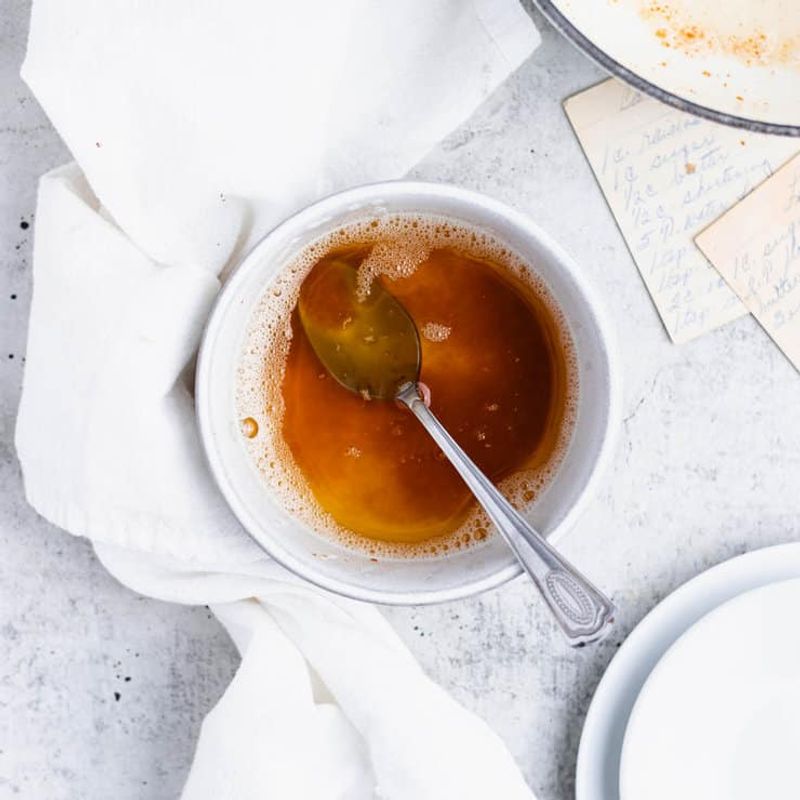
Butter's flavour gets a serious upgrade when you cook it until the milk solids turn golden and toasty. That nutty, almost caramel-like aroma isn't just for show, though.
Browning butter removes some of its water content, which means your biscuits spread less during baking and develop a richer, more complex taste.
The process takes only a few minutes on the hob. Watch carefully as the butter foams and turns amber, then whisk in those gorgeous browned bits.
Once cooled slightly, it works just like regular melted butter in your recipe, but the results taste miles better.
How Chilling The Dough Helps Create Crisp Edges And A Soft Centre
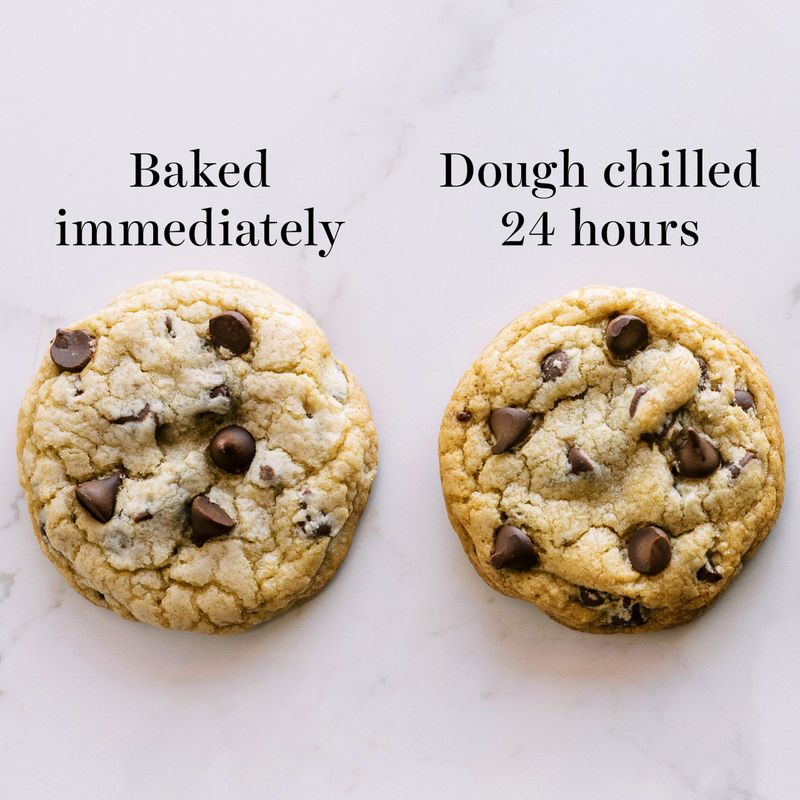
Popping your dough in the fridge for at least 30 minutes might feel like unnecessary faff, but it's genuinely worth the wait.
Cold dough spreads more slowly in the oven, giving the edges time to set and crisp up before the centre fully bakes through.
This temperature difference creates that coveted contrast between crunchy outer bits and a tender, chewy middle.
Plus, chilling allows the flour to fully hydrate and the flavours to meld together. Some bakers even chill overnight for an even deeper taste and better texture control.
The Simple Steps That Lead To Consistently Even, Tender Biscuits
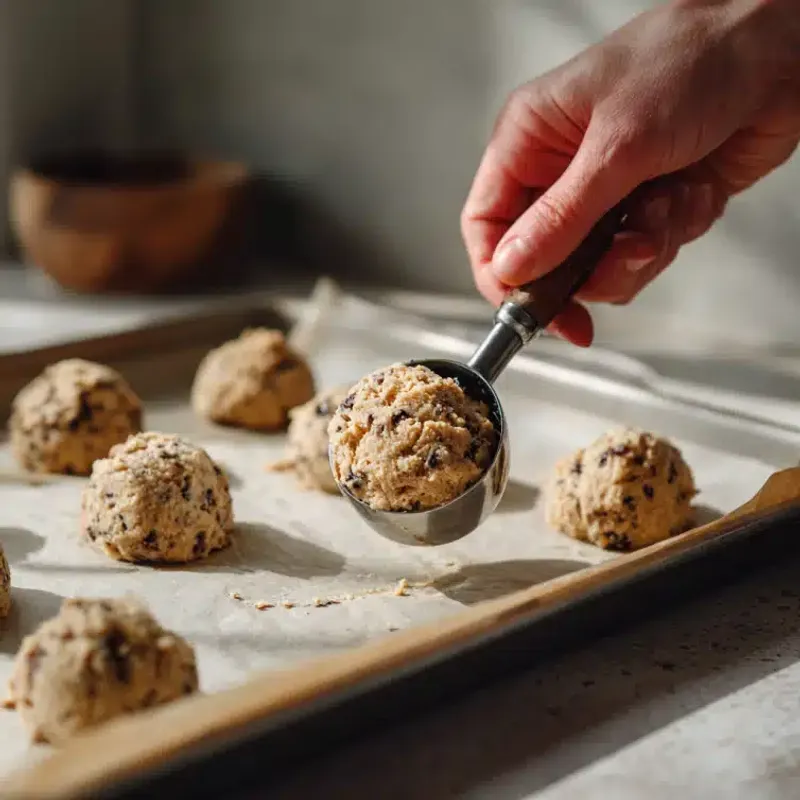
Great texture does not come from complicated techniques, but from a few thoughtful steps done well.
Whisking the sugar and egg until pale helps lighten the dough, while gently folding in the dry ingredients keeps everything soft rather than tough.
Adding chopped chocolate, toasted nuts and a pinch of sea salt gives each bite contrast without overwhelming the base dough.
With careful mixing, the right bake time and a short rest on a cooling rack, the biscuits stay crisp underneath and beautifully soft inside.



