











Cutting boards work hard in the kitchen, yet most of us clean them the same way we clean everything else. The funny thing is, the gentlest method often gives you the deepest clean, especially when you want your board to stay in good shape for years.
If you’ve ever wondered whether there’s a smarter way to tackle stains and smells without harsh products, this simple trick might change how you clean forever.
This guide is for everyday household use and general reference, and any images shown are included for illustration only.
Why Harsh Cleaners Are Not Ideal For Cutting Boards
Cutting boards come into direct contact with food, so it makes sense to avoid anything overly strong or chemical based. Products like bleach or heavy duty cleaners can leave behind residues that you would not want near your vegetables, fruit, or bread.
Wooden boards in particular can dry out and crack when exposed to harsh agents, shortening their lifespan. Even plastic boards can absorb the smell of strong cleaners, which is far from appetising the next time you chop herbs.
A gentler approach still removes bacteria effectively without damaging the board. This is why so many chefs and home cooks prefer a natural method for deep cleaning. It is safer, simpler, and far better for the wood.
How Salt Works As A Natural Deep Cleaner
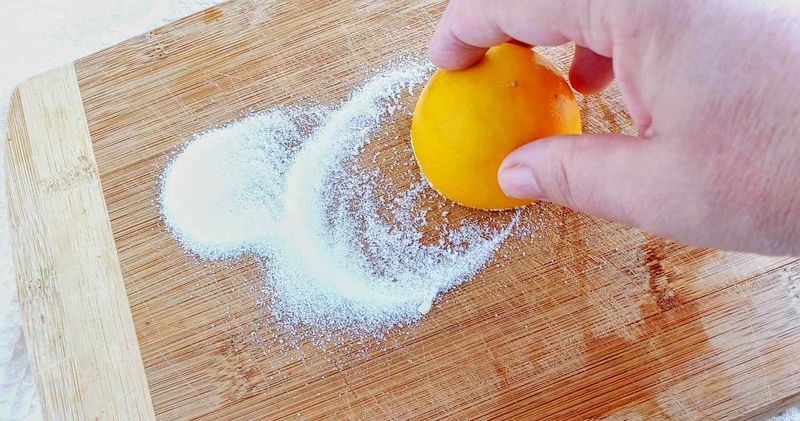
Salt looks humble, but it is surprisingly powerful when it comes to cleaning cutting boards. As an abrasive, coarse salt helps scrub away stains and tiny food particles that cling to the wood.
Salt is also a natural desiccant, meaning it pulls moisture out of its surroundings. Because bacteria need moisture to survive, the salt dehydrates them and reduces their ability to grow.
You do not need anything special either; regular coarse salt works beautifully and finer table salt can still help if you clean your board frequently. It is one of the most affordable and accessible cleaning tools you already have in your kitchen. Best of all, salt does the job without introducing anything you would not want anywhere near your food.
Why Lemon Makes The Cleaning Even Better
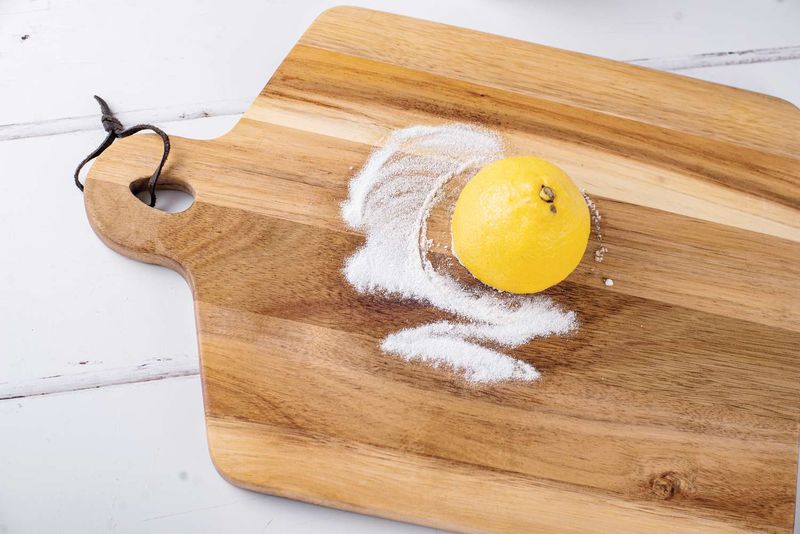
Lemon and salt are a classic pair for a reason. The acidity of lemon helps break down oils and stubborn residue that cling to the board after chopping meat, garlic, or onions. Lemon juice also naturally neutralises strong smells, leaving the board fresher than before.
Scrubbing the salt into the wood with the cut side of a lemon gives you both abrasion and acidity in one easy step. You can even use a lemon that has already been squeezed; it still has plenty of power left for cleaning.
If you are using bottled lemon juice, a sponge or cloth works just as well for scrubbing. It is an easy, chemical free way to give your board a proper refresh.
How To Use Salt And Lemon For A Proper Deep Clean
Start by rinsing your board to remove any leftover bits of food. Then sprinkle a generous amount of salt over the entire surface, around one third of a cup for a standard wooden board. Use the cut side of a lemon to scrub the salt in, pushing it into any grooves or marks where grime tends to hide.
Once you have worked it in well, let the mixture rest for five to ten minutes so the salt and lemon can do their job. You might notice the paste turning grey, which only means it is lifting oils and residue from the surface.
When time is up, scrape off the salt or rinse the board under warm water with a sponge. This method gives you a proper deep clean without the need for any harsh products.
How To Keep Your Cutting Board In Great Condition Afterwards
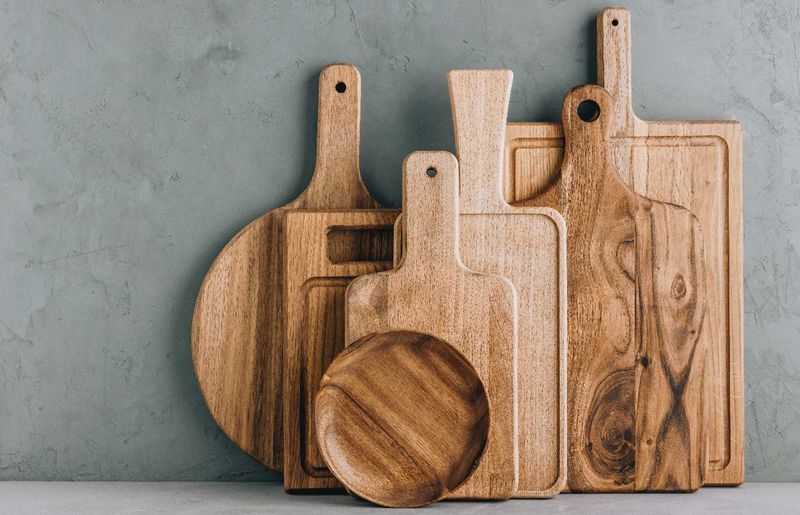
A salt and lemon scrub is perfect for a monthly deep clean, but it does not replace your usual daily wash with warm water and mild soap. After rinsing off the salt mixture, it is important to make sure the board is fully dry before you oil it.
Wooden boards naturally lose moisture over time, so applying food safe mineral oil keeps them from cracking. Simply rub a small amount of oil into the surface with a paper towel and let it soak in.
This conditioning step maintains the board's smooth texture and protects it from absorbing too much liquid in the future. When you care for your board properly, it lasts for years and works far better every time you cook.