













Stir Up Sunday has a way of filling the kitchen with warmth, spice and that unmistakable feeling that Christmas is getting close. It is the moment people pull out mixing bowls, gather their ingredients and enjoy the ritual of starting the season’s baking.
A solid checklist keeps everything running smoothly, especially when the whole household wants to join in.
This content is for general information only and may not reflect every household’s traditions or baking methods. Images are for illustrative purposes only.
1. Dried Fruit
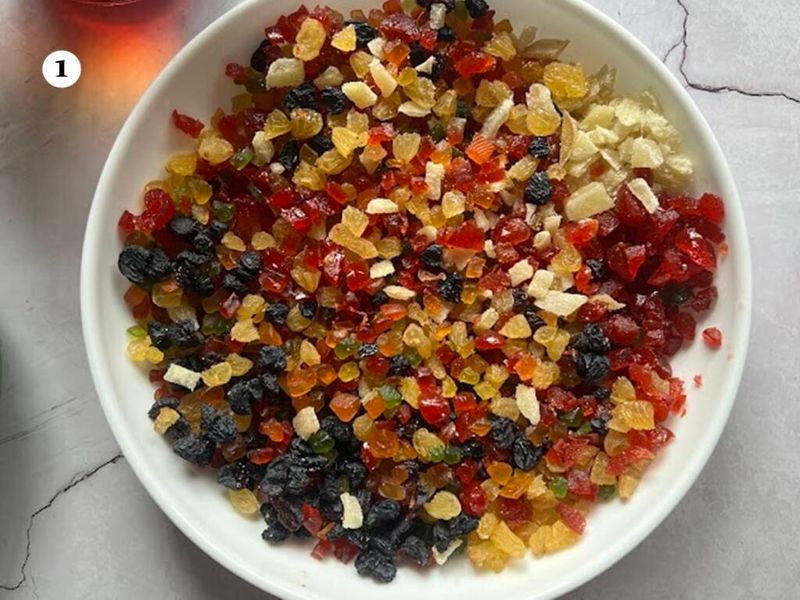
Raisins, sultanas, and currants form the heart of any traditional Christmas pudding, providing bursts of natural sweetness throughout every slice. You'll need roughly 500 grams of mixed dried fruit, though some recipes call for even more.
Soaking these fruits overnight in orange juice helps plump them up beautifully. The longer they sit, the juicier and more flavourful your pudding becomes, creating that signature moist texture everyone loves.
2. Mixed Peel
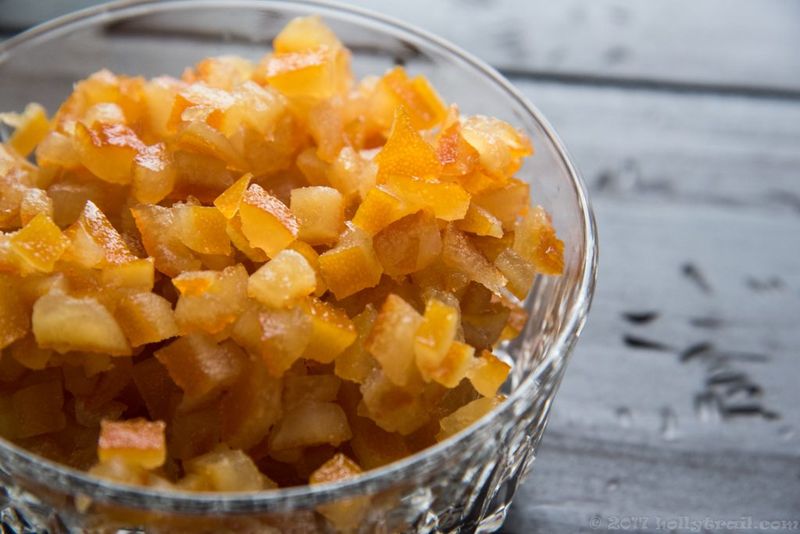
Candied orange and lemon peel adds a delightful citrus zing that cuts through the richness of your pudding. Around 100 grams should do the trick for most standard recipes.
Some bakers prefer chopping their peel finely, whilst others leave chunkier pieces for texture. Either way works brilliantly, so choose based on your family's preference and what feels right to you during your kitchen adventure.
3. Glacé Cherries
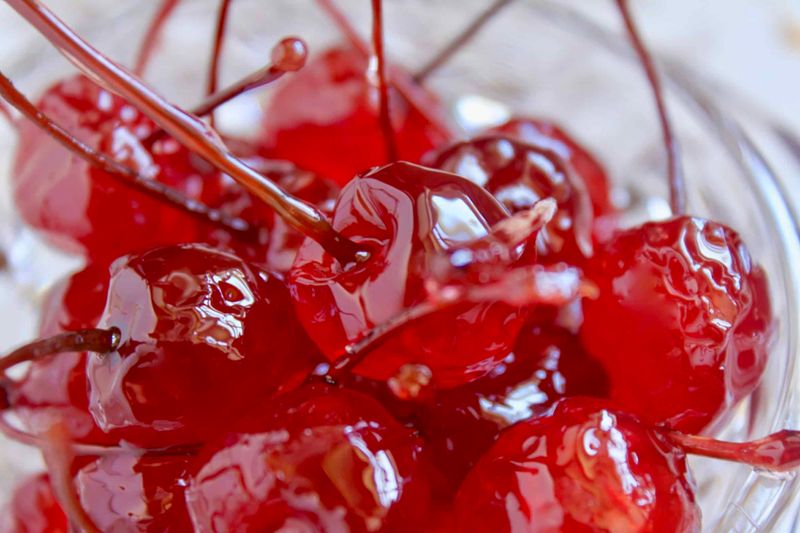
These jewel-bright beauties bring pops of colour and sweetness to your Christmas pudding. Most recipes require about 100 grams, which you'll want to rinse and chop into quarters.
Rinsing removes excess syrup that might cause cherries to sink during cooking. Pat them dry thoroughly with kitchen paper before folding them gently into your mixture for even distribution throughout the pudding.
4. Dark Brown Sugar
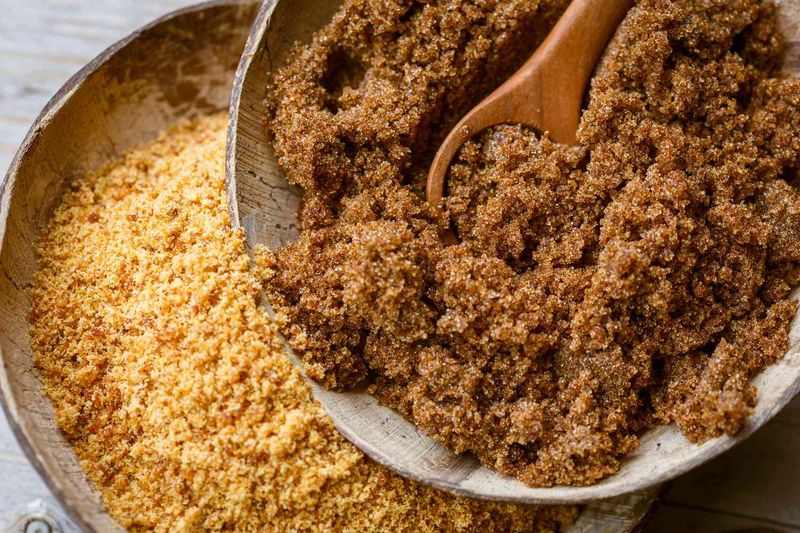
Rich, molasses-heavy dark brown sugar contributes deep caramel notes and keeps your pudding wonderfully moist. You'll typically need between 150 and 200 grams depending on your recipe.
This sugar's moisture content helps create that dense, sticky texture Christmas puddings are famous for. Make sure your sugar hasn't hardened into lumps before starting, or break them up carefully first.
5. Self Raising Flour
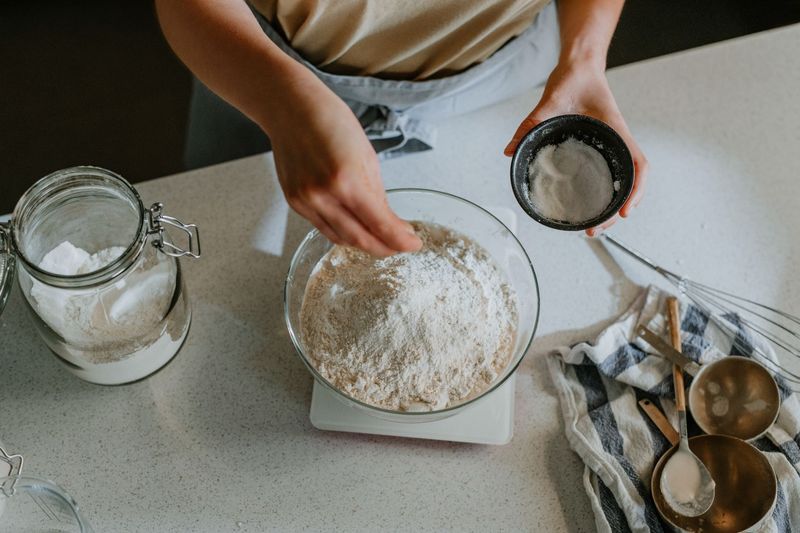
Around 100 grams of self-raising flour provides structure without making your pudding too heavy or cakey. The raising agents already mixed in help achieve the perfect consistency.
Always sift your flour before adding it to remove any lumps and incorporate air. This simple step makes mixing easier and ensures your pudding has an even, tender crumb throughout every delicious spoonful.
6. Ground Almonds
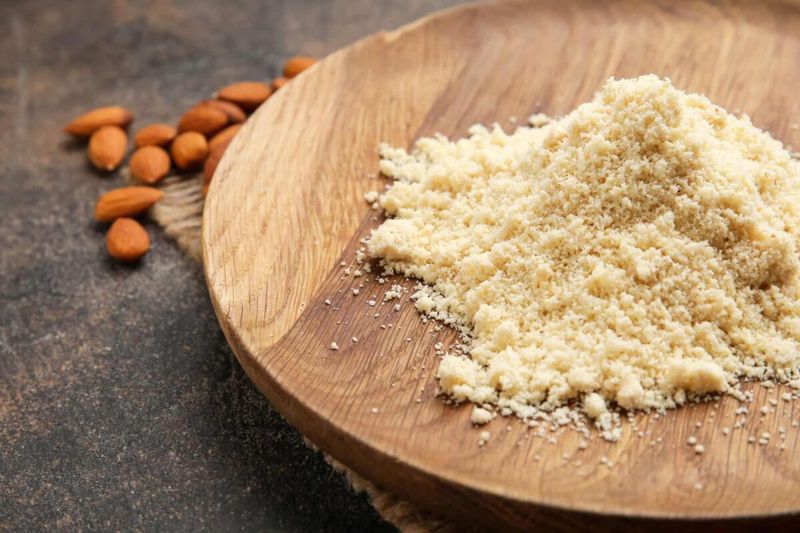
Approximately 50 grams of ground almonds enriches your pudding with nutty flavour and adds moisture that keeps it from drying out. They also contribute healthy fats that improve the overall texture.
Ground almonds work as a partial flour substitute, making the pudding slightly denser and richer. Some families have used this ingredient for generations, considering it absolutely essential to their treasured recipe.
7. Mixed Spice
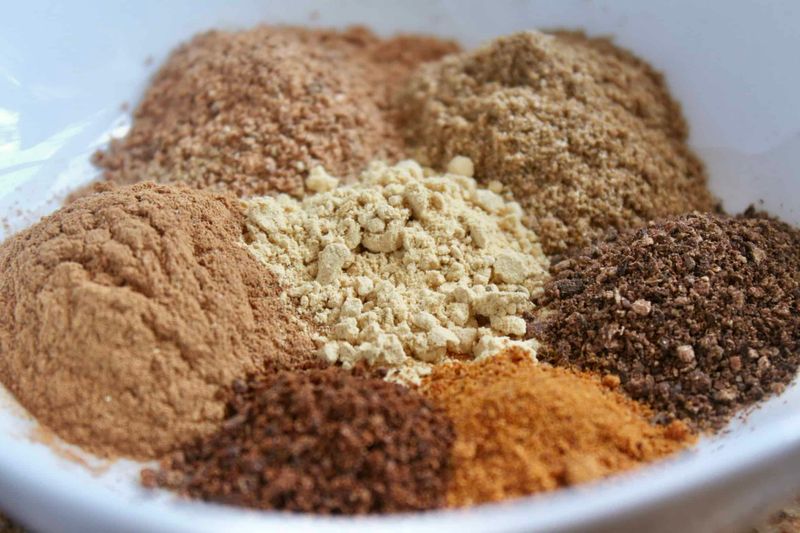
This warming British spice blend typically contains cinnamon, coriander, nutmeg, ginger, and cloves. Just two teaspoons transform your pudding into something that smells absolutely magical whilst cooking.
Mixed spice captures Christmas in a jar, filling your home with festive aromas. Check your jar's date before using, as ground spices lose potency over time and fresh ones make all the difference.
8. Cinnamon
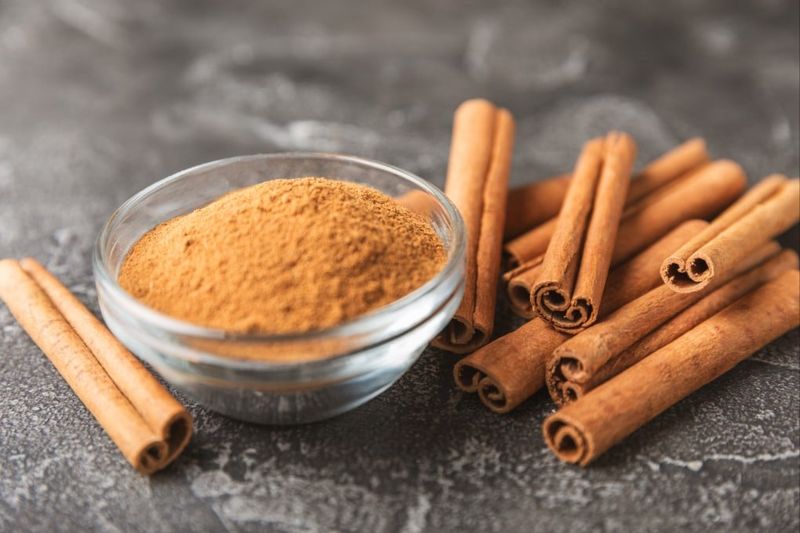
Extra cinnamon, roughly one teaspoon, amplifies the warming spice notes already present in your mixed spice. This beloved spice has been associated with Christmas celebrations for centuries across Britain.
Ceylon cinnamon offers a sweeter, more delicate flavour than the common Cassia variety. Whichever type you choose, freshly opened jars provide the strongest, most aromatic results for your special pudding.
9. Nutmeg
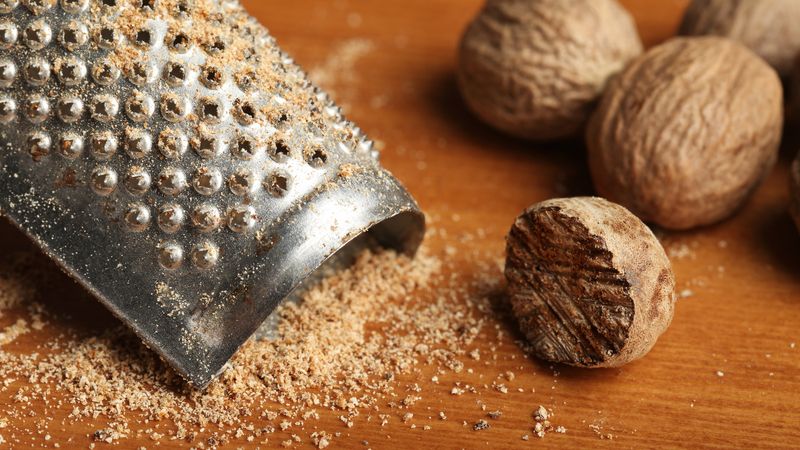
Freshly grated nutmeg brings an earthy, slightly sweet warmth that shop-bought ground versions simply cannot match. Half a teaspoon is usually plenty for traditional Christmas pudding recipes.
Invest in a small nutmeg grater and whole nutmegs for the best flavour. The difference is remarkable, and whole nutmegs keep their potency far longer than pre-ground alternatives sitting in your cupboard.
10. Unsalted Butter
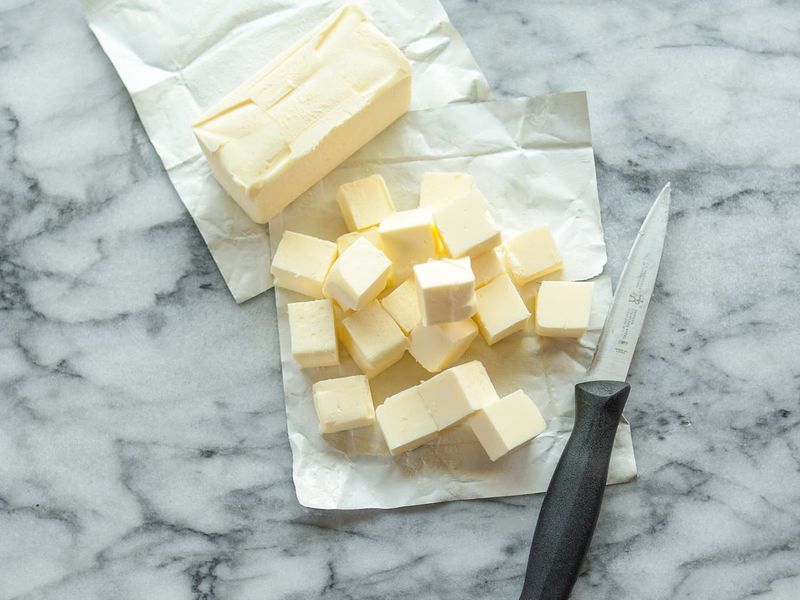
Roughly 125 grams of unsalted butter, softened to room temperature, creates richness and helps bind all your ingredients together beautifully. Unsalted allows you to control the salt level precisely.
Leave your butter out for an hour before starting so it creams easily with the sugar. Cold butter won't incorporate properly, leading to an uneven mixture and potentially affecting your pudding's final texture.
11. Eggs
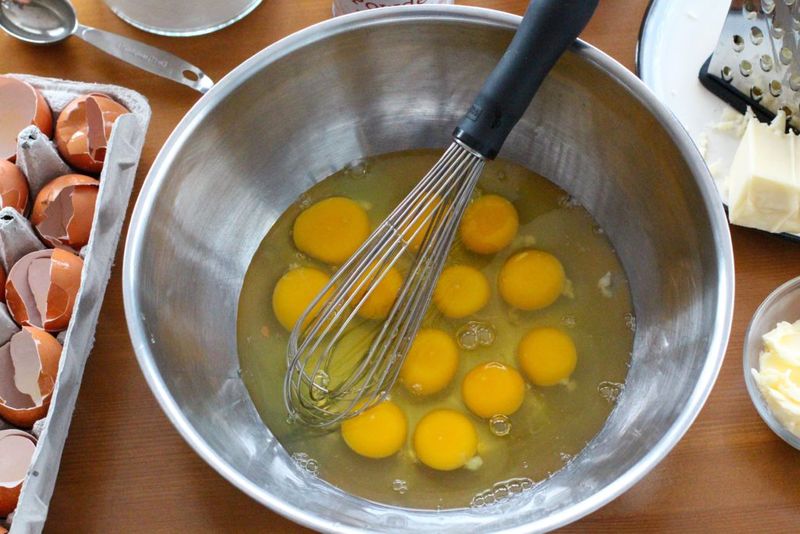
Three large eggs bind everything together whilst adding richness and helping your pudding rise slightly during its long steaming process. Room temperature eggs mix more easily than cold ones straight from the fridge.
Beat eggs lightly before adding them gradually to your creamed butter and sugar mixture. This prevents curdling and ensures smooth incorporation, resulting in a better texture throughout your finished pudding.
12. Black Treacle
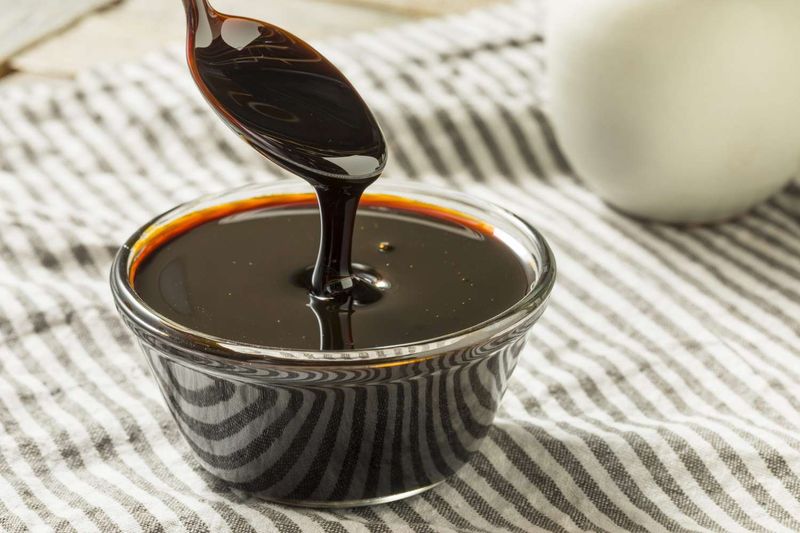
Two tablespoons of this dark, sticky syrup provides deep colour and a distinctive bittersweet flavour that defines traditional Christmas pudding. Treacle also contributes to that gorgeously moist, dense texture.
Warm your spoon slightly before measuring treacle so it slides off easily without sticking. This old baker's trick saves time and prevents waste, ensuring you get exactly the right amount into your mixture.



