











There’s something comforting about a steaming bowl of minestrone, but even the most classic recipes can use a little twist now and then. A few clever ingredient swaps can turn an ordinary pot into something that tastes like it simmered all afternoon.
You’ll be surprised how tiny changes - like switching the stock or finishing with a bright spoonful of pesto - can make this humble soup feel brand new again.
This content is for general informational purposes only and reflects culinary suggestions rather than professional dietary advice. Always adjust ingredients based on personal preferences or allergies. Photos are for illustrative purposes only.
Swap Plain Water For Flavourful Stock And A Parmesan Rind

Using water keeps things light, but a good vegetable or chicken stock gives your pot a head start on depth. Drop in a parmesan rind while the soup simmers and you'll get a gentle, savoury boost without turning the soup cheesy. The rind slowly releases flavour, then you scoop it out before serving.
No rind on hand? A spoon of grated parmesan stirred in at the end brings a similar roundness. If you want to keep it vegan, try a splash of soy sauce or a small spoon of white miso for that same cosy, savoury vibe. Whatever you choose, taste as you go so the broth stays balanced and not overly salty.
Choose Whole Peeled Tomatoes Instead Of Pre-Chopped
Whole peeled tomatoes are usually packed riper and break down beautifully as they simmer. Give them a quick crush with your spoon and they'll melt into a rich base without tasting tinny. Pre-chopped tomatoes often include firming agents that help them hold shape, which is great for salads but less ideal for a silky soup.
If you have passata, that works too for a smooth, velvety finish. For extra sweetness, cook the tomatoes a minute or two in the pot before adding stock to wake up their flavour. Finish with a small drizzle of olive oil to make the tomato flavour sing.
Let Beans Be The Star - And Use Their Liquid Wisely

Minestrone loves beans for body and comfort, and borlotti, cannellini, or chickpeas all bring something slightly different. Rinse the beans if you want a cleaner taste, or keep a little of the can liquid to add creaminess. That liquid is starchy, so it helps thicken the broth without flour or dairy.
Add beans toward the end so they stay tender and don't turn mushy. If you're cooking dried beans, save some of their cooking water for the soup because it carries great flavour. A tiny splash of vinegar at the finish makes those beans taste brighter, not sharper.
Cook Pasta Separately, Then Add At The End
Tossing dry pasta straight into the pot is convenient, but it can drink up the broth and keep swelling in leftovers. Cooking pasta in a separate pan keeps your soup brothy and your noodles perfectly al dente. Stir the pasta into each bowl or into the pot right before serving, based on how much you'll eat immediately.
Small shapes like ditalini, macaroni, or small shells are classic because they tuck nicely between the vegetables. If you prefer a heartier bite, use farro or barley instead and simmer them in the soup until tender. A quick glug of olive oil over the pasta stops sticking without dulling flavour.
Swap Basic Olive Oil For High-Quality Extra-Virgin
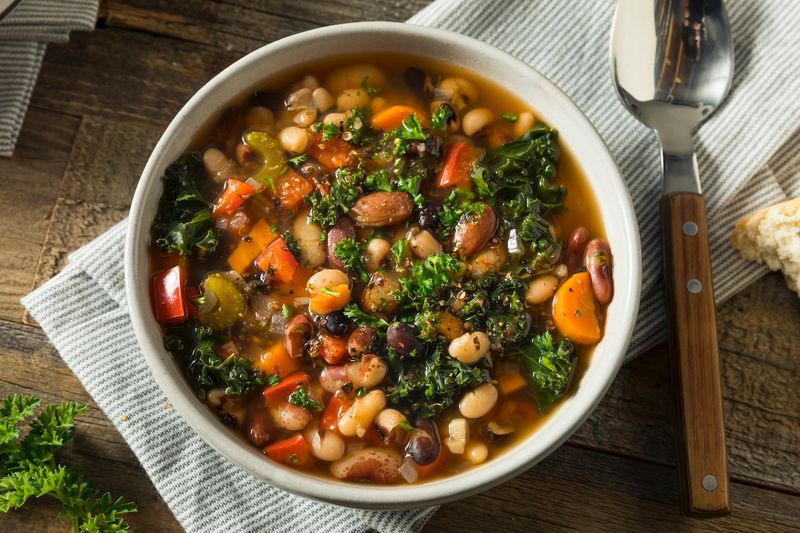
Regular olive oil does the job, but a fruity, peppery extra-virgin turns every spoonful into something memorable. Save your best bottle for finishing rather than cooking, so the delicate flavours don't disappear in the heat. Just a tablespoon swirled on top adds richness that butter can't match.
Look for oil that smells grassy or slightly bitter because those notes balance the sweetness of tomatoes and beans perfectly. Cold-pressed varieties bring out the vegetables rather than masking them. It's a small swap that makes people wonder what your secret is, and now you know it's just better oil doing the heavy lifting.
Trade Dried Herbs For Fresh Ones At The Finish
Dried oregano and basil have their place during the simmer, but fresh herbs at the end wake up the whole bowl. Parsley, basil, or even a handful of torn spinach stirred in right before serving add colour and a burst of garden-fresh flavour. They stay vibrant instead of turning dull and muddy.
Try mixing herbs for complexity: basil brings sweetness, parsley adds brightness, and a little thyme offers earthiness. Don't cook them long or they'll lose their punch. Think of fresh herbs as the final flourish that reminds you this soup was made with care, not just dumped from a can.
Use Roasted Vegetables Instead Of Raw

Raw vegetables are traditional, but roasting them first adds a smoky sweetness that makes the soup taste like it simmered for hours. Toss zucchini, carrots, and peppers with olive oil, then roast until the edges turn golden. Those caramelized bits dissolve into the broth and create surprising depth.
Roasting also concentrates the natural sugars, so you don't need extra seasoning to make things interesting. Add roasted veggies halfway through cooking so they keep some texture and don't completely disappear. It's an extra step, sure, but one that turns a simple soup into something guests will ask you to make again.