













There’s something strangely calming about preparing a cup of coffee, especially when you realise every tiny choice changes the final flavour.
Once you start paying attention to the grind, the roast and even the aroma that floats up as you brew, the whole routine becomes a little ritual worth slowing down for. You might be surprised at how much difference small tweaks can make to your everyday cup.
This content is for general information only and focuses on coffee preparation techniques. It should not be taken as professional advice, and individual preferences may vary widely.
Getting The Grind Size Just Right
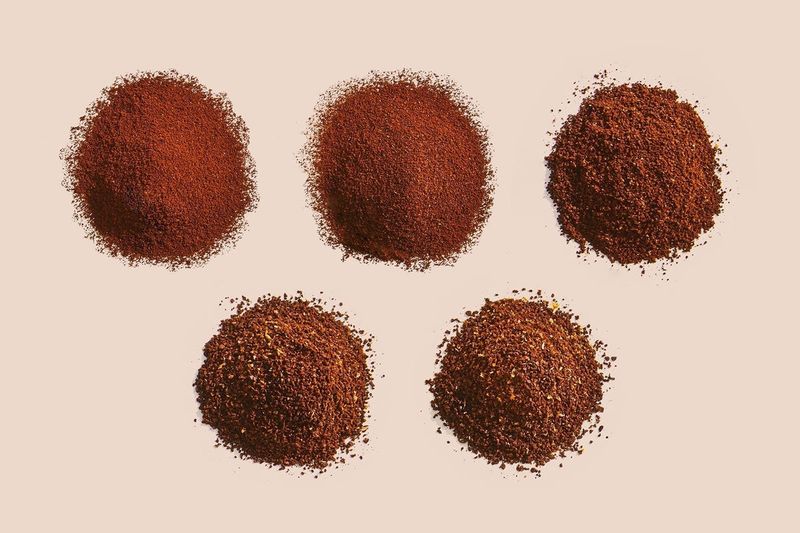
Grind size is one of the biggest reasons coffee can taste weak, bitter or just a bit off. In simple terms, finer grinds slow the water down and extract more flavour, while coarser grinds let water flow through faster and extract less.
Espresso needs a very fine grind because the water is pushed through under pressure in a short amount of time. A French press or cafetière prefers a coarse grind, so the grounds can steep without turning the drink gritty or overly bitter.
Pour over methods, like a V60 or Chemex, usually sit somewhere in the medium range, and small changes in grind can noticeably change the taste. If your coffee tastes sour or too sharp, the grind might be too coarse and under extracted. If it tastes harsh, dry or overly bitter, the grind might be too fine and over extracted.
A good electric burr grinder makes it much easier to get consistent particles, which helps your coffee taste the same each morning instead of being a lottery.
Choosing The Roast That Suits Your Taste
Roast level has a huge impact on flavour, even before you get to the way you brew. Light roasts tend to keep more of the bean's original character, so you might notice fruity, floral or citrus notes, especially in speciality coffees. Medium roasts often strike a balance, giving a bit more sweetness and body while still keeping some of those delicate flavours.
Dark roasts usually taste bolder, smokier and more bitter, with more oils visible on the surface of the beans. Contrary to what many people think, darker roasts do not necessarily have more caffeine; the difference is usually quite small.
Once you know you lean towards bright and fruity or rich and chocolatey, it becomes much easier to choose beans you will actually enjoy rather than guessing from the label.
Water Temperature And Brew Time Make A Big Difference
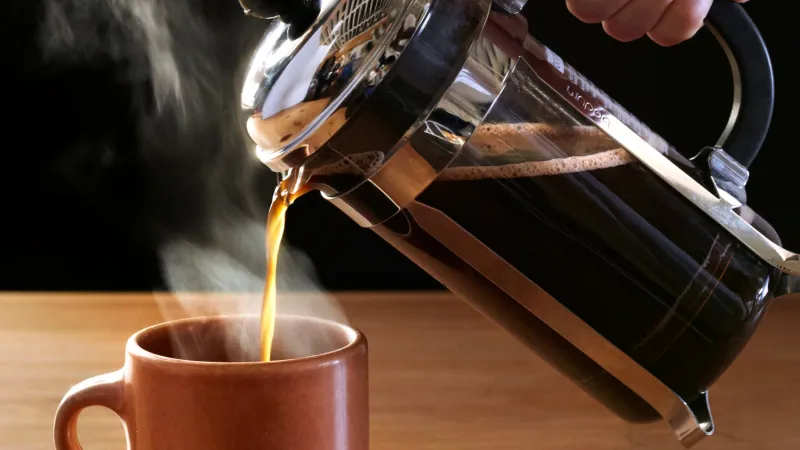
Water that is too hot can pull out bitter compounds more quickly, while water that is too cool can leave your coffee tasting flat or sour. Most brewing guides suggest using water just off the boil, roughly in the 90 to 96 degrees Celsius range, for manual methods like pour over, cafetière and AeroPress. You do not need a thermometer if you do not want one; simply letting freshly boiled water sit for about half a minute usually gets you close enough.
Brew time matters just as much as temperature, because it decides how long the water spends extracting flavour from the grounds. A typical French press is often left to brew for about four minutes, while pour over recipes usually fall somewhere between two and four minutes depending on the grind and filter.
Espresso, on the other hand, is a quick shot, with the water passing through the coffee in around 25 to 30 seconds.
Coffee To Water Ratio Is Your Secret Recipe
Coffee to water ratio is basically your recipe, and it sets the strength of the drink before you even start. Many home brewers find that a ratio of around 1 part coffee to 15 or 16 parts water works well for pour over and cafetière, which might look like 15 to 20 grams of coffee for about 250 to 300 millilitres of water.
Espresso uses a much stronger ratio, often around 1 to 2 or 1 to 2.5, meaning you might use 18 grams of coffee to make roughly 36 to 45 grams of liquid espresso. Using a small digital scale takes the guesswork out of it and stops you from accidentally making one cup that is very strong and the next one very weak.
Once you find a ratio you love, you can write it down and reuse it for that method and that particular coffee, just like a favourite recipe.
Freshness, Storage And Little Habits That Matter
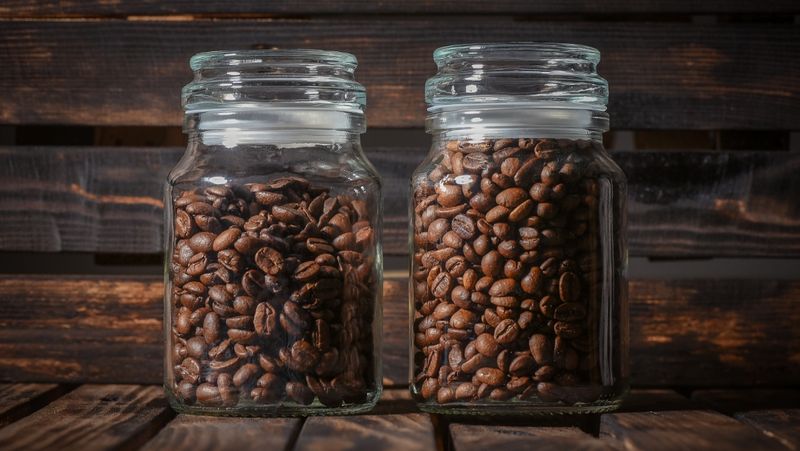
Even the best beans will taste a bit dull if they are stale, so freshness really does count. Whole beans usually stay at their best for a few weeks after roasting if they are kept in a cool, dry, dark place in an airtight container. Pre ground coffee loses flavour more quickly because there is more surface area exposed to air, which is why grinding just before brewing is often recommended.
Storing coffee in the fridge or freezer can introduce moisture and odours if it is not sealed properly, so most experts suggest keeping it in a cupboard instead. Little habits such as rinsing your paper filter with hot water before brewing, pre warming your mug and cleaning your equipment regularly can also make a noticeable difference.
Old coffee oils left on metal parts, for example, can turn rancid over time and affect the taste of your fresh cup.
Quality Of Your Water Actually Affects The Taste
Coffee is mostly water, so it makes sense that the quality of your water will change how the final cup tastes. Tap water that is very hard or full of chlorine can leave odd flavours that cover up the natural notes of your beans.
Using filtered water is a simple fix that many coffee lovers swear by, and it does not have to be expensive or complicated. You can use a basic jug filter or even bottled water if your tap water tastes particularly strange. Water that is too soft, with almost no minerals, can also make coffee taste flat or dull, so a little mineral content is actually helpful.
Experiment with different water sources and see if you notice a difference; you might be surprised how much cleaner and brighter your coffee can taste with just this one small change.
Matching Your Brewing Method To Your Lifestyle
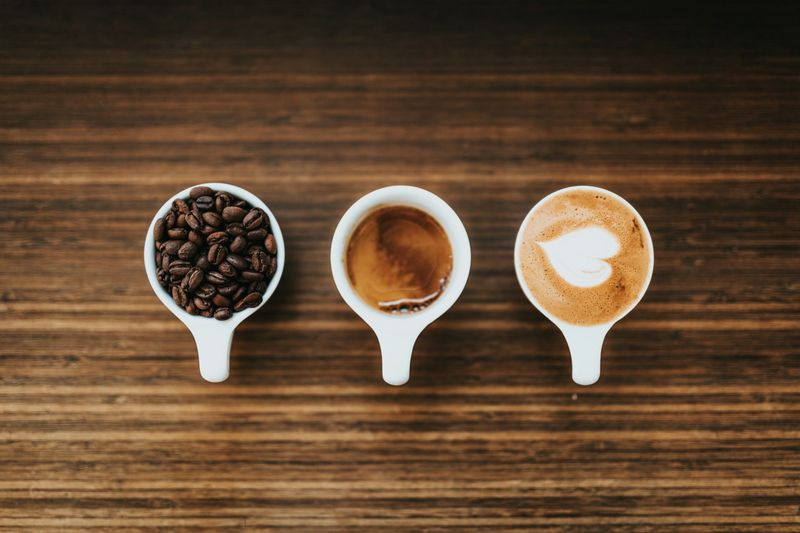
Not every brewing method suits every person, and finding one that fits your morning routine can make a huge difference to how much you enjoy your coffee. If you are often in a rush, an espresso machine or a simple AeroPress might be more practical than a slow pour over ritual.
French press is great if you want something easy and forgiving, while pour over methods give you more control and can be quite meditative if you have the time. Cold brew is perfect for summer or for people who prefer a smoother, less acidic taste, though it does require planning ahead since it steeps overnight.
Think about how much time you have, how much effort you want to put in, and what flavours you enjoy most, then choose a method that matches those preferences instead of forcing yourself into a process that feels like a chore.



