











Donkey milk might sound unusual at first, yet it has been used in different cultures for centuries and continues to spark curiosity today. Its naturally light texture and unique nutritional profile have drawn interest from researchers, food producers, and adventurous shoppers alike.
Curiosity often starts with a simple question about what makes it different from more familiar dairy options. Let’s explore what current research suggests and why this niche food continues to attract attention.
All information is provided for general interest only and is not intended as medical, dietary, or nutritional advice. Individual health needs, allergies, and tolerances vary, so consult a qualified healthcare professional before making dietary changes.
1. Naturally Low Fat And Calorie Content
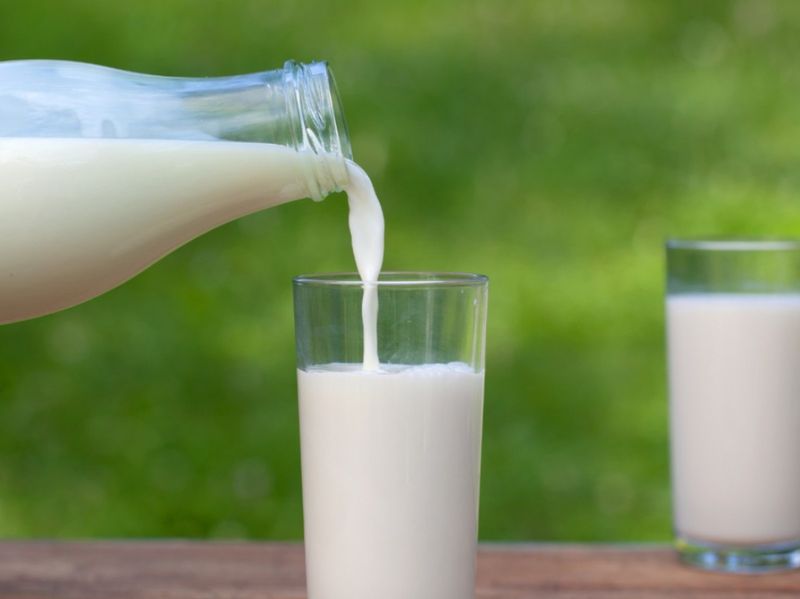
Donkey milk is naturally lower in fat than many traditional dairy milks, which gives it a lighter feel when enjoyed as a drink or ingredient. That gentler profile appeals to people who prefer something less rich while still getting useful nutrients.
The texture is often described as clean and refreshing rather than creamy or heavy. It can feel easier to enjoy regularly compared with fuller-fat alternatives.
For anyone curious about lighter dairy-style options, it offers an interesting change of pace.
2. Protein Profile Similar To Human Milk
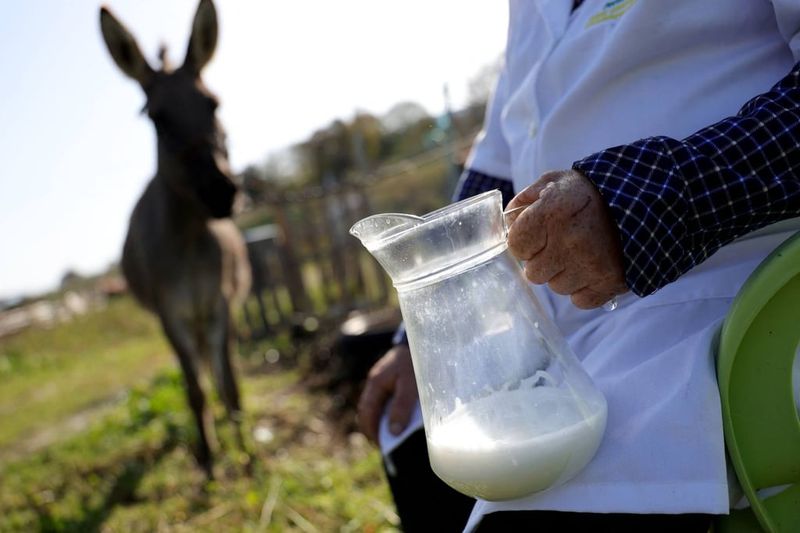
One of the reasons donkey milk attracts scientific interest is its protein structure, which shows some similarities to human milk. Researchers study this profile to better understand how the proteins behave during digestion and absorption.
The gentle nature of these proteins may help explain why some people find it easier to tolerate than certain other animal milks. This area continues to develop as more nutritional studies are published.
It’s a fascinating example of how different animal milks can behave quite differently in the body.
3. Rich In Certain Vitamins And Minerals
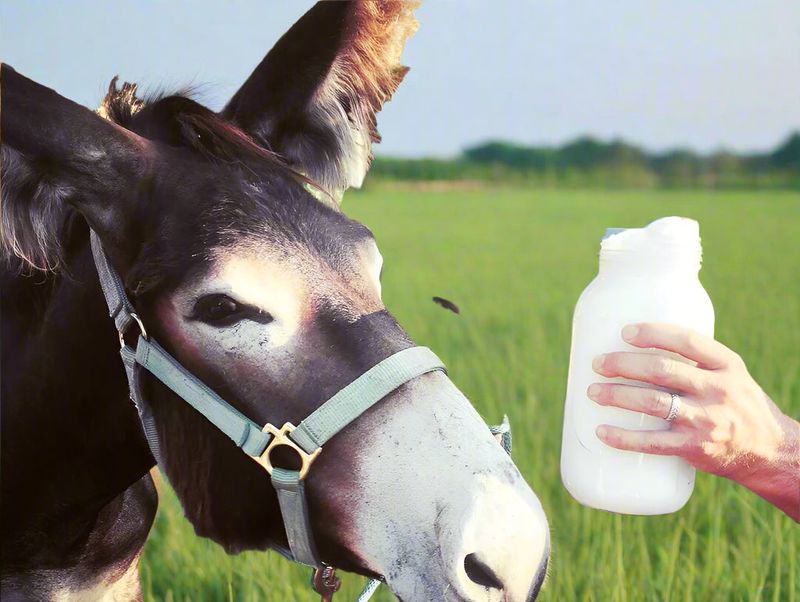
Packed with vitamin C, calcium, and other minerals, donkey milk offers a nutritional boost that stands out from conventional dairy options. Vitamin C isn't typically abundant in most animal milks, making this particularly special.
Calcium supports strong bones and teeth, whilst other trace minerals contribute to overall wellbeing. The combination creates a nutrient-dense beverage that provides more than just basic sustenance for curious consumers.
4. Lactose Levels And Digestibility Considerations

Donkey milk contains lactose, but in amounts closer to human milk than cow's milk. This composition can influence how easily some people digest it.
Individuals with mild lactose sensitivity sometimes report better tolerance, though it's not lactose-free. The smaller fat globules and unique protein structure may contribute to improved digestibility.
Anyone with lactose intolerance should consult their doctor before trying it as a dietary alternative.
5. Naturally Occurring Antimicrobial Properties
Did you know? Donkey milk contains lysozyme, an enzyme with natural antimicrobial qualities that helps protect against certain bacteria.
This biological defence mechanism exists to protect young foals.
Lysozyme levels in donkey milk are notably higher than in cow's milk. Researchers have studied these properties for potential applications in food preservation and health.
Whilst promising, more research is needed to fully understand these protective characteristics.
6. Potential Suitability For Some Milk Sensitivities
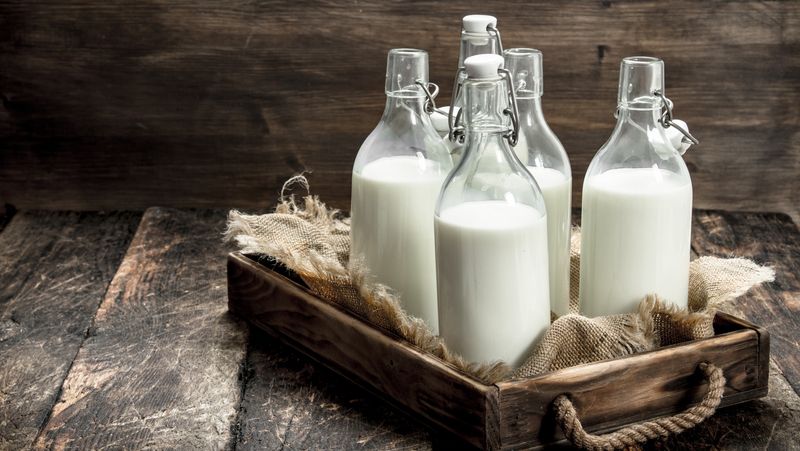
Children and adults with cow's milk protein allergies have sometimes found donkey milk to be a tolerable alternative. Its different protein structure may not trigger the same immune responses.
Medical studies have explored this possibility with encouraging results for certain individuals. However, it's absolutely crucial to work with allergists and doctors before introducing it, especially for children.
Never self-diagnose or substitute without professional medical guidance and testing.
7. Traditional Use In Skincare And Nutrition
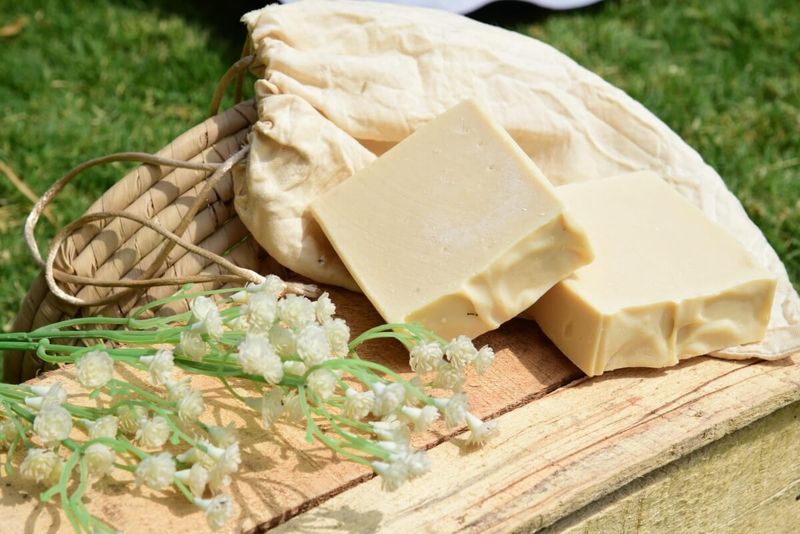
Cleopatra supposedly bathed in donkey milk to maintain her legendary complexion! Throughout history, various cultures have valued it for both internal consumption and external beauty treatments.
Traditional medicine systems incorporated it for convalescent care and infant nutrition. Modern cosmetic companies now include donkey milk in soaps, creams, and lotions.
This historical appreciation reflects long-standing beliefs about its nourishing and soothing qualities for skin and body.