











Eating well doesn’t have to be complicated when you focus on foods that naturally pack a nutritional punch. From vibrant fruits and crisp vegetables to hearty grains and lean proteins, these everyday staples help keep your body energised and balanced. Whether you’re refreshing your diet or simply curious about nutrient-dense options, these choices make healthy eating simple and satisfying.
This article is for general informational purposes only and should not replace professional medical or dietary advice. Nutritional needs vary between individuals, and readers should consult a healthcare provider or registered dietitian for personalised guidance. Availability and preparation methods may also influence nutritional value.
1. Spinach
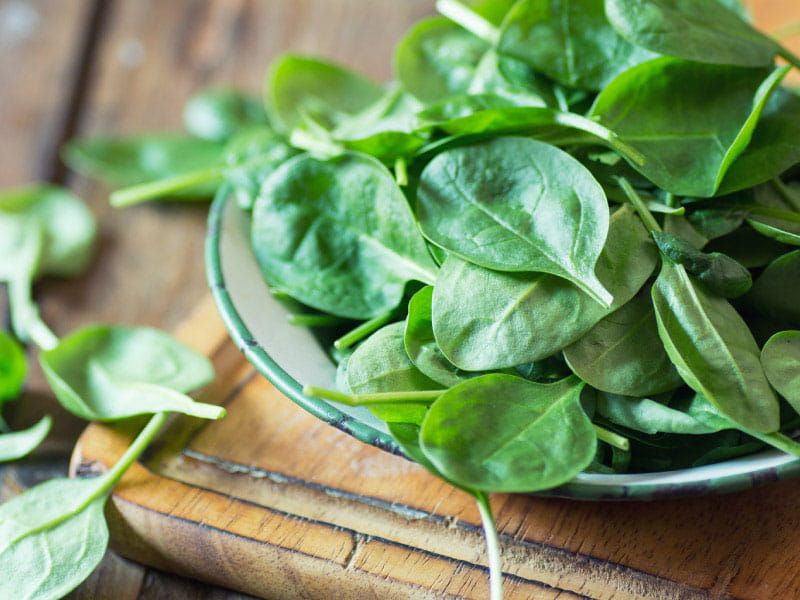
Popeye was onto something! This leafy green powerhouse contains more nutrients than you can count on both hands. Loaded with iron for energy and vitamins A and C for immunity, spinach also provides folate for cell growth.
Just one cup offers nearly all the vitamin K your body needs daily. Add it to smoothies, scrambled eggs, or pasta dishes for an effortless nutrition boost.
2. Blueberries
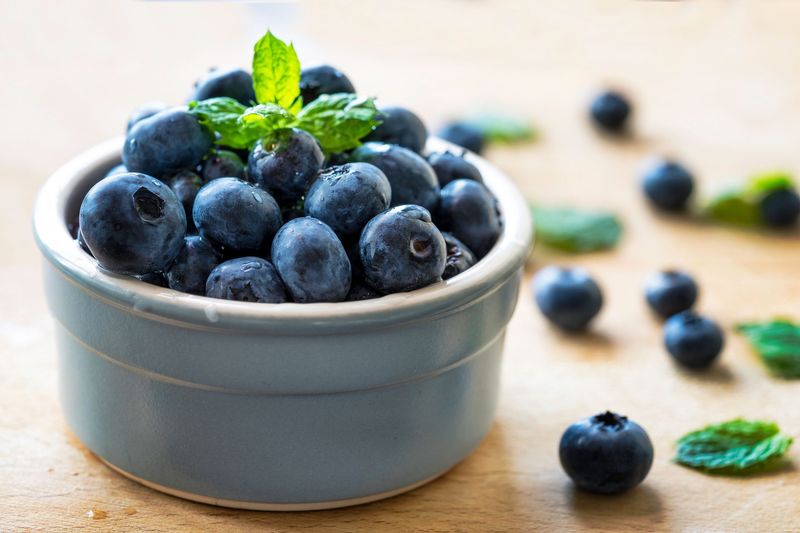
These little blue gems might be small, but they pack a mighty nutritional punch. Bursting with antioxidants called anthocyanins, blueberries help fight inflammation and protect your brain as you age.
Research suggests they may improve memory and delay brain aging. Sprinkle them on yogurt, blend into smoothies, or simply enjoy by the handful for a sweet treat that loves you back.
3. Brown Rice
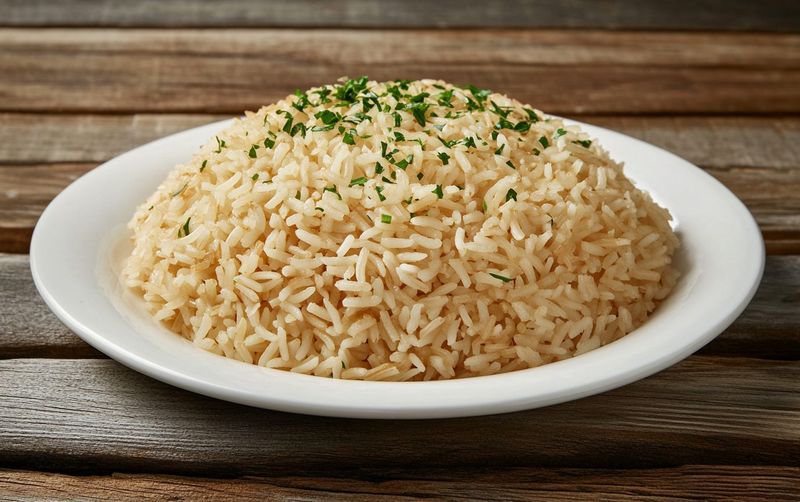
A whole-grain classic, brown rice beats its white counterpart by keeping the nutrient-rich bran and germ layers intact. It’s an excellent source of magnesium, selenium, and B vitamins that support energy production and metabolism.
The high fibre content helps regulate digestion and keeps you feeling full for longer. Pair it with vegetables, lean proteins, or curries for a balanced, hearty meal that fuels your body the right way.
4. Salmon
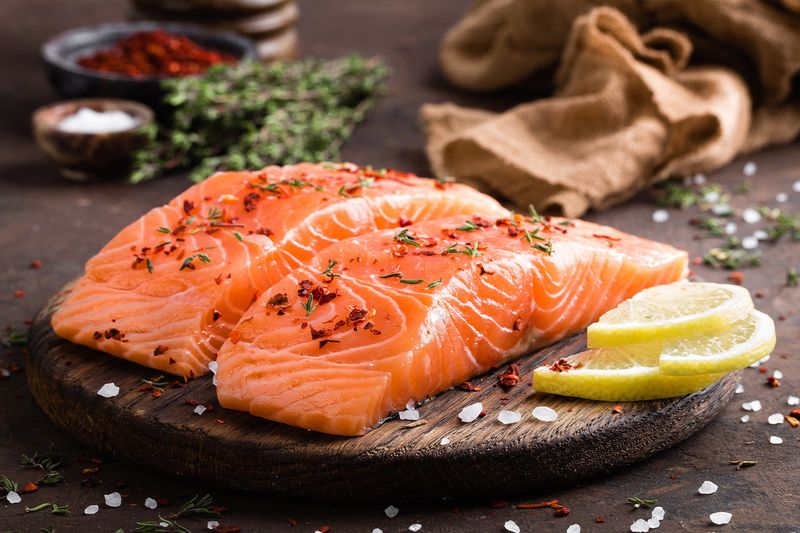
Swimming its way to nutritional fame, salmon delivers heart-healthy omega-3 fatty acids that most people simply don't get enough of. These special fats reduce inflammation and support brain health.
Beyond the famous fats, salmon provides high-quality protein and vitamin D, which many Brits lack due to limited sunshine. Two servings weekly can dramatically improve your nutritional intake and overall health.
5. Eggs
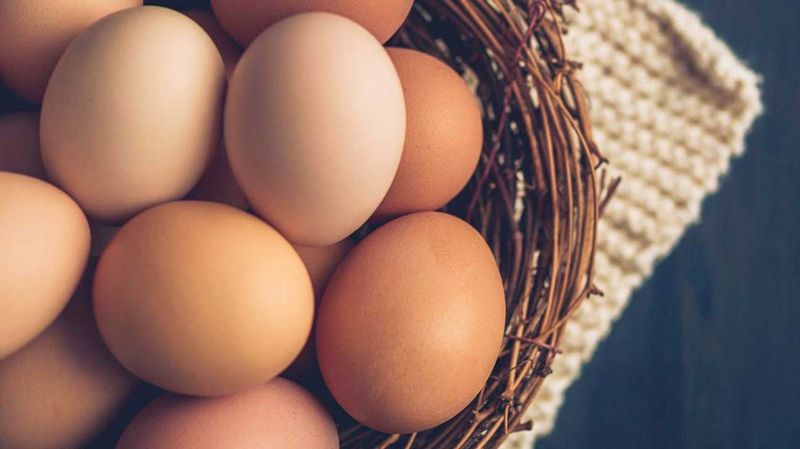
Once unfairly demonised, eggs have made a triumphant comeback as nutritional superstars. The yolk contains most of the goodness, including choline for brain health and lutein for eye protection.
A single egg delivers 6 grams of complete protein with all essential amino acids. Contrary to old myths, moderate egg consumption doesn't raise cholesterol in most people. Versatile and affordable, they're nutrition that fits any budget.
6. Garlic
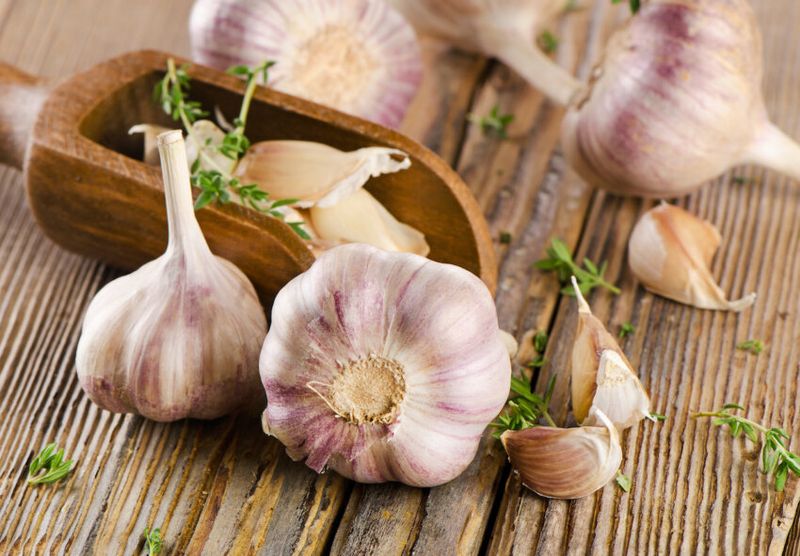
This pungent bulb has been used medicinally for thousands of years with good reason. Compounds like allicin give garlic its distinctive smell and impressive health benefits, including immune support and heart protection.
Studies show regular garlic eaters catch fewer colds and may have lower blood pressure. For maximum benefit, crush or chop garlic and let it sit for 10 minutes before cooking to activate its medicinal compounds.
7. Broccoli
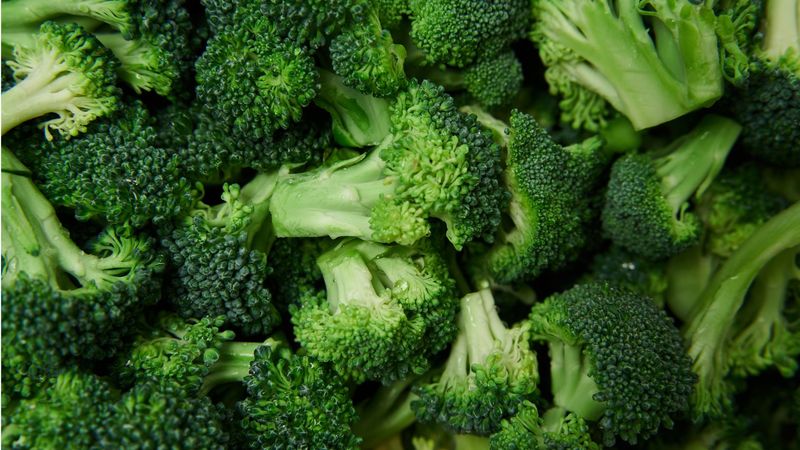
Often avoided by children but cherished by nutritionists, broccoli stands tall among vegetables. This green tree-like veggie contains sulforaphane, a compound with cancer-fighting potential that few other foods offer.
With more vitamin C than an orange and plenty of calcium and fibre, broccoli supports immunity and digestion. Lightly steamed preserves more nutrients than boiling. Try roasting with olive oil for a flavour transformation even children might enjoy.
8. Almonds
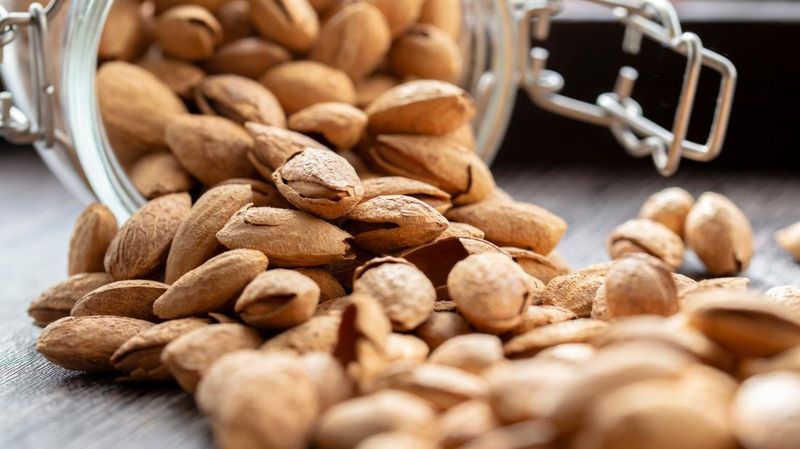
A handful of these crunchy nuts delivers serious nutrition in a tiny package. Almonds provide heart-healthy monounsaturated fats along with vitamin E, a powerful antioxidant that protects cells from damage.
The protein and fibre content helps keep hunger at bay between meals. Studies show almond eaters tend to maintain healthier weights despite the nuts' calorie content. Keep a small container in your bag for emergency snacking that actually supports your health.
9. Tomatoes
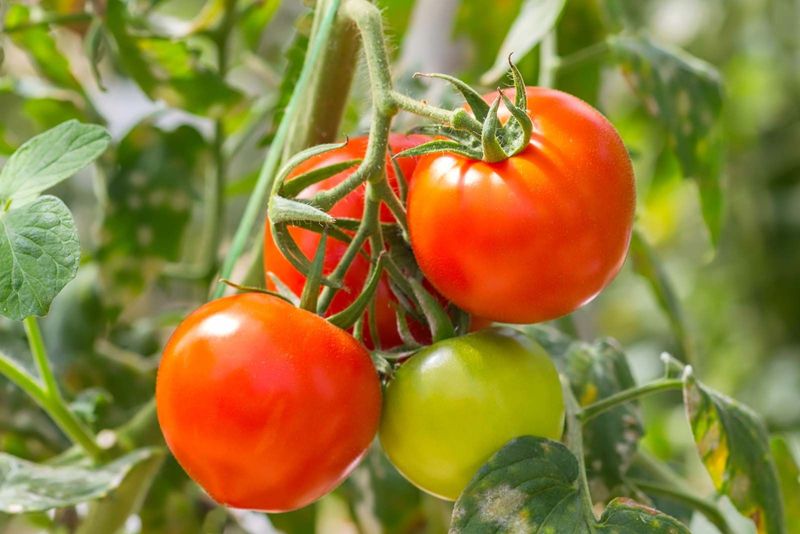
Juicy, versatile, and bursting with flavour, tomatoes are a staple that quietly deliver major health benefits. They’re rich in lycopene, a powerful antioxidant linked to reduced risks of heart disease and certain cancers.
Fresh or cooked, they provide vitamins C and K, potassium, and folate. Interestingly, cooking tomatoes actually boosts lycopene absorption, so sauces and soups count too. Add them to salads, toast, or pasta for a simple and nutritious upgrade.
10. Avocados
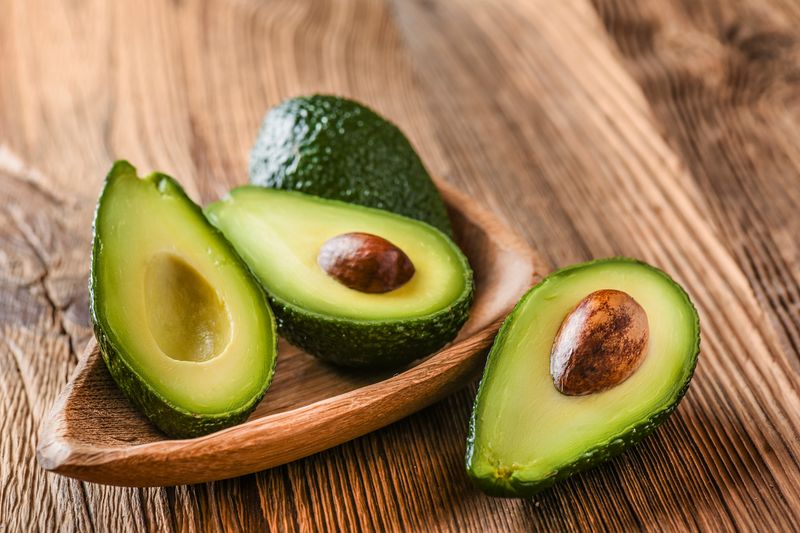
Unlike most fruits that contain carbs, avocados are loaded with healthy fats that help your body absorb nutrients from other foods. Their creamy texture comes from monounsaturated fat, the same heart-friendly type found in olive oil.
They're surprisingly high in fibre and potassium, containing more than bananas. Beyond guacamole, try them blended into smoothies for richness without dairy, or simply sprinkled with salt as a satisfying snack.
11. Sweet Potatoes
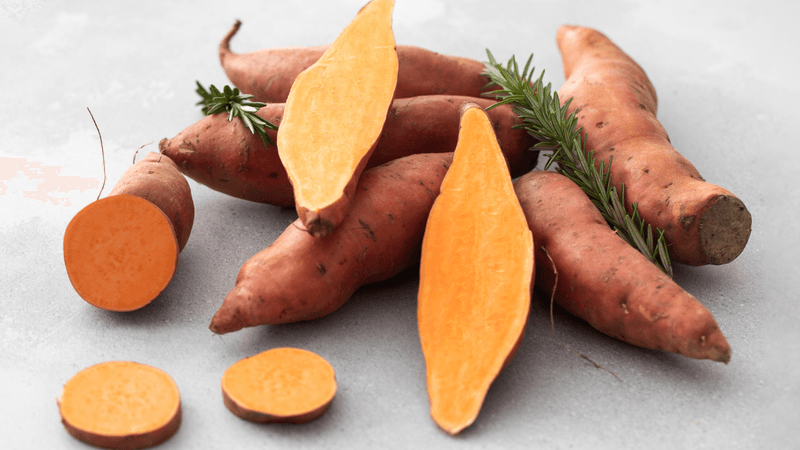
These vibrant tubers earn their place in the nutrition hall of fame with their extraordinary beta-carotene content. Your body converts this plant compound into vitamin A, essential for eye health and immune function.
Unlike regular potatoes, sweet potatoes have a lower glycemic index, meaning they won't spike your blood sugar as dramatically. The natural sweetness makes them satisfying without added sugar. Bake them whole for an easy, nutrient-rich side dish.
12. Greek Yogurt
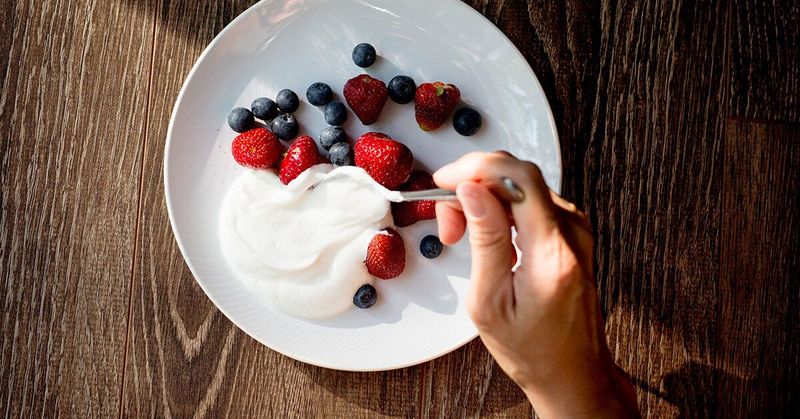
Thicker and creamier than regular yogurt, Greek varieties pack nearly twice the protein with less sugar. This makes it particularly filling and helpful for maintaining muscle mass.
The live cultures support gut health by providing beneficial bacteria that aid digestion and boost immunity. Skip the flavoured versions with their added sugars. Instead, top plain Greek yogurt with fresh fruit and a drizzle of honey for a nutritious breakfast or satisfying snack.
13. Lentils
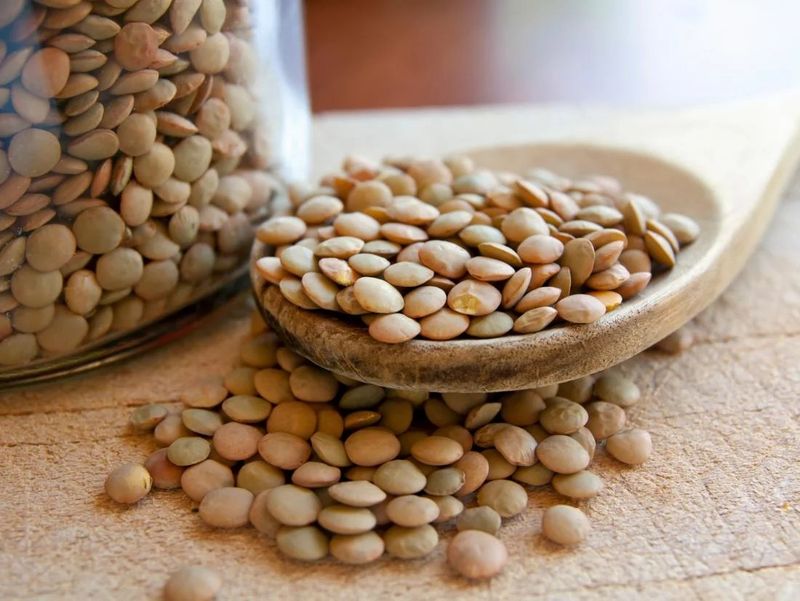
These humble pulses deliver an impressive nutritional profile at pennies per serving. Packed with plant protein, fibre, and complex carbohydrates, lentils provide steady energy without blood sugar spikes.
They're particularly rich in folate, iron, and magnesium, nutrients many people don't get enough of. Unlike many beans, lentils cook quickly without pre-soaking. Add them to soups, salads, or make a traditional dhal for an inexpensive nutrition boost.
14. Kale
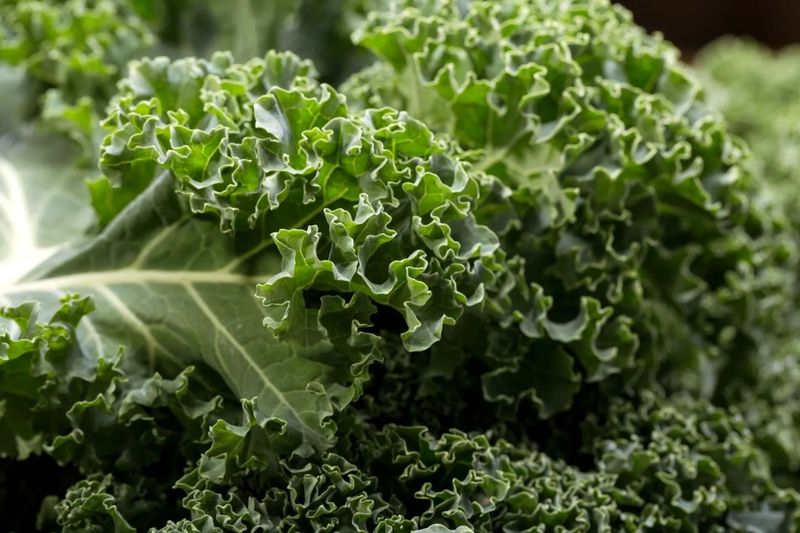
This leafy green has earned its superfood status with an exceptional nutrient profile. Just one cup contains more than your daily requirement of vitamins K and A, plus significant amounts of C, B6, manganese, and calcium.
The bitter taste that puts some people off actually comes from beneficial compounds called glucosinolates. Massage raw kale with olive oil and lemon to soften both the leaves and the flavour, or crisp it into chips for a surprisingly delicious snack.
15. Walnuts

Looking remarkably like the organ they benefit, walnuts contain plant-based omega-3 fatty acids that support brain health. These special fats, called ALA, are rare in other foods and help reduce inflammation throughout the body.
Walnuts also provide melatonin, which may improve sleep quality. Their slightly bitter skin contains antioxidants that protect cells from damage. Add them to morning porridge or toss into salads for a satisfying crunch with serious health benefits.
16. Sardines
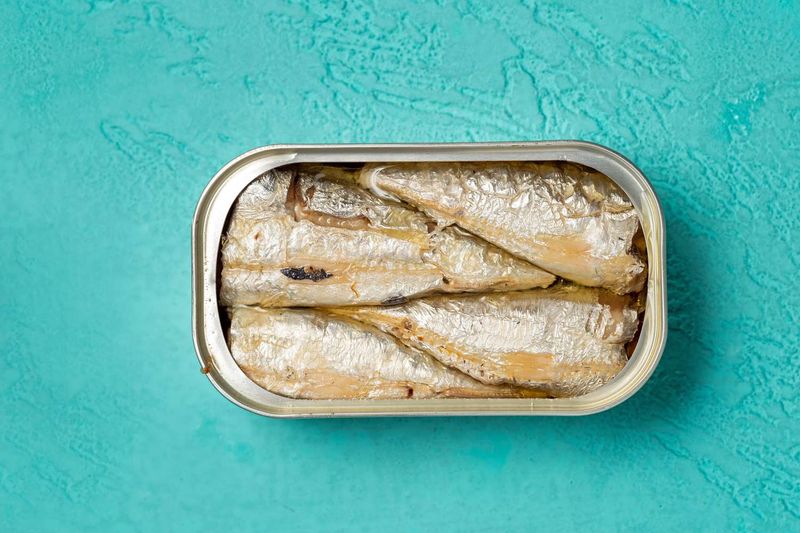
Often overlooked, these small canned fish offer incredible nutrition at an affordable price. Sardines provide omega-3 fatty acids comparable to salmon, but with fewer environmental concerns and lower mercury levels.
Uniquely, they're one of the few foods naturally high in vitamin D. When eaten with bones (soft enough to consume safely), they're an excellent calcium source. Try them mashed on toast with lemon and herbs for a quick, nutrient-dense meal.
17. Chia Seeds
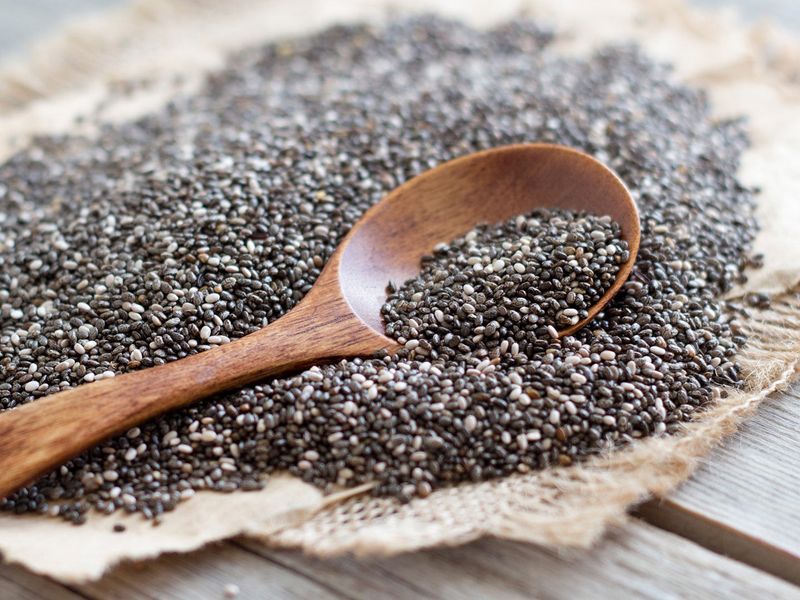
These tiny seeds were prized by Aztec warriors for their energy-giving properties. Modern science confirms they're nutritional gold, containing more omega-3s than salmon gram for gram, though in a form less easily used by the body.
Chia's unique ability to absorb liquid creates a gel that helps you feel full longer. Two tablespoons provide 10 grams of fibre, nearly 40% of daily needs. Sprinkle on yogurt, blend into smoothies, or make traditional chia pudding for a nutritious treat.
18. Quinoa
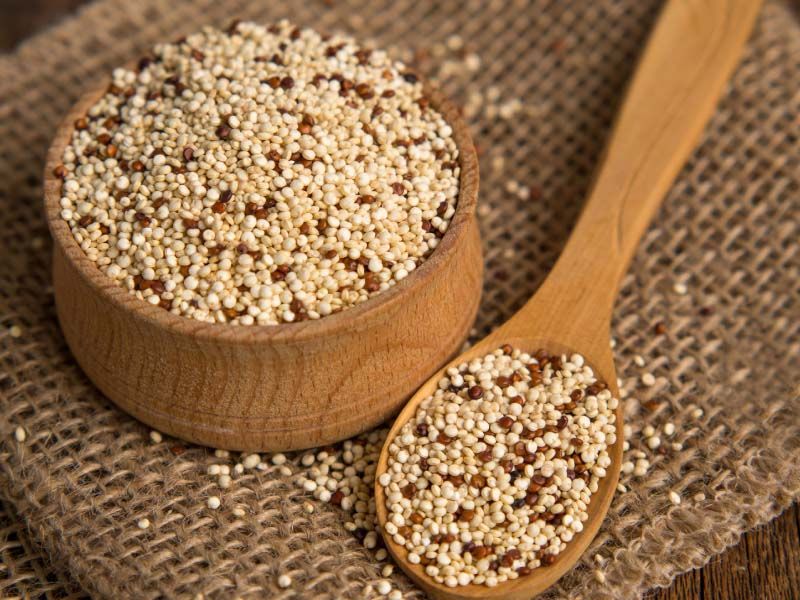
Technically a seed but used like a grain, quinoa stands out for containing all nine essential amino acids, making it a complete protein rare in the plant world. This ancient Andean crop cooks in just 15 minutes, faster than most whole grains.
Its mild, slightly nutty flavour works in both sweet and savoury dishes. Rinse before cooking to remove the natural bitter coating called saponin. Use it anywhere you'd use rice for an easy nutrition upgrade to meals.
19. Mushrooms
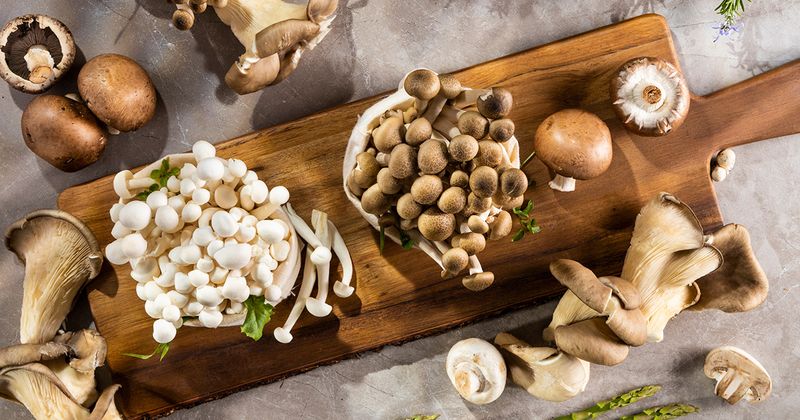
Neither plant nor animal, mushrooms occupy their own fascinating kingdom with unique nutritional benefits. They're one of the few food sources of vitamin D, especially when exposed to sunlight before eating.
Different varieties contain beta-glucans that support immune function. Their meaty texture and umami flavour make them perfect for reducing meat in dishes. Even common button mushrooms offer impressive nutrition, though shiitake and oyster varieties contain additional beneficial compounds.
20. Oats
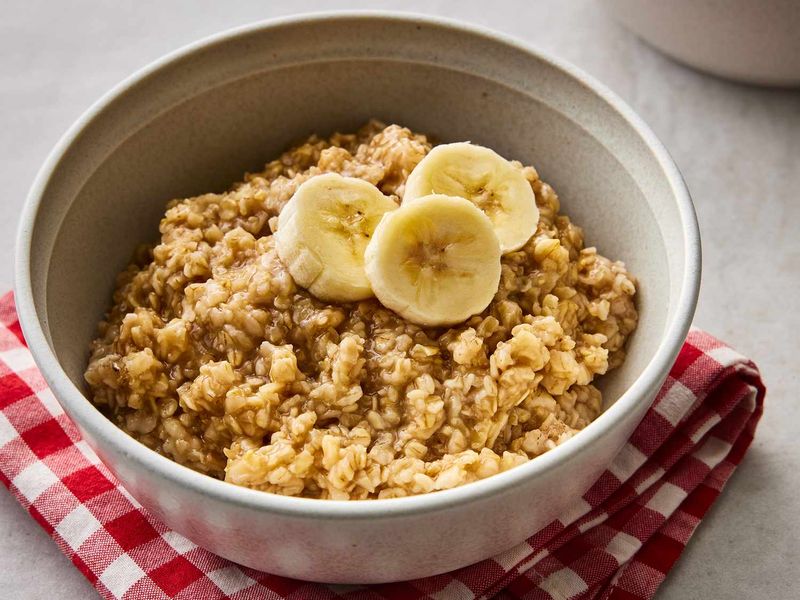
Your grandmother was right about porridge being good for you. Oats contain a special type of fibre called beta-glucan that actively lowers cholesterol levels and feeds beneficial gut bacteria.
Unlike many processed breakfast cereals, oats provide steady energy without sugar crashes. Steel-cut varieties take longer to digest, keeping you fuller longer. Beyond breakfast, ground oats can replace flour in baking or thicken smoothies with their creamy texture.
21. Turmeric
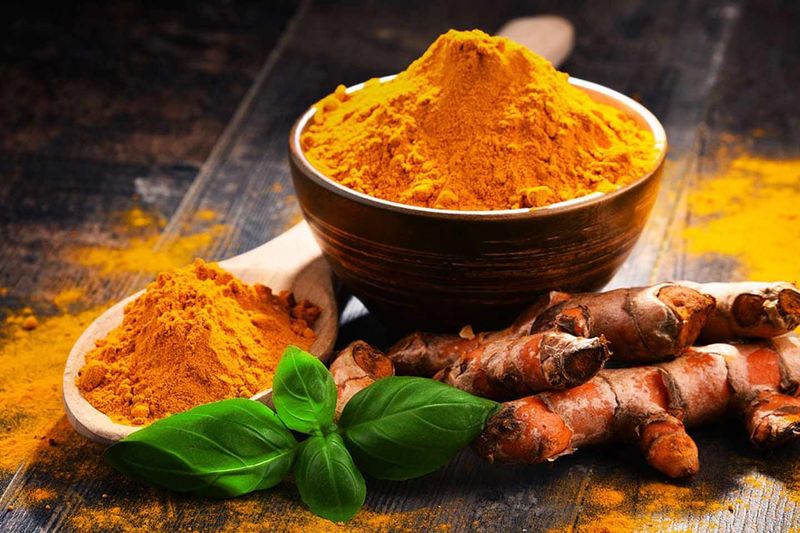
This vibrant yellow spice contains curcumin, a compound with remarkable anti-inflammatory properties. Research suggests it may help with conditions ranging from arthritis to depression, though you need more than just a sprinkle.
Black pepper dramatically increases curcumin absorption, so the two should always be paired. Beyond curry, try golden milk (turmeric with warm milk) before bed or add to scrambled eggs for a nutrition and colour boost.
22. Berries
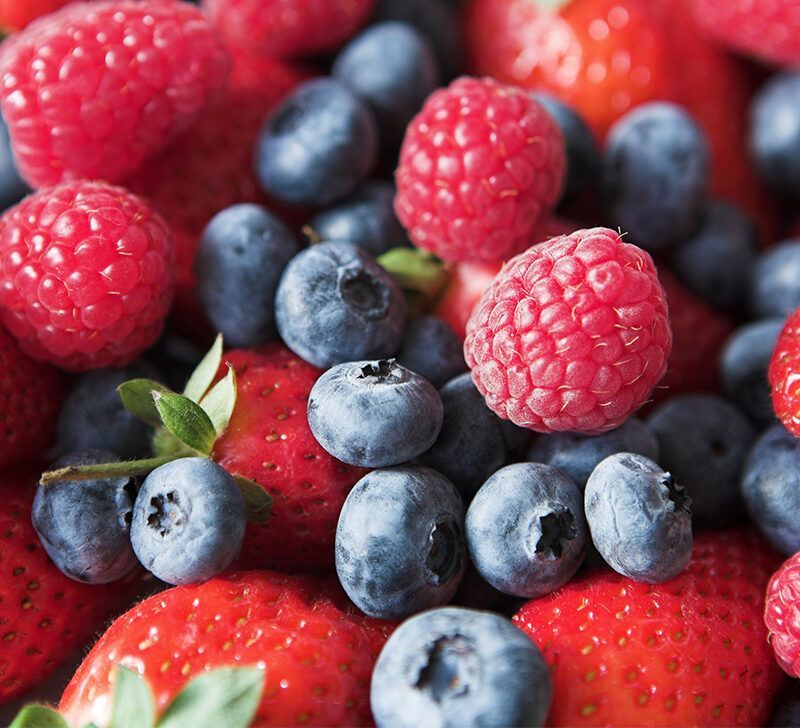
Nature's sweets come packed with benefits beyond their delicious taste. All berries contain polyphenols, powerful plant compounds that fight oxidative stress and inflammation.
Each colour offers different benefits: blackberries and blueberries for brain health, strawberries for heart protection, raspberries for cancer-fighting ellagic acid. Frozen berries retain most nutrients and are available year-round. Add to yogurt, porridge, or eat alone for a low-sugar treat.
23. Seaweed
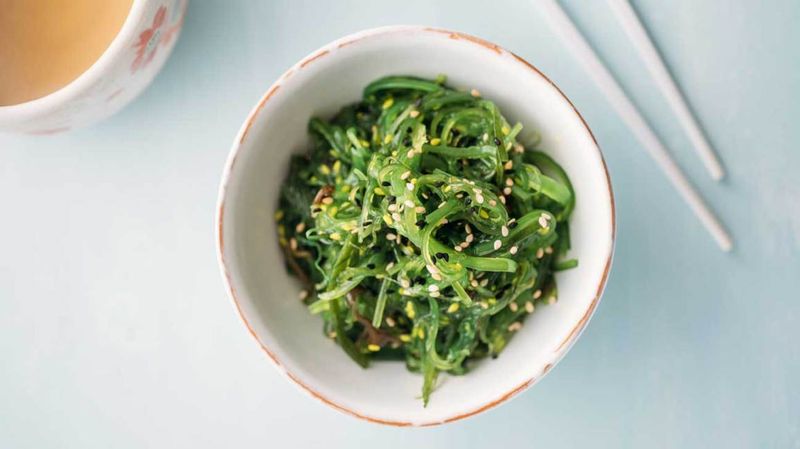
This overlooked sea vegetable offers minerals found in few other foods, particularly iodine, essential for thyroid function. Different varieties provide unique benefits: nori wraps with protein, kombu with umami flavour, dulse with iron.
Seaweed contains unique plant compounds not found in land vegetables. Sprinkle dried seaweed flakes on salads or rice, add sheets to soups, or enjoy seaweed snacks for a mineral-rich, low-calorie treat that supports metabolism.
24. Bell Peppers
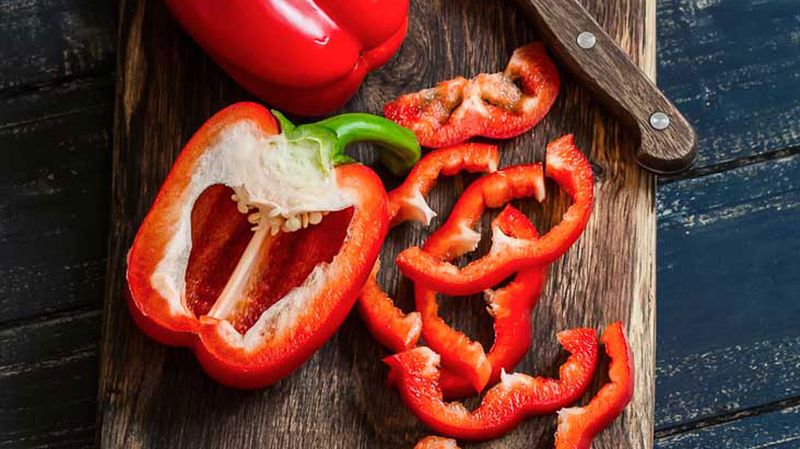
Surprisingly, these colourful vegetables contain more vitamin C than oranges, especially the red varieties. A single red pepper provides over 300% of your daily vitamin C needs in just 46 calories.
The bright colours come from different carotenoids that protect eye health. Green peppers are actually unripe versions with slightly less nutrition but more tangy flavour. Roasting brings out their natural sweetness while maintaining most nutrients.
25. Dark Chocolate

Finally, a treat that loves you back! Chocolate with at least 70% cocoa solids contains impressive amounts of antioxidants called flavanols that support heart health and circulation.
These compounds may improve blood flow to the brain, enhancing cognitive function. The fat in chocolate is mostly stearic acid, which doesn't raise cholesterol. Enjoy a small square daily, letting it melt slowly to appreciate the complex flavours and maximum satisfaction.
26. Olive Oil
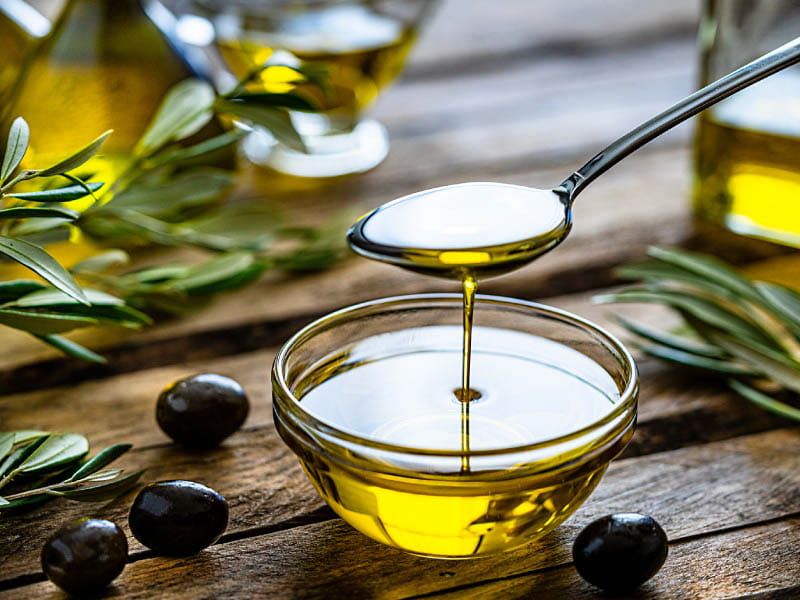
The cornerstone of the Mediterranean diet, extra virgin olive oil contains over 30 beneficial plant compounds with anti-inflammatory effects. Studies show populations using it as their primary fat have lower rates of heart disease and longer lifespans.
The highest quality oils provide a peppery sensation at the back of the throat, indicating the presence of oleocanthal, a natural anti-inflammatory. Use it unheated on salads and vegetables to preserve its delicate compounds.
27. Pumpkin Seeds
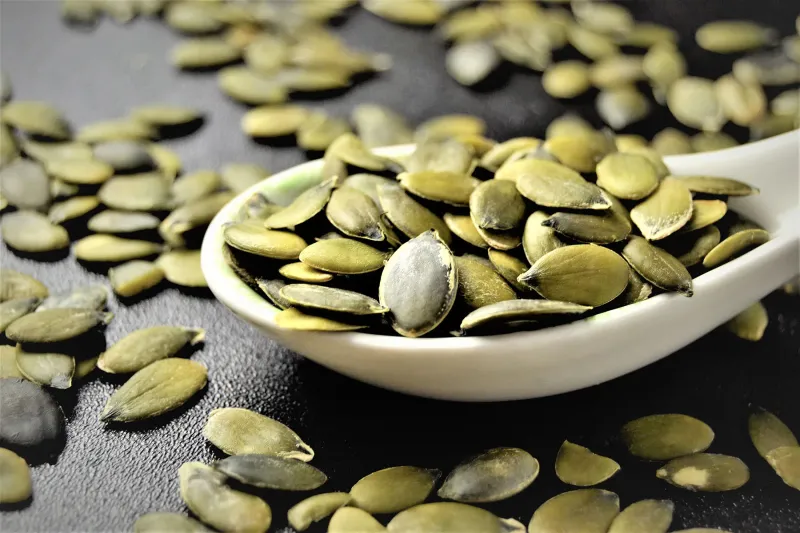
Don't toss those seeds when carving your Halloween pumpkin! These flat green gems (also called pepitas) pack more zinc than any other seed, supporting immune function and wound healing.
They're also an excellent plant source of magnesium, which helps regulate blood pressure and blood sugar. The satisfying crunch and nutty flavour make them perfect for snacking. Roast with a touch of olive oil and spices for a nutritious treat.