











• Skip to primary navigation
  • Skip to main content
  • Skip to primary sidebar
The Daily Dish
  • About Me
  • Recipes
  • Wellbeing🧡
  • Contact
  • Subscribe
  • Gluten-Free
  • Navigation Menu: Social Icons

    Connect With Me

    • Facebook
    • Instagram
    • Pinterest
menu icon
go to homepage
  • About Me
  • Recipes
  • Wellbeing🧡
  • Contact
  • Subscribe
  • Gluten-Free
  • Let's Connect

    • Facebook
    • Instagram
    • Pinterest
  • subscribe
    search icon
    Homepage link
    • About Me
    • Recipes
    • Wellbeing🧡
    • Contact
    • Subscribe
    • Gluten-Free
  • Let's Connect

    • Facebook
    • Instagram
    • Pinterest
  • ×
    • 15 Places In Texas To Enjoy Breakfast With A Million-Dollar View
    • 12 Cincinnati Area, Ohio Hole-In-The-Wall Restaurants Tourists Always Walk Past
    • 11 Anna Maria Island Restaurants In Florida You Can't Miss
    • 12 Maryland Restaurants That Stay Packed Without Ever Advertising
    • 14 Florida Buffets So Good You Won't Mind The Wait
    • 13 Under-The-Radar Detroit, Michigan Restaurants Worth Seeking Out
    • 12 Tennessee Restaurants So Remote The Journey Becomes Part Of The Experience
    • 11 Atlanta, Georgia Hole-In-The-Wall Restaurants Locals Love
    • 11 Top-Rated Restaurants In New Jersey That Are Always Worth The Trip
    • 10 Small Local Restaurants In Marietta, Georgia Worth A Visit
    • 11 Top-Rated Restaurants In Maryland That Are Always Worth The Drive
    • 12 Winston-Salem, North Carolina Hole-In-The-Wall Restaurants Only Locals Know About
    Home » Recommendations

    The Hidden Risk Of Sprouted Potatoes You Shouldn't Ignore

    Published:Feb 23, 2026· Modified: Feb 17, 2026 by Liam Foster

    • Share
    • Email

    It’s easy to ignore those little green shoots that appear on forgotten potatoes, but they’re more than just unsightly. When potatoes sprout, they start producing natural toxins that can make them unsafe to eat.

    While it’s tempting to simply cut off the sprouts and carry on cooking, knowing when to keep or toss your spuds can make all the difference.

    Here’s what you should know before your next mash or roast. This article is for general informational purposes only; It is not a substitute for professional medical or nutritional advice.

    Always consult a qualified expert if you are unsure whether food is safe to eat.

    What Causes Potatoes To Sprout?
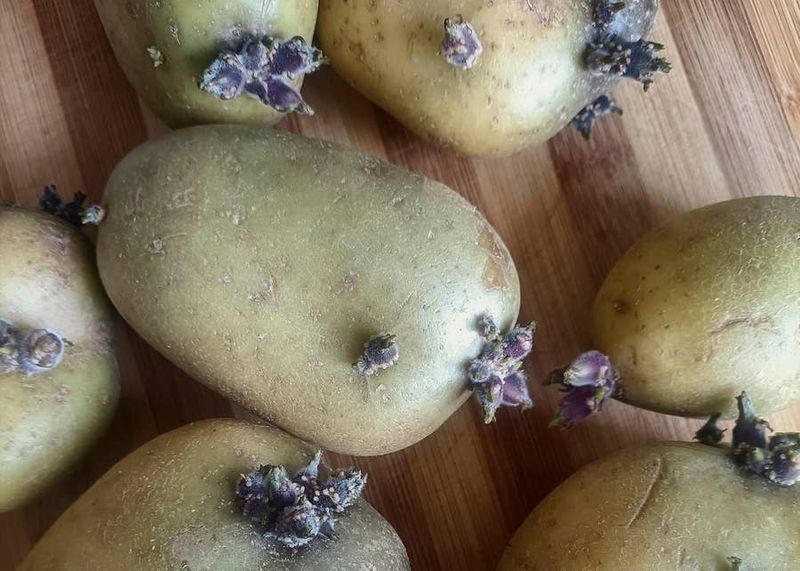
    What Causes Potatoes To Sprout?
    Image Credit: © BuzzFeed

    Ever wonder why your potatoes suddenly decide to grow legs and make a break for it? Sprouting happens when spuds are exposed to warmth, light, or just left sitting around too long.

    Potatoes are living organisms, and those little eyes are actually dormant buds waiting for the right conditions. When temperatures rise above 7°C or they catch some rays, they think it's spring and start sprouting.

    Moisture also plays a sneaky role, encouraging growth. Storing them in cool, dark, and dry spots helps keep them dormant longer.

    Are Sprouted Potatoes Safe To Eat?
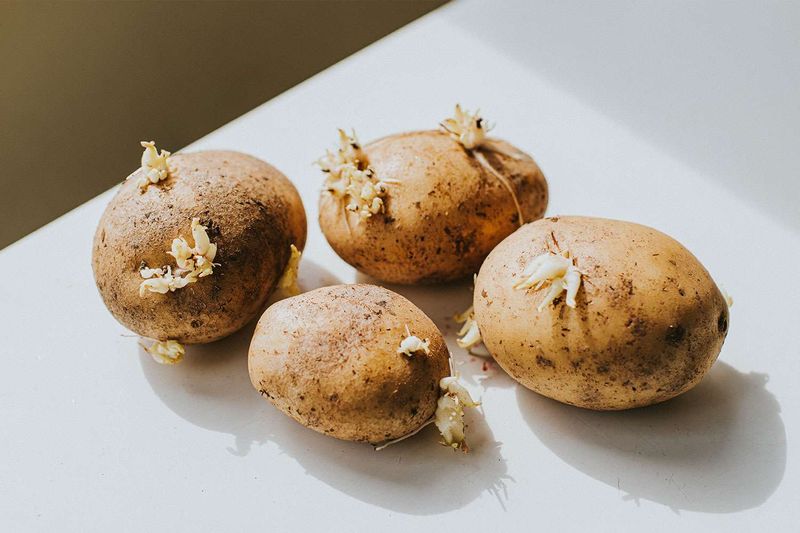
    Are Sprouted Potatoes Safe To Eat?
    Image Credit: © Martha Stewart

    The short answer is: sometimes, but caution is key. When potatoes sprout, they produce natural compounds called glycoalkaloids, which can be toxic in large amounts.

    These chemicals are present in all potatoes, but the levels rise significantly as sprouts grow and spread.

    That bitter taste you might notice is your first warning sign. Eating too many sprouted potatoes can cause nausea, stomach cramps, or even more serious symptoms, according to the National Capital Poison Center.

    If your potatoes are still firm and the sprouts are tiny, you can safely remove them before cooking.

    However, if they’ve gone soft, wrinkled, or the sprouts are long and green, it’s best to play it safe and throw them away.

    How To Keep Potatoes From Sprouting Too Soon
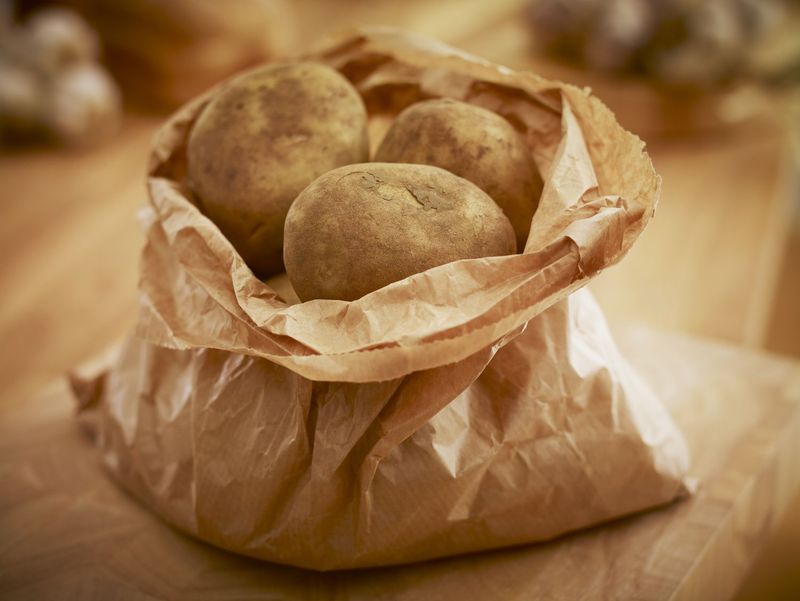
    How To Keep Potatoes From Sprouting Too Soon
    Image Credit: © Southern Living

    Prevention is better than chucking out half your weekly shop, right? The golden rule is keeping potatoes somewhere cool, dark, and well ventilated.

    A pantry or cupboard away from the boiler works brilliantly. Avoid the fridge though, as cold temperatures convert starches to sugars, affecting taste and cooking quality.

    Paper bags are your friend here, letting potatoes breathe whilst blocking light. Keep them away from onions too, which release gases that speed up sprouting.


    More Recommendations

    • 16 Surprisingly Useful Things To Cook When You Have Too Much Cheese And Not Enough Ideas
    • 21 Copycat Recipes That Might Make You Skip The Takeaway Altogether
    • 17 Cheap Meals That Taste Far Better Than Their Tiny Price Tag Suggests
    • 21 Everyday Foods Prepared Completely Differently Across Five Continents

    Primary Sidebar

    Keri Bevan

    Welcome, I'm Keri

    I'm the food photographer and recipe developer and writer behind Daily Dish.

    More About Me
    SUBSCRIBE

    Popular Posts

    • 13 Under-The-Radar Florida Beachfront Restaurants Locals Keep To Themselves
    • 12 Small-Town New York Diners With Huge Pancakes And Classic Comfort Food Locals Call The Best
    • 11 Breathtaking Waterfront Restaurants You'll Only Find In New Jersey
    • 12 Michigan Factory Tours Worth Taking For A Surprisingly Cool Day Trip

    Cozy Soups

    • Fava bean soup in a ceramic bowl.
      Fava Bean Soup
    • Vegan potato soup in a bowl with chives and croutons.
      Creamy Vegan Potato Soup
    • Bok choy soup with garlic and ginger.
      Bok Choy Soup With Garlic & Ginger
    • gluten free and dairy free tomato soup
      Creamy Gluten Free And Dairy Free Tomato Soup
    Company logs of people I have worked with.

    Footer

    ↑ back to top

    Recipes

    • Breakfast
    • Lunch
    • Dinner
    • Sauces and Dips
    • Gluten Free

    Newsletter

    • Sign Up! for emails and updates

    Contact

    • Contact
    • Privacy Policy
    • Daily Dish Web Stories

    As an Amazon Associate I earn from qualifying purchases.

    Copyright © 2024 Daily Dish

