











Standing in front of a wall of cooking oils can feel more like a science exam than a shopping trip – olive, avocado, sunflower, coconut, the list goes on. Each promises to be the healthiest or tastiest choice, but not all live up to the hype.
Nutritionists, however, know exactly which bottles deserve a place in the cupboard. From everyday frying to salad dressing perfection, here are the oils the experts actually use at home.
This article is for general informational purposes only and should not be taken as professional health or dietary advice. Individual nutritional needs may vary – always consult a qualified nutritionist or healthcare professional before making major dietary changes. Photos are for illustrative purposes only.
Extra Virgin Olive Oil
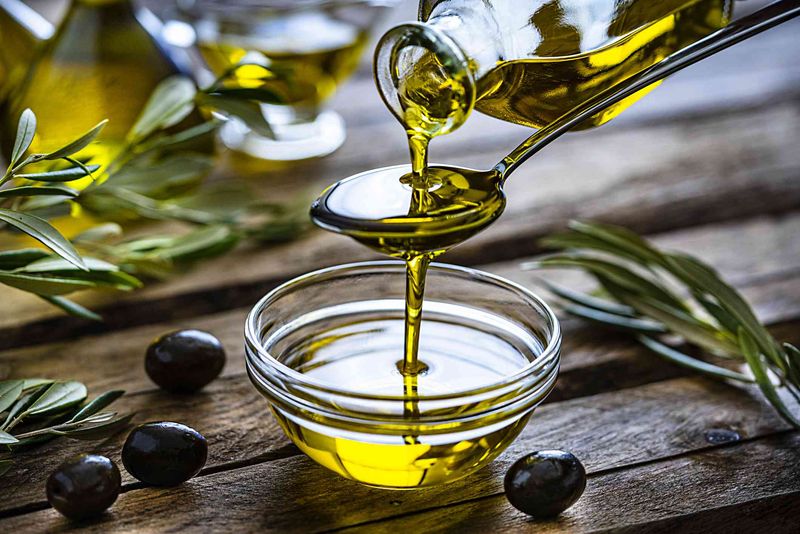
You'll find this one in nearly every nutritionist's cupboard, and for good reason. Extra virgin olive oil is packed with heart-healthy monounsaturated fats and antioxidants that help fight inflammation. It's brilliant for drizzling over salads, roasted veg, or dipping crusty bread.
The key is to avoid heating it too much. Save it for low to medium heat cooking or finishing touches. Most UK supermarkets stock decent bottles, but look for ones in dark glass to keep the oil fresh longer.
Avocado Oil
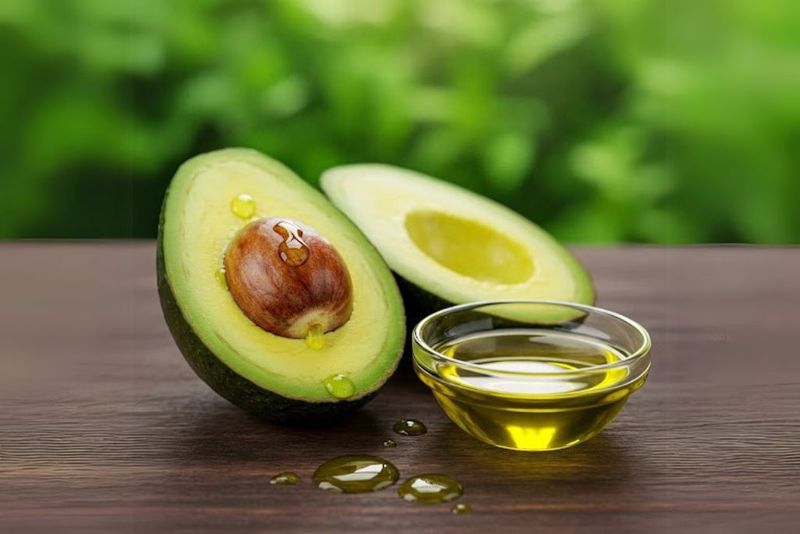
Here's one that doesn't get enough credit. Avocado oil has one of the highest smoke points around, making it perfect for high heat cooking like stir-fries and roasting. Nutritionists love it because it's loaded with vitamin E and healthy fats similar to olive oil.
It's got a mild, buttery flavour that won't overpower your food. You can pick it up at most major UK supermarkets now, though it's a bit pricier than other options. Worth it for versatility, though.
Rapeseed (Canola) Oil
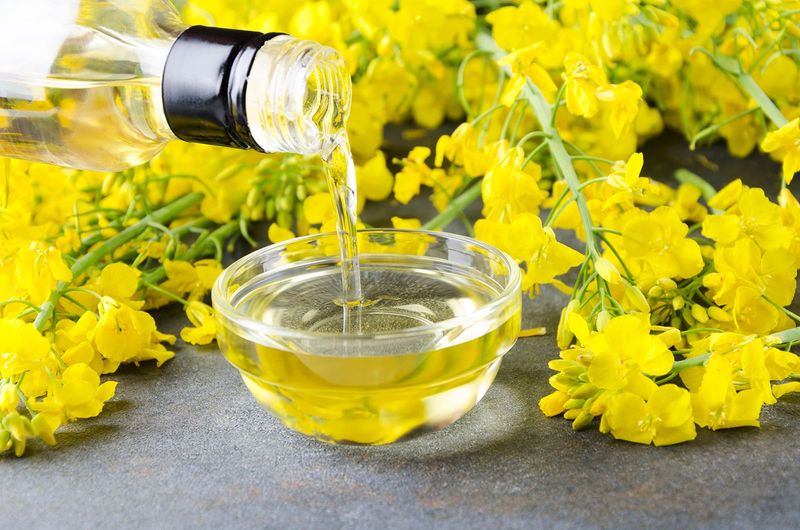
Britain's own homegrown hero, rapeseed oil, has been quietly winning over nutritionists for years. Those bright yellow fields you see across the countryside? That's where this comes from. It's low in saturated fat and high in omega-3s, plus it has a neutral taste that works for just about anything.
Cold-pressed British rapeseed oil is especially popular at farmers' markets. It handles heat well, making it ideal for everyday frying and baking without breaking the bank.
Coconut Oil

Coconut oil had its moment as a superfood darling, and whilst the hype has calmed down, nutritionists still keep it around. It's solid at room temperature and brilliant for baking or adding a subtle tropical flavour to curries. The medium-chain triglycerides (MCTs) it contains are easier for your body to process than other saturated fats.
Just remember, it's still high in saturated fat. Use it in moderation rather than by the spoonful, despite what wellness influencers might suggest.
Walnut Oil

Walnut oil brings a rich, nutty flavour that transforms simple salads into something special. Nutritionists appreciate its omega-3 content, which supports brain and heart health. It's delicate, though, so heat is its enemy.
Keep it in the fridge after opening to prevent it going rancid. Drizzle it over roasted butternut squash or mix it into salad dressings for an autumnal touch. You'll find it in the speciality section of larger supermarkets or health food shops across the UK.
Flaxseed (Linseed) Oil
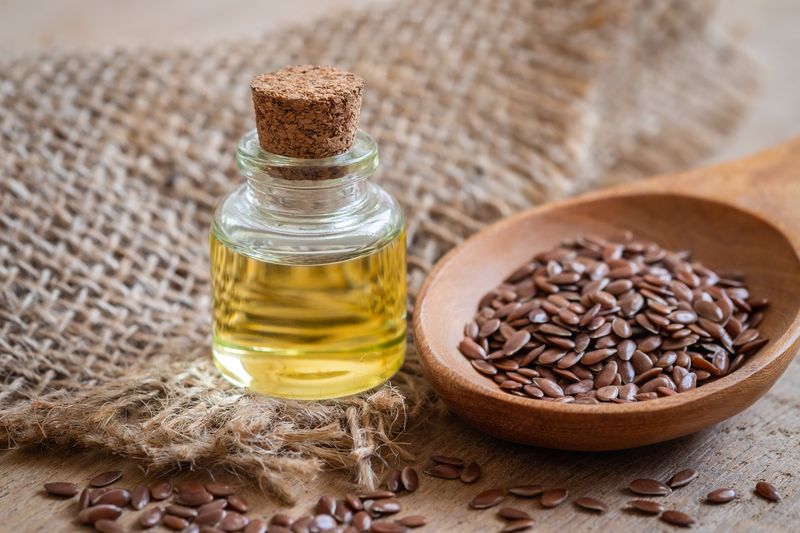
Flaxseed oil is an absolute powerhouse when it comes to omega-3 fatty acids, making it a favourite among nutrition professionals. It's not for cooking, though. Heat destroys its beneficial properties and gives it a bitter taste.
Instead, stir it into smoothies, porridge, or salad dressings for a nutritional boost. Store it in the fridge and use it within a few weeks of opening. Holland & Barrett and most health food shops stock it, often in the chilled section for freshness.
Sesame Oil
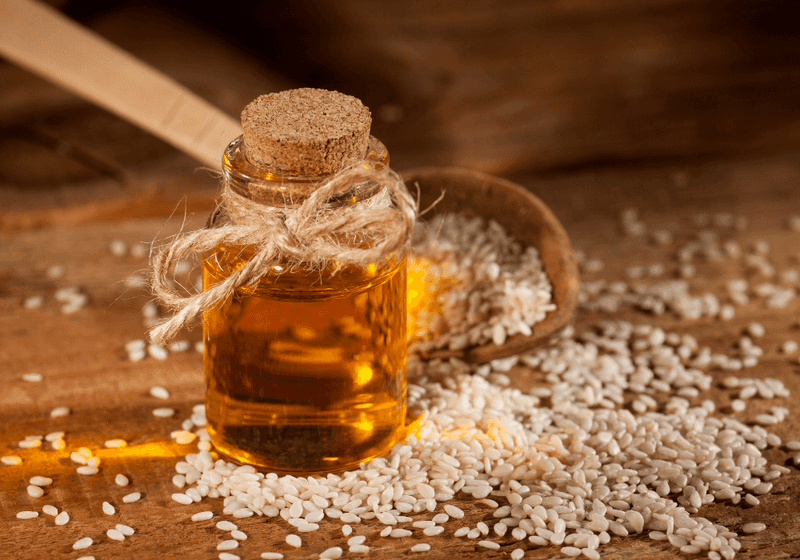
A little goes a long way with sesame oil, especially the toasted variety. Its distinctive nutty, aromatic flavour is a staple in Asian cooking, and nutritionists appreciate its antioxidants and healthy fats. Just a few drops can transform stir-fries, noodles, or dipping sauces.
It's best used as a finishing oil rather than for high heat cooking. You'll find it easily in UK supermarkets, usually near the soy sauce. The toasted version packs more flavour punch than the lighter varieties.
Sunflower Oil
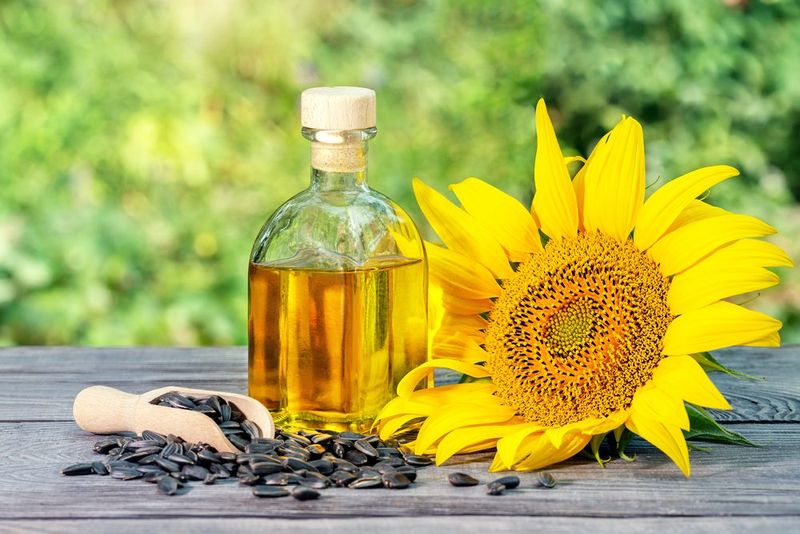
Sunflower oil is the reliable workhorse that doesn't get much fanfare but does the job brilliantly. It's affordable, widely available, and has a high smoke point that makes it suitable for frying and baking. Nutritionists choose it for everyday cooking when they need something neutral and dependable.
Opt for high-oleic sunflower oil if you can find it, as it contains more heart-healthy monounsaturated fats. Every UK supermarket stocks it, and it won't cost you much at all.