













Reheating leftovers is a regular part of home cooking, but results can vary depending on the food type and the method used. Temperature control, moisture levels, and timing all influence texture and flavour when warming food a second time.
Choosing the most suitable reheating approach for different dishes can help maintain quality and reduce unnecessary waste. Understanding these basic principles supports more consistent results in everyday kitchens.
All information is provided for general information only. Taste, appearance, and availability may vary. Photos are for illustrative purposes only.
1. Understanding Moisture And Heat Control
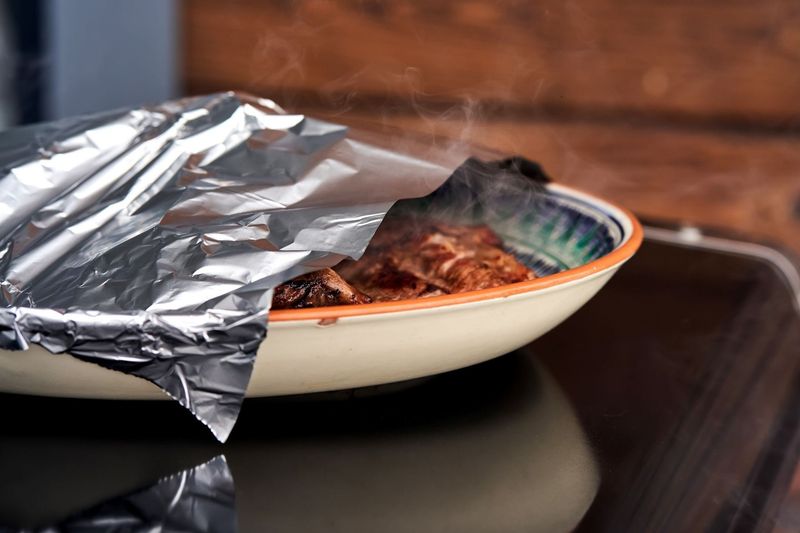
Getting leftovers right starts with grasping two fundamental forces: moisture and heat. Too much heat too quickly dries out your food, leaving it tough and unappetising.
Too little, and you're stuck with lukewarm mush.
Balance is everything. Covering dishes traps steam, keeping things moist, whilst gentle, even heat ensures the inside warms without the outside turning to cardboard.
Think of it as coaxing your meal back to life rather than blasting it into submission.
Mastering this balance transforms reheating from a chore into a skill worth bragging about at dinner parties.
2. Choosing The Right Reheating Method
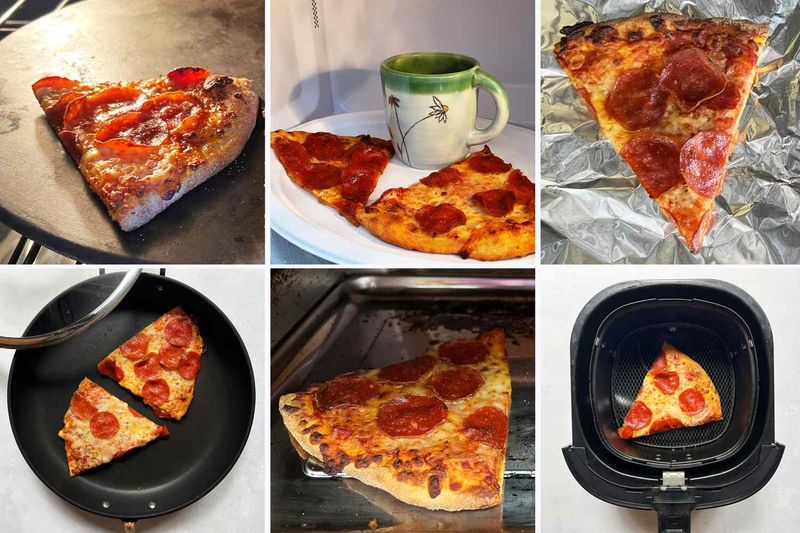
Not all leftovers are created equal, and neither are reheating methods. Pizza demands crispness, so the oven or air fryer wins.
Soups and stews? The stovetop brings them back without fuss.
Matching your method to your meal makes all the difference. Delicate sauces thrive with gentle double boiler warmth, whilst roasted veg benefits from a quick blast under the grill.
Microwaves work brilliantly for small portions but can turn bread into rubber.
Knowing which tool to reach for saves time, preserves quality, and keeps your taste buds happy.
3. Using The Oven For Even Warming
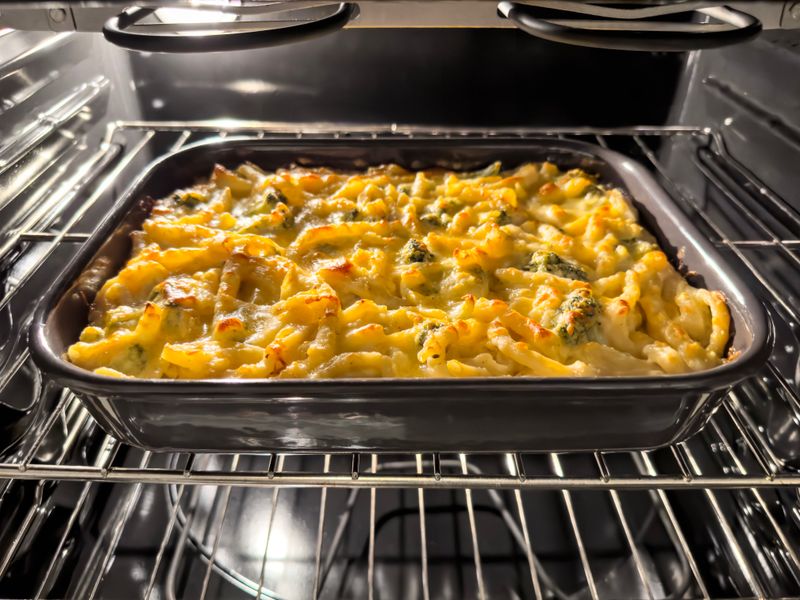
When you want leftovers that taste freshly made, the oven is your best mate. Preheat to around 175°C, pop your food on a baking tray, and cover with foil to lock in moisture.
This method heats everything evenly, avoiding those dreaded cold spots. For casseroles, baked pasta, or roast dinners, it's unbeatable.
Want a crispy top? Whip off the foil for the last few minutes.
Patience pays off here. Slow, steady heat brings back flavours and textures beautifully without turning anything into shoe leather.
4. Microwave Settings And Timing Tips
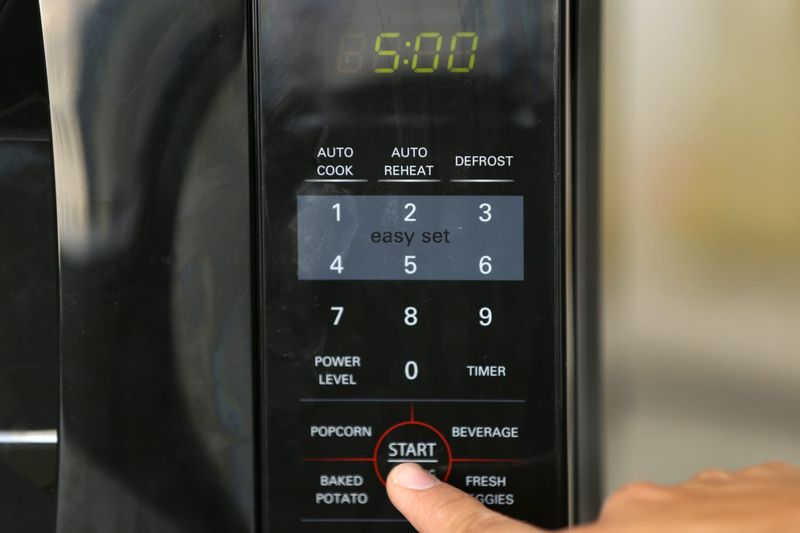
Microwaves get a bad rap, but they're brilliant when used wisely. The trick?
Lower power settings and short bursts. Crank it to medium (50-70% power), cover your food with a damp paper towel, and stir every 30 seconds.
This prevents overheating and ensures even warmth throughout. Dense foods like rice or pasta benefit from a splash of water before zapping.
Always use microwave-safe containers to avoid nasty chemical leaching.
A little patience and attention transform the microwave from villain to hero in the leftover game.
5. Stovetop Reheating Techniques
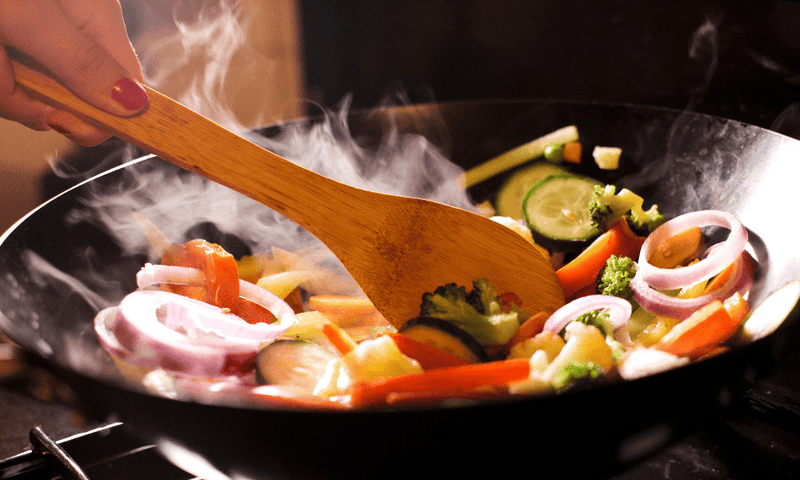
For soups, stews, curries, and stir-fries, nothing beats the stovetop. Pour your leftovers into a saucepan, add a splash of water or stock if needed, and warm over medium heat whilst stirring regularly.
This hands-on approach lets you control texture and consistency perfectly. Too thick?
Add liquid. Want extra flavour?
Toss in fresh herbs or a squeeze of lemon. The gentle, direct heat revives dishes without drying them out.
It's quick, effective, and gives you a chance to tweak seasoning before serving.
6. Preventing Dryness And Overcooking
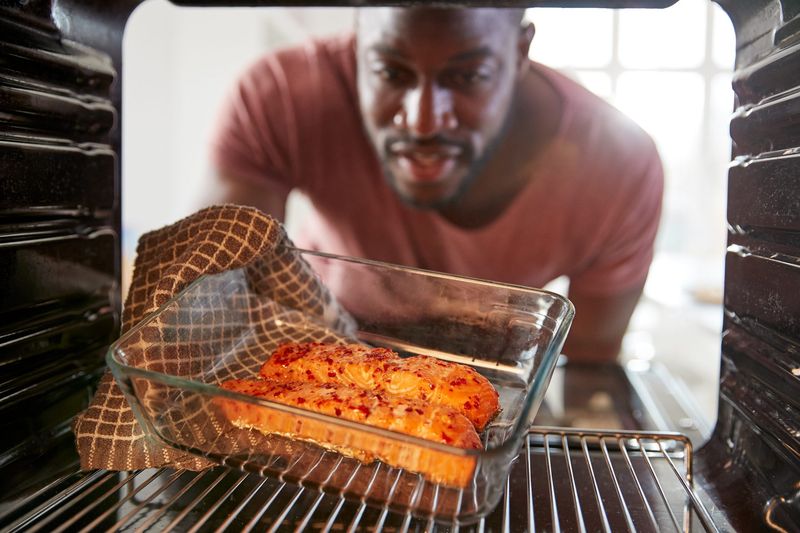
Dry, overcooked leftovers are a tragedy, but totally avoidable. Start by adding moisture back: a drizzle of olive oil, a spoonful of sauce, or even plain water works wonders before reheating.
Cover your food whenever possible to trap steam and prevent evaporation. Heat gently and stop as soon as it's steaming hot, not bubbling furiously.
Overheating sucks moisture out faster than you'd think.
Treat your leftovers with care, and they'll reward you with flavours and textures that rival the original meal.
7. Food Safety And Storage Considerations
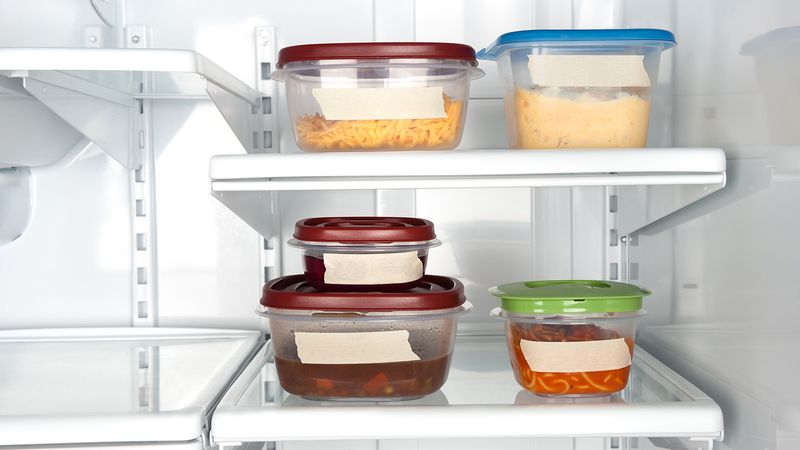
Reheating isn't just about taste; it's about staying safe too. Always refrigerate leftovers within two hours of cooking, and reheat them to at least 75°C to kill any lurking bacteria.
Only reheat once. Repeatedly warming and cooling food creates a playground for germs.
Store leftovers in airtight containers, and label them with dates so you know what's still good to eat.
When in doubt, chuck it out. A dodgy tummy isn't worth the risk, no matter how delicious that three-day-old curry looks.
8. Common Reheating Mistakes To Avoid
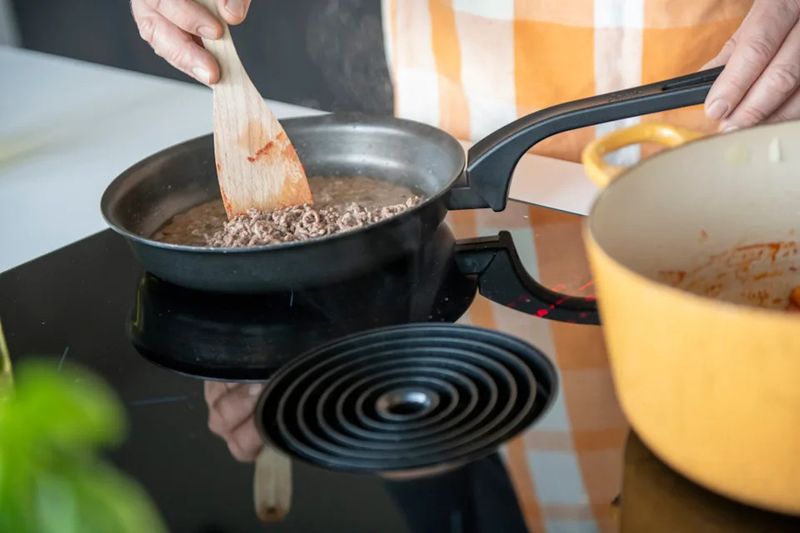
Even seasoned cooks slip up sometimes. Blasting everything on high heat is a classic blunder that turns food rubbery.
Forgetting to stir or flip halfway through creates uneven hot and cold spots nobody enjoys.
Using the wrong container, especially non-microwave-safe plastic, can leach chemicals into your meal. Reheating straight from the fridge without letting it sit for a few minutes means longer cooking times and dried-out edges.
Avoid these pitfalls, and your leftovers will taste brilliant every single time.



