













A warm cup of tea can feel like a quiet reset after a long or chilly day. Many herbal and traditional teas are praised for their soothing qualities and long history in wellness routines across the world.
Dietitians often highlight certain varieties believed to support the body’s natural balance and comfort. Some teas bring gentle flavours, while others offer earthy or floral notes that make the ritual feel special.
Learning about these blends can turn an ordinary tea break into something a little more thoughtful.
This information is intended for general educational purposes and should not replace professional medical advice. Individual dietary needs, allergies, and existing health conditions should always be considered. Consulting a qualified healthcare professional or registered dietitian is recommended before making significant dietary changes.
1. Green Tea
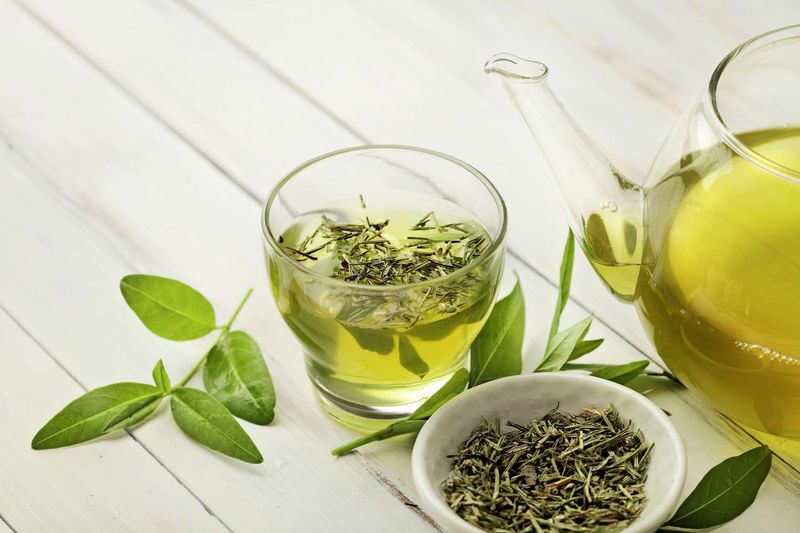
Many tea lovers appreciate green tea for its light, fresh taste and long cultural history. Rich in natural plant compounds called catechins, it is frequently studied in nutrition research for its potential wellness benefits.
Regularly enjoying green tea can be part of a balanced lifestyle when paired with nutritious meals and good hydration. The gentle grassy flavour works nicely with lemon or honey for added brightness.
Its easy preparation and wide availability make it a popular everyday choice.
2. Ginger Tea

Zesty ginger tea delivers a warming flavour that feels lively and refreshing with every sip. The root contains natural compounds known as gingerols, which are frequently explored in nutrition studies.
Drinking ginger tea is often linked with general digestive comfort as part of a varied diet. Preparing it with fresh slices allows the flavour to stay bright and aromatic.
A drizzle of honey can soften the spice and create a pleasant balance.
3. Turmeric Tea

Golden turmeric tea stands out thanks to its vibrant colour and warm, earthy taste. The drink contains curcumin, a natural compound widely researched for its possible wellness properties.
Adding a small amount of black pepper is commonly suggested because it can improve curcumin absorption. Many people enjoy this comforting brew during cooler evenings when something soothing feels especially inviting.
Its bold flavour pairs well with a touch of honey or milk for extra richness.
4. Chamomile Tea
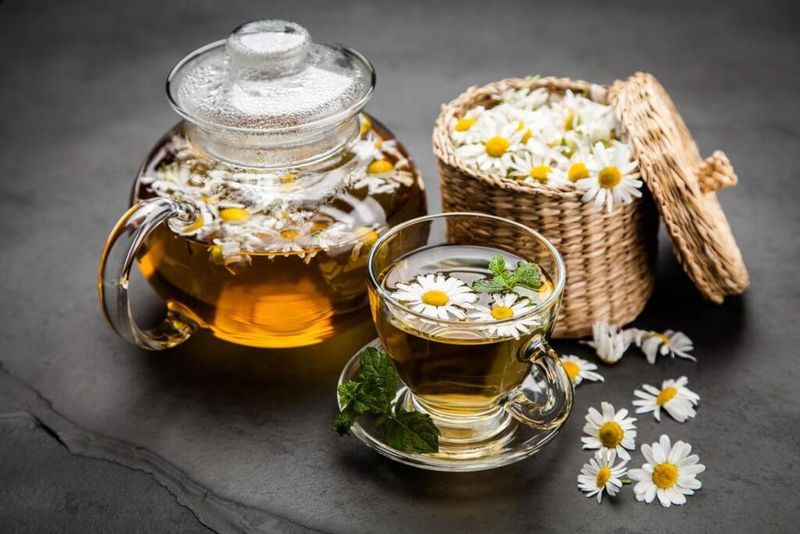
Soft floral notes give chamomile tea its famously gentle and relaxing character. The tea contains natural plant compounds that researchers continue to examine for potential wellness effects.
Many people reach for this brew as part of an evening wind-down routine. Its mild, slightly fruity taste suits those who prefer lighter herbal drinks.
The naturally caffeine-free profile makes it suitable for sipping at nearly any time of day.
5. Peppermint Tea
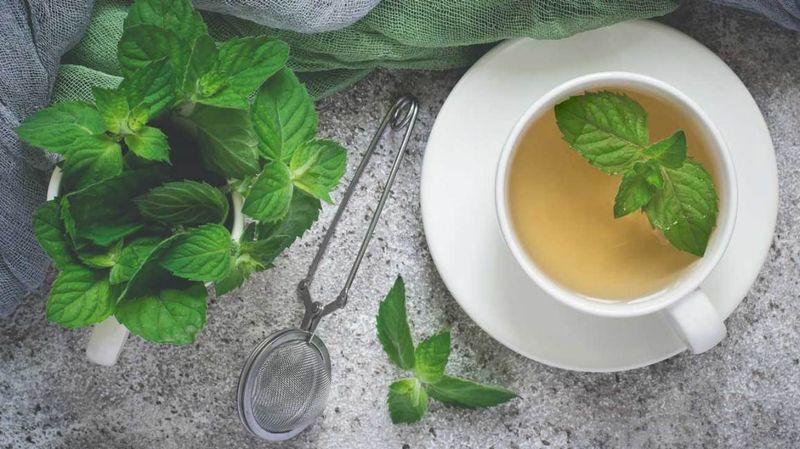
Bright, cooling peppermint tea brings a crisp flavour that feels refreshing and clean. Natural menthol gives the drink its signature sensation and bold aroma.
It often becomes a go-to choice after meals or during slow, relaxing breaks. The flavour stays enjoyable both hot and chilled, making it perfect throughout the year.
A squeeze of lime can add a lively twist that keeps each cup interesting.
6. Hibiscus Tea
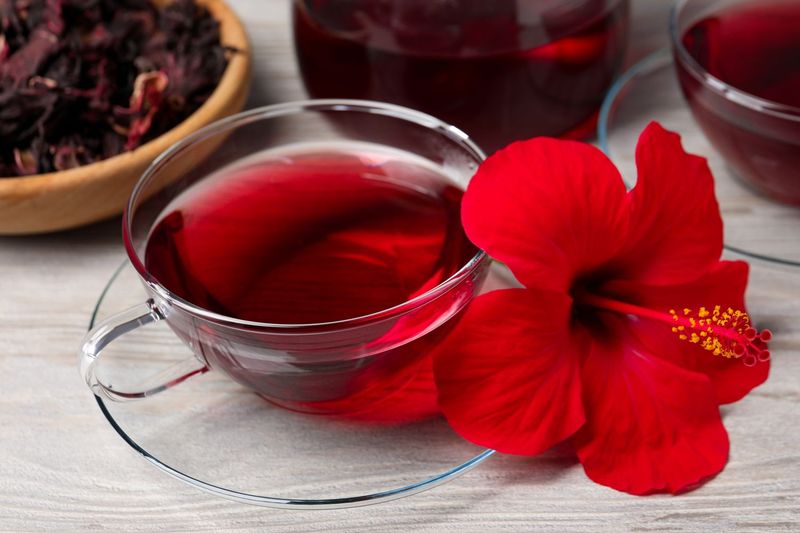
Deep ruby hibiscus tea catches attention with its bold colour and pleasantly tart taste. The drink contains natural pigments called anthocyanins that are frequently studied for their antioxidant qualities.
It often stands out as a refreshing alternative to sweeter beverages. Serving it chilled creates a vibrant drink that feels especially refreshing in warm weather.
A splash of citrus juice can highlight its bright, tangy character.
7. Rooibos Tea

Naturally caffeine-free rooibos offers a smooth, slightly nutty sweetness that feels comforting and easy to enjoy. The tea contains unique plant compounds that continue to be explored in nutritional research.
Rooibos remains popular because it rarely turns bitter, even with longer steeping times. Many people drink it plain, while others enjoy it with milk for a richer taste.
Its mellow flavour makes it suitable for both daytime sipping and evening relaxation.
8. Matcha Tea
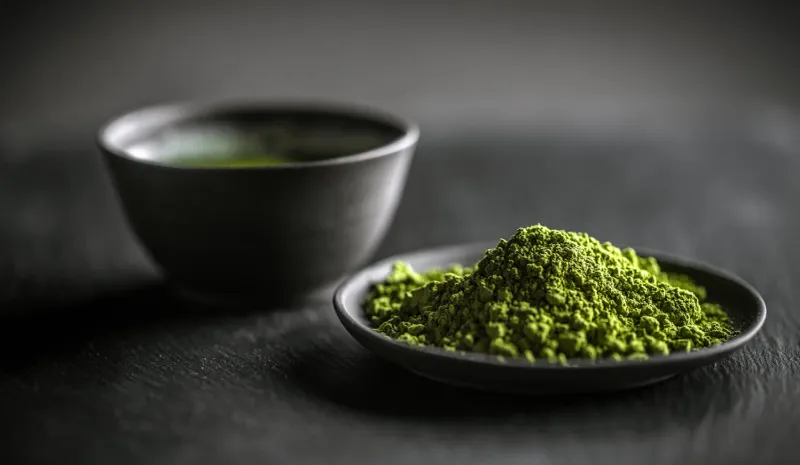
Matcha turns tea time into a small, mindful ritual thanks to its rich colour and distinctive preparation style. Finely ground green tea leaves are whisked into hot water, creating a smooth drink with a creamy texture and bold flavour.
The tea is widely recognised for its naturally high antioxidant content compared with many traditional varieties. Its caffeine release tends to feel steadier than coffee for some, making it a popular daytime option.
Deep roots in traditional tea ceremonies also give matcha a sense of cultural charm that makes each cup feel a little special.
9. White Tea
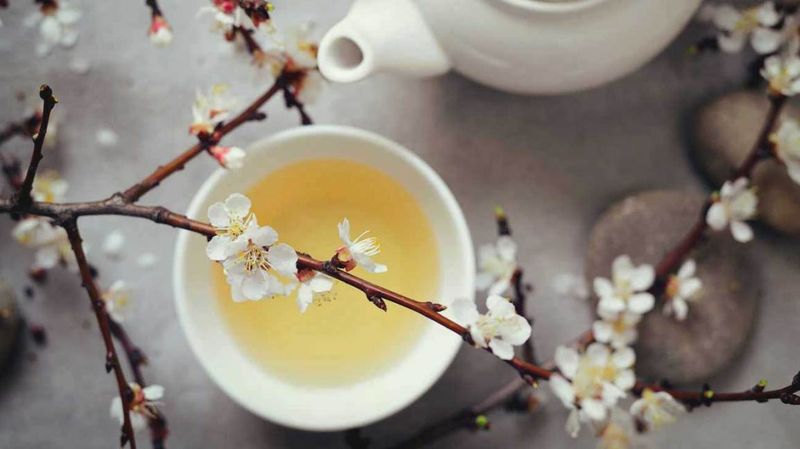
Delicate white tea offers a soft, slightly sweet flavour that feels light and refreshing. Because the leaves undergo minimal processing, the tea retains many natural plant compounds studied for general wellness potential.
It often feels like a gentle starting point for anyone curious about traditional teas. Careful brewing at lower temperatures helps preserve its subtle taste.
Its mild profile suits drinkers who prefer softer herbal or floral notes.



