













Switching ingredients doesn’t have to mean giving up comfort, flavour, or the joy of cooking something familiar. A well chosen alternative can behave beautifully in a recipe while bringing its own little personality to the plate.
I’ve learned that a few clever swaps can quietly expand what’s possible in everyday cooking without making the kitchen feel complicated. Whether you’re cooking for curiosity, convenience, or creativity, these options make plant based cooking feel approachable and genuinely satisfying.
All information is provided for general interest only. Ingredient performance, taste, and availability may vary depending on brand, location, and personal preference.
1. Oat Milk For Dairy Milk

Creamy and naturally sweet, oat milk has become a kitchen staple for good reason. It froths beautifully in coffee, works perfectly in porridge, and adds richness to smoothies without any dairy.
Unlike some alternatives, it doesn't split when heated, making it ideal for cooking and baking. Plus, it's often fortified with calcium and vitamins, giving you similar nutrition to cow's milk.
2. Tofu For Chicken

Firm tofu is a brilliant protein-packed stand-in that soaks up marinades like a sponge. When pressed and cooked properly, it develops a satisfying texture that's surprisingly similar to chicken.
Try it baked, fried, or scrambled for breakfast. The key is removing excess water and seasoning generously.
It's incredibly versatile and affordable, making it perfect for weeknight dinners.
3. Jackfruit For Pulled Pork
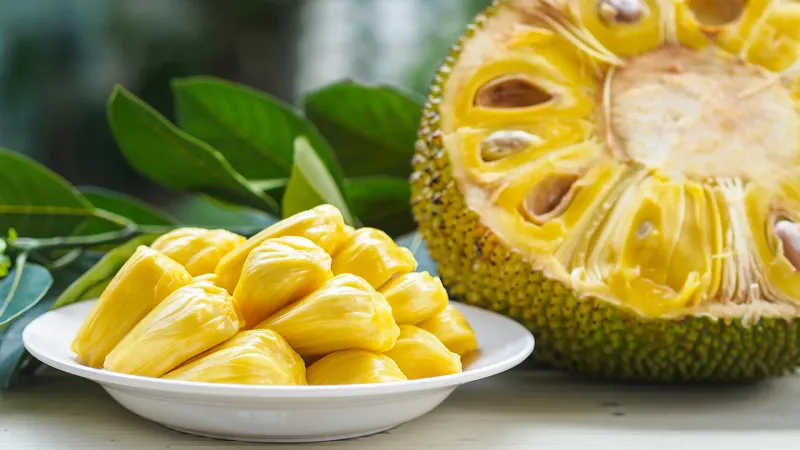
This tropical fruit has a stringy, fibrous texture that mimics pulled pork remarkably well. Young green jackfruit is neutral in flavour, so it absorbs BBQ sauce and spices beautifully.
Simply shred it with forks, season it boldly, and cook until tender. You'll be amazed how convincing it is in sandwiches, tacos, or loaded nachos.
It's become a favourite at vegan BBQs everywhere.
4. Cashew Cream For Double Cream
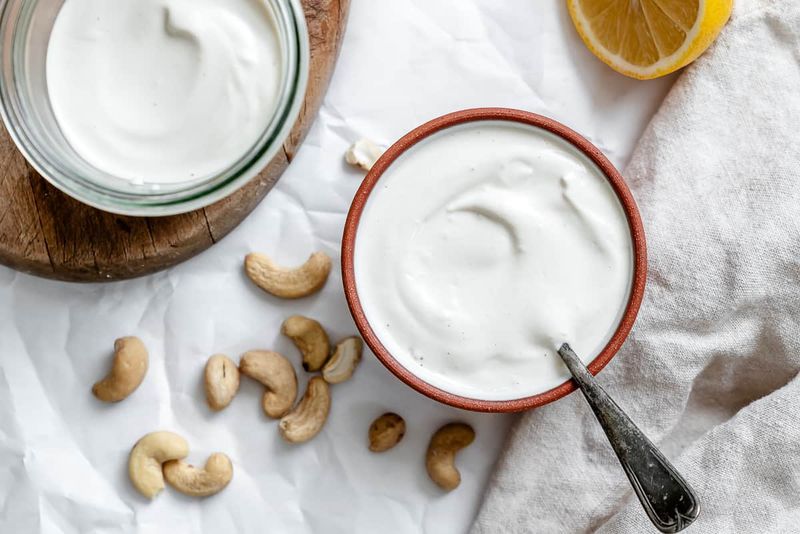
Blended soaked cashews create a luxuriously thick cream that works beautifully in pasta sauces, desserts, and soups. The natural richness gives dishes a smooth, satisfying texture without using dairy.
All you need is a blender, a splash of water, and a little patience while it turns silky and smooth. A squeeze of lemon brightens savoury recipes, while a touch of vanilla suits sweeter bakes and puddings.
Once you start using it, it quickly becomes a handy staple for creamy cooking.
5. Nutritional Yeast For Cheese Flavour
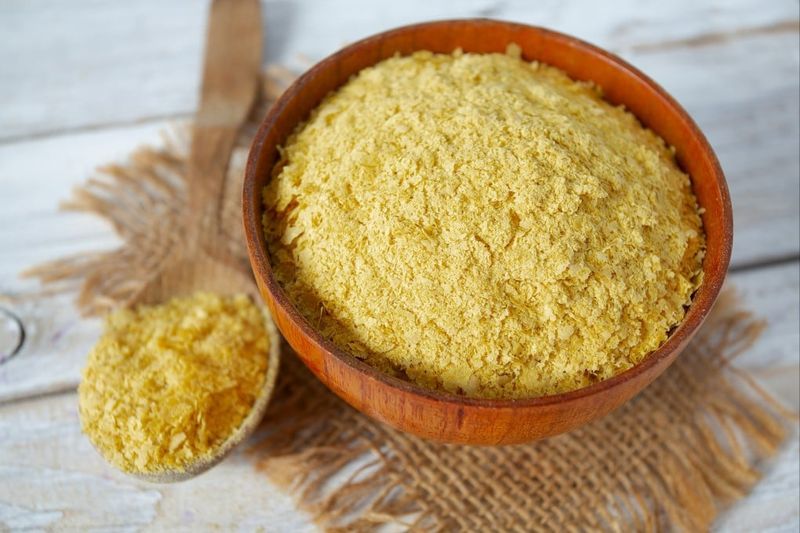
These golden flakes pack a savoury, cheesy punch that transforms plant-based dishes instantly. Sprinkle them on pasta, popcorn, or roasted vegetables for an umami-rich boost.
Nutritional yeast is also loaded with B vitamins, making it both tasty and nutritious. Many vegans swear by it for creating creamy cheese sauces or sprinkling on pizza.
Once you try it, you'll understand the hype.
6. Lentils For Minced Beef

Hearty and protein-dense, lentils provide that satisfying bite you crave in Bolognese, shepherd's pie, or tacos. Brown or green varieties hold their shape best during cooking.
They're incredibly budget-friendly and cook quickly compared to dried beans. Season them well with garlic, herbs, and tomato paste for a meaty depth.
You'll get similar texture and nutrition without the environmental impact of beef.
7. Aquafaba For Egg Whites
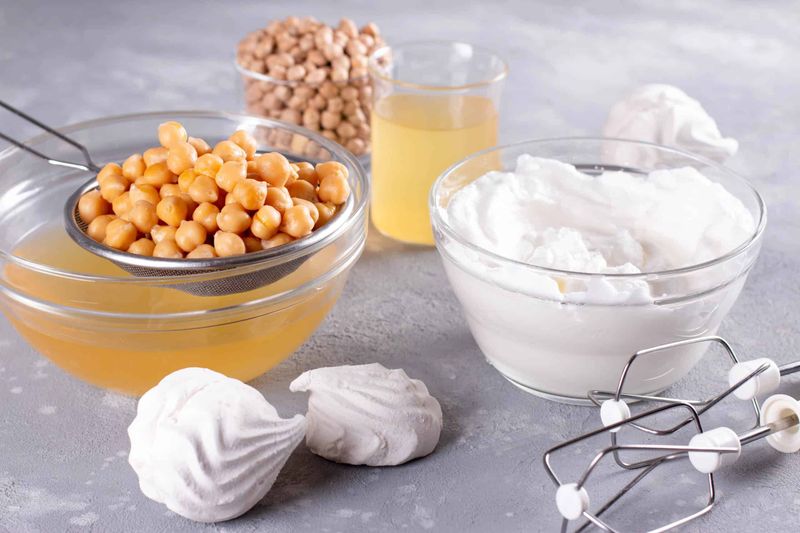
That liquid from a tin of chickpeas might not look exciting, but it’s a secret weapon in vegan baking. Aquafaba whips into soft or stiff peaks that behave much like egg whites in recipes such as meringues, mousses, and light sponges.
The exact amount can vary depending on what you’re making, so a little experimenting helps find the right balance. Once baked, the flavour disappears completely, leaving only airy texture behind.
It feels oddly satisfying turning something usually poured away into a star ingredient.
8. Mushrooms For Beef
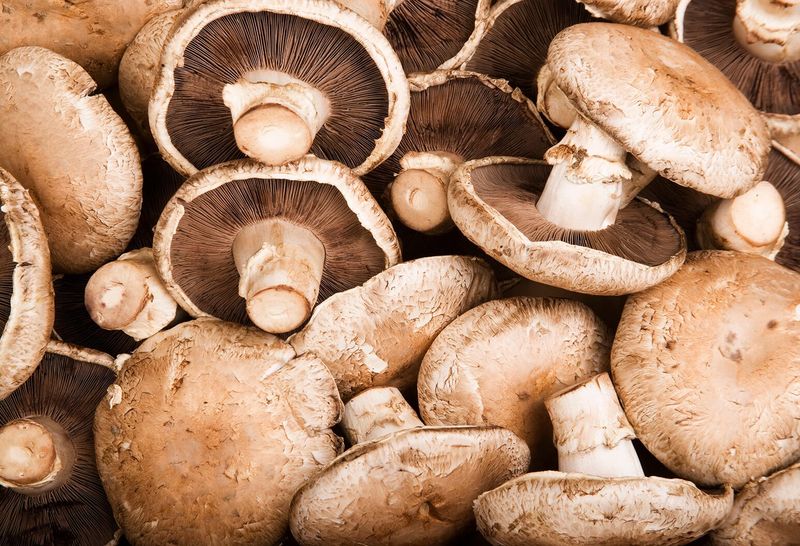
Meaty portobello or shiitake mushrooms deliver that savoury, umami-rich flavour beef lovers crave. When roasted or grilled, they develop a satisfying chew that feels substantial on the plate.
Slice them thickly for steaks, dice them for stews, or mince them for burgers. Their natural glutamates create depth in gravies and sauces.
They're brilliant for anyone missing that hearty, earthy taste of red meat.
9. Coconut Yoghurt For Dairy Yoghurt

Thick, tangy, and wonderfully creamy, coconut yoghurt fits easily into breakfast bowls, smoothies, and chilled sauces. The natural fat content gives it a rich mouthfeel that works well in both sweet and savoury dishes.
Unsweetened versions offer more flexibility when balancing flavours in recipes. Texture and tang can vary between brands, so it’s worth trying a few to find your favourite.
Topped with fruit, nuts, or granola, it makes an easy and comforting plant based option.
10. Chia Seeds For Eggs In Baking
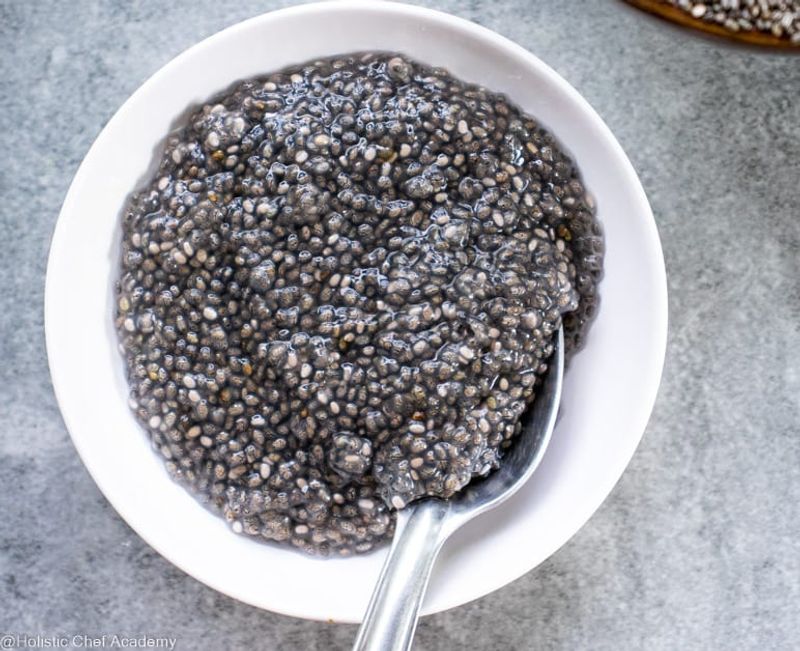
Mix one tablespoon of chia seeds with three tablespoons of water, wait five minutes, and you've got a perfect egg replacer. This gel-like mixture binds ingredients beautifully in cakes, muffins, and biscuits.
Chia seeds add omega-3 fatty acids and fibre whilst keeping baked goods moist. They work especially well in recipes that call for one or two eggs.
Your bakes will rise properly and taste absolutely delicious.



