













A high blood pressure diagnosis often sounds more restrictive than it needs to be. Many people assume it means cutting out flavour, comfort foods and favourite staples overnight.
In reality, small adjustments and smarter swaps can make a noticeable difference without turning every meal into a bland compromise. Plenty of everyday foods can still fit comfortably into a balanced, blood pressure–aware routine when portion sizes and preparation methods are considered.
Focusing on ingredients rich in fibre, potassium and healthy fats can help support overall heart health while keeping meals satisfying. The key lies in moderation and awareness rather than total elimination.
This article is provided for general interest only and is not medical advice. Always consult a qualified healthcare professional for personalised guidance regarding high blood pressure or dietary changes. Photos are for illustrative purposes only.
1. Dark Chocolate
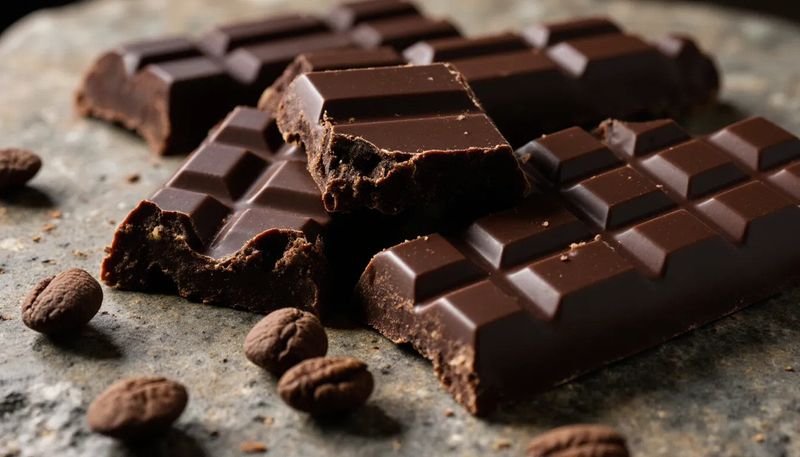
Cocoa contains flavonoids that actually help your blood vessels relax and improve circulation. Before you rush to raid the sweet aisle, remember we're talking proper dark chocolate here, not the milky stuff loaded with sugar.
Look for bars with at least 70% cocoa content and stick to a small square or two daily. The bitterness might take getting used to, but your taste buds adapt surprisingly quickly.
Pair it with a handful of berries for an antioxidant-packed treat that feels properly indulgent without sabotaging your health goals.
2. Coffee

That morning brew isn't off limits, which is brilliant news for anyone who can't function before caffeine. Studies show moderate coffee consumption doesn't significantly raise blood pressure in most regular drinkers, though your body's response varies.
The key word is moderate, typically two to three cups daily. Skip the sugar-laden syrups and whipped cream towers that turn your cuppa into a dessert.
Black coffee or a splash of milk keeps things simple and heart-friendly whilst still giving you that much-needed energy boost to start your day properly.
3. Cheese
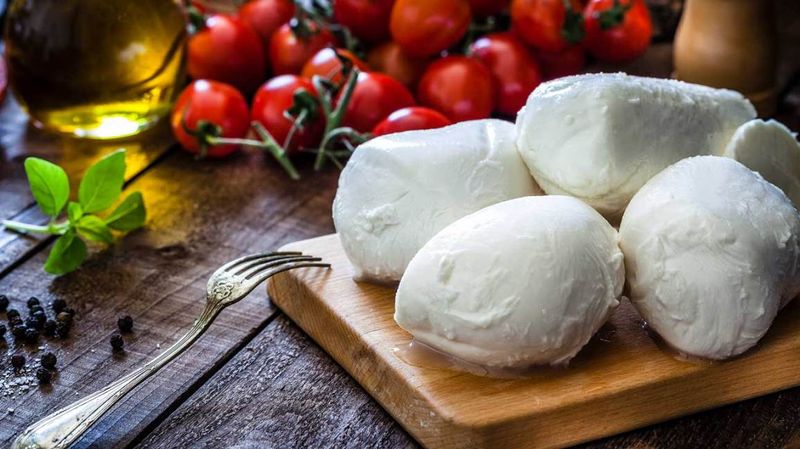
Cheese lovers can breathe easier knowing they needn't completely abandon their favourite dairy delight. Calcium and protein make cheese nutritionally valuable, though sodium content means portion control matters significantly.
Opt for naturally lower-sodium varieties like mozzarella, Swiss, or ricotta rather than processed slices. Fresh cheeses generally contain less salt than aged varieties, making them smarter choices for blood pressure management.
A 30-gram serving adds flavour to meals without overdoing it. Grate cheese finely to spread less further, or crumble it over salads for that satisfying taste without excessive quantities.
4. Eggs
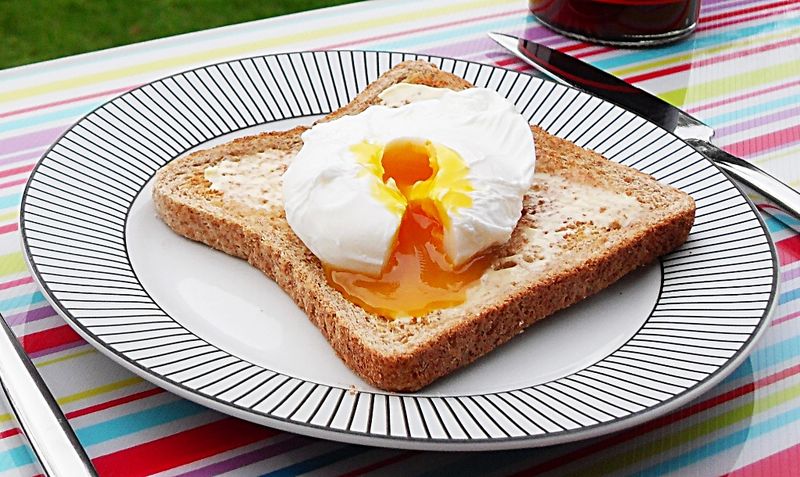
For years, eggs got unfairly villainised, but current research shows they're actually quite heart-friendly when prepared properly. Packed with protein and nutrients, eggs make brilliant breakfast options that keep you satisfied for hours.
Boiling, poaching, or scrambling with minimal butter works best. Skip the greasy fry-ups swimming in oil, which add unnecessary saturated fat to an otherwise healthy food.
Two eggs daily fits comfortably into most heart-healthy eating plans. Add vegetables like peppers, tomatoes, or mushrooms to boost nutrition whilst creating properly filling meals that taste absolutely cracking.
5. Lean Red Meat
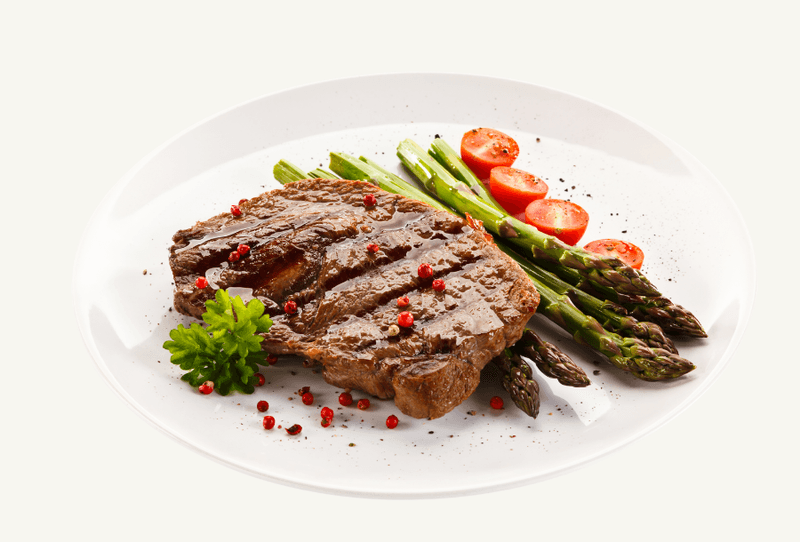
Red meat hasn't been completely banned from the heart-healthy menu, though choosing the right cuts matters enormously. Lean options like sirloin, tenderloin, or extra-lean mince provide iron and protein without excessive saturated fat that affects cardiovascular health.
Trim visible fat before cooking and use grilling, roasting, or stir-frying methods instead of deep-frying. Smaller portions, roughly the size of your palm, keep things balanced.
Balance your plate with plenty of vegetables and whole grains. Treating red meat as an occasional protein rather than daily staple helps maintain variety whilst supporting better blood pressure management.
6. Pasta
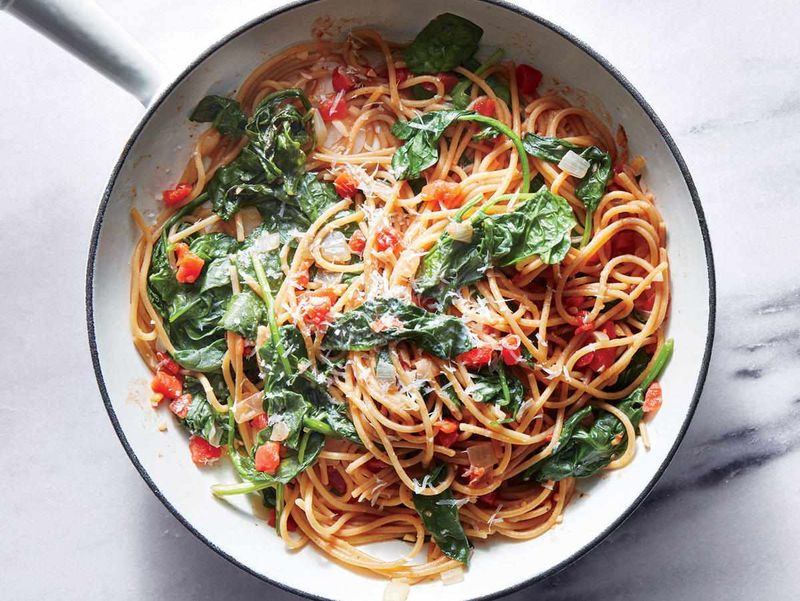
Carb lovers rejoice because pasta definitely stays on the menu with a few smart swaps. Whole grain or wholemeal varieties provide more fibre than refined white pasta, helping regulate blood sugar and keeping you fuller longer.
Watch your portion sizes, as mountains of pasta can pack excess calories and sodium depending on your sauce choices. A proper serving equals about one cup cooked, which seems small but proves satisfying with the right accompaniments.
Load up with vegetables and lean proteins whilst keeping cream-based or heavily salted sauces occasional treats. Tomato-based sauces made from scratch let you control sodium levels completely.
7. Bread
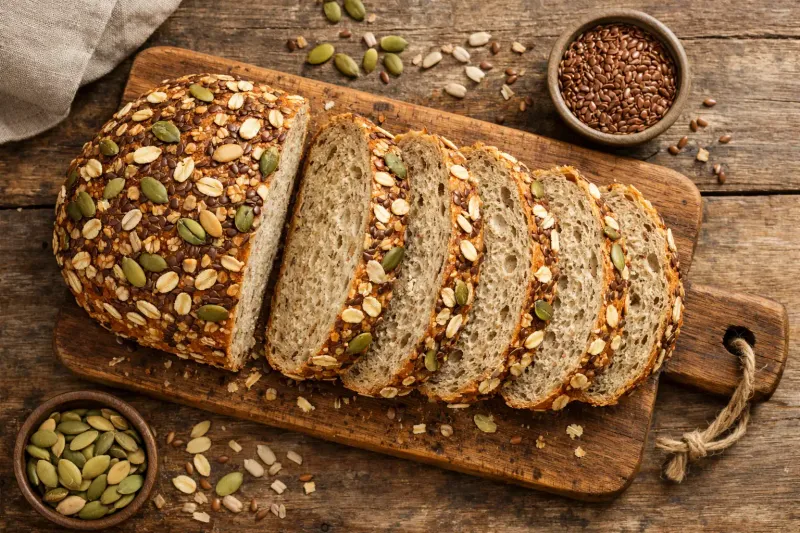
Bread needn't disappear from your shopping list, though swapping white for wholemeal makes considerable difference. Whole grain options contain more fibre, vitamins, and minerals whilst helping maintain steadier blood sugar levels throughout the day.
Check labels carefully because some breads contain shocking amounts of hidden sodium. Artisan bakery loaves often use less salt than mass-produced supermarket varieties, making them worthwhile despite higher prices.
Two slices daily works for most people when balanced with other carbohydrates. Toast topped with avocado, nut butter, or eggs creates satisfying meals that fuel your body properly without compromising blood pressure goals.
8. Peanut Butter
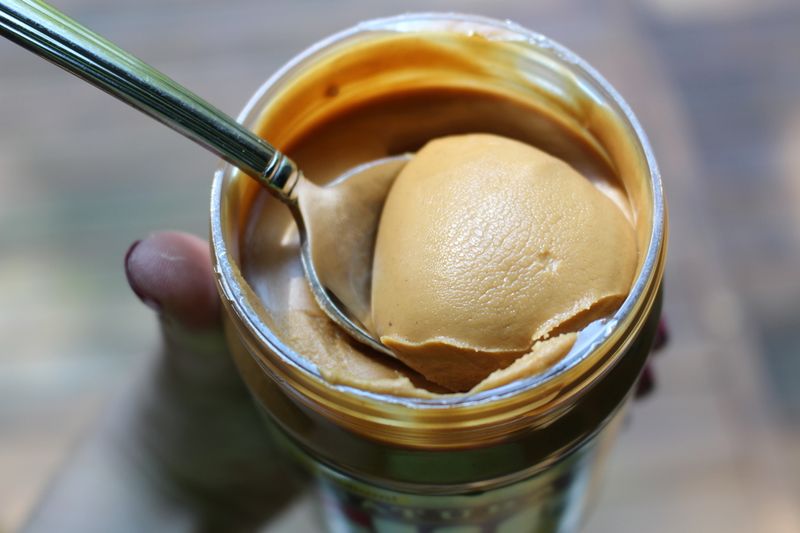
Smooth or crunchy, peanut butter remains a brilliant protein source that satisfies cravings wonderfully. Natural versions without added sugar, palm oil, or excessive salt work best for heart health, containing just peanuts and perhaps a pinch of salt.
Healthy fats in peanut butter actually support cardiovascular function when eaten sensibly. Stick to roughly two tablespoons daily because calories add up quickly despite nutritional benefits.
Spread it on wholemeal toast, stir into porridge, or enjoy with apple slices for quick snacks. The combination of protein and healthy fats keeps hunger at bay between meals brilliantly.
9. Greek Yoghurt
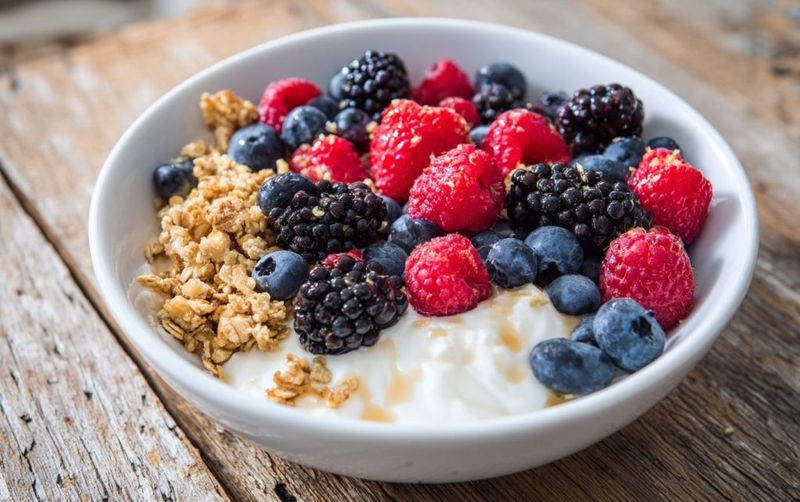
Creamy, tangy Greek yoghurt packs more protein than regular varieties whilst providing beneficial probiotics for gut health. Calcium and potassium content actually helps regulate blood pressure, making this a genuinely helpful food choice rather than something merely permitted.
Choose plain, unsweetened versions to avoid hidden sugars that spike calories unnecessarily. Full-fat options aren't forbidden, though lower-fat versions work perfectly fine if you prefer them.
Top with fresh fruit, nuts, or a small drizzle of honey for naturally sweet breakfasts or snacks. It also substitutes brilliantly for sour cream in recipes, cutting saturated fat whilst maintaining creamy texture.
10. Popcorn

Air-popped popcorn makes a genuinely healthy snack that feels indulgent without derailing your diet. Whole grain goodness provides fibre whilst staying naturally low in calories, assuming you skip the cinema-style butter baths and excessive salt.
Make it yourself using an air popper or microwave-safe bowl rather than buying pre-packaged varieties loaded with sodium and artificial flavourings. Season creatively with herbs, nutritional yeast, or just a tiny sprinkle of salt.
Three cups of air-popped popcorn contains fewer than 100 calories, making it brilliant for evening snacking. The satisfying crunch and generous portion size trick your brain into feeling properly satisfied.
11. Homemade Pizza
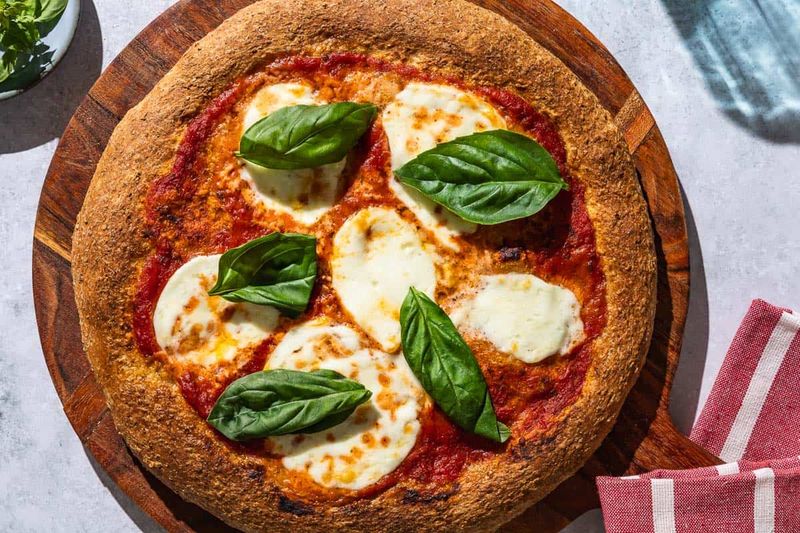
Pizza doesn't automatically spell disaster for blood pressure when you control what goes on top. Making it yourself means choosing wholemeal bases, loading up vegetables, and going easy on salty processed meats and excessive cheese that characterise takeaway versions.
Tomato sauce provides lycopene whilst vegetables add nutrients, fibre, and bulk without many calories. Use fresh mozzarella sparingly rather than mountains of pre-grated cheese that contains anti-caking agents and extra sodium.
Experiment with toppings like roasted peppers, mushrooms, spinach, or grilled chicken. Homemade pizza becomes a balanced meal that satisfies cravings whilst supporting your health goals brilliantly.



