













There’s something wonderfully comforting about the foods that shaped working-class kitchens across the UK. They might not win awards for presentation, but these dishes carry the warmth of family tables, payday treats, and Sunday suppers that stretched a bit of everything.
From toast drenched in dripping to tinned puddings that somehow tasted like pure joy, these strange yet beloved traditions tell a story of creativity, resilience, and proper British flavour.
This article is for general informational and cultural interest only. Recipes, ingredients, and preparation methods may vary by region or household. Photos are for illustrative purposes.
1. Sugar Sandwiches
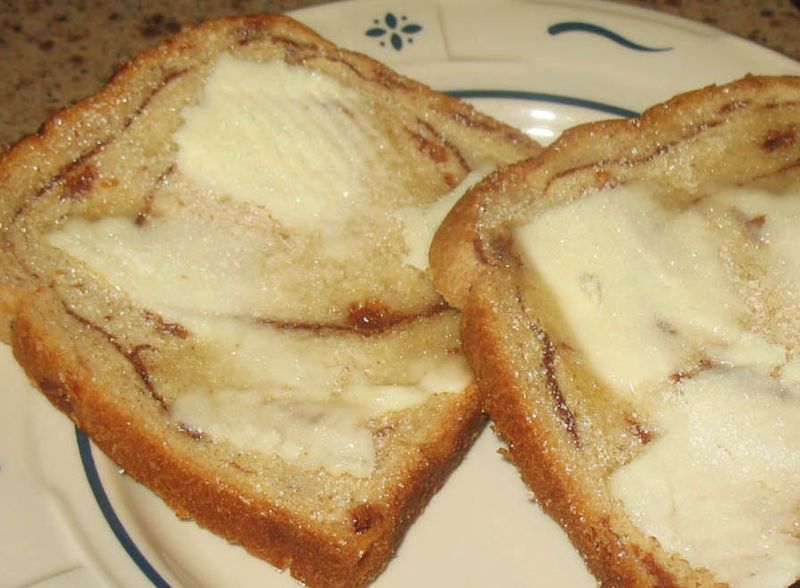
Nothing says childhood in a cash-strapped household like the sweet simplicity of a sugar sandwich. White bread slathered with margarine or butter, then sprinkled generously with white sugar until it sparkles.
The sugar would partially melt into the butter, creating a crunchy-yet-gooey texture that was pure magic to young taste buds. No fancy ingredients, no special occasion needed – just a humble treat that somehow made difficult times a little sweeter.
2. Bread And Dripping
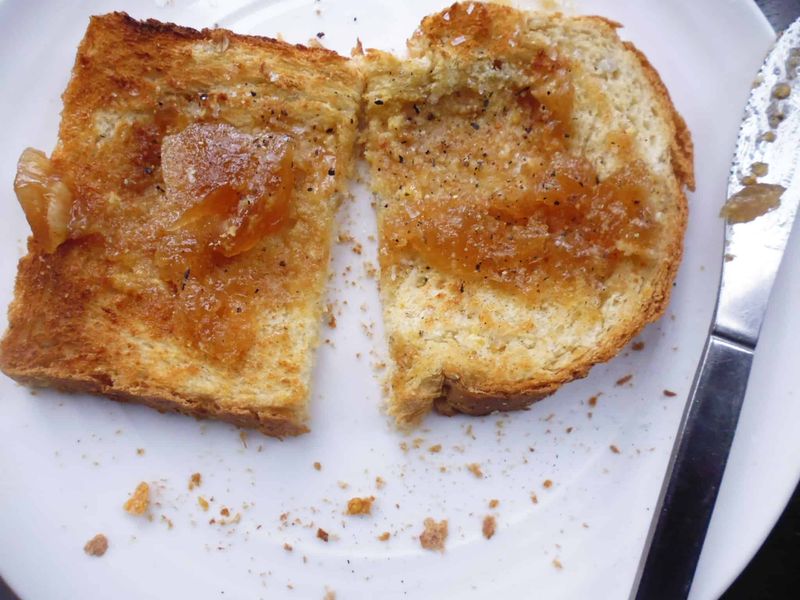
After Sunday's roast dinner came Monday's treasure – bread and dripping. Beef fat collected from the roasting tin, cooled until it formed a white layer with a meaty jelly beneath.
Spread thickly on bread with a sprinkle of salt, this humble delicacy delivered flavour that fancy pâtés could only dream of matching. Older generations still reminisce about this wartime and post-war staple, often called 'mucky fat' in northern homes, that transformed basic bread into something extraordinary.
3. Cold Yorkshire Pudding With Jam

Yorkshire puddings might be a Sunday roast staple, but leftovers were rarely wasted in working-class homes. Once cooled, they’d be smeared with jam and eaten as a quick pudding or snack - a surprisingly delicious mix of savoury and sweet.
The soft, eggy base soaked up the jam perfectly, creating a texture that’s halfway between a pancake and a pastry. It might sound odd to outsiders, but for many Northern families, cold Yorkshires with jam were a thrifty treat that turned leftovers into something worth looking forward to.
4. Chips In Everything
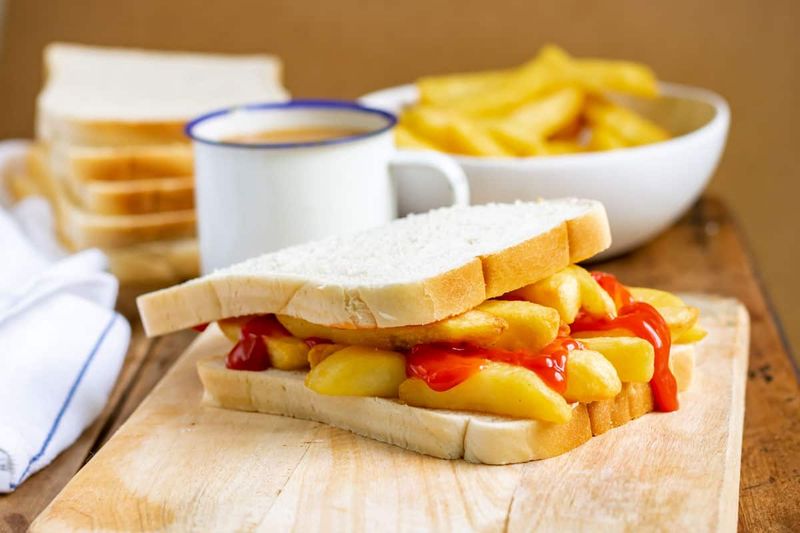
The British chip isn't just a side dish – it's the versatile hero of working-class cuisine. Thick-cut, golden, and perfectly soft inside, these potato wonders find their way into everything imaginable.
Stuffed between buttered bread for a chip butty. Drowning in curry sauce after pub closing time. Scattered atop a pie with gravy. Even pressed into beans or eggs for that essential carb-on-carb action. When money's tight but comfort is needed, chips become the great culinary equalizer.
5. Cheese And Jam Sandwiches
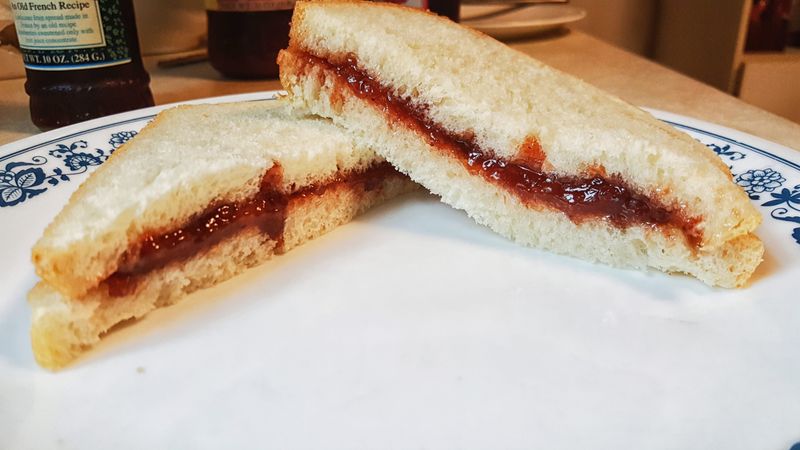
Long before fancy cheese boards paired cheddar with fruit preserves, working-class kids were enjoying this sweet-savory combo between two slices of bread. Sharp cheddar meets sticky strawberry or raspberry jam in peculiar harmony.
The tangy cheese cuts through the sweetness perfectly, creating an unexpectedly sophisticated flavor profile from ingredients found in even the most modest kitchens. Generations of British schoolchildren have defended this odd pairing against playground skeptics, knowing they were onto something brilliant.
6. Condensed Milk On Bread

Before fancy desserts or puddings were within reach, a tin of condensed milk was the ultimate treat. Thick, sticky, and impossibly sweet, it was spooned or poured over slices of white bread for an instant sugar rush that felt like pure luxury.
The trick was to spread just enough to avoid gluing your teeth together - though few ever managed such restraint. It wasn’t glamorous, but in homes where every penny counted, this improvised dessert was the taste of comfort and childhood nostalgia.
7. Tinned Spaghetti On Toast

When payday feels too far away, this store-cupboard savior comes to the rescue. Soft, sweet spaghetti in tomato sauce from a Heinz tin, heated quickly and poured over buttered toast.
The toast softens slightly under the warm sauce while maintaining crucial structural integrity. Sometimes topped with grated cheese that melts into the orange sauce, creating strings that stretch from plate to mouth. Quick, filling, and comforting – the holy trinity of working-class cuisine.
8. Tea And Bread Dipping
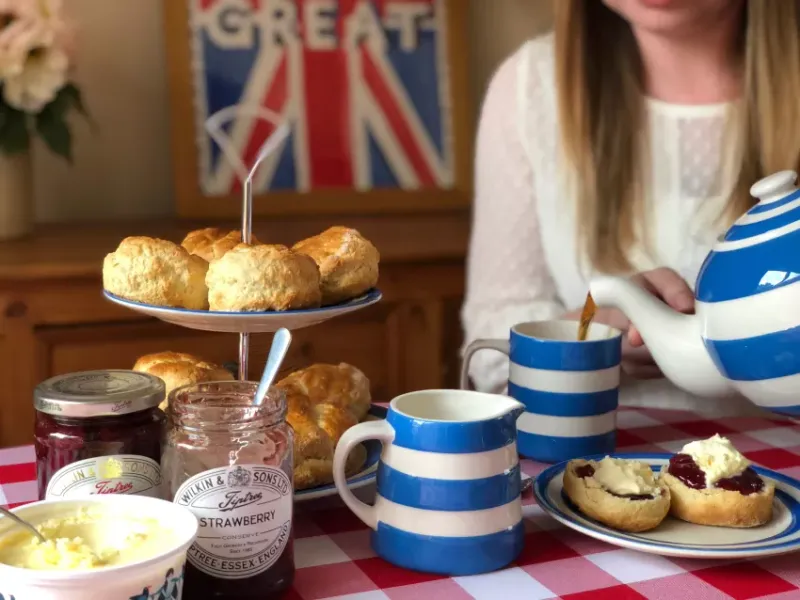
Some rituals are so intimate they're rarely mentioned outside the home. Dipping buttered bread into a mug of strong, milky tea is one such quiet pleasure.
The bread must be soft white with a generous layer of butter that melts slightly into the hot tea. Timing is crucial – dip too long and disaster strikes as bread disintegrates into the mug. Masters of this art know exactly when to retrieve the tea-soaked morsel for that perfect moment of warm, sweet comfort.
9. Boiled Potatoes With Vinegar
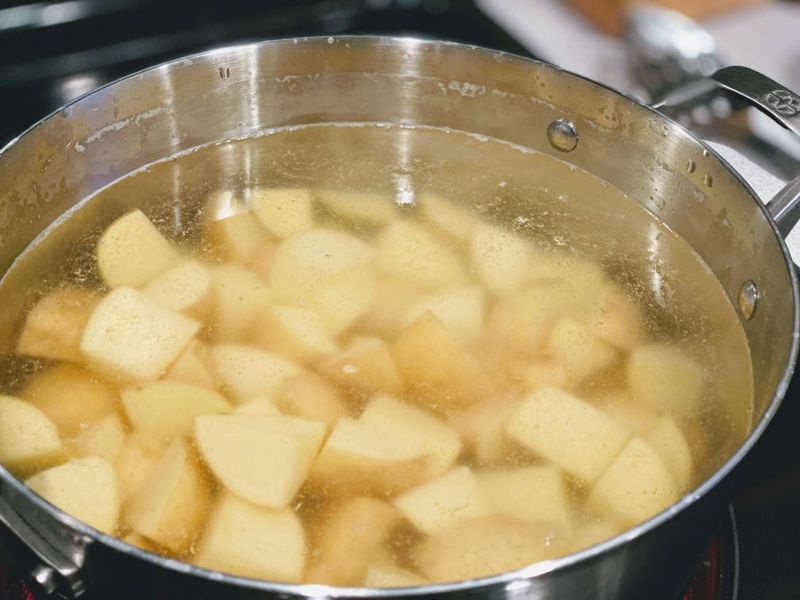
When elaborate cooking wasn't an option, this minimalist meal delivered surprising satisfaction. Plain potatoes boiled in their skins until just tender, then peeled while still warm and doused liberally in malt vinegar.
The sharp vinegar cuts through the starchy blandness, creating a tangy, humble dish that filled bellies during lean times. Sometimes accompanied by a fried egg or tinned sardines if you were lucky. Northern mining communities particularly embraced this simple pleasure after long shifts underground.
10. Fish Fingers With Mash And Beans
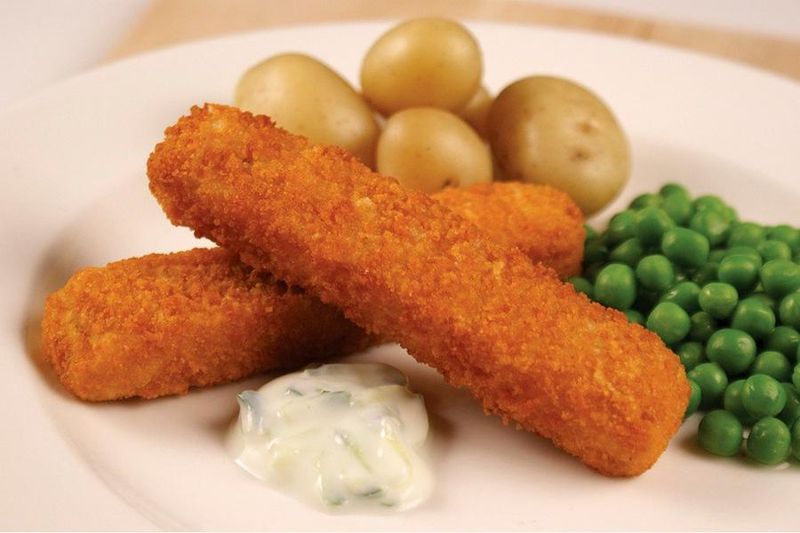
The ultimate midweek savior for tired parents everywhere. Golden breadcrumbed fish fingers arranged neatly atop a cloud of instant mashed potatoes, with a vibrant pool of baked beans completing the color palette.
Captain Birdseye's finest creation paired with Smash instant potato flakes and Heinz beans formed the holy trinity of convenience foods. The crispy-soft texture contrast and the way the bean sauce inevitably mixed with the mash created a comfort food experience that transcended its humble ingredients.
11. Rice Pudding With Skin
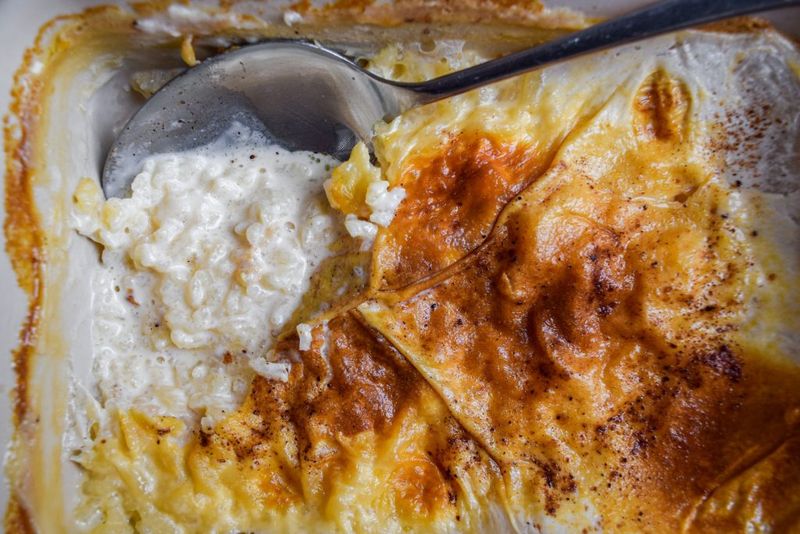
The divisive skin that forms on top of homemade rice pudding is the ultimate British food controversy. Some carefully peel it away, while others fight for this caramelized treasure.
Made from the simplest ingredients – rice, milk, sugar and a hint of nutmeg – this humble pudding simmered slowly until creamy perfection. Whether from scratch or from Ambrosia tins, rice pudding offered sweet comfort on dreary days. The skin debate continues to separate families, with passionate advocates on both sides.
12. Jam Roly-Poly With Custard

Affectionately nicknamed 'dead man's arm' for its appearance when steamed in cloth, this suet pudding holds a special place in British hearts. A flat suet dough spread with strawberry jam, rolled into a spiral, then steamed or baked until gloriously stodgy.
School dinner ladies would slice it into rounds that revealed the jam spiral inside, then drown it in luminous yellow custard. The combination of dense, sweet pudding with flowing custard created textural magic that generations of British children have cherished despite its unappetizing nickname.
13. Leftover Fry-Ups
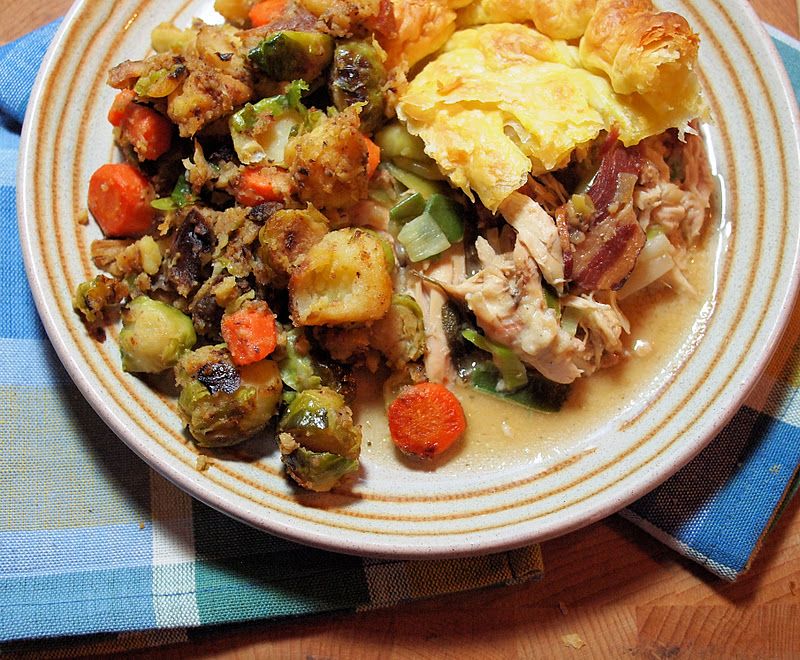
Nothing demonstrates working-class ingenuity like the Monday morning fry-up. Sunday's roast dinner leftovers – potatoes, vegetables, even Yorkshire puddings – chopped and fried in a pan until crispy and golden.
Sometimes topped with an egg or mixed with baked beans, this waste-nothing approach created a completely new meal from yesterday's remains. The magic happened in the cast iron pan, where cold potatoes transformed into crispy golden nuggets and leftover cabbage developed delicious charred edges that made Monday mornings almost something to look forward to.
14. Crisps In Sandwiches
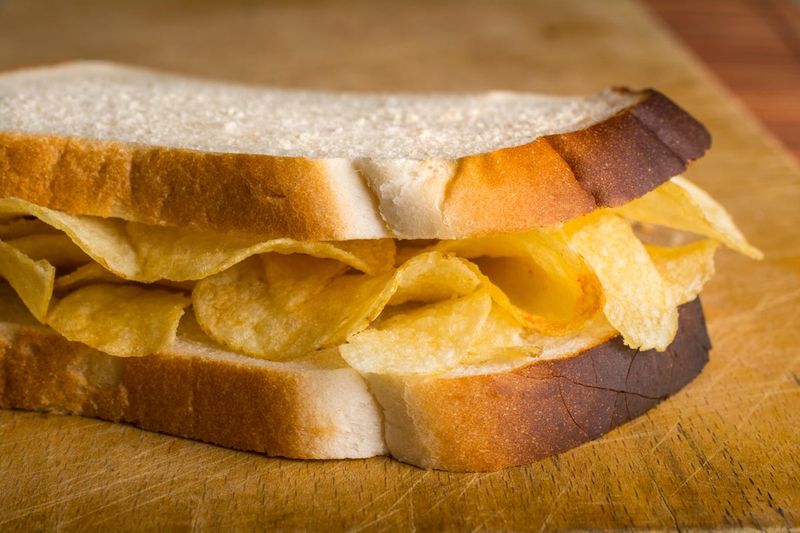
The secret texture upgrade known to every British schoolchild – crisps stuffed into otherwise ordinary sandwiches. Walkers cheese and onion between slices of buttered white bread creates a flavor explosion that's greater than the sum of its parts.
The satisfying crunch contrasts beautifully with soft bread, while the salt enhances everything around it. Playground crisp sandwich connoisseurs debate optimal varieties – salt and vinegar for ham, prawn cocktail for cheese – but all agree that this simple hack transforms everyday packed lunches into something special.
15. Bovril On Toast
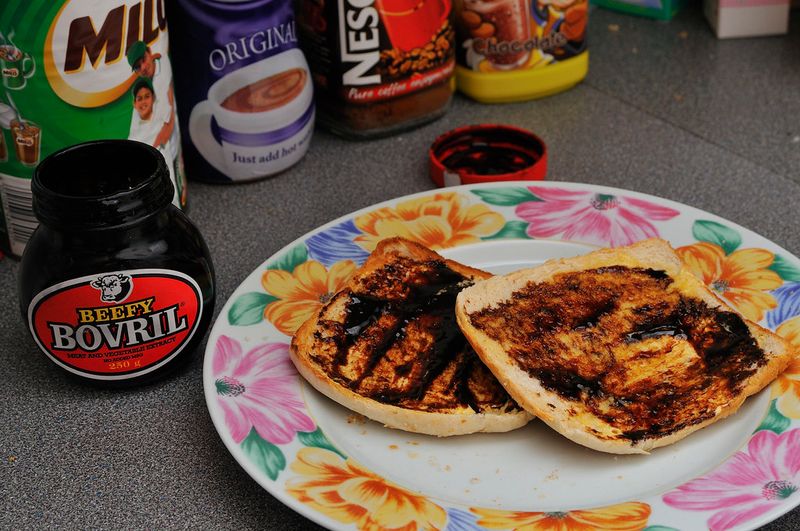
Before fancy beef consommés, there was Bovril – the intensely savory beef extract that formed the backbone of many a simple meal. Spread thinly on hot buttered toast, this dark, salty paste delivered umami satisfaction that belied its humble appearance.
Often enjoyed while huddled around coal fires on winter evenings or after football matches in the biting cold. The distinctive smell instantly transports Brits of a certain age back to childhood kitchens, where this simple combination somehow made everything feel alright even when times were tough.
16. Pease Pudding And Ham

A Northern delicacy that sustained generations of working families, pease pudding resembles hummus's heartier cousin. Yellow split peas simmered with onion and herbs until they break down into a thick, savory paste.
Traditionally served with salty ham or bacon, this protein-packed combination delivered much-needed calories to miners and factory workers. The smooth, slightly grainy texture of the pudding paired perfectly with salty meat, creating a satisfying sandwich filling that could fuel hours of hard labor. Newcastle's favorite comfort food remains beloved across the Northeast.
17. Fried Bread With Breakfast
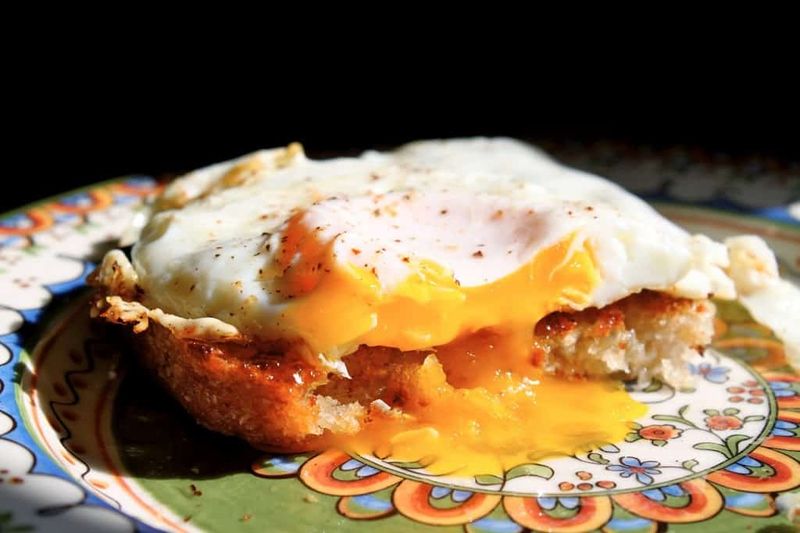
The unsung hero of the full English breakfast, fried bread elevates morning meals from sustenance to celebration. Not to be confused with toast, this is bread fried directly in the bacon fat until golden and crisp outside while remaining soft inside.
The ultimate vehicle for soaking up egg yolk or baked bean sauce. Each bite delivers a gloriously unhealthy yet satisfying crunch that makes special occasion breakfasts truly special. Despite health warnings about saturated fat, this working-class treat persists in greasy spoons nationwide as a beloved reminder of simpler culinary times.



